Cusco With Kids
Cusco, the historic Inca capital high in the Andes of southern Peru, works for families who plan around the altitude, the cobbles and the seasons.
Short answer
Cusco with kids is workable and rewarding if the first days are slow: the Plaza de Armas sits at 3,335 m, children under 10 enter the Boleto Turistico sites free, and the city's compact historic centre puts markets, museums and ruins within short walks of each other.
Cusco, the historic city in the Andes of southern Peru, sits at 3,335 m at its Plaza de Armas, and families arrive here every day of the year. The city was the capital of the Inca empire, colonial churches stand on Inca stone foundations, and UNESCO inscribed the City of Cusco on the World Heritage list in 1983. For parents the practical questions come first: how the altitude treats children, which sites a five-year-old actually enjoys, and whether a day trip to the Sacred Valley is realistic with a tired eight-year-old in tow. This guide works through those questions in the order a family meets them, from the airport taxi to the final afternoon of chocolate making, using what official sources state rather than anyone's single trip.
Is Cusco A Good Destination For Kids?
Cusco is a genuinely workable family destination: the historic centre is compact and walkable, the Boleto Turistico admits children free to age 9, and the city's markets, plazas and workshops give children things to do rather than just things to look at. The catch is altitude. The Plaza de Armas sits at 3,335 m, and the CDC Yellow Book names Cusco as a rapid-ascent destination, one travellers reach by air in a single morning. That shapes the whole plan: slow first days, a light schedule, and a doctor consulted before departure. Once a family has adjusted, Cusco offers a rare combination of a real living city and a UNESCO-listed historic centre.
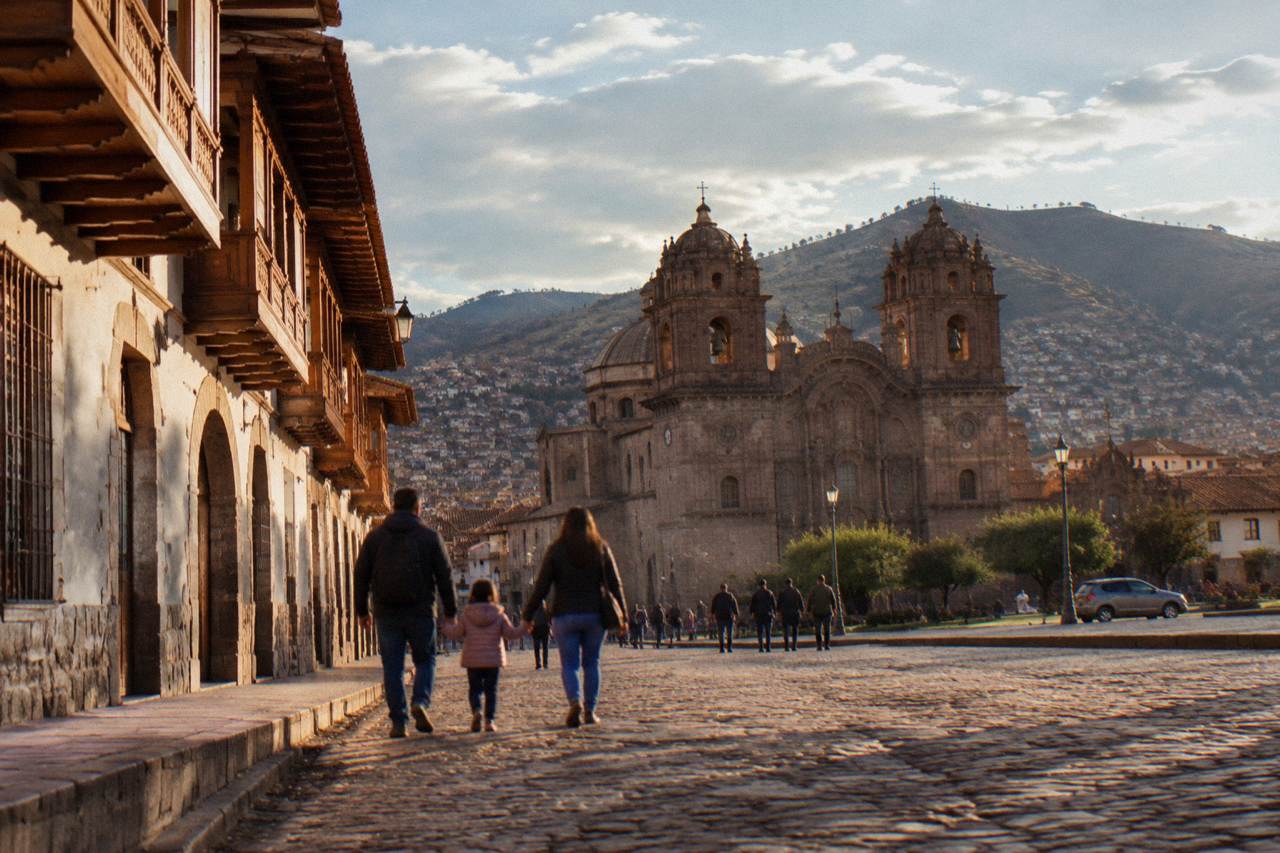
The streets themselves are part of the experience. Steep cobbled lanes connect the Plaza de Armas to the San Blas neighbourhood, and colonial arcades open onto courtyards and markets. Nothing about this is pram territory: the stones are uneven, the pavements narrow, and the site rules at Machu Picchu prohibit strollers outright, which is worth knowing before anyone packs one. A carrier or a child who walks is the realistic setup.
The city is also safe, with ordinary city precautions. The is Cusco safe guide carries the detail, including the UK FCDO's plain advice not to walk alone in quiet areas at night, which applies to teenagers seeking independence as much as to anyone else.
How Do You Handle The Altitude With Children In Cusco?
The CDC advises graded ascent wherever possible and names Cusco, at about 3,350 m by its measure, as a rapid-ascent destination; for children the same logic applies, and the CDC notes travellers can sleep a night or two at a lower elevation before beginning the ascent, but no official source sets a safe age or altitude for a child, so the altitude plan belongs to a doctor. The CDC Yellow Book's rule of thumb is to avoid going from low altitude to a sleeping altitude of 2,750 m or more in a single day, and once above 3,000 m to raise sleeping altitude by no more than 500 m per night. Cusco breaks that rule by definition for anyone flying in, which is why the first 48 hours matter.
What that means in practice, drawn from what the CDC states rather than from any one family's trip: keep the first two days slow, skip the big hikes, and avoid alcohol for adults in the first 48 hours at altitude, which the CDC lists as practical advice. Acetazolamide is described as a prescription decision to make with a doctor. A cup of coca tea is reported at about S/ 2 to 5 on the ground in Cusco, and it is a normal part of local hospitality, but it is not medicine.
The sequencing trick the CDC itself points to: the Sacred Valley sits lower than Cusco. Ollantaytambo town is at 2,792 m, Urubamba at 2,870 m, Pisac at 2,972 m. The CDC notes that for Cusco, travellers can descend to elevations lower than the airport to sleep for a night or two and then begin the ascent. A family that sleeps in the valley first and returns to Cusco afterwards is following the official logic in reverse order, and the Cusco altitude guide covers the full picture. The trade-off is logistics: most flights land in Cusco, so the valley-first plan means a transfer on arrival day, and the getting around Cusco page explains the options without inventing fares.
One more thing worth knowing: the weather plays into how children feel. Mean daily maximums in Cusco stay between 18.8 and 20.9 C all year, but winter nights, June to August, are a different story, with mean minimums of 0.3 C in June and 0.1 C in July at the WMO/SENAMHI "Cuzco" station's historical normal. A child who is warm at lunchtime is cold after sunset, and the Cusco weather by month guide has the full table.
What Are The Best Things To Do In Cusco With Kids?
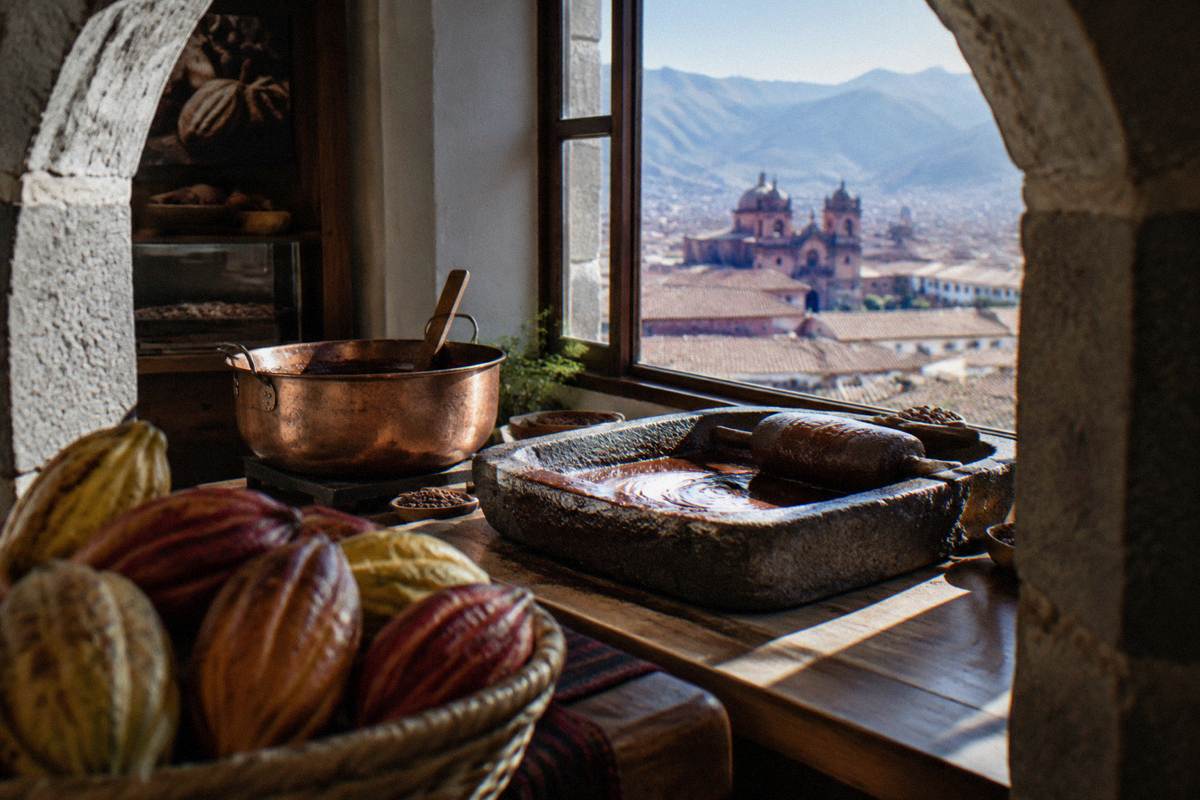
The activities that hold a child's attention in Cusco are the hands-on ones: a chocolate workshop that turns cacao into bars, a cooking class that starts at San Pedro Market, a planetarium show with transport included, and the plazas and viewpoints in between, and several of these run as bookable products with the price and rating shown on the operator's live listing. Cusco rewards doing over looking. The ChocoMuseo runs a bean-to-bar chocolate workshop, and the chocolate museum is also a free-visit stop on the free things to do in Cusco list for the days between paid activities. Cooking classes pair a market walk with a hands-on kitchen session, which suits children old enough to stir, chop with supervision and eat the results.
A guided walking tour is the easiest first structured activity, because it is short, central and flat by Cusco standards. The site's featured walk, the Cusco walking tour with experienced local guides, covers the historic centre with a guide who does the pacing for you, and it is the kind of activity that works on day two when a family wants structure without a bus.
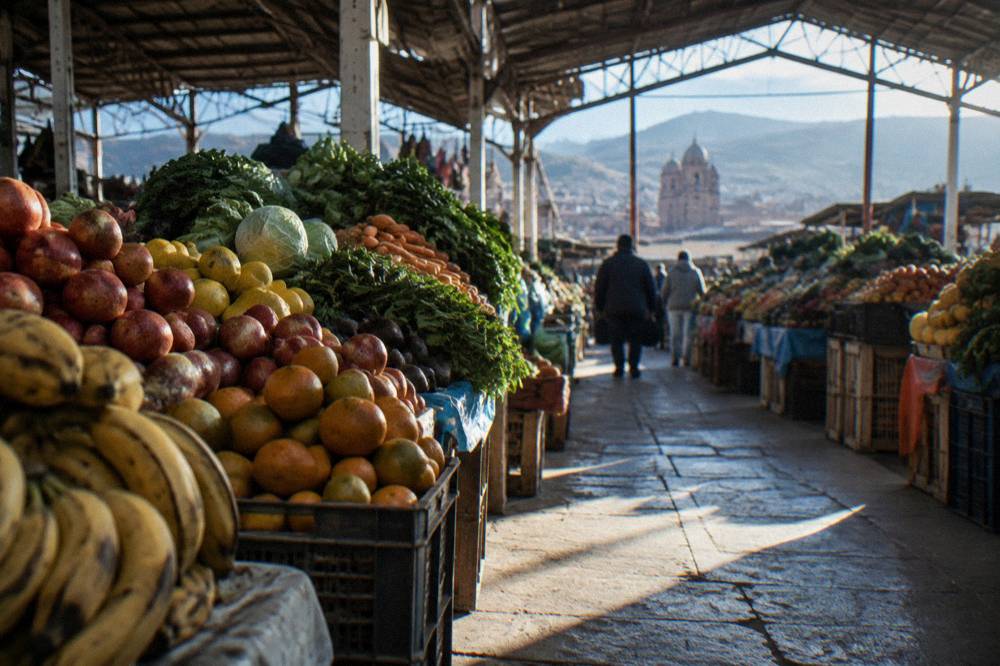
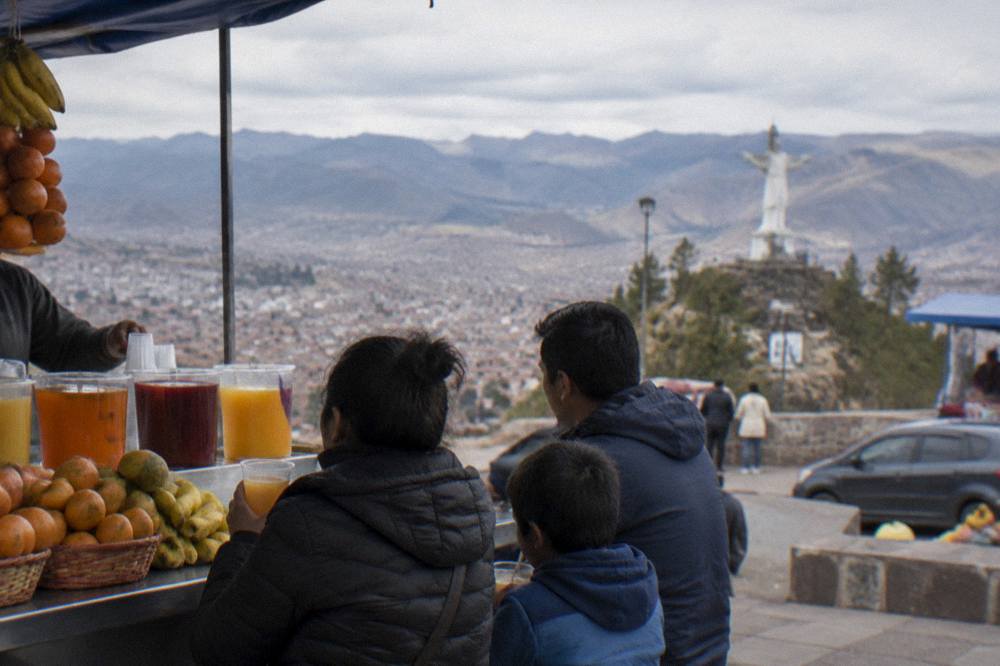
Beyond the tours, the city's own fabric is child-friendly in small ways. San Pedro Market is a sensory experience, and the Cusco markets guide maps the stalls; the what to eat in Cusco guide covers the food a cautious child will actually accept, from roast chicken to the fruit juice counters. For families weighing the famous local dish, the cuy guide explains what guinea pig is and how it is served, so the conversation can happen before the plate arrives. A menu del dia, the set lunch, is reported at about S/ 8 to 15 on the ground, which keeps family lunches cheap.
Which Cusco Sites And Tickets Work Best For Families?
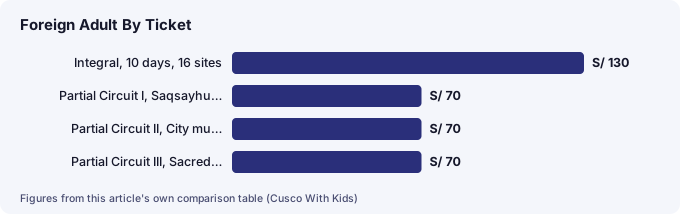
The Boleto Turistico is the family's best ticket value: children are free to age 9, ages 10 to 17 pay the student price with ID, and the integral ticket at S/ 130 for a foreign adult, about US$38, covers 16 sites over 10 days, including Saqsayhuaman, Q'enqo, Pisac and Ollantaytambo. COSITUC, the ticket's operator, sells it in person only, at the counter on Av. El Sol 103, open daily 07:30 to 18:00, and at most included sites. There is no online sale, which surprises families who planned to print tickets at the hotel. The Boleto Turistico guide carries the full site list and validity rules.
| Ticket | Foreign adult | Child to age 9 | Ages 10 to 17 |
|---|---|---|---|
| Integral, 10 days, 16 sites | S/ 130 | Free | Student price with ID |
| Partial Circuit I, Saqsayhuaman, 1 day | S/ 70 | Free | Student price with ID |
| Partial Circuit II, City museums, 2 days | S/ 70 | Free | Student price with ID |
| Partial Circuit III, Sacred Valley, 2 days | S/ 70 | Free | Student price with ID |
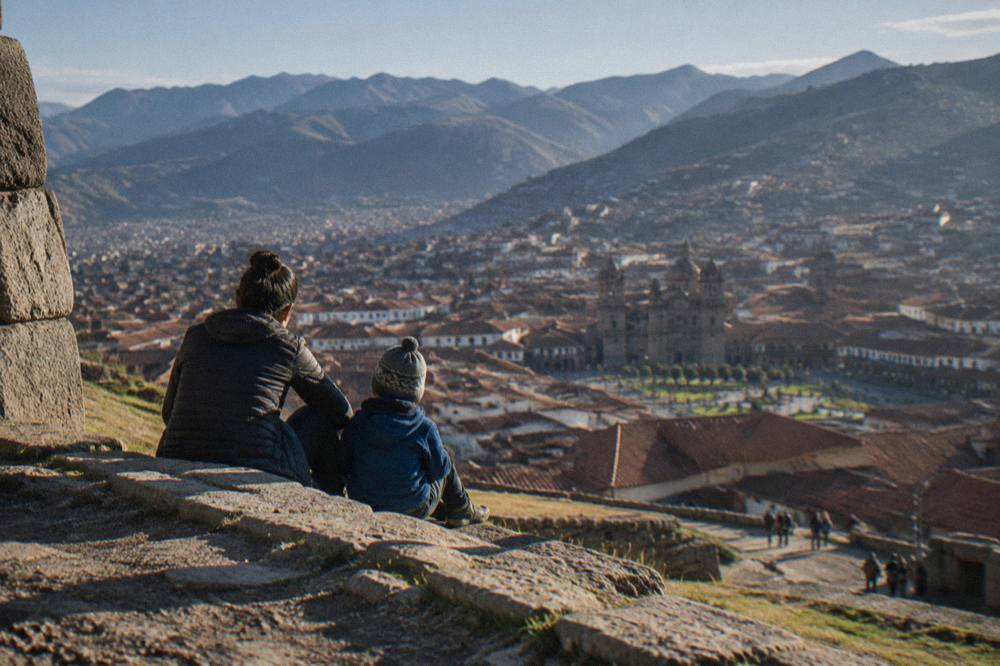
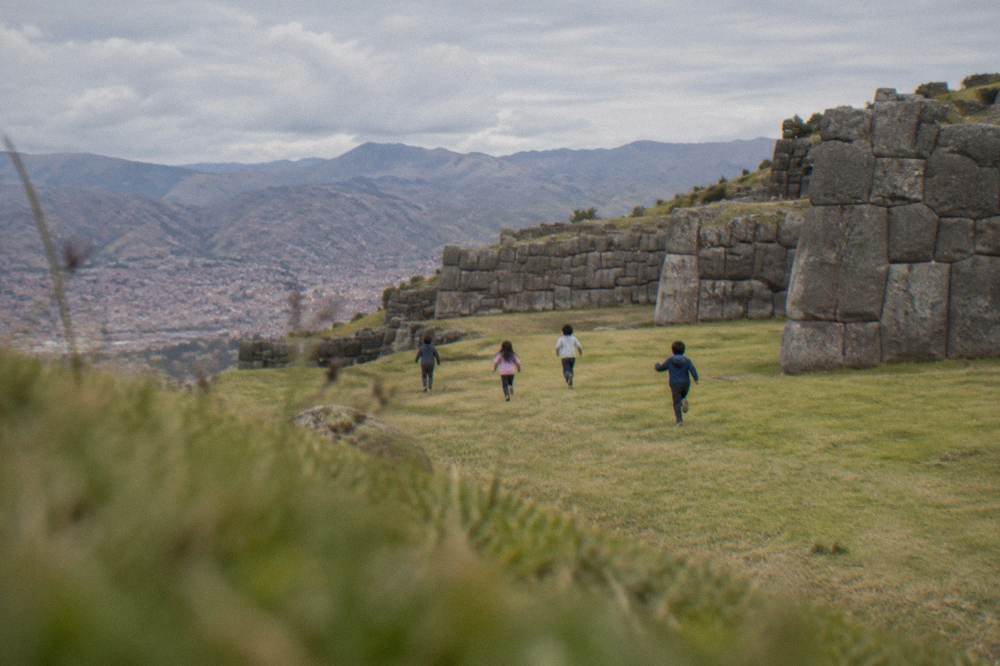
Which sites suit children best is a fairer question than which sites are famous. Saqsayhuaman's terraces are open ground a child can roam, and it sits above the city at 3,701 m, so it belongs after acclimatisation, not on day one. The four ruins above Cusco, Saqsayhuaman, Q'enqo, Puka Pukara and Tambomachay, all sit on the same Circuit I, and a half-day tour strings them together, which the four ruins of Cusco piece explains. In the city itself, the Qorikancha museum, the Inca Museum and the MAP are all walkable, and the Cusco museums guide compares them.
| Site | Why It Works For Kids | Ticket |
|---|---|---|
| Saqsaywaman | Open terraces to roam, views over the city | Boleto Circuit I |
| Tambomachay | Small, water channels, short visit | Boleto Circuit I |
| Q'enqo | Rock passages to walk through | Boleto Circuit I |
| Qorikancha museum | Indoor, central, short | Boleto Circuit II |
| Planetarium Cusco | Evening show with round-trip transport included | Own ticket, from S/ 90 per adult on its own site |
| ChocoMuseo | Hands-on workshop, free entry to the shop area | Workshop ticketed separately |
Machu Picchu deserves its own word here because families ask. The citadel is 2,430 m, lower than Cusco, and the site's code of conduct prohibits strollers, food, tripods and leaving the circuit, so it is a walking visit for a child who can manage a couple of hours on stone paths. Since June 2024 the site has run three circuits and ten routes, and a guide is recommended rather than mandatory under the current Ministry of Culture rule. Machu Picchu has exactly one page on this site, the Machu Picchu day trip guide, which carries the ticket and circuit detail; the buying process itself is a topic for the official platform, and this page stays out of it.
Which Day Trips From Cusco Suit A Family?
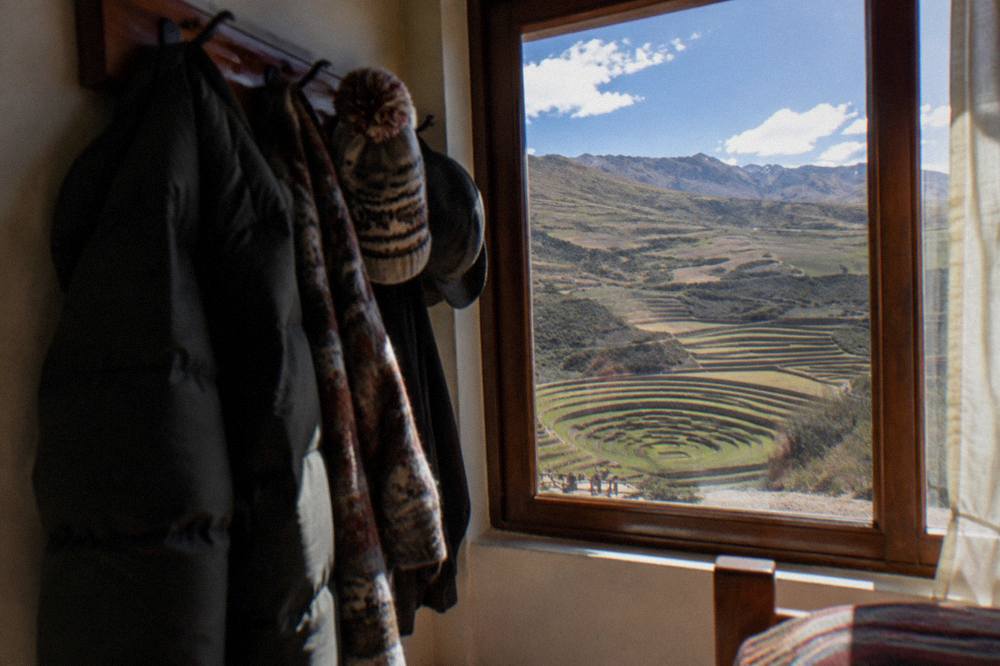
The family-friendly day trips from Cusco are the lower, closer ones: the Sacred Valley circuit of Pisac, Ollantaytambo, Chinchero and Moray, the Maras salt mines, and Awana Kancha, where children watch weaving and meet the animals that supply the wool, while the high-mountain trips to Rainbow Mountain at about 5,000 m and Humantay Lake at about 4,200 m are poor fits for most children. The altitude logic from the CDC applies with more force the higher the destination. Rainbow Mountain's community fee is S/ 25 to 30 in cash for foreigners, and the climb sits above 5,000 m, a full day of thin air that most parents will want to save for a return trip without the children. The Rainbow Mountain versus Palccoyo comparison covers the lower, shorter Palccoyo alternative at 4,900 m for families who still want the colours.
| Day trip | Elevation | Family fit |
|---|---|---|
| Sacred Valley circuit (Pisac, Ollantaytambo) | 2,792 to 2,972 m | Strong: lower than Cusco, sites on the Boleto Circuit III |
| Maras salt mines and Moray | About 3,300 to 3,385 m | Good: short walks, visual payoff |
| Awana Kancha weaving centre | Near Cusco | Strong: animals, demonstrations, hands-on |
| Palccoyo | 4,900 m viewpoint | Possible for older children, short walk |
| Rainbow Mountain (Vinicunca) | About 5,000 m | Poor fit for most children |
| Humantay Lake | About 4,200 m | Demanding, steep final stretch |
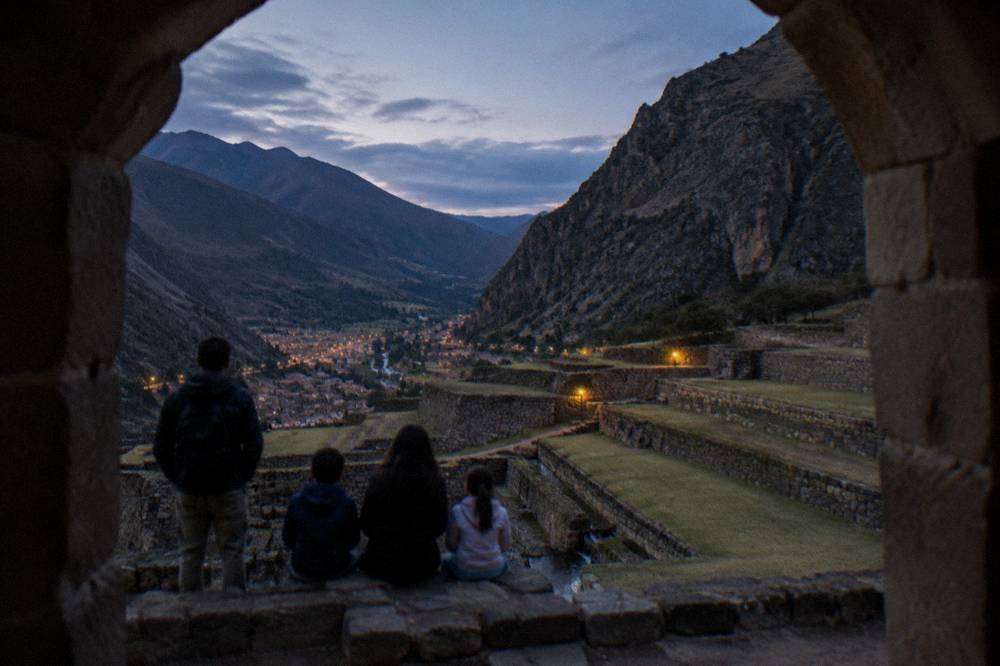
The Sacred Valley is the workhorse family day trip, and it can be done with a tour or independently; the Sacred Valley in one day and Sacred Valley without a tour pieces lay out both routes. The valley towns sit lower than Cusco, which is why some families sleep there first, as the CDC's descent logic suggests. For the train leg to Machu Picchu, the Cusco to Ollantaytambo guide covers the connection; the train onward from Ollantaytambo is a sibling-site topic and gets only this sentence.
For families with older children who want action rather than ruins, the valley also carries the adventure options. The rafting and zip-line day on the Urubamba River is the classic adrenaline pick, and it suits confident swimmers in the family who want a day off the sightseeing circuit. The wider set of guides lives on Things To Do In Cusco Peru.
For a gentler adventure on horseback above the city, book a horseback riding tour here.
Tandem paragliding over the Sacred Valley is the other headline adventure, putting the whole valley in view from the air with an instructor handling the wing. Both are bookable products, and the price, rating and review count sit on the operator's live listing rather than on this page, so a family can compare the two directly before committing a day to either.
Where Should A Family Stay In Cusco?
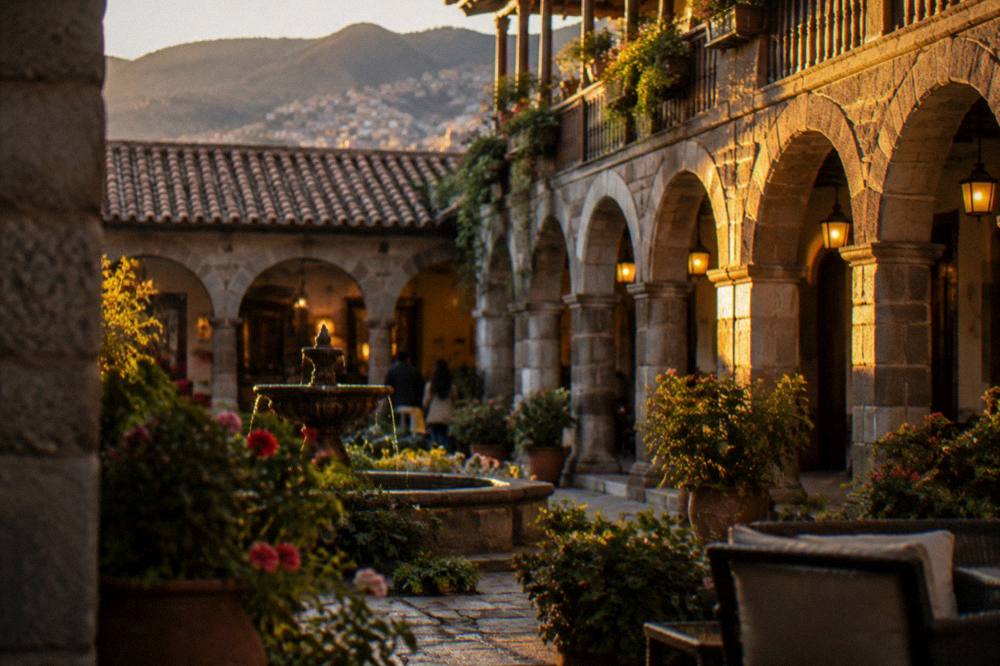
The family base in Cusco is the historic centre, within walking distance of the Plaza de Armas, where the streets are cobbled and steep but everything is close, and the San Blas hill above it is charming but adds climbing to every walk home. The practical trade-off is simple: the centre puts restaurants, markets and the plaza within a short walk, while neighbourhoods further out mean taxis at night with tired children. The where to stay in Cusco guide compares the districts in detail, and the best hotels in Cusco guide carries the properties; no nightly rate is quoted here, because the pack verifies none.
Heating is a fair question in a city where July nights average 0.1 C, but no sourced claim about heating in Cusco buildings exists, so this guide makes none. What can be said is what the climate table shows: cold nights are a fact of the dry season, and families booking for June to August should ask the hotel directly about heating rather than assume it. The best time to visit Cusco guide weighs the seasons for the whole trip.
What Should A Family Pack For Cusco?
A family packing for Cusco needs layers for a city where afternoons hold near 19 to 21 C all year but winter nights fall to around freezing, sun protection for thin air at 3,335 m, comfortable walking shoes for cobbles, and carriers rather than strollers for young children. The daily swing is the packing story: in July the mean maximum is 19.1 C and the mean minimum 0.1 C, a swing of about 19 C in a single day. In January the swing is narrower, 18.9 C to 6.6 C, but the rain is heavy, with 145.3 mm across the month in the historical normal.
| Season | Daytime mean max | Night mean min | Rain | Packing focus |
|---|---|---|---|---|
| Dec to Feb | 18.8 to 19.4 C | 6.4 to 6.6 C | 122.7 to 145.3 mm per month | Rain layers, waterproofs, spare shoes |
| Jun to Aug | 19.1 to 19.8 C | 0.1 to 1.6 C | 1.5 to 8.6 mm per month | Warm nightwear, hats, gloves, sun cream |
The what to wear in Cusco guide carries the full wardrobe logic, including why the dry-season sun at altitude burns faster than the temperature suggests. For the practical kit, a tourist SIM is reported at about S/ 5 to 15 with data packs at about S/ 20 to 40 on the ground, covered in the site's SIM guide, and the airport taxi to the centre is reported at about S/ 15 to 25, which the Cusco airport guide details.
How Many Days Does A Family Need In Cusco?
A family should plan four to five days in and around Cusco: two slow days in the city to adjust to the altitude while doing the markets, museums and chocolate workshop, then the Sacred Valley, then, for families continuing onward, Machu Picchu, with the high-mountain day trips only if the children have adjusted well. The first 48 hours belong to the altitude, and the CDC's advice to keep ascent gradual means the big outings come after it. The site's 3 days in Cusco and 4 days itineraries show how this looks hour by hour, and the acclimatisation day guide is built around exactly this problem.
A sample shape, using only activities covered above: day one, easy walking, the Plaza de Armas, San Pedro Market, an early night; day two, the guided walking tour and the chocolate workshop; day three, the four ruins above the city on the Boleto Circuit I; day four, the Sacred Valley; day five, Machu Picchu for families continuing there, or Palccoyo for those who want one more mountain view. Families with more time can slow every stage down, and with children that is usually the right call.
Common Questions About Cusco With Kids
Is Cusco safe for children?
The US State Department advisory holds Peru at Level 2, Exercise Increased Caution, and places Cusco city, the Sacred Valley, the Inca Trail and Machu Picchu outside its Do Not Travel areas. The UK FCDO advises against walking alone in quiet areas or at night, ordinary city caution that applies with children as anywhere. The full picture, including the tourist police contact numbers, is on the site's safety guide.
Do children pay for the Boleto Turistico?
Children are free to age 9, and ages 10 to 17 pay the student price with ID, per COSITUC's own FAQ. One exception: the Centro Qosqo de Arte Nativo charges from age 6. The ticket is sold in person only, at Av. El Sol 103 and at most included sites.
Can children visit Machu Picchu?
Yes, and the citadel at 2,430 m is lower than Cusco. The site's code of conduct prohibits strollers, so children walk. Since 1 June 2024 the site runs three circuits and ten routes, and a guide is recommended rather than mandatory under the current Ministry of Culture rule. The site's Machu Picchu day trip guide carries the detail.
What is the best month to visit Cusco with kids?
The dry season, roughly May to September, gives clear days and cold nights, with June and July mean minimums near freezing. The wet season, November to March, carries 71.9 percent of the year's rain between December and March. School holidays decide a lot of family timing, and the site's weather-by-month guide has the full table either way.
Are there free activities for children in Cusco?
Yes, and the site's free-things-to-do guide lists them: the plazas, the San Pedro Market walk, the Cristo Blanco viewpoint and the city's free walking tours, which run on a tip basis through GuruWalk with local guides. The ChocoMuseo's shop area is also free to enter, with the workshop ticketed separately.
Should a family see a doctor before travelling to Cusco with children?
Yes, and the CDC's own framing supports it: Cusco is a rapid-ascent destination, acetazolamide is a prescription decision, and no official source sets a safe age or altitude threshold for a child. Yellow fever vaccination is not required for entry, and the CDC does not recommend it for travel limited to the highland tourist areas including Cusco city and Machu Picchu.
Planning Cusco with children comes down to respecting the altitude, buying the Boleto Turistico in person, and keeping the schedule loose enough that a slow morning is a plan rather than a failure. The city has been receiving families for a long time, and it rewards the ones who arrive with layers, snacks and a lighter itinerary than they would plan at sea level.