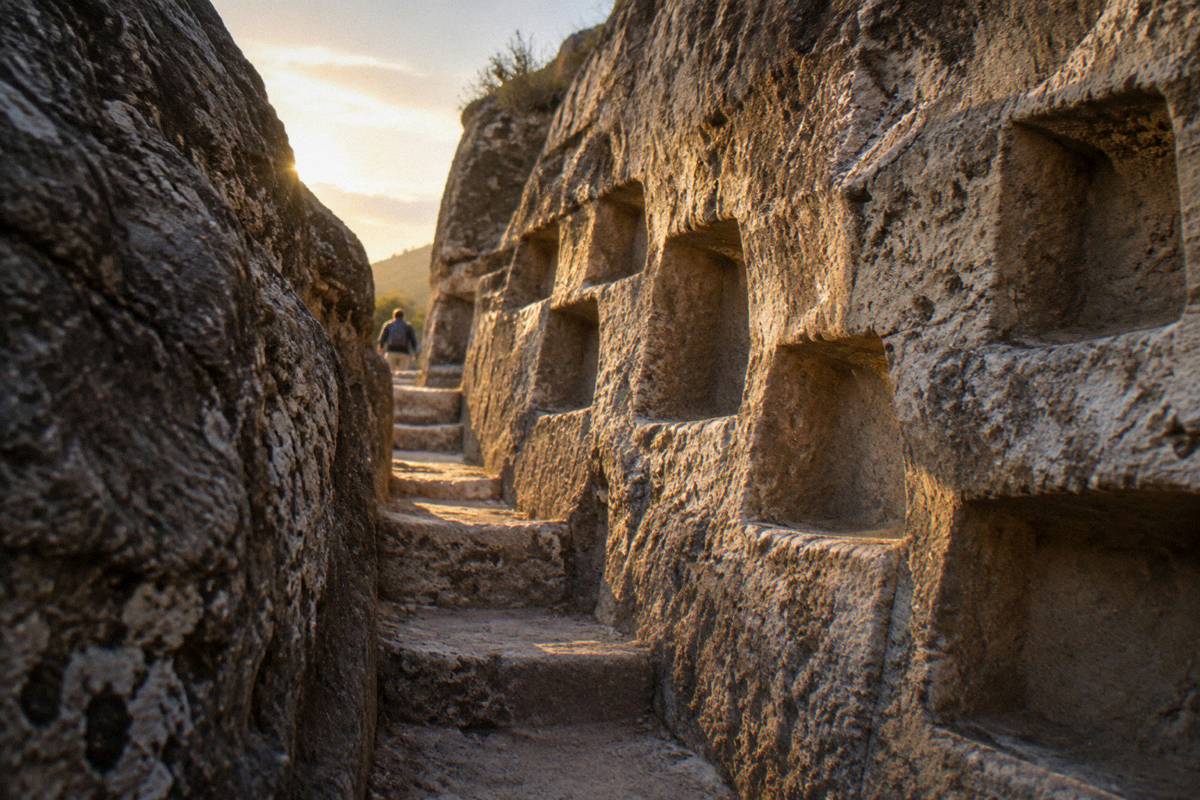
Boleto Turistico, The Cusco Tourist Ticket
Cusco, the old Inca capital in the Andes of southern Peru, sells admission to most of its state-run archaeology and museums through one paper ticket issued by COSITUC. Here is what the Boleto Turistico costs, what it covers and where it stops.
Short answer
The Boleto Turistico del Cusco is a single admission ticket sold in person by COSITUC, the public consortium behind the city's state sites. A foreign adult pays S/ 130 for the integral ticket, valid 10 days across all 16 covered sites, or S/ 70 for one of three partial circuits. It does not cover Machu Picchu, the Cusco Cathedral or the Maras salt mines.
Cusco, the old Inca capital high in the Andes of southern Peru, sells admission to most of its state-run archaeology and museums through one paper document: the Boleto Turistico del Cusco, issued by COSITUC, the public consortium that runs the ticket and the sites behind it. Sixteen places sit behind it, from the hilltop terraces of Saqsaywaman above the city to the concentric agricultural rings of Moray in the Sacred Valley. This guide sets out the current prices, the three circuits, where the ticket is and is not sold, and the sites it does not cover, drawn from COSITUC's own published tarifario and frequently asked questions.
What Is The Boleto Turistico In Cusco?
The Boleto Turistico del Cusco is a single admission ticket sold by COSITUC, the public consortium that manages Cusco's state museums and archaeological parks. It covers 16 sites across the city, the hills above it and the Sacred Valley, it is sold in person only, and it exists in two forms: one integral ticket valid for every site and three partial circuit tickets covering one zone each.
The idea behind the ticket is simple. Instead of paying at the gate of Saqsaywaman, then again at Q'enqo, then again at a string of museums, a visitor buys one document that opens all of the state-run sites in a given zone. COSITUC administers the scheme, and its tarifario and FAQ pages are the authoritative source for every price and rule on this page. In English the document is usually called the Cusco Tourist Ticket, and the abbreviations COSITUC itself uses are BTCI for the integral ticket and BTCPI, BTCPII and BTCPIII for the three partials.
The integral ticket, at S/ 130 for a foreign adult, covers all 16 sites and is reported valid for 10 days. The three partials cover one circuit each and are reported valid for one to two days. Which one makes sense depends entirely on the itinerary, and the arithmetic is worked through further down this page.
One point deserves emphasis early, because it catches out a lot of planning: the ticket is a physical purchase. COSITUC does not sell it online at all. The counter is in the city, and most of the included sites sell it at their own gates. Anyone offering an online Boleto sale is not the official channel.
How Much Does The Cusco Tourist Ticket Cost?
A foreign adult pays S/ 130, about US$38, for the integral ticket, which is valid for 10 days and covers all 16 sites. Each of the three partial circuits costs S/ 70, about US$20. Foreign students pay S/ 70 for the integral ticket with student ID, and national visitors pay S/ 70 for the integral ticket, S/ 40 for partials and S/ 40 as national students.
Those figures come straight from COSITUC's tarifario, read at the end of September 2026. The full price structure looks like this:
| Ticket | Valid for | Foreign adult | Other rates |
|---|---|---|---|
| Integral (BTCI), all 16 sites | 10 days | S/ 130 (about US$38) | Foreign student S/ 70 with ID |
| Partial Circuit I Saqsaywaman | 1 day (reported) | S/ 70 (about US$20) | National partial S/ 40 |
| Partial Circuit II City | 2 days (reported) | S/ 70 | National partial S/ 40 |
| Partial Circuit III Sacred Valley | 2 days (reported) | S/ 70 | National partial S/ 40 |
| National tourist integral | 10 days | S/ 70 | National student S/ 40 |
Children travel lightly on the budget. COSITUC's FAQ states that children are free to age 9, and that ages 10 to 17 pay the student price when they carry ID. One exception sits inside the rules: the Centro Qosqo de Arte Nativo, the folk-art venue on Circuit II, charges from age 6.
Discounts are narrow by design. Only students get one. The FAQ states plainly that there is no teacher (ITIC) or youth-card (IYTC) discount, so holders of those cards should plan on the full adult price. Validity begins on the day of purchase, not the day of first use, which matters for anyone buying a ticket a day or two before starting the circuit.
For context on what the sol buys, the exchange rate has run at about S/ 3.4 to the US dollar, so the integral ticket sits near US$38 and each partial near US$20. Those conversions are rounded guides, not a quoted rate; card statements will differ.
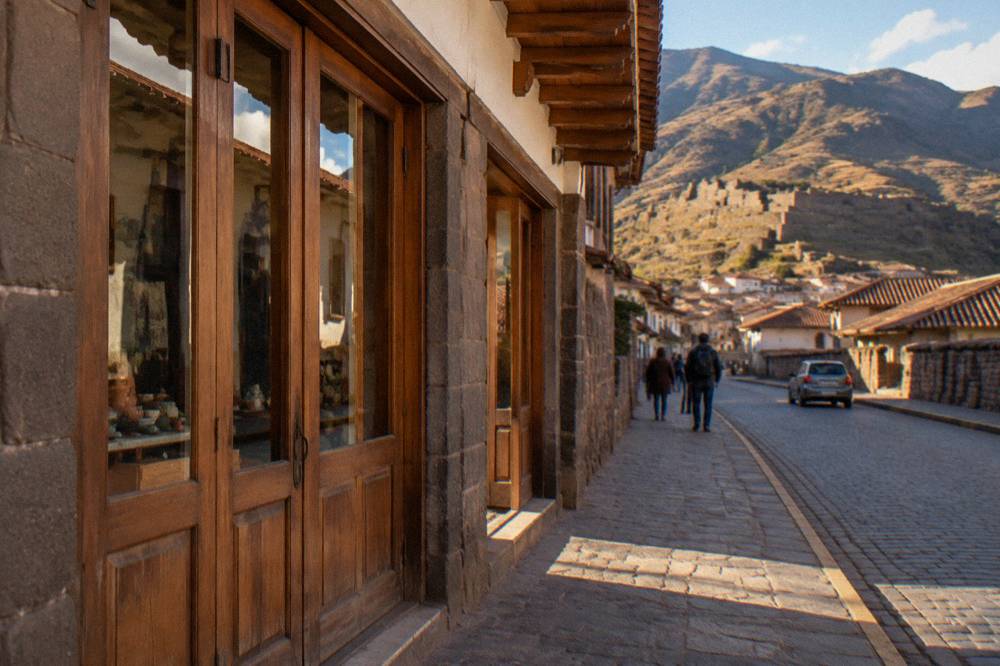
If the itinerary runs beyond the boleto sites, the rest of the roster on this site covers the region's paid experiences, from Machu Picchu entry to multi-day treks and Sacred Valley adventures:
Which Sites Does The Boleto Turistico Cover In Cusco?
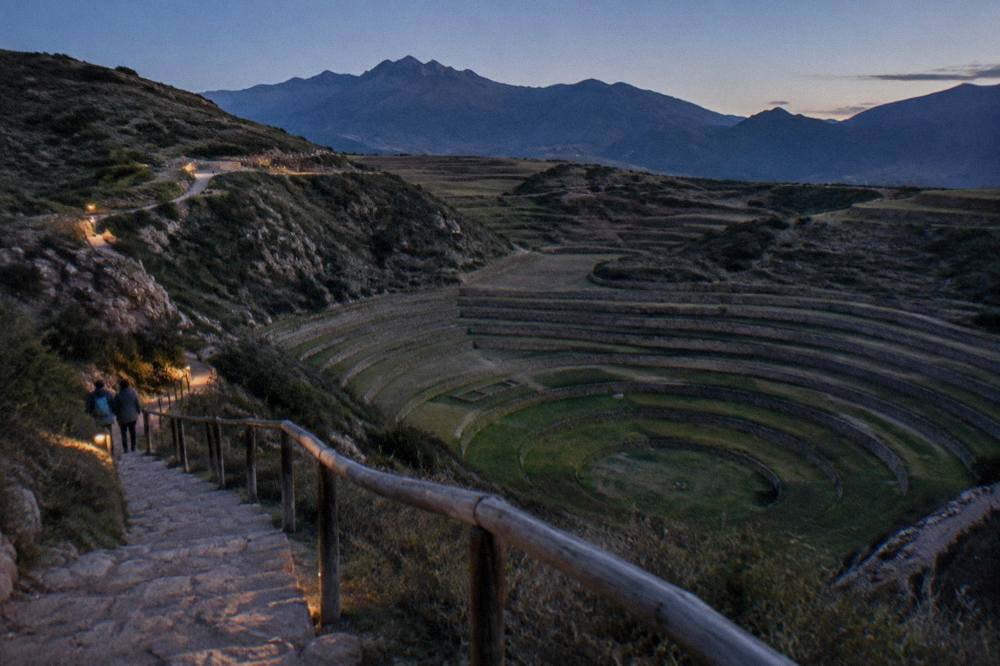
The ticket covers 16 sites in three circuits. Circuit I Saqsaywaman includes Saqsaywaman, Q'enqo, Puka Pukara and Tambomachay above the city. Circuit II City covers eight sites, including the Museo de Sitio Qorikancha, the Museo Historico Regional and Tipon. Circuit III Sacred Valley includes Pisac, Ollantaytambo, Chinchero and Moray, and no circuit includes Machu Picchu.
The full map, as COSITUC lists it:
| Circuit | Sites included | Reported validity |
|---|---|---|
| Circuit I Saqsaywaman | Saqsaywaman, Q'enqo, Puka Pukara, Tambomachay | 1 day |
| Circuit II City | Museo de Sitio Qorikancha, Museo Historico Regional, Museo de Arte Contemporaneo, Museo de Arte Popular, Centro Qosqo de Arte Nativo, Monumento a Pachacutec, Tipon, Pikillaqta | 2 days |
| Circuit III Sacred Valley | Pisac, Ollantaytambo, Chinchero, Moray | 2 days |
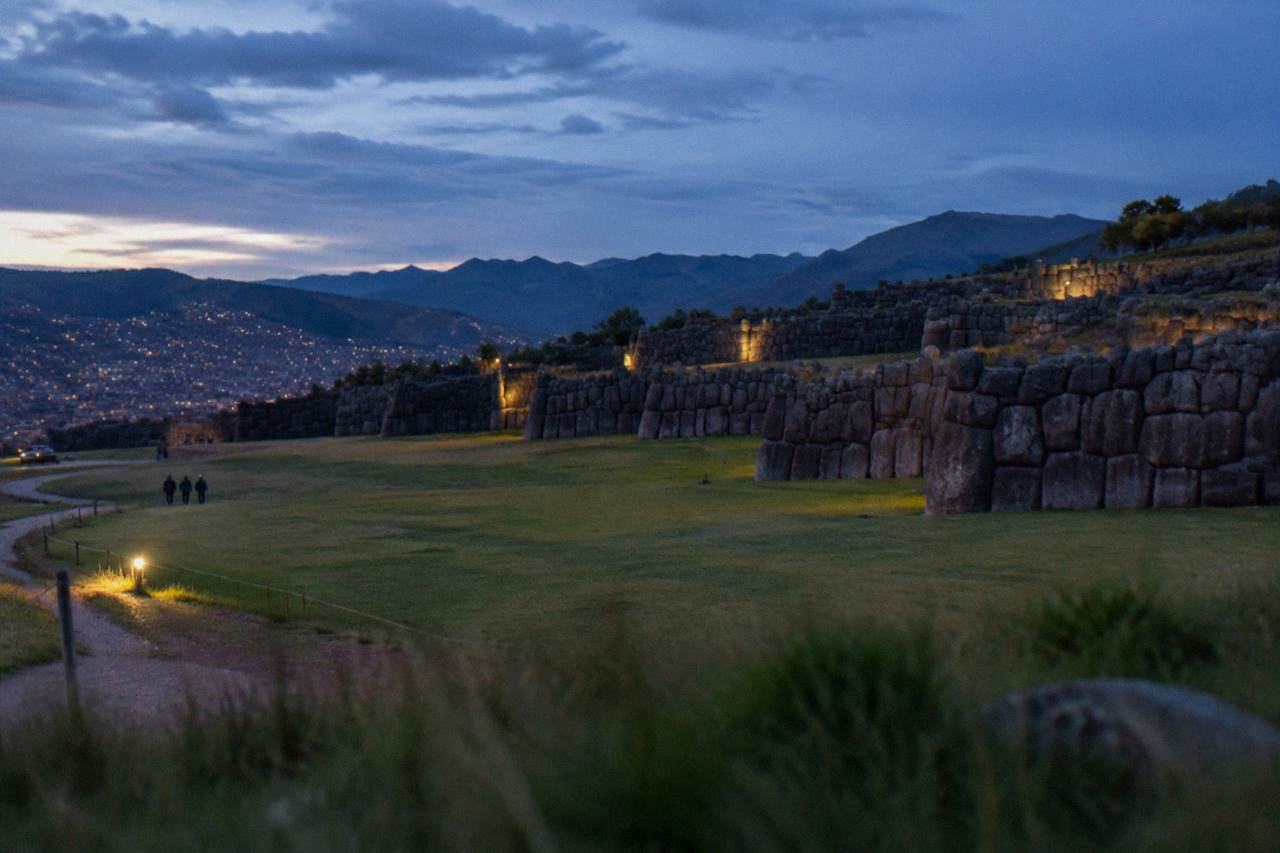
Circuit I is the hill circuit. Saqsaywaman, at 3,701 m, sits directly above the city, with Q'enqo, Puka Pukara and Tambomachay strung along the same road. Its explanada also hosts the main ceremony of Inti Raymi every 24 June, a festival with its own guide on the Inti Raymi festival. A half-day covers the four sites comfortably.
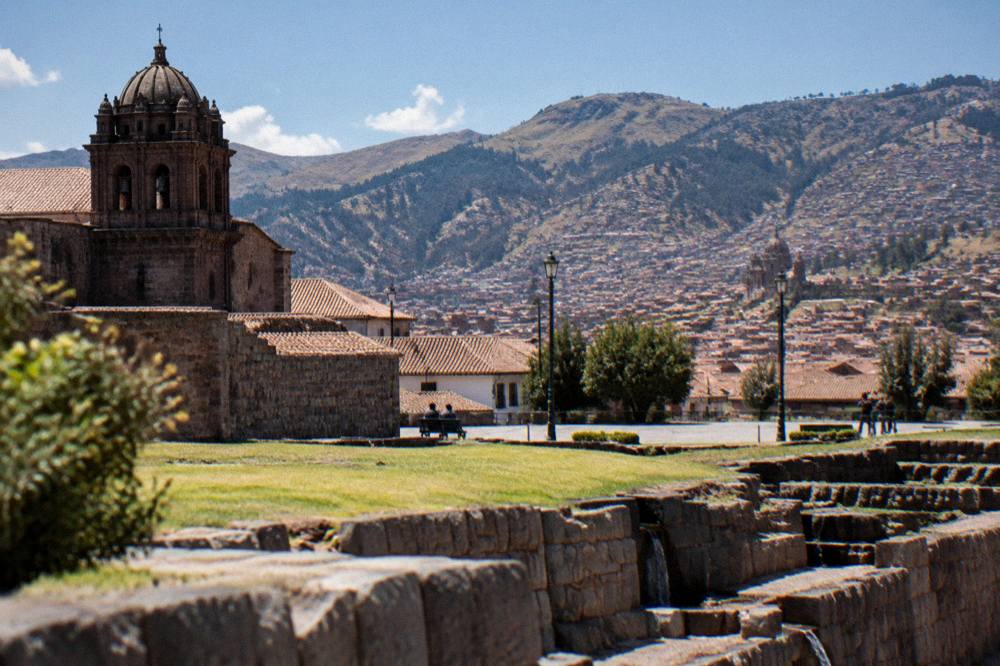
Circuit II is the culture circuit, and it is the one visitors underrate. Eight of the 16 sites are here, and they are mostly museums and performance venues inside the city, from the site museum at Qorikancha to the folk dance shows at the Centro Qosqo de Arte Nativo. Tipon and Pikillaqta sit further out toward the South Valley but belong to this circuit on the ticket.
Circuit III is the Sacred Valley circuit: Pisac, Ollantaytambo, Chinchero and Moray. These are the big archaeological parks most day trips from the city target, and the practicalities of reaching them, including the Cusco to Ollantaytambo route, are covered in the getting around Cusco guide. Moray's concentric terraces are on the ticket; the nearby Maras salt mines are not, a distinction that matters further down this page.
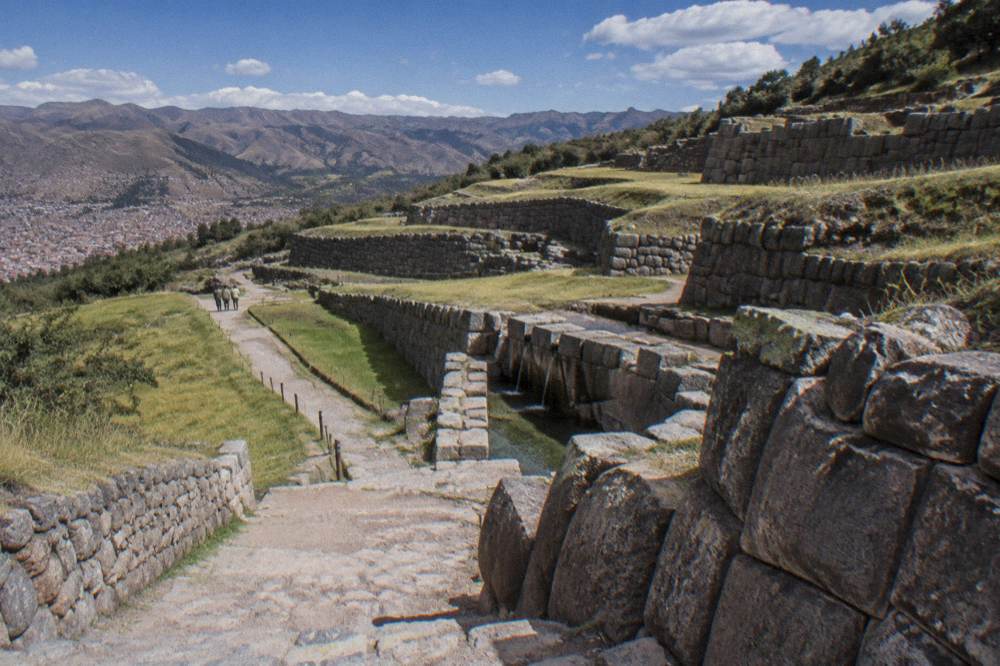
For visitors who want the Circuit I sites with a guide rather than under their own steam, a half-day city tour that includes Sacsayhuaman and Q'enqo runs from Cusco and pairs naturally with a Circuit I partial:
Want the hill sites with a guide instead of on your own? Book a half-day city tour here.
What The Boleto Turistico Does Not Cover In Cusco
The Boleto Turistico does not cover Machu Picchu, the Cusco Cathedral, the Inca Museum, the Museo de Arte Precolombino, the Maras salt mines, Rainbow Mountain, Palccoyo, Humantay Lake or Q'eswachaka. Each of those charges its own admission, in cash at some community-run sites, and Machu Picchu is sold separately on the Ministry of Culture's ticket platform.
The exclusions, with the separate fees the sources report:
| Site or fee | Who collects it | Reported cost |
|---|---|---|
| Machu Picchu, standard routes | Ministry of Culture platform | From about S/ 163 (about US$48), mountain routes from about S/ 211 (about US$62) |
| Cusco Cathedral | Church authorities, listed by Peru's tourism board | S/ 25 |
| Inca Museum (Museo Inka) | Museum | S/ 20 |
| Museo de Arte Precolombino (MAP) | Museum | S/ 20 general, S/ 10 students |
| Rainbow Mountain (Vinicunca) | Community, cash at the trailhead | S/ 25 to S/ 30 for foreigners |
| Palccoyo | Community | About S/ 20 |
| Humantay Lake | Community, sources disagree | S/ 10 to S/ 20 |
| Maras salt mines | Community, cash | S/ 15 to S/ 20 |
| Q'eswachaka bridge | Community | About S/ 20 |
Machu Picchu deserves its own short paragraph, because it is the exclusion that reshapes budgets. The citadel, at 2,430 m and inscribed by UNESCO as a Historic Sanctuary on 9 December 1983, sells its entry on the Ministry of Culture's official platform or in person at Machu Picchu Pueblo, where 1,000 tickets a day are sold for entry the next day. Since 1 May 2026 the foreign price has included an S/ 11 SERNANP fee, and secondary sources put the standard routes from about S/ 163 and the mountain routes from about S/ 211; the platform shows the live price. The site's own Machu Picchu day trip page covers the visit in depth, and the official entrance ticket listing on this site handles the booking side, with Check availability showing current options.
The Maras distinction is the quieter trap. Moray, the terraced rings, is one of the 16 boleto sites on Circuit III. The salt mines a short drive away are community property and charge separately, reported at S/ 15 to S/ 20 in cash. A Sacred Valley plan that assumes the boleto covers both will come up short at the salt pans. A half-day tour that visits Moray, the Maras salt mines and the Chinchero weavers threads exactly this boundary:
The Cathedral and the two big independent museums sit inside the city, so their fees can be slotted into a city day without much friction. The mountain fees are a different matter: Rainbow Mountain at about 5,000 m, Palccoyo and Humantay at about 4,200 m are day trips in their own right, cash territory, and the Rainbow Mountain versus Palccoyo guide compares the two colour mountains in detail.
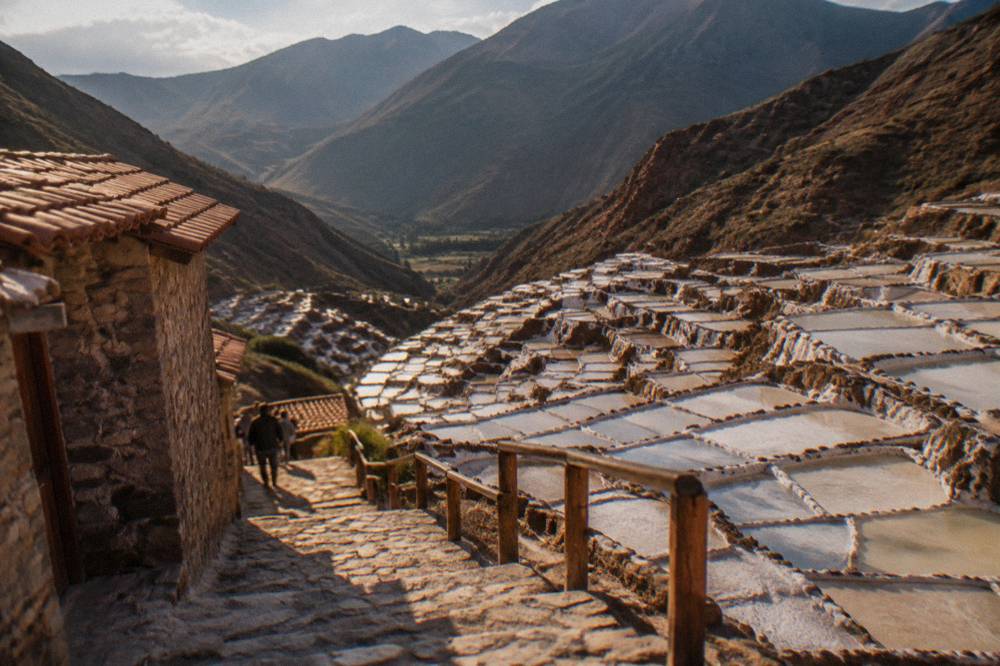
Since the boleto stops at the region's headline attraction, it is worth settling the Machu Picchu entry question at the same time as the boleto purchase:
Where Do You Buy The Boleto Turistico In Cusco?
COSITUC sells the Boleto Turistico in person only, never online. The main counter sits at Av. El Sol 103, in the Galerias Turisticas, and opens every day from 07:30 to 18:00. Most of the 16 included sites also sell it at their own gates, with four museum exceptions, so a visitor arriving without a ticket can buy one at the first site on the itinerary.
The purchase points in one view:
| Where | Hours | Notes |
|---|---|---|
| Counter Central, Av. El Sol 103 (Galerias Turisticas) | Every day, 07:30 to 18:00 | The main counter, a short walk from the Plaza de Armas |
| Most included sites | During site opening hours | Saqsaywaman's listed hours are 07:00 to 18:00 |
| Four Circuit II museums | No sales at the gate | Museo Historico Regional (Casa Garcilaso), Centro Qosqo de Arte Nativo, Museo de Arte Popular, Museo de Arte Contemporaneo |
| Online | Not available | COSITUC's FAQ states the ticket is sold in person only |
Av. El Sol is the wide avenue that runs from the Plaza de Armas toward the airport side of the city, and the Galerias Turisticas sit along it, so the counter is reachable on foot from the centre in a few minutes. Buying at the counter on day one, before altitude has been fully felt, is the pattern the Cusco altitude guide supports: the CDC Yellow Book names Cusco, at about 3,350 m by its measure, as a rapid-ascent destination and prefers graded ascent, so a gentle first day spent on flat city errands is a sound use of the arrival morning anyway.
The four museum exceptions are worth noting in advance. A visitor who plans to start Circuit II at the Museo Historico Regional will not be able to buy the ticket there; the counter, or a site that does sell it, has to come first. Sacsayhuaman's own gate does sell it, which makes the hill circuit a practical place to buy a Circuit I partial on the spot.
How Long Is The Boleto Turistico Valid, And When Should You Use It?
The integral ticket is valid for 10 days from the day of purchase, and each partial circuit is reported as valid for one to two days: one day for Circuit I and two days for Circuits II and III. COSITUC's own FAQ notes that covering all 16 sites takes a minimum of three days, so the 10-day window matters mainly for visitors spreading the ticket across a longer stay.
Validity starts the day you buy it, the FAQ states, which is why buying on arrival morning rather than mid-itinerary preserves the most usable days. The three-day minimum for all 16 sites is COSITUC's own arithmetic, and it reflects geography more than opening hours: the city sites cluster together, but Tipon and Pikillaqta sit one direction out of town and the Sacred Valley parks sit another.
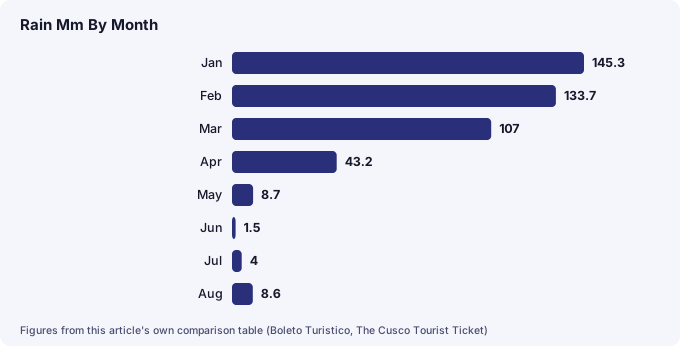
Timing the ticket against the weather is the other half of the question. Cusco sits in the southern hemisphere, so the dry season runs roughly May to September and the wet season roughly November to March. The historical normals from the WMO station record for Cuzco, supplied by SENAMHI, show how sharply the year splits:
| Month | Mean max C | Mean min C | Rain mm |
|---|---|---|---|
| Jan | 18.9 | 6.6 | 145.3 |
| Feb | 18.8 | 6.5 | 133.7 |
| Mar | 19.1 | 6.2 | 107.0 |
| Apr | 19.7 | 4.9 | 43.2 |
| May | 19.8 | 2.5 | 8.7 |
| Jun | 19.5 | 0.3 | 1.5 |
| Jul | 19.1 | 0.1 | 4.0 |
| Aug | 19.8 | 1.6 | 8.6 |
| Sep | 19.8 | 3.9 | 21.8 |
| Oct | 20.9 | 5.5 | 39.4 |
| Nov | 20.7 | 6.1 | 71.9 |
| Dec | 19.4 | 6.4 | 122.7 |
December to March carries 71.9 percent of the year's 707.8 mm of rain at that station, while May to August together bring just 22.8 mm. Daytime maximums barely move all year, holding between 18.8 and 20.9 C; what changes is the night, with June and July means near freezing and frost common in those months. A dry-season visit buys clear skies over the Sacred Valley parks on Circuit III, at the cost of cold nights. The month-by-month detail, including what it means for packing, is in the Cusco weather by month guide, and the broader trade-offs are weighed in the best time to visit Cusco guide.
For visitors pairing the boleto with a Machu Picchu day, entry there is a separate purchase, and an entry-only ticket with a choice of Circuit 1, 2 or 3 is one way to handle it alongside the boleto:
Is The Boleto Turistico Worth It For A Cusco Trip?
For a foreign adult the choice is arithmetic: one partial circuit at S/ 70 covers a single zone, and buying two partials costs more than the S/ 130 integral that covers everything. A visitor seeing only the city ruins, or only the Sacred Valley, pays least with one partial. Anyone whose plan spans the city and the valley together gets every remaining site free of further charge on the integral.
Matched to the common plans:
| Your plan | Ticket that fits | Cost, foreign adult |
|---|---|---|
| The four hill ruins above the city, one day | Circuit I partial | S/ 70 |
| City museums and Qorikancha site museum | Circuit II partial | S/ 70 |
| One Sacred Valley day, Pisac to Ollantaytambo | Circuit III partial | S/ 70 |
| City plus Sacred Valley across a week | Integral | S/ 130 |
| Machu Picchu only, no boleto sites | No boleto needed | Machu Picchu entry from about S/ 163 |
The pattern that emerges from COSITUC's own numbers: the integral stops being the expensive option the moment a second circuit enters the plan. A five-day stay that does the hill ruins, the city museums and one Sacred Valley day uses all three zones, and the integral covers it for less than two partials. A short stay anchored on one zone, say a Sacred Valley day trip out of a two-night stopover, pays least with the single partial.
For a visitor whose Cusco budget is tight, the free things to do in Cusco guide shows how much of the city costs nothing at all, and the wider library on Things To Do In Cusco Peru covers every zone, season and meal in the region. The boleto is the paid layer on top of that free layer, and its value rises with how much of the 16-site map a plan actually touches.
If the trip extends beyond the boleto's reach, the region's headline experiences are bookable from the city:
One last planning note: the Inca Trail permit, sold only through licensed agencies under a 500-person daily quota that includes porters and guides, carries Machu Picchu entry inside it, so trekkers do not need a separate Machu Picchu ticket on top. The trail closes every February. That is the one case where the boleto question and the Machu Picchu question answer each other.
Common Questions About The Boleto Turistico In Cusco
Can You Buy The Boleto Turistico Online?
No. COSITUC's FAQ states the ticket is sold in person only. The main counter is at Av. El Sol 103, in the Galerias Turisticas, open every day from 07:30 to 18:00, and most of the 16 included sites sell it at their gates. Any website offering an online Boleto sale is not the official channel.
Is Machu Picchu Included In The Boleto Turistico?
No. Machu Picchu entry is sold separately on the Ministry of Culture's official ticket platform or in person at Machu Picchu Pueblo, where 1,000 tickets a day are sold for entry the next day. Secondary sources put the foreign price from about S/ 163 on standard routes and from about S/ 211 on mountain routes, including the S/ 11 SERNANP fee in force since 1 May 2026. The platform shows the live price.
Is Saqsaywaman Free To Visit?
No. Saqsaywaman is one of the 16 boleto sites, on Circuit I. Entry is covered by the S/ 70 Circuit I partial or by the S/ 130 integral ticket. Its listed hours are 07:00 to 18:00.
Does The Boleto Turistico Cover The Maras Salt Mines?
No. Moray is covered, on Circuit III, but the Maras salt mines are community property and charge their own fee, reported at S/ 15 to S/ 20 in cash. The two sites often appear on the same Sacred Valley day, and only one of them is on the ticket.
How Many Days Do You Need For All Sixteen Sites?
COSITUC's FAQ gives a minimum of three days to cover all 16 sites. The integral ticket is valid for 10 days from the day of purchase, and the partials are reported as valid for one to two days each, one day for Circuit I and two for Circuits II and III.
Do Children Need The Boleto Turistico?
Children are free to age 9, and ages 10 to 17 pay the student price when they carry ID, per COSITUC's FAQ. One venue, the Centro Qosqo de Arte Nativo on Circuit II, charges from age 6.