Cusco Altitude And Altitude Sickness
Cusco, the historic city in the Andes of southern Peru, stands with its Plaza de Armas at 3,335 m above sea level. That single figure shapes every arrival plan: the CDC names the city a rapid-ascent destination, the Sacred Valley sleeps hundreds of metres lower, and the famous day trips climb well above the city. This guide sets out the sourced elevations, the CDC's advice on altitude sickness and acetazolamide, and the order in which to build an itinerary around them.
Short answer
Cusco's Plaza de Armas sits at 3,335 m above sea level, the figure PromPeru publishes, with the airport at 3,310 m. The CDC Yellow Book names Cusco a rapid-ascent destination and prefers a graded ascent, and it lists acetazolamide as a prescription decision with a doctor. Cusco is roughly 900 m higher than the Machu Picchu citadel at 2,430 m, while day trips such as Humantay Lake at about 4,200 m and Vinicunca at about 5,000 m climb far above the city.
Cusco, the historic city in the Andes of southern Peru that the older spelling renders as Cuzco, stands with its Plaza de Armas at 3,335 m above sea level, the figure PromPeru publishes for the main square. That number explains a great deal about the place: the shortness of breath on the hills up to San Blas, the cold nights even in a dry and clear July, and the reason every sensible arrival plan begins with a few low-key days. UNESCO inscribed the City of Cusco in 1983, and the altitude was there long before the inscription. This guide sets out what the sourced record says about Cusco altitude, what the CDC actually advises, and how the city compares with Machu Picchu, the Sacred Valley and the high day trips that ring it.
How High Is Cusco In Metres?
Cusco's Plaza de Armas sits at 3,335 m above sea level, the figure PromPeru publishes for the square, and the Alejandro Velasco Astete airport stands at 3,310 m. Writers who round the city to a single 3,400 m are quoting loosely rather than measuring; the sourced figures cluster between 3,310 and 3,335 m, so the honest range is about 3,300 to 3,400 m, with 3,335 m the number to plan around.
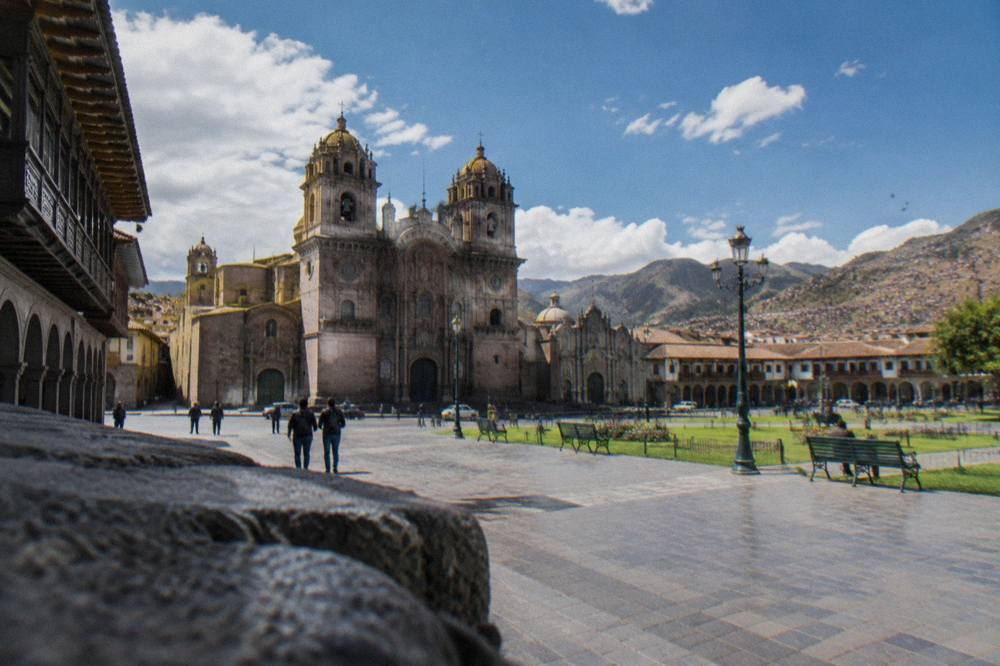
The 3,400 m figure that circulates in loose travel copy is a rounding, not a measurement. The sourced numbers are specific. PromPeru gives 3,335 m for the Plaza de Armas, and the mapping record for the Alejandro Velasco Astete airfield puts the runways at 3,310 m. A single city-wide number does not exist in the official record, which is why this page uses the square's own figure and names it.
Arrival happens at the airport, about 6 km from the Plaza de Armas and a reported 15 to 20 minutes by taxi, with the ride into the centre reported at about S/ 15 to 25. The Cusco airport guide covers the practicalities of the arrival itself. The point that matters here is smaller and stranger: the airfield sits just below the main square, so there is no gentle gradient between the aircraft door and the city. The altitude is effectively the same at both ends of the transfer.
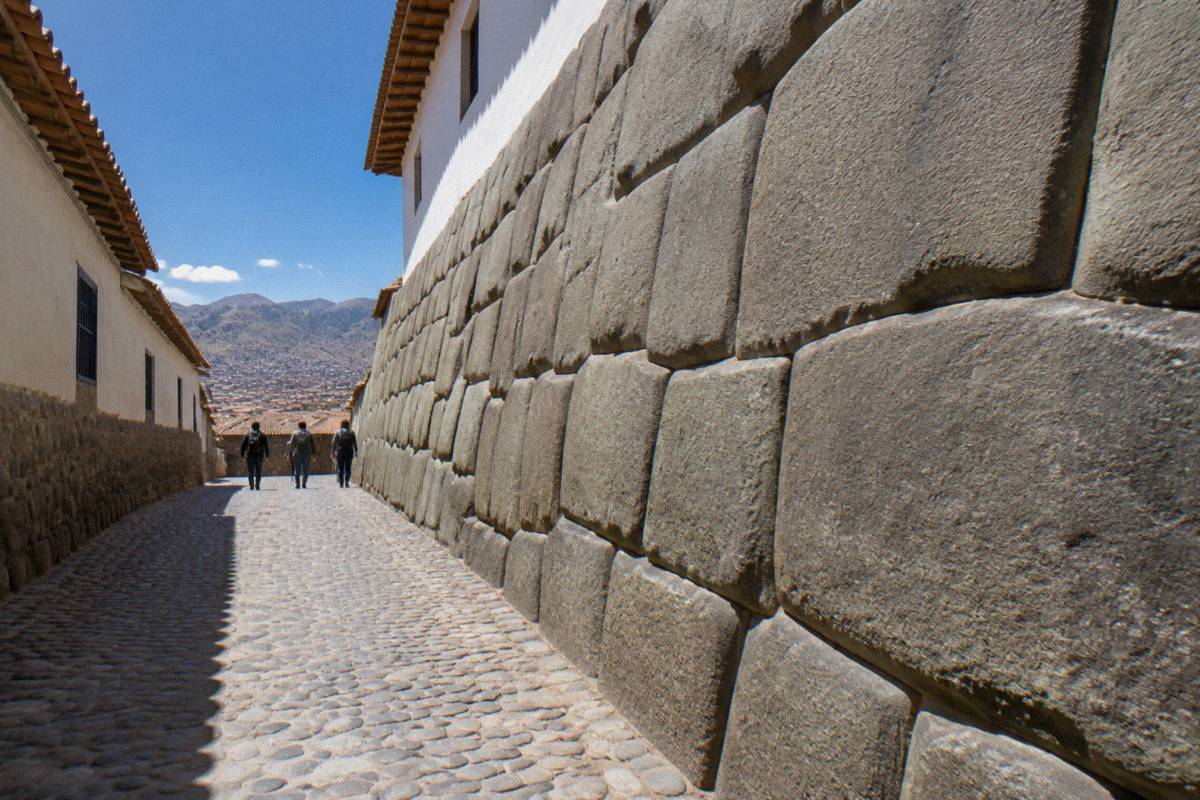
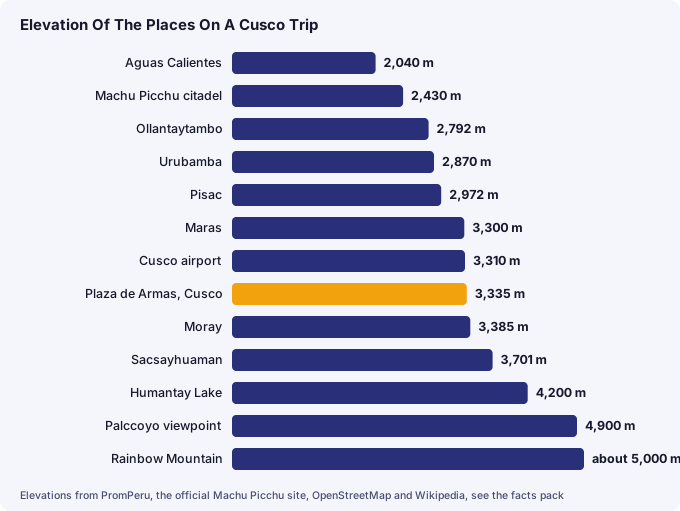
The city does not sit on a flat either. The historic centre climbs from the river plain up to San Blas, and the sites above the town rise further still. Sacsayhuaman, the hilltop ruins on Cusco's northern edge, stands at 3,701 m, which makes it the highest of the four ruins that circle the city. A visit there is a genuine gain in elevation even though the site sits within sight of the Plaza. The full set of sourced figures for the region sits in the table below, and the rest of this guide walks through what each row means for a plan.
| Place | Elevation | Note |
|---|---|---|
| Plaza de Armas, Cusco | 3,335 m | PromPeru figure for the main square |
| Alejandro Velasco Astete airport | 3,310 m | Mapping record for the airfield |
| Sacsayhuaman | 3,701 m | Hilltop site above the city |
| Moray | 3,385 m | Inca terraces, Sacred Valley |
| Maras | 3,300 m | Salt mines town |
| Pisac town | 2,972 m | Sacred Valley |
| Urubamba | 2,870 m | Sacred Valley |
| Ollantaytambo | 2,792 m | Sacred Valley |
| Machu Picchu citadel | 2,430 m | Official site figure |
| Aguas Calientes town | about 2,040 m | Also called Machu Picchu Pueblo |
| Humantay Lake | about 4,200 m | Day trip from Cusco |
| Palccoyo viewpoint | 4,900 m | PromPeru figure |
| Vinicunca, Rainbow Mountain | about 5,000 m | PromPeru says over 5,000 m |
Two patterns in that table deserve a second look before anything else. Every Sacred Valley town sits below the city, which is the single most useful planning detail in the whole altitude discussion. And every famous high day trip sits far above it, which is the second most useful. The sections below take each pattern in turn.
How Big Is The Altitude Risk In Cusco?
No official source publishes a probability that a visitor will become ill at Cusco's altitude, and the CDC does not attach a percentage, a headcount or a risk grade to the city. What the CDC Yellow Book does state is that Cusco is a rapid-ascent destination and that a graded ascent is preferred. The CDC's Level 1 travel notice for Peru adds one plain instruction: Machu Picchu is at high altitude, and travellers should talk to a doctor.
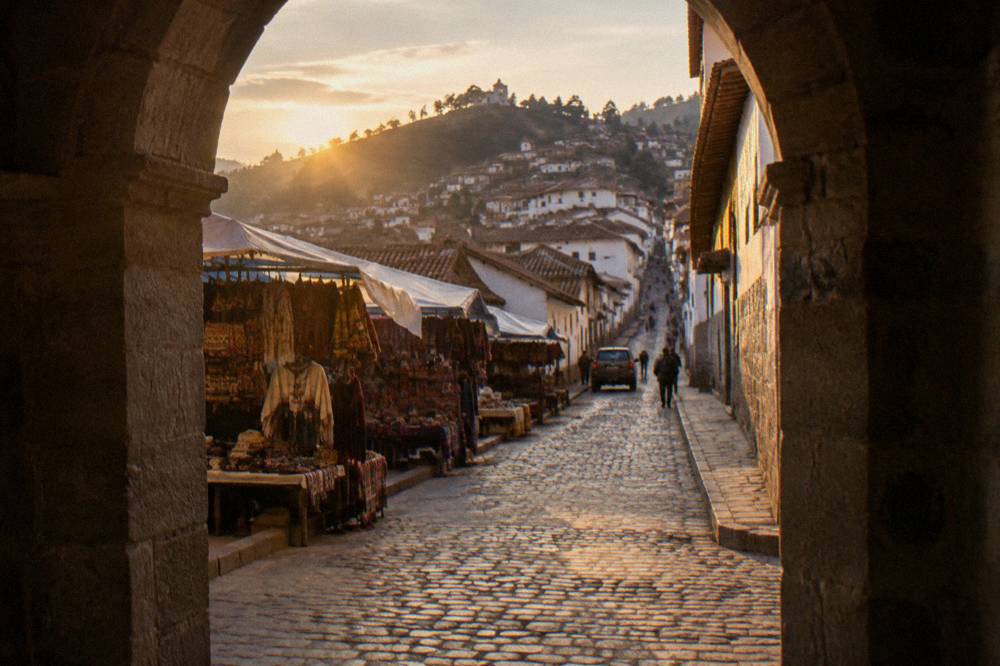
The Yellow Book is careful with its language. Rapid ascent means a place travellers typically reach quickly by air rather than by walking up over days, and Cusco is named in exactly those terms. A graded ascent, in the same document's framing, means gaining elevation gradually rather than sleeping at the top of the climb on the first night. Neither line is a warning level and neither is a statistic; they are descriptions of itinerary shape, and they are the strongest sourced statements that exist on the subject.
That silence matters for planning. Altitude illness depends on the individual, on the ascent profile and on factors no tourism board can average into a single figure. The dedicated deep dive on how likely altitude sickness is works through the question in detail; the short version for this page is that the planning conversation belongs with a doctor and with a sensibly shaped itinerary, not with an invented percentage.
Rapid ascent is, in practice, the ordinary way to reach Cusco: the flight from Lima takes about 1 h 15, and the city is the destination at the top of the climb. One graded-ascent pattern that the region's own geography makes natural is to sleep low first. The valley towns of Urubamba and Ollantaytambo sit hundreds of metres below the Plaza de Armas, so a first night in the valley is a lower sleeping elevation than a first night in the city, and the climb to 3,335 m happens on the second day rather than the first. The stay in Cusco or the Sacred Valley guide covers that choice in full.
For travellers who prefer to base in the city from the start, the same principle scales down: keep the first day flat, keep it short and keep the highest excursions for later in the week. The tours below are the gentle openers that fit that first-day shape, from a market and cooking morning to a flat historic-centre walk.
Is Cusco Higher Than Machu Picchu And The Sacred Valley?
Yes, Cusco is higher than Machu Picchu by roughly 900 m: the Plaza de Armas stands at 3,335 m while the Machu Picchu citadel sits at 2,430 m. The town of Aguas Calientes below the site is lower still, at about 2,040 m. The Sacred Valley towns are all below the city as well, from Ollantaytambo at 2,792 m up to Pisac at 2,972 m, so a night in the valley is a night of lower sleeping elevation than a night in Cusco.
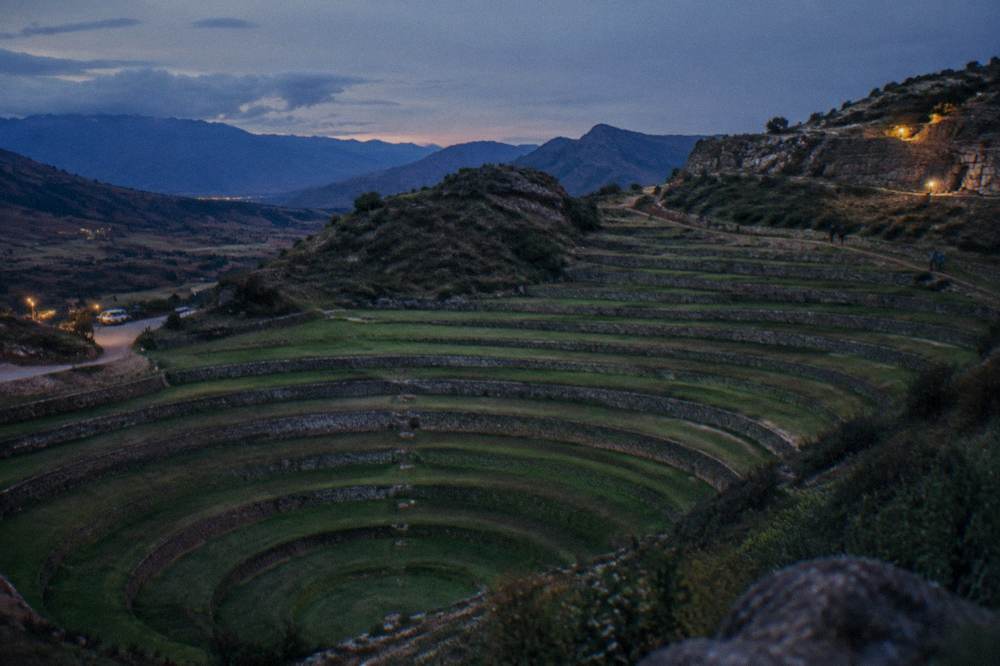
The direction of the comparison surprises people who assume the famous citadel must be the highest point of the trip. It is not. The citadel sits at 2,430 m, the town below it at about 2,040 m, and both are lower than every Cusco city figure in the elevation table. The dedicated comparison of Cusco and Machu Picchu altitude takes the question further; in short, the sleeping elevation on a Cusco-based night is the higher one, and the journey to the citadel is a descent, not a climb.
| Place | Elevation | Position Relative To The Plaza De Armas |
|---|---|---|
| Sacsayhuaman | 3,701 m | Above the city, on its northern edge |
| Moray | 3,385 m | Marginally above the city |
| Maras | 3,300 m | Marginally below the city |
| Pisac town | 2,972 m | Below the city, upper valley |
| Urubamba | 2,870 m | Below the city, mid valley |
| Ollantaytambo | 2,792 m | Below the city, lower valley |
| Machu Picchu citadel | 2,430 m | Far below the city |
| Aguas Calientes town | about 2,040 m | The lowest point in the set |
| Humantay Lake | about 4,200 m | Far above the city |
| Palccoyo viewpoint | 4,900 m | Far above the city |
| Vinicunca | about 5,000 m | The highest point in the set |
The valley rows are the useful ones for planning. Moray stands at 3,385 m, only a touch above the Plaza, and Maras at 3,300 m, only a touch below it, so a Maras and Moray excursion barely moves the elevation needle relative to the city. That makes it one of the gentlest day trips on the board in altitude terms: two of the region's most distinctive sites, the terraces of Moray and the working salt pans of Maras, without a significant gain in elevation anywhere on the route. The card below prints the operator's live price and review figures for the excursion that pairs the salt mines with the Chinchero weavers.
The same logic runs in reverse for the high trips in the final third of this guide. The valley is where the elevation curve is kind. The mountains beyond it are where the curve turns steep, and they deserve their own conversation, because the highest of them sits well above anything else a Cusco visitor normally touches.
How Should You Spend The First Days At Cusco Altitude?
The CDC Yellow Book prefers a graded ascent, gaining elevation gradually rather than sleeping high on the first night, and it names Cusco as a rapid-ascent destination. The document attaches no fixed number of days, and no two bodies adjust on the same clock. The practical reading of the CDC line is to arrive without a packed first-day schedule and to hold the highest trips, the ones near or above 4,900 m, for the back end of the stay.
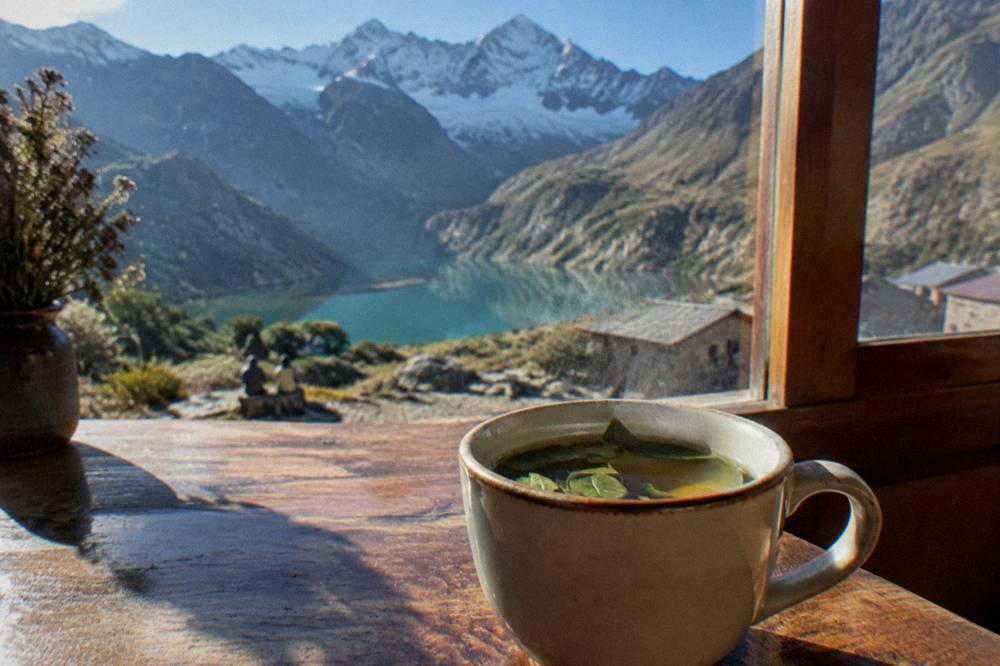
What the sourced elevation table allows is concrete. A first night in Urubamba or Ollantaytambo is a sleeping elevation hundreds of metres below the Plaza de Armas, which is the graded-ascent pattern expressed in metres rather than in advice. The how long to acclimatise page works through the timing question in detail, and the where to stay in Cusco guide covers the city-side alternative, including the steep streets of San Blas that quietly add metres to every walk home.
For a first day based in the city itself, the low-exertion options are the ones that fit. A guided walk of the historic centre keeps the effort light and the route flat by Cusco standards, and a city tour that reaches Sacsayhuaman by vehicle covers the one nearby site that sits above the city, at 3,701 m, without the walk up. The box below books the vehicle-based city tour that includes Sacsayhuaman and Q'enqo, with free cancellation if the first day needs to change.
A guided walk is the other gentle opener, and the card below prints the live price and review record for the historic-centre walk with local guides.
Beyond the tours, the CDC's graded-ascent preference translates into a light first-day schedule rather than a medical instruction. Coca tea appears on menus across the centre at a reported S/ 2 to 5 a cup; the CDC documents make no claim about it either way, and this page follows their silence rather than filling it. The what to eat in Cusco guide covers the food side of a first day, and the rest of the Things To Do In Cusco Peru collection covers the city's sites, markets and neighbourhoods in depth.
One more first-day detail comes from the elevation table rather than from any advisory: the historic centre is not flat. The walk from the Plaza de Armas up to San Blas gains height steadily, and the walk out to the Saqsaywaman explanada gains a great deal more. Neither is a reason to stay indoors; both are reasons to treat the city's hills with the same respect a trekker gives a pass.
What Does The CDC Yellow Book Say About Acetazolamide?
The CDC Yellow Book lists acetazolamide as prophylaxis at 125 mg twice daily, or 250 mg twice daily for people over 100 kg, and a treatment dose of 250 mg twice daily. It frames the drug as a prescription decision to make with a doctor, not a travel-shop purchase, and its Peru travel notice repeats the advice to talk to a doctor about high altitude before the trip.
| Use | Dose In The Yellow Book | Status |
|---|---|---|
| Prophylaxis | 125 mg twice daily | Prescription decision with a doctor |
| Prophylaxis, over 100 kg | 250 mg twice daily | Prescription decision with a doctor |
| Treatment | 250 mg twice daily | Prescription decision with a doctor |
The framing is the part to keep. Acetazolamide is a prescription medicine, and the CDC presents it as a decision for a doctor who knows the traveller's history. In the Yellow Book's own ordering, graded ascent comes first, and the drug is a secondary consideration rather than a substitute for a sensibly shaped itinerary. The dedicated page on altitude pills for Cusco works through the medication question in full, including what the Yellow Book does and does not promise.
It is worth being equally clear about what the sourced record does not say. The Yellow Book does not publish a probability of illness at any given elevation, does not name a number of days that acclimatisation takes and does not quantify the effect of any local remedy. Pages that attach percentages to Cusco are estimating, and an estimate presented as a figure is the one thing a research-based guide cannot print. What the record does hold is elevations, and the elevations alone are enough to build a plan.
Which Day Trips From Cusco Climb The Highest?
The highest day trips from Cusco sit far above the city: Humantay Lake at about 4,200 m, the Palccoyo viewpoint at 4,900 m and Vinicunca, Rainbow Mountain, at about 5,000 m, against a Plaza de Armas at 3,335 m. Each of the three gains well over 800 m of elevation over the city in a single day, which is why the CDC's graded-ascent preference matters most when booking them: they belong at the end of a stay, not the start.
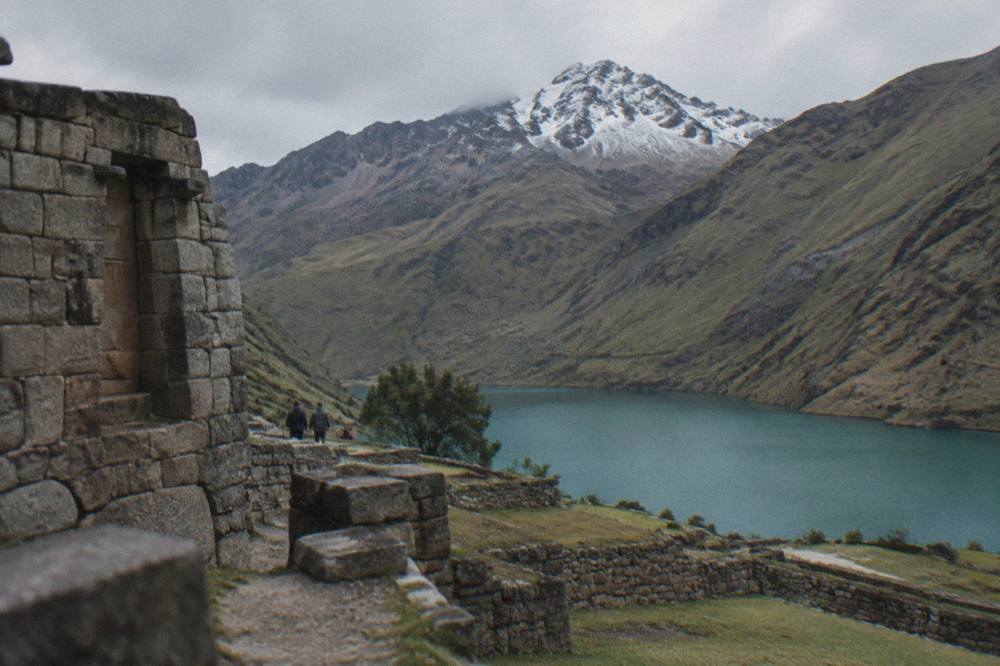
Humantay Lake is the classic first high trip, and the one most often booked from Cusco. The lake sits at about 4,200 m, and the excursion that includes breakfast and a buffet lunch is the site's featured tour for this page; its live price and review record print from the card below, and Check availability shows the operator's current listing. The Humantay Lake guide covers the site itself, and the comparison of Humantay and Rainbow Mountain difficulty sits with the wider day-hike collection.
Palccoyo is the gentler of the two rainbow routes, and the numbers explain why. The viewpoint stands at 4,900 m, but the walking is shorter and the gain from the trailhead is smaller, which is why the Rainbow Mountain versus Palccoyo comparison so often lands on Palccoyo for a first high trip. The card below prints the live figures for the Palccoyo full-day tour.
Vinicunca, the original Rainbow Mountain, is the highest of the three at about 5,000 m, and PromPeru describes its highest point at approximately 5,200 m. The community fee for foreigners runs S/ 25 to 30 in cash depending on the route. The Rainbow Mountain guide covers the site in full. Sequencing is the whole game with these three: a traveller who has slept several nights in Cusco and spent a day in the valley arrives at the trailhead in better shape than one who lands in the morning and climbs the same afternoon.
The three high trips below round out the roster, from the lake to the valley floor to the salt pans, and the band prints live prices and review records for each.
Does Cusco Altitude Change How Cold The City Feels?
Altitude drives Cusco's climate as much as its latitude does: at the WMO and SENAMHI Cuzco station the mean July minimum is 0.1 C and the June minimum 0.3 C, while the mean daily maximum stays between 18.8 and 20.9 C all year. Frost nights are common in June and July, and the frost season runs April to September, so the altitude is felt at night far more than by day.
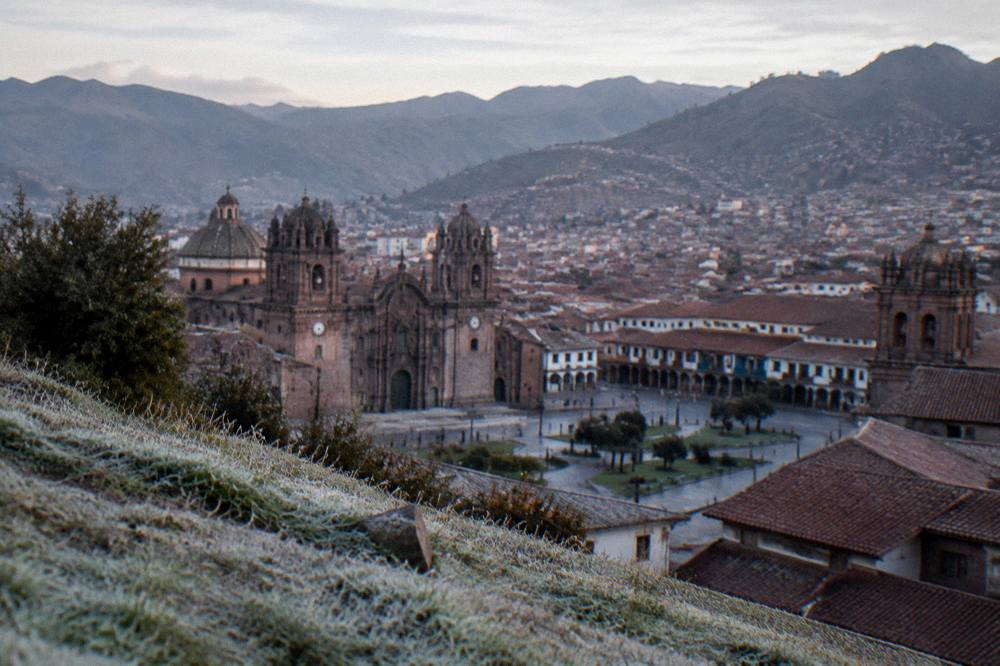
The daily swing is the striking part of the record. In July the spread between the mean minimum and the mean maximum runs to about nineteen degrees; in January it narrows to roughly twelve. A visitor packing for Cusco is therefore packing for two climates in one day, and the what to wear in Cusco guide translates that into a packing list. The Cusco weather by month guide carries the full twelve-month table.
| Month | Mean Max C | Mean Min C | Rain Mm |
|---|---|---|---|
| January | 18.9 | 6.6 | 145.3 |
| June | 19.5 | 0.3 | 1.5 |
| July | 19.1 | 0.1 | 4.0 |
| December | 19.4 | 6.4 | 122.7 |
The rain side of the record matters for the high trips in particular. December to March delivers 71.9 percent of the year's 707.8 mm at the Cuzco station, while May to August together bring just 22.8 mm. The best time to visit Cusco guide works through the seasons in full; for altitude planning, the short version is that the dry winter months pair clear trail days with the coldest nights, and the wet months pair mild nights with rain on the high routes.
Common Questions About Cusco Altitude
Is Cusco altitude dangerous?
No official source grades Cusco as dangerous. The CDC Yellow Book names Cusco a rapid-ascent destination and prefers a graded ascent, and the CDC's Level 1 travel notice for Peru advises talking to a doctor about high altitude. No published figure states the probability of becoming ill at 3,335 m, so the planning conversation belongs with a doctor rather than with a percentage.
Is Cusco higher than Machu Picchu?
Yes. The Plaza de Armas stands at 3,335 m and the Machu Picchu citadel at 2,430 m, so Cusco is roughly 900 m higher. The town of Aguas Calientes below the citadel sits at about 2,040 m, lower still.
How many days does it take to acclimatise in Cusco?
No official source publishes a day count, and bodies differ. The CDC Yellow Book prefers a graded ascent and names Cusco a rapid-ascent destination, but it attaches no fixed number of days. A practical reading is to keep the first day light and hold the highest trips for the back end of the stay.
Does coca tea help with altitude sickness in Cusco?
The CDC documents make no claim about coca tea in either direction, and no sourced figure quantifies its effect. Coca tea appears on menus across the centre at a reported S/ 2 to 5 a cup, but this page follows the CDC's silence rather than filling it with an estimate.
Can you take altitude pills for Cusco?
Acetazolamide appears in the CDC Yellow Book as prophylaxis at 125 mg twice daily, or 250 mg twice daily for people over 100 kg, with a treatment dose of 250 mg twice daily. The CDC frames it as a prescription decision to make with a doctor, not an over-the-counter purchase.
Is Rainbow Mountain higher than Cusco?
Yes, by a wide margin. Vinicunca stands at about 5,000 m against the Plaza de Armas at 3,335 m, and PromPeru describes its highest point at approximately 5,200 m. The Palccoyo viewpoint, the gentler rainbow route, sits at 4,900 m.
The sourced record on Cusco altitude is short and solid: a Plaza de Armas at 3,335 m, a valley that sleeps lower, a citadel that sits below both, and high trips that climb far above the city. The CDC's advice is just as short: a graded ascent where the itinerary allows, a doctor's appointment before any prescription, and a conversation rather than a statistic. Build the trip around those figures and the altitude becomes a shape to plan with rather than a risk to fear.