Machu Picchu From Cusco
Machu Picchu sits at 2,430 m in the Andes east of Cusco, and every route there runs through Cusco first. This guide lays out the current rules: what tickets cost, how the three circuits work, what changed in September 2026, and which day trips and treks from Cusco reach the citadel.
Short answer
Machu Picchu is reached from Cusco by train to Aguas Calientes (Machu Picchu Pueblo) and then a bus up to the citadel, or on foot via one of the trekking routes. Foreign adult entry is from about S/ 163 on standard routes in 2026, tickets are nominal and unchangeable, a guide is recommended but not mandatory, and the citadel operates three circuits and ten routes.
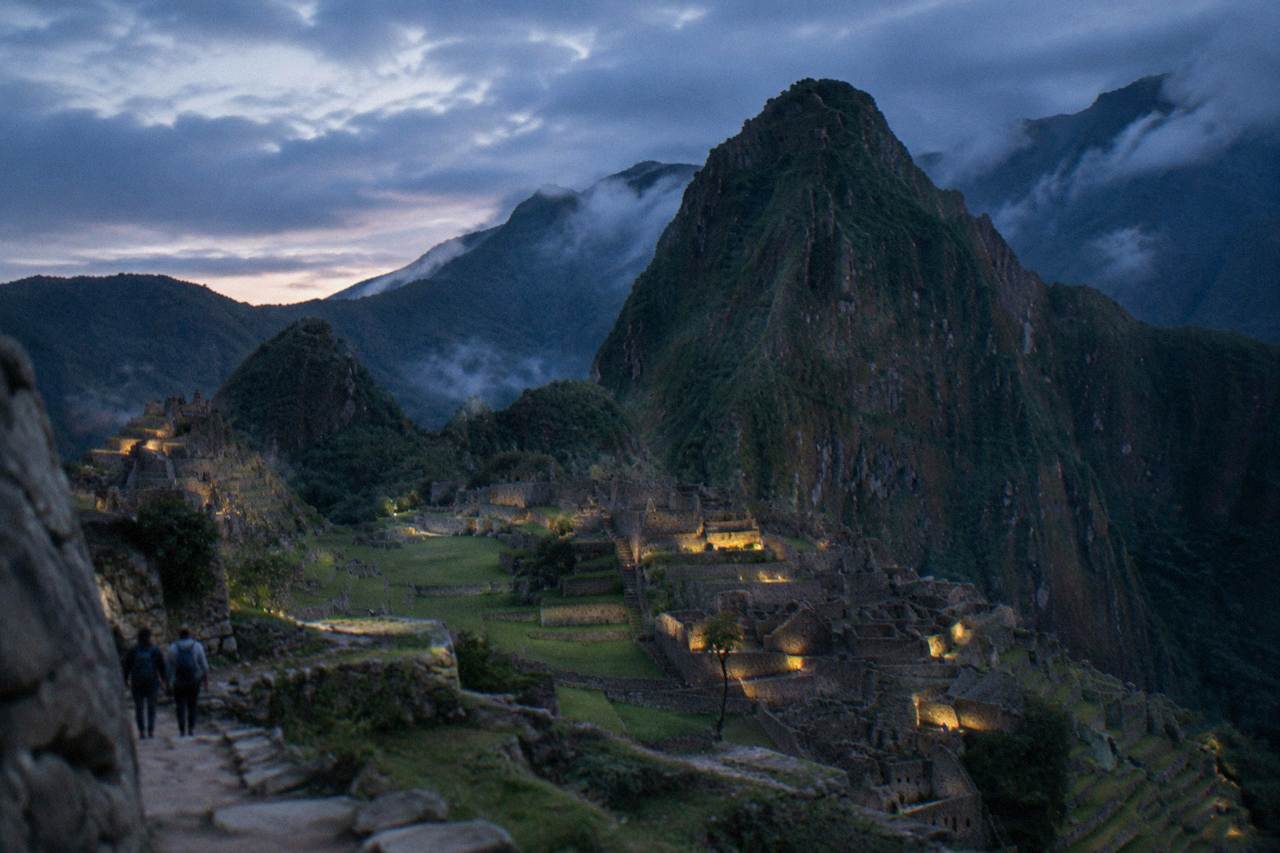
Machu Picchu is the one day trip from Cusco that almost every visitor takes, and it is also the one with the most rules attached. The Inca citadel, inscribed by UNESCO as a Historic Sanctuary on 9 December 1983, sits at 2,430 m on a ridge east of the city, roughly 900 m lower than Cusco's Plaza de Armas at 3,335 m. Nothing about the visit is improvised any more: entry is by timed slot on a named ticket, on one of three defined circuits, under a daily visitor cap set by ministerial resolution. The Ministry of Culture rewrote the operative rules again in September 2026, so older guides describing five circuits, mandatory guides or rebookable tickets are now wrong on every count. This page, part of Things To Do In Cusco Peru, sets out the current verified position and the practical ways to get there from the city.
Where Is Machu Picchu Relative To Cusco?
Machu Picchu is not in Cusco the city, and the two are separate places at different altitudes. The citadel stands at 2,430 m on a mountain ridge in the Eastern Cordillera of the Andes, while Cusco's Plaza de Armas sits at 3,335 m, roughly 900 m higher. The town at the foot of the site, Aguas Calientes, also called Machu Picchu Pueblo, sits lower still, at about 2,040 m.
Cusco is the historic capital of the Inca state; Machu Picchu is an archaeological site in the cloud forest a long valley and one mountain range away. The distinction matters for planning because almost every itinerary starts in Cusco, sleeps in Cusco or Aguas Calientes, and returns to Cusco. The altitude difference also matters: visitors who fly into Cusco at 3,335 m actually descend to reach Machu Picchu, which is why the CDC Yellow Book names Cusco, not Machu Picchu, as the rapid-ascent destination to plan around. The question of which place is higher catches many first-time visitors out, and the answer is always the city.
The site is managed by Peru's Ministry of Culture, which runs the ticket platform, sets the circuits and publishes the code of conduct. There is no way to drive from Cusco directly to the citadel: the last stretch is on foot or by the shuttle bus from Aguas Calientes. That single fact shapes every option below, from the train to the treks.
How Do You Get From Cusco To Machu Picchu?
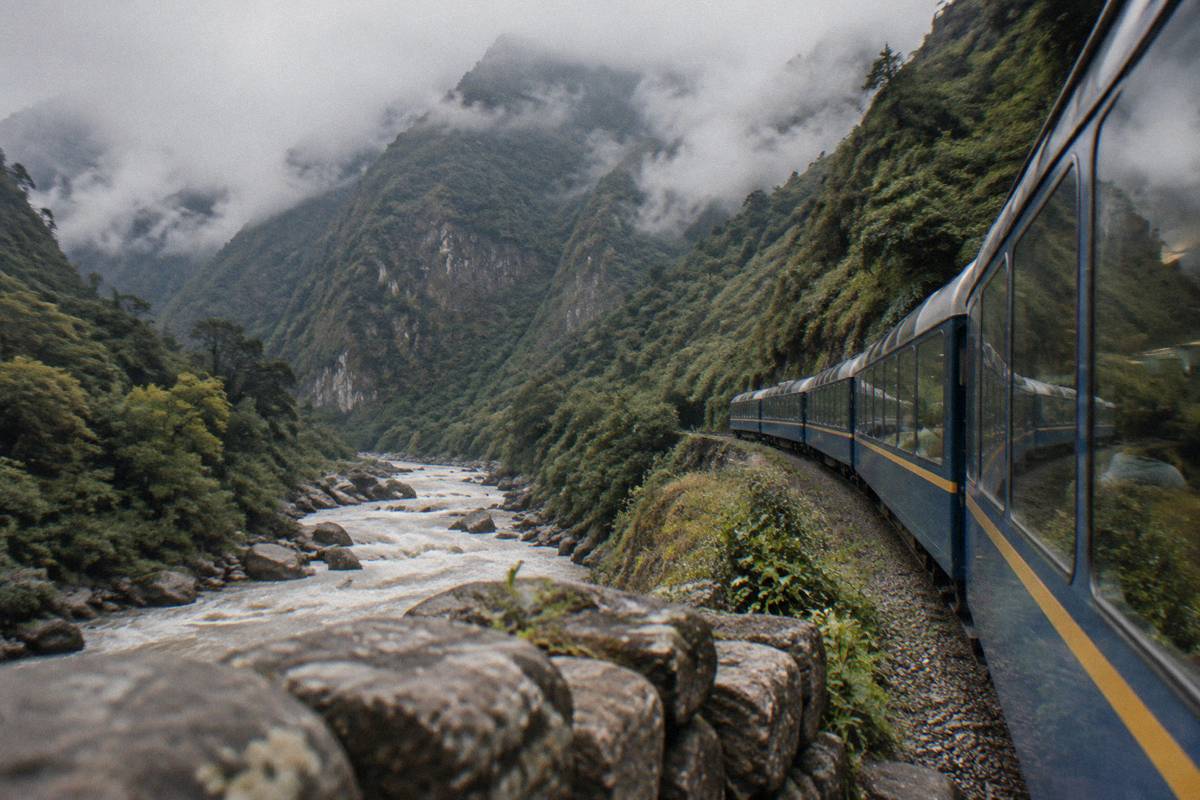
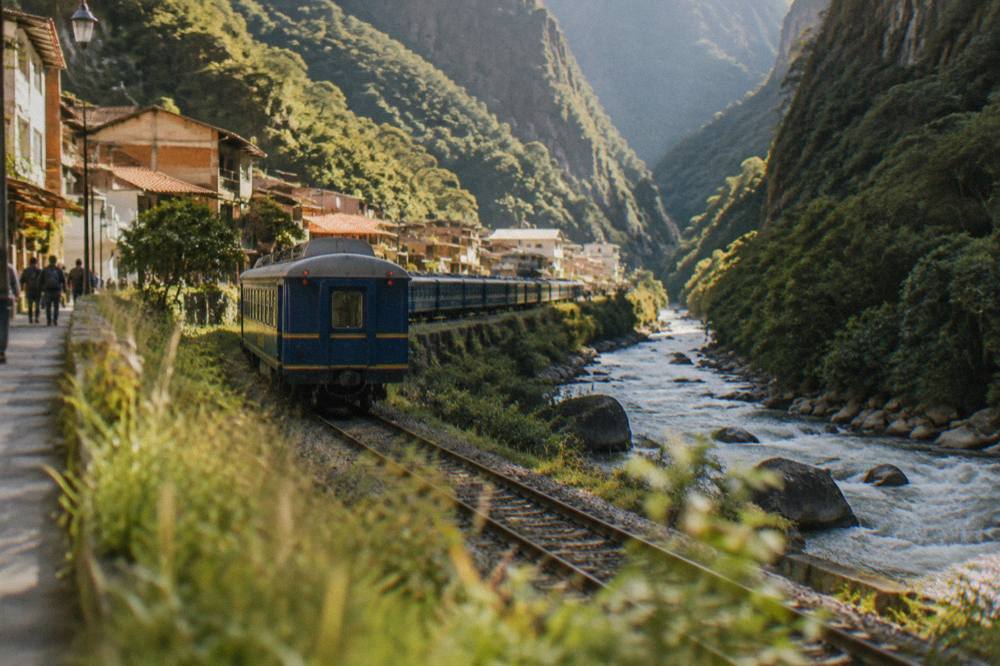
The standard route is train from a Cusco-side station to Aguas Calientes, then the shuttle bus or a walk up to the citadel. PeruRail's own FAQ gives journey times of about 4 h 30 from San Pedro station and about 3 h 30 from Poroy, or about 1 h 45 from Ollantaytambo, the Sacred Valley hub. Two operators, PeruRail and Inca Rail, run the line, and a bus-plus-train combination is used when Cusco-area track is out of service.
PeruRail's FAQ lists four stations relevant to a Machu Picchu trip: San Pedro in Cusco city, Poroy on the city's outskirts, Ollantaytambo in the Sacred Valley and Aguas Calientes at the destination end. A taxi from central Cusco reaches San Pedro in about 10 minutes and Poroy in about 20, per the same FAQ. In the wet season the Poroy stretch can close, and the operators switch to a bimodal service: a bus from Cusco to Ollantaytambo, then the train from there. PeruRail's news page reports that train travel between Cusco and Ollantaytambo resumed from 1 September 2026, and that regular operations resumed on 24 August 2026 after landslides and a forest fire earlier that month, so the position on which station is in use genuinely changes and is worth checking close to travel.
| Leg | Route | Journey Time (PeruRail FAQ) |
|---|---|---|
| Train | San Pedro, Cusco to Aguas Calientes | about 4 h 30 |
| Train | Poroy to Aguas Calientes | about 3 h 30 |
| Train | Ollantaytambo to Aguas Calientes | about 1 h 45 |
| Taxi | Central Cusco to San Pedro station | about 10 min |
| Taxi | Central Cusco to Poroy station | about 20 min |
The train itself is a ceded topic on this site: fares are shown and agreed at the point of booking, and the operator's live listing carries the current prices and timetables. What the pack does verify is the shape of the network. Some travellers break the journey by sleeping in the Sacred Valley, which raises the question of which to visit first; the Ollantaytambo start is the reason that order works. Others ask whether you can walk from Cusco to Machu Picchu, and the answer is that the walking routes are the classic treks, not a day hike.
What Do Machu Picchu Tickets Cost In 2026?
A foreign adult pays from about S/ 163 (about US$48) on the standard routes and S/ 211 (about US$62) on the mountain routes, figures that include an S/ 11 SERNANP fee applied since 1 May 2026. These are secondary-source figures, and the Ministry of Culture's official ticket platform shows the live price. The S/ 64 and S/ 112 figures quoted in many guides are the national and Andean Community promotional rates, not the foreign price.
The price structure changed for 2026 under ministerial resolutions, and the S/ 11 SERNANP surcharge is the newest component. Foreign students pay less on both route types. What has not changed is that a Machu Picchu ticket is strictly nominal: it is valid only for the stated date, hour, circuit and holder, it must be bought against the original passport or official ID, and the only correction allowed is a single passport-number typo. No date changes, no name changes, no rebooking. An unused ticket simply loses validity. That is the single most expensive rule to misunderstand, because a missed train or a sick day does not translate into a moved ticket.
| Ticket Category | Standard Routes | Mountain Routes |
|---|---|---|
| Foreign adult | from about S/ 163 (about US$48) | S/ 211 (about US$62) |
| Foreign student | S/ 88 | S/ 136 |
| National / Andean Community adult | S/ 64 | S/ 112 |
| National / Andean Community student or ages 3 to 17 | S/ 32 | S/ 80 |
Since 22 September 2026 the platform has been running a 30-day trial of a new sales system: the previous three-hour reservation hold has been removed, a buyer gets 15 minutes to complete payment before the slot is released, and the ticket is issued in the visitor's name at the moment of payment. That is how the system is working now, not a permanent rule, and the platform itself is the place to confirm it. There are also 1,000 in-person tickets sold each day at the Ministry of Culture office in Machu Picchu Pueblo, valid for entry the next day, with a live availability count on the official platform. One operator guide says tickets routinely sell out for the June to October stretch, with Circuit 2 going first.
Machu Picchu is not covered by the COSITUC Boleto Turistico, which is a Cusco-city and Sacred Valley ticket only. The two systems are entirely separate, a point the Boleto's own FAQ makes clear by its site list. The Inca Trail permit, by contrast, includes Machu Picchu entry.
What Are The Three Circuits And Ten Routes?
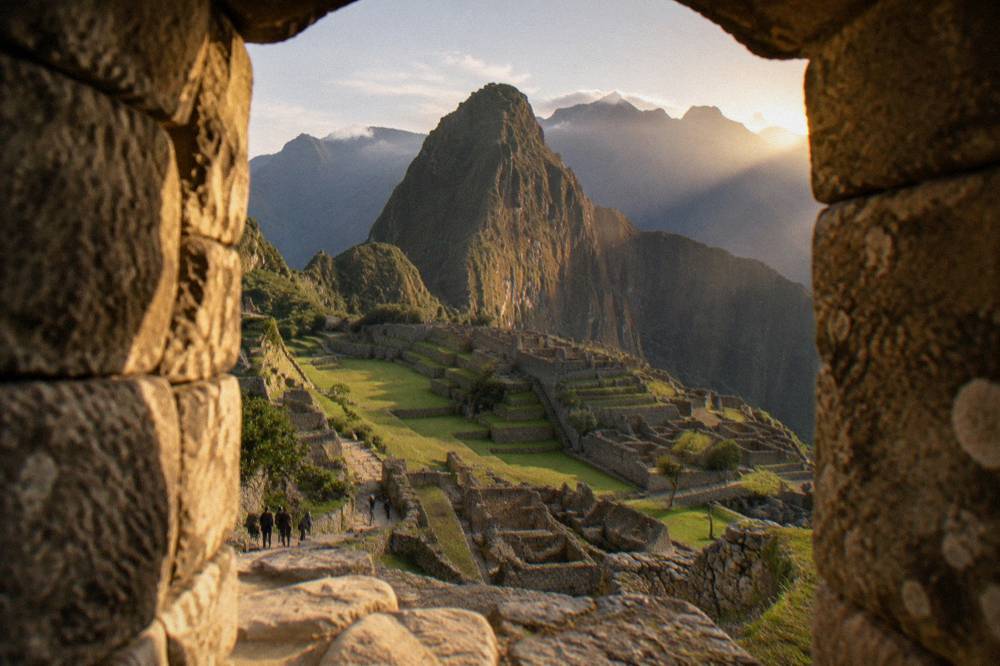
Since 1 June 2024 Machu Picchu has operated three circuits and ten routes: Circuit 1 Panoramico with four routes, Circuit 2 Clasico with two, and Circuit 3 Realeza with four. The circuit is fixed on the ticket, and visitors may not leave their route. Four of the ten routes, 1-C, 1-D, 3-C and 3-D, run in high season only.
The three-circuit system replaced the older five-circuit arrangement, and any guide still describing five circuits is out of date. Circuit 1 is the panoramic set: route 1-A to Machu Picchu Mountain, 1-B the Upper Terrace, 1-C the Intipunku Gate and 1-D the Inka Bridge, the last two high-season only. Circuit 2 is the classic postcard circuit, with route 2-A the designed route through the site and 2-B the Lower Terrace. Circuit 3 is the royal set, including 3-A up Huayna Picchu Mountain, 3-B the designed route, and 3-C and 3-D to the Great Cavern and Huchuypicchu, again high season only. The mountain routes, 1-A and 3-A, carry the higher S/ 211 foreign price and a physically demanding climb.
| Circuit | Routes | Highlights | Season |
|---|---|---|---|
| 1 Panoramico | 1-A, 1-B, 1-C, 1-D | Machu Picchu Mountain, Upper Terrace, Intipunku Gate, Inka Bridge | 1-C and 1-D high season only |
| 2 Clasico | 2-A, 2-B | The designed classic route, Lower Terrace | All year |
| 3 Realeza | 3-A, 3-B, 3-C, 3-D | Huayna Picchu Mountain, Great Cavern, Huchuypicchu | 3-C and 3-D high season only |
Choosing a circuit is the real decision when buying, more than the date. Circuit 2 is the route many people picture when they think of Machu Picchu, and it is the one operator guides say sells out first. Circuit 1 gives the wide views from above; Circuit 3 reaches the parts of the site lower down and hosts the Huayna Picchu climb. Route 1-D, the Inka Bridge, was closed for emergency works from 20 to 25 September 2026 with ticket holders redirected to 1-C, and Huayna Picchu, route 3-A, was closed for the whole of June 2026 for maintenance. Those are past closures, not current ones, but they show that individual routes do close on short notice, which is another reason the official platform is the last word.
Do You Need A Guide At Machu Picchu?
No. Under Article 17.1 as rewritten by RM 000334-2026-MC, a guide is recommended, not mandatory. Visitors may enter on a standard ticket without a guide, though the Ministry of Culture recommends one, and guided products that bundle entry with a certified guide remain widely available for those who want the interpretation.
The September 2026 resolution is the current operative text, and it settles a question that older guides answer wrongly in both directions. Some claim a guide is compulsory; that has not been the rule since the rewrite. The practical reading is straightforward: a traveller with a ticket and a passport can walk in alone, while a traveller who wants the history explained buys a guided product or hires a private guide at Aguas Calientes. The site's roster includes both shapes, from entry-only tickets with a circuit choice through to official entry bundled with a certified guide.
What the rules do mandate is the identity check. The ticket must match the original official ID, and for foreign visitors that means a passport, a carne de extranjeria or a diplomatic card. Photocopies do not work. The nominal-ticket rule and the ID rule together mean the name on the booking has to be exactly the name in the passport.
When Is The Best Time To Visit Machu Picchu From Cusco?
The dry season, roughly May to September, is the clearest and most reliable window, and the Ministry of Culture's own capacity figures treat 19 June to 2 November as high season with a raised daily cap of 5,600. The wettest months in the region are December to March, and the Inca Trail closes every February, though Machu Picchu itself stays open.
The climate logic comes from the Cuzco station record supplied by SENAMHI to the World Weather Information Service, a historical normal. December to March delivers 71.9 percent of the year's 707.8 mm of rain, while May to August together bring just 22.8 mm. Mean daily maximums barely move all year, 18.8 to 20.9 C, but the winter nights of June and July drop to mean minimums of 0.3 and 0.1 C, with frost common, so a dry-season visit pairs warm clear days with genuinely cold nights in Cusco. Remember the seasons are inverted relative to the northern hemisphere: June to August is winter here, not summer.
| Month | Mean Max C | Mean Min C | Rain mm |
|---|---|---|---|
| Jan | 18.9 | 6.6 | 145.3 |
| Feb | 18.8 | 6.5 | 133.7 |
| Mar | 19.1 | 6.2 | 107.0 |
| Apr | 19.7 | 4.9 | 43.2 |
| May | 19.8 | 2.5 | 8.7 |
| Jun | 19.5 | 0.3 | 1.5 |
| Jul | 19.1 | 0.1 | 4.0 |
| Aug | 19.8 | 1.6 | 8.6 |
| Sep | 19.8 | 3.9 | 21.8 |
| Oct | 20.9 | 5.5 | 39.4 |
| Nov | 20.7 | 6.1 | 71.9 |
| Dec | 19.4 | 6.4 | 122.7 |
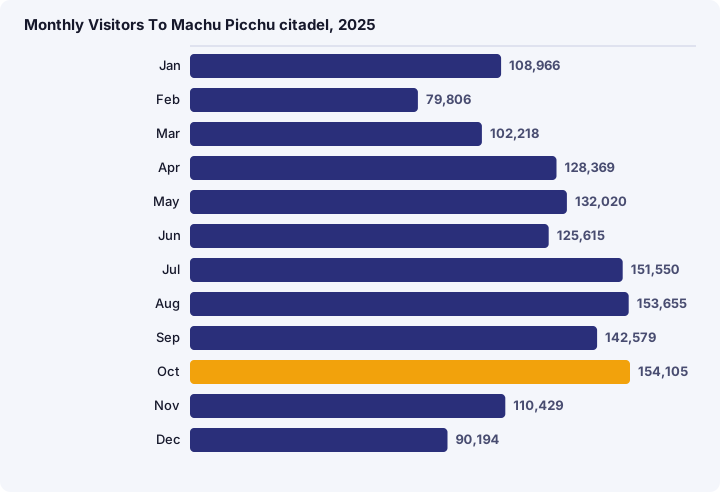
Crowd data tells the same story from the other side. The MINCETUR open dataset counted 1,479,506 visits to the Inca city of Machu Picchu in 2025, and its monthly breakdown shows October as the busiest month with 154,105 visits and February the quietest with 79,806, a ratio of nearly two to one. February's low figure reflects the Inca Trail closure and the wet season together. The daily capacity is 4,500 visitors on normal days and 5,600 on the flagged high-season dates: 1 January, 2 to 5 April, 19 June to 2 November and 30 to 31 December.
Can You Visit Machu Picchu In One Day From Cusco?
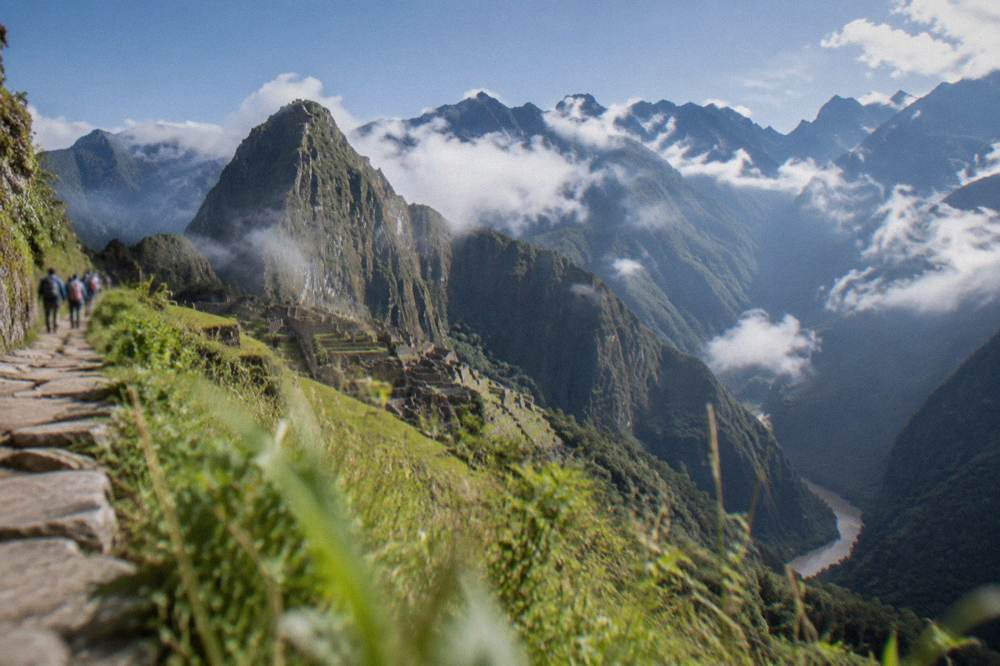
Yes, and it is the most common shape of trip: a very early start, the train from Cusco or Ollantaytambo, a timed entry at the citadel, and a return train the same evening. The citadel operates hourly entry slots reported at 06:00 to 15:00, closes at 17:30, and standard routes allow a maximum stay of about 2 h 30 from the entry time, so the day is built around the slot on the ticket.
The slot system is what makes the one-day trip workable and what makes it fragile. A visitor with a 06:00 slot needs to be at the entrance gate before it, which means the earliest trains or a night in Aguas Calientes. A midday slot leaves room for a later start from Cusco but a tighter return. The 2 h 30 maximum stay is a secondary-source figure, the official hours table being published as an image, but the shape of the rule is not in doubt: the visit is a defined window, not an all-day wander. Entry slots, closing time and stay limits should be confirmed against the ticket and the official platform when booking.
The one-day trip by train is the option for visitors with tight calendars. The alternative is to sleep in Aguas Calientes the night before, which turns the same ticket into a relaxed morning. A third shape combines the Sacred Valley and Machu Picchu across two days, sleeping in the valley and joining the train at Ollantaytambo; the site's Cusco and Machu Picchu itinerary covers that ordering in detail. For visitors deciding between the valley and the citadel with only one spare day, the rainbow mountain or Machu Picchu first comparison lays out the trade-offs.
What Are The Rules Inside The Citadel?
The Ministry of Culture's code of conduct prohibits bags over 40 x 35 x 20 cm, food, tripods, selfie sticks, umbrellas, drones, hard-sole shoes, strollers, loud noise and leaving the circuit. Tickets are checked against the original passport, entry is at the stated hour, and the stay on standard routes is capped at about 2 h 30.
The 25-item code of conduct is published on the official site and is enforced at the entrance. The bag-size limit is the one that surprises people: anything over 40 x 35 x 20 cm must be left outside, and the list of prohibited items is long enough that packing for the citadel is its own small discipline. Drones are banned outright. Umbrellas, oddly enough, are on the prohibited list, which in the wet season pushes visitors toward rain jackets. Hard-sole shoes are banned on the grounds of track protection, and strollers are not permitted, which matters for families planning a Cusco trip with children.
| Rule | Detail |
|---|---|
| Ticket | Nominal, fixed date, hour, circuit and holder |
| ID | Original passport or official ID, no copies |
| Entry window | Hourly slots, reported 06:00 to 15:00 |
| Closing | 17:30 |
| Maximum stay | About 2 h 30 on standard routes |
| Bag limit | Max 40 x 35 x 20 cm |
| Banned | Food, tripods, selfie sticks, umbrellas, drones, hard-sole shoes, strollers |
| Behaviour | No loud noise, no leaving the circuit |
The circuit rule deserves its own emphasis. Leaving the route is prohibited, and the routes are designed as one-way flows, so a visitor cannot double back to a missed viewpoint. That is why the circuit choice at booking time matters more than anything else on the day.
What About The Inca Trail And The Other Treks?
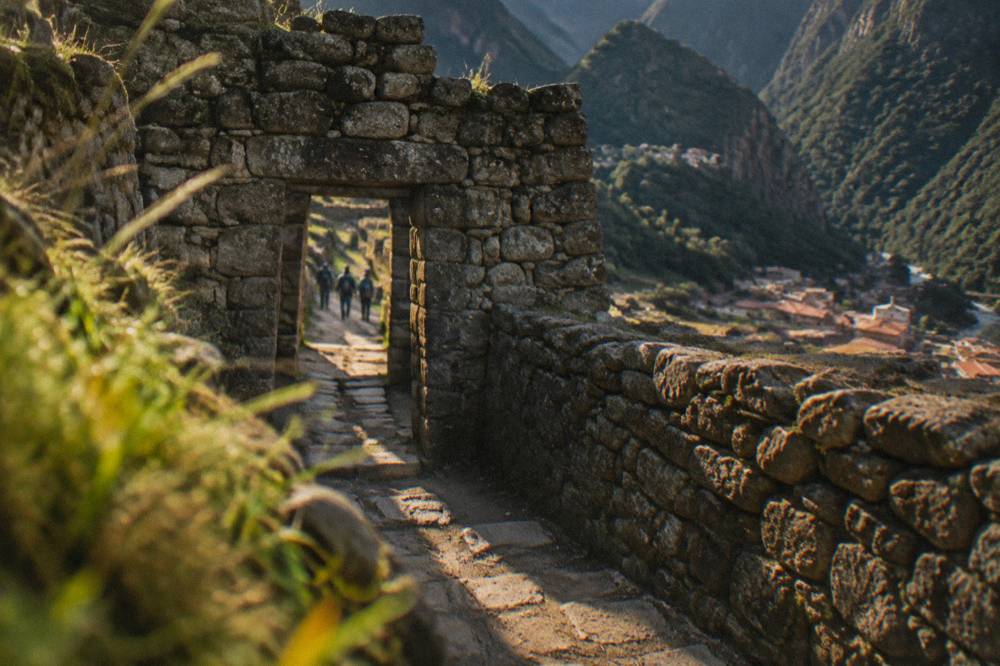
The classic Inca Trail runs about 500 people a day including porters and guides, is sold only through licensed agencies, and closes every February; the permit includes Machu Picchu entry and the government portion costs about S/ 292 (US$77 to 85). Alternative treks from Cusco include the Salkantay, Lares and Inca Jungle routes, which do not need the Inca Trail permit.
The Inca Trail quota is the constraint that shapes everything. Five hundred people a day sounds generous until the porters and guides are counted inside it, which is why permits for the dry season go early and why the release date for each following year is watched closely. The 2027 permit release had not been announced as of late September 2026, with operator expectations pointing to October or November 2026, and the new 15-minute payment window and the removal of the three-hour hold apply to the trail booking system as well. Permits cannot be bought independently: only licensed agencies sell them, under the ministerial resolutions. February is the annual closure month for the trail itself, while Machu Picchu stays open.
The site's featured way to do the classic trail is the 4-day Inca Trail trek with the return by Vistadome train, which arrives at the Sun Gate on foot and rides the panoramic train back to Cusco. For trekkers who want a different route, the Lares Valley trek with hot springs is the quieter alternative, and the Salkantay routes approach the site over a high pass. All of them end at the same citadel with the same ticket rules.
Which Other Day Trips From Cusco Pair With Machu Picchu?
The Sacred Valley is the natural pairing, both because the train to Machu Picchu passes through it and because the valley's own sites, Pisac, Ollantaytambo, Chinchero, Moray and the Maras salt mines, sit on the same route. Mountain day trips such as Rainbow Mountain, Palccoyo and Humantay Lake are also possible from a Cusco base, though each consumes a full day.
A typical week in the region alternates the valley, the citadel and one high mountain. The Sacred Valley day trip covers Pisac, Ollantaytambo and the salt mines, and doing it before Machu Picchu has a practical logic: the valley sits lower than Cusco, from Ollantaytambo at 2,792 m down to Urubamba at 2,870 m, which makes it a gentler acclimatisation step than the city. The altitude comparison between Cusco and Machu Picchu explains why the order matters for how the body feels.
The mountain days are a different category. Rainbow Mountain sits at about 5,000 m, Palccoyo at about 4,900 m, and both are higher than anything on the Machu Picchu route, so they are best scheduled after a few days of acclimatisation. Humantay Lake, at about 4,200 m, is the most reachable of the big-sky days. Each of these has its own page: Rainbow Mountain, Palccoyo and Humantay Lake. For a two-day shape that bundles the valley with the citadel, the Sacred Valley and Machu Picchu by train is the product built for exactly that.
| Day Trip From Cusco | Elevation | Ticket Or Fee |
|---|---|---|
| Machu Picchu citadel | 2,430 m | From about S/ 163 foreign adult, standard routes |
| Sacred Valley (Pisac, Ollantaytambo, Chinchero, Moray) | 2,792 to 3,385 m | Boleto Turistico Circuit III, S/ 70 |
| Rainbow Mountain (Vinicunca) | about 5,000 m | Community fee S/ 25 to S/ 30, cash |
| Palccoyo | about 4,900 m | About S/ 20, operator reported |
| Humantay Lake | about 4,200 m | S/ 10 to S/ 20, sources disagree |
Common Questions About Machu Picchu From Cusco
Is Machu Picchu The Same Place As Cusco?
No. Cusco is the historic city at 3,335 m; Machu Picchu is an archaeological site at 2,430 m, reached from Cusco by train and bus or on foot by trek. The full comparison covers the differences.
How Much Does A Machu Picchu Ticket Cost For A Foreign Adult?
From about S/ 163 (about US$48) on the standard routes and S/ 211 (about US$62) on the mountain routes in 2026, including the S/ 11 SERNANP fee applied since 1 May 2026. These are secondary-source figures; the official Ministry of Culture platform shows the live price.
Can A Machu Picchu Ticket Be Changed To Another Date?
No. Tickets are nominal and valid only for the stated date, hour, circuit and holder. The only correction permitted is a single passport-number typo. An unused ticket loses its validity.
Is A Guide Mandatory At Machu Picchu?
No. Article 17.1 as rewritten by RM 000334-2026-MC makes a guide recommended, not mandatory. Visitors with a valid ticket and passport may enter independently.
How Many People Can Visit Machu Picchu Each Day?
The 2026 daily capacity is 4,500 on normal days and 5,600 on the high-season dates: 1 January, 2 to 5 April, 19 June to 2 November and 30 to 31 December.
Is Machu Picchu Covered By The Boleto Turistico?
No. The Boleto Turistico covers 16 Cusco-city and Sacred Valley sites on COSITUC's list; Machu Picchu is sold separately on the Ministry of Culture platform or in person at Machu Picchu Pueblo. The Inca Trail permit does include Machu Picchu entry.
The verified picture for 2026 is a site that is easier to reach than ever by train and more strictly regulated than ever at the gate. The three circuits, the nominal tickets, the recommended-not-mandatory guide and the 15-minute payment window are the current rules, and the official platform is the place where all of them are finally settled before any money changes hands. Plan the circuit first, the date second, and the rest of the trip from Cusco around them.