5 Days In Cusco
Five days is enough to see Cusco, its Inca sites, the Sacred Valley and Machu Picchu without racing the clock, provided the days are ordered around altitude rather than distance.
Short answer
A sensible Cusco 5 day itinerary keeps day one light in the city at 3,335 m, spends day two on Sacsayhuaman and the historic centre, day three in the Sacred Valley, day four at Machu Picchu, and day five on markets, food and shopping. The Boleto Turistico integral ticket is S/ 130 and valid 10 days, which covers a five-day stay.
Cusco, the historic city in the Andes of southern Peru, sits with its Plaza de Armas at 3,335 m, and that single number shapes every good five-day plan more than any map does. The CDC Yellow Book names Cusco as a rapid-ascent destination and prefers a graded ascent, which is why a sensible Cusco 5 day itinerary does not put a mountain hike on the morning of arrival. Five days is enough to cover the city's Inca and colonial core, the four ruins above town, the Sacred Valley and Machu Picchu, with room left for markets and food, because the COSITUC's integral Boleto Turistico is valid for 10 days and the sites cluster into natural day groups. This page lays out one researched order, day by day, with the prices and rules each day depends on.
Why Five Days Is The Right Length For Cusco
Five days lets a visitor acclimatise at 3,335 m, see the sixteen Boleto Turistico sites in sensible groups, cross the Sacred Valley, and reach Machu Picchu without the compressed rush of a two or three day stay. COSITUC's own FAQ says covering all sixteen sites needs a minimum of three days, so a five day window covers the boleto plus Machu Picchu comfortably.
The COSITUC tarifario divides the region's ticketed sites into three circuits: Circuit I covers Saqsayhuaman, Q'enqo, Puka Pukara and Tambomachay above the city; Circuit II covers the city museums, Qorikancha's site museum, Tipon and Pikillacta; Circuit III covers Pisac, Ollantaytambo, Chinchero and Moray in the Sacred Valley. The integral ticket is S/ 130 for a foreign adult, about US$38, and lasts 10 days from the day of purchase. Partial tickets are S/ 70 each and last 1 to 2 days. The ticket is sold in person only, at the counter on Av. El Sol 103 and at most included sites, so day one or two should include a walk to that counter.
Altitude is the other reason five days works. Machu Picchu's citadel sits at 2,430 m, roughly 900 m below Cusco, and the Sacred Valley towns are lower still: Urubamba at 2,870 m, Ollantaytambo at 2,792 m, Pisac at 2,972 m. The CDC notes that in some cases travellers at Cusco can descend to lower elevations to sleep before beginning their ascent, and the itinerary below uses the valley and Machu Picchu days in exactly that way, after the city has done its work as an acclimatisation stop. Readers weighing a shorter stay can compare the options on how many days in Cusco; the 3 days in Cusco and 4 days in Cusco plans show what gets cut.
| Ticket | Price (foreign adult) | Validity | Sites |
|---|---|---|---|
| Integral Boleto Turistico | S/ 130 (about US$38) | 10 days | All 16 sites |
| Partial Circuit I (Saqsayhuaman) | S/ 70 (about US$20) | 1 day | Saqsayhuaman, Q'enqo, Puka Pukara, Tambomachay |
| Partial Circuit II (City) | S/ 70 (about US$20) | 2 days | City museums, Qorikancha site museum, Tipon, Pikillacta |
| Partial Circuit III (Sacred Valley) | S/ 70 (about US$20) | 2 days | Pisac, Ollantaytambo, Chinchero, Moray |
For a five-day stay the integral ticket is the clear buy: three partials together cost more than the integral, and the 10-day validity swallows the whole trip with room to spare. Children enter free to age 9, and ages 10 to 17 pay the student price with ID, per the COSITUC FAQ.
Day 1 In Cusco: Arrive Light And Buy The Boleto
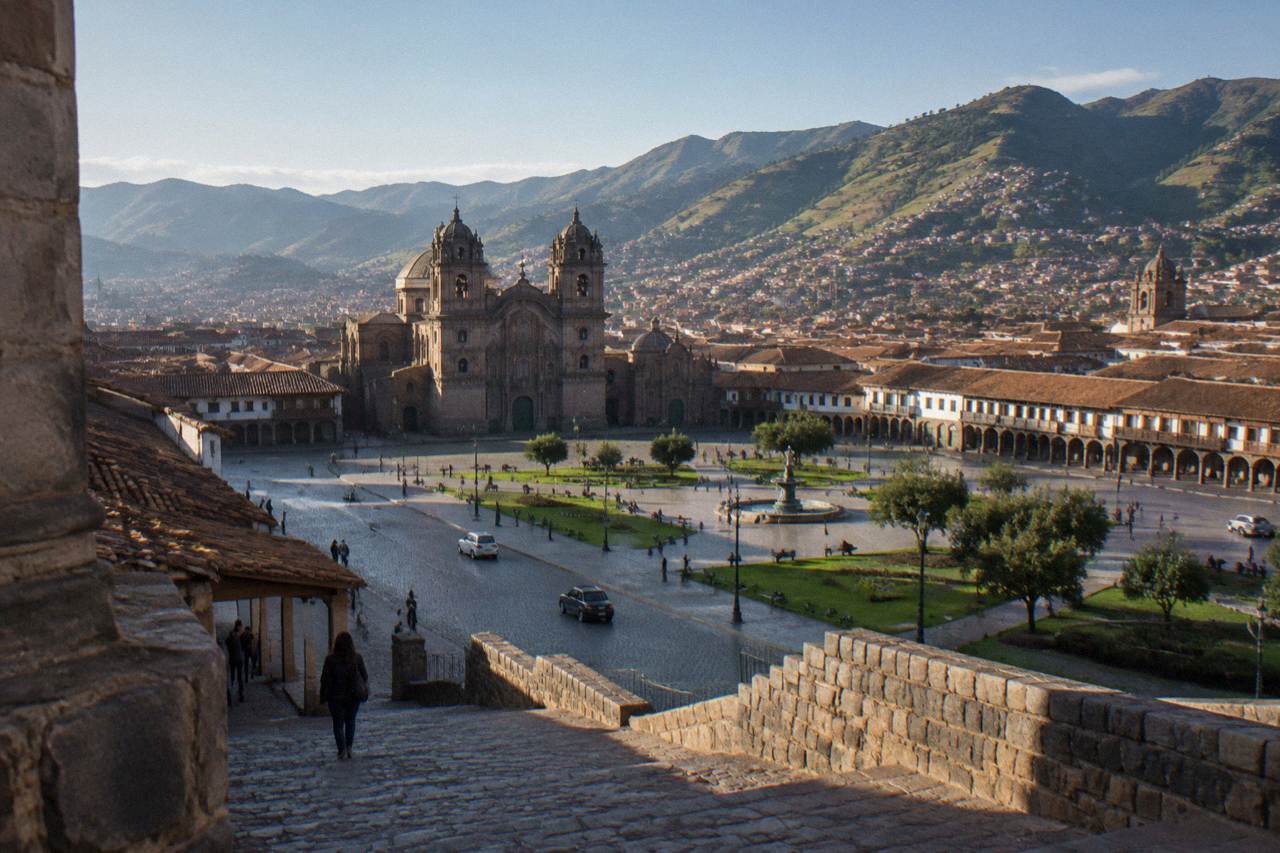
Day one should stay flat and slow: the Plaza de Armas, the Qorikancha block, the twelve-angled stone, and a walk down Av. El Sol to buy the Boleto Turistico in person, because COSITUC does not sell it online. Nothing on this day should climb above the city's own 3,335 m.
The airport sits about 6 km from the Plaza de Armas, 15 to 20 minutes by taxi, and an airport taxi to the centre is reported at about S/ 15 to 25. The first afternoon belongs to the historic centre: the Plaza de Armas itself, the Cusco Cathedral on its east side, and the narrow lanes of San Blas above. The twelve-angled stone on Hatunrumiyoc street is a large, finely fitted polygonal stone in an Inca wall a short walk from the square, and it costs nothing to look at. The Qorikancha site museum is on Boleto Circuit II, so it can wait for day two or be done this afternoon on the integral ticket.
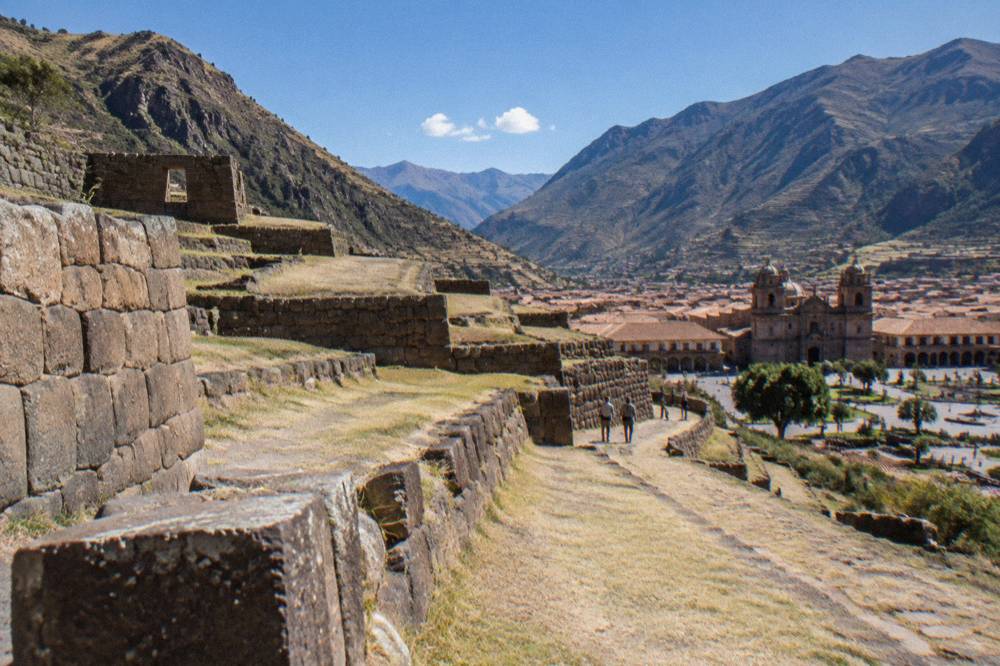
The one errand that matters is the COSITUC counter at Av. El Sol 103, open daily 07:30 to 18:00. Buying the integral ticket on day one starts its 10-day clock with the whole trip still ahead, and the walk to the counter is flat. The CDC Yellow Book advises avoiding alcohol for the first 48 hours at high altitude and prefers graded ascent; a quiet first evening, a cup of coca tea (reported at about S/ 2 to 5), and an early night are the whole of the day's agenda. Visitors who want a guided introduction without spending much can look at the free walking tours of Cusco, several of which run on GuruWalk on a tip basis.
A gentle first day is also the right moment for a low-effort cultural activity. The textile workshop experience in the Cusco region is a private class with Andean women, and it makes an easy day-one or day-five filler because it does not demand climbing. The details and live availability are on the textile workshop page.
Day 2 In Cusco: Sacsayhuaman And The Four Ruins Above The City
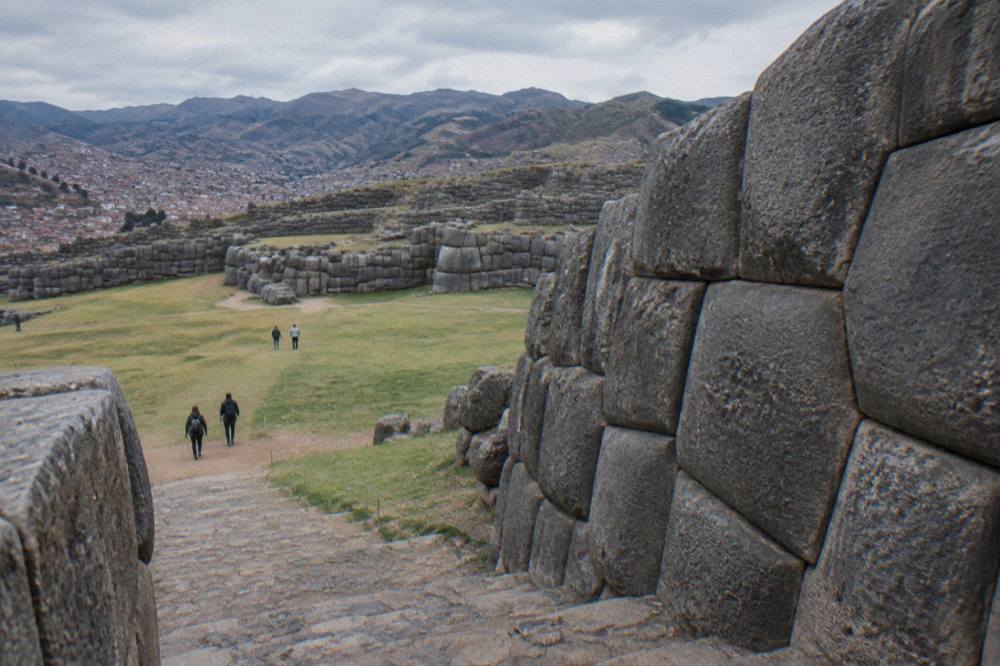
Day two climbs to the four Circuit I sites, Saqsayhuaman, Q'enqo, Puka Pukara and Tambomachay, all on the Boleto Turistico, then finishes in the city museums on Circuit II. Sacsayhuaman stands at 3,701 m, the highest point of the whole five days, so a slow morning and water matter more than a tight schedule.
The four ruins sit in a line above the city and are usually visited in one loop, on foot from the centre or by the half-day city tours that cover them. Sacsayhuaman is the headline: a walled complex whose explanada recorded 944,008 visits in 2025 in the MINCETUR dataset, the third-highest figure of any Cusco site after Machu Picchu's two counting units. Its hours are 07:00 to 18:00. Qenqo, Puka Pukara and Tambomachay complete the circuit, and each is a short distance from the last; timings vary with transport and crowds, so the plan should carry no fixed clock.
The afternoon can drop back into the city for Circuit II. The Inca Museum charges S/ 20 for a foreign adult, and the Museo de Arte Precolombiano charges S/ 20 general and S/ 10 for students, per peru.travel's museum listing; both are also reachable as ordinary city stops. The Museo Inka page carries the detail. A half-day city tour is the alternative for visitors who would rather not arrange the ruins loop themselves: the Cusco city tour guide compares the options, and the four-ruins half-day format is the standard product.
| Circuit I site | Elevation | On the Boleto | Notes |
|---|---|---|---|
| Saqsayhuaman | 3,701 m | Yes, Circuit I | Hours 07:00 to 18:00 |
| Q'enqo | Above the city | Yes, Circuit I | Walkable from Saqsayhuaman |
| Puka Pukara | Above the city | Yes, Circuit I | Small walled site on the loop |
| Tambomachay | Above the city | Yes, Circuit I | Terraces and water channels |
Day 3: The Sacred Valley From Cusco
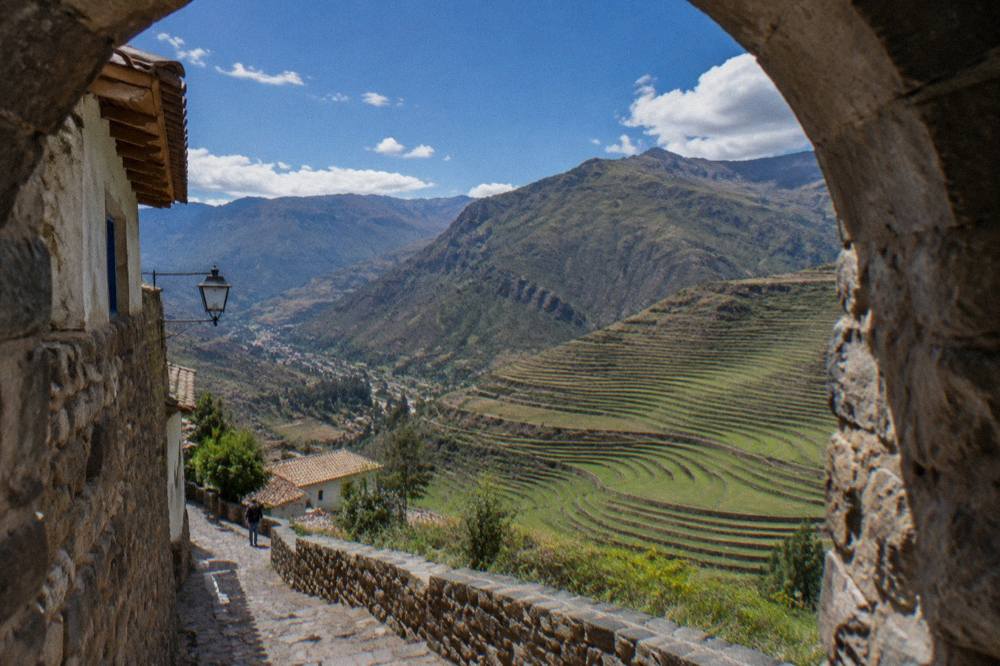
Day three goes down, not up: Pisac at 2,972 m, Ollantaytambo at 2,792 m, Chinchero, Moray at 3,385 m and the Maras salt mines, all on Boleto Circuit III except the salt mines, which charge their own entry of about S/ 15 to 20. Sleeping lower in the valley also sets up day four at Machu Picchu.
The Sacred Valley day is the most flexible of the five. A full loop takes in the Pisac terraces and market, Chinchero, the circular terraces of Moray, the Maras salt mines and the fortress town of Ollantaytambo, in whatever order the day allows. Moray is on the boleto's Circuit III; the salt mines are not, and charge their own fee. MINCETUR counted 891,526 visits to the Ollantaytambo archaeological park and 773,916 to Moray in 2025, so these are busy sites, and a guided day trip handles the sequencing that solo travellers would otherwise have to build.
To let a tour handle the valley's driving and timing, book a Sacred Valley day trip here.
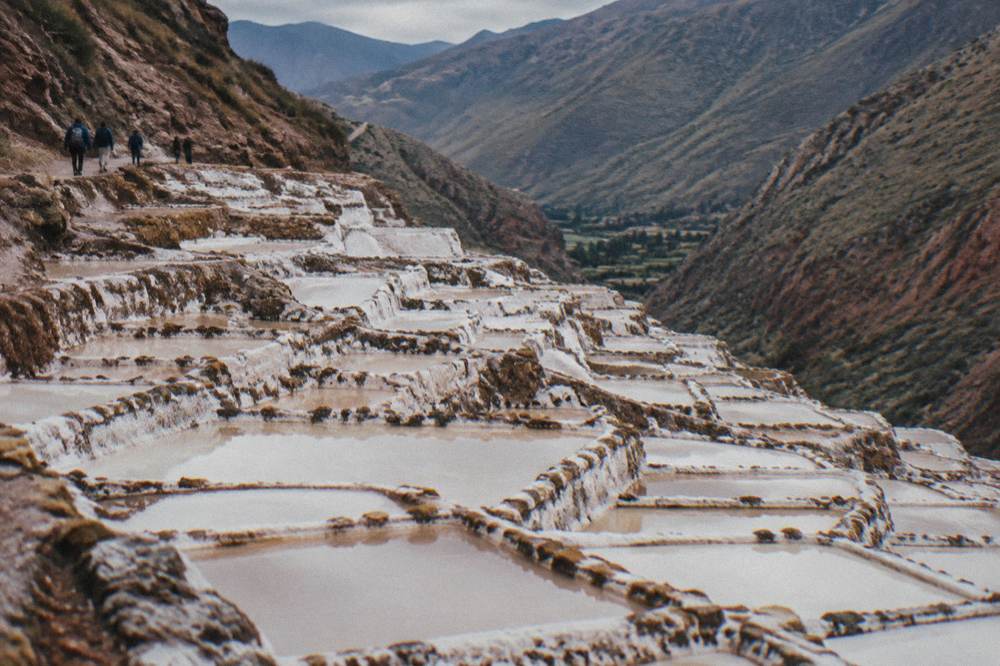
Whether the valley deserves its own deeper plan is a fair question at the five-day scale. The Sacred Valley guide covers the full set of sites, and is the Sacred Valley worth visiting answers the sceptic's version; the short version is that on a five-day trip the valley is both a sight day and the altitude descent that makes day four easier. Visitors splitting the stay can read stay in Cusco or the Sacred Valley, and the Sacred Valley in one day answer covers the compressed version. An active alternative is tandem paragliding over the valley, which several operators run from Cusco. Check availability on the booking page if that appeals; the adventure activities guide sets it among the other options.
Day 4: Machu Picchu From Cusco
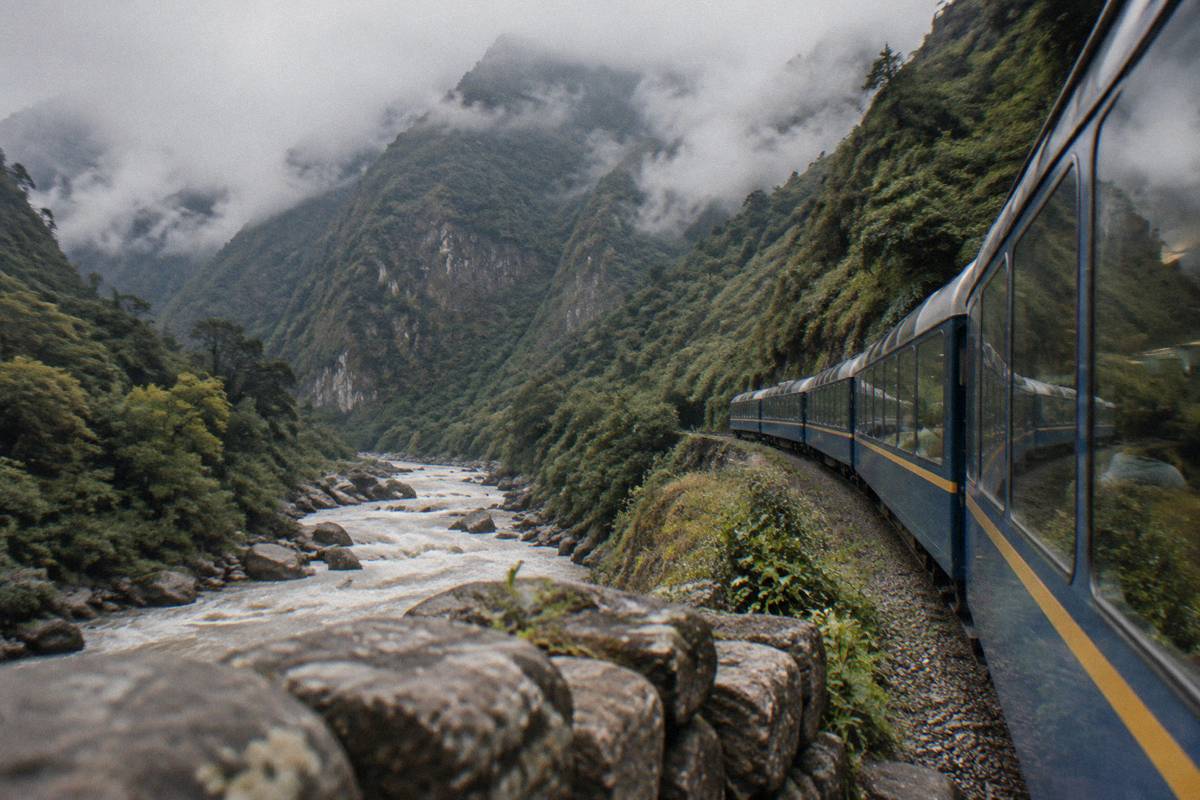
Machu Picchu is a full day from Cusco and needs its own nominal timed ticket, bought on the Ministry of Culture platform or in person at Machu Picchu Pueblo, because it is not on the Boleto Turistico. The citadel sits at 2,430 m, roughly 900 m below Cusco, and a guide is recommended but not mandatory under the current Ministry of Culture rule.
Machu Picchu has one page on this site, and the detail on tickets, circuits and rules lives there. What a five-day itinerary needs is the shape of the day: an early start, the train from the Cusco side, and entry inside the hourly slots from 06:00 to 15:00 with a maximum stay of 2 h 30 on standard routes. Since 1 June 2024 the site runs three circuits and ten routes, and foreign adult entry is from about S/ 163 on standard routes including the S/ 11 SERNANP fee, with the live price on the official platform. Tickets are nominal: valid only for the stated date, hour, circuit and holder, with no changes except a single passport-number correction. Other pages covering the same trip are gathered on Things To Do In Cusco Peru.
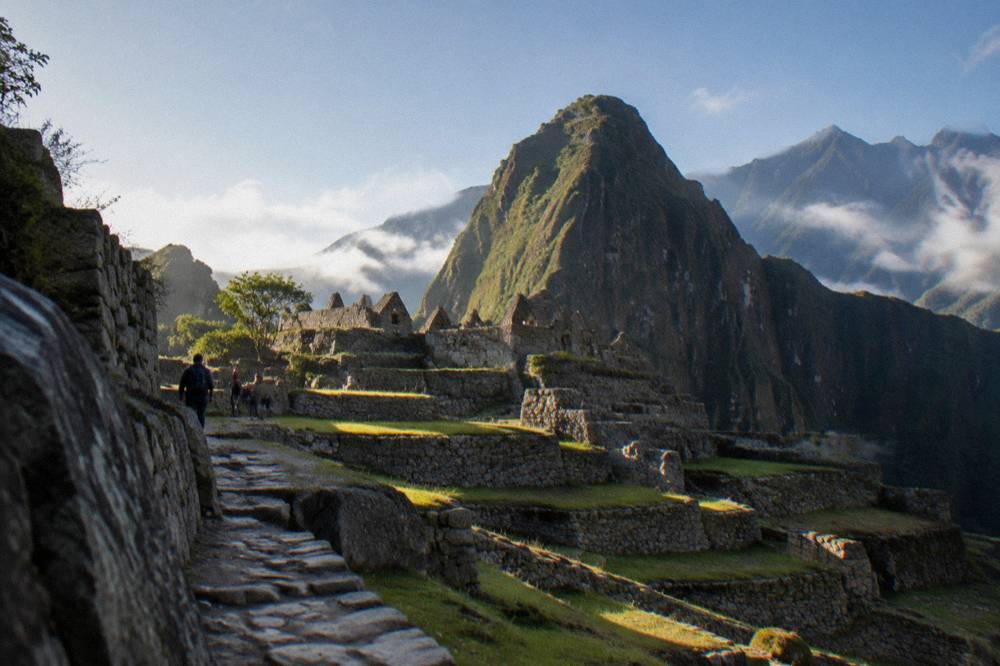
The train and ticket logistics are covered in depth on the Machu Picchu day trip page, and the Cusco and Machu Picchu itinerary builds a whole plan around them. For the five-day traveller the key point is sequencing: doing Machu Picchu on day four, after three nights of acclimatisation and a night descending through the valley, matches the CDC's preference for staged ascent, because the citadel is lower than Cusco and the return is the only re-ascent.
| Machu Picchu fact | Current rule |
|---|---|
| Circuits | 3 circuits, 10 routes since 1 June 2024 |
| Foreign adult entry | From about S/ 163 standard, S/ 211 mountain routes |
| Daily capacity 2026 | 4,500 normal days, 5,600 on listed high-season dates |
| Guide | Recommended, not mandatory |
| Ticket changes | None, except one passport-number correction |
| On the Boleto Turistico | No |
Day 5: Markets, Food And The Last Cusco Mornings
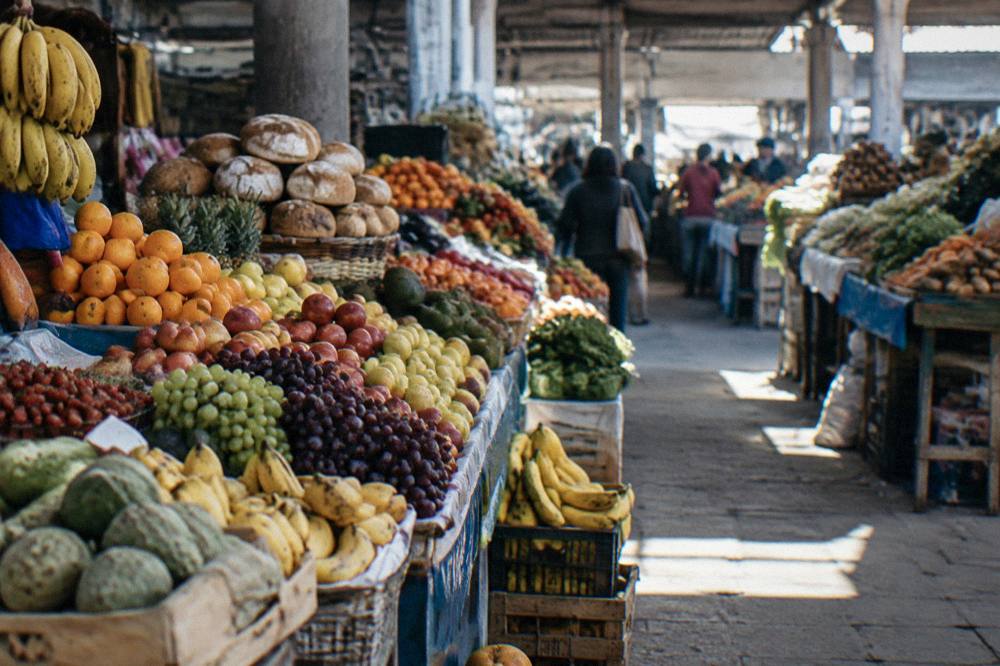
Day five is the city day: San Pedro Market for breakfast and produce, a cooking class or chocolate workshop for the middle of the day, and the last unvisited Boleto sites or viewpoints for the afternoon. Every item sits at city altitude, which makes it the right shape for a tired fifth day.
San Pedro Market is the city's central market, and the food walking tours that stop there are the easiest way to eat well in it; a menu del dia is reported at about S/ 8 to 15. The cooking classes guide compares the market-plus-class products, and the ChocoMuseo runs bean-to-bar chocolate workshops for visitors who want something sweeter. The what to eat in Cusco guide and the best restaurants in Cusco list carry the evening plan, and what to buy in Cusco covers the shopping, with buying alpaca in Cusco for the one purchase that trips people up.
For the afternoon, whatever the boleto still holds: Tipon and Pikillacta on the city's south side are on Circuit II and make a half-day trip, and the Tipon and Pikillacta pages carry the detail. The Cusco viewpoints and photo spots guide finishes the list for visitors who would rather watch the light over the roofs than enter another museum.
One honest variation deserves a place here. Some five-day travellers do not day-trip to Machu Picchu at all; they trek there, and the classic five-day Salkantay trek is built for exactly this window, turning the whole itinerary into a single small-group hike that ends at Machu Picchu. That plan replaces days two to four with the trail and is the better choice for visitors whose five days are really about the walk. The Salkantay trek guide covers the route in detail.
What A Cusco 5 Day Itinerary Costs
The fixed, sourced costs of this five-day plan are the Boleto Turistico at S/ 130, Machu Picchu entry from about S/ 163 on standard routes, and the small site fees at Rainbow Mountain or the salt mines if those are added; everything else is product prices that render from listings, plus the reported on-the-ground ranges below.
The table below holds only figures the facts pack carries. Product prices, ratings and durations are printed by the tour cards on this site, never typed into prose, and the Cusco costs guide carries the fuller budget picture, with money and ATMs in Cusco for the practical side of paying.
| Item | Cost | Source basis |
|---|---|---|
| Boleto Turistico integral, foreign adult | S/ 130 (about US$38) | COSITUC tarifario |
| Boleto partial circuit | S/ 70 (about US$20) | COSITUC tarifario |
| Machu Picchu entry, foreign adult standard routes | From about S/ 163 (about US$48) | Secondary sources; live price on the official platform |
| Maras salt mines entry | About S/ 15 to 20 | Operator-reported range |
| Inca Museum, foreign adult | S/ 20 (about US$6) | peru.travel museum listing |
| Airport taxi to the centre | About S/ 15 to 25 | Reported range |
| Coca tea | About S/ 2 to 5 | Reported range |
| Tourist SIM | About S/ 5 to 15 plus a data pack of S/ 20 to 40 | Reported range |
When To Run This Cusco Itinerary
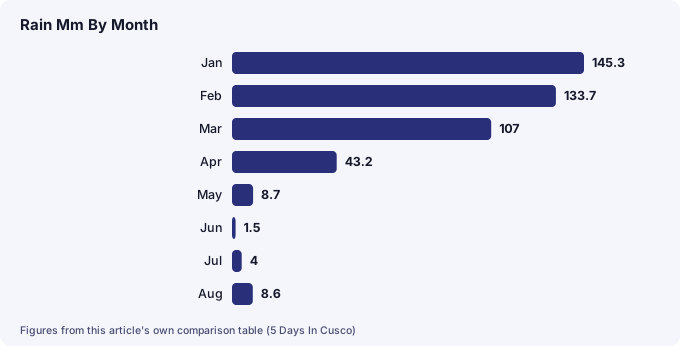
The dry season, roughly May to September, is the reliable window for this plan, because December to March carries 71.9 percent of the year's 707.8 mm of rain at the WMO and SENAMHI Cuzco station, while May to August together bring just 22.8 mm. June to August is winter: dry, clear days and cold nights, with frost common in June and July.
The monthly picture below comes from the WMO World Weather Information Service record for the Cuzco station, a historical normal supplied by SENAMHI. Mean daily maximums stay between 18.8 and 20.9 C all year, so the choice of month is about rain and night cold, not daytime heat. The Cusco weather by month and best time to visit Cusco guides carry the full discussion, and when not to visit Cusco covers the other side of it.
| Month | Mean max C | Mean min C | Rain mm |
|---|---|---|---|
| Jan | 18.9 | 6.6 | 145.3 |
| Feb | 18.8 | 6.5 | 133.7 |
| Mar | 19.1 | 6.2 | 107.0 |
| Apr | 19.7 | 4.9 | 43.2 |
| May | 19.8 | 2.5 | 8.7 |
| Jun | 19.5 | 0.3 | 1.5 |
| Jul | 19.1 | 0.1 | 4.0 |
| Aug | 19.8 | 1.6 | 8.6 |
| Sep | 19.8 | 3.9 | 21.8 |
| Oct | 20.9 | 5.5 | 39.4 |
| Nov | 20.7 | 6.1 | 71.9 |
| Dec | 19.4 | 6.4 | 122.7 |
Common Questions About A Cusco 5 Day Itinerary
Is Five Days In Cusco Enough?
Yes, for the standard set. Five days covers the city, the four Circuit I ruins, the Sacred Valley and Machu Picchu, with the integral Boleto Turistico valid 10 days. What five days does not comfortably cover is a multi-day trek plus everything else; trekkers should let the trail replace part of the plan.
Should Machu Picchu Come At The Start Or The End?
At the end, or after at least a couple of nights. The CDC prefers graded ascent and names Cusco as a rapid-ascent destination, and Machu Picchu at 2,430 m is lower than Cusco at 3,335 m, so reaching it on day four after acclimatising matches the medical advice as well as the logistics.
Do I Need The Boleto Turistico For A Five Day Trip?
Yes, unless the plan skips every ticketed site. The integral ticket at S/ 130 for a foreign adult covers all 16 sites for 10 days, which works out cheaper than buying the partial circuits at S/ 70 each. It is sold in person only, at Av. El Sol 103 and at most included sites.
Can I Swap The Sacred Valley Day For Rainbow Mountain?
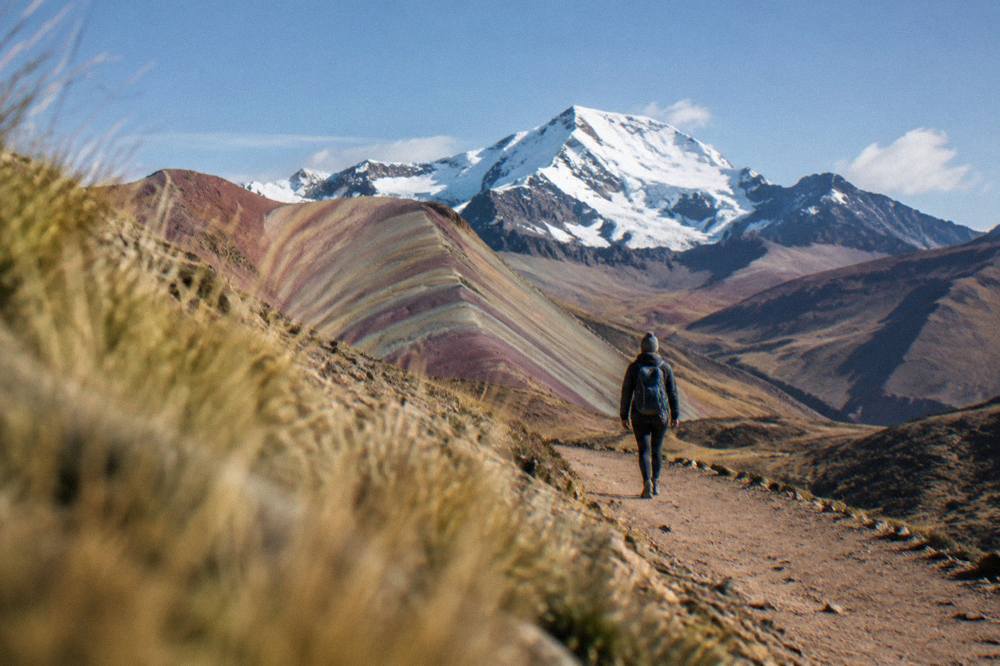
Yes, but it changes the altitude profile. Rainbow Mountain, Vinicunca, is about 5,000 m, the highest point of any common day trip from Cusco, with a community entry fee of about S/ 25 to 30 in cash. The Rainbow Mountain guide covers the choice, and Rainbow Mountain versus Palccoyo compares the two versions.
What If I Only Have Two Or Three Days?
The 2 days in Cusco and 1 day in Cusco plans cut the valley and the ruins loop down to the essentials, and an acclimatisation day page covers the light first day. A shorter stay should buy a partial boleto circuit rather than the integral ticket.
Is A Five Day Trek A Better Use Of Five Days?
For some visitors, yes. The classic five-day Salkantay trek ends at Machu Picchu and replaces the day-trip version of day four with the walk itself. It is a product, so its price, rating and dates render from its listing rather than from this page.
The five-day shape above is one researched order, not the only one: swap the valley and ruins days if the weather demands it, move Machu Picchu a day later if the ticket platform shows better availability, and keep the first day light whatever else changes. Things To Do In Cusco Peru carries the full set of site, food and planning pages behind each link on this page, and every price shown here traces to the COSITUC tarifario, the Ministry of Culture's platform or the reported ranges stated above.