3 Days In Cusco
Three days is enough for Cusco's historic centre, the four ruins above the city and one big day trip, provided the first day stays light: the Plaza de Armas sits at 3,335 m and the CDC Yellow Book names Cusco as a rapid-ascent destination.
Short answer
Three days in Cusco works as a light first day in the historic centre, a second day for the ruins on the city's edge, and a third day for either the Sacred Valley or Machu Picchu. The Boleto Turistico integral costs S/ 130 and lasts 10 days, so one ticket can cover both city days.
Three days in Cusco is a realistic frame for the city itself plus one headline excursion, and the shape of the plan matters more than its length. Cusco (also spelled Cuzco) is the historic city in the Andes of southern Peru, sitting at 3,335 m at the Plaza de Armas, and the CDC Yellow Book names it as a rapid-ascent destination where a graded ascent is preferred. That single fact organises everything below: the first day stays low and slow inside the historic centre, the second climbs to the ruins on the city's edge, and the third spends a long day either in the Sacred Valley or at Machu Picchu, whose citadel sits lower, at 2,430 m. This page lays out what to see in a sensible order, with the ticket rules, prices and elevations that the official sources actually state.
Is 3 Days In Cusco Enough?
Three days is enough for the city of Cusco itself plus one major excursion: the historic centre, the four ruins above the city, and either the Sacred Valley or Machu Picchu. It is not enough for both big excursions plus a multi-day trek, and the COSITUC FAQ notes that covering all 16 Boleto Turistico sites needs a minimum of three days on its own.
The honest arithmetic is about altitude and ticket validity rather than distance. The Boleto Turistico integral ticket is valid for 10 days from the day of purchase, which means one S/ 130 ticket (about US$38) bought on arrival can cover both city days and still be live if a Sacred Valley day follows. Machu Picchu is a separate system entirely: it is not on the boleto, its tickets are nominal, and it sells on the Ministry of Culture's own platform or in person at Machu Picchu Pueblo.
For readers weighing a fourth or fifth day, the longer plans at 2 days in Cusco, 4 days in Cusco and 5 days in Cusco cover the trade-offs, and the question how many days in Cusco goes deeper on the counting. The short version: three days buys the city, one excursion, and no margin for a trek.
| Day | Base | Focus | Altitude range |
|---|---|---|---|
| Day 1 | Cusco historic centre | Plaza de Armas, Qorikancha, San Pedro Market, museums | 3,300 to 3,400 m |
| Day 2 | Cusco | Sacsayhuaman, Q'enqo, Puka Pukara, Tambomachay | up to 3,701 m |
| Day 3 | Sacred Valley or Machu Picchu | Pisac, Ollantaytambo, Moray, or the citadel | 2,430 to 3,385 m |
What Should Day 1 In Cusco Look Like While You Acclimatise?
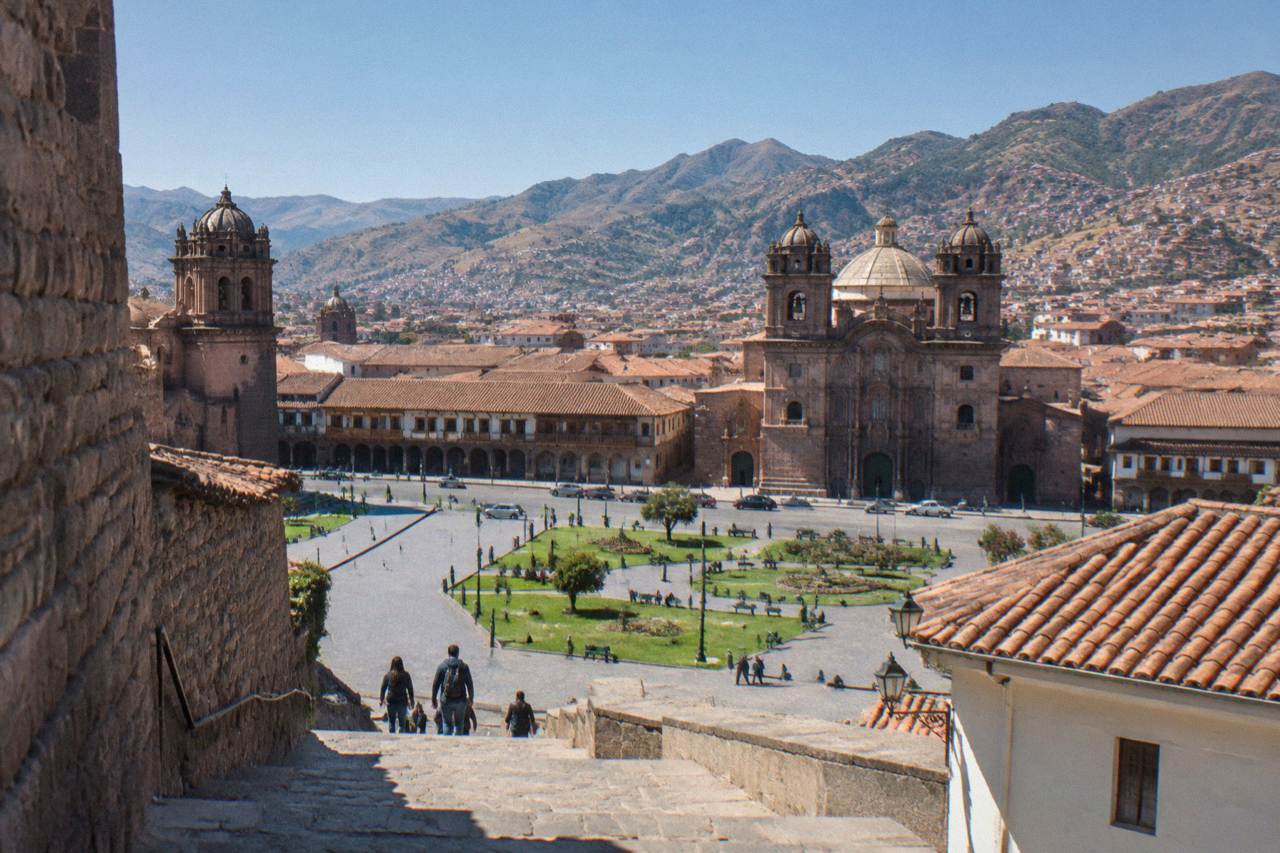
Day 1 should stay inside the historic centre and stay slow: the Plaza de Armas, the Qorikancha site museum, San Pedro Market and one or two museums, all within a compact walk at 3,335 m. The CDC Yellow Book prefers a graded ascent and advises avoiding alcohol for the first 48 hours at high altitude, so the first day is deliberately the lightest.
Start at the Plaza de Armas, the city's main square, where the Cathedral stands on one side. The Cathedral's admission is listed by peru.travel at S/ 25, a figure on a page dated 2021, so treat it as a reported price and confirm at the door. A few blocks away, Qorikancha is the Inca temple site under the Santo Domingo complex; its site museum sits on Boleto Turistico Circuit II, and peru.travel lists the Qorikancha museum admission separately at S/ 20.
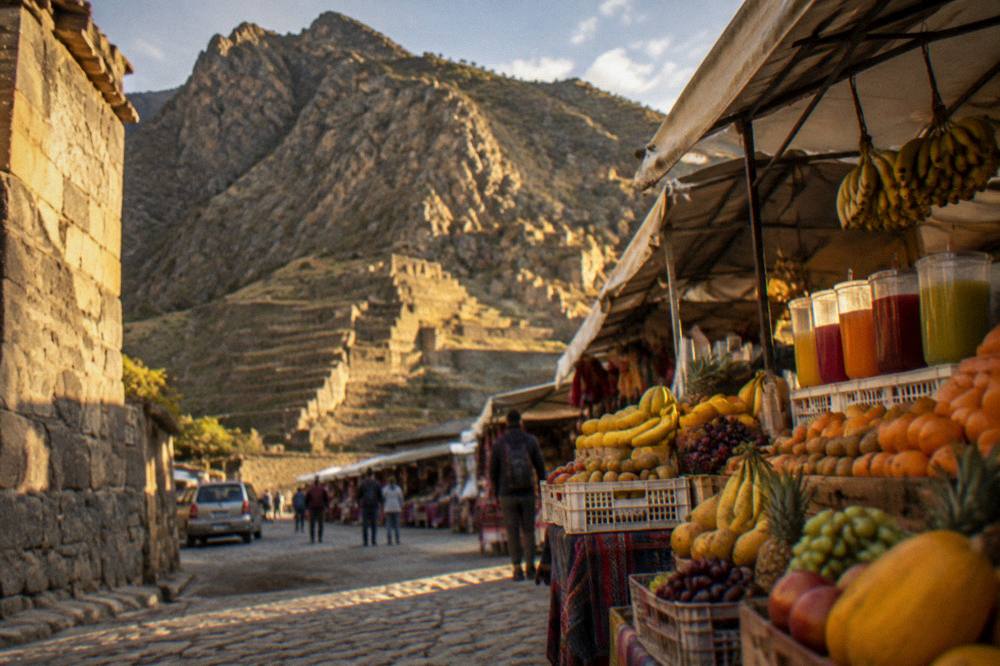
The twelve-angled stone on Hatunrumiyoc street is a short walk north, a large finely fitted polygonal stone in an Inca wall near the San Blas quarter, free to view from the street. Lunch belongs at San Pedro Market, where a menu del dia is reported at about S/ 8 to 15 and a cup of coca tea at about S/ 2 to 5.
The afternoon can absorb one museum without overdoing it. peru.travel lists the Inca Museum at S/ 20 for foreign adults, open Monday to Friday 09:15 to 16:00 and Saturday 09:15 to 14:00, and the Museo de Arte Precolombino at S/ 20 general, S/ 10 for students. Both figures come from a peru.travel article dated 2026, so they are current as reported. The acclimatisation day plan expands this day in full if altitude is the main worry.
| Day 1 stop | Entry | Ticket it sits on |
|---|---|---|
| Plaza de Armas | free | none |
| Cusco Cathedral | S/ 25 (reported, dated source) | not on the Boleto |
| Qorikancha site museum | S/ 20 (reported) | Boleto Circuit II |
| Inca Museum | S/ 20 (reported) | not on the Boleto |
| Museo de Arte Precolombino | S/ 20 general, S/ 10 student (reported) | not on the Boleto |
| San Pedro Market | free to enter | none |
What Should Day 2 In Cusco Cover: The Four Ruins Above The City?
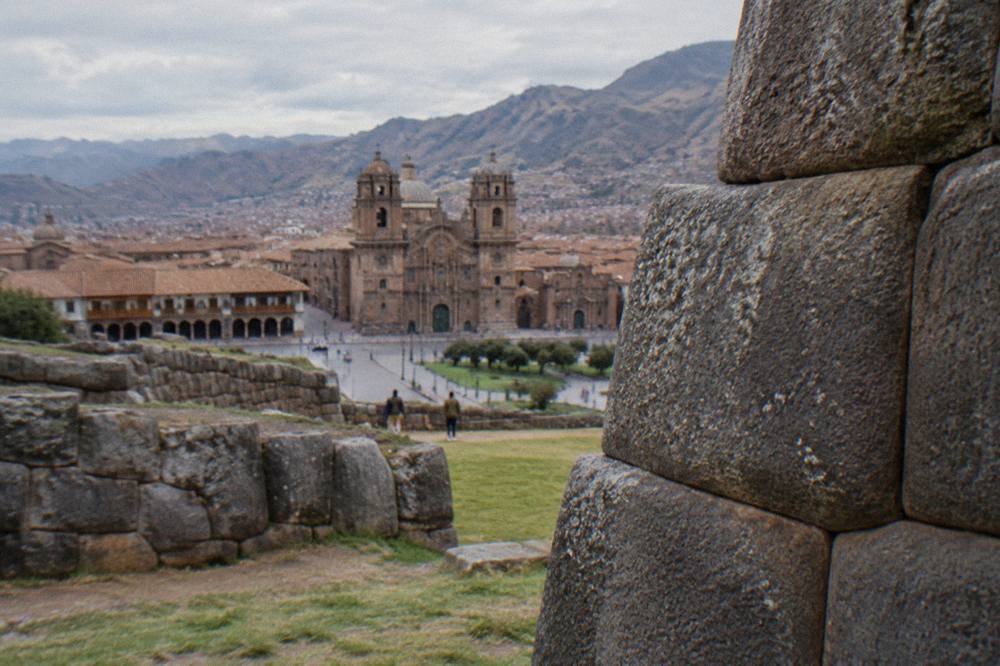
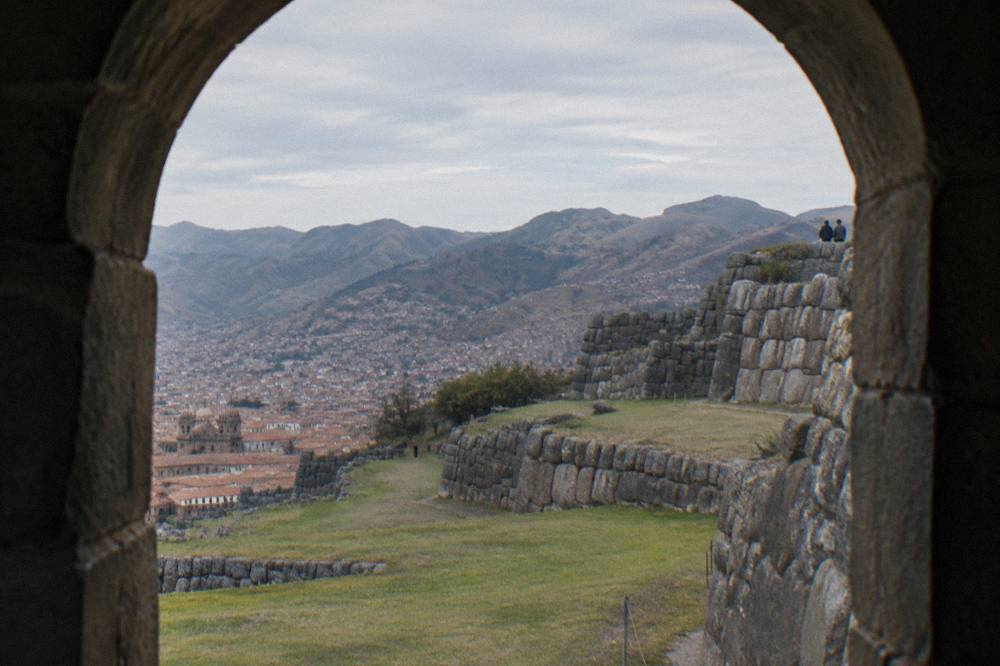
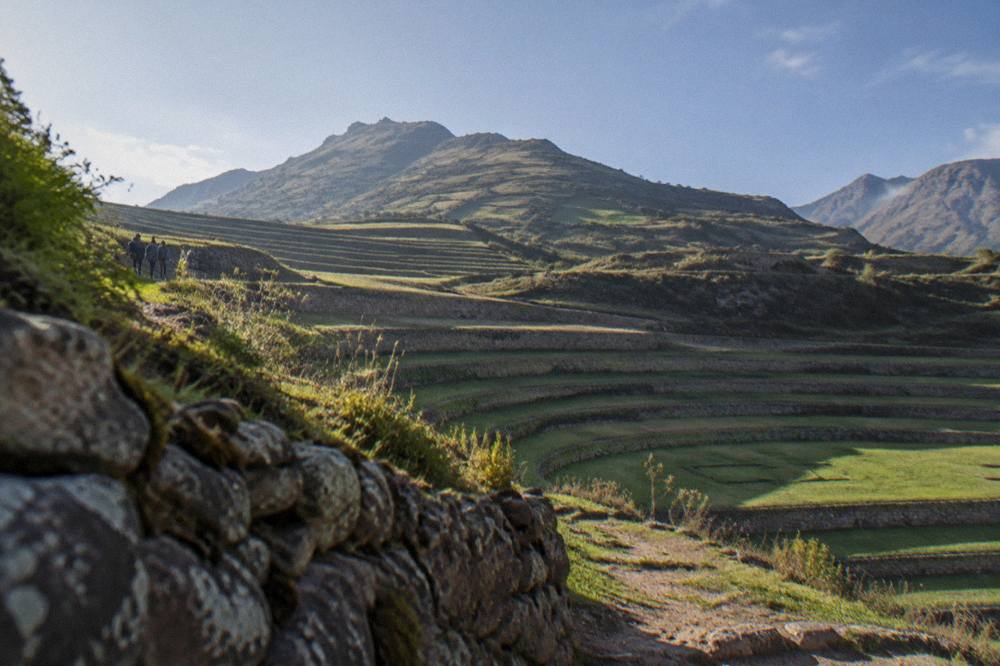
Day 2 belongs to the four Inca sites on Cusco's northern edge: Sacsayhuaman, Q'enqo, Puka Pukara and Tambomachay, all on Boleto Turistico Circuit I, with Sacsayhuaman the headline at 3,701 m. The partial Circuit I ticket costs S/ 70 and is valid for 1 day, so a partial works if day 2 is the only boleto day, while the S/ 130 integral covers all 16 sites for 10 days.
Sacsayhuaman is the largest of the four and the reason most people make the climb; peru.travel lists its hours as 07:00 to 18:00. It is not free, despite a common claim to the contrary: it sits on Circuit I of the boleto. The Sacsayhuaman guide covers the site in detail, and the walk up from the city is a real option, though no sourced walking time exists, so plan by effort rather than by clock. Q'enqo, Puka Pukara and Tambomachay follow along the same ridge road, each a short stop.
A half-day city tour is the alternative to walking the ridge independently, and the roster carries several; the Cusco city tour page compares them. For the evening, the Planetarium Cusco runs night shows with round-trip transport included, a family-friendly way to close the day, and its admission is bookable in advance.
The four-ruins question has its own deep page at the four ruins of Cusco, including the question of whether the walk between them is worth it. One practical note from the COSITUC FAQ: the boleto is sold in person only, at the counter on Av. El Sol 103, open daily 07:30 to 18:00, and at most included sites. There is no online sale, so day 2 should not begin before the ticket exists.
For a night option that does not depend on daylight, the Planetarium Cusco's own site lists daily shows with round-trip transport included, and prebooking guarantees the visit.
What Should Day 3 In Cusco Be: Sacred Valley Or Machu Picchu?
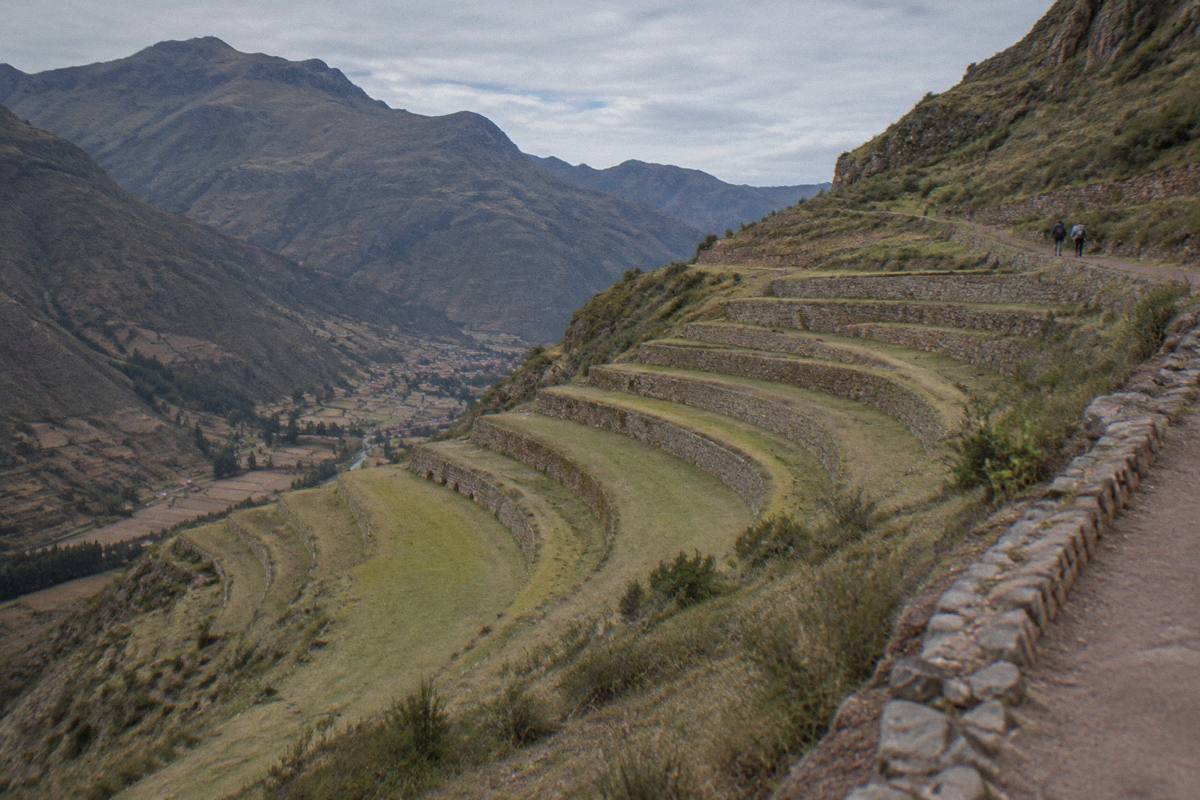
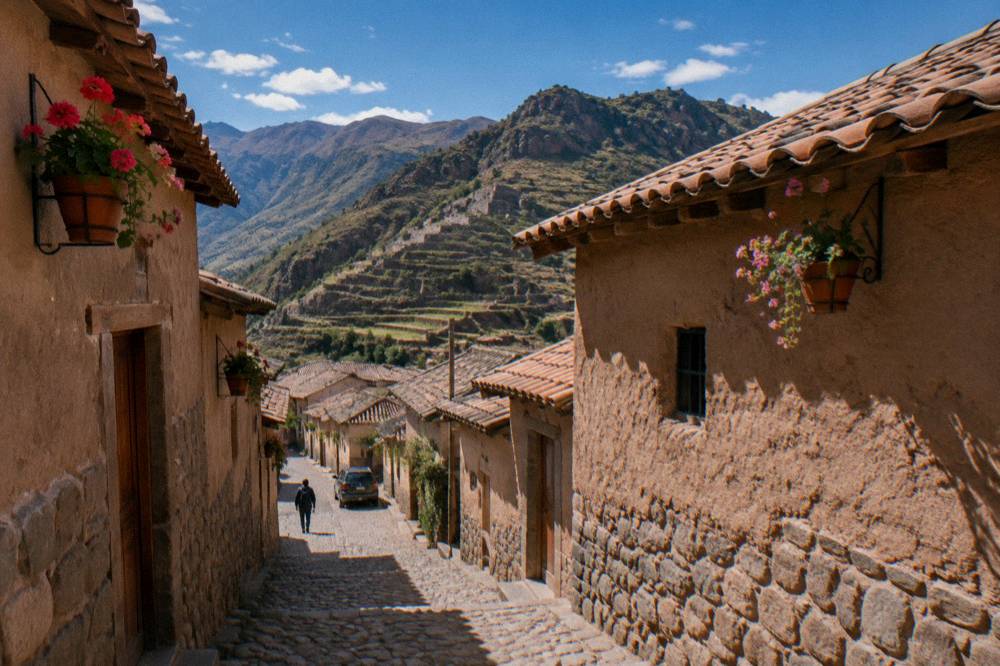
Day 3 is a choice, not a squeeze: the Sacred Valley at Pisac, Ollantaytambo, Chinchero and Moray on Boleto Circuit III, or Machu Picchu on its own separate nominal ticket. Doing both in one day is not realistic, and the valley towns sit lower than Cusco: Urubamba at 2,870 m, Ollantaytambo at 2,792 m and Pisac at 2,972 m, which makes the valley the gentler third day at altitude.
The Sacred Valley option is the easier one to book late. Circuit III of the boleto covers Pisac, Ollantaytambo, Chinchero and Moray, costs S/ 70 as a partial and is valid for 2 days per the tarifario. The Sacred Valley guide lays out the stops, and the 2-day Sacred Valley plan shows what a slower version looks like. Moray sits at 3,385 m, and the Maras salt mines nearby carry a reported community entry of S/ 15 to 20.
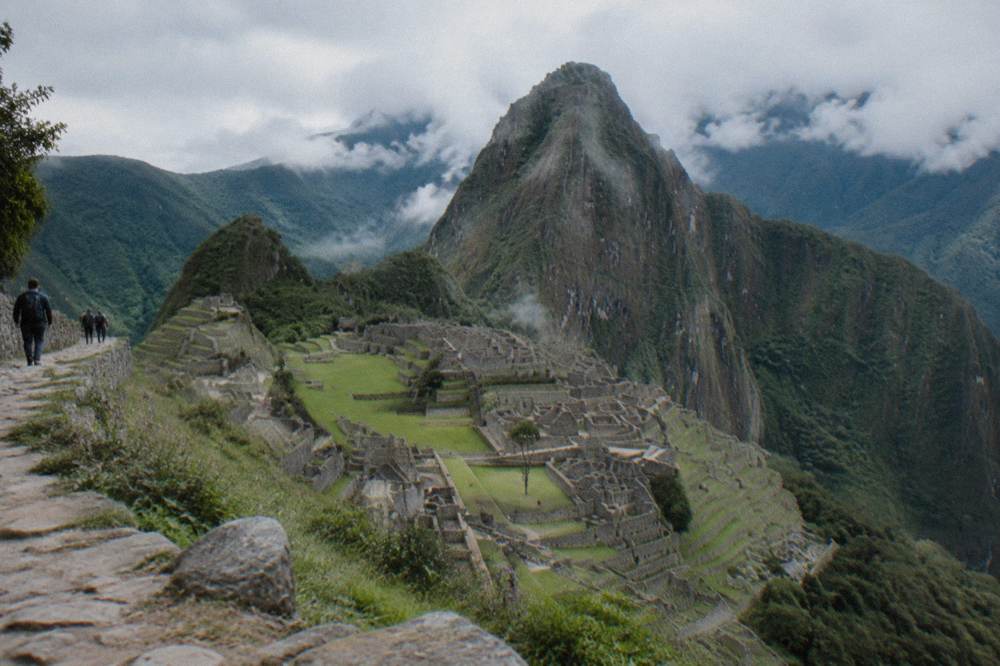
The Machu Picchu option needs more forethought. The citadel is at 2,430 m, lower than Cusco, and it has run on three circuits and ten routes since 1 June 2024. A guide is recommended, not mandatory, under Article 17.1 as rewritten in September 2026. Foreign adult tickets run from about S/ 163 on standard routes and S/ 211 on mountain routes, secondary figures that include the S/ 11 SERNANP fee in force since 1 May 2026; the official platform shows the live price. Tickets are nominal: valid only for the stated date, hour, circuit and holder, with no changes except a single passport-number correction. This site keeps exactly one Machu Picchu page, at Machu Picchu, which carries the full ticket detail. More of these guides are collected on Things To Do In Cusco Peru.
| Day 3 option | Key stops | Ticket needed | Elevation range |
|---|---|---|---|
| Sacred Valley | Pisac, Ollantaytambo, Chinchero, Moray | Boleto Circuit III, S/ 70 (2 days) | 2,792 to 3,385 m |
| Machu Picchu | The citadel, one circuit | Separate nominal ticket, from about S/ 163 | 2,430 m citadel, 2,040 m Aguas Calientes |
| Rainbow Mountain | Vinicunca viewpoint | Community fee S/ 25 to 30, cash | about 5,000 m |
Rainbow Mountain is a third day-trip possibility, but it is the wrong choice for day 3 of a short trip: Vinicunca sits at about 5,000 m, far above anything else in the plan, and the community entry fee of S/ 25 to 30 is paid in cash. The Rainbow Mountain page covers it properly.
Where Should You Sleep During 3 Days In Cusco?
One hotel in central Cusco for all three nights is the simplest base, but sleeping one night lower in the Sacred Valley, at Urubamba 2,870 m or Ollantaytambo 2,792 m, is the altitude-friendlier pattern before a Machu Picchu day. The CDC Yellow Book notes travellers at rapid-ascent destinations can sleep at elevations lower than the airport for the first nights, which the valley towns do.
The single-base plan keeps things simple: everything in the historic centre is walkable, and the day trips leave from Cusco. The split plan trades that convenience for lower sleeping altitude on the middle night, which matters if Machu Picchu is the day 3 objective. The question of staying in Cusco or the Sacred Valley and the where to stay in Cusco guide weigh the neighbourhoods, and the Cusco hotels page lists verified options. No hotel rate appears on this page: nightly prices are shown on the booking listings themselves.
| Night | Single-base plan | Split plan | Sleeping altitude |
|---|---|---|---|
| Night 1 | Cusco historic centre | Cusco historic centre | about 3,335 m |
| Night 2 | Cusco historic centre | Urubamba or Ollantaytambo | 2,870 m or 2,792 m |
| Night 3 | Cusco historic centre | Cusco or Aguas Calientes | about 3,335 m or about 2,040 m |
Historic Centre
- Pariwana Hostel CuscohostelCheck rates
- Union Hotel CuscohotelCheck rates
- Palacio Nazarenas, A Belmond HotelhotelCheck rates
San Blas
- Antigua Casona San Blasboutique hotelCheck rates
- Samay Wasi HostelhostelCheck rates
- Historical Center ApartmentsapartmentCheck rates
What Does A 3-Day Cusco Trip Cost?
The fixed, sourced costs of three days in Cusco are the Boleto Turistico at S/ 130 integral or S/ 70 per partial circuit, and the Machu Picchu ticket from about S/ 163 if day 3 goes there. On the ground, an airport taxi to the centre is reported at about S/ 15 to 25, a menu del dia about S/ 8 to 15 and a tourist SIM about S/ 5 to 15 plus a data pack of S/ 20 to 40.
Tour prices render from the listings, not from this page.
The boleto arithmetic is worth doing before buying. A visitor doing both city days plus the Sacred Valley gets full value from the S/ 130 integral, which covers 16 sites across all three circuits for 10 days. A visitor doing only the ruins day and the valley could buy two partials at S/ 70 each, which is more than the integral, so the integral wins at that point. A visitor doing only one circuit pays S/ 70 and no more.
| Item | Figure | Source basis |
|---|---|---|
| Boleto Turistico integral, foreign adult | S/ 130 (about US$38), 10 days | COSITUC tarifario |
| Boleto partial, per circuit | S/ 70 (about US$20) | COSITUC tarifario |
| Machu Picchu, foreign adult, standard routes | from about S/ 163 | secondary figures, live price on the official platform |
| Rainbow Mountain community fee | S/ 25 to 30, cash | peru.travel and operator guides |
| Airport taxi to centre | about S/ 15 to 25 | reported range |
| Menu del dia | about S/ 8 to 15 | reported range |
| Tourist SIM plus data | about S/ 5 to 15 plus S/ 20 to 40 | reported range |
The fuller cost picture, including food and spending money, lives at Cusco costs and money and ATMs. The exchange rate is about S/ 3.4 to the US dollar; the sol is written S/ throughout.
When Is The Best Month For A 3-Day Cusco Visit?
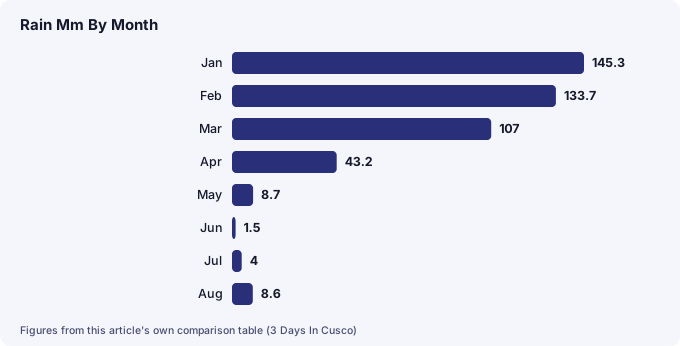
The dry season, roughly May to September, is the safest window for a three-day plan, because the whole itinerary depends on outdoor sites and the wet season concentrates rain: December to March carries 71.9 percent of the year's 707.8 mm at the WMO/SENAMHI Cuzco station, a historical normal. June to August is winter, dry with clear days and cold nights, frost common in June and July.
The monthly picture from the WMO/SENAMHI station record shows the trade-off plainly. Mean daily maximums barely move all year, between 18.8 and 20.9 C, but rainfall swings from 1.5 mm in June to 145.3 mm in January. A three-day trip in the wet months risks losing day 3 to weather, since Machu Picchu and the valley are both full outdoor days.
| Month | Mean max C | Mean min C | Rain mm |
|---|---|---|---|
| Jan | 18.9 | 6.6 | 145.3 |
| Feb | 18.8 | 6.5 | 133.7 |
| Mar | 19.1 | 6.2 | 107.0 |
| Apr | 19.7 | 4.9 | 43.2 |
| May | 19.8 | 2.5 | 8.7 |
| Jun | 19.5 | 0.3 | 1.5 |
| Jul | 19.1 | 0.1 | 4.0 |
| Aug | 19.8 | 1.6 | 8.6 |
| Sep | 19.8 | 3.9 | 21.8 |
| Oct | 20.9 | 5.5 | 39.4 |
| Nov | 20.7 | 6.1 | 71.9 |
| Dec | 19.4 | 6.4 | 122.7 |
The month-by-month detail, including what each season means for crowds and festivals, is at Cusco weather by month and the best time to visit Cusco. One planning note: the Inca Trail closes every February, so a February trip rules out that trek regardless of fitness.
What If You Have A Fourth Day In Cusco?
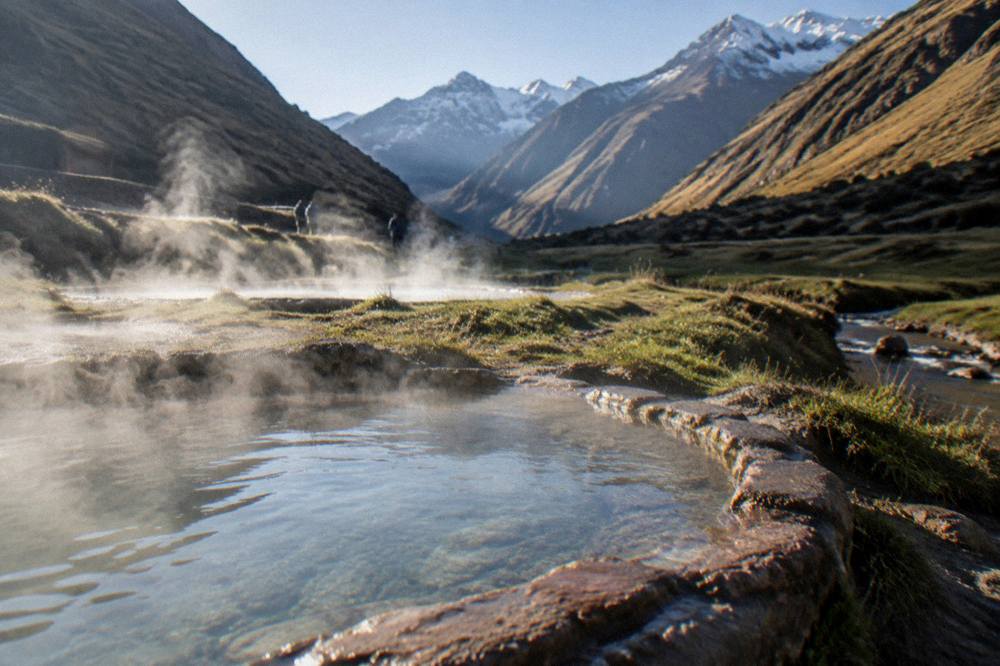
A fourth day opens two doors the three-day plan cannot fit: a multi-day trek such as the Lares Valley route, which adds hot springs and high Andean villages, or a second excursion such as Rainbow Mountain or Lake Titicaca from Puno. The Lares Valley Trek with Hot Spring runs 4 days and 3 nights and is the roster's featured option for extending the trip.
The Lares route suits travellers who want the trek experience without the Inca Trail's permit system: permits for the classic Inca Trail sell only through licensed agencies, at 500 people per day including porters and guides, and the trail closes every February. The Lares trek instead crosses high villages and finishes with hot springs, and its full details, price and rating render on its own listing.
The Cusco and Machu Picchu combined plan and the 7 days in Cusco itinerary show how a longer week absorbs the treks and the farther day trips. For anyone set on the classic route, the Inca Trail and Salkantay trek pages compare the permit and no-permit options.
For travellers whose fourth day points south instead, the fast-boat Lake Titicaca day from Puno covers the Uros floating islands and Taquile Island with lunch and local guides, and its listing carries the current price and departure details.
Common Questions About 3 Days In Cusco
Is 3 days in Cusco enough?
Three days covers the historic centre, the four ruins above the city and one major excursion, either the Sacred Valley or Machu Picchu. It does not cover both excursions plus a multi-day trek, and the COSITUC FAQ notes that all 16 Boleto Turistico sites alone need a minimum of three days.
What is the best 3-day Cusco itinerary?
Day 1 light in the historic centre while acclimatising at 3,335 m, day 2 at Sacsayhuaman, Q'enqo, Puka Pukara and Tambomachay on Boleto Circuit I, and day 3 in the Sacred Valley on Circuit III or at Machu Picchu on its own ticket. The order follows altitude: the lightest day first, the highest ruins second, the excursion third.
Should I visit Machu Picchu or the Sacred Valley on day 3?
The Sacred Valley is the gentler choice at altitude, sleeping and touring lower, at towns like Ollantaytambo at 2,792 m, and it runs on Boleto Circuit III at S/ 70. Machu Picchu needs its own nominal ticket, from about S/ 163 for a foreign adult on standard routes, and its citadel sits at 2,430 m, lower than Cusco. Both are full days; neither fits as a half of the other.
Which Boleto Turistico should I buy for 3 days?
The S/ 130 integral ticket, valid 10 days, if the plan touches both the city ruins and the Sacred Valley. A single S/ 70 partial circuit works if only one circuit is visited. The ticket is sold in person only, at the COSITUC counter on Av. El Sol 103, daily 07:30 to 18:00, and at most included sites.
Is day 1 in Cusco wasted on acclimatisation?
No. The CDC Yellow Book prefers a graded ascent and names Cusco as a rapid-ascent destination, advising against alcohol for the first 48 hours. A slow day 1 inside the historic centre still sees the Plaza de Armas, the Qorikancha site museum, the twelve-angled stone and San Pedro Market, all within a compact walk.
Can I do a trek within 3 days in Cusco?
A multi-day trek such as the 4-day Lares Valley route does not fit inside a three-day visit; it needs the days it needs, and its duration prints on its own listing. The Inca Trail additionally closes every February and sells permits only through licensed agencies, 500 people per day including staff.
Three days in Cusco, planned in altitude order, delivers the city and one headline excursion without rushing either, and the 10-day validity of the S/ 130 integral ticket means the sightseeing can breathe across the whole stay.