4 Days In Cusco
Four days is enough for Cusco's historic centre, the ruins above the city, one Sacred Valley day trip and Machu Picchu, if the altitude is respected and the first day is kept light.
Short answer
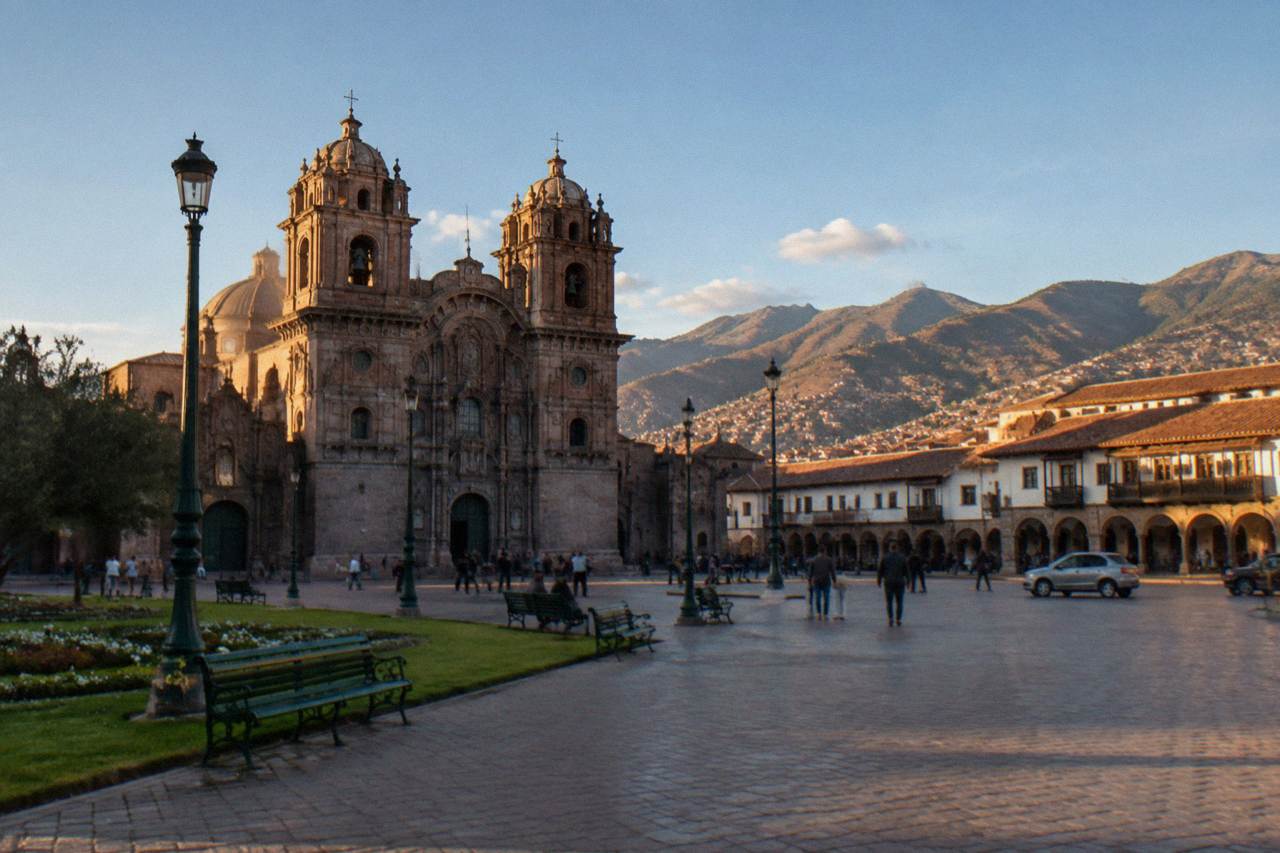
Four days in Cusco covers the historic centre, Saqsayhuaman and the nearby ruins, a Sacred Valley day trip and Machu Picchu. The key constraint is altitude: the Plaza de Armas sits at 3,335 m, so the first day should stay light while the body adjusts.
Cusco, the historic city in the Andes of southern Peru, sits at 3,335 m at its Plaza de Armas, and four days is the length most itineraries converge on: long enough for the historic centre, the Inca sites above the city, a Sacred Valley day trip and Machu Picchu, short enough that altitude still shapes every decision. The plan below is built around what the official sources state, from the COSITUC tarifario for the Boleto Turistico to the Ministry of Culture's circuit rules at Machu Picchu, and it keeps the first day deliberately light because the CDC Yellow Book names Cusco as a rapid-ascent destination and prefers a graded ascent. Timings vary by season, by crowd and by how a visitor's body responds to 3,335 m; what follows is the order of the days, not a clock schedule.
Is 4 Days In Cusco Enough Time?
Four days is enough for the core Cusco experience: the historic centre, Saqsayhuaman and the ruins above the city, one full Sacred Valley day trip and Machu Picchu, which is a day of its own. It is not enough to add a multi-day trek on top, because the classic trek routes themselves take four days, so a trek replaces the day trips rather than joining them.
The trade-off is real. The COSITUC FAQ states that covering all 16 sites on the Boleto Turistico needs a minimum of three days, and that assumes efficient movement between them. A four-day city visit can cover the Circuit I ruins above Cusco, the Circuit II museums in the centre and the Circuit III Sacred Valley sites, plus Machu Picchu on its own ticket. What it cannot do is also fit the Inca Trail, the Salkantay Trek or the Lares Valley Trek, each of which is a multi-day product in its own right. Visitors who want both a trek and the city usually extend to a week, and the 7-day Cusco itinerary is the page for that.
For readers still deciding between three, four and five days, how many days in Cusco breaks the question down by travel style. Four is the answer that fits Machu Picchu without rushing the city.
Day 1: The Cusco Historic Centre While You Acclimatise
Day 1 should stay low-effort and on foot: the Plaza de Armas, the Cusco Cathedral, Qorikancha, the twelve-angled stone and the San Pedro Market, all within the historic centre. The reason is altitude: Cusco's Plaza de Armas sits at 3,335 m, the CDC Yellow Book prefers a graded ascent, and it names Cusco as a rapid-ascent destination because visitors commonly fly in from sea level.
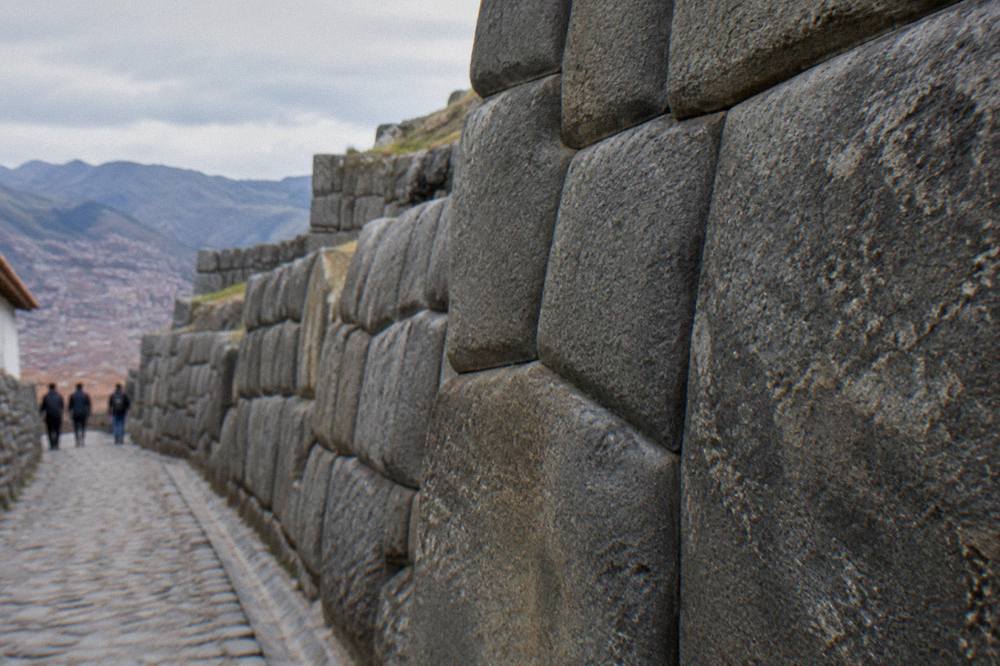
The first morning belongs to the Plaza de Armas and the Cusco Cathedral on its flank. Colonial churches stand on Inca stone foundations across this quarter, and the cathedral is the largest building on the square. Admission is separate: the Cathedral is not among the 16 sites on the Boleto Turistico, so its ticket is bought on its own. From the square, the walk to the twelve-angled stone on Hatunrumiyoc street passes some of the finest fitted Inca walling in the centre, a large polygonal stone worked into a wall near the San Blas slope.
Qorikancha sits two blocks south of the plaza. The COSITUC lists the Museo de Sitio Qorikancha on the Boleto's Circuit II, so a partial city ticket bought on day 1 covers it. The Qorikancha guide covers what the site holds and how the ticket applies. Lunch is easy in the centre, and a menu del dia is reported at about S/ 8 to 15; a cup of coca tea runs about S/ 2 to 5, though the pack holds no sourced figure for what coca tea does to altitude, so this page does not claim one.
The afternoon can end at the San Pedro Market, a covered market a few minutes west of the plaza, flat walking the whole way. A food walk is one of the few tours that genuinely suits day 1, because it moves slowly and stays in the centre; the Curious Monkey street food walk below is exactly that. The acclimatisation day itinerary expands this day in detail for visitors who want a slower version.
Day 2: Saqsayhuaman And The Ruins Above Cusco
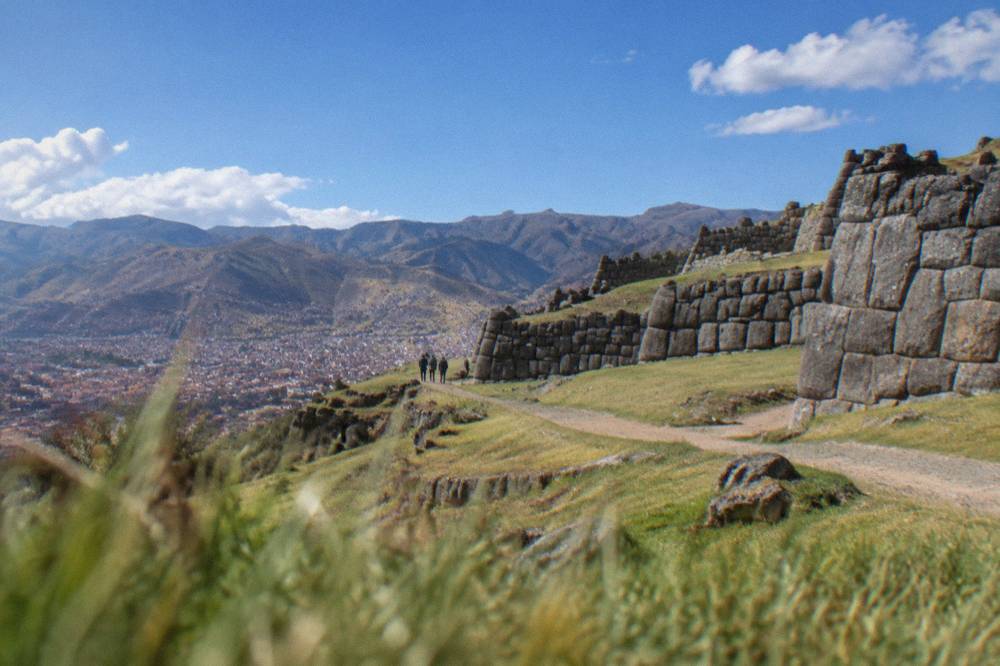
Day 2 goes up to the ruins directly above the city: Saqsayhuaman, Q'enqo, Puka Pukara and Tambomachay, all on the Boleto Turistico's Circuit I, which costs S/ 70 for a foreign adult and is valid for 1 day. Saqsayhuaman sits at 3,701 m, so this day should still not be rushed, but by the second morning most bodies have begun to adjust.
The four sites sit on one road out of the city. Saqsayhuaman is the largest and the one the COSITUC names first on Circuit I; its megalithic terraces sit above the city with the whole red-roofed basin in view. Q'enqo, Puka Pukara and Tambomachay follow along the same corridor, and the four ruins of Cusco page explains what each one holds and how the single Circuit I ticket covers them all. The peru.travel listing gives Saqsayhuaman hours of 07:00 to 18:00.
The Boleto Turistico is sold in person only. The COSITUC FAQ states the main counter is at Av. El Sol 103, open daily 07:30 to 18:00, and that the ticket is also sold at most included sites. There is no online sale, which surprises visitors every year, so the practical move is to buy the integral ticket on arrival day or the partial Circuit I ticket on the morning of day 2.
| Boleto Turistico option | Foreign adult price | Validity | Sites covered |
|---|---|---|---|
| Integral (BTCI) | S/ 130 | 10 days | All 16 sites |
| Partial Circuit I | S/ 70 | 1 day | Saqsayhuaman, Q'enqo, Puka Pukara, Tambomachay |
| Partial Circuit II | S/ 70 | 2 days | Qorikancha site museum, city museums, Tipon, Pikillaqta |
| Partial Circuit III | S/ 70 | 2 days | Pisac, Ollantaytambo, Chinchero, Moray |
| Integral, foreign student | S/ 70 | 10 days | All 16 sites |
Source: COSITUC tarifario and FAQ. Children are free to age 9, and ages 10 to 17 pay the student price with ID, per the same FAQ.
The choice between the integral and the partials depends on the rest of the week. A four-day plan that includes a Sacred Valley day trip uses Circuit I and Circuit III sites, so the integral S/ 130 ticket usually wins once two circuits are in play. The Boleto Turistico guide works through the arithmetic in detail.
A half-day city tour is the lazy version of this day, and one option is below; the Sacsayhuaman guide also covers walking up from the centre for visitors who would rather not take a vehicle.
A street food walk also doubles as a low-effort second activity if the ruins morning finishes early, and it keeps the second afternoon in the flat centre rather than back at altitude above the city.
Day 3: The Sacred Valley Day Trip
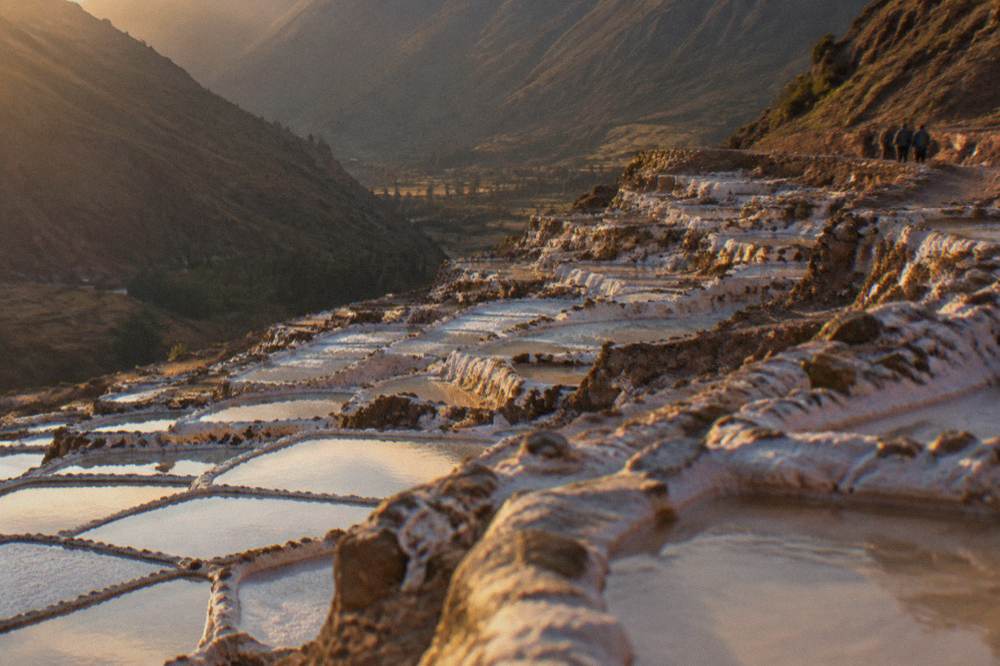
Day 3 is the Sacred Valley: Pisac, Ollantaytambo, Chinchero and Moray on the Boleto's Circuit III, plus the Maras salt mines on their own ticket, with the valley floor sitting lower than Cusco, at Pisac 2,972 m, Urubamba 2,870 m and Ollantaytambo 2,792 m. The lower elevation is the quiet bonus of this day: sleeping altitude drops, which is why many itineraries put the valley before Machu Picchu rather than after.
The classic loop runs Pisac first, then the salt pans at Maras, the circular terraces at Moray, and Ollantaytambo last. The Maras salt mines charge a reported S/ 15 to 20 entry, cash, because they are a community operation outside the Boleto. Moray is on Circuit III, so the boleto covers it. The Maras salt mines guide explains the difference between the two tickets, a detail that trips up visitors who assume one ticket covers the whole valley.
Ollantaytambo matters beyond its ruins: it is also the valley's train hub for Machu Picchu, and PeruRail's FAQ gives the Ollantaytambo to Machu Picchu journey as about 1 h 45. Some four-day plans sleep in Ollantaytambo on night 3 to shorten the Machu Picchu morning; the Sacred Valley 2-day itinerary and where to stay cover that variant. Staying in Cusco and taking the day trip is the more common choice, and the Pisac and Chinchero pages cover the two stops the bus loop sometimes skips.
| Sacred Valley stop | Elevation | Ticket that covers it |
|---|---|---|
| Pisac | 2,972 m | Boleto Circuit III |
| Ollantaytambo | 2,792 m | Boleto Circuit III |
| Chinchero | 3,300 m region (town elevation not in pack) | Boleto Circuit III |
| Moray | 3,385 m | Boleto Circuit III |
| Maras salt mines | 3,300 m (Maras town) | Separate ticket, about S/ 15 to 20, cash |
Elevations from the facts pack; the pack holds the Maras town figure, not a salt-pan figure, and this table does not invent one.
A guided Sacred Valley tour handles the logistics of this day, and the operator's live listing shows the current price and cancellation terms.
Whichever way the valley day is run, guided or self-directed, the one thing worth deciding before it starts is whether Machu Picchu follows from Cusco or from an overnight in Ollantaytambo, because that choice sets the shape of the final morning.
Day 4: Machu Picchu
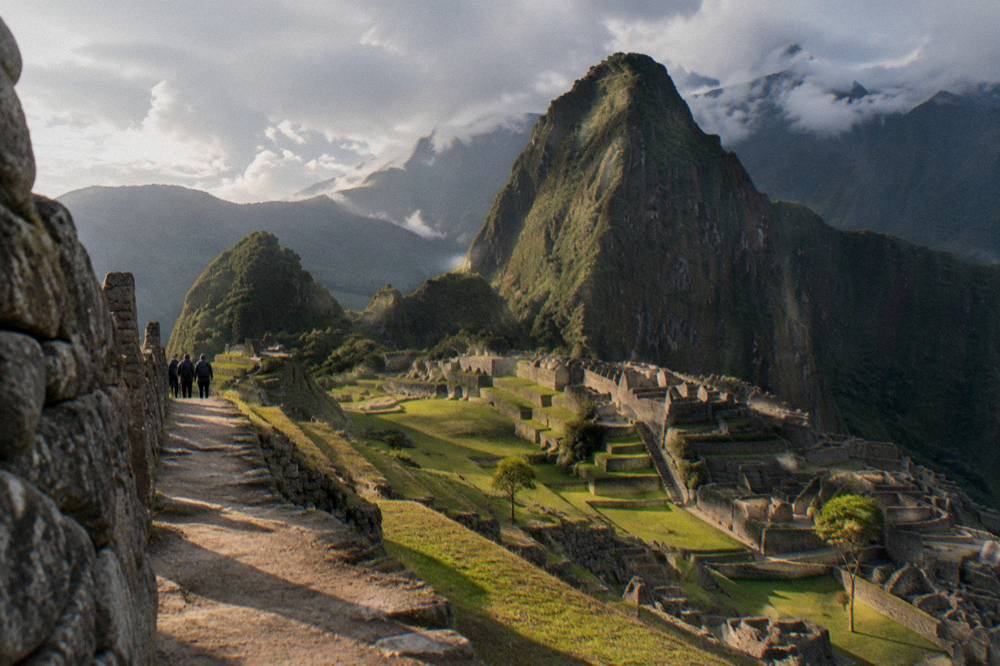
Day 4 is Machu Picchu, on its own nominal timed ticket bought through the Ministry of Culture's platform, not the Boleto Turistico. The citadel sits at 2,430 m, roughly 900 m lower than Cusco, and the 2026 rules are three circuits with ten routes, hourly entry slots from 06:00 to 15:00, a maximum stay of 2 h 30 on standard routes, and a guide that is recommended, not mandatory.
Machu Picchu has exactly one page on this site, the Machu Picchu day trip guide, which covers the circuits, the routes and the ticket rules in full. The short version for itinerary purposes: tickets are nominal, valid only for the stated date, hour, circuit and holder, with no changes allowed except a single passport-number typo correction. Foreign adult entry runs from about S/ 163 on standard routes and S/ 211 on mountain routes, secondary figures that include the S/ 11 SERNANP fee in force since 1 May 2026, and the official platform shows the live price. Daily capacity in 2026 is 4,500 on normal days and 5,600 on the flagged high-season dates. The wider set of guides lives on Things To Do In Cusco Peru.
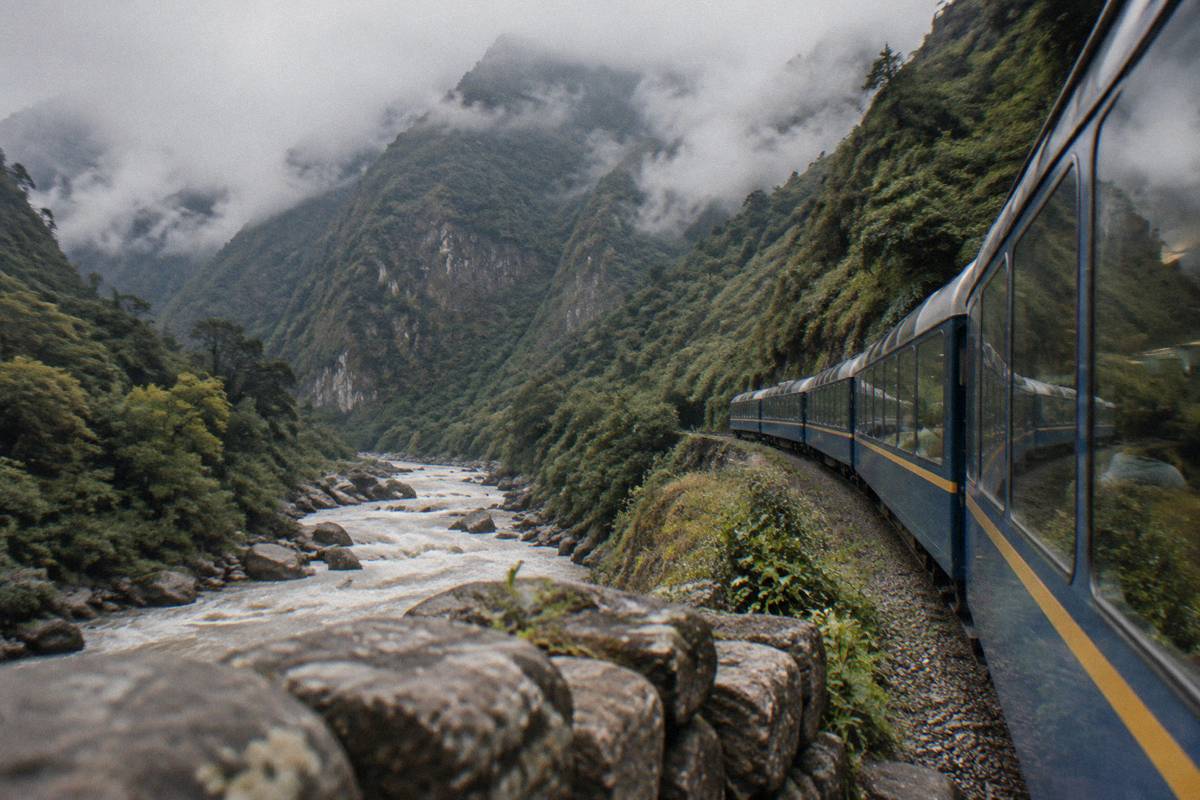
The train from the Cusco side is a topic this page keeps short: PeruRail and Inca Rail both run, from the Poroy and San Pedro stations, with the Ollantaytambo hub the common boarding point, and the Cusco to Machu Picchu guide carries the detail. An official entry with a guided tour is the version of day 4 that most first visitors choose, since a guide is recommended under the current Ministry of Culture rules.
For visitors who would rather not spend the final day on a group tour, a private guide service at the site is the other listed option, and the same day-trip guide compares the two approaches.
Or Replace Days 2 To 4 With A Four-Day Trek
A four-day trek replaces the day-trip half of this itinerary rather than adding to it: the Lares Valley Trek, the Salkantay Trek and the classic Inca Trail each take four days, so choosing one means the city days shrink to the arrival day and the trek days absorb the rest. The Lares route crosses high Andean communities and finishes with hot springs, and it needs no Inca Trail permit.
Prefer to arrive on foot rather than by train? Book a Salkantay trek here.
The Inca Trail is the permit-constrained option: the pack states 500 people per day including porters and guides, sold only through licensed agencies, with the trail closed every February. The Inca Trail, Salkantay and Lares guides compare the three. For a strict four-day total trip, the honest statement is that a four-day trek plus travel days means the city itself gets squeezed; visitors who want both should read the 5-day or 7-day plans instead.
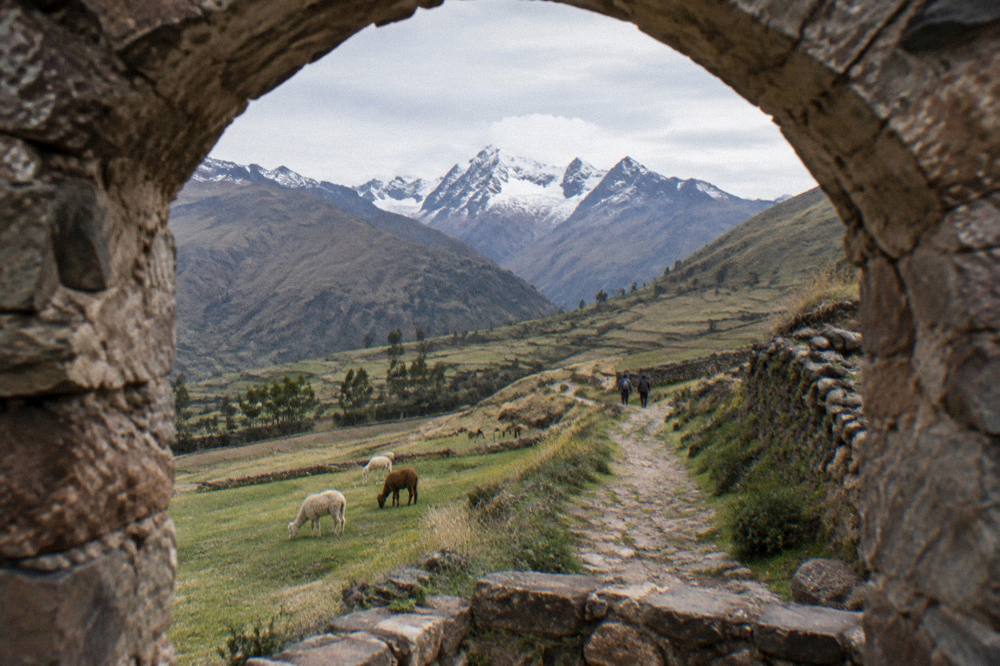
The Lares Valley Trek with hot springs is this site's featured multi-day product for that choice, and its live listing shows the current price, rating and cancellation terms.
The hot springs at the end of the Lares route are the feature that distinguishes it from the other multi-day options on this roster, and they are the reason it suits a recovery-focused traveller more than a summit-focused one.
What Does A 4-Day Cusco Trip Cost?
The fixed official costs of this exact itinerary are the Boleto Turistico at S/ 130 integral (about US$38), Machu Picchu entry from about S/ 163 on standard routes, the Maras salt mines at about S/ 15 to 20 in cash, and the Cathedral on its own separate ticket, whose current admission is not in the verified pack. Everything else, tours, trains and hotels, renders from the product listings.
The table below puts the verified official figures in one place. Product prices are excluded by rule: they belong to the operator listings, and the compiler blocks on this page print them from verified data.
| Cost item | Price | Notes |
|---|---|---|
| Boleto Turistico integral, foreign adult | S/ 130 | 10 days, 16 sites, in person only |
| Boleto partial circuit | S/ 70 | 1 to 2 days depending on circuit |
| Machu Picchu, foreign adult, standard routes | from about S/ 163 | Includes the S/ 11 SERNANP fee since 1 May 2026 |
| Machu Picchu, foreign adult, mountain routes | from about S/ 211 | Huayna Picchu and Machu Picchu Mountain routes |
| Maras salt mines | about S/ 15 to 20 | Cash, community ticket, not on the boleto |
| Rainbow Mountain community fee | S/ 25 to S/ 30 | Cash, only if swapping a valley day for the mountain |
Source: COSITUC, the Ministry of Culture platform figures as reported by secondary sources, and the peru.travel and operator listings in the facts pack.
One planning note the first page of a search results rarely carries: the Boleto validity starts the day you buy it, per the COSITUC FAQ, so buying the integral ticket on arrival day starts a 10-day clock that a four-day trip never comes close to using up. Two partials, Circuit I at S/ 70 and Circuit III at S/ 70, cost exactly the same S/ 140 as the integral plus ten soles, which makes the integral the better buy for this itinerary by a small margin. The Cusco costs guide runs the full budget.
When Is The Best Month For 4 Days In Cusco?
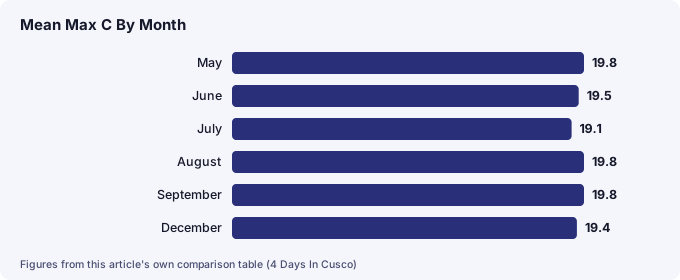
The dry season, roughly May to September, is the safest window for this four-day plan, because rain concentrates hard in the wet months: December to March carries 71.9 percent of the year's 707.8 mm at the WMO and SENAMHI Cuzco station, a historical normal, while May to August together bring just 22.8 mm. June to August is winter, with frost nights in June and July, but mean daily maximums hold between 18.8 and 20.9 C all year.
The practical trade-off is crowds against weather. The MINCETUR open dataset counted 1,479,506 visits to the Machu Picchu Inca city in 2025, and its monthly split shows October 2025 drawing 154,105 visits against February's 79,806, roughly twice the traffic at the peak of the dry shoulder versus the wettest month. The 2026 capacity rules raise the daily cap to 5,600 between 19 June and 2 November, which is itself a signal of when demand concentrates.
| Month | Mean max C | Mean min C | Rain mm |
|---|---|---|---|
| May | 19.8 | 2.5 | 8.7 |
| June | 19.5 | 0.3 | 1.5 |
| July | 19.1 | 0.1 | 4.0 |
| August | 19.8 | 1.6 | 8.6 |
| September | 19.8 | 3.9 | 21.8 |
| December | 19.4 | 6.4 | 122.7 |
Source: WMO World Weather Information Service, Cuzco station, data supplied by SENAMHI, a historical normal. The Cusco weather by month and best time to visit pages carry all twelve months and the crowd side of the question.
With the calendar and the budget both settled, the last decision a four-day planner makes is which of the bookable pieces to reserve ahead and which to leave flexible, and the trio below covers the three that sell out or fill first on this exact itinerary.
Common Questions About 4 Days In Cusco
Is 4 days in Cusco enough?
Yes, for the core trip: the historic centre, the Circuit I ruins above the city, a Sacred Valley day trip on Circuit III and Machu Picchu on day 4. It is not enough to add a four-day trek, because the treks themselves take four days.
Can you do Machu Picchu in a 4-day Cusco trip?
Yes. Machu Picchu needs its own nominal timed ticket, from about S/ 163 for a foreign adult on standard routes, with entry slots from 06:00 to 15:00 and a maximum stay of 2 h 30. One full day of the four is enough.
Should you buy the integral Boleto Turistico for 4 days?
Usually yes. This itinerary uses sites on Circuit I and Circuit III, and two partials at S/ 70 each cost S/ 140 against the integral's S/ 130, so the integral wins by S/ 10. It is sold in person only, at Av. El Sol 103 and at most included sites.
Is the first day in Cusco wasted on acclimatisation?
No. The CDC Yellow Book prefers a graded ascent and names Cusco as a rapid-ascent destination, so a light first day is the plan working correctly. The historic centre is flat enough to enjoy slowly while the body adjusts to 3,335 m.
What if there is no time for the Sacred Valley?
The three-day version of this plan drops the valley day and keeps the city plus Machu Picchu; the 3-day itinerary page covers it. Dropping Machu Picchu instead is the rarer choice, covered on the Cusco and Machu Picchu itinerary page.
Four days in Cusco, used in this order, delivers the whole verified core of the region without a rushed morning anywhere in it. The one rule that makes it work is the one the CDC states for every rapid-ascent destination: let the first day be slow, and let the altitude set the pace rather than the calendar.