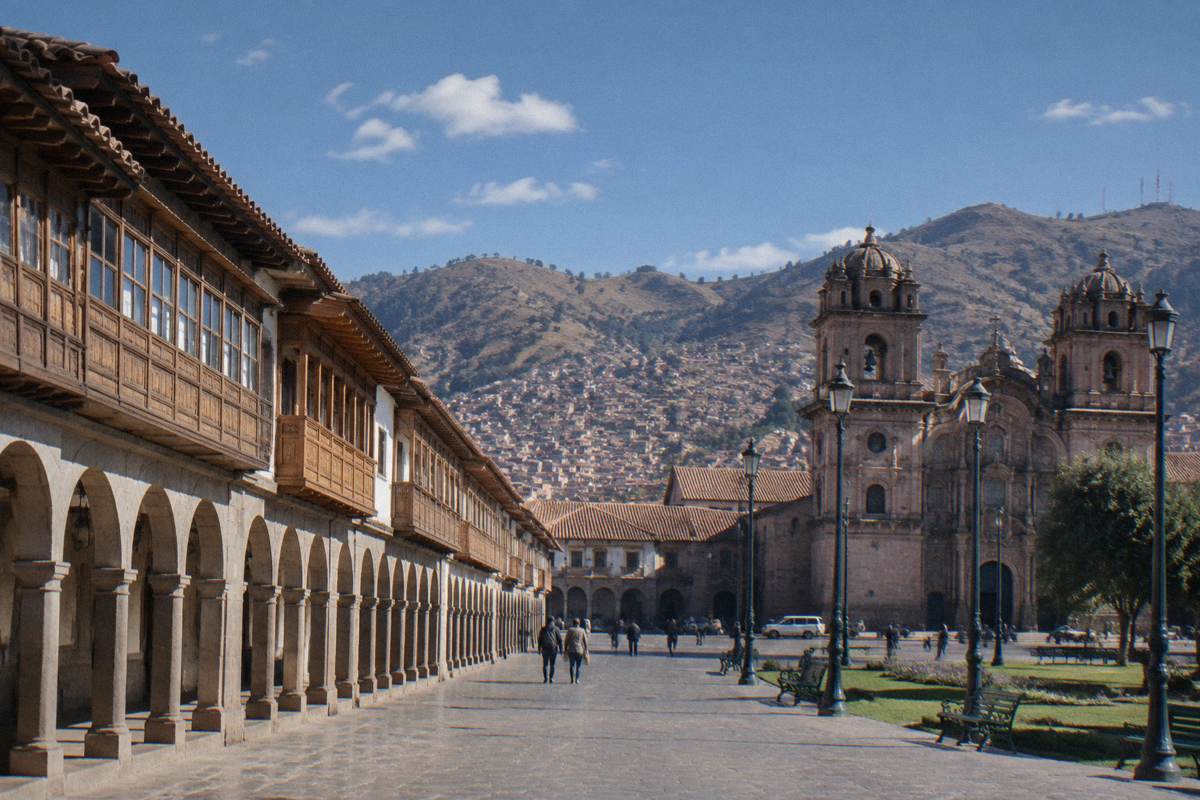
San Blas Cusco: The Artisan Quarter On The Hill Above The Plaza De Armas
San Blas is Cusco's artisan quarter, a compact grid of steep cobblestone streets on the hill east of the Plaza de Armas, at about 3,335 m in the Andes of southern Peru. This guide reports what official sources and the site's own verified records state about the quarter: its craft workshops, its church, the climb from the centre, and how it fits into a Cusco itinerary.
Short answer
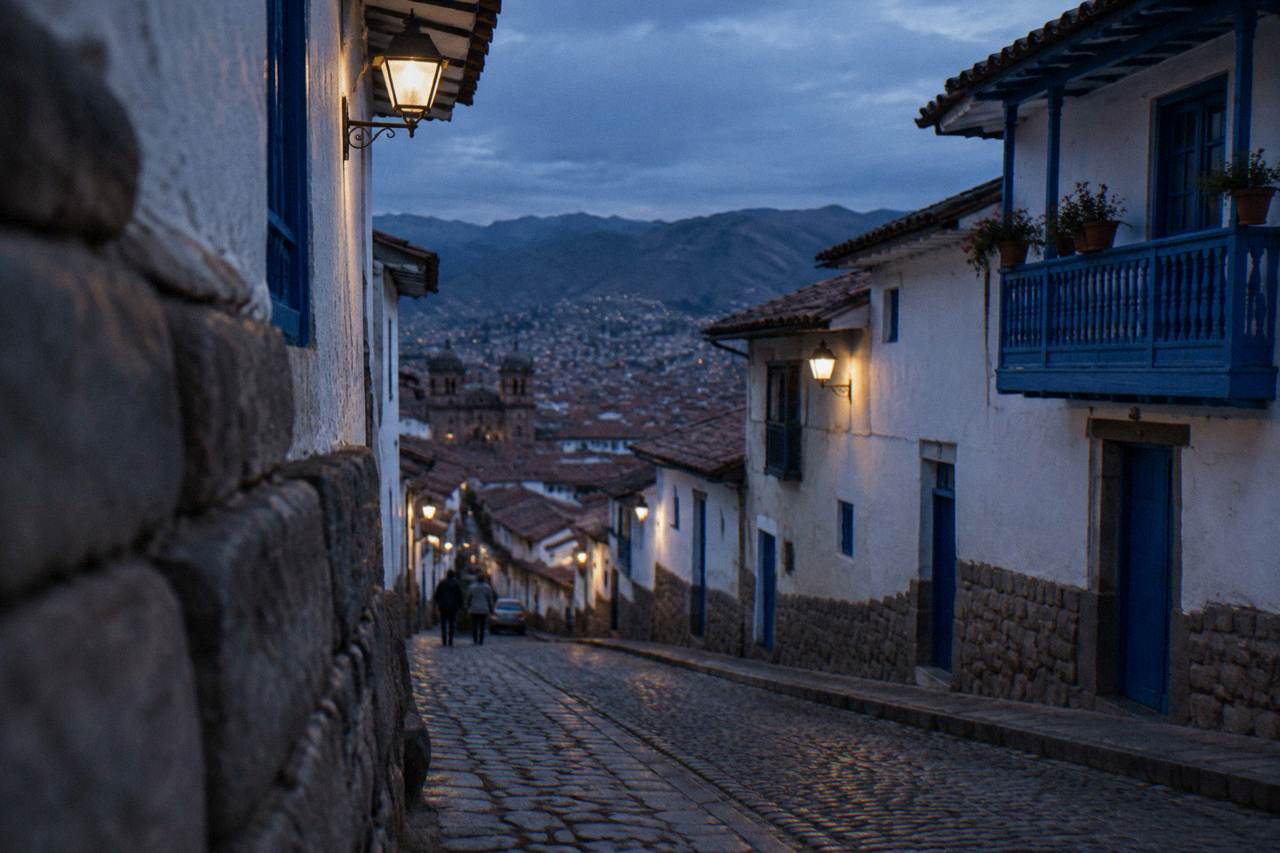
San Blas is the artisan quarter of Cusco, Peru, sitting on the hill immediately east of the Plaza de Armas at about 3,335 m. It is known for craft workshops, artist studios, the San Blas church, and steep cobblestone streets with views over the historic centre. The Boleto Turistico does not cover the quarter itself, and most of what it offers, walking, workshops and views, is free apart from any class or workshop fee.
San Blas is the artisan quarter of Cusco, the historic city in the Andes of southern Peru, also spelled Cuzco, in the Cusco region at about 3,335 m. The quarter sits on the hill immediately east of the Plaza de Armas, and this site's own place records put it there, a short but steep climb from the old centre. What follows is a reporting guide: what official sources state, what the site's verified facts pack holds, and what the quarter offers a visitor who plans around it.
What Is San Blas In Cusco?
San Blas is Cusco's artisan quarter, a compact grid of steep cobblestone streets on the hill east of the Plaza de Armas, in the historic city of Cusco, Peru, at about 3,335 m. It is the part of the old centre where craft workshops, artist studios and small galleries cluster around the San Blas church and its small square, and it belongs to the wider UNESCO-inscribed City of Cusco, listed in 1983.
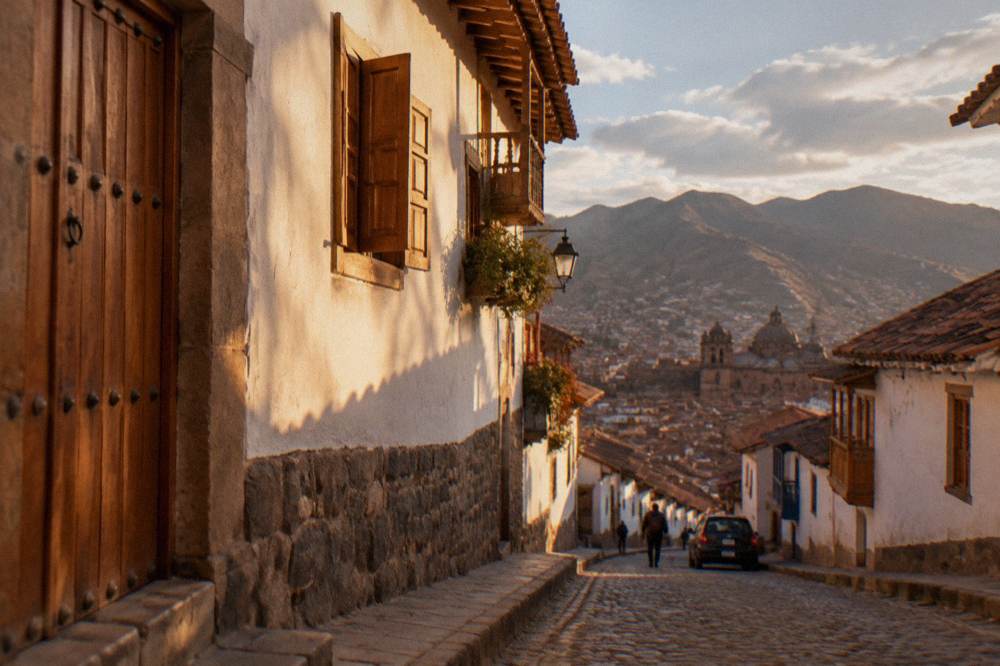
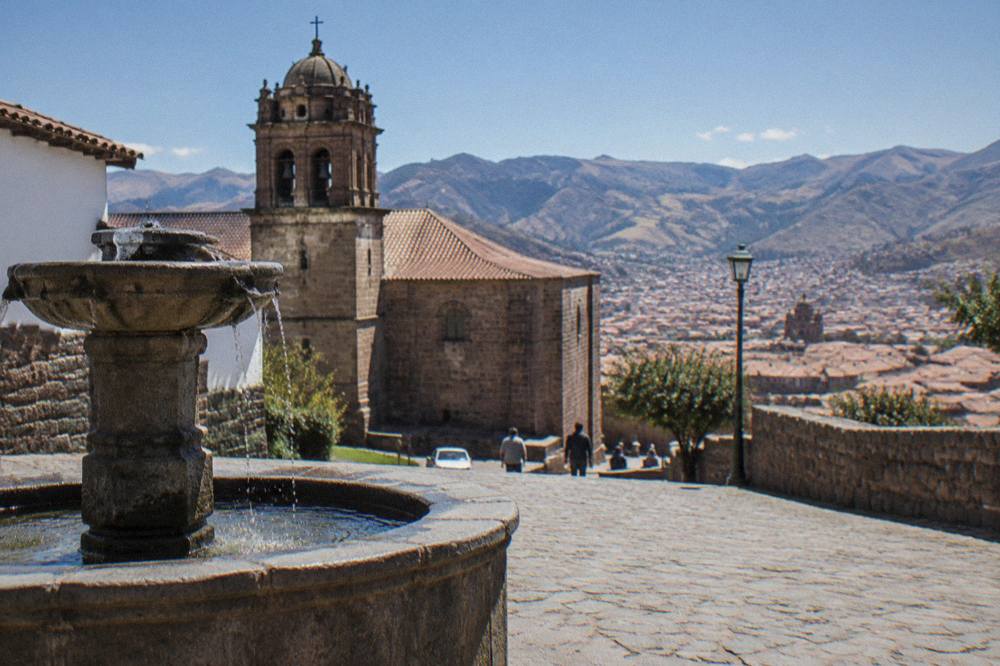
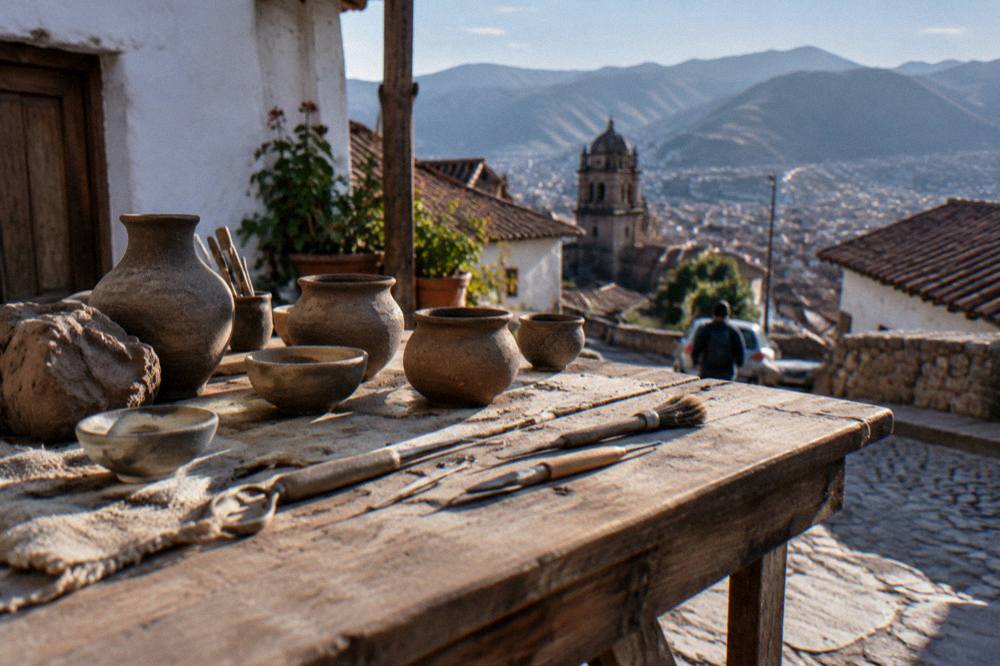
The quarter's identity is craft. Where the blocks around the Plaza de Armas hold the Cathedral, tour offices and restaurants, the streets of San Blas hold workshops where artisans work in front of visitors: silverwork, weaving, painting, woodcarving and ceramics. The site's place records place the quarter on the hill to the east of the old centre, which means two things for a visitor. First, the climb is real: the streets rise steadily from the plaza level, and the reward is a set of viewpoints over the tiled roofs of the historic centre. Second, the quarter is small. Everything in it is walkable within the space of a morning.
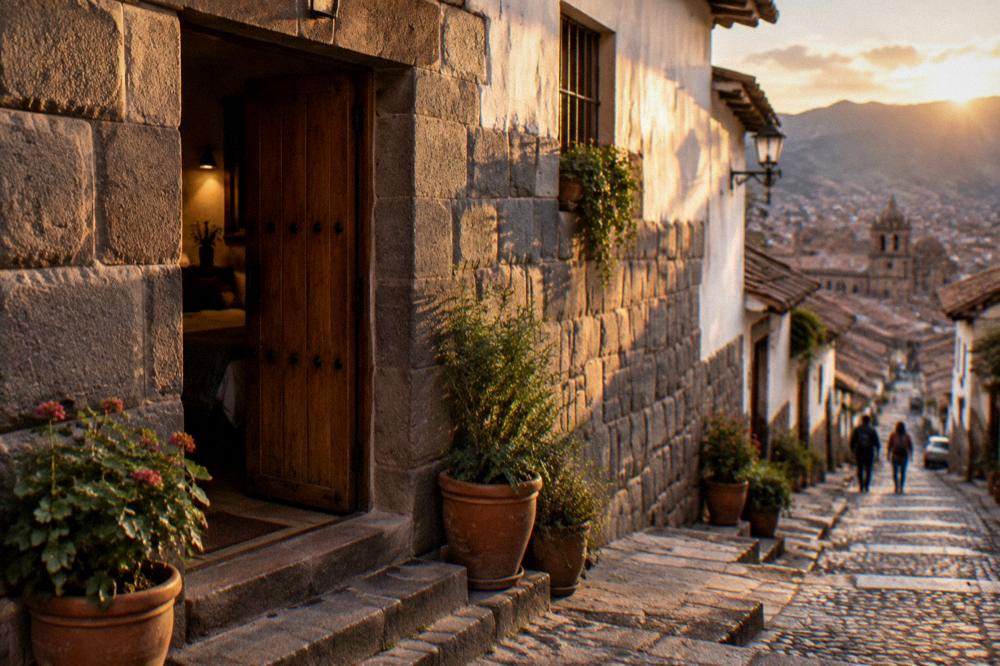
UNESCO inscribed the City of Cusco in 1983, and San Blas sits inside that inscribed area. The verified facts pack holds only two dated facts for the whole city, the 1983 inscriptions of Cusco and of Machu Picchu, so this guide states no founding years, no builders and no construction dates for the quarter's church or houses. What a visitor actually sees needs no date to describe: colonial-era buildings standing on and among Inca stone foundations, a pattern the pack allows as a widely documented qualitative statement, whitewashed walls, blue doors and wooden balconies looking down over the city.
The quarter also works as an acclimatisation walk. The graded-ascent advice in the CDC Yellow Book prefers gradual altitude gains, and Cusco is named there as a rapid-ascent destination at approximately 3,350 m. A slow morning walking San Blas's slopes, with stops in workshops, is a gentle way to spend the first day at altitude while the body adjusts.
How Do You Get To San Blas From The Plaza De Armas?
You reach San Blas from the Plaza de Armas by walking uphill east from the north-east corner of the square, up the stepped cobblestone lanes that climb the hill behind the Cathedral side of the old centre. The site's place records place San Blas on the hill to the east of the plaza, and the climb is on foot: no sourced timetable, fare or transport route for the quarter exists, so the honest answer is that it is a short, steep walk from the square.
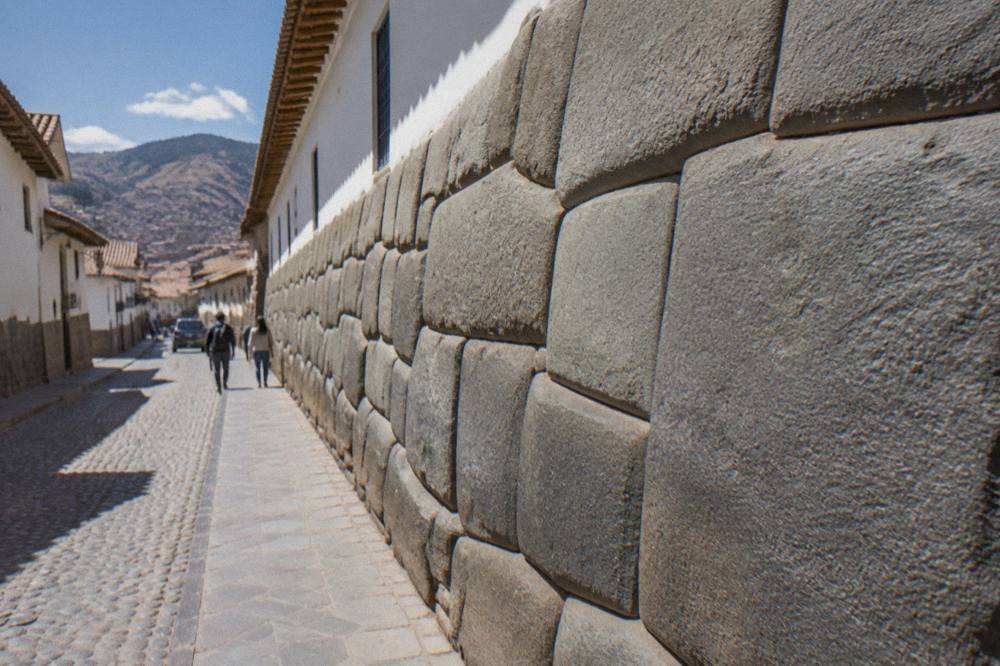
The route description comes from geography, not from a timetable. The Plaza de Armas sits at 3,335 m per Peru's official tourism portal, and San Blas rises above it to the east. Lanes run up from the square's edge, some of them stepped, and they converge on the small square where the San Blas church stands. Along the way, one of Cusco's most photographed Inca walls sits on Hatunrumiyoc street: the twelve-angled stone, a large, finely fitted polygonal stone in an Inca wall near the Plaza de Armas and San Blas. The verified pack carries no weight, size, builder or measured angle count for it, and this guide states none.
Two practical cautions come from sourced advice rather than anecdote. The UK Foreign Office travel advice for Peru states that street crime, including muggings and thefts, is a significant problem in Cusco among other major cities, and advises not walking alone in quiet areas or at night. The US State Department advisory for Peru stands at Level 2, Exercise Increased Caution, reissued in September 2026, and places Cusco city outside its Do Not Travel areas. Both are general Peru-level statements, not San Blas statements, and this guide reports them as such: the climb is best done in daylight, and the site's is Cusco safe coverage carries the detail.
For visitors who want a guide rather than a self-directed walk, the roster carries several options, including free, tip-based walking walks on the GuruWalk platform, among them the Free Tour in Cusco with local guide, hosted by the guru Frank Emerson, and the YANA walking tour of the historic centre run by Yana Tour Operator. Those walks cover the old centre, and the operators' listings state their own routes.
The quarter also sits minutes from the edge of the old quarter's market district. San Pedro Market stands at the old quarter's edge in this site's own place records, and the cooking class below builds its route around it.
What Can You See And Do In San Blas Cusco?
The core of a San Blas visit is the church and its small square, the craft workshops and galleries along the surrounding lanes, and the viewpoints over the city's tiled roofs, all of it free to walk except any workshop, class or church admission. The quarter's crafts are its reason to exist: silverwork, weaving, painting and woodcarving workshops open onto the street, and no sourced opening hours or admission fees exist for them, so go in daytime and browse.
Start at the square. The San Blas church gives the quarter its name, and the pack holds no hours, admission figure or construction date for it, so this guide describes rather than prices it: a small colonial church fronting a small plaza, with the lanes of the quarter radiating off it. From the square, the workshops fan out downhill and uphill. Artisans in San Blas work in view of passers-by, which is what separates the quarter from a souvenir district: the pieces in the galleries are made in the galleries.
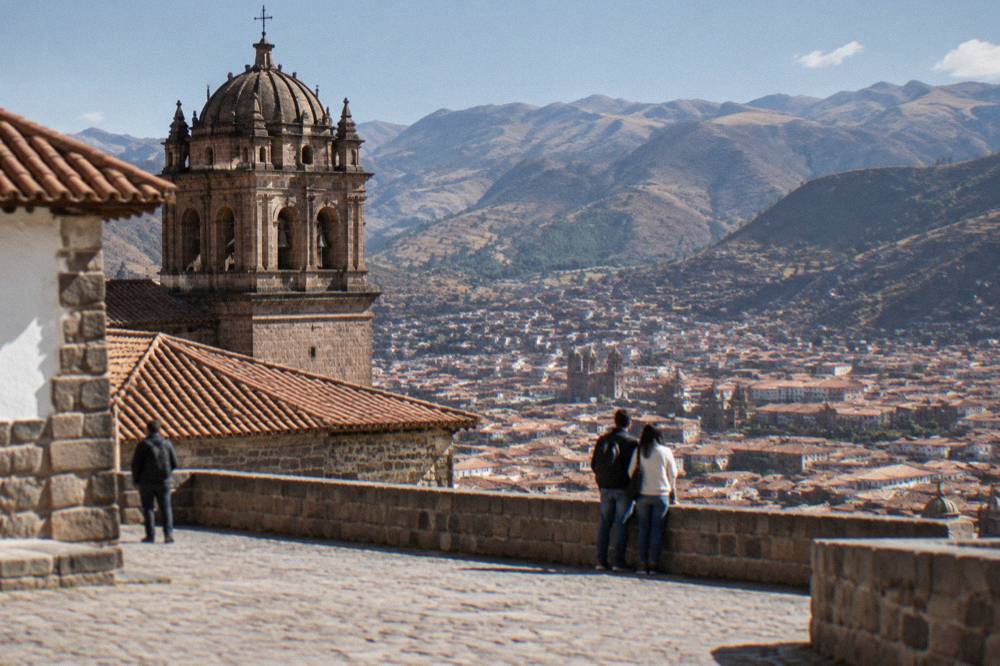
Weaving deserves its own paragraph, because the Andean textile tradition reaches well beyond the quarter. The roster carries a private textile workshop experience in the Cusco region, run with Andean women artisans, and the Awana Kancha site outside the city is this site's dedicated coverage for weaving. Buying alpaca in Cusco has its own guide on this site, and the rule reported there applies in San Blas: woven goods vary enormously in quality, and the workshops that let you watch the work are the ones where the provenance is visible.
Food is the quarter's second draw. The lanes around San Blas hold small restaurants and bars, and the verified pack holds no menus, prices, hours or rankings for any individual restaurant, so this guide names none and ranks nothing. What the pack does hold is the cooking-class option: the featured product for this article is the Cusco Cooking Classes and San Pedro Market Tour, a small-group class that builds a market visit into a hands-on Peruvian cooking session. Its price, rating and duration render on its card below and on the operator's live listing, and this text types none of them.
For visitors who would rather mix the class with the neighbourhood, the pairing is natural: the market walk starts at the old quarter's edge, and the San Blas hill sits a few lanes away. Check availability on the operator's live listing, where the current price and free-cancellation terms are shown before booking.
Beyond crafts and food, the quarter's third offering is simply altitude with a view. The upper lanes of San Blas look out over the whole of the historic centre, over the Plaza de Armas and the Cathedral, and toward Sacsayhuaman on the hills to the north. The site's viewpoints and photo spots guide collects the city's outlooks; San Blas's contribution is that its views come free, on public streets, a few minutes' climb from the square.
Where Is San Blas Compared To Cusco Main Sights?
San Blas sits on the hill east of the Plaza de Armas, inside the inscribed historic centre, with the twelve-angled stone on the walking route between the two, San Pedro Market at the old quarter's edge, and Sacsayhuaman on the hills to the north. The verified elevations run from 3,335 m at the plaza to 3,701 m at Sacsayhuaman, and the table below reports each figure exactly as the pack holds it, with no invented distances or walking times between them.
The geography of the old centre is compact, and San Blas is the uphill corner of it. The table collects the elevations the pack holds for the places a San Blas visitor is likely to combine into one day. Every figure traces to the verified pack; where the pack holds no figure for a site, the site does not appear.
| Place | Elevation (verified pack) | Direction From The Plaza De Armas |
|---|---|---|
| Plaza de Armas, Cusco | 3,335 m | The reference point itself |
| Sacsayhuaman | 3,701 m | On the hills to the north |
| San Blas quarter | No separate figure held; within the hill area east of the plaza | East, uphill |
| Pisac town | 2,972 m | Sacred Valley, outside the city |
| Ollantaytambo town | 2,792 m | Sacred Valley, outside the city |
| Urubamba town | 2,870 m | Sacred Valley, outside the city |
| Machu Picchu citadel | 2,430 m | Outside the city, lower than Cusco |
Two readings of that table matter for planning. First, the city sights cluster within a few blocks and one hill: the Plaza de Armas, the Cathedral, Qorikancha, the twelve-angled stone and San Blas form one walkable circuit, and the pack holds no distances in metres between them, so none is stated. Second, everything outside the city sits lower: the Sacred Valley towns run 2,792 to 2,972 m, and the Machu Picchu citadel sits at 2,430 m, so Cusco is higher than Machu Picchu, a fact the pack states directly. The site's is Cusco higher than Machu Picchu answer covers the comparison in full.
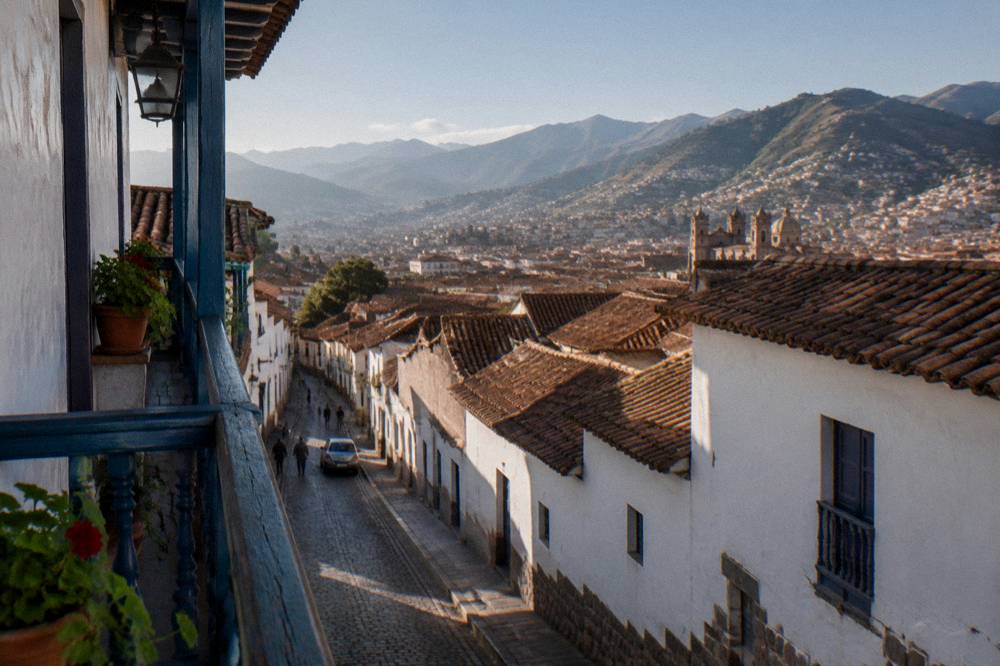
For visitors building a longer stay, the quarter slots naturally into the site's itinerary coverage. A first day in Cusco that walks the historic centre and San Blas is the standard acclimatisation pattern, and the 2 days in Cusco and 3 days in Cusco plans place the quarter on day one, with the valley and Machu Picchu following once the body has had a night at altitude. Machu Picchu has exactly one page on this site, and this guide links to it rather than building a second section here.
Is San Blas A Good Place To Stay In Cusco?
San Blas works as a base for visitors who want a quieter, craft-centred corner of the historic centre within walking distance of the Plaza de Armas, at the city's altitude of about 3,335 m. The verified pack holds no hotel rates, nightly prices or star ratings, and none is invented here. For altitude-sensitive plans, sleeping in the Sacred Valley is lower: Urubamba at 2,870 m and Ollantaytambo at 2,792 m, and the CDC's graded-ascent advice supports starting lower when it is feasible.
The trade-off is altitude against convenience. Staying in San Blas puts a visitor inside the inscribed old centre, minutes from the plaza, inside a quarter that quiets down after dark. The cost is the climb: luggage goes uphill on arrival day, at 3,335 m, on cobbled lanes. The pack holds no luggage-service or hotel-shuttle facts, so none is stated.
The alternative the pack does source is the valley. Sleeping in the Sacred Valley means sleeping lower, which the CDC's graded-ascent preference supports as a reporting statement, not a medical instruction: the Yellow Book advises avoiding a single-day jump to a sleeping altitude of 2,750 m or more, and notes that in cases like Cusco travellers can descend to lower elevations to sleep for the first nights. Urubamba and Ollantaytambo sit below that threshold. The site's where to stay in the Sacred Valley guide carries the comparison, and the train timings from the pack frame the logistics: Ollantaytambo to Machu Picchu by train is about 1 h 45, while the Cusco-side stations run about 3 h 30 from Poroy and about 4 h 30 from San Pedro.
The quarter's own character is the deciding factor for most people who choose it, and the honest framing is this: San Blas is the part of Cusco where the city's crafts are made rather than only sold, and staying there means living inside that for a few days. What it does not offer is a price advantage: no sourced hotel rate exists for the quarter, and no comparison with the valley's rates is possible from verified data.
- Antigua Casona San Blasboutique hotelCheck rates
- Samay Wasi HostelhostelCheck rates
- Historical Center ApartmentsapartmentCheck rates
When Is The Best Time To Visit San Blas Cusco?
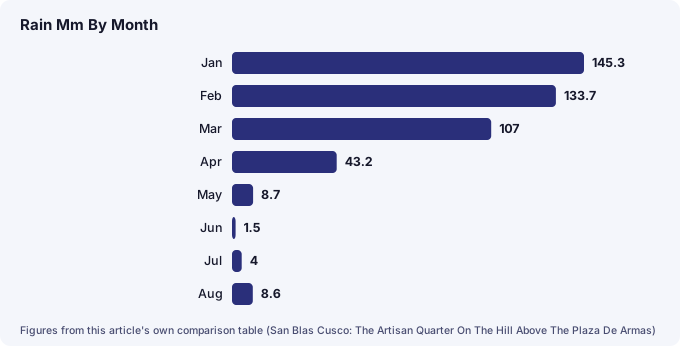
The best months to visit San Blas are the dry-season months, roughly May to September, when the WMO and SENAMHI historical normal for the Cuzco station shows May to August bringing just 22.8 mm of rain combined against 707.8 mm for the whole year, with clear days and cold nights, frost in June and July, and mean daily maximums that stay between 18.8 and 20.9 C all year. Cusco is in the southern hemisphere, so June to August is winter, not summer.
The climate table below reports the historical normal for the Cuzco station, supplied by SENAMHI to the World Weather Information Service. The pack treats it as a historical normal and not as a 1991-2020 series, and this guide labels it the same way. More of these guides are collected on Things To Do In Cusco Peru.
| Month | Mean Max C | Mean Min C | Rain Mm |
|---|---|---|---|
| Jan | 18.9 | 6.6 | 145.3 |
| Feb | 18.8 | 6.5 | 133.7 |
| Mar | 19.1 | 6.2 | 107.0 |
| Apr | 19.7 | 4.9 | 43.2 |
| May | 19.8 | 2.5 | 8.7 |
| Jun | 19.5 | 0.3 | 1.5 |
| Jul | 19.1 | 0.1 | 4.0 |
| Aug | 19.8 | 1.6 | 8.6 |
| Sep | 19.8 | 3.9 | 21.8 |
| Oct | 20.9 | 5.5 | 39.4 |
| Nov | 20.7 | 6.1 | 71.9 |
| Dec | 19.4 | 6.4 | 122.7 |
For a San Blas visit specifically, the numbers translate simply. The quarter is a walking quarter, and wet-season rain, 71.9 percent of the annual total falling between December and March, makes steep cobbled lanes slick. Dry-season days are clear, which is what the quarter's viewpoints are for. The winter trade-off is cold nights: the July mean minimum is 0.1 C on this station record, and SENAMHI's own tourist forecast pages report frost nights as common in June and July. Daytime maximums barely move all year, so a San Blas afternoon feels much the same in July as in January; the difference is what happens after dark.
Crowd timing is a separate axis, and the pack holds one sourced dataset for it: the MINCETUR open data on site visits, whose latest month is December 2025. Machu Picchu's monthly counts show October 2025 drawing 154,105 visits against February's 79,806, a 1.93-to-1 seasonal ratio, and the city's own rhythm follows the same broad shape. The monthly visitor figures on this site's home page report the current counts. For San Blas, the practical reading is that the dry-season months are also the busy months, and the shoulder months of April, May and September trade a little weather certainty for thinner streets.
What Does A Visit To San Blas Cost?
Walking San Blas itself costs nothing beyond what a visitor chooses to spend in workshops and restaurants, because the quarter's streets, square and viewpoints are public. The costs that attach to the wider old centre are the Boleto Turistico prices: the COSITUC integral ticket for a foreign adult is S/ 130, about US$38, valid for 10 days, or S/ 70, about US$20, per partial circuit, and none of those tickets is needed to walk San Blas itself.
The Boleto Turistico, sold by COSITUC, covers 16 sites across three circuits, and the tarifario states the prices below. The pack's key structural fact: the ticket is sold in person only, at the counter on Av. El Sol 103, open daily 07:30 to 18:00, and at most included sites. It is not sold online, and this guide states that exactly as the COSITUC FAQ does.
| Ticket | Price (COSITUC tarifario) | Validity | What It Covers |
|---|---|---|---|
| Integral, foreign adult | S/ 130 (about US$38) | 10 days | All 16 sites across the three circuits |
| Integral, foreign student | S/ 70 (about US$20) | 10 days | All 16 sites, with student ID |
| Partial Circuit I (Saqsayhuaman) | S/ 70 (about US$20) | 1 day | Saqsayhuaman, Q'enqo, Puka Pukara, Tambomachay |
| Partial Circuit II (City) | S/ 70 (about US$20) | 2 days | Qorikancha site museum, city museums, Tipon, Pikillaqta |
| Partial Circuit III (Sacred Valley) | S/ 70 (about US$20) | 2 days | Pisac, Ollantaytambo, Chinchero, Moray |
San Blas appears nowhere on that table, and that is the point: the quarter is free to walk. What the Boleto buys is the sites around it, above all Sacsayhuaman on the northern hills, which is on Circuit I and is not free, a correction the pack makes explicitly against a common claim. Children are free to age 9, and ages 10 to 17 pay the student price with ID, per the COSITUC FAQ. Machu Picchu is not on the Boleto at all; it sells separately on the Ministry of Culture's ticket platform, and this guide gives that ceded topic only this one honest sentence.
On-the-ground spending in the quarter follows the ranges the pack holds for everyday items, reported as ranges with "about" wording and never as official tariffs: a menu del dia runs about S/ 8 to 15, a cup of coca tea about S/ 2 to 5, and the exchange rate runs about S/ 3.4 to the US dollar. The table below collects the conversions the job card permits, and no others.
| Sol Price | About US$ |
|---|---|
| S/ 20 | US$6 |
| S/ 25 | US$7 |
| S/ 30 | US$9 |
| S/ 70 | US$20 |
| S/ 130 | US$38 |
Workshop and class spending in San Blas renders from the product cards, not from this text. Beyond the cooking class featured above, the roster's other options that pair well with a San Blas base include a tandem paragliding flight over the Sacred Valley and a guided full-day hike to Pallay Punchu mountain with meals included. Each card prints its own verified price, rating and review count from the operator's live listing.
How Steep Is The Walk To San Blas In Cusco?
The walk from the Plaza de Armas to San Blas climbs the hill east of the square on cobbled lanes, some of them stepped, and it is the steepest ordinary walk inside the historic centre. No sourced distance in metres or walking time exists for the route, so this guide states none, but the elevation context is verified: the plaza sits at 3,335 m, and the quarter rises above it, so the climb is short, real and best taken slowly on a first day at altitude.
The CDC Yellow Book names Cusco as a rapid-ascent destination at approximately 3,350 m and prefers graded ascent; a slow lane-by-lane walk with workshop stops is a reasonable way to spend a first morning. Nobody publishes an acclimatisation day count, and the honest answer to "how long until it feels easy" is that no official figure exists. Take water, go in daylight, and use the lanes rather than any shortcut, which the UK Foreign Office's general Peru advice about quiet areas and night walking supports.
Is San Blas In Cusco Worth Visiting?
San Blas is worth visiting for anyone interested in craft, because it is the quarter where Cusco's artisans work in view of the street, and because its upper lanes give free views over the historic centre. The verified sources hold no visitor counts for the quarter itself, so no popularity claim is made here; what the sources do show is that the surrounding city drew over ten million recorded site visits across the Cusco department in 2025, and the quarter sits inside that inscribed old centre.
The MINCETUR open dataset counted 10,704,938 recorded visits across the Cusco department's listed sites in 2025, a sum of entries rather than unique visitors. San Blas's own draw is narrower and quieter: workshops, the church square, and the views. For a visitor with one day in the city, the quarter is a half-day addition to the plaza circuit; for a visitor with three, it is where the slow mornings happen.
Can You See Sacsayhuaman From San Blas?
Sacsayhuaman sits on the hills to the north of the historic centre, at 3,701 m per the verified pack, and San Blas's upper lanes look out over the city toward those hills, so the fortress zone is visible from the quarter's viewpoints as part of the northern skyline. The pack holds no distance in metres between the two, and no walking time, so none is stated.
Sacsayhuaman is on Boleto Turistico Circuit I, at S/ 70 for the partial circuit or covered by the S/ 130 integral ticket, and it is not free, per the COSITUC tarifario. The site's own Sacsayhuaman guide covers the fortress in full; from San Blas the practical link is that both sit on the high ground around the old centre, one to the east and one to the north.
Is San Blas Cusco Good For Families?
San Blas suits families with older children well, because the quarter's attractions are walkable, free and visible: workshops where crafts happen in front of you, a small square, and viewpoints. The verified sources hold no family-facility facts for the quarter, no stroller-access statements and no child-price rules beyond the COSITUC's, so the honest answer is the general one: the lanes are steep and stepped, which is the main constraint, and the Boleto's child rules are the only sourced family pricing.
The COSITUC FAQ states children are free to age 9 at the included sites, and ages 10 to 17 pay the student price with ID. The quarter's own streets charge nothing. For families weighing the city against the valley, the site's Cusco with kids guide carries the fuller comparison, and the altitude logic reported above, the valley towns sitting lower than the city, applies to children as much as to adults.
San Blas rewards the visitor who gives it a slow morning rather than a drive-by: the workshops, the square and the view over Cusco's roofs are the quarter's whole point, and all of them sit a steep lane away from the Plaza de Armas.