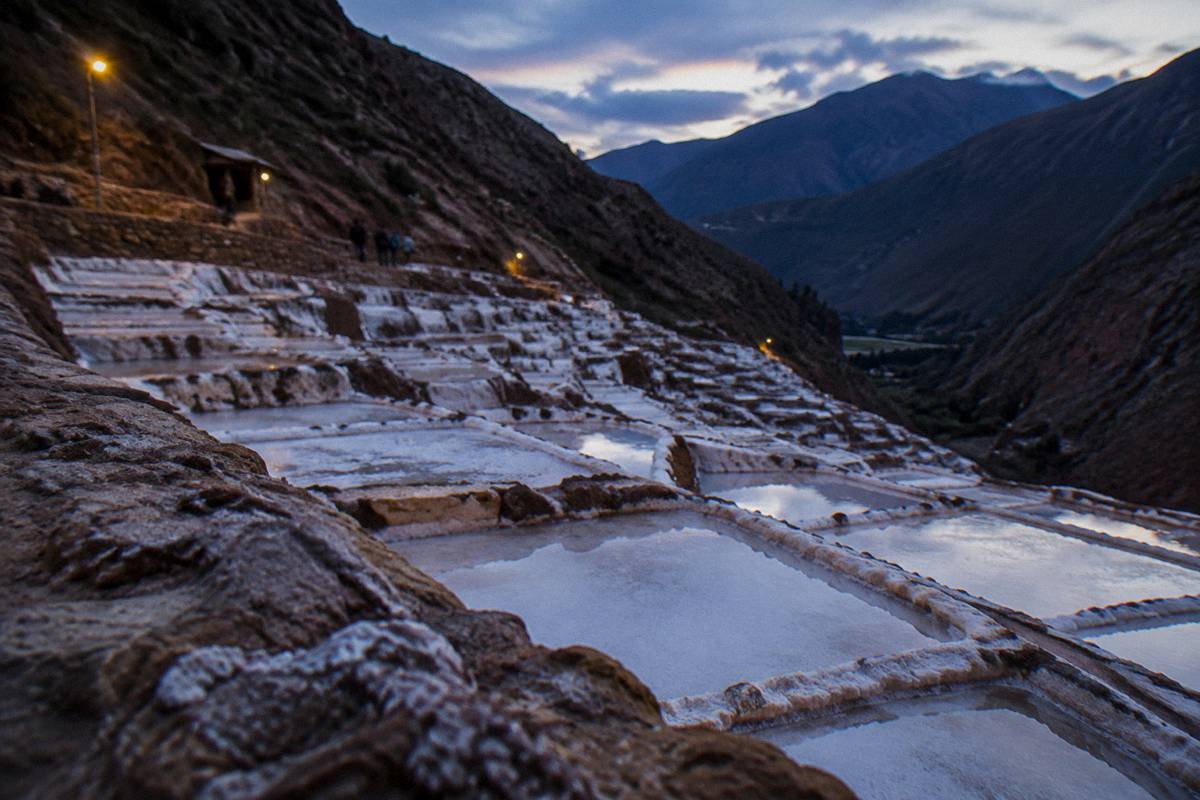
How Many Days In Cusco Is Enough?
Three days is the sourced minimum for Cusco itself, and five to seven once Machu Picchu or a trek joins the plan. The Boleto Turistico's 10-day ticket, the CDC's altitude advice and the 2025 visitor data set the answer.
Cusco, the old Inca capital in the Andes of southern Peru, keeps its Plaza de Armas at 3,335 m, and that elevation shapes the answer to almost every trip-length question. UNESCO inscribed the City of Cusco in 1983, and the layers that earned the listing, Inca foundations, colonial churches and a ring of ruins, spread across more days than a short city break allows. The ticket that covers most of the archaeology, the Boleto Turistico, runs on a 10-day clock, while the CDC Yellow Book prefers a graded ascent on arrival. The maths of how many days is enough is therefore not guesswork; it follows from what the sources say.
How Many Days In Cusco Is Enough?
Three days is the realistic minimum for Cusco itself. COSITUC, the body that runs the Boleto Turistico, states that covering its 16 included sites takes a minimum of three days, and the CDC Yellow Book prefers a graded ascent on arrival, which argues against rushing the first day. Travellers adding Machu Picchu, at 2,430 m, or a multi-day trek should plan five to seven days in total.
The three-day floor is not a travel-writer invention. COSITUC, the committee that administers the Boleto Turistico, answers the question directly in its own FAQ: the 16 sites on the ticket can be covered in a minimum of three days, and the integral ticket stays valid for 10 days from the day of purchase. A traveller who buys the integral ticket on arrival therefore has ten days of flexibility, but no way to compress the archaeology into a weekend.
Machu Picchu changes the arithmetic. The citadel sits at 2,430 m, roughly 900 m below Cusco, and it sells its own timed entry ticket, separate from the boleto. Folded into a Cusco stay it usually claims a full day, sometimes with an overnight in Aguas Calientes at about 2,040 m, which has the side effect of a night at a lower elevation. Treks claim more. The Inca Trail closes every February and its permits sell only through licensed agencies, so a trek plan needs slack in the calendar from the start.
Since Machu Picchu claims a full day of its own, book a Machu Picchu day tour here.
| Length of stay | What it realistically covers |
|---|---|
| 2 days | The historic centre, one Boleto partial circuit, San Blas and the markets; no day trips |
| 3 days | All 16 Boleto sites at COSITUC's stated minimum pace, plus an evening food or mixology stop |
| 4 days | Three city days plus one Sacred Valley excursion |
| 5 days | The city plus Machu Picchu, with a lower-altitude overnight in the valley or Aguas Calientes |
| 7 days | The city, Machu Picchu, a multi-day trek such as Salkantay or Lares, and a buffer day |
For readers who want the hour-by-hour version, Things To Do In Cusco Peru publishes day-by-day itineraries, including a two-day Cusco itinerary and a three-day Cusco itinerary that put these lengths into a walkable order. The pattern behind every one of them is the same: start slow, buy the boleto in person, and let the big excursions sit at the end rather than the beginning.
How Many Days Does Cusco City Itself Need?
Two days cover the city itself at a steady pace: one for the historic centre, Qorikancha and the San Blas slopes, and one for the four ruins on Boleto Circuit I, Sacsayhuaman, Q'enqo, Puka Pukara and Tambomachay, plus a museum or two. COSITUC's own FAQ notes that seeing all 16 boleto sites takes a minimum of three days, so the third day is where the city stops being rushed.
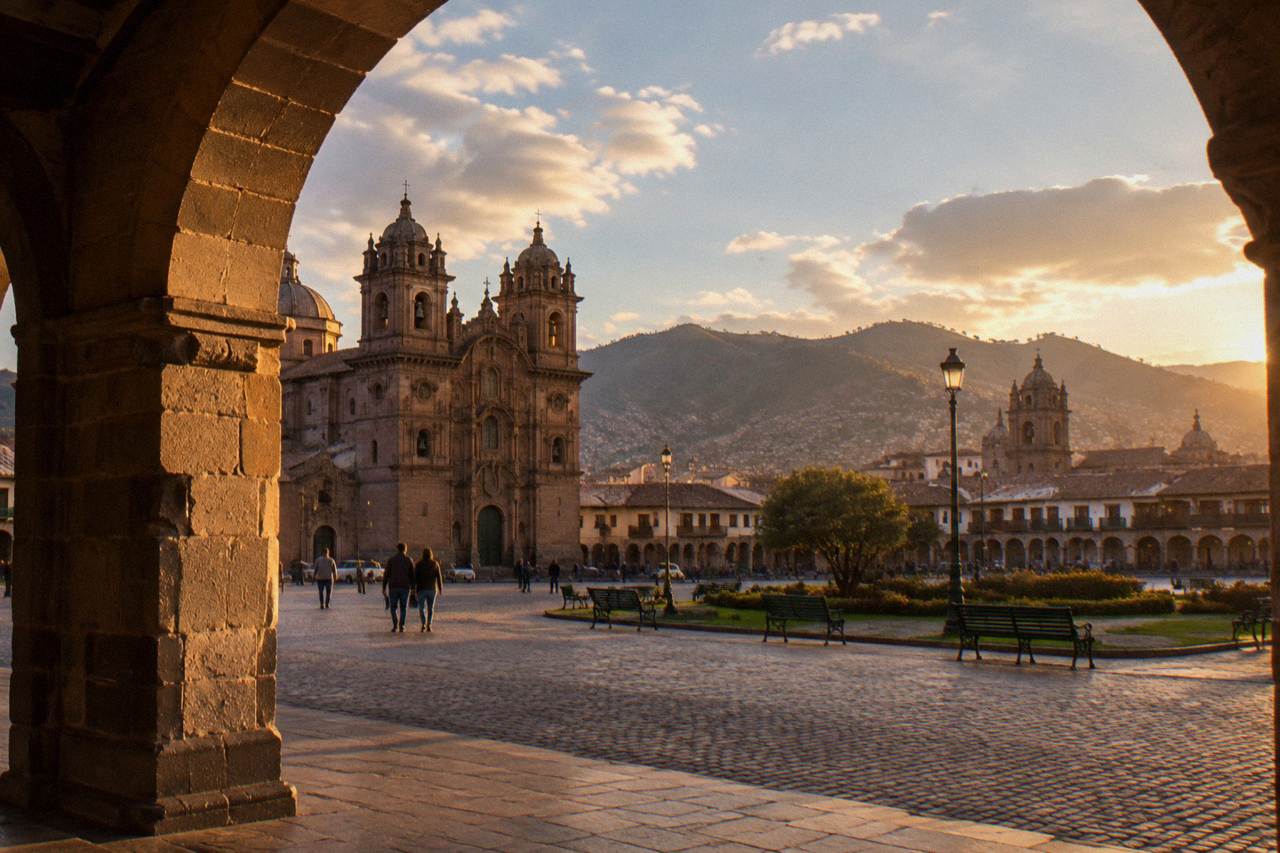
Day one belongs to the flat ground around the Plaza de Armas: the arcades, the Qorikancha site museum on Circuit II, the narrow lane of Hatunrumiyoc with its finely fitted polygonal Inca stone, and the climb into San Blas. Day two rises to Circuit I, the four ruins that ring the city above 3,300 m, where Sacsayhuaman alone can absorb a morning. The museums fill whatever the weather cancels, and the Inca Museum and the Museo de Arte Precolombino both sit within walking distance of the centre.
The ticket behind all of this is sold in person only. COSITUC's counter at Av. El Sol 103 opens daily from 07:30 to 18:00, and most included sites sell the boleto as well; there is no online sale. Children enter free to age 9, and the only discount the FAQ lists is the student rate.
| Boleto Turistico ticket | Foreign adult price | Validity | What it covers |
|---|---|---|---|
| Integral (BTCI) | S/ 130, about US$38 | 10 days | All 16 included sites |
| Partial Circuit I, Saqsayhuaman | S/ 70, about US$20 | 1 day | Saqsaywaman, Q'enqo, Puka Pukara, Tambomachay |
| Partial Circuit II, City | S/ 70, about US$20 | 2 days | Qorikancha site museum, the regional and art museums, Centro Qosqo de Arte Nativo, Monumento a Pachacutec, Tipon, Pikillaacta |
| Partial Circuit III, Sacred Valley | S/ 70, about US$20 | 2 days | Pisac, Ollantaytambo, Chinchero, Moray |
Evenings deserve a slot in the count as well. A Pisco Sour mixology class in historic Cusco runs as a small-group night session in the historic centre, mixing the drink and a short walk between venues; Check availability on the operator's live listing for current times. As a first-night activity it keeps the walking short while the city is still new.
Classes and workshops of this kind are the flexible filler that makes a three-day minimum comfortable rather than tight. A rainy afternoon, a slow morning after a late arrival, or a spare hour between the Qorikancha site museum and dinner all absorb a short session without restructuring the day. That is the practical case for the third day: it converts a checklist into a stay.
When Does Cusco Need More Than Three Days?
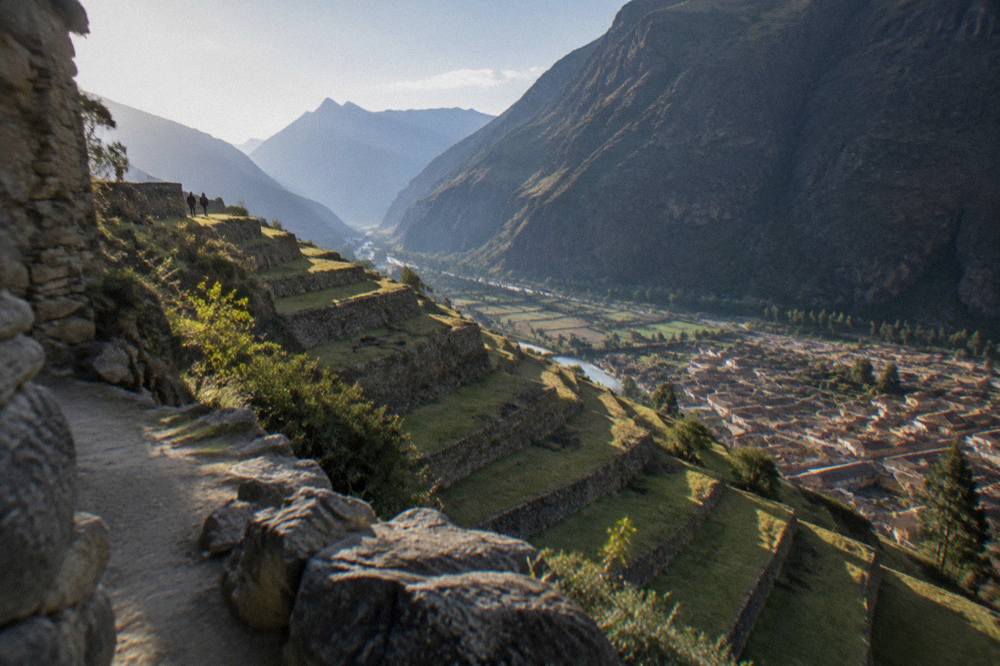
Beyond three city days, each headline excursion takes a day of its own. The Sacred Valley sits lower than Cusco, at Pisac 2,972 m, Urubamba 2,870 m and Ollantaytambo 2,792 m, so it doubles as altitude relief. Machu Picchu, at 2,430 m, is a separate ticketed day with its own nominal entry rules, and the multi-day treks such as Salkantay and Lares add several days on top.
The Sacred Valley is the natural fourth day, and not only for its ruins. COSITUC puts Pisac, Ollantaytambo, Chinchero and Moray together on partial Circuit III, valid for two days, so one ticket covers the four headline valley sites. Whether to sleep out there instead of in the city is a separate question, and one this site answers in whether the Sacred Valley is worth visiting; the elevation argument, at least, points toward the valley.
Machu Picchu is its own day and its own ticket. The Ministry of Culture platform sells a nominal, timed entry, valid only for the stated date, hour, circuit and holder, and the citadel has run three circuits and ten routes since 1 June 2024. A guide is recommended, not required, under the rules in force since September 2026. The train from San Pedro takes about four and a half hours and from Poroy about three and a half, so the day starts early, and an overnight in Aguas Calientes, at about 2,040 m, is the alternative that shortens it.
Treks stretch the stay further. The Inca Trail closes every February, its permits sell only through licensed agencies within a quota of 500 people a day including porters and guides, and the Salkantay and Lares routes run as multi-day alternatives. Rainbow Mountain, at about 5,000 m, and Palccoyo, at 4,900 m, are long high-altitude days that sit better in a five-day plan than a three-day one. Puno is not really a Cusco day trip at all: the bus route covers about 389 km in about six hours, though a scenic Route of the Sun transfer day with lunch turns the drive itself into sightseeing.
| Excursion from Cusco | Elevation | Entry |
|---|---|---|
| Pisac, Sacred Valley | 2,972 m | Boleto Turistico Circuit III |
| Ollantaytambo | 2,792 m | Boleto Turistico Circuit III |
| Moray | 3,385 m | Boleto Turistico Circuit III |
| Machu Picchu citadel | 2,430 m | Own timed ticket, not on the boleto |
| Vinicunca, Rainbow Mountain | about 5,000 m | Community fee S/ 25 to S/ 30, cash |
| Palccoyo | 4,900 m | about S/ 20 |
For travellers deciding whether to lock a guided excursion into the calendar before arrival, the cancellation terms on the operator's live listing are the detail worth checking first, since mountain-day plans are the ones the weather moves.
How Does Altitude Change The Number Of Days?
Altitude is the main reason to slow a Cusco itinerary down. The CDC Yellow Book names Cusco, at about 3,350 m by its measure, as a rapid-ascent destination and prefers a graded ascent; it also notes that travellers can sleep at elevations lower than the airport for a night or two before climbing again. Nobody publishes a fixed day count for acclimatisation, which is why the honest planning rule is a light first day and a flexible second.
The CDC's ascent rule, citing the Wilderness Medical Society, is to avoid sleeping at 2,750 m or higher on the first day after arriving from low altitude, then to raise the sleeping altitude by no more than 500 m per night once above 3,000 m. Cusco breaks that rule by existing: the airport sits at 3,310 m. The CDC's own note on the city is that travellers can descend to elevations lower than the airport to sleep for a night or two and then begin the ascent, which is exactly what a Sacred Valley or Aguas Calientes overnight does.
The Yellow Book puts rates of altitude illness approaching 50 percent in situations of abrupt ascent where staged acclimatisation is not feasible, and it advises considering acetazolamide when abrupt ascent is unavoidable; the prescription decision belongs to a doctor, not to an itinerary. It also advises avoiding alcohol for the first 48 hours at high altitude. None of this fixes a number of days, because no official body publishes one. What it does fix is the shape of a good plan: a gentle first day, a slower second, and a lower-altitude night somewhere in the first week. The site's pages on how likely altitude sickness is and how long acclimatisation takes carry the detail.
Does The Season Change How Many Days You Need?
The season changes how many days Cusco needs, mainly through rain and crowds rather than through what is open. At the WMO's Cuzco station, December to March carries 71.9 percent of the year's 707.8 mm of rain, while May to August brings just 22.8 mm, so wet-season visitors do well to keep a spare day for washed-out plans and dry-season visitors can pack the calendar tighter.
The WMO station record for Cusco, supplied by SENAMHI, shows mean daily maximums holding between 18.8 and 20.9 C in every month of the year; what changes is the rain and the night cold. The mean July minimum is 0.1 C and frost is common in June and July, while the wet months each stack more than a hundred millimetres. This is a Southern Hemisphere city: June to August is winter, dry and clear by day, cold by night, never summer.
Crowds follow the same calendar. In the MINCETUR open dataset, Machu Picchu recorded 1,479,506 visitors in 2025, and October, at 154,105 entries, drew nearly twice February's 79,806. High-season dates also carry a higher daily cap, 5,600 entries against 4,500 on normal days, which is the Ministry of Culture's way of admitting that the demand clusters. February trekkers lose the Inca Trail entirely, since it closes every year, so anyone set on that route plans around it.
A five-day plan with one buffer day absorbs almost any of this. A three-day plan in January needs the buffer more than the same plan in July does, and a week-long stay can afford to lose a morning and still finish the boleto's 16 sites inside the ticket's 10-day validity.
Common Questions About Days In Cusco
The short version: three days for Cusco city, four or five with the Sacred Valley or Machu Picchu, and a week if a trek is on the list. The Boleto Turistico's 10-day integral validity and COSITUC's three-day minimum for its 16 sites set the floor, and the CDC's preference for a graded ascent sets the pace. Every extra day buys either a lower-altitude night in the valley or a slower, safer first 48 hours.
Is Two Days In Cusco Enough?
Two days cover the historic centre and one Boleto partial circuit at a comfortable pace, but COSITUC's FAQ states that all 16 boleto sites need a minimum of three days. With two days the choice is between the city ruins and the Sacred Valley, not both.
Can You Visit Machu Picchu From Cusco In One Day?
Yes. The train from San Pedro station takes about four and a half hours each way, so it is a long but workable day. The entry ticket is nominal, sold on the Ministry of Culture platform or in person at Machu Picchu Pueblo, and it cannot be rebooked to another date.
How Many Days For Cusco And Machu Picchu Together?
Four to five days: two or three for the city and its boleto sites, one for the Sacred Valley or a lower-altitude overnight, and one for Machu Picchu itself. The citadel sits at 2,430 m, roughly 900 m below the Plaza de Armas, so the order that ends at Machu Picchu is also the gentler ascent.
Does The Boleto Turistico Force A Longer Stay?
Not directly, but it rewards one. The integral ticket is valid 10 days from purchase and covers 16 sites, while the partial circuits are valid one to two days each. It is sold in person only, at the Av. El Sol 103 counter and at most included sites.
Should You Add Days Just For Acclimatisation?
The CDC Yellow Book prefers a graded ascent and names Cusco as a rapid-ascent destination, but no official body publishes a fixed day count for acclimatisation. The CDC's own suggestion for the city is to sleep a night or two at elevations lower than the airport before climbing again, which is what a Sacred Valley overnight provides.
What If You Only Have One Day In Cusco?
One day covers the Plaza de Armas, the Qorikancha site museum and a Circuit I partial for Sacsayhuaman, sold at S/ 70 for foreign adults. The remaining boleto sites and every day trip stay out of reach, which is the cost of a single-day stop.