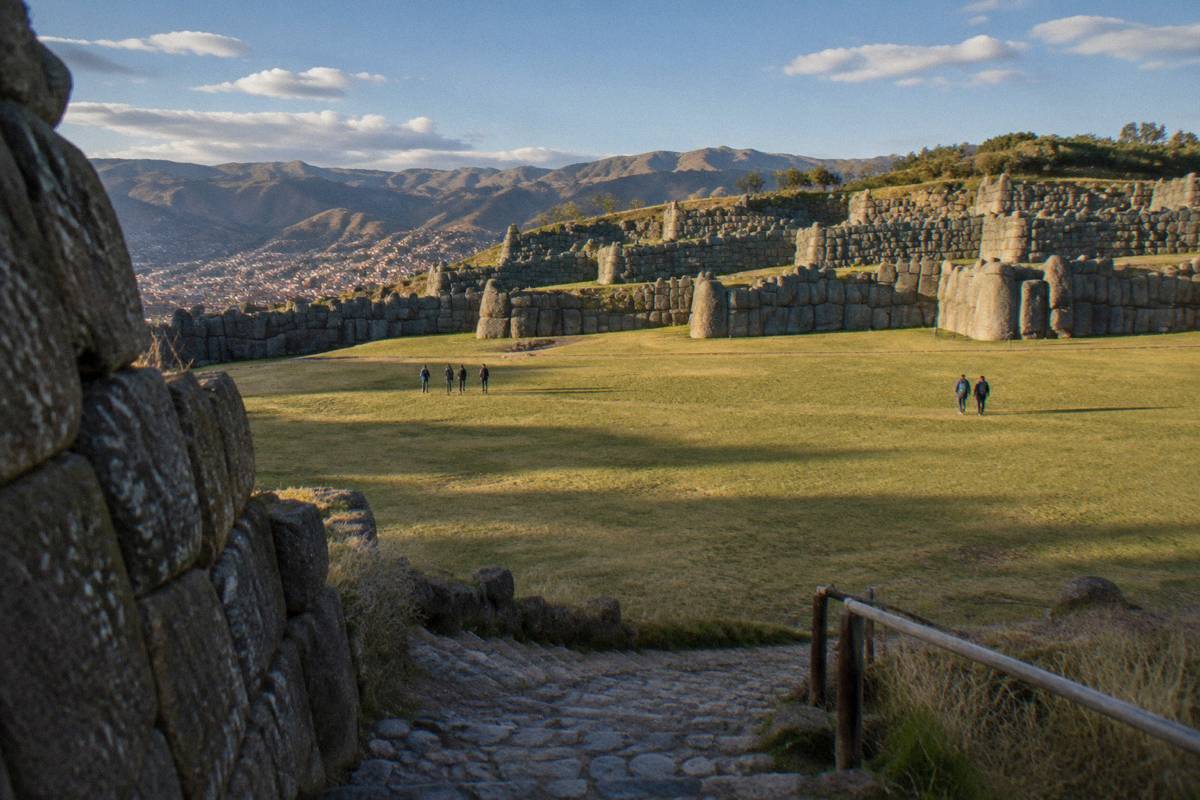
Qorikancha, The Temple Of The Sun
The Inca walls of Qorikancha still stand in the historic centre of Cusco, carrying the church and convent of Santo Domingo above them. Here is what the verified sources say about the temple, its tickets, the Boleto Turistico circuits that cover it and the best time to go.
Short answer
Qorikancha is the Inca Temple of the Sun in the historic centre of Cusco, Peru, at about 3,335 m. The Museo de Sitio Qorikancha is a Circuit II site on the Boleto Turistico, covered by the S/ 70 partial ticket or the S/ 130 integral ticket, both sold in person only.
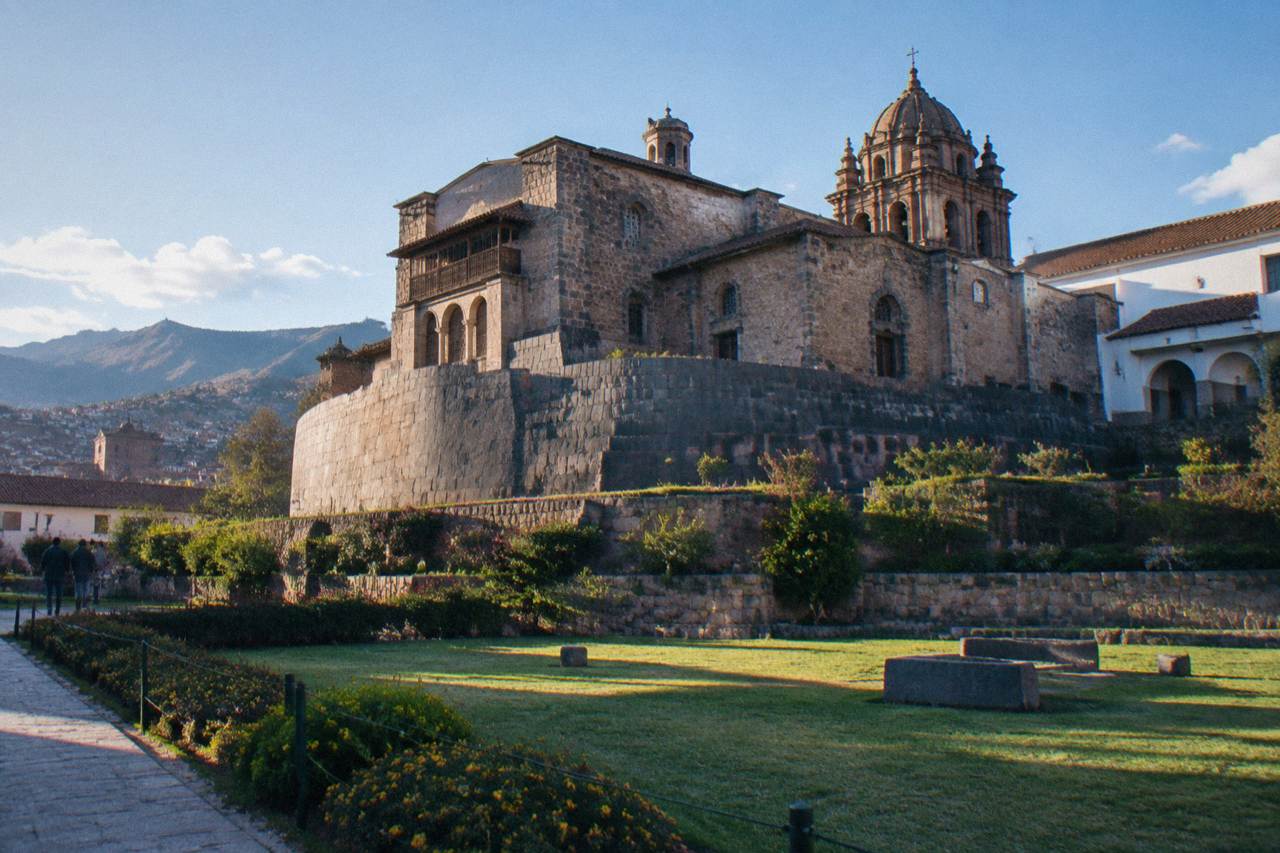
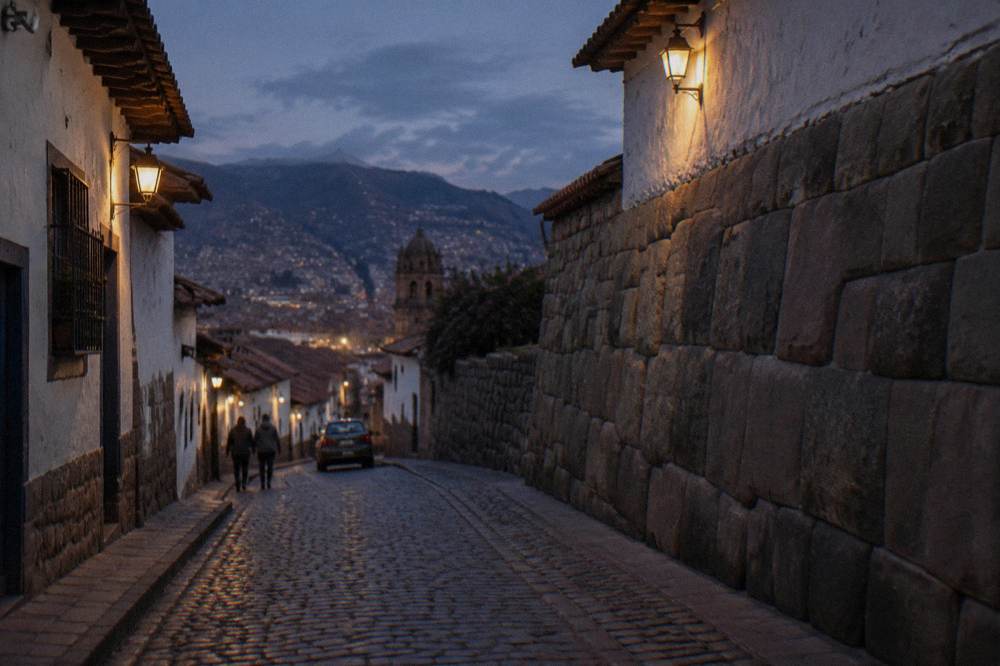
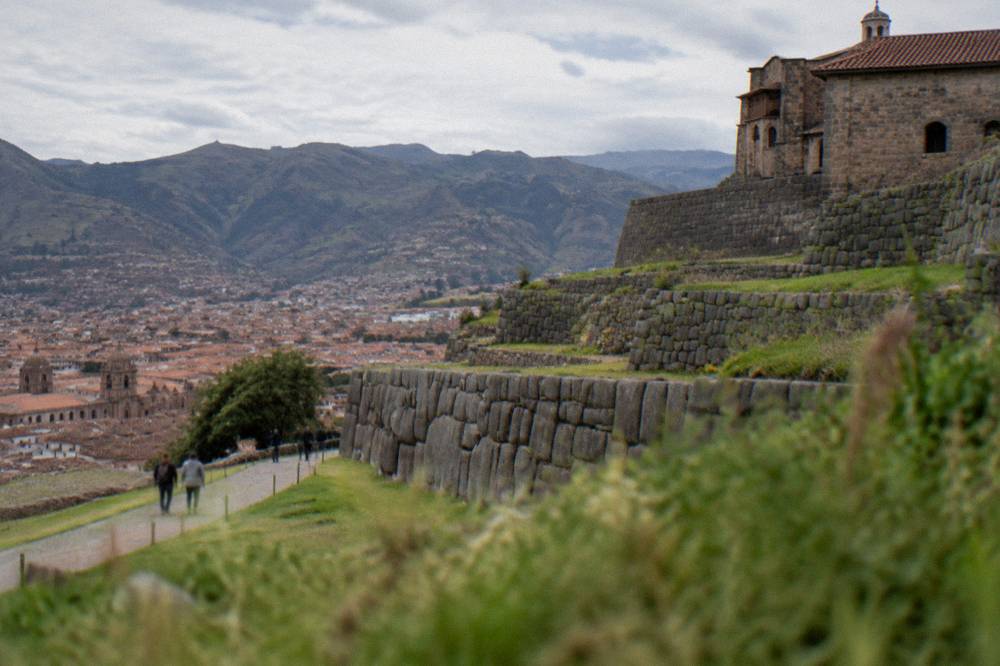
In Cusco, the historic city in the Andes of southern Peru, the Inca walls of Qorikancha still stand in the middle of the UNESCO-listed historic centre, with the church and convent of Santo Domingo built directly on top of them. The City of Cusco was inscribed on the World Heritage List in 1983, and this single plot shows the reason in miniature: the temple's tightly jointed stone courses and the colonial church above them share one foundation, a short distance from the Plaza de Armas at about 3,335 m above sea level.
What Is Qorikancha In Cusco?
Qorikancha was the principal temple of Inca Cusco, the historic city in the Andes of southern Peru, and its finely fitted stone walls still stand at the heart of the UNESCO-listed historic centre. Today the colonial church and convent of Santo Domingo rise directly above the Inca masonry, so one visit takes in both the temple walls and the church built on top of them.
Cusco was the Inca capital, and Qorikancha functioned as its principal religious site. The sources available to this page hold no construction date, no builder's name and no dimensions for the temple, and this page states none of them. What the sources do support is qualitative: the surviving masonry shows the Inca working standard of precisely cut blocks meeting in tight joints, the same craft visible in the walls around the twelve-angled stone on Hatunrumiyoc street and in the terraces of Sacsayhuaman on the hills north of the centre.
The colonial period layered a church and convent over the enclosure. That pattern, colonial churches standing on Inca stone foundations, repeats across the historic centre; the Cusco Cathedral on the Plaza de Armas sits in the same relationship to the Inca city beneath it. At Qorikancha the two structures are physically interleaved, which is why the site reads as one continuous monument rather than two.
Today the complex also houses the Museo de Sitio Qorikancha, which COSITUC, the committee that runs the Boleto Turistico, lists as a Circuit II site. That listing is what determines the ticket a visitor needs, and it is the subject of the next section.
How Much Does Qorikancha Cost, And Which Ticket Covers It?
The Museo de Sitio Qorikancha is a Circuit II site on the COSITUC Boleto Turistico: the partial Circuit II ticket costs S/ 70, about US$20, and is valid for 2 days, while the integral ticket costs S/ 130, about US$38, covers 16 sites and lasts 10 days. Peru.travel also lists the Santo Domingo museum entry at S/ 20, about US$6. The boleto is sold in person only, never online.
The COSITUC tarifario sets the prices. The integral ticket (BTCI) for a foreign adult is S/ 130 and covers all 16 sites across the three circuits. Each partial circuit ticket costs S/ 70 on its own: Circuit I for Saqsaywaman and its neighbours, Circuit II for the city sites including Qorikancha, and Circuit III for the Sacred Valley sites. A foreign student pays S/ 70 for the integral ticket. Validity begins on the day of purchase, and the COSITUC FAQ notes that covering all 16 sites needs a minimum of three days of visiting.
| Boleto Turistico option | Price, foreign adult | Approx. US$ | Validity | Sites covered |
|---|---|---|---|---|
| Integral ticket (BTCI) | S/ 130 | US$38 | 10 days | 16 |
| Partial Circuit I, Saqsaywaman | S/ 70 | US$20 | 1 day | 4 |
| Partial Circuit II, City, includes Museo de Sitio Qorikancha | S/ 70 | US$20 | 2 days | 8 |
| Partial Circuit III, Sacred Valley | S/ 70 | US$20 | 2 days | 4 |
| Integral, foreign student (BEE) | S/ 70 | US$20 | 10 days | 16 |
COSITUC sells the boleto in person only, at its Counter Central on Av. El Sol 103 in the Galerias Turisticas, Monday to Sunday from 07:30 to 18:00, and at most of the included sites. The FAQ lists four exceptions where tickets are not sold on site: the Museo Historico Regional, also known as Casa Garcilaso, the Centro Qosqo de Arte Nativo, the Museo de Arte Popular and the Museo de Arte Contemporaneo. There is no online sales channel of COSITUC's own.
Children are free to age 9, and ages 10 to 17 pay the student price with ID. The only discount COSITUC grants is for students; the FAQ states there is no teacher-card or youth-card discount. One point to check at the counter: peru.travel separately lists the Qorikancha, Santo Domingo museum entry at S/ 20 for an adult, so it is worth confirming with the staff which entry applies on the day. Opening hours for the site are not published in a verified form anywhere in this site's sources, so treat any hour you see elsewhere as unconfirmed and check on the day of your visit.
For travellers who want a guide rather than a self-directed visit, the picks below include a walking option for the historic centre alongside two longer routes.
What Can You See Inside Qorikancha And Santo Domingo Today?
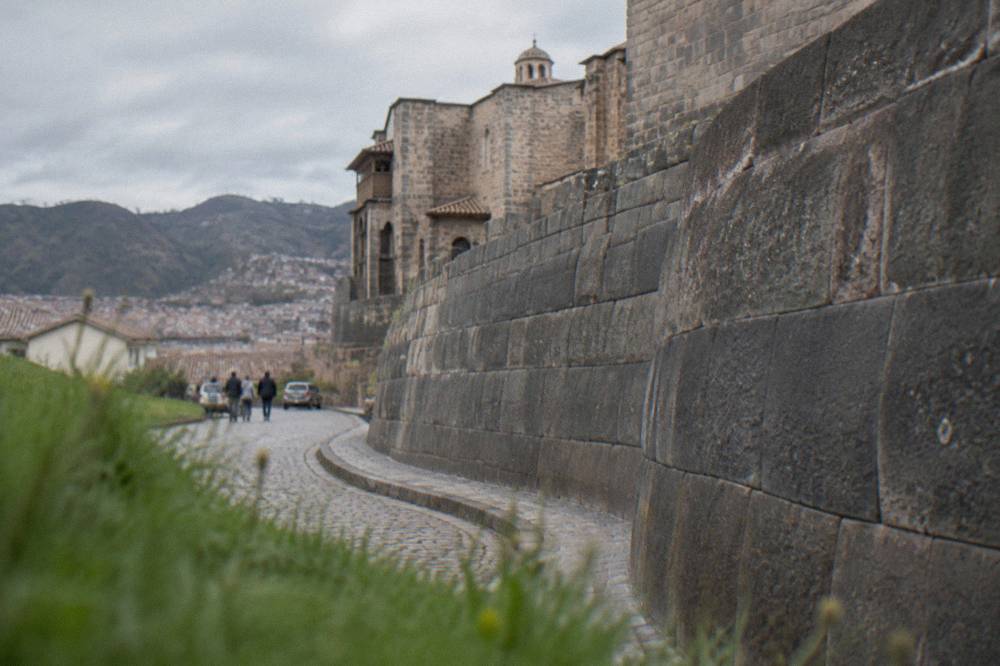
Inside Qorikancha the Inca walls survive in the lower courses, with the church and convent of Santo Domingo standing above them and the Museo de Sitio Qorikancha occupying the complex. Visitors see the curved Inca masonry, the temple's surviving chambers and the colonial art and architecture of the church in one continuous site. Opening hours are not published in a verified form, so check on the day of a visit.
The most photographed element is the curved Inca wall on the outside of the enclosure, where the blocks follow a smooth arc with tight joints throughout. Inside, the surviving chambers of the temple open off one another, and the church's cloisters and art sit a few steps above them.
The coexistence is the point. A visitor can stand in a colonial corridor, look down at Inca courses running beneath it and see the two building traditions meeting in a single wall face. The site museum, the Museo de Sitio Qorikancha, holds the COSITUC Circuit II listing and presents the site's own archaeology; peru.travel's separate S/ 20 museum entry figure is noted in the ticket section above.
If a self-guided visit feels thin for the history on show, a guided option is the natural upgrade for this stop.
Which Other Cusco Sites Share The Boleto Turistico With Qorikancha?
Circuit II of the Boleto Turistico pairs the Museo de Sitio Qorikancha with seven other city entries, including the Museo Historico Regional, the Museo de Arte Contemporaneo, the Museo de Arte Popular, the Centro Qosqo de Arte Nativo, the Monumento a Pachacutec, Tipon and Pikillacta. Circuits I and III cover the four ruins above Cusco and the four Sacred Valley sites respectively, all on the same S/ 130 integral ticket.
Circuit II is the city circuit, and its eight sites cluster in and around the historic centre, with Tipon and Pikillacta further out in the South Valley. Circuit I covers the four ruins on the hills above the city: Sacsayhuaman, Qenqo, Tambomachay and Puka Pukara. Circuit III covers the Sacred Valley quartet of Pisac, Ollantaytambo, Chinchero and Moray.
| Circuit II site | Location and character |
|---|---|
| Museo de Sitio Qorikancha | Temple site and site museum in the historic centre |
| Museo Historico Regional, Casa Garcilaso | Museum in a colonial house in the centre |
| Museo de Arte Contemporaneo | Contemporary art museum in the centre |
| Museo de Arte Popular | Popular art museum in the centre |
| Centro Qosqo de Arte Nativo | Folk performance venue in the centre |
| Monumento a Pachacutec | Monument in the city |
| Tipon | Archaeological site with terraces in the South Valley |
| Pikillacta | Archaeological site in the South Valley |
Not every museum in Cusco is on the boleto, and the differences matter when budgeting. The Museo Inka charges its own entry, and so does the Museo de Arte Precolombino. The figures below come from peru.travel's museum listings.
| Cusco museum or site | Listed entry | Approx. US$ | Boleto coverage |
|---|---|---|---|
| Museo de Sitio Qorikancha | S/ 70 via the Circuit II partial | US$20 | Yes, Circuit II |
| Qorikancha, Santo Domingo museum, peru.travel listing | S/ 20 | US$6 | Listed separately by peru.travel |
| Museo Inka, foreign adult | S/ 20 | US$6 | No |
| Museo de Arte Precolombino, general | S/ 20 | US$6 | No |
| Museo de Arte Precolombino, students | S/ 10 | US$3 | No |
| Saqsaywaman | S/ 70 via the Circuit I partial | US$20 | Yes, Circuit I |
The practical reading: a Circuit II partial turns Qorikancha into the anchor of a museum-and-monument day inside the city, while the integral ticket spreads the same money across the ruins above town and the Sacred Valley. For visitors who would rather walk the whole centre with a guide than plan the circuit themselves, the walking option below covers the historic centre with local guides.
How Busy Are Cusco's Sites, And Where Does Qorikancha Sit?
The MINCETUR open dataset recorded 10,704,938 site visits across 29 listed Cusco sites in 2025, and the highest entries were the Machu Picchu sanctuary at 1,542,350, the Machu Picchu citadel at 1,479,506, the Saqsaywaman explanada at 944,008 and the Ollantaytambo archaeological park at 891,526. Qorikancha's own figure is not broken out in the dataset's published top rows, so no comparable number appears on this page.
Those figures are recorded site visits, not unique visitors, and the dataset counts each entry separately, so a person visiting three sites appears three times. The ranking still gives a fair sense of relative weight across the region: the Machu Picchu entries dominate, and the big accessible sites near the city, Saqsaywaman and Ollantaytambo, follow.
| Cusco entry, MINCETUR dataset | Recorded visits 2025 |
|---|---|
| Santuario Historico de Machupicchu | 1,542,350 |
| Ciudad Inka de Machupicchu | 1,479,506 |
| Explanada de Saqsaywaman | 944,008 |
| Parque Arqueologico de Ollantaytambo | 891,526 |
| Inca Rail trains | 855,718 |
| Moray | 773,916 |
| PeruRail trains | 698,742 |
| Pisaq | 560,578 |
The monthly pattern matters more than the annual total for planning. In 2025 the Machu Picchu citadel recorded 154,105 visits in October against 79,806 in February, a ratio of 1.93 to 1 between the peak and the quietest month. The same seasonality shapes every site on the boleto, Qorikancha included, because the wet season from November to March is the low period across the region.
For a first day in the city that stays close to the centre, the half-day city tour below reaches Sacsayhuaman and Qenqo as well as the central sites.
When Is The Best Time Of Year To Visit Qorikancha In Cusco?
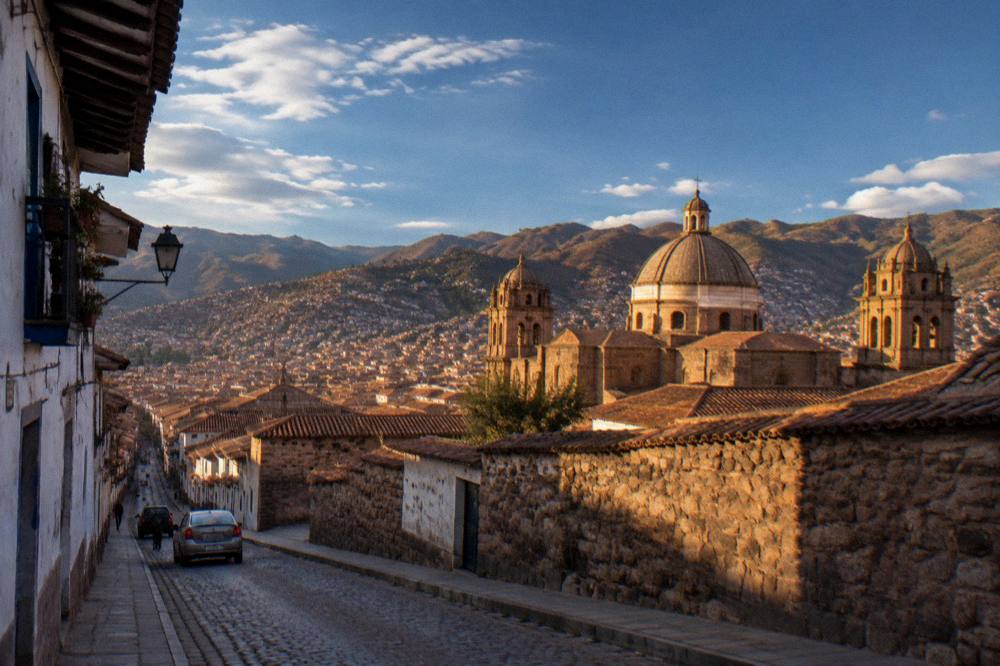
The dry season, roughly May to September, is the clearest time to visit Qorikancha: the WMO and SENAMHI historical normals for the Cuzco station show May to August bringing just 22.8 mm of rain between them, against 508.7 mm from December to March. Mean daily maximums stay between 18.8 and 20.9 C all year, while June and July nights drop to around freezing, with frost common.
Cusco sits in the Southern Hemisphere at high altitude, so the seasons run opposite to Europe and North America. June to August is winter: dry, clear in the daytime and cold at night, with frost common in June and July. December to March is the wet core of the year, carrying 71.9 percent of the annual 707.8 mm of rain at the Cuzco station. An indoor-heavy site like Qorikancha, with church cloisters and a museum around the walls, holds up in rain better than an exposed hillside, but the dry months give the more reliable visiting weather.
| Month | Mean max C | Mean min C | Rain mm |
|---|---|---|---|
| Jan | 18.9 | 6.6 | 145.3 |
| Feb | 18.8 | 6.5 | 133.7 |
| Mar | 19.1 | 6.2 | 107.0 |
| Apr | 19.7 | 4.9 | 43.2 |
| May | 19.8 | 2.5 | 8.7 |
| Jun | 19.5 | 0.3 | 1.5 |
| Jul | 19.1 | 0.1 | 4.0 |
| Aug | 19.8 | 1.6 | 8.6 |
| Sep | 19.8 | 3.9 | 21.8 |
| Oct | 20.9 | 5.5 | 39.4 |
| Nov | 20.7 | 6.1 | 71.9 |
| Dec | 19.4 | 6.4 | 122.7 |
The table is a historical normal supplied by SENAMHI to the World Weather Information Service for the Cuzco station, not a forecast, and the record does not state its averaging period. Two features stand out. The daily swing is large in winter: in July the mean minimum is 0.1 C while the mean maximum is 19.1 C, a swing of about 19 C across a day, against 12.3 C in January. And the shoulder months, April, May, September and October, sit between the two extremes with modest rain, which is why the MINCETUR figures show October, not a midwinter month, as the busiest month at Machu Picchu in 2025.
How Does Qorikancha Fit Into A First Day In Cusco?
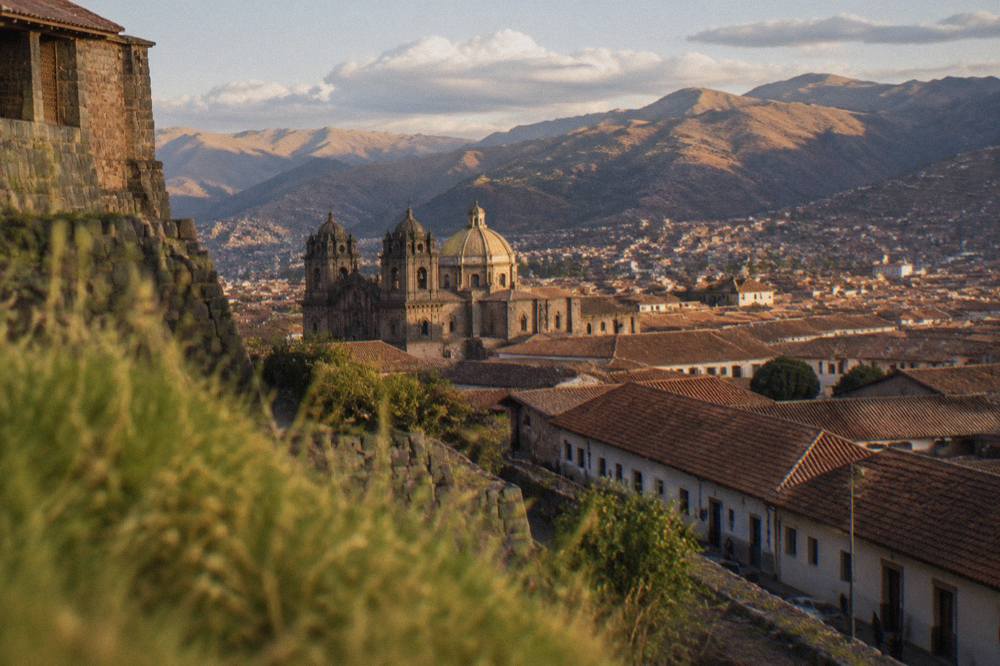
Qorikancha sits in the historic centre of Cusco at about 3,335 m, close to the Plaza de Armas, the Cathedral, San Pedro Market and the twelve-angled stone, which makes it a natural anchor for a first day in the city while the body adjusts to altitude. The CDC Yellow Book names Cusco a rapid-ascent destination and prefers graded ascent, so a low-exertion city day is a sound way to begin.
Most flights into Cusco land at Alejandro Velasco Astete International Airport, which sits at 3,310 m, essentially the same elevation as the city centre; the airport is about 6 km from the Plaza de Armas. Arriving by air is a rapid ascent, and the CDC Yellow Book addresses exactly this situation: it names Cusco, at approximately 3,350 m in its wording, as a high-altitude destination, prefers graded ascent where it is feasible and notes that in cities like Cusco travellers can descend to lower elevations to sleep for a night or two before climbing again. The Yellow Book also advises avoiding alcohol for the first 48 hours at high altitude and treats acetazolamide as a prescription decision to make with a doctor.
| Place | Elevation |
|---|---|
| Plaza de Armas, Cusco | 3,335 m |
| Sacsayhuaman | 3,701 m |
| Moray | 3,385 m |
| Pisac town | 2,972 m |
| Urubamba town | 2,870 m |
| Ollantaytambo town | 2,792 m |
| Machu Picchu citadel | 2,430 m |
| Aguas Calientes, Machu Picchu Pueblo | 2,040 m |
The table explains the standard first-day shape. Qorikancha, the Plaza de Armas, the Cathedral, the San Pedro Market and the twelve-angled stone all sit within the historic centre at city elevation, while Saqsaywaman sits higher on the hill above. The Sacred Valley sites stand lower than Cusco, which is why many itineraries sleep down valley on the first nights. A sensible Qorikancha day keeps everything at centre elevation: the temple in the morning, the Plaza and the Cathedral around it, the market for lunch and the stone wall on Hatunrumiyoc in the afternoon.
For a guided version of that day, the Cusco walking tour with experienced local guides page on this site sets out the details, and you can Check availability on the operator's live listing. The same approach is what Things To Do In Cusco Peru suggests for every first visit: one central anchor site, a slow pace and a decision about the bigger circuits only after a night at altitude.
Once the city day is done, the natural next step is the Sacred Valley, and the half-day option below reaches Moray, the Maras salt mines and the Chinchero weavers in one loop.
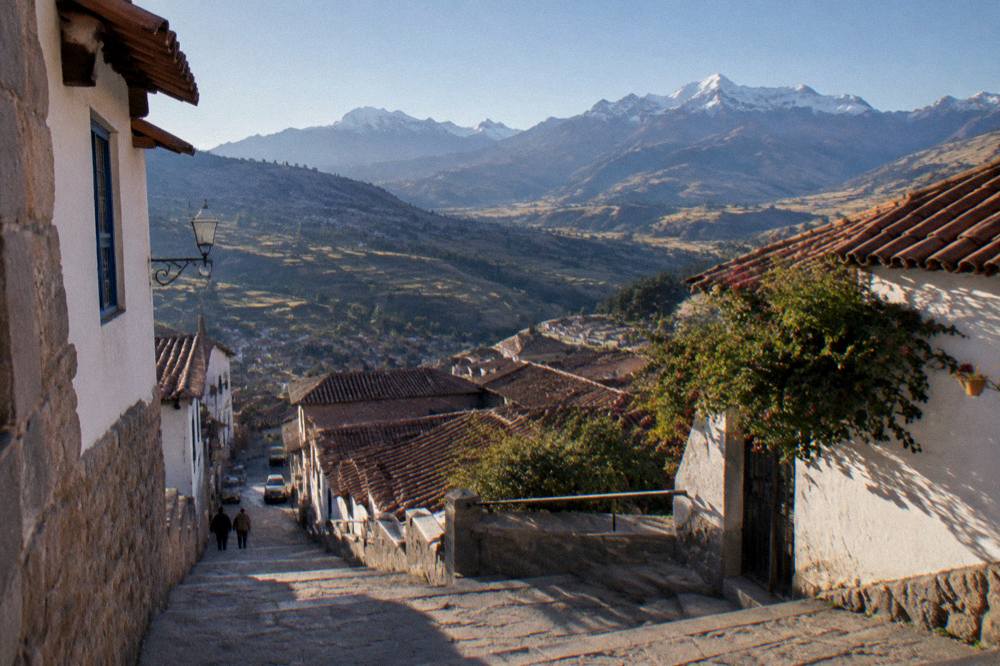
Beyond the valley, the picks below widen the net again: the same historic-centre walking tour, the scenic bus route toward Puno and the classic multi-day Salkantay trek toward Machu Picchu, for travellers whose plans run longer than a city stop.
Common Questions About Qorikancha In Cusco
Qorikancha is the Inca Temple of the Sun in central Cusco, standing beneath the church and convent of Santo Domingo, and it is covered by the S/ 70 Circuit II partial Boleto Turistico or the S/ 130 integral ticket. The temple walls, the colonial church and the Museo de Sitio Qorikancha share one site in the historic centre, a short distance from the Plaza de Armas, and the boleto is sold in person only.
Is Qorikancha The Same As The Church Of Santo Domingo?
They share one plot. Qorikancha is the Inca temple whose walls survive in the lower courses of the site, and the church and convent of Santo Domingo were built directly above those walls. A single visit takes in the Inca masonry, the colonial church and the Museo de Sitio Qorikancha together.
Is Qorikancha Included In The Boleto Turistico?
Yes. COSITUC lists the Museo de Sitio Qorikancha as a Circuit II site, covered by the S/ 70 partial Circuit II ticket, about US$20, valid for 2 days, or by the S/ 130 integral ticket, about US$38, valid for 10 days across all 16 sites. Peru.travel also lists a separate S/ 20 museum entry for the Santo Domingo museum, so confirm at the counter which entry applies.
Can You Buy The Boleto Turistico Online Before You Fly?
No. COSITUC states that the Boleto Turistico is sold in person only, at the Counter Central on Av. El Sol 103, open Monday to Sunday from 07:30 to 18:00, and at most of the included sites. There is no official online sales channel.
How Long Should You Spend At Qorikancha?
No official figure exists for a visit length, and this page states none. The COSITUC FAQ notes only that covering all 16 boleto sites needs a minimum of three days in total. Because the temple walls, the church and the site museum share one continuous complex, visitors can move through at their own pace.
Is Qorikancha Within Walking Distance Of The Plaza de Armas?
Yes. The site stands in the historic centre of Cusco, a short distance from the Plaza de Armas, alongside the Cathedral, San Pedro Market and the twelve-angled stone on Hatunrumiyoc street. The verified sources give no measured walking time between them, so plan on the historic centre being walkable rather than on a fixed number of minutes.