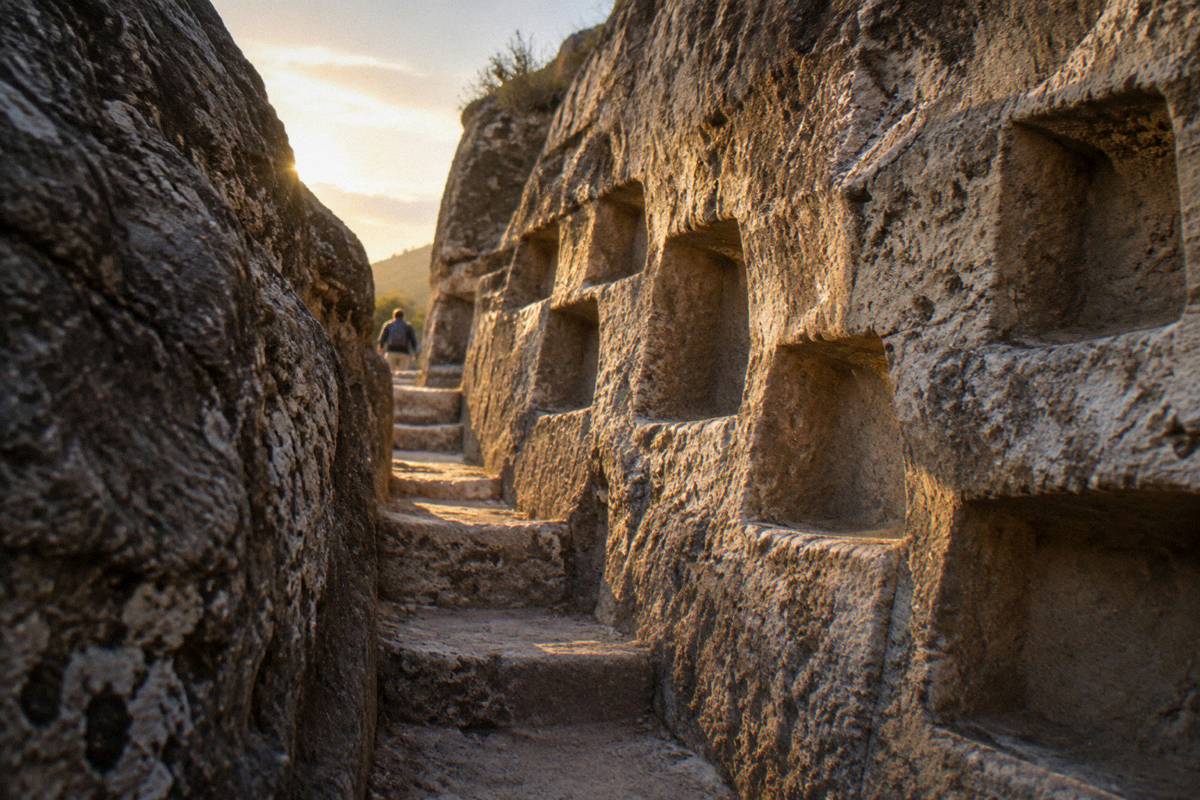
2 Days In Cusco
Two days is the shortest Cusco visit that works with the altitude: a slow first day in the historic centre and a second day either at the ruins above the city or out in the Sacred Valley.
Short answer
Two days covers Cusco's historic centre, San Blas, San Pedro Market and the four Inca sites above the city on Boleto Turistico Circuit I. The Sacred Valley or Machu Picchu each need a day of their own, so plan one full-day excursion and keep day one flat.
Cusco, the former capital of the Inca world in the Andes of southern Peru, answers to two spellings, Cusco and Cuzco, and to one elevation: the Plaza de Armas stands at 3,335 m, the figure PromPeru publishes for the historic centre. UNESCO inscribed the City of Cusco on the World Heritage List in 1983, the same year the Machu Picchu sanctuary entered the list on 9 December 1983, and the centre still runs on Inca stone foundations beneath its colonial churches. Two days is the shortest stay that does the city justice without racing the altitude. What follows is a realistic plan: a slow day one in the historic centre, two workable shapes for day two, the ticket costs, the stay question and whether Machu Picchu belongs in a two-day trip at all.
Is 2 Days In Cusco Enough?
Two days is enough for Cusco's historic centre, San Blas, San Pedro Market and the four Inca sites above the city on the Boleto Turistico's Circuit I, and it is the shortest sensible stay at 3,335 m. The Sacred Valley and Machu Picchu each need a day of their own, so a two-day visit works best as a city trip with one full-day excursion rather than an attempt at everything.
The city itself is compact. The Plaza de Armas, Qorikancha, the twelve-angled stone, San Blas and San Pedro Market all sit inside a walkable band, and the four ruins above the city share a single partial ticket. What two days cannot absorb is the region: the Sacred Valley circuits, the high mountain day trips and Machu Picchu all demand their own daylight. Anyone weighing a third or fourth day can read how many days Cusco really deserves before committing.
Altitude sets the pace more than distance does. The CDC Yellow Book prefers a graded ascent and names Cusco as a rapid-ascent destination, and it puts rates of altitude illness as approaching half in situations where staged acclimatisation is not feasible. That is the argument for keeping the first day flat and saving the uphill ruins for the second morning, after a night of sleep at 3,335 m. The CDC also advises avoiding alcohol for the first 48 hours at high altitude and treats acetazolamide as a prescription decision to make with a doctor.
The Things To Do In Cusco Peru homepage maps the wider region for anyone building a longer route, from the Sacred Valley to the mountain day trips. For this page the scope stays tight: the city and one excursion.
What Should Day One In Cusco Look Like?
Day one should stay low and slow: the Plaza de Armas, the Cathedral, Qorikancha, the twelve-angled stone and the San Blas hill, with San Pedro Market for lunch, all inside a walkable historic centre at 3,335 m. The CDC Yellow Book prefers a graded ascent and names Cusco a rapid-ascent destination, so the first day belongs to flat streets, markets and museums rather than the ruins uphill.
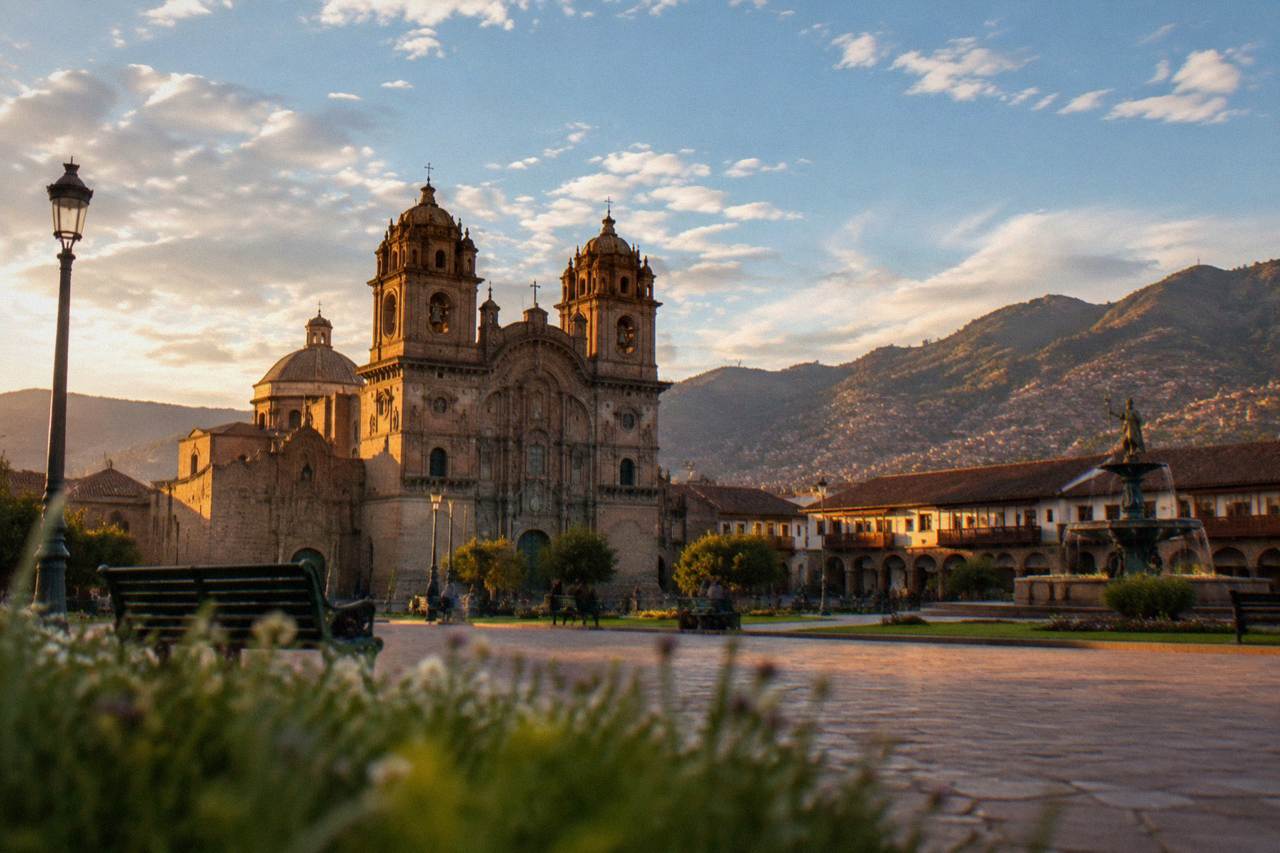
Start at the Plaza de Armas, the city's stage since Inca times; the Plaza de Armas guide walks through what stands around it, including the Cathedral, which is not part of the Boleto Turistico. From there the route runs to Qorikancha, the Inca temple site under the colonial church of Santo Domingo, whose site museum sits on the boleto's Circuit II. A short walk north reaches Hatunrumiyoc street, where a large, finely fitted polygonal stone sits in an Inca wall; it is the city's most photographed single stone, and no measured angle count beyond its familiar name is published.
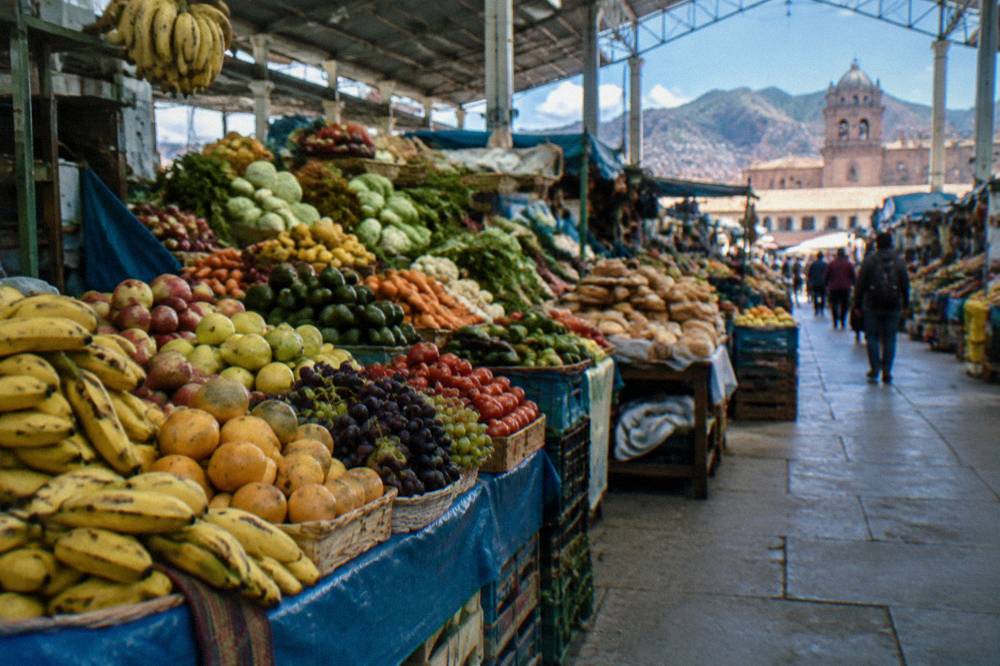
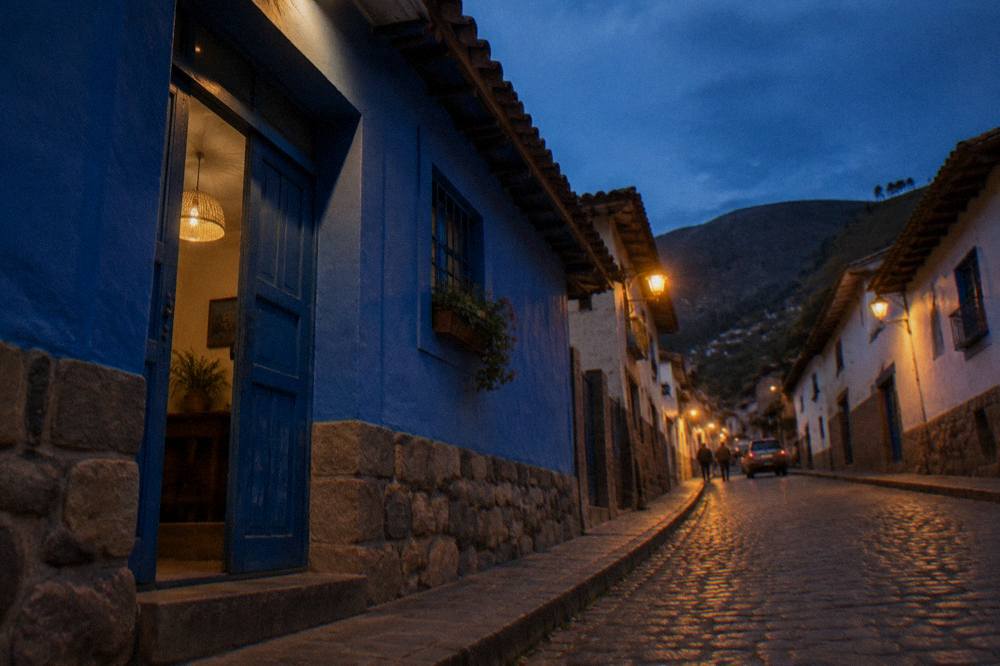
Lunch belongs to San Pedro Market. The San Pedro Market guide covers the stalls, and the on-the-ground prices are modest: a menu del dia runs about S/ 8 to 15, and a cup of coca tea about S/ 2 to 5, both reported ranges rather than tariffs. The afternoon can end in San Blas, the artisans' quarter on the hill above the centre, whose steep lanes are the one real climb of the day. Take it slowly.
| Part of day | Where | What it holds | Ticket |
|---|---|---|---|
| Morning | Plaza de Armas and the Cathedral | The main square, colonial arcades, the Cathedral interior | Cathedral entry is separate from the boleto |
| Morning | Qorikancha | Inca temple foundations under Santo Domingo, site museum | Boleto Circuit II covers the site museum |
| Midday | San Pedro Market | Regional dishes, juices, Andean produce, coca tea | Free entry |
| Afternoon | Hatunrumiyoc street | The twelve-angled stone in its Inca wall | Free to view from the street |
| Late afternoon | San Blas | Artisans' workshops, the hill church, city views | Free to wander |
A guided introduction saves the map work on the first day. The Cusco walking tour with experienced local guides runs through the historic centre's landmarks in a small group, and its card prints the current price, rating and review count from verified listing data. Check availability
The rest of the evening should stay quiet. The CDC's advice on the first 48 hours at altitude is the reason: the body is still adjusting to 3,335 m, and an early night does more for day two than any extra stop on day one. Timings for every stop above vary with crowds and season, so treat the table as an order of sights, not a clock schedule.
What Should Day Two In Cusco Look Like?
Day two has two workable shapes: the four ruins above the city, Sacsayhuaman, Q'enqo, Puka Pukara and Tambomachay, all on the boleto's Circuit I, or a Sacred Valley day trip to Pisac, Ollantaytambo, Chinchero and Moray on Circuit III. The ruins route leaves an afternoon free in the city; the valley route takes the whole day and returns after dark.
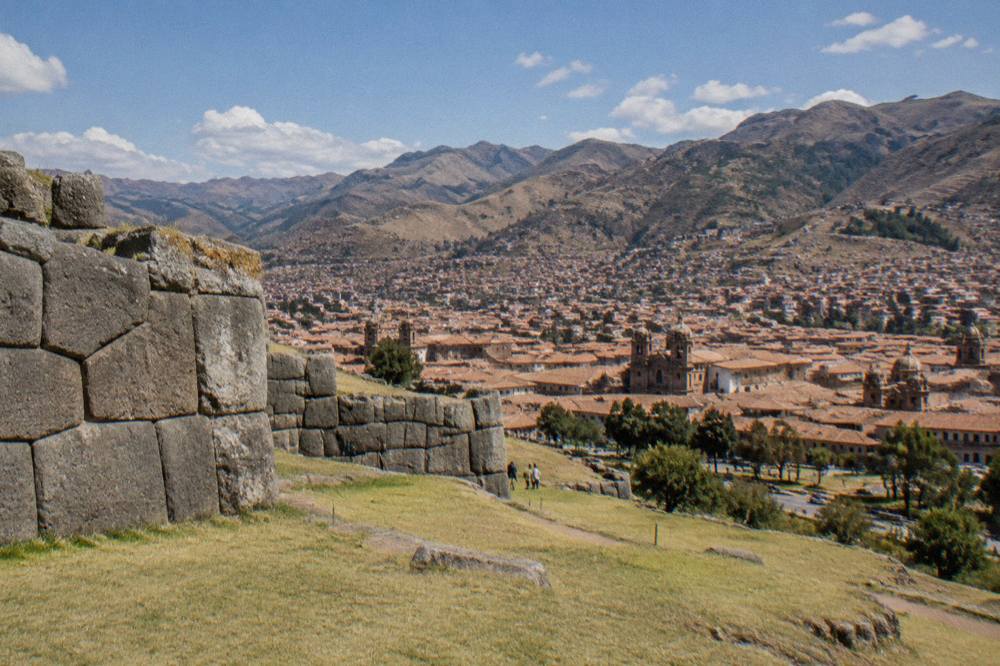
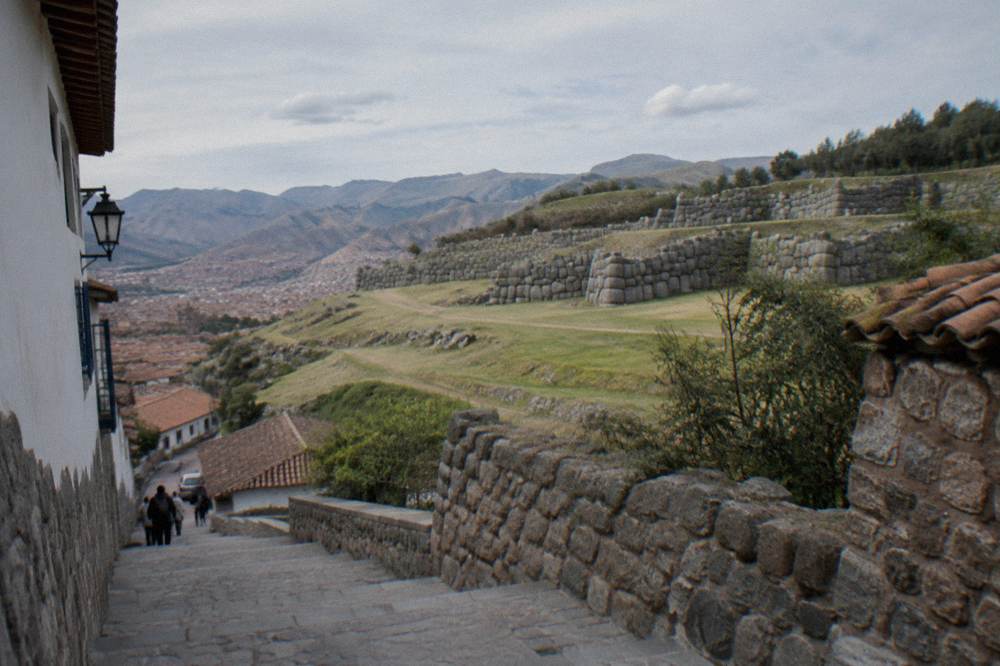
The first shape stays close to home. Sacsayhuaman stands at 3,701 m above the city, and peru.travel lists its hours as 07:00 to 18:00; the Sacsayhuaman guide covers the terraces and the explanada, which counted 944,008 visits in 2025 in the MINCETUR open dataset, second only to Machu Picchu among the region's recorded sites. Q'enqo, Puka Pukara and Tambomachay complete Circuit I, and the partial ticket for that circuit is valid one day. Done in a morning, the route still leaves the afternoon for a museum, a market or a slow second lunch.
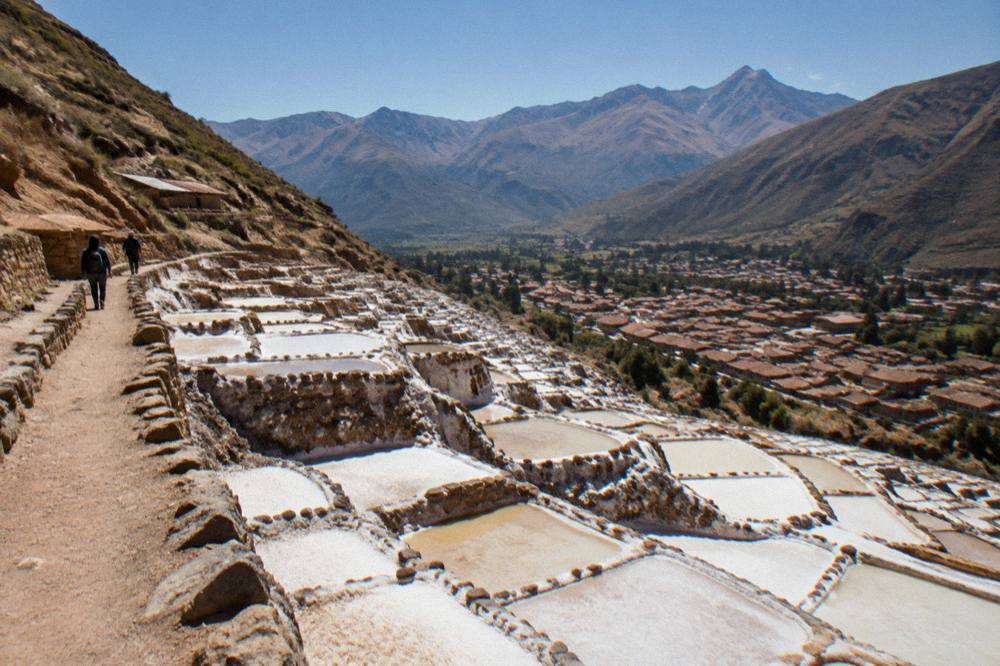
The second shape trades the city for the valley. Circuit III covers Pisac at 2,972 m, Ollantaytambo at 2,792 m, Chinchero and Moray, with a two-day partial ticket. The Maras salt mines sit outside the boleto and charge a community fee reported at S/ 15 to 20 in cash. The valley route also drops in elevation, which some bodies find easier than a second day at city height.
| Day two shape | Sites | Ticket | Character |
|---|---|---|---|
| Ruins above the city | Sacsayhuaman, Q'enqo, Puka Pukara, Tambomachay | Boleto Circuit I, S/ 70, valid 1 day | Half-day loop, afternoon free in the city |
| Sacred Valley day trip | Pisac, Ollantaytambo, Chinchero, Moray, optional Maras salt mines | Boleto Circuit III, S/ 70, valid 2 days, plus S/ 15 to 20 at Maras | Whole-day excursion, lower elevations |
| Quiet-city alternative | Museums on Circuit II, San Blas, markets | Boleto Circuit II, S/ 70, valid 2 days | For bodies still adjusting to 3,335 m |
An organised valley day removes the transport puzzle, since the valley's sites sit along a long corridor with no single rail spine. The Sacred Valley tour from the roster below covers the circuit in a small group, and its card carries the verified price and rating.
Whichever shape day two takes, buy the boleto the day before. COSITUC sells it in person only, at the counter on Av. El Sol 103, daily from 07:30 to 18:00, and at most included sites. There is no online sale, so a morning queue is the alternative to a late-afternoon purchase the previous day.
How Much Does 2 Days In Cusco Cost?
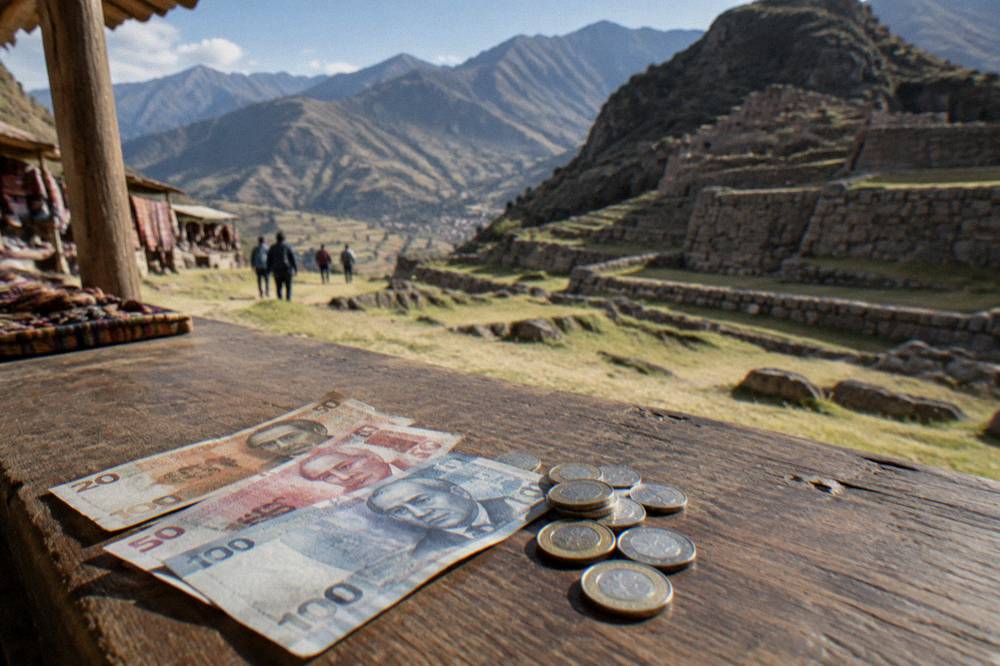
The Boleto Turistico integral ticket costs S/ 130, about US$38, for a foreign adult and covers 16 sites across 10 days; each of the three partial circuits costs S/ 70, about US$20, and lasts 1 to 2 days. Add the Inca Museum at S/ 20 and the MAP at S/ 20, a menu del dia at about S/ 8 to 15 and coca tea at about S/ 2 to 5, and two city days remain a modest-budget trip once tickets are paid.
The boleto is the single biggest line, and the COSITUC tarifario makes the choice simple. For a two-day visit that does the ruins above the city, Circuit I alone at S/ 70 covers it. A plan that pairs the city museums with a valley day needs two partials, which is when the integral at S/ 130 starts to pay for itself, especially since it stays valid 10 days for anyone returning. Children are free to age 9, and ages 10 to 17 pay the student price with ID.
| Ticket | Price, foreign adult | Validity | What it covers |
|---|---|---|---|
| Boleto integral | S/ 130, about US$38 | 10 days | All 16 COSITUC sites |
| Circuit I partial | S/ 70, about US$20 | 1 day | Saqsayhuaman, Q'enqo, Puka Pukara, Tambomachay |
| Circuit II partial | S/ 70, about US$20 | 2 days | Qorikancha site museum, city museums, Tipon, Pikillaqta |
| Circuit III partial | S/ 70, about US$20 | 2 days | Pisac, Ollantaytambo, Chinchero, Moray |
| Foreign student integral | S/ 70 | 10 days | All 16 sites, with student ID |
The sites off the boleto carry their own small prices. Peru.travel lists the Inca Museum at S/ 20 for a foreign adult, the Museo de Arte Precolombino at S/ 20 general and S/ 10 for students, and the Qorikancha museum at S/ 20. Its Cathedral listing shows S/ 25, though that page is dated and the boleto does not cover the Cathedral. These are entry figures from the listings, not promises about queues or hours.
| Item | Reported price | Notes |
|---|---|---|
| Inca Museum, foreign adult | S/ 20 | peru.travel listing |
| Museo de Arte Precolombino | S/ 20 general, S/ 10 students | peru.travel listing |
| Qorikancha museum | S/ 20 | peru.travel listing, 2026 |
| Cusco Cathedral | S/ 25 | peru.travel dated listing, not on the boleto |
| Maras salt mines community fee | S/ 15 to 20 | Operator-reported, cash |
| Menu del dia | About S/ 8 to 15 | Reported range |
| Coca tea | About S/ 2 to 5 | Reported range |
| Airport taxi to the centre | About S/ 15 to 25 | Reported range, 15 to 20 minutes |
Food and ground costs are where a short visit stays cheap. The ranges above are reported on-the-ground prices, not official tariffs, and the airport figure comes with the pack's own caveat: agree the fare before the ride. Product prices, the tours on this page included, render from verified listing data on their cards and are never quoted as fixed promises here.
Can You Fit Machu Picchu Into 2 Days In Cusco?
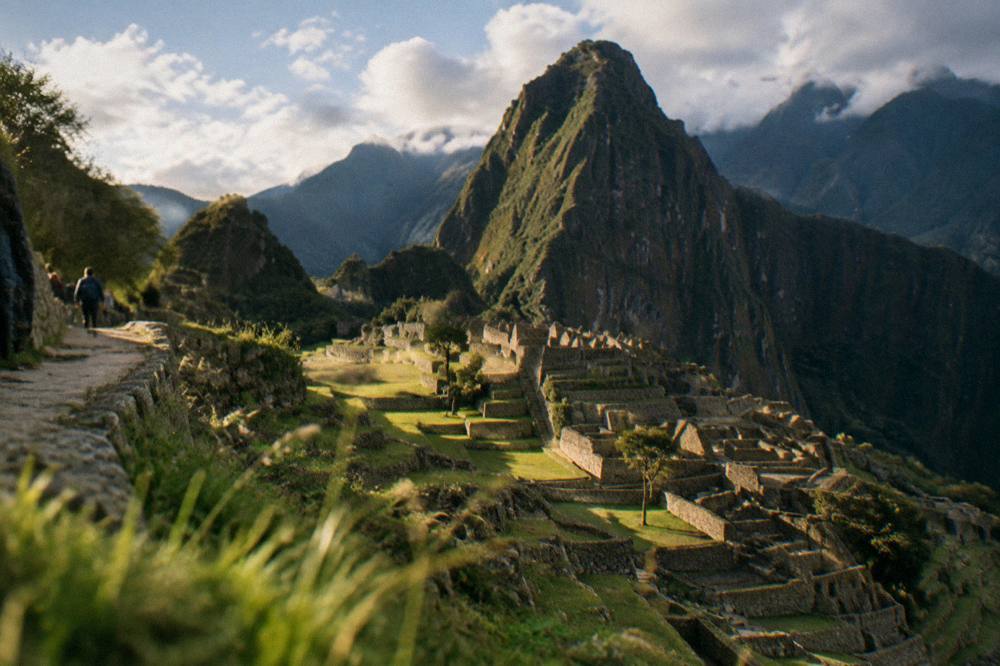
Machu Picchu fits into a two-day Cusco trip only as the whole of day two: the citadel stands at 2,430 m, roughly 900 m below Cusco, and PeruRail's own FAQ gives about four and a half hours from San Pedro station each way. A two-day plan that includes Machu Picchu leaves almost no time for the city itself, so it works only as a fast connect-and-see trip.
If Machu Picchu takes your second day, book a guided Machu Picchu tour here.
The geography is the reason. Cusco at 3,335 m sits higher than the citadel, and the town of Aguas Calientes below the site sits at about 2,040 m. The train is the practical spine of the route: PeruRail's FAQ gives about 3 h 30 from Poroy, about 4 h 30 from San Pedro and about 1 h 45 from Ollantaytambo, and a bimodal bus-plus-train combination via Ollantaytambo is used when the Cusco-side track is out of service. PeruRail resumed Cusco to Ollantaytambo train travel on 1 September 2026 after a disrupted stretch, which is the current state of the line.
Tickets are their own subject, and this site keeps it to the essentials: Machu Picchu sells on the Ministry of Culture's ticket platform or in person at Machu Picchu Pueblo, on timed entry, with three circuits and ten routes since 1 June 2024. Secondary figures put a foreign adult from about S/ 163, about US$48, on standard routes and S/ 211, about US$62, on mountain routes, both including the S/ 11 SERNANP fee; the official platform shows the live price. A guide is recommended, not mandatory, under the current rules, and tickets are nominal: valid only for the stated date, hour, circuit and holder.
| Place | Elevation |
|---|---|
| Sacsayhuaman | 3,701 m |
| Cusco, Plaza de Armas | 3,335 m |
| Pisac | 2,972 m |
| Urubamba | 2,870 m |
| Ollantaytambo | 2,792 m |
| Machu Picchu citadel | 2,430 m |
| Aguas Calientes | About 2,040 m |
For a two-day trip the honest shape is a choice, not a squeeze: either the city gets its two days and Machu Picchu waits for a longer trip, or Machu Picchu takes day two and the city gets one flat day plus a train-day dawn. The site's Machu Picchu day trip guide covers the citadel in full, and the Cusco and Machu Picchu itinerary shows how the pair works across more days. A panoramic-train day product from the roster below bundles the rail journey with Circuit 2 entry.
Where Should You Stay For 2 Days In Cusco?
The historic centre is the practical base for a two-day visit: it puts the Plaza de Armas, Qorikancha, San Blas and San Pedro Market within walking distance and keeps the altitude-sensitive first day flat. San Blas sits slightly higher and quieter. The Sacred Valley bases of Urubamba at 2,870 m and Ollantaytambo at 2,792 m sit lower still, which suits a valley-first plan.
For a city-focused two days, the centre wins on geometry alone. Every day-one stop in the plan above is a walk from a central bed, and the Av. El Sol boleto counter sits on the walkable edge of the same district. San Blas trades a climb for calm and craft workshops, and its lanes sit above the centre, which is worth weighing on an altitude-sensitive first night.
The valley bases invert the trip. Sleeping at 2,870 m in Urubamba or 2,792 m in Ollantaytambo puts the body lower than Cusco, which is the logic behind a valley-first plan that ends in the city rather than starting there. The trade is that the day-one city stops become a commute, and the boleto counter is farther from the bed.
| Base | Elevation | Best for |
|---|---|---|
| Cusco historic centre | 3,335 m | A city-first two days, everything walkable |
| Pisac | 2,972 m | A valley-first plan built around the market and ruins |
| Urubamba | 2,870 m | A lower base for valley circuits |
| Ollantaytambo | 2,792 m | Train access toward Machu Picchu plus valley sites |
A two-day visit rarely justifies changing hotels, so the choice of base is really a choice of itinerary shape. Anyone extending into the valley can follow a two-day Sacred Valley itinerary as the next block of a longer trip.
When Is The Best Time For A 2-Day Cusco Trip?
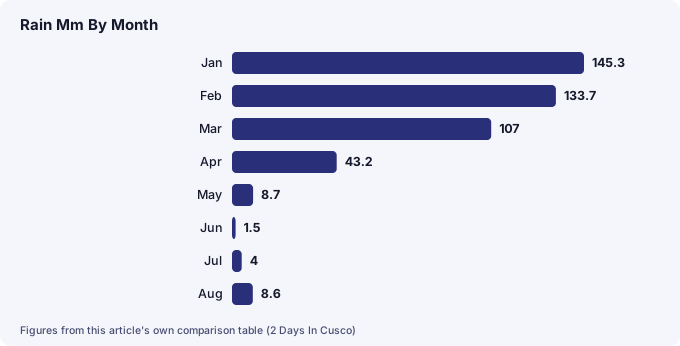
The dry season, roughly May to September, gives a short visit its best odds: the WMO and SENAMHI historical normal for the Cuzco station shows 1.5 to 8.6 mm of rain across June, July and August, against 145.3 mm in January. Nights are cold then, with a July mean minimum of 0.1 C and frost common in June and July, so layers matter more than an umbrella.
The seasons run opposite to Europe and North America, and the numbers behind that are worth knowing before packing. December to March carries 71.9 percent of the year's 707.8 mm of rain at the Cuzco station, while May to August together bring just 22.8 mm. June to August is winter here: dry, clear by day, cold at night, with frost in June and July. Mean daily maxima stay between 18.8 and 20.9 C all year, so the daytime story barely changes; the night story and the rain story do the swinging.
| Month | Mean max C | Mean min C | Rain mm |
|---|---|---|---|
| Jan | 18.9 | 6.6 | 145.3 |
| Feb | 18.8 | 6.5 | 133.7 |
| Mar | 19.1 | 6.2 | 107.0 |
| Apr | 19.7 | 4.9 | 43.2 |
| May | 19.8 | 2.5 | 8.7 |
| Jun | 19.5 | 0.3 | 1.5 |
| Jul | 19.1 | 0.1 | 4.0 |
| Aug | 19.8 | 1.6 | 8.6 |
| Sep | 19.8 | 3.9 | 21.8 |
| Oct | 20.9 | 5.5 | 39.4 |
| Nov | 20.7 | 6.1 | 71.9 |
| Dec | 19.4 | 6.4 | 122.7 |
The table is a historical normal supplied by SENAMHI to the World Weather Information Service under the station name Cuzco, not a forecast, and the monthly visitor figures on the home page show what those months mean for crowds. In 2025 October drew 154,105 visitors to Machu Picchu against February's 79,806 in the MINCETUR dataset, a pattern a short Cusco visit inherits at street level.
A two-day trip gains more from a dry window than a longer one does, simply because there is no spare day to absorb a washout. May and September sit at the edges of the dry season with slightly warmer nights than midwinter, and the shoulder months carry a fraction of the wet-season rain. Whenever the trip lands, the packing answer is the same: layers for a night that can fall to near freezing and a jacket for a day that will likely reach the high teens.
Common Questions About 2 Days In Cusco
Is 2 days in Cusco enough?
Yes, for the city itself. Two days covers the historic centre, San Blas, San Pedro Market and the four Inca sites above the city on Boleto Turistico Circuit I, at a pace the altitude allows. The Sacred Valley and Machu Picchu each need a day of their own beyond that.
What is the best 2-day Cusco itinerary?
Day one low and slow in the historic centre: the Plaza de Armas, the Cathedral, Qorikancha, the twelve-angled stone and San Blas, with lunch at San Pedro Market. Day two either at Sacsayhuaman, Q'enqo, Puka Pukara and Tambomachay on Circuit I, or on a Sacred Valley day trip to Pisac, Ollantaytambo, Chinchero and Moray on Circuit III.
Do I need the Boleto Turistico for 2 days in Cusco?
Yes for the ruins and most museums. The integral ticket is S/ 130 for a foreign adult and covers 16 sites over 10 days; each partial circuit is S/ 70. COSITUC sells it in person only, at Av. El Sol 103 daily from 07:30 to 18:00 and at most included sites, and there is no online sale.
Can you do Machu Picchu in 2 days from Cusco?
It is possible but it consumes the whole of day two. The train from San Pedro takes about four and a half hours each way per PeruRail's FAQ, and the citadel sits roughly 900 m below Cusco, so the day is a dawn-to-dark rail excursion. A plan with three days or more does the pair more comfortably.
How do I handle altitude on a short Cusco trip?
Keep day one flat. The CDC Yellow Book prefers a graded ascent, names Cusco a rapid-ascent destination and advises avoiding alcohol for the first 48 hours at high altitude. Acetazolamide is a prescription decision to make with a doctor before the trip, not something to arrange on arrival.
What should I not miss in Cusco in 2 days?
The Plaza de Armas, Qorikancha, the twelve-angled stone, San Pedro Market, San Blas and Sacsayhuaman. That list is exactly the shape of the two-day plan above, and every stop on it is either free to view, covered by the boleto or priced in the single soles.