How Long Does It Take To Acclimate To Altitude In Cusco?
How long acclimatisation to Cusco's 3,335 m altitude takes, what the CDC advises, and which activities fit the first days, in plain reported terms.
Cusco, the historic city in the Andes of southern Peru, sits with its Plaza de Armas at 3,335 m, an elevation at which the CDC Yellow Book names the city outright as a rapid-ascent destination. The question travellers ask most is how many days the body needs before the city, the Sacred Valley and Machu Picchu feel comfortable. The short reporting answer is that no official source publishes a fixed day count for acclimatisation, and the CDC instead gives ascent rules, medication guidance and a warning about symptoms that warrant a doctor. What follows sets out those rules exactly as the CDC states them, maps the elevations around Cusco that matter for pacing a trip, and suggests which activities fit the first days at altitude.
How Long Does It Take To Acclimate To Altitude In Cusco?
No official body publishes a fixed number of days that acclimatisation to Cusco takes, and any page quoting one day count for every traveller is inventing it. The CDC Yellow Book gives rules instead: avoid ascending from low altitude to a sleeping altitude of 2,750 m or more in a single day, and once above 3,000 m, raise sleeping altitude by no more than 500 m per night with an extra night for every 1,000 m gained. Bodies differ, and symptoms warrant a doctor.
Cusco sits above the 3,000 m threshold in that rule, which is exactly why the CDC names it as a place where travellers arrive by air into high altitude without staged acclimatisation. The Yellow Book's practical line for such situations is that rates of altitude illness approach 50 percent where gradual or staged acclimatisation is not feasible, and that a low threshold for chemoprophylaxis is advised in those cases. That figure describes abrupt-ascent situations, not every visitor to the city.
The CDC also notes something specific to Cusco: in some cases travellers can descend to elevations lower than the airport to sleep for one or two nights and then begin their ascent, which may remove the need for medication. That is the reasoning behind the common advice to sleep a night in the Sacred Valley, where towns sit lower than the city, before taking on Cusco itself. The acclimatisation day itinerary on this site is built around that idea.
For the medication question, acetazolamide is a prescription decision with a doctor; the Yellow Book lists 125 mg twice daily as prophylaxis, or 250 mg twice daily for travellers over 100 kg. The CDC's Peru travel notice, at Level 1, adds only that Machu Picchu is at high altitude and that travellers should talk to a doctor. The altitude pills page covers that discussion in detail, and the how likely is altitude sickness page reports the incidence figures the CDC actually publishes.
What Do The Elevations Around Cusco Mean For Pacing A Trip?
Cusco's Plaza de Armas is at 3,335 m, and the land around it steps down and up in ways that matter for pacing. The Sacred Valley towns of Pisac at 2,972 m, Urubamba at 2,870 m and Ollantaytambo at 2,792 m all sit lower than the city, while Sacsayhuaman above it sits higher at 3,701 m. Machu Picchu's citadel is lower still at 2,430 m, roughly 900 m below Cusco.
The pattern is the opposite of what many first-time visitors assume: the famous citadel is not the highest point of a Peru trip, the arrival city is. The town of Aguas Calientes below Machu Picchu sits at about 2,040 m, lower again. A trip that starts in Cusco and moves down into the Sacred Valley follows the CDC's graded-ascent logic in reverse, letting the body consolidate at lower sleeping elevations before any big hiking day.
| Place | Elevation | Relative to Cusco |
|---|---|---|
| Sacsayhuaman | 3,701 m | Higher |
| Cusco Plaza de Armas | 3,335 m | Reference point |
| Moray | 3,385 m | Slightly higher |
| Maras | 3,300 m | Slightly lower |
| Pisac town | 2,972 m | Lower |
| Urubamba | 2,870 m | Lower |
| Ollantaytambo | 2,792 m | Lower |
| Machu Picchu citadel | 2,430 m | Roughly 900 m lower |
| Aguas Calientes town | About 2,040 m | Much lower |
Above the city the day-trip destinations climb steeply. Humantay Lake is at about 4,200 m, the Palccoyo viewpoint at 4,900 m and Rainbow Mountain, Vinicunca, at about 5,000 m. None of those is a first-day outing under the CDC's logic, and tour operators running them start before dawn from the city, which means sleeping at 3,335 m and walking far above it the same day. The Cusco altitude guide on this site goes deeper into each elevation, and the comparison between the city and the citadel is settled on the is Cusco higher than Machu Picchu page.
Which Cusco Activities Suit The First Days At Altitude?
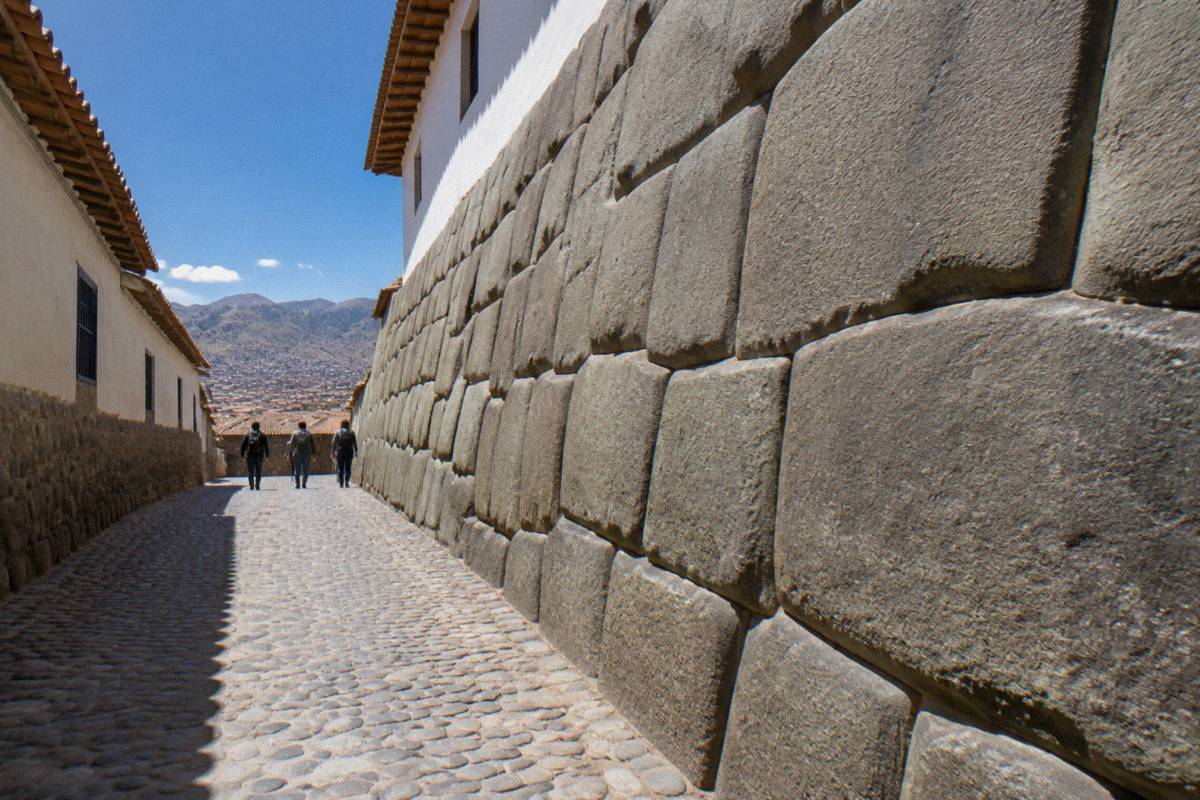
The activities that suit the first days in Cusco are the flat, low-effort ones in the historic centre: the Plaza de Armas, the San Pedro market, the twelve-angled stone on Hatunrumiyoc street, and museums such as the Inca Museum and the pre-Columbian art museum. Steep climbs like the walk up to Sacsayhuaman at 3,701 m, and any day trip to the high destinations such as Rainbow Mountain or Humantay, belong later in the trip.
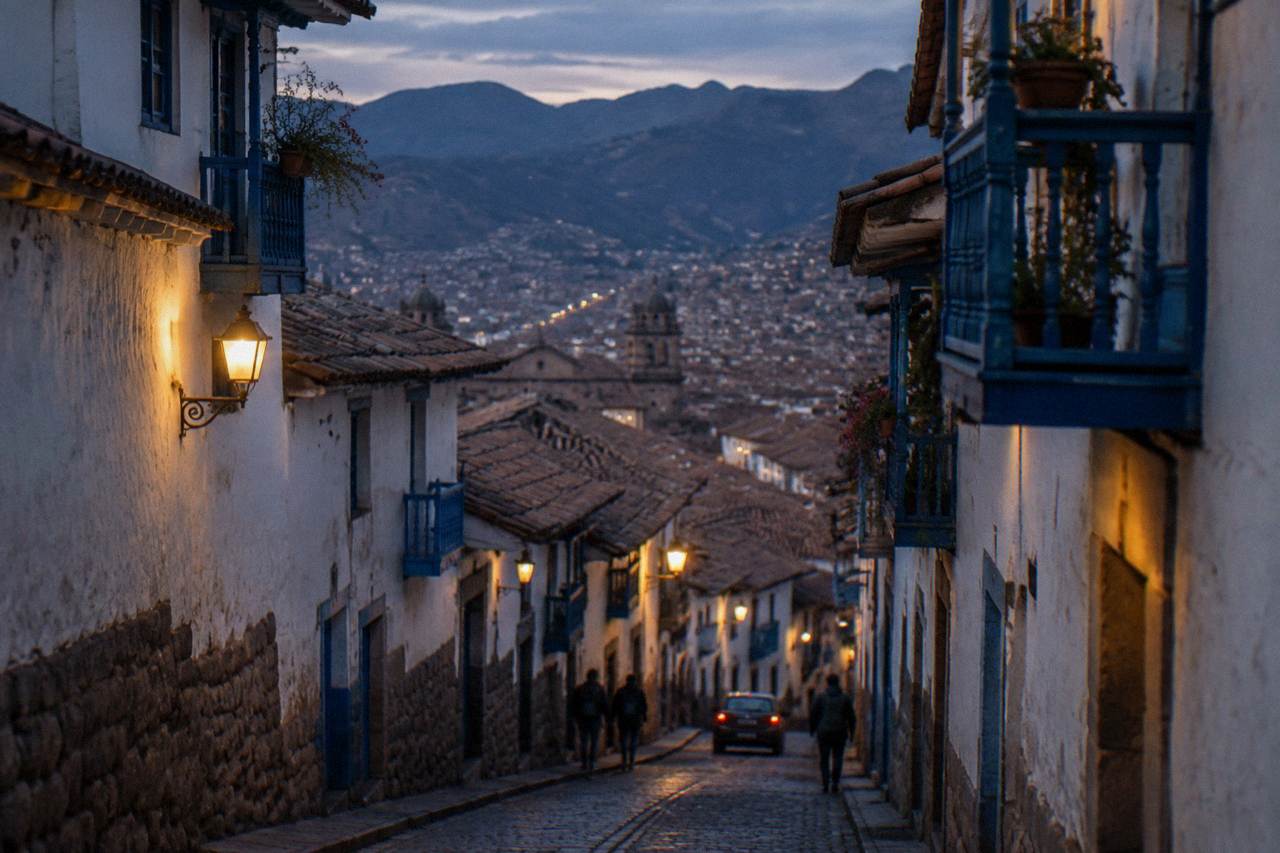
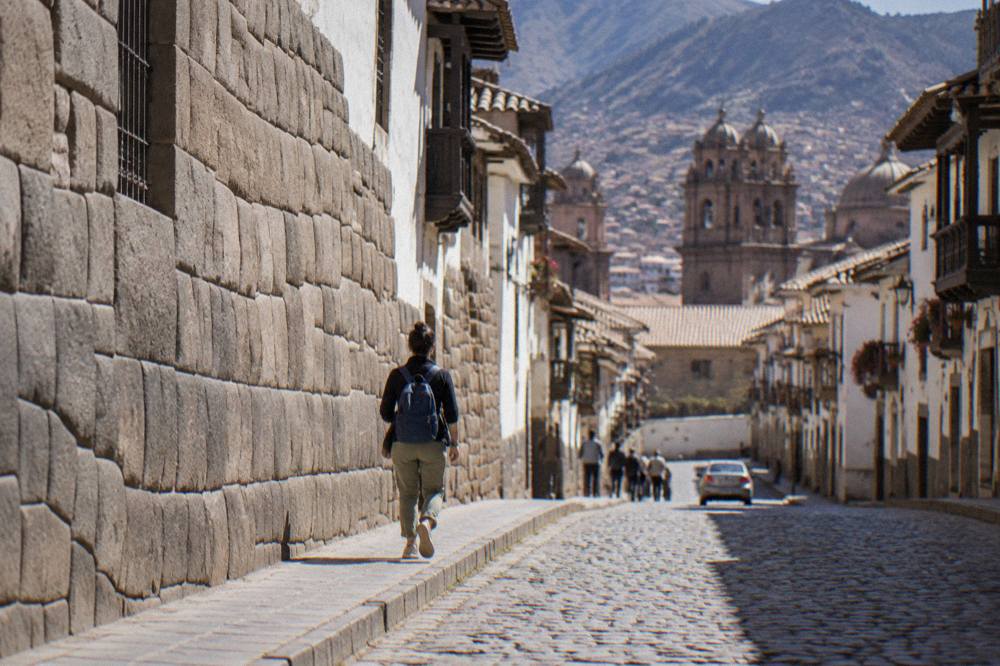
The city's own geography makes this pacing easy to follow. The historic centre is compact and walkable, with the Plaza de Armas as the natural hub, and the Things To Do In Cusco Peru home page lists the central sights in order of how little climbing they demand. A chocolate workshop, a cooking class or a food walk through the San Pedro market keeps the effort low while the body adjusts, and the evening Planetarium Cusco show is a seated activity that ends the day without exertion.
Once the first easy days are done, the graded options open up in order of elevation. The quad bike route to Moray and the Maras salt mines runs through terrain at about the city's own level, at 3,385 m and 3,300 m, and the machine does the climbing. A full-day mountain excursion such as the Pallay Punchu hike, with meals included, is a guided step up in effort. The very high destinations, Rainbow Mountain at about 5,000 m and Humantay at about 4,200 m, are best saved for the back end of a week, after several nights of sleep at altitude.
The CDC's practical advice for the first 48 hours at high altitude is to avoid alcohol, and its broader warning is that symptoms warrant medical attention rather than pushing through. The what to avoid in Cusco page lists the first-day mistakes that compound altitude effects, from over-scheduling to drinking at the welcome dinner.
Does Sleeping Lower In The Sacred Valley Speed Up Acclimatisation?
Yes, in the specific sense the CDC describes: the Yellow Book states that travellers to places like Cusco can descend to elevations lower than the airport to sleep for one or two nights and then begin their ascent, which may remove the need for medication. Ollantaytambo at 2,792 m and Urubamba at 2,870 m are both lower than the city, so a night in the valley is a staged ascent in practice.
This is one of the few altitude questions with a direct, sourced answer, and it comes from the CDC's own Cusco example rather than from folklore. The trade-off is logistical rather than medical: the train to Machu Picchu leaves from the Ollantaytambo area, and the stay in Cusco or the Sacred Valley page weighs the two bases against each other. Travellers who fly in, descend to the valley the same day, sleep one or two nights there, and then return to the city have followed the graded-ascent rule as closely as the region's geography allows.
The reverse order, flying straight into Cusco and sleeping at 3,335 m the first night, is what the CDC describes as a rapid ascent. It is not forbidden, and plenty of itineraries do it, but it is the situation the Yellow Book flags for its highest incidence figures and its lowest threshold for considering prophylaxis. Anyone weighing that choice should read the altitude worse in Cusco or Machu Picchu page, which reports how the two elevations compare for symptoms.
What Should Count As A Warning Sign During Acclimatisation?
The CDC's guidance is that altitude illness is a possibility at Cusco's elevation and that symptoms warrant a doctor rather than determination. The Yellow Book advises a low threshold for seeking chemoprophylaxis in abrupt-ascent situations, and the CDC's Peru notice, at Level 1, tells travellers to talk to a doctor before visiting high-altitude destinations. No source in this site's research publishes a symptom checklist tied to day counts.
What the sources do support is that the body's response varies, that the first 48 hours carry the CDC's alcohol warning, and that descending to a lower sleeping elevation is the region's own built-in remedy, available by simply taking a bus down the valley. The UK foreign office's Peru advice adds a general safety note for Cusco as a major city: street crime is a significant problem, and walking alone in quiet areas at night is best avoided, a point that matters for anyone whose evening plans assume full energy on night one.
For the medication question the reporting is straightforward: acetazolamide is a prescription decision with a doctor, dosed per the Yellow Book's figures, and it speeds acclimatisation when abrupt ascent is unavoidable. Coca tea appears throughout the city at a reported S/ 2 to 5 a cup, but no sourced figure exists for how much it helps, so this page stays silent on that and lets the Cusco costs guide handle the price of everything else.
Common Questions About Acclimatising In Cusco
How long does it take to acclimate to altitude in Cusco?
No official source publishes a fixed day count. The CDC Yellow Book gives ascent rules instead: avoid sleeping above 2,750 m on day one from low altitude, and above 3,000 m raise sleeping altitude by no more than 500 m a night, with an extra night for every 1,000 m gained. Bodies differ, and symptoms warrant a doctor.
Is Cusco higher than Machu Picchu?
Yes. Cusco's Plaza de Armas is at 3,335 m and the Machu Picchu citadel is at 2,430 m, roughly 900 m lower. The town of Aguas Calientes below the citadel is lower still, at about 2,040 m.
Should I sleep in the Sacred Valley first?
The CDC Yellow Book states that travellers to places like Cusco can descend to elevations lower than the airport to sleep for one or two nights and then begin their ascent, which may remove the need for medication. Ollantaytambo at 2,792 m and Urubamba at 2,870 m are both lower than the city, so a valley-first route follows that advice.
Does the CDC recommend pills for Cusco?
The CDC Yellow Book advises a low threshold for chemoprophylaxis in abrupt-ascent situations, where rates of altitude illness approach 50 percent. Acetazolamide is a prescription decision with a doctor; the Yellow Book lists 125 mg twice daily, or 250 mg twice daily for travellers over 100 kg.
Which day trips are safe early in a Cusco trip?
Lower-effort options first: the historic centre, the markets and the museums, then the Sacred Valley towns, all of which sit at or below the city's elevation. Rainbow Mountain at about 5,000 m, Humantay at about 4,200 m and Palccoyo at 4,900 m are the highest outings and fit best after several nights of acclimatisation.
Does coca tea help with the altitude?
No sourced figure exists for how much coca tea helps, so this site reports nothing on its effect. The CDC's own advice for the first 48 hours at high altitude is to avoid alcohol, and its broader line is that symptoms warrant a doctor.
The honest summary is that the day count is personal, the ascent rules are not. Fly in, sleep low where the itinerary allows, keep the first 48 hours gentle, and give the highest hikes the back half of the week.