How Likely Is It To Get Altitude Sickness In Cusco?
The CDC Yellow Book names Cusco a rapid-ascent destination at about 3,350 m. Here is what its guidance says about the odds, the graded ascent and the day trips that climb highest.
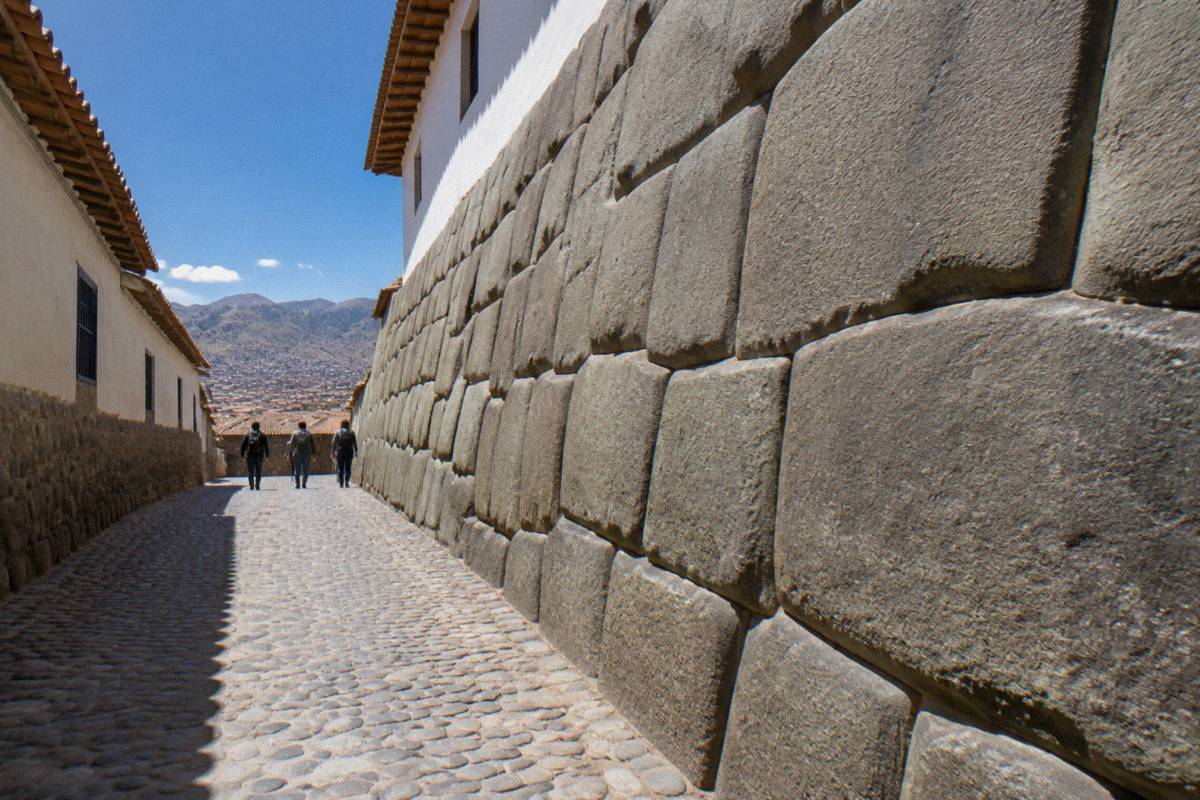
Cusco, the old Inca capital high in the Andes of southern Peru, comes with a number attached: the Plaza de Armas stands at 3,335 m above sea level, and the CDC Yellow Book lists the city by name as a rapid-ascent destination at approximately 3,350 m. The flight in from Lima covers the climb from near sea level in about 1 hour 15. That single fact shapes what to do on the first days, which day trips belong later in a stay and where the real risk concentrates. This page reports what the official guidance states, the same approach the Things To Do In Cusco Peru site takes across its Cusco coverage.
How Likely Is It To Get Altitude Sickness In Cusco?
The CDC Yellow Book names Cusco, at approximately 3,350 m, as a rapid-ascent destination, and it puts rates of altitude illness at approaching 50 percent in exactly those situations, where a staged ascent is not feasible. No figure exists for a typical visitor's odds, because likelihood swings with ascent profile, prior acclimatisation and individual physiology. The risk is real, common and largely manageable.
The CDC's own wording deserves care. Its Yellow Book says that with rates of altitude illness approaching 50 percent in these situations, a low threshold for chemoprophylaxis is advised, and it defines those situations as abrupt ascent by air or road to high altitude where gradual or staged acclimatisation is not feasible. Landing at Cusco's airport at 3,310 m after a morning at sea level in Lima is precisely that profile. The same page stops short of a personal probability, and for good reason: time previously spent at altitude, the speed of arrival and individual physiology all move the answer.
What the sources do support is a shape rather than a number. The risk concentrates in the first day or two after an abrupt arrival, it falls as the body settles, and it climbs again whenever the itinerary jumps upward, which in this region means the high day trips rather than the city itself. For the comparison trekkers care about, whether Cusco or Machu Picchu is worse, the city is the higher of the two, and that page works through the detail.
Why Flying Into Cusco Counts As A Rapid Ascent
The flight from Lima to Cusco takes about 1 hour 15 and lands at Alejandro Velasco Astete airport, 3,310 m above sea level, after a departure from near sea level. The CDC Yellow Book advises against going from low altitude to a sleeping altitude of 2,750 m or more in a single day. Cusco's Plaza de Armas, at 3,335 m, clears that threshold.
The overland alternative does not dodge the definition. A bus from Lima to Cusco runs about 21 to 26 hours, longer on paper but not automatically gentler, because the Yellow Book's warning covers abrupt ascent by road as well as by air. The variable that matters is where a traveller sleeps on the first night, and Cusco's hotels sit above the CDC's 2,750 m single-day ceiling.
The city itself is not the ceiling of the region, either. The elevation ladder below shows why the itinerary, not the arrival, decides how much altitude a Cusco trip really contains: the Sacred Valley towns and Machu Picchu sit below the city, while the famous day-trip passes sit far above it.
| Place | Elevation | Relative To Cusco's Plaza De Armas (3,335 m) |
|---|---|---|
| Plaza de Armas, Cusco | 3,335 m | The city's reference point |
| Alejandro Velasco Astete airport | 3,310 m | A touch below the square |
| Sacsayhuaman | 3,701 m | Just above the city |
| Pisac town | 2,972 m | Lower, in the Sacred Valley |
| Urubamba | 2,870 m | Lower, in the Sacred Valley |
| Ollantaytambo | 2,792 m | Lower, in the Sacred Valley |
| Machu Picchu citadel | 2,430 m | Roughly 900 m below Cusco |
| Aguas Calientes town | about 2,040 m | The lowest point on the classic route |
| Humantay Lake | about 4,200 m | Well above the city |
| Palccoyo viewpoint | 4,900 m | High-pass territory |
| Rainbow Mountain (Vinicunca) | about 5,000 m | The highest ordinary day trip |
Read as a whole, the table explains the region's rhythm. The city days sit at the top of the comfortable band, the valley and Machu Picchu drop below it, and the coloured mountains push toward 5,000 m. Trips that respect that order, city first, valley next, passes last, line up with the CDC's graded-ascent logic without any special effort. The selection below spans one high pass, one gentle city workshop and one low-key valley run, three ways to build that order into a booking.
How To Lower The Odds Before Arriving In Cusco
The CDC Yellow Book's preferred fix is a graded ascent: once above 3,000 m, raise the sleeping altitude by no more than 500 m per night and add an extra night for every 1,000 m gained. For Cusco it also suggests sleeping lower first, and it names acetazolamide as a prescription decision to make with a doctor, at 125 mg twice daily, or 250 mg twice daily over 100 kg.
The sleep-lower workaround is unusually practical here, and the Yellow Book spells it out for this exact city: in some cases, travellers can descend to elevations lower than the airport to sleep for one or two nights and then begin their ascent. In this region that means the Sacred Valley, where Ollantaytambo sits at 2,792 m and Urubamba at 2,870 m, both below the city and both on the rail line toward Machu Picchu. The choice between staying in Cusco or the Sacred Valley first is partly an altitude decision, and the valley-first plan matches the CDC's arithmetic almost by accident of geography.
Medication is the other lever, and the guidance is firm about who holds it. Acetazolamide is a prescription decision with a doctor, taken to speed acclimatisation when an abrupt ascent cannot be avoided, which a flight into Cusco usually is. The site's pages on altitude pills for Cusco and on how long acclimatisation takes carry the detail, and the fuller Cusco altitude guide collects the whole picture in one place.
| Question | What The CDC Yellow Book Says |
|---|---|
| Sleeping altitude jump | Avoid going from low altitude to a sleeping altitude of 2,750 m or more in a single day |
| Above 3,000 m | Move sleeping altitude by no more than 500 m per night, with an extra night for every 1,000 m gained |
| Cusco | Named a rapid-ascent destination at approximately 3,350 m |
| Prevention medication | Acetazolamide 125 mg twice daily, or 250 mg twice daily for people over 100 kg, as a prescription decision with a doctor |
| Treatment dose | Acetazolamide 250 mg twice daily |
| First days at altitude | Avoid alcohol for the first 48 hours |
| The Cusco workaround | Descend to an elevation lower than the airport, sleep there one or two nights, then begin the ascent |
Two small habits round out the CDC's practical advice. Alcohol is worth avoiding for the first 48 hours at altitude, per the Yellow Book, which lands on the first two nights in Cusco for anyone flying in. And the ascent rules reward patience in the itinerary itself: a slow first stretch in the city or the valley buys the acclimatisation that the high passes will later demand.
Which Day Trips From Cusco Climb The Highest
The hardest ordinary day trips from Cusco climb far above the city: Rainbow Mountain sits at about 5,000 m, the Palccoyo viewpoint at 4,900 m and Humantay Lake at about 4,200 m, against a city base of 3,335 m. Sacsayhuaman, by contrast, sits just above the city at 3,701 m. The CDC's graded-ascent logic puts the high passes in a different risk class from anything in the city.
The numbers deserve a plain reading. Rainbow Mountain, also called Vinicunca, reaches about 5,000 m, and the community entry fee for foreigners runs S/ 25 to S/ 30 depending on the route, paid in cash at the trailhead. Palccoyo's viewpoint stands at 4,900 m with a reported fee of about S/ 20. Humantay Lake sits at about 4,200 m, and its entry fee is reported anywhere from S/ 10 to S/ 20, with sources disagreeing. Sacsayhuaman, the nearest of the big Inca sites and part of the Boleto Turistico's Circuit I, barely leaves the city's own altitude band.
One way to handle the highest of these is the premium guided trip to Rainbow Mountain and the Red Valley with meals included, where the operator's listing describes early access and a pace set for the group: Check availability.
Sequencing is the part no ticket can do for a visitor. The CDC's rule of no more than 500 m of sleeping-altitude gain per night above 3,000 m explains, in plain arithmetic, why the passes belong at the end of a Cusco stay rather than the start, and why the city and the valley make kind opening acts. The page on whether Humantay or Rainbow Mountain is harder compares the two highest options side by side.
When Altitude Symptoms In Cusco Warrant A Doctor
The CDC's Peru travel notice states that Machu Picchu sits at high altitude and advises talking to a doctor. The Yellow Book names Cusco a rapid-ascent destination, prefers a graded ascent, and lists acetazolamide both to speed acclimatisation, at 125 mg twice daily, and as treatment, at 250 mg twice daily, in each case a decision to make with a doctor. Worsening illness at altitude is a matter for medical care, not patience.
The official line is calmer than the forum threads. The CDC's Peru notice stands at Level 1, Practice Usual Precautions, and its altitude point is a conversation to have before travel, not a warning against the trip. The Yellow Book's treatment dose exists for exactly the abrupt-arrival situations Cusco creates, and it sits behind a prescription, which is the system working as designed rather than an obstacle.
Prevention, in the CDC's framing, is mostly structure: a graded ascent where the itinerary allows one, sleep at a lower elevation on the first nights where it does not, no alcohol for the first 48 hours, and a doctor's input on medication before the flight. The site's page on what to avoid in Cusco rounds up the other first-day pitfalls, from unlicensed taxis to unboiled water, in the same reporting voice.
None of this argues against the high passes; it argues for ordering them. A trip that gives the city and the valley the opening days and saves Vinicunca or Palccoyo for the back end follows the same graded logic the CDC teaches, without ever quoting a rule at breakfast. The tours below fit that back end.
Common Questions About Cusco Altitude
Does everyone get altitude sickness in Cusco?
No. The CDC's approaching 50 percent line describes rapid-ascent situations, arrival by air or road where staged acclimatisation is not feasible, and not every visitor. The Yellow Book treats the odds as dependent on the ascent profile and the individual, which is why its advice is a graded ascent and a low threshold for speaking to a doctor about prevention.
Is Machu Picchu higher than Cusco?
No. The Machu Picchu citadel stands at 2,430 m and the town of Aguas Calientes at about 2,040 m, while Cusco's Plaza de Armas sits at 3,335 m. Cusco is the higher of the two by roughly 900 m, so the classic route descends from the city to the citadel rather than climbing to it.
Does coca tea help with altitude in Cusco?
Coca tea is served across Cusco, reported at about S/ 2 to 5 a cup. The CDC's prevention advice rests elsewhere: a graded ascent, no alcohol for the first 48 hours at altitude, and a doctor's decision on acetazolamide are the measures its Yellow Book names.
Should I take acetazolamide before flying to Cusco?
That is a prescription decision, not a self-service one. The Yellow Book lists acetazolamide at 125 mg twice daily for prevention, 250 mg twice daily for people over 100 kg, and 250 mg twice daily as a treatment dose, and the CDC frames the medication as something to discuss with a doctor before an abrupt ascent, which a flight into Cusco is.
Is it better to sleep in the Sacred Valley on the first night?
The CDC Yellow Book suggests exactly that for cities like Cusco: descend to an elevation lower than the airport, sleep there for one or two nights, then begin the ascent. Ollantaytambo at 2,792 m and Urubamba at 2,870 m sit below Cusco and carry the rail connection toward Machu Picchu, which is why the valley-first plan suits this route.
When should someone see a doctor about altitude symptoms in Cusco?
The CDC's Peru travel notice says to talk to a doctor about high-altitude destinations before travel. Once at altitude, its Yellow Book lists a treatment dose of acetazolamide at 250 mg twice daily and frames medication as a doctor's call; illness that worsens rather than settles is a matter for medical care in the city, not something to wait out.