What To Wear And Pack For Cusco
Cusco sits at 3,335 m in the Andes of southern Peru, where a sunny afternoon can drop toward freezing after dark even in the middle of the dry season. This guide lays out what the weather actually does month by month, and what to wear for it.
Short answer
Pack layers for Cusco: a warm jacket for nights that fall to near freezing in the June to August dry season, sun protection for thin high-altitude air, a rain shell for the November to March wet season, and broken-in walking shoes for cobbled streets and Inca stone steps.
Cusco, the historic city in the Andes of southern Peru, sits with its Plaza de Armas at 3,335 m, high enough that the sun feels strong at midday and the temperature collapses after dark. The World Meteorological Organization station record for "Cuzco", supplied by SENAMHI, shows mean daily maximums that barely move all year, between 18.8 and 20.9 C, while mean minimums swing from 6.6 C in January to 0.1 C in July. That single contrast, warm afternoons and cold nights, is the whole basis of what to wear here, and it does not change with the calendar the way a European or North American wardrobe does.
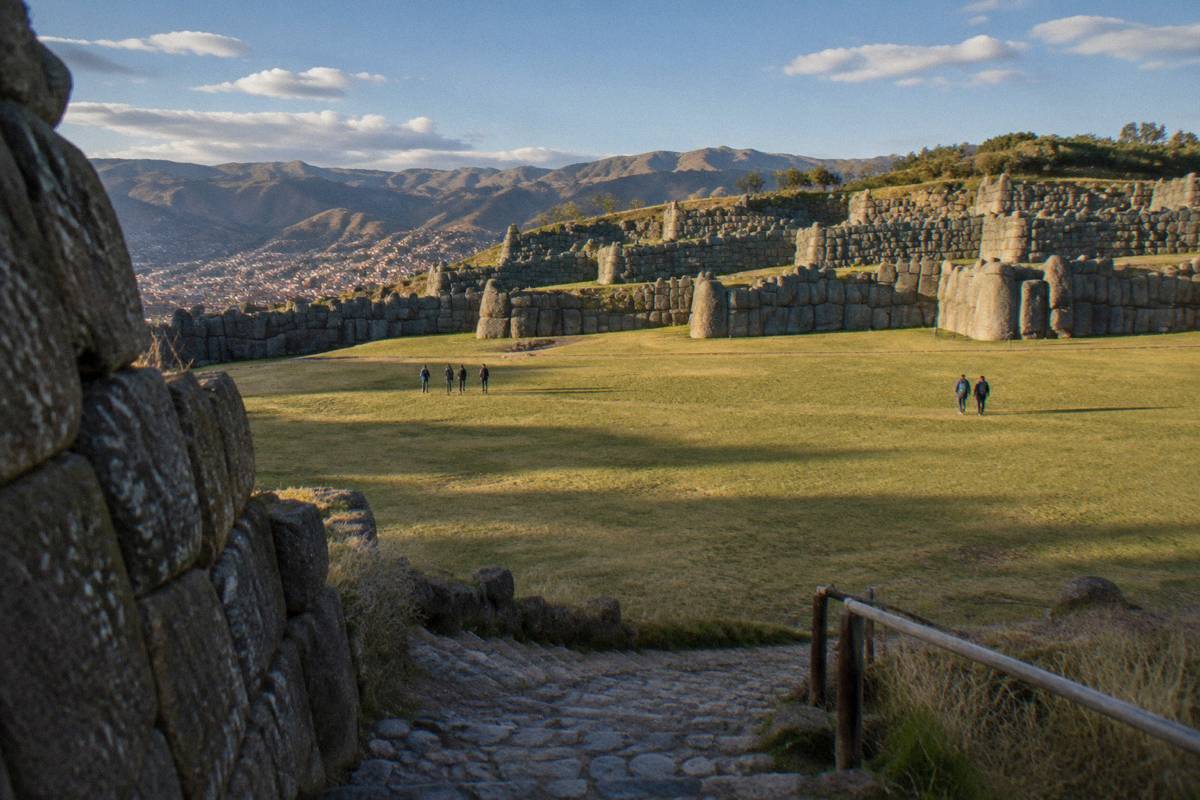
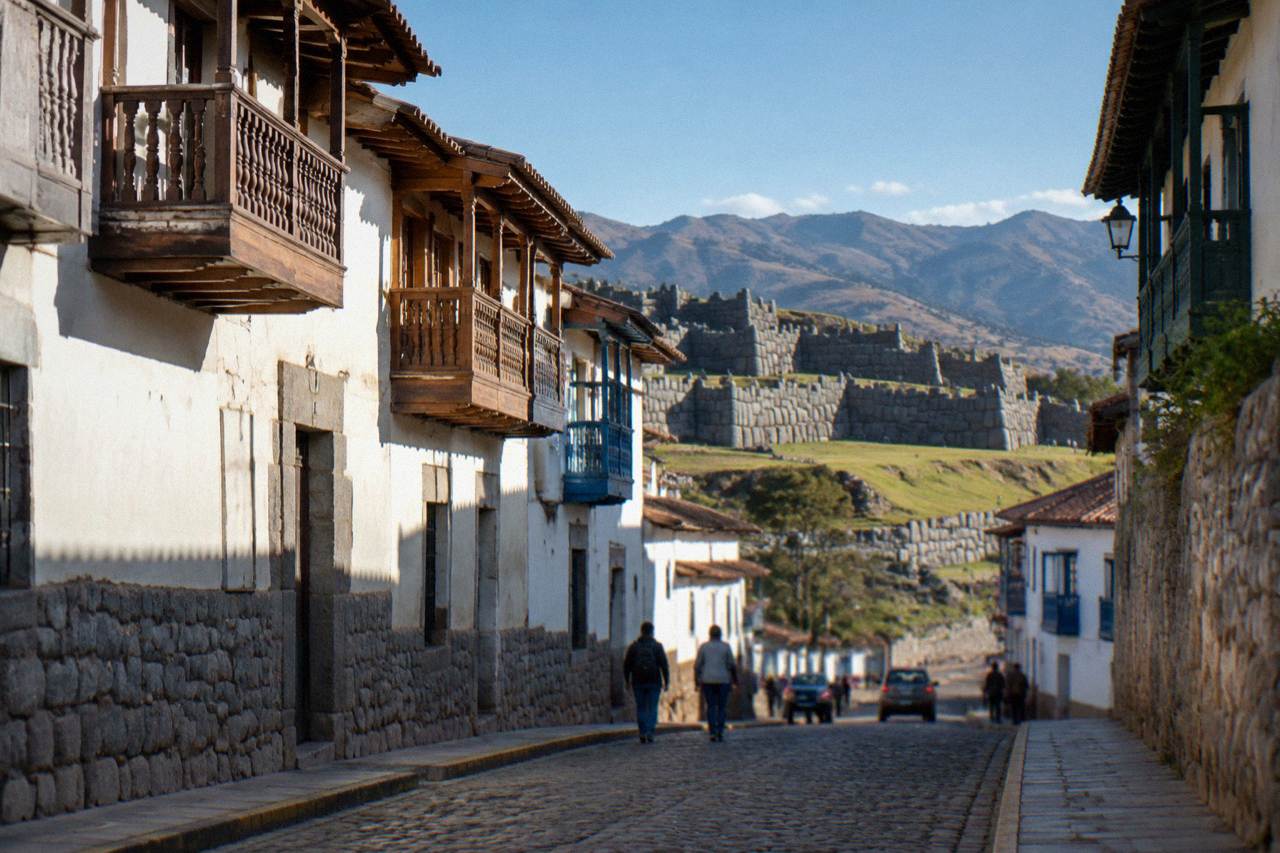
The city is also a walking city. Streets are cobbled, pavements narrow, and the route from the centre up to San Blas or out to Sacsayhuaman is steep Inca stone. Footwear, more than any jacket, decides whether a day in Cusco is comfortable. The sections below work through the seasons, the altitude, the day trips and the shoes, in the order that suits a trip to Cusco. For the wider planning picture, the Things To Do In Cusco Peru homepage collects the current visitor figures and the month-by-month picture in one place.
What Is The Weather Actually Like In Cusco Through The Year?
Cusco has two seasons, not four, and they are the reverse of the northern hemisphere: a dry season roughly May to September with cold, frost-prone nights, and a wet season roughly November to March that delivers 71.9 percent of the year's rain. Mean daily maximums stay between 18.8 and 20.9 C in every month, so afternoons feel mild year-round; it is the nights and the rain that separate the calendar.
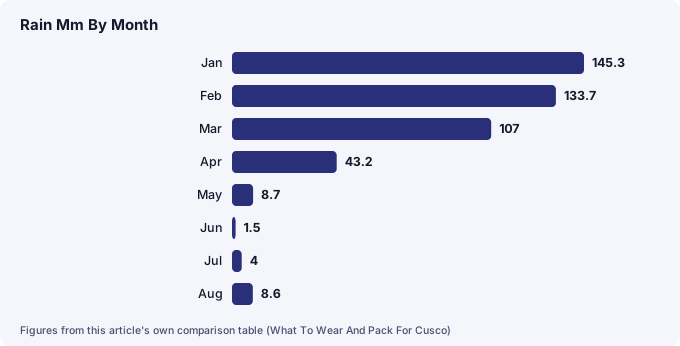
The WMO World Weather Information Service station "Cuzco", supplied by SENAMHI, holds the numbers, and it is a historical normal, not a 1991-2020 table. December to March brings 508.7 mm of the annual 707.8 mm. May to August combined bring just 22.8 mm, about 3.2 percent of the year. SENAMHI frames October to April as carrying 94 percent of annual precipitation in the high Cusco basin.
| Month | Mean Max C | Mean Min C | Rain mm |
|---|---|---|---|
| Jan | 18.9 | 6.6 | 145.3 |
| Feb | 18.8 | 6.5 | 133.7 |
| Mar | 19.1 | 6.2 | 107.0 |
| Apr | 19.7 | 4.9 | 43.2 |
| May | 19.8 | 2.5 | 8.7 |
| Jun | 19.5 | 0.3 | 1.5 |
| Jul | 19.1 | 0.1 | 4.0 |
| Aug | 19.8 | 1.6 | 8.6 |
| Sep | 19.8 | 3.9 | 21.8 |
| Oct | 20.9 | 5.5 | 39.4 |
| Nov | 20.7 | 6.1 | 71.9 |
| Dec | 19.4 | 6.4 | 122.7 |
Two details matter for packing. First, the day-night swing: in July the mean maximum is 19.1 C and the mean minimum 0.1 C, roughly 19 degrees apart in a single day, while in January the swing is about 12.3 C. Second, frosts, which SENAMHI calls heladas, peak in June and July and run April to September, so frost nights are common in the dry season even though the afternoons are bright. The month-by-month weather guide breaks each month down, and the best time to visit Cusco adds the crowd and festival picture.
What Should You Wear In Cusco In The Dry Season?
For the May to September dry season, pack a genuine warm layer for evenings and mornings, a sun hat and sunglasses for thin high-altitude light, and a light shirt for afternoons that reach about 19 or 20 C. Nights in June and July fall to around freezing, so a fleece plus a windproof outer jacket is the working combination, worn over a t-shirt by day.
The dry season is the easy one for luggage: almost no rain, cloudless skies, and a daily routine of peeling off layers by 11:00 and putting them back on by 18:00. A base layer of cotton or merino, a mid layer of fleece, and a windproof shell cover the full day. Because the air is thin at 3,335 m, the sun is stronger than the temperature suggests, and sun protection, hat, sunglasses, high-factor sunscreen, matters more than it might seem on a 19 C afternoon.
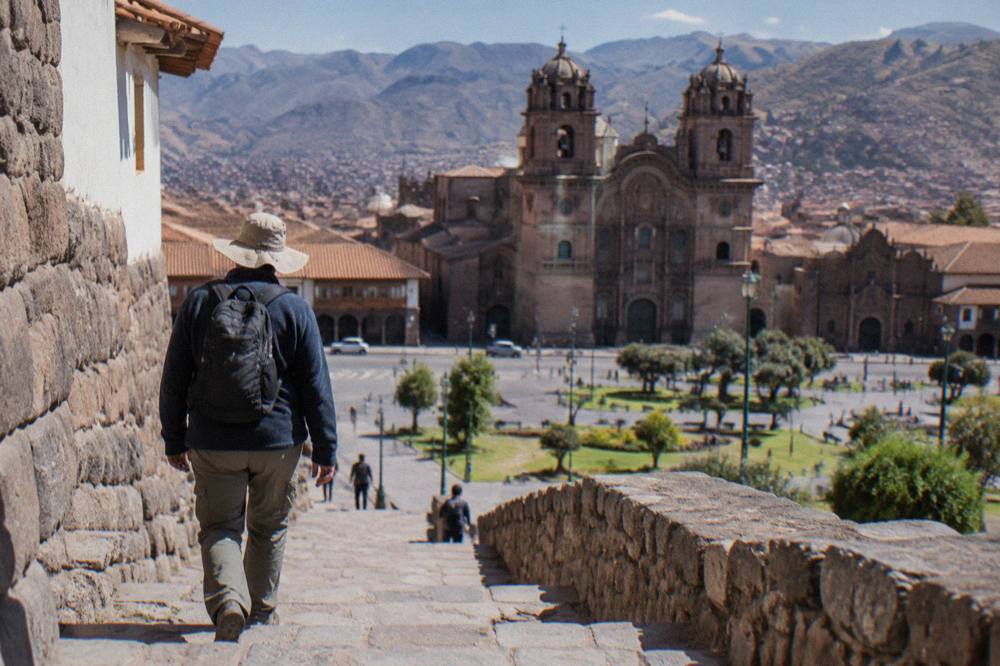
Gloves and a warm hat earn their space for two specific dry-season situations: early departures for day trips that leave before sunrise, and evenings on viewing terraces. The Cusco altitude guide explains why the cold nights and the thin air combine, and why the first day should be gentle. A half-day city tour is a good acclimatisation-day activity, and the site's featured option covers Sacsayhuaman and Q'enqo without a pre-dawn start.
The featured tour above handles the city side with transport and a guide included, which leaves only the wardrobe decision. The same logic extends to the Sacred Valley, which sits lower than Cusco: Pisac town at 2,972 m, Urubamba at 2,870 m, Ollantaytambo at 2,792 m, so valley days run slightly warmer than city days at every hour.
| Dry-Season Item | Why It Earns Its Space |
|---|---|
| Fleece or insulated mid layer | Mean minimums of 0.1 to 2.5 C from June to August |
| Windproof shell | Blocks evening wind on exposed terraces |
| Sun hat and sunglasses | Thin air at 3,335 m intensifies UV |
| High-factor sunscreen | Same high-altitude UV exposure |
| Warm hat and gloves | Pre-dawn departures and frost nights |
| Sturdy walking shoes | Cobbles and Inca stone steps |
What Should You Wear In Cusco In The Wet Season?
For the November to March wet season, the priority is rain gear that works while walking: a proper rain jacket with a hood, a day pack cover, and quick-drying fabrics rather than cotton. January alone averages 145.3 mm of rain, and afternoons often turn from sun to downpour within an hour, so the jacket stays with the walker rather than at the hotel.
Wet-season rain in Cusco is concentrated and heavy rather than constant. The historical normal puts 122.7 mm on December and 133.7 mm on February, and December to March together account for 71.9 percent of the year's total. The practical pattern is a bright, warm morning followed by an afternoon downpour, which makes an early start and a waterproof layer the two best packing decisions of the season.
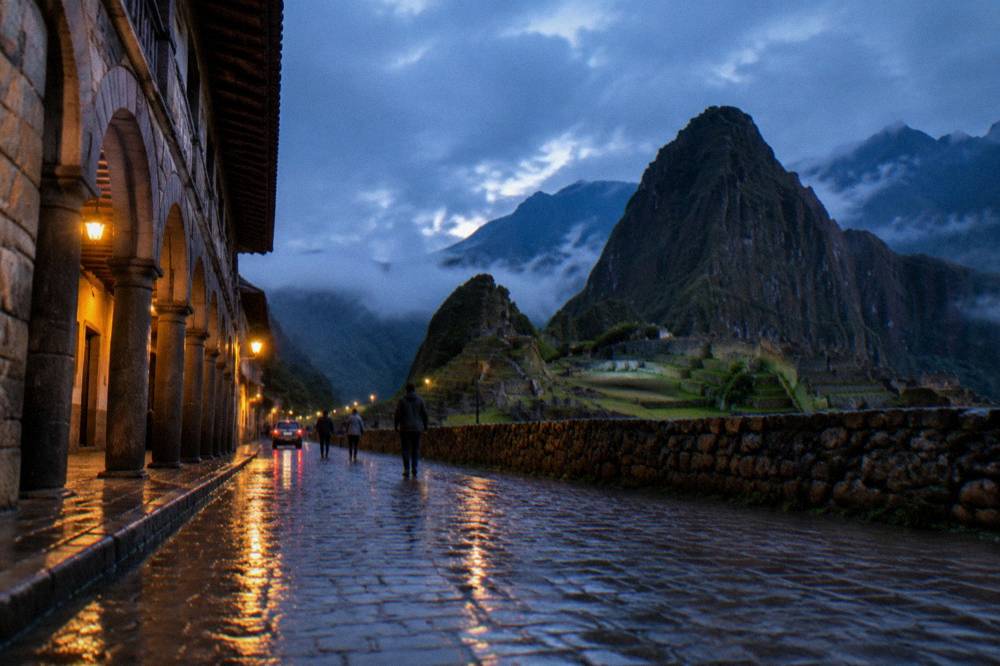
An umbrella is a debated item. It works in the city, but on exposed hillsides and on trails the wind makes a hooded jacket the better tool. Quick-dry trousers beat jeans decisively in the wet season: denim stays damp for hours at these temperatures, while synthetic fabrics dry by evening. The what not to wear in Cusco answer covers the common mistakes in more detail.
| Wet-Season Item | Why It Earns Its Space |
|---|---|
| Hooded rain jacket | 107.0 to 145.3 mm per month from January to March |
| Quick-dry trousers | Denim stays damp; synthetics dry by evening |
| Day pack cover | Keeps spare layers dry in downpours |
| Waterproof or fast-drying shoes | Wet cobblestones and puddled streets |
| Spare socks | Wet feet end walking days early |
What Shoes Work Best For Cusco's Streets And Trails?
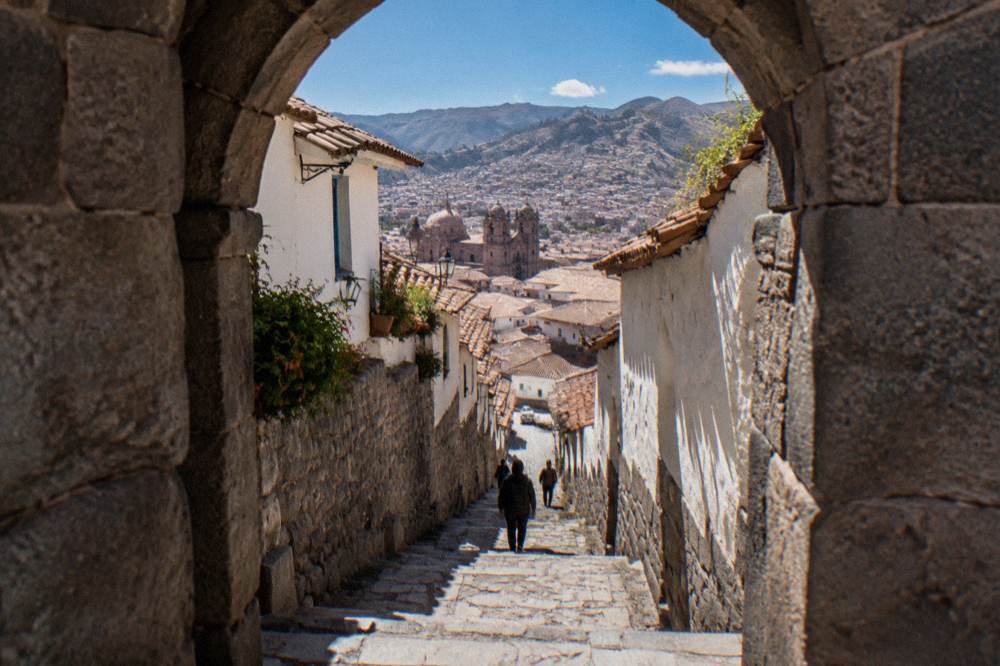
Broken-in walking shoes with real grip are the single most important item in the bag for Cusco, because the city runs on cobbles, steep stone steps and polished Inca masonry, all of it slick when wet. Trail shoes or light hiking boots handle the city and every standard day trip; new shoes that have never walked a full day will cause more misery than any weather.
The footwear decision should follow the itinerary. City-only days need grip and ankle comfort, not boots. Days that include Rainbow Mountain at about 5,000 m, Humantay Lake at about 4,200 m, or the Sacsayhuaman hillside need shoes with tread and ankle support, and the wet season adds a premium on water resistance. The day hikes from Cusco guide and the getting around Cusco guide both assume the same baseline: shoes that can handle stone.
| Itinerary | Shoe That Fits |
|---|---|
| City centre and markets | Trail shoes with grippy soles |
| Sacsayhuaman and Q'enqo half day | Trail shoes, light boots acceptable |
| Sacred Valley sites | Trail shoes or light boots |
| Rainbow Mountain or Humantay | Light hiking boots with ankle support |
| Multi-day treks | Broken-in hiking boots, tested beforehand |
One Cusco-specific note: sandals and flip-flops belong in the bag for hostels and showers, not for the street. The cobbles are uneven, the drop-offs at pavement edges are frequent, and a turned ankle at 3,335 m is a day lost. The Cusco with kids guide makes the same point for children's footwear.
How Does Altitude Change What You Pack?
Altitude changes the packing list in three ways: it makes the sun stronger than the temperature suggests at 3,335 m, it makes nights far colder than the plains at the same latitude, and it rewards layers over single thick garments because a morning at freezing becomes an afternoon near 20 C. The CDC Yellow Book advises graded ascent and names Cusco as a rapid-ascent destination, so the first day's clothing should suit gentle activity.
The CDC lists Cusco at approximately 3,350 m and advises travellers to avoid ascending from low altitude to a sleeping altitude above 2,750 m in a single day where possible, and to consider acetazolamide as a decision to make with a doctor if abrupt ascent is unavoidable. For clothing, the practical translation is simple: the first day is not the day for a heavy hike, and the outfit should flex between a cold morning and a warm afternoon.
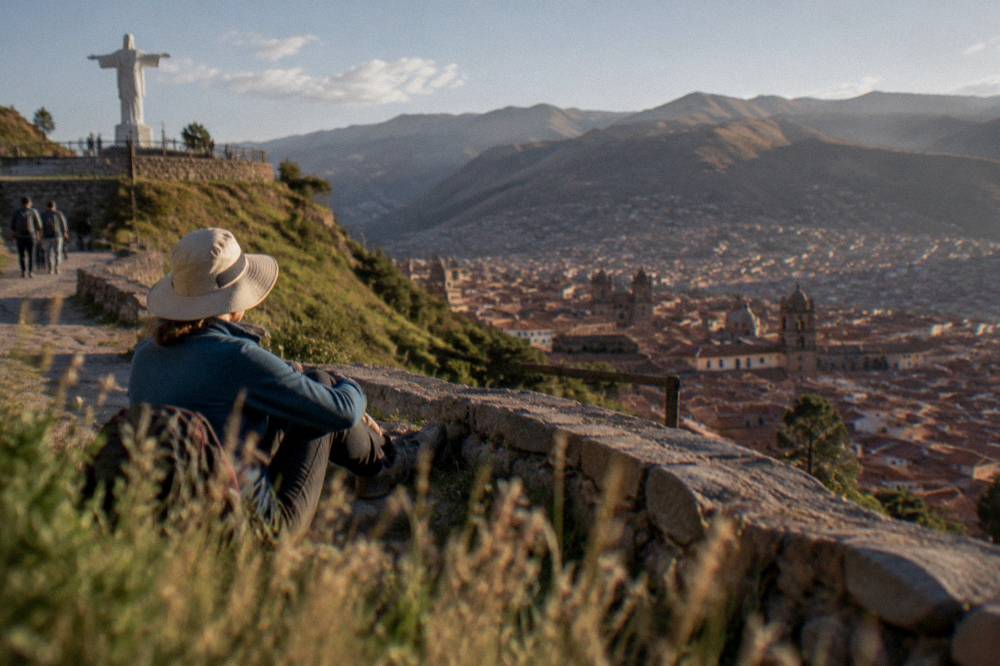
The layering logic also serves the altitude gradient around the city. Cusco at 3,335 m is higher than Machu Picchu at 2,430 m, and Aguas Calientes, the town below the citadel, sits at about 2,040 m. A Sacred Valley day drops to Ollantaytambo at 2,792 m, and the same fleece that is mandatory in a Cusco evening is often tied around the waist by early afternoon in the valley. The acclimatisation day guide builds the gentle first-day plan.
| Place | Elevation | Wardrobe Effect |
|---|---|---|
| Cusco Plaza de Armas | 3,335 m | Full layering, warm evenings |
| Sacsayhuaman | 3,701 m | Coldest city-side site, wind on the explanada |
| Pisac town | 2,972 m | Slightly warmer than Cusco |
| Ollantaytambo | 2,792 m | Lighter layers by afternoon |
| Machu Picchu citadel | 2,430 m | Warmest major stop, sun protection key |
| Aguas Calientes | 2,040 m | Valley heat, insect repellent useful |
What Should You Wear For Day Trips From Cusco?
Day trips from Cusco run colder and higher than the city in most directions, so the packing rule is the city list plus one extra warm layer, sun protection and, for mountain trips, gloves: Rainbow Mountain sits at about 5,000 m, Humantay Lake at about 4,200 m, and both are reached on pre-dawn departures when the day's coldest hours are spent standing at a viewpoint.
Rainbow Mountain, Vinicunca, is the extreme case. At about 5,000 m it is well above the city, cold even on dry-season mornings, and exposed to wind on the final ridge. peru.travel describes the highest point at approximately 5,200 m. The alternative, Palccoyo, sits at 4,900 m at its viewpoint per peru.travel, with a shorter walk. The Rainbow Mountain versus Palccoyo comparison covers the choice; for clothing both demand the warmest layers in the bag.
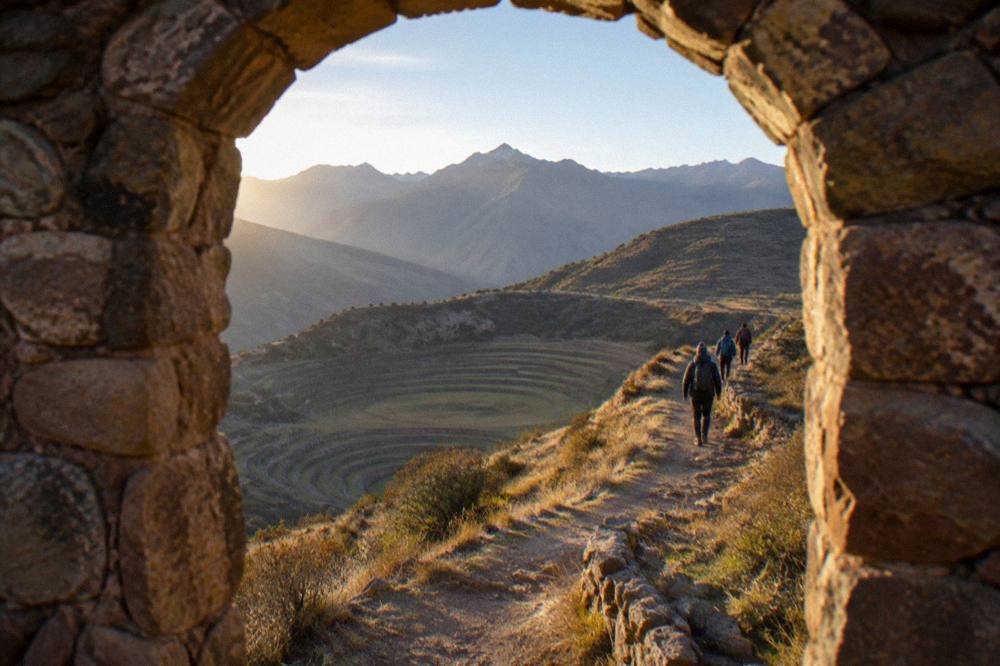
The Sacred Valley is the opposite case: lower, warmer, and easier on the wardrobe. Moray sits at 3,385 m and Maras at 3,300 m, both close to city conditions, while Ollantaytambo at 2,792 m runs noticeably warmer by midday. A valley day trip needs the sun hat more than the gloves.
Machu Picchu, the one Machu Picchu page on this site covers in full, sits at 2,430 m and is the warmest of the major stops, so the clothing question there is sun, insects and comfortable shoes for stone terraces rather than cold. An official entry with a guided tour handles the visit itself.
| Day Trip | Elevation | Clothing Priority |
|---|---|---|
| Rainbow Mountain (Vinicunca) | about 5,000 m | Warmest layers, gloves, wind shell |
| Palccoyo | 4,900 m viewpoint | Warm layers, shorter walk |
| Humantay Lake | about 4,200 m | Warm layers for pre-dawn start |
| Sacsayhuaman | 3,701 m | Windproof layer, sun hat |
| Moray and Maras | 3,385 m and 3,300 m | City layers |
| Machu Picchu | 2,430 m | Sun hat, insect repellent, grippy shoes |
What Should You Not Wear In Cusco?
The main clothing mistakes in Cusco are dressing for a single temperature, wearing new or smooth-soled shoes on cobbles and Inca stone, skipping sun protection because the air is cool, and packing only cotton and denim in the wet season, when fabrics that hold moisture turn every afternoon downpour into a cold evening.
The first mistake is the most common. Visitors arrive from Lima's mild coast or from a northern-hemisphere summer, see a forecast of 19 C, and pack for a warm city. The forecast maximum is real, but the WMO table shows the minimum, and in June and July that minimum is close to freezing. A wardrobe built only around the afternoon maximum fails every evening.
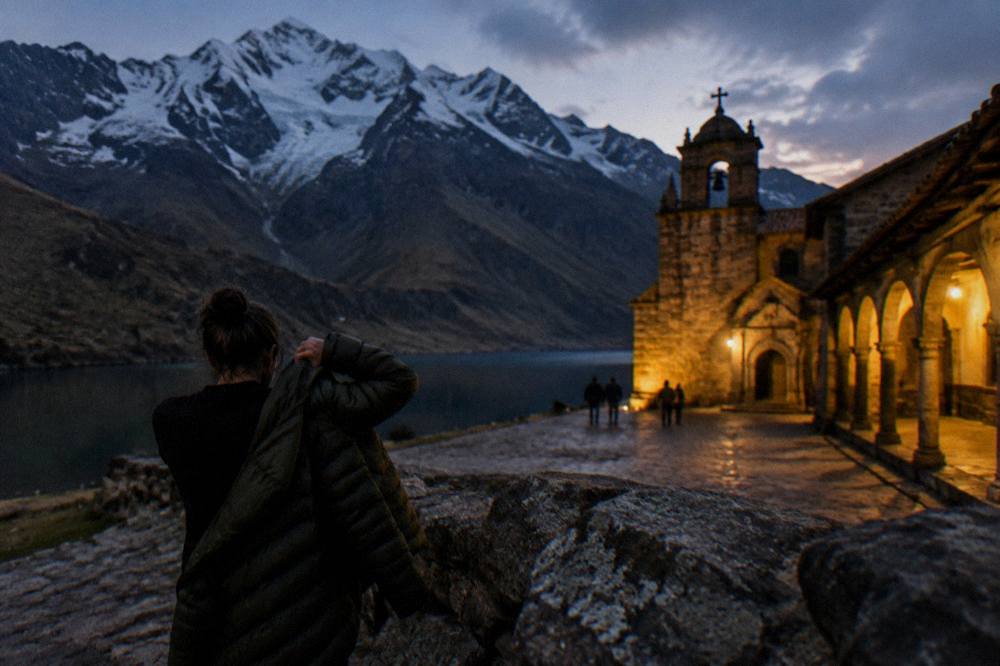
The second mistake is footwear bought for the trip and worn for the first time on it. Cusco's surfaces punish untested shoes. The third is sun: at 3,335 m the ultraviolet exposure is stronger than at sea level, and a cool breeze makes it easy to skip sunscreen on a morning that ends with a burn. The fourth is seasonal: in the wet season, cotton and denim hold the afternoon's rain against the skin through a cold evening, which quick-dry fabrics do not.
What Should You Pack Beyond Clothing?
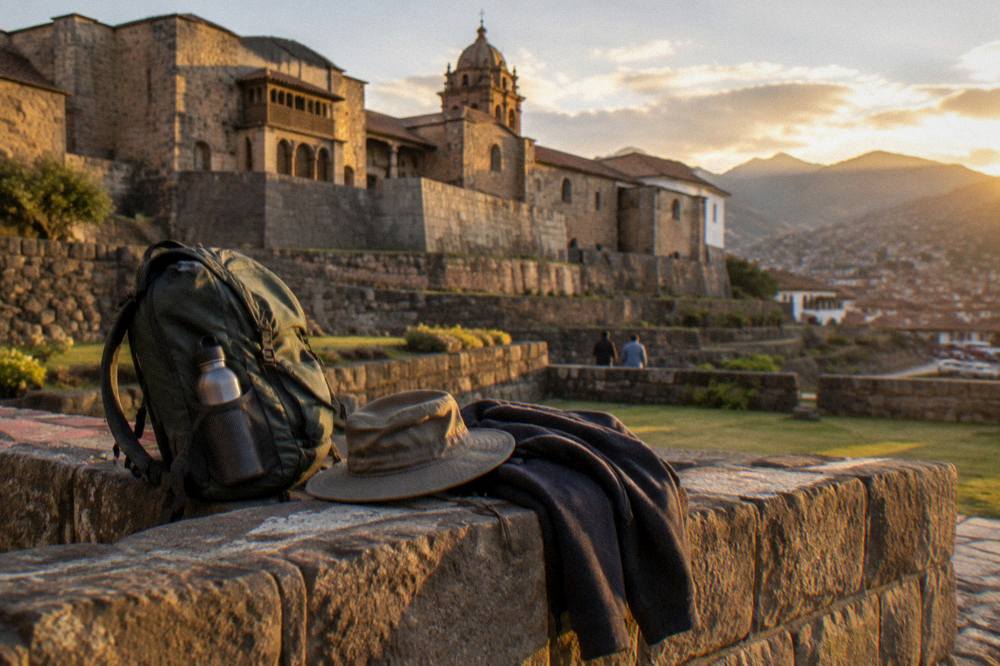
Beyond clothes, the items that consistently earn their space in Cusco are a day pack for the layer-shedding routine, a refillable water bottle, sunscreen and a hat for the altitude sun, a power bank for long day trips, and cash in soles for the small entry fees and market purchases that cards do not cover.
Cash matters more than many packing lists admit. The Boleto Turistico is sold in person only, at the COSITUC counter on Av. El Sol, and community fees at Rainbow Mountain, reported at about S/ 25 to S/ 30 for foreigners, are collected in cash at the trailhead. The boleto turistico guide and the money and ATMs guide cover the details, including the per-transaction withdrawal caps that make a single large withdrawal impractical.
| Non-Clothing Item | Why It Earns Its Space |
|---|---|
| Day pack, 20 to 30 litres | Carries shed layers through the afternoon |
| Water bottle | Dry air and walking increase thirst |
| Sunscreen and lip balm | High-altitude UV at 3,335 m |
| Power bank | Long day trips with early starts |
| Soles in cash | Community fees and markets are cash-only |
| Rain pack cover | Wet-season downpours, November to March |
The where to stay in Cusco guide matters here too, because a hotel in the historic centre shortens the walk back for a forgotten layer, while a stay further out makes the day pack the working wardrobe. The what to buy in Cusco guide lists the alpaca knitwear and other items worth buying on arrival rather than carrying from home.
Common Questions About What To Wear In Cusco
Do I need a winter jacket for Cusco?
Yes, for the evenings. The WMO station record shows mean minimums of 0.1 C in July and 0.3 C in June, so a fleece plus a windproof jacket is the working evening combination in the dry season, even though afternoons reach about 19 C.
Is Cusco cold in summer?
Cusco's summer is December to March, the wet season, and it is the mildest time of year for nights: mean minimums run from 6.2 to 6.6 C. Rain, not cold, is the season's packing problem, with 71.9 percent of the annual 707.8 mm falling December to March.
Should I pack shorts for Cusco?
Shorts work on warm afternoons, which exist in every month, but evenings and pre-dawn day-trip departures are cold year-round. Visitors end up in trousers and rely on layers, adding a fleece after dark.
Do I need sunscreen at 3,335 m?
Yes. The CDC lists Cusco as a high-altitude destination at approximately 3,350 m, and ultraviolet exposure increases with elevation. A hat, sunglasses and high-factor sunscreen belong in the bag in every season.
What shoes should I bring for Machu Picchu?
Grippy, broken-in walking shoes. The citadel is a site of stone terraces and steps at 2,430 m, warmer than Cusco, and the surfaces are polished. The site's code of conduct also prohibits hard-soled shoes, so trail shoes rather than rigid mountaineering boots.
Does it rain every day in the wet season?
The historical normal for the Cuzco station shows heavy monthly totals from November to March, up to 145.3 mm in January, but the typical pattern is a bright morning and an afternoon downpour rather than all-day rain. A hooded jacket and an early start cover the typical pattern of a bright morning and an afternoon downpour.