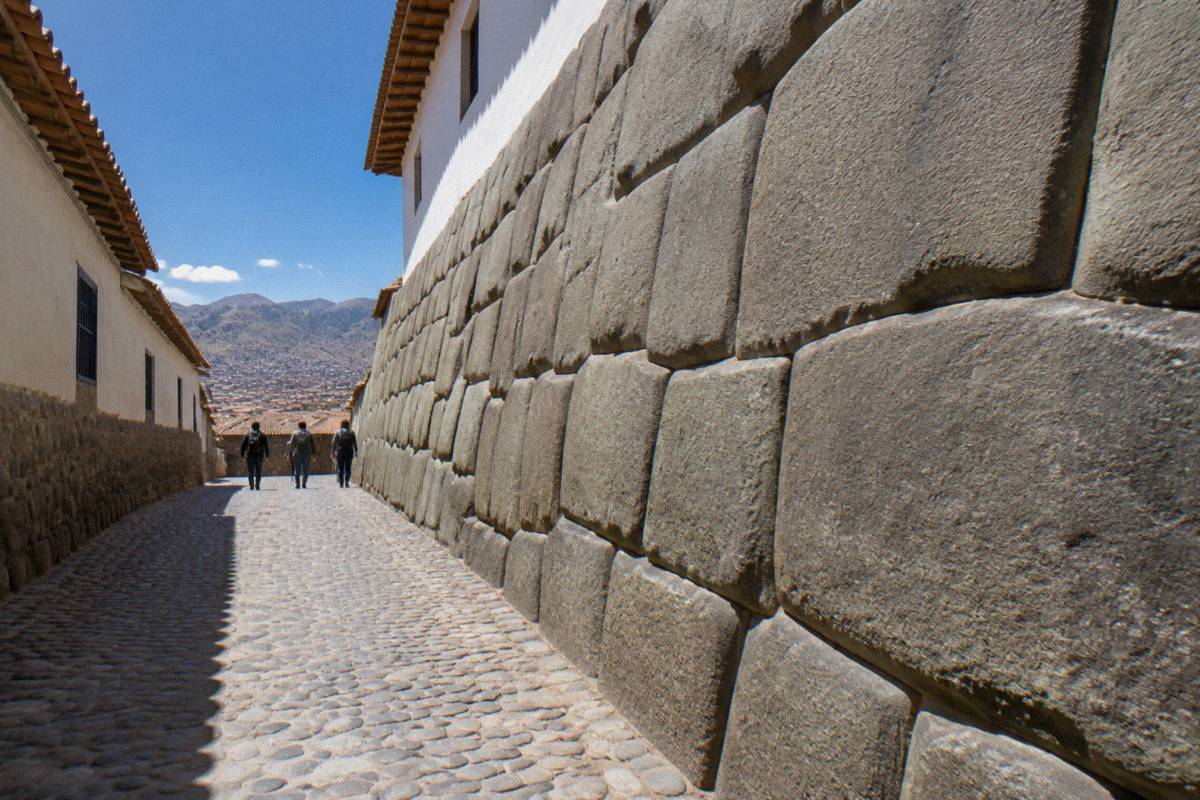
Do I Need Altitude Sickness Pills For Cusco?
Do you need altitude sickness pills for Cusco? What the CDC Yellow Book actually says about acetazolamide, graded ascent and sleeping low in Peru's high Andean city.
Cusco, the historic city in the Andes of southern Peru, sits with its Plaza de Armas at 3,335 m, and the CDC Yellow Book lists it by name as a rapid-ascent destination at approximately 3,350 m. That single fact is why the pill question comes up for nearly every itinerary: travellers who arrive by air reach a sleeping altitude above 3,000 m in a matter of hours, exactly the situation the Yellow Book flags as the one where altitude illness rates approach 50 percent. Whether pills are the right answer is a medical decision, and this page reports what the official guidance says rather than substituting for it.
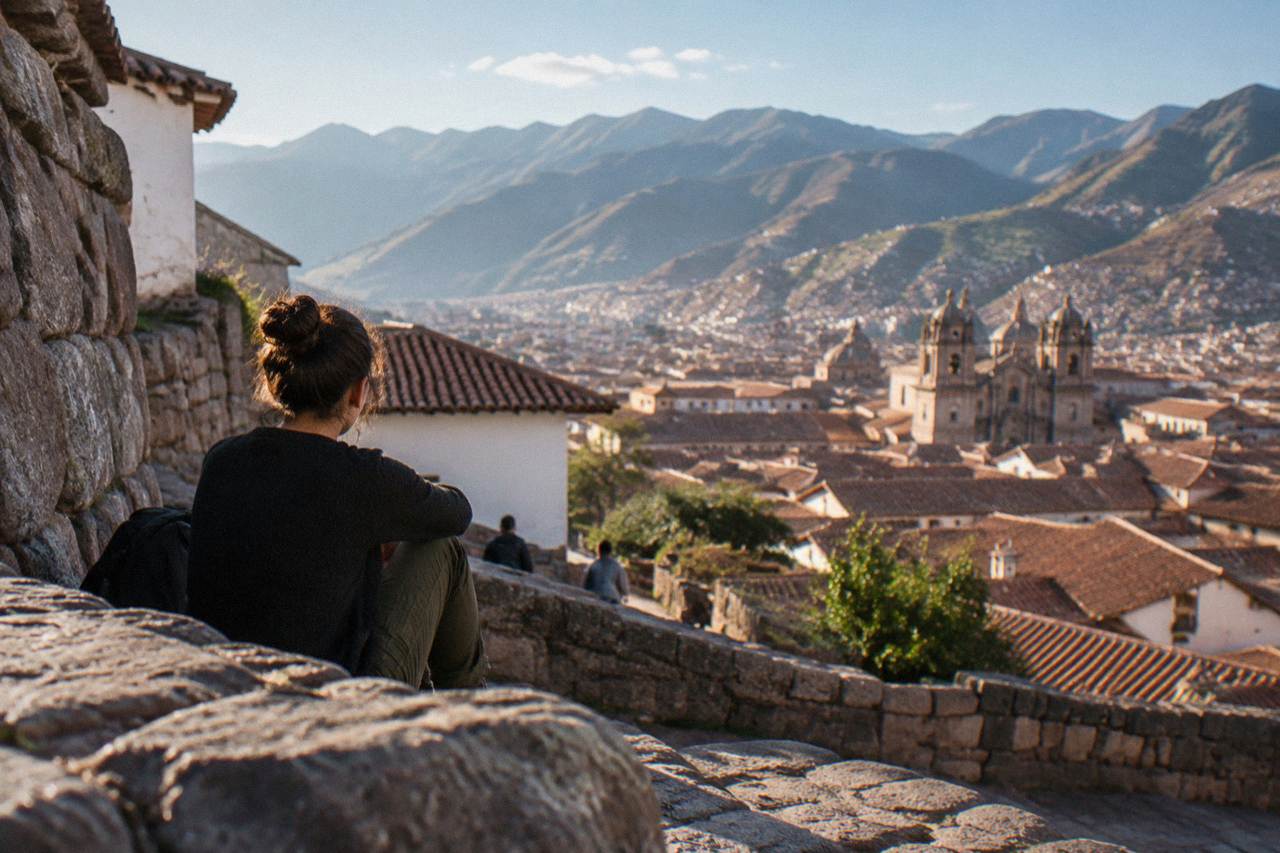
Do I Need Altitude Sickness Pills For Cusco?
There is no rule that every visitor to Cusco needs altitude sickness pills. The CDC Yellow Book prefers a graded ascent over medication, names Cusco as a rapid-ascent destination, and treats acetazolamide as a prescription option for travellers who cannot avoid arriving fast. The pills require a doctor's prescription in most countries, so the decision is made with a clinician, not from an itinerary.
The Yellow Book's reasoning is about speed, not about the city itself. Its ascent guidance, citing the Wilderness Medical Society, is to avoid going from low altitude to a sleeping altitude of 2,750 m or more in a single day, and once above 3,000 m to move sleeping altitude by no more than 500 m per night. Cusco's airport at 3,310 m breaks that rule by definition for anyone flying in, which is why the Yellow Book addresses the city directly.
On Cusco specifically, the CDC notes that travellers can descend to elevations lower than the airport to sleep for the first night or two and then begin their ascent, an approach it says may remove the need for medication altogether. The Sacred Valley towns sit lower than the city: Pisac at 2,972 m, Urubamba at 2,870 m and Ollantaytambo at 2,792 m. The stay in Cusco or Sacred Valley question is therefore a medical one as much as a logistical one, and the graded-ascent logic in the Cusco altitude guide covers it in detail.
On the medication itself, the Yellow Book lists acetazolamide prophylaxis at 125 mg twice daily, or 250 mg twice daily for people over 100 kg, with a higher treatment dose for established illness. It advises considering the drug to speed acclimatisation when abrupt ascent is unavoidable, and it advises avoiding alcohol for the first 48 hours at high altitude. What it does not publish is a probability figure for an individual traveller: bodies differ, and symptoms warrant a doctor.
What Does Acetazolamide Actually Do, And Who Is It For?
Acetazolamide is a prescription drug that speeds acclimatisation by changing how the body handles altitude, and the CDC Yellow Book positions it for travellers whose ascent cannot be made gradual. It is not a cure-all, it does not replace sensible pacing, and the decision to take it belongs to a doctor who knows the traveller's history.
The Yellow Book frames the drug as chemoprophylaxis: something to consider when abrupt ascent is unavoidable, which for Cusco describes almost every flight arrival. It notes that with rates of altitude illness approaching 50 percent in rapid-ascent situations, a low threshold for chemoprophylaxis is advised. That wording is about the situation, not about the city: a traveller who sleeps two nights in the Sacred Valley before climbing to Cusco is in a different category from one who lands at the airport at 3,310 m and sleeps in the city the same night. Everything else covered here is indexed on Things To Do In Cusco Peru.
Two practical points from the guidance deserve restating. First, the drug is prescription, so the conversation has to happen before travel, not at a pharmacy in Peru. Second, the Yellow Book's non-drug advice is free and available to everyone: a graded ascent where feasible, and no alcohol for the first 48 hours. For the question of how likely altitude sickness is, the situation-specific framing above is what the sources support, and no source publishes an individual probability.
| CDC Yellow Book item | What it says |
|---|---|
| Preferred approach | Graded ascent over medication |
| Cusco listing | Named rapid-ascent destination, approximately 3,350 m |
| Prophylaxis dose | 125 mg twice daily; 250 mg twice daily if over 100 kg |
| Treatment dose | 250 mg twice daily |
| Alcohol advice | Avoid for the first 48 hours at high altitude |
| Descent option for Cusco | Sleep one to two nights lower, then ascend |
Is Cusco Higher Than Where You Are Heading Next?
Cusco at 3,335 m is higher than Machu Picchu's citadel at 2,430 m, higher than every Sacred Valley town, and lower than the day-hike destinations such as Humantay Lake at about 4,200 m and Rainbow Mountain at about 5,000 m. Pills decided for the city may not cover the day trips, because those trips climb well above the altitude the body has adapted to overnight in Cusco.
The comparison matters because the pill question is usually asked about the wrong altitude. A traveller who tolerates Cusco fine can still struggle on Rainbow Mountain, which reaches about 5,000 m and charges a community fee of S/ 25 to S/ 30 for foreigners, in cash. Palccoyo's viewpoint is lower at 4,900 m but still far above the city. The CDC's Peru notice makes the same point in general terms: Machu Picchu is at high altitude and travellers should talk to a doctor.
The direction of travel also matters. Going down from Cusco to the Sacred Valley or to Machu Picchu is a descent, and the body finds it easier. Going up to Humantay Lake or Vinicunca is an ascent from an already high base, and the Yellow Book's 500 m per night rule is about sleeping altitude, so a same-day return to Cusco does not reset anything. The Humantay versus Rainbow Mountain comparison and the is Cusco higher than Machu Picchu answer cover those gradients in detail.
| Destination | Elevation | Relative to Cusco |
|---|---|---|
| Machu Picchu citadel | 2,430 m | Roughly 900 m lower |
| Aguas Calientes town | About 2,040 m | Lower |
| Ollantaytambo | 2,792 m | Lower |
| Cusco Plaza de Armas | 3,335 m | The baseline |
| Sacsayhuaman | 3,701 m | Higher |
| Humantay Lake | About 4,200 m | Much higher |
| Palccoyo viewpoint | 4,900 m | Much higher |
| Rainbow Mountain (Vinicunca) | About 5,000 m | Much higher |
What Works Besides Pills While You Acclimatise In Cusco?
The sourced non-drug measures are a graded ascent where the itinerary allows, sleeping lower for the first night or two, avoiding alcohol for the first 48 hours, and taking the first days gently, all from the CDC Yellow Book. Coca tea is everywhere in Cusco at a reported S/ 2 to 5 a cup, but no sourced figure exists for its effect, so it belongs in the category of comfort, not medicine.
The Yellow Book's Cusco-specific line is the most underused piece of advice on the subject: descend to sleep lower than the airport for one or two nights, then ascend. An itinerary that starts in Ollantaytambo or Urubamba and finishes in Cusco follows that logic exactly, and the how long to acclimate answer reports what the sources do and do not say about day counts, which is that no official figure exists for how many days any given body needs.
Pacing the first days is where the city's own geography helps. The flat, low-intensity options are real: the Plaza de Armas, San Pedro Market and the free things to do in Cusco mostly avoid the steep climbs to San Blas or up to Sacsayhuaman at 3,701 m. The what not to wear in Cusco answer covers the cold-night side of the same climate, since frost is common in June and July even though daytime maxima hold near 19 C.
One caution belongs here in reporting terms. The UK FCDO advises against walking alone in quiet areas or at night in Cusco, and a traveller feeling unwell at altitude is not the person to be testing that advice. The is Cusco safe guide carries the full advisory picture.
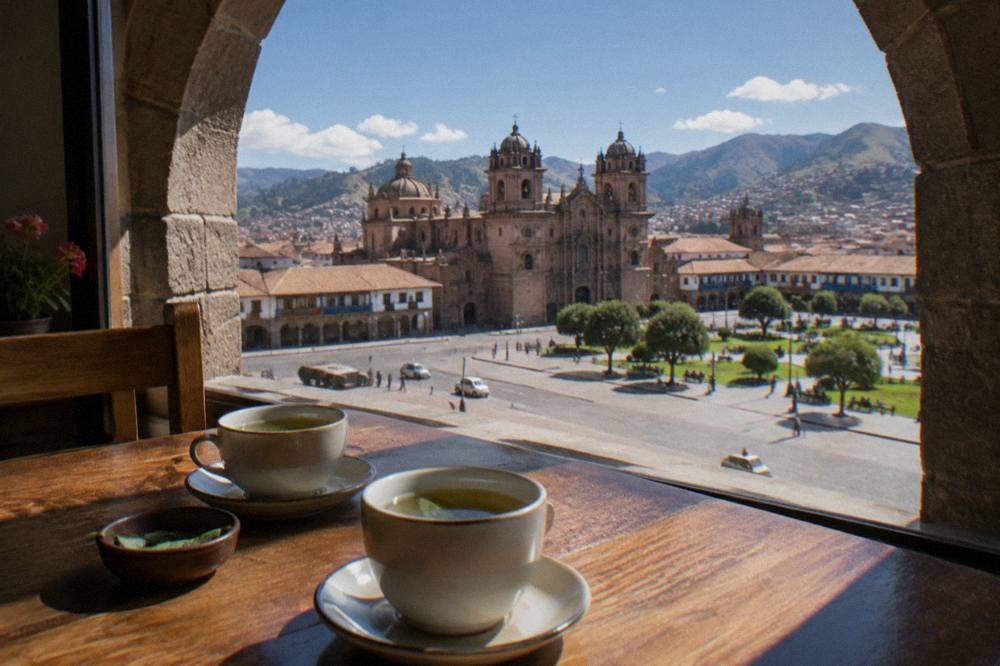
Should You Talk To A Doctor Before Flying To Cusco?
Yes, and the sources are unanimous on that point: the CDC Yellow Book makes acetazolamide a prescription decision, the CDC Peru notice tells travellers to talk to a doctor about high altitude, and no page on this site can substitute for either. The conversation should happen before travel, with the itinerary in hand, because the answer depends on where the first nights are spent.
That is the practical summary of the whole question. A traveller whose itinerary sleeps low first and climbs gradually may need nothing beyond patience and water. A traveller landing at 3,310 m with a Sacsayhuaman hike booked for the next morning is in the rapid-ascent category the Yellow Book describes, and that is the profile for which it advises a low threshold for chemoprophylaxis. The Cusco weather by month guide and the best time to visit Cusco guide help with the timing side, but no season changes the altitude arithmetic.
For the days after arrival, the lower destinations are the natural fit. Lake Titicaca from Puno is one of them, and the fast-boat tour to the Uros floating islands and Taquile Island with lunch included is Check availability on the operator's live listing. The Sacred Valley or Machu Picchu first question covers the same logic for the Cusco-side itinerary.
Common Questions About Altitude Pills For Cusco
Do I need altitude sickness pills for Cusco?
Not automatically. The CDC Yellow Book prefers a graded ascent, names Cusco as a rapid-ascent destination, and treats acetazolamide as a prescription option for travellers who cannot avoid arriving fast. The decision belongs to a doctor.
Can you buy acetazolamide in Cusco without seeing a doctor first?
Acetazolamide is a prescription drug, and the CDC frames it as a decision made with a clinician who knows the traveller's history. Having the conversation before travel is the approach the guidance supports.
Does coca tea prevent altitude sickness in Cusco?
No sourced figure exists for coca tea's effect on altitude illness. It is served widely at a reported S/ 2 to 5 a cup, and the CDC's advice centres on graded ascent, alcohol avoidance for 48 hours and, where relevant, prescription prophylaxis.
Is Machu Picchu higher than Cusco?
No. The Machu Picchu citadel is at 2,430 m and Cusco's Plaza de Armas is at 3,335 m, so the city is roughly 900 m higher. Travelling from Cusco to Machu Picchu is a descent, which the body generally finds easier.
Does sleeping in the Sacred Valley first help with Cusco altitude?
The CDC Yellow Book says travellers to Cusco can descend to elevations lower than the airport to sleep for one to two nights and then begin their ascent, an approach it says may remove the need for medication. Ollantaytambo at 2,792 m and Urubamba at 2,870 m fit that pattern.
Do altitude pills cover day trips like Rainbow Mountain?
Day trips climb above the altitude the body has adapted to overnight in Cusco: Rainbow Mountain reaches about 5,000 m and Humantay Lake about 4,200 m. The Yellow Book's guidance is about sleeping altitude and rapid ascent, so the doctor's conversation should include the day trips, not just the city.