Best Hotels In Cusco
Cusco, the historic city in the Andes of southern Peru, sleeps at 3,335 m, and that single number shapes every hotel decision in it. This guide reports what the verified sources say about neighbourhoods, altitude, seasonality and demand.
Short answer
The best area for a first visit is the historic centre around the Plaza de Armas, walkable to the Cathedral, Qorikancha and San Blas. Travellers sensitive to altitude can sleep lower in the Sacred Valley: Ollantaytambo at 2,792 m or Urubamba at 2,870 m. Demand peaks in the dry season and around Inti Raymi on 24 June.
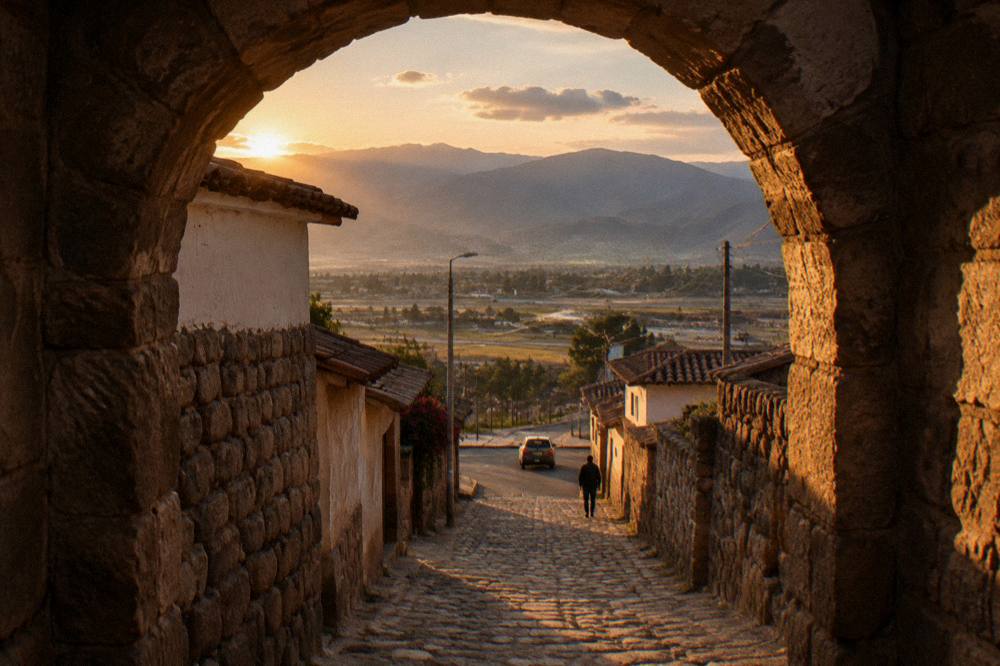
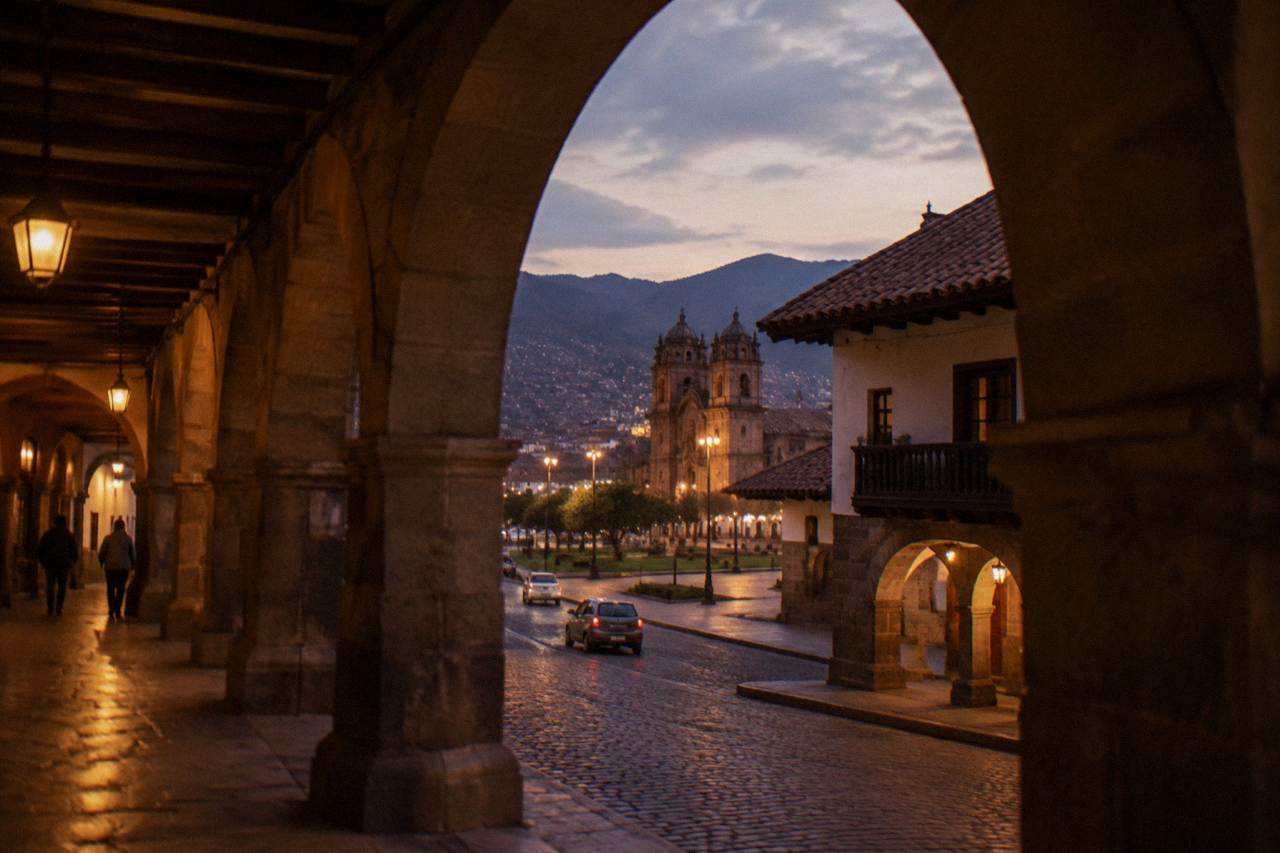
Cusco, the historic city in the Andes of southern Peru, sits with its Plaza de Armas at 3,335 m, and that elevation does more to sort its hotels than any star rating could. The city was inscribed by UNESCO in 1983, colonial churches stand on Inca stone foundations, and the whole tourist machine of the region, from the Boleto Turistico counter on Av. El Sol to the train stations serving Machu Picchu, runs through its streets. Choosing where to sleep here is a decision about altitude, hills and timing more than about decor. For a broader neighbourhood walkthrough, the companion page on where to stay in Cusco covers the districts street by street.
Which Area Of Cusco Has The Best Hotels?
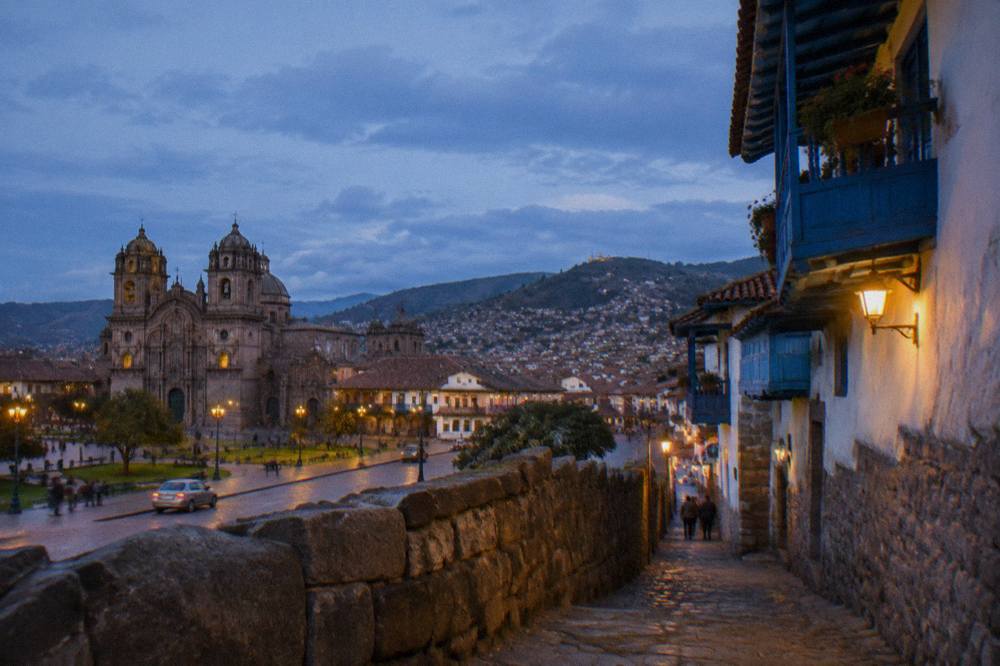
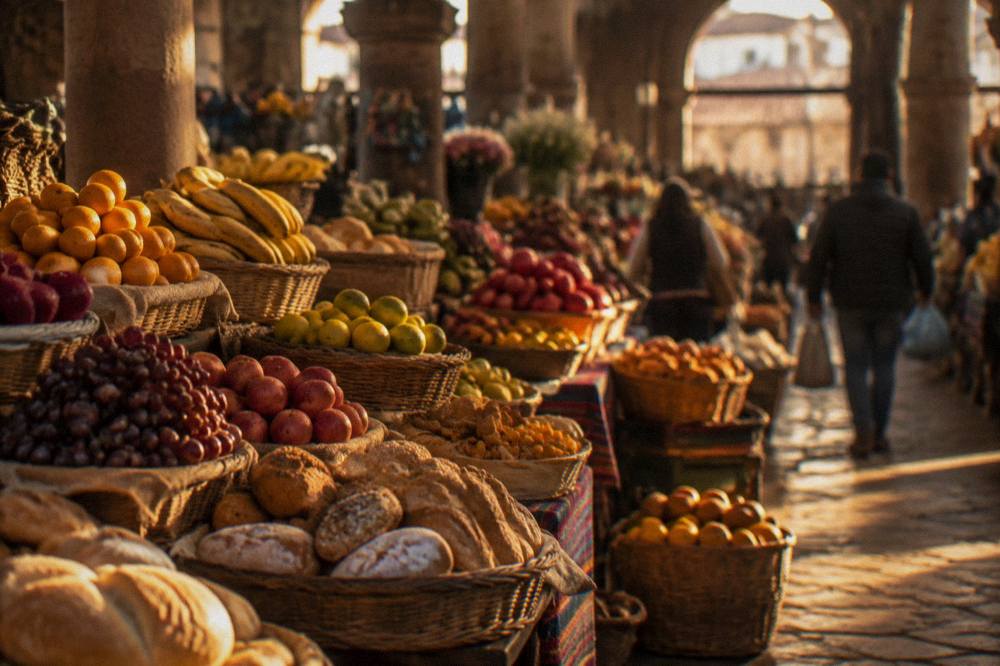
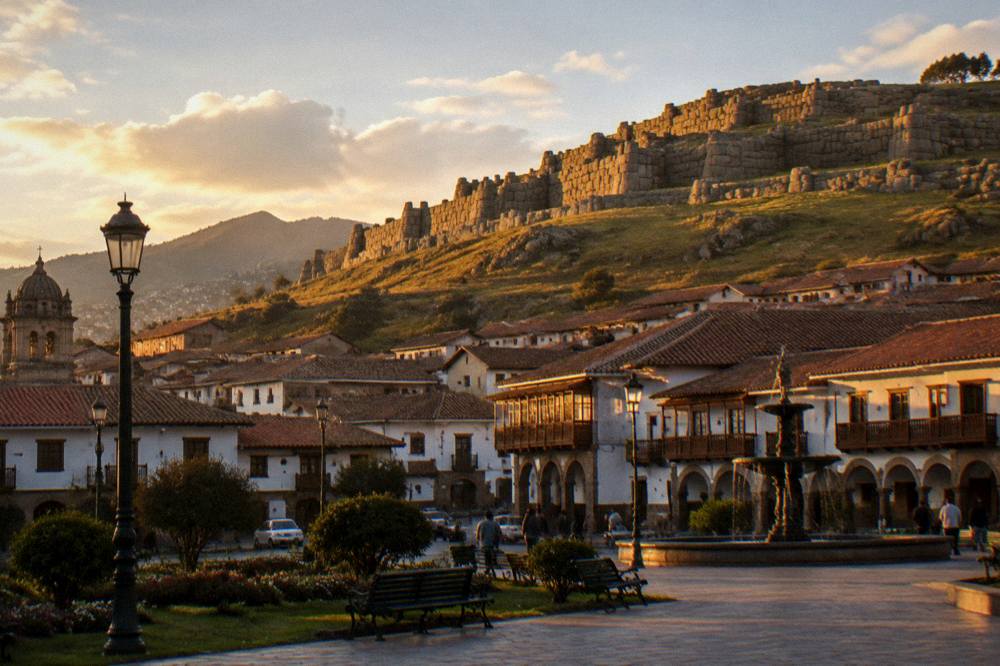
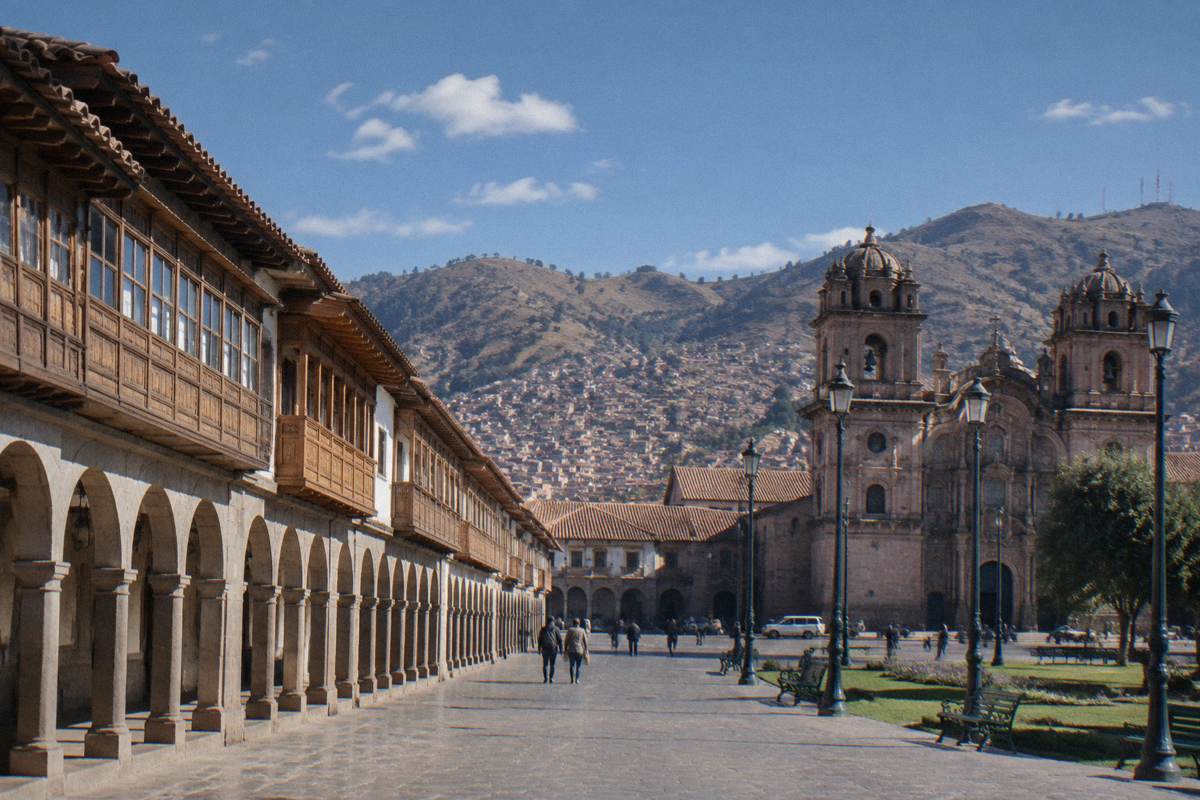
For a first visit, the historic centre around the Plaza de Armas is the strongest base: it is walkable to the Cathedral, Qorikancha, San Pedro Market and the San Blas craft quarter, and the COSITUC Boleto counter on Av. El Sol sits at its edge. San Blas trades a quieter, artistic feel for steep uphill streets, while Wanchaq and the airport side are flatter, more residential and cheaper to reach.
The centre is small. The airport lies about 6 km from the Plaza de Armas, a taxi ride of 15 to 20 minutes, so even a hotel on the far side of the colonial grid stays close to everything a visitor needs. PromPeru's own city-tour page for the historic centre lists the Cathedral, Qorikancha and the San Blas church as the anchor sights, all within a short walk of one another. That concentration is why central rooms carry the premium they do.
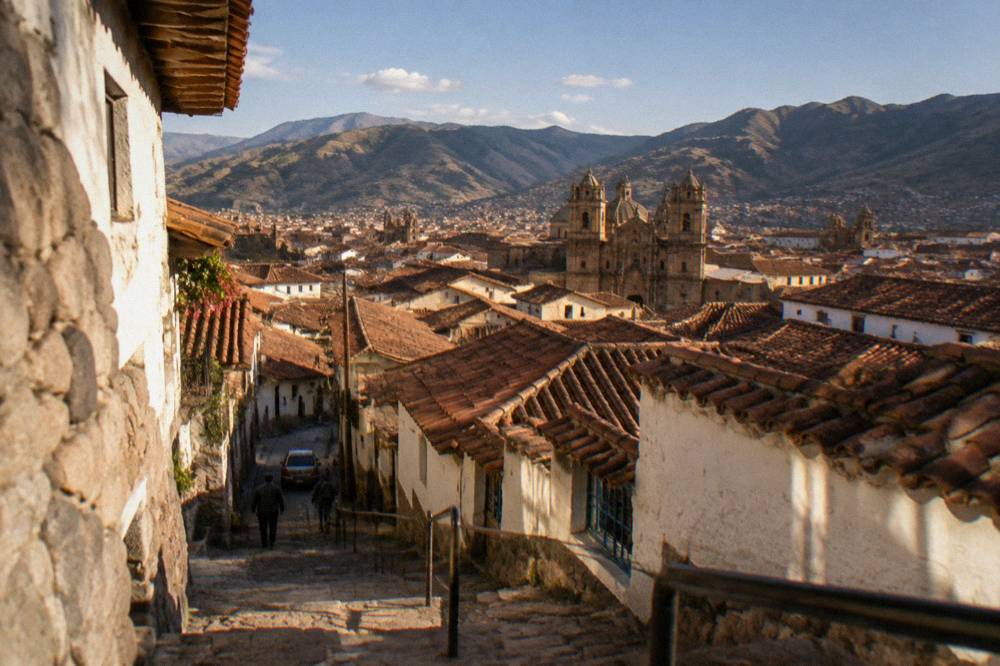
San Blas deserves its reputation as the artisan quarter, but the walk up from the Plaza is a sustained climb, and at this altitude a climb is a real cost. The UK foreign office's Peru guidance notes that street crime including muggings is a significant problem in major cities including Cusco and advises against walking alone in quiet areas at night, which is a fair argument for staying where the streets stay busy after dark. The site's safety page covers this in detail at is Cusco safe.
| Area | Character | Trade-offs |
|---|---|---|
| Historic centre (Plaza de Armas) | Colonial buildings, Cathedral, restaurants, tour pickup points | Premium demand, busy streets |
| San Blas | Craft studios, cafes, viewpoints | Steep uphill streets from the centre |
| Around Av. El Sol | Flat, near the Boleto counter and banks | Less charm, business district feel |
| Wanchaq and airport side | Residential, flatter, closer to the airport | Transport needed for the sights |
| San Pedro area | Next to the central market, very local | Basic around the edges |
One honest note on the market itself: no verified rate exists for any specific Cusco hotel in this site's fact base, and hotel rates are exactly the kind of figure that goes stale between a writer's keyboard and a reader's booking. Live inventory and prices are shown on the booking platforms before you commit: compare Cusco hotel availability, or for budget beds, check Cusco hostels.
Historic Centre
- Pariwana Hostel CuscohostelCheck rates
- Union Hotel CuscohotelCheck rates
- Palacio Nazarenas, A Belmond HotelhotelCheck rates
San Blas
- Antigua Casona San Blasboutique hotelCheck rates
- Samay Wasi HostelhostelCheck rates
- Historical Center ApartmentsapartmentCheck rates
San Pedro And Santa Ana
- Central Market Hotel San pedrohotelCheck rates
- Hotel Monasterio San PedrohotelCheck rates
- Loki CuscohostelCheck rates
Is It Better To Sleep In Cusco Or In The Sacred Valley?
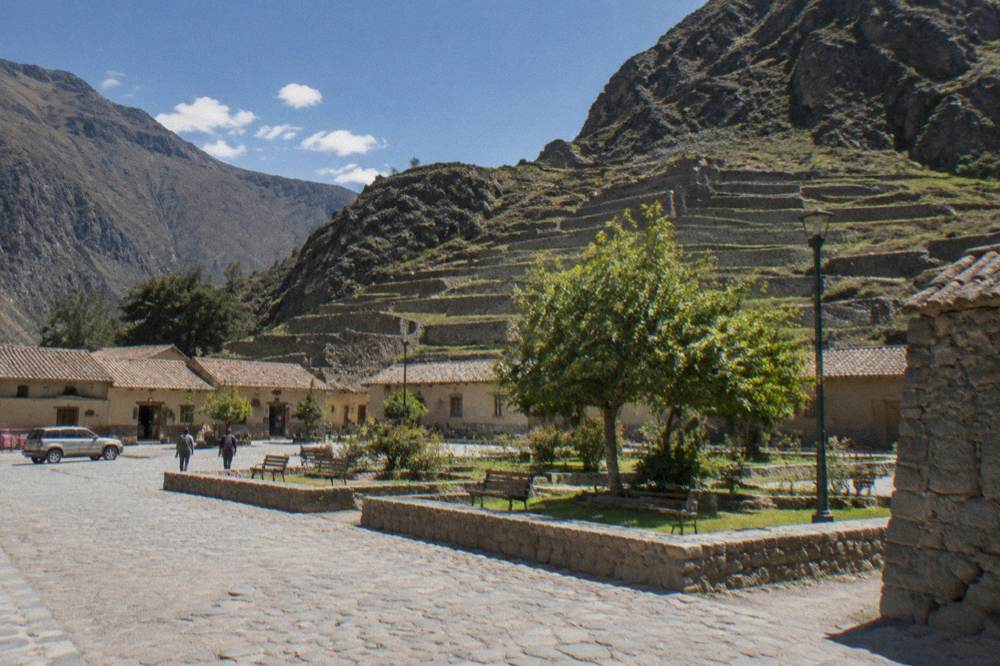
For acclimatisation, the Sacred Valley is lower and gentler: Ollantaytambo sits at 2,792 m, Urubamba at 2,870 m and Pisac at 2,972 m, against 3,335 m at Cusco's Plaza de Armas. The CDC Yellow Book prefers a graded ascent and names Cusco as a rapid-ascent destination, so sleeping lower after flying in is a defensible plan. The cost is distance: the city's restaurants, museums and Boleto sites are not at the door.
The elevation figures come from the verified pack: Ollantaytambo 2,792 m, Urubamba 2,870 m, Pisac 2,972 m, all meaningfully below the city. The CDC's advice, as summarised in the Yellow Book, is to avoid going from low altitude to a sleeping altitude of 2,750 m or more in a single day where possible, and to increase sleeping altitude gradually once above 3,000 m. Flying into Cusco from sea level breaks that rule by definition, which is why the Yellow Book names Cusco among the destinations where abrupt ascent is the norm and a low threshold for prophylaxis is advised. The CDC also notes that in cases like Cusco travellers can descend to lower elevations to sleep for a night or two and then begin their ascent. Acetazolamide remains a prescription decision to make with a doctor, not a travel tip.
There is a logistics argument on both sides. PeruRail's own FAQ gives the train times: Ollantaytambo to Machu Picchu is about 1 h 45, while San Pedro station in Cusco is about 4 h 30 and Poroy about 3 h 30. A valley base shortens the Machu Picchu day considerably. A city base shortens everything else: the Cusco altitude page and the museums, the San Blas studios and the cooking classes all sit in town.
| Sleeping base | Elevation | Train to Machu Picchu | Best for |
|---|---|---|---|
| Cusco (Plaza de Armas) | 3,335 m | about 4 h 30 from San Pedro | City sights, day trips, nightlife |
| Pisac | 2,972 m | via Ollantaytambo | Market town, craft shopping |
| Urubamba | 2,870 m | via Ollantaytambo | Valley hub, restaurants |
| Ollantaytambo | 2,792 m | about 1 h 45 | Machu Picchu mornings, ruins in town |
| Aguas Calientes (Machu Picchu Pueblo) | about 2,040 m | at the station end | Earliest citadel entry |
Aguas Calientes, the town at the Machu Picchu end of the line, is the lowest of all at about 2,040 m, though it exists almost entirely for the citadel visit. The citadel itself stands at 2,430 m, roughly 900 m below Cusco, a comparison the Cusco to Ollantaytambo page covers for the valley journey itself.
Whichever base wins, the first full day should be gentle, and the site's acclimatisation day itinerary exists for exactly that. The logic is simple: a body that has just arrived at 3,335 m benefits from a day of level walking, warm food and early sleep before it is asked to climb to 5,000 m or ride for hours on winding valley roads. A low-effort city introduction such as a half-day tour with Sacsayhuaman and Q'enqo works well on day one, because it keeps the walking modest while still delivering the headline ruins above the city.
How Does The Season Change Cusco Hotel Demand?
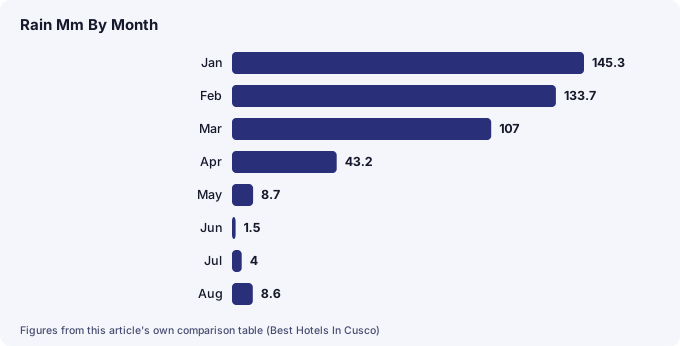
Cusco's hotel demand follows the dry season: roughly May to September brings clear days and cold nights, and June to August is winter, not summer. December to March is the wet season, carrying 71.9 percent of the year's 707.8 mm of rain at the WMO's Cuzco station, and demand softens with it. The single hardest dates are around Inti Raymi on 24 June.
The climate record behind this comes from the World Weather Information Service station "Cuzco", supplied by SENAMHI, a historical normal. The pattern is stark: May to August together bring just 22.8 mm of rain, 3.2 percent of the annual total, while December to March delivers 508.7 mm. Mean daily maxima barely move all year, staying between 18.8 and 20.9 C, but the July mean minimum is 0.1 C and June's is 0.3 C, with frosts common in the June and July window. The practical reading: winter days are bright and dry, winter nights are near freezing, and a room's bedding matters more in July than the brochure suggests.
| Month | Mean max C | Mean min C | Rain mm |
|---|---|---|---|
| Jan | 18.9 | 6.6 | 145.3 |
| Feb | 18.8 | 6.5 | 133.7 |
| Mar | 19.1 | 6.2 | 107.0 |
| Apr | 19.7 | 4.9 | 43.2 |
| May | 19.8 | 2.5 | 8.7 |
| Jun | 19.5 | 0.3 | 1.5 |
| Jul | 19.1 | 0.1 | 4.0 |
| Aug | 19.8 | 1.6 | 8.6 |
| Sep | 19.8 | 3.9 | 21.8 |
| Oct | 20.9 | 5.5 | 39.4 |
| Nov | 20.7 | 6.1 | 71.9 |
| Dec | 19.4 | 6.4 | 122.7 |
Visitor numbers tell the demand story. The MINCETUR open dataset, which this site's home page tracks monthly, records Machu Picchu's 2025 entries peaking in October at 154,105 and troughing in February at 79,806, with July and August close behind October. October drew 1.93 times the visitors of February. City hotels feel the same curve, because the Machu Picchu day trip is the anchor of nearly every Cusco stay.
| 2025 month | Machu Picchu visitors | 2025 month | Machu Picchu visitors |
|---|---|---|---|
| Jan | 108,966 | Jul | 151,550 |
| Feb | 79,806 | Aug | 153,655 |
| Mar | 102,218 | Sep | 142,579 |
| Apr | 128,369 | Oct | 154,105 |
| May | 132,020 | Nov | 110,429 |
| Jun | 125,615 | Dec | 90,194 |
The full seasonal breakdown lives on the best time to visit Cusco and Cusco weather by month pages. For rooms themselves, the wet-season months are when availability is easiest and the dry-season shoulder months of April, May, September and October are the balance point; live rates and open dates are shown on the booking search before you commit.
What Should You Check Before Booking A Cusco Hotel Room?
Three things matter more than the star count: the street's slope, the room's night-time warmth in the June and July frost window, and the pickup logistics for day tours. Cusco's centre is built on hills, the WMO station's July mean minimum is 0.1 C, and most regional day trips collect from central hotels, so a flat, central, well-covered room saves more energy than a view costs.
The slope point is not decoration. San Blas and the roads up to Sacsayhuaman climb several tens of metres, and at 3,335 m a climb that would be nothing at sea level is felt. PromPeru gives Sacsayhuaman's elevation as 3,701 m, so any hotel on the upper streets sits well above the Plaza already. A base on the flat grid between the Plaza de Armas and Av. El Sol keeps daily walking level. The full index of guides sits on Things To Do In Cusco Peru.
To see the four ruins above the city without the uphill logistics, book a half-day city tour here.
The warmth point needs care, because no verified source in this site's pack describes heating in Cusco buildings. What is verified is the frost record: SENAMHI's heladas page puts the frost season from April to September, peaking June and July. A traveller booking a July room should ask the property directly about night-time heating rather than assume it, the same way they should confirm altitude symptoms with a doctor rather than with a blog. The CDC's Peru notice stands at Level 1, practice usual precautions, and the altitude advice is the Yellow Book's: graded ascent preferred, and the first 48 hours at altitude are a time to avoid alcohol.
Logistics close the list. Day tours to Rainbow Mountain, Humantay Lake and the Sacred Valley collect from central hotels, and the getting around Cusco page covers the transport web. A room near a pickup corridor saves an early-morning scramble. Rainbow Mountain itself, at about 5,000 m with a community fee of S/ 25 to S/ 30 in cash for foreigners, is the classic first day trip from a city base:
For the comparison that matters most at that altitude, the Rainbow Mountain vs Palccoyo page sets the two routes side by side.
Where Should You Stay Near The Cusco Airport?
There is little reason to stay near the airport at all: it sits about 6 km from the Plaza de Armas, a 15 to 20 minute taxi ride, and an airport taxi to the centre is reported at about S/ 15 to 25. A night near the airport only makes sense for a very early departure or a late arrival, and the flat Wanchaq side is where those properties cluster, closer to the runway than to any sight.
The airport is Alejandro Velasco Astete, at 3,310 m, and it handles every Cusco flight: the new Chinchero airport is not operating, with completion targeted for 2028 and flights expected 2028 to 2029, so nothing about airport hotels changes in the near term. The Lima to Cusco flight takes about 1 h 15, and arrivals land close to town, which is why the airport-hotel question is smaller here than at most tourist cities. The site's Cusco airport page covers the terminal itself.
A prebooked private transfer from the airport to central hotels is one of the few airport costs with a verified product listing:
Beyond that, the practical pattern is simple: a central room plus a taxi beats an airport room plus a commute, unless the departure hour is brutal. The Cusco airport to centre cost question is covered on the answers track.
Which Dates Fill Cusco Hotels First?
Inti Raymi on 24 June fills the city first, followed by the late-June to early-November high-capacity window at Machu Picchu, the late December Santurantikuy fair on 24 December, and the scheduled papal visit of 15 November 2026 at Sacsayhuaman. Book the widest margin around 24 June and the dry-season peak, and expect the wet-season months of January and February to be the softest.
Inti Raymi, the Inca sun festival, runs each 24 June from Qorikancha to the Plaza de Armas and on to Sacsayhuaman, and its grandstand tickets sell through Teleticket; the 2026 edition's Sacsayhuaman seats were listed at S/ 490 and S/ 680 per the official seller page. The city's hotel market absorbs that crowd on top of the dry-season peak, which is why the Inti Raymi guide advises booking early for that window. Santurantikuy, the Christmas Eve craft fair on the Plaza de Armas, concentrates demand on a single December night in an otherwise quiet month.
| Date or window | Event | Demand effect on Cusco rooms |
|---|---|---|
| 24 June | Inti Raymi, citywide | Highest single-day squeeze |
| 19 Jun to 2 Nov | Machu Picchu daily capacity raised to 5,600 | Sustained dry-season peak |
| 15 Nov 2026 (scheduled) | Pope Leo XIV at Cusco and Sacsayhuaman, 10:30 | One-off crowding around the explanada |
| 24 December | Santurantikuy fair, Plaza de Armas | One busy night in a soft month |
| January and February | Wet season, Inca Trail closed in February | Softest availability |
The 5,600 figure comes from the Ministry resolution setting Machu Picchu's 2026 daily capacity: 4,500 on normal days, 5,600 on the listed high-season dates including 19 June to 2 November. More citadel tickets mean more city beds filled. The papal visit is a scheduled event for 15 November 2026 and is best treated as a planning fact, not a prediction; the Vatican's own programme places the Cusco and Sacsayhuaman encounter at 10:30 that day.
One more thing worth doing while the hotel is sorted: the neighbourhoods around the best rooms are also where the best food decisions happen, and the what to eat in Cusco and best restaurants in Cusco pages map the eating side of the same streets.
What Can You Do Within Walking Distance Of A Central Cusco Hotel?
From a room near the Plaza de Armas, the walkable set includes the Cathedral, Qorikancha, San Pedro Market, the San Blas craft quarter, the twelve-angled stone on Hatunrumiyoc and the ChocoMuseo, with Sacsayhuaman reachable on foot for those happy with the climb. The Boleto Turistico's Circuit II covers the city museums, and the COSITUC counter on Av. El Sol sells it in person.
The Boleto Turistico is the practical key to the city stay. COSITUC's tarifario lists the integral ticket at S/ 130 for a foreign adult, valid 10 days from purchase, with partial circuits at S/ 70 each; Circuit II covers the city's museums including the Qorikancha site museum, Circuit I covers Sacsayhuaman, Q'enqo, Puka Pukara and Tambomachay, and Circuit III covers Pisac, Ollantaytambo, Chinchero and Moray. It is sold in person only, at the counter on Av. El Sol 103, daily 07:30 to 18:00, and at most included sites; there is no online sales channel, which surprises visitors every week. The full breakdown is on the Boleto Turistico page.
For a rainy-afternoon or first-evening activity that needs no bus and no ticket, the chocolate workshops near the Plaza fit the bill, and the cooking classes page expands the idea:
The one thing a central hotel cannot deliver is the lake district of Puno, which is a long day's run south; for travellers routing on to Lake Titicaca, the scenic bus day covers the road:
And for travellers who want the full spread of day trips that depart from a Cusco base, the trio below is a representative cut of what the operators' live listings show:
For apartment-style stays and family space, vacation rentals in the Cusco area are listed separately from hotels, and the Cusco with kids page covers the family angle.
Common Questions About Cusco Hotels
Is Cusco Too High To Sleep Comfortably On The First Night?
Cusco's Plaza de Armas sits at 3,335 m, and the CDC Yellow Book names Cusco as a rapid-ascent destination where abrupt arrival by air is the norm. The Yellow Book prefers graded ascent, advises considering acetazolamide as a prescription decision with a doctor, and suggests descending to sleep at a lower elevation for a night or two where possible. Bodies differ, and symptoms warrant a doctor's attention rather than self-diagnosis.
Is It Cheaper To Stay In The Sacred Valley Than In Cusco?
No verified rate comparison exists in this site's fact base, and hotel rates are not figures this page quotes. What is verified is structural: Ollantaytambo at 2,792 m and Urubamba at 2,870 m sit lower than the city, and the train from Ollantaytambo to Machu Picchu takes about 1 h 45 against about 4 h 30 from San Pedro in Cusco. Live prices appear on the booking platforms before you commit.
Do Cusco Hotels Have Heating For The June And July Nights?
No verified source in this site's pack describes heating in Cusco hotel rooms, so treat it as a question to ask the property directly. What is verified is the climate: the WMO's Cuzco station, supplied by SENAMHI, records a July mean minimum of 0.1 C and a June mean of 0.3 C, and SENAMHI's frost page puts the heladas season from April to September, peaking June and July. The mean daytime maximum stays near 19 C even then.
How Far Is The Airport From The Hotels In The Centre?
About 6 km, or a 15 to 20 minute taxi ride, per PromPeru's historic-centre page. An airport taxi to the centre is reported at about S/ 15 to 25. The airport, Alejandro Velasco Astete at 3,310 m, handles every Cusco flight; the new Chinchero airport is not operating, with completion targeted for 2028.
Should You Book A Cusco Hotel Before Or After Booking Machu Picchu Tickets?
Machu Picchu tickets should anchor the plan, because tickets are nominal: valid only for the stated date, hour, circuit and holder, with no changes allowed beyond a single passport-number correction. Foreign adult entry runs from about S/ 163 on standard routes and S/ 211 on mountain routes, secondary figures, and the Ministry of Culture's platform shows the live price. Once the citadel date is fixed, the hotel nights fall into place around it, with the widest margin needed for the 24 June Inti Raymi window and the dry-season peak.