Inti Raymi In Cusco: The Sun Festival Of 24 June
Every 24 June, Cusco stages Inti Raymi, the winter-solstice festival that opens at Qorikancha, processes to the Plaza de Armas and holds its main ceremony at Sacsayhuaman. Here is the route, the ticket position and how the week fits a wider trip.
Short answer
Inti Raymi is held in Cusco every 24 June, the winter-solstice date in the southern hemisphere, and the next edition falls on 24 June 2027. The ceremony begins at Qorikancha, moves to the Plaza de Armas and closes with the main act on the Sacsayhuaman esplanade. Grandstand tickets are sold through Teleticket, with sales historically opening in mid-April.
Every 24 June the city of Cusco, the historic capital in the Andes of southern Peru, gives itself over to Inti Raymi. Peru's official tourism board, peru.travel, lists the festival on its events calendar for the winter-solstice date, and the city's municipal festival body, EMUFEC, organises it. The next edition falls on 24 June 2027. The day has three fixed stages: it opens at Qorikancha, processes to the Plaza de Armas and holds its main ceremony on the Sacsayhuaman esplanade above the rooftops. This guide sets out the route, the ticket position, the late-June weather and how the week fits a wider Cusco itinerary, in the reporting voice this site uses throughout: what the official pages state, and nothing beyond it.
What Is Inti Raymi In Cusco?
Inti Raymi is Cusco's festival of the sun, held every 24 June, the winter-solstice date in the southern hemisphere. The 2026 edition has already passed; the next one falls on 24 June 2027. The day belongs to the city's festival calendar rather than a single venue: the ceremony begins at Qorikancha, processes to the Plaza de Armas and holds its main ceremony on the Sacsayhuaman esplanade above the city.
Peru.travel, the country's official tourism portal, carries the festival on its events pages and gives the essential frame: 24 June each year, the winter solstice, with the ceremony starting at Qorikancha, passing through the Plaza de Armas and finishing with the principal act at Sacsayhuaman. That three-stage shape is the single most useful thing to know, because it decides where a visitor stands, what a ticket buys and how the day's crowds move through the historic centre.
The organiser is EMUFEC, the Empresa Municipal de Festejos y Promocion Turistica del Cusco, and the official sales channel for grandstand seating is Teleticket. That much the sources state plainly.
The setting matters as much as the schedule. Cusco's historic centre has been on the UNESCO World Heritage list since 1983, the same year the Machu Picchu sanctuary was inscribed, on 9 December 1983. The festival moves through a city where colonial churches stand on Inca stone foundations, a qualitative fact every guide repeats and no source disputes. The Plaza de Armas sits at 3,335 m per PROMPERU, and the festival's final stage sits higher still, which shapes both the views and the cold. For a fuller picture of the city itself, the guide to Cusco's historic centre covers the streets the procession passes, and Things To Do In Cusco Peru collects the whole destination in one place.
Where Does The Inti Raymi Procession Go On 24 June?
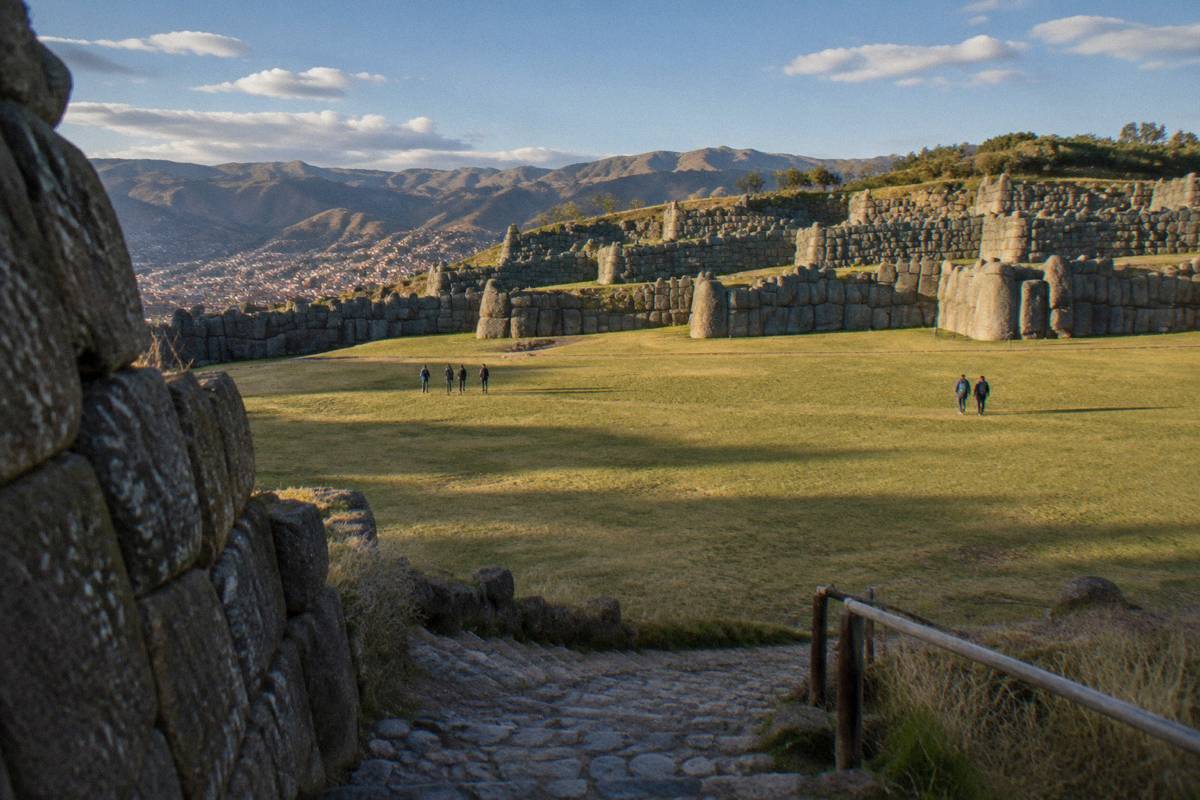
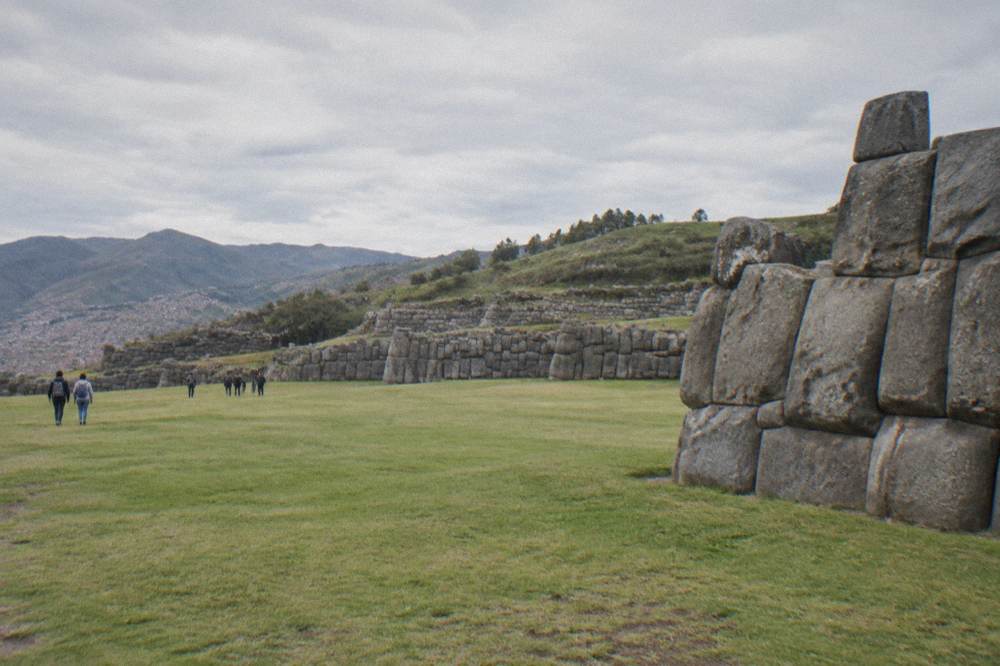
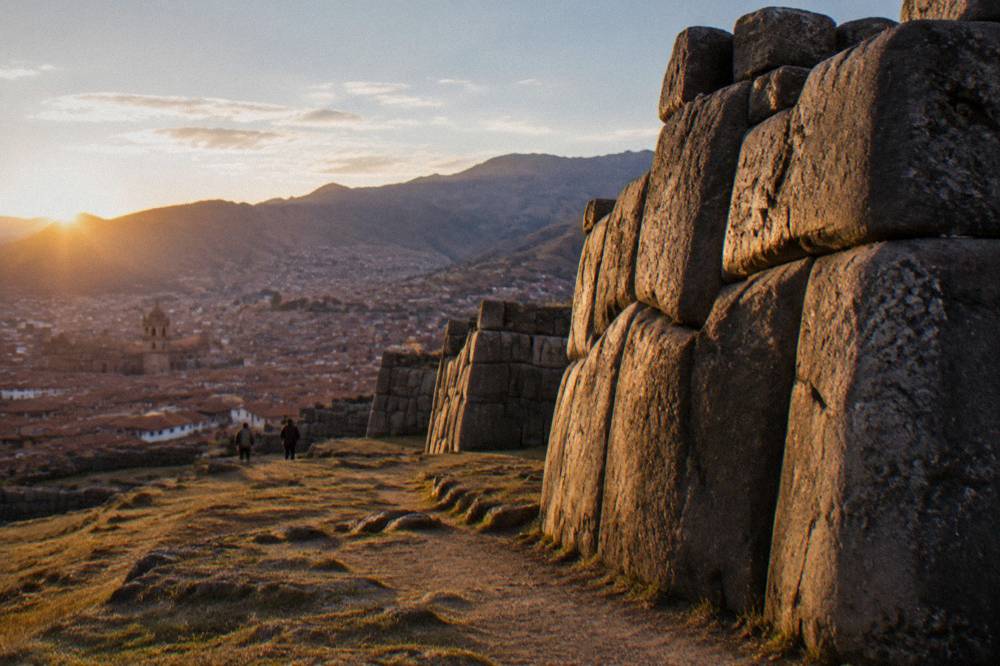
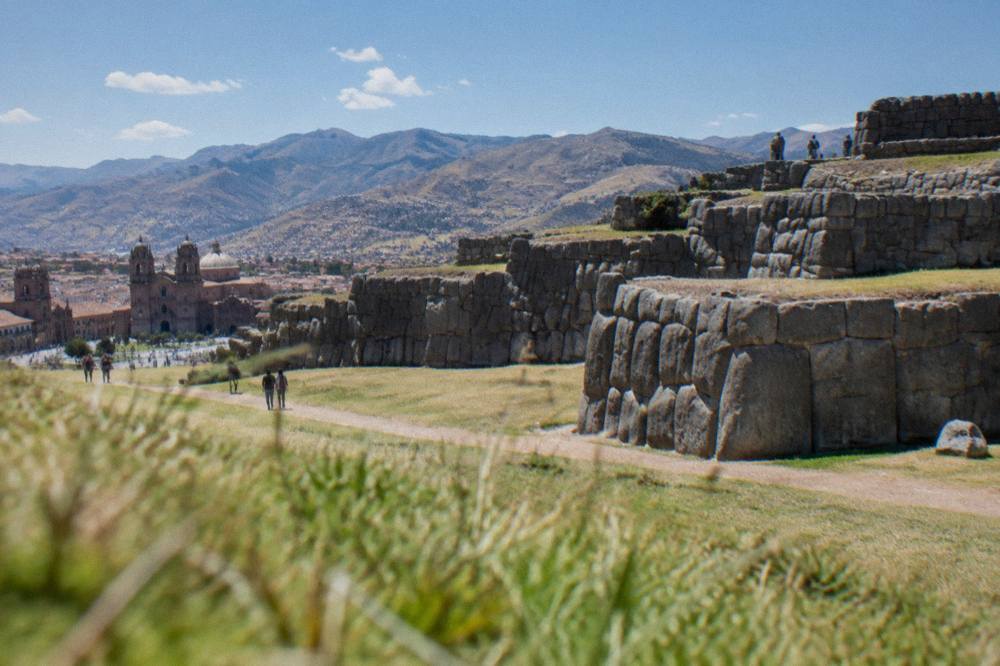
The Inti Raymi route runs through three landmark stages in one day: it opens at Qorikancha, the Inca temple site beneath the Santo Domingo church, processes through the historic centre to the Plaza de Armas at 3,335 m, and closes with the main ceremony on the Sacsayhuaman esplanade, the fortified site at about 3,701 m that looks down over the city.
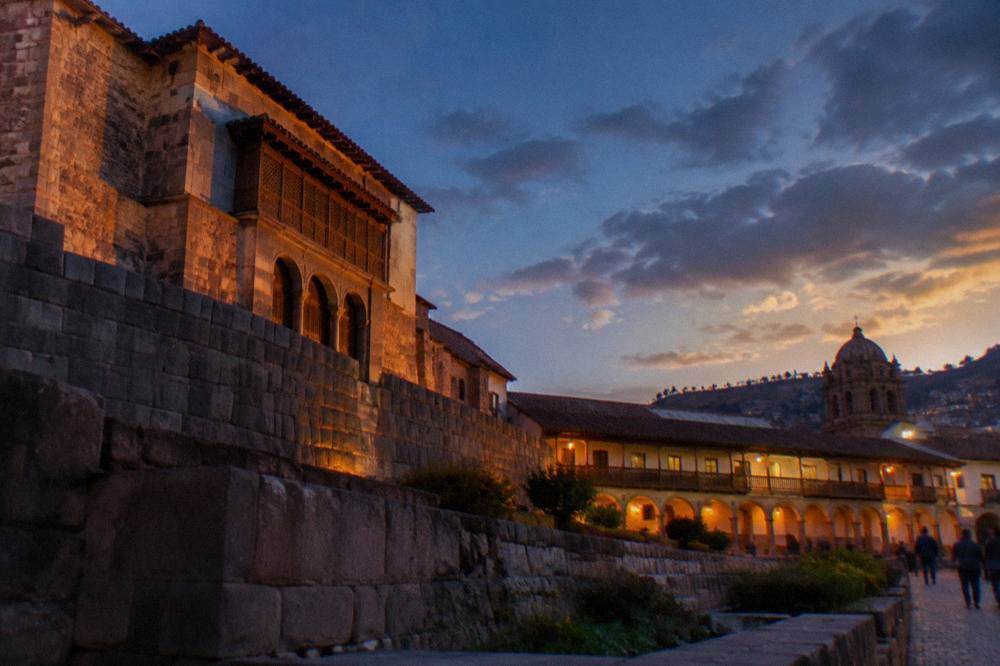
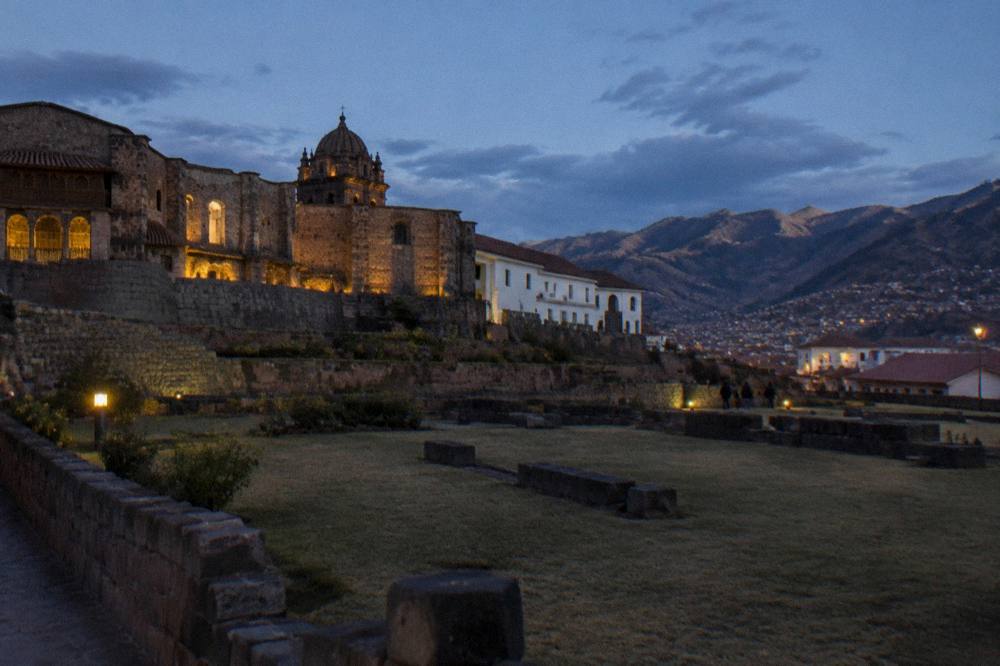
The first stage, Qorikancha, is the one visitors can also see on an ordinary day. The site appears on the Boleto Turistico as the Museo de Sitio Qorikancha, part of Circuit II, the city circuit, and peru.travel's museum pages list it among Cusco's essential visits. The festival's opening act takes place at and around this Inca walled compound, which sits a few blocks from the Plaza de Armas in the direction of the old Inca centre.
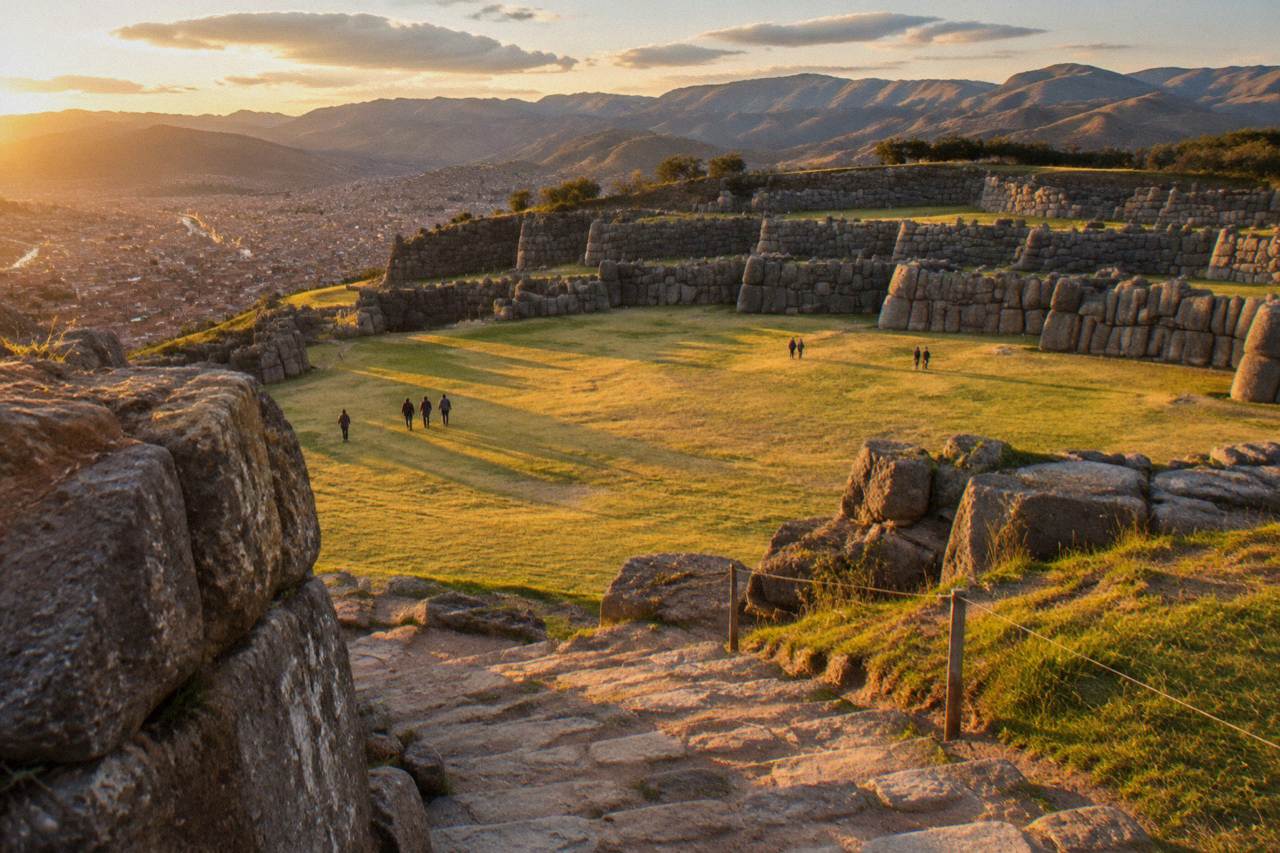
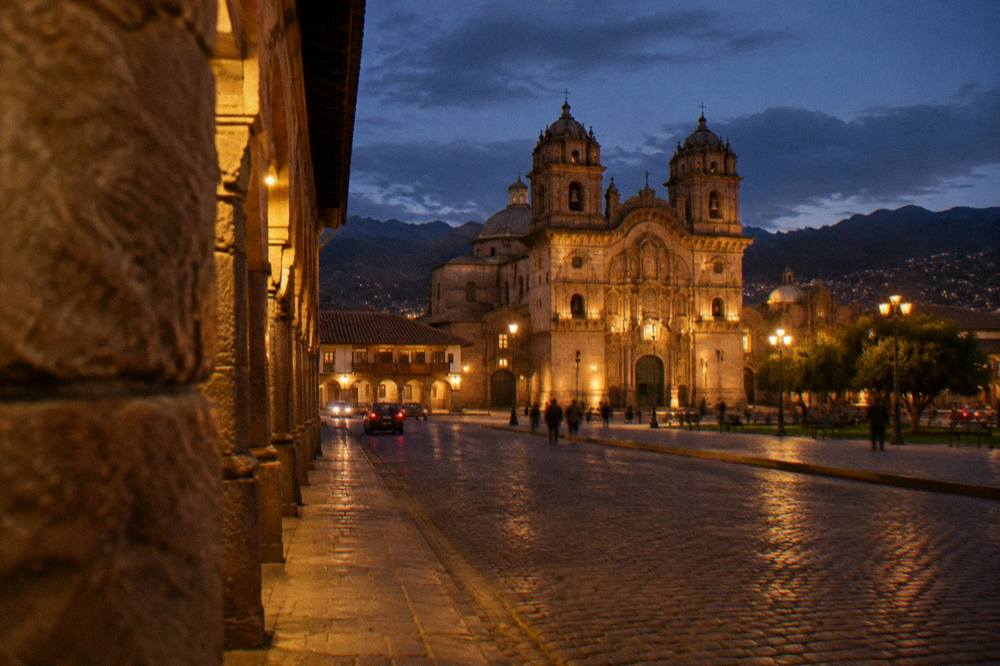
The second stage is the Plaza de Armas itself, the colonial heart of the city, ringed by arcades and the Cathedral. The procession arrives here from Qorikancha, and the square's role on the day is the reason the centre is so congested each 24 June. The third and principal stage is Sacsayhuaman, the walled site on the hill above the city whose open esplanade holds the main ceremony and the ticketed grandstands.
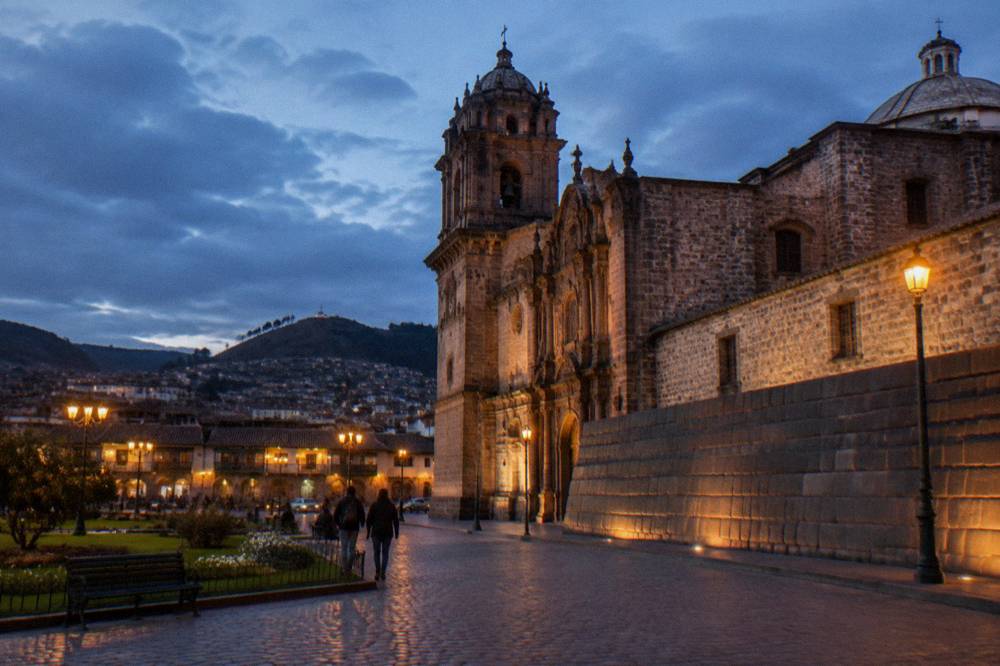
Here is the route in table form, with what each stage is on an ordinary day as well as on the festival date:
| Stage | Place | Ordinary-Day Role | Role On 24 June |
|---|---|---|---|
| Opening | Qorikancha, historic centre | Museo de Sitio on Boleto Turistico Circuit II | The ceremony begins here |
| Procession | Streets of the historic centre to the Plaza de Armas at 3,335 m | City squares and colonial arcades | The route passes through the city |
| Main ceremony | Sacsayhuaman esplanade at about 3,701 m | Archaeological park on Boleto Turistico Circuit I | The principal ceremony and the grandstands |
Two practical notes follow from the geography. First, the three stages are walkable in the sense that they sit within one continuous stretch of city and hillside; the pack behind this site holds no sourced walking time for the route, so none is printed here. Second, the finish at Sacsayhuaman is the part that needs planning, because the esplanade is where the ticketed seating stands and where the crowd concentrates. The Cusco city tour guide explains how the city's transport options connect the centre with the hill sites on normal days.
For many visitors the festival is one thread of a longer trip, and the two classic companions are Machu Picchu and the Sacred Valley. The selections below cover both:
How Much Do Inti Raymi Tickets Cost And Where Do You Buy Them?
Grandstand tickets for Inti Raymi are sold through Teleticket, the official seller, and sales have historically opened in mid-April ahead of the 24 June date. For the 2026 edition the seller's page listed Sacsayhuaman Zona Illapa general seats at S/ 490, children at S/ 250, and Zona Chaska general seats at S/ 680; 2027 prices had not been published when this page was written.
The prices above are the 2026 edition's, read from the official seller's own listing, and they must not be presented as 2027 prices. What carries over is the mechanism: Teleticket is the sales channel, EMUFEC is the organiser, and sales have opened in mid-April in past years. Anyone planning for 24 June 2027 should watch the seller's page from around that point in the spring rather than rely on a date this site cannot source.
| Item | 2026 Position | Source Basis |
|---|---|---|
| Zona Illapa, general seat | S/ 490 | Official seller listing, 2026 edition |
| Zona Illapa, children | S/ 250 | Official seller listing, 2026 edition |
| Zona Chaska, general seat | S/ 680 | Official seller listing, 2026 edition |
| Sales channel | Teleticket | Official seller and peru.travel |
| Sales opening | Historically mid-April | peru.travel events listing |
What a grandstand seat buys is a position at the Sacsayhuaman esplanade, the main-ceremony stage. The seller's page is the place to check what, if anything, is charged for viewing elsewhere along the route; nothing is known about other viewing arrangements, so this page states nothing either. That is deliberate. Festival pages on other sites routinely invent free-viewing claims and queue details, and the fact gate here refuses them.
Budget-wise, the grandstand is the festival's main optional cost, and it sits on top of whatever the wider trip costs. The Cusco costs guide and the pages around it break the everyday spending down. If the trip includes Machu Picchu in the same late-June window, entry there is a separate purchase from the festival entirely, sold on the Ministry of Culture's ticket platform rather than through Teleticket, and the site's own Machu Picchu entry ticket can be Check availability checked alongside festival seating.
What Is The Weather Like In Cusco In Late June?
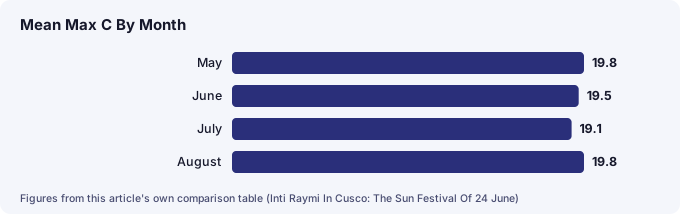
Cusco in late June is midwinter: the WMO and SENAMHI historical normal for the Cuzco station gives a June mean maximum of 19.5 C, a mean minimum of 0.3 C and just 1.5 mm of rain for the whole month. Days are typically dry and clear, nights drop to frost, and the same record puts July's mean minimum at 0.1 C.
The numbers come from the World Weather Information Service record for the Cuzco station, supplied by SENAMHI, Peru's weather service. It is a historical normal, not a forecast, and it describes the deepest part of the dry season. December to March carries 71.9 percent of the year's 707.8 mm of rain at that station, while May to August together bring 22.8 mm. June is, in plain terms, one of the driest and clearest months of the Cusco year.
The catch is the night. Frost is common in June and July, SENAMHI's own pages note, and the daily swing is wide: the mean maximum stays near 19.5 C while the mean minimum hovers just above freezing. A festival day can feel warm in the sun on the Sacsayhuaman esplanade and genuinely cold once the sun drops behind the hills, and the grandstand seating sits outside. Layers are not a suggestion here; they are the whole strategy.
| Month | Mean Max C | Mean Min C | Rain mm |
|---|---|---|---|
| May | 19.8 | 2.5 | 8.7 |
| June | 19.5 | 0.3 | 1.5 |
| July | 19.1 | 0.1 | 4.0 |
| August | 19.8 | 1.6 | 8.6 |
For the full twelve-month picture, the Cusco weather by month guide carries the complete station table, and the best time to visit Cusco guide weighs the dry-season trade-off: festival crowds and Machu Picchu high season against near-zero rain. The monthly visitor figures on this site's home page add the other half of that picture, showing how the June-to-October stretch pulls the year's crowds.
How Does Inti Raymi Week Change A Sacsayhuaman Visit?
Sacsayhuaman sits on the Boleto Turistico's Circuit I: a Circuit I partial ticket costs S/ 70 and is valid for one day, while the S/ 130 integral ticket covers all 16 COSITUC sites over 10 days. Listed hours are 07:00 to 18:00, and MINCETUR's open dataset counted 944,008 visits to the Sacsayhuaman esplanade in 2025, the third-highest recorded total among Cusco-region sites that year.
The Boleto Turistico, run by COSITUC, is the ordinary way into Sacsayhuaman, and it is sold in person only, at the counter on Av. El Sol 103 and at most included sites, never online. Circuit I covers the four hill sites: Saqsaywaman, Q'enqo, Puka Pukara and Tambomachay. The integral ticket adds the city and Sacred Valley circuits, all 16 sites, over 10 days. Children are free to age 9, and the only discount the FAQ recognises is the student rate.
| Ticket | Price | Validity | Covers |
|---|---|---|---|
| Circuit I partial (Saqsaywaman) | S/ 70 | 1 day | Saqsaywaman, Q'enqo, Puka Pukara, Tambomachay |
| Circuit II partial (City) | S/ 70 | 2 days | Qorikancha site museum and the city museums and monuments |
| Integral | S/ 130 | 10 days | All 16 COSITUC sites |
| Foreign student integral | S/ 70 | 10 days | Same 16 sites, with student ID |
Machu Picchu is not on any of these tickets. It sells separately on the Ministry of Culture's platform, and the two purchases are often confused in festival week, when everything feels like one package. The Boleto Turistico guide untangles the full site list.
Festival week changes the wider picture in two documented ways. First, 24 June falls inside Machu Picchu's flagged high-season window: the 2026 daily capacity is 5,600 from 19 June to 2 November, against 4,500 on ordinary days, per the ministry resolution reported by state news agency Andina. Second, Sacsayhuaman has a second crowded date on the horizon: Pope Leo XIV is scheduled to visit Cusco and Sacsayhuaman on 15 November 2026, an encounter with the faithful set for 10:30, and access control and heavy crowding should be expected around the esplanade on that date too.
| Machu Picchu Rule | Current Position |
|---|---|
| Daily capacity | 5,600 on 19 Jun to 2 Nov 2026; 4,500 on other days |
| Circuits and routes | 3 circuits, 10 routes since 1 June 2024 |
| Guide requirement | Recommended, not mandatory |
| Ticket changes | Nominal tickets; only one passport-number correction allowed |
| Foreign adult entry | From about S/ 163 standard routes, S/ 211 mountain routes, live price on the official platform |
For the Machu Picchu leg of a festival-week trip, the entry-only ticket below is the direct purchase, and the rules table above is what governs it: nominal tickets, a recommended rather than mandatory guide, and a live price on the official platform.
Back in the city, the four hill sites that Circuit I covers are exactly the ground the festival's final stage occupies, and a half-day city tour is the standard way to see them when the festival is not in residence:
How Do You Plan A Whole Trip Around Inti Raymi?
A trip built around Inti Raymi puts the 24 June date at its centre and everything else around it: arrival days to acclimatise at 3,335 m, early booking for late June, which sits inside Machu Picchu's flagged high-season window of 19 June to 2 November 2026 with a raised daily cap of 5,600, and a realistic plan for tickets, rooms and transport in a festival week.
Altitude comes first, because the festival route starts at Plaza de Armas height and finishes several hundred metres higher at Sacsayhuaman. The CDC Yellow Book names Cusco as a rapid-ascent destination at about 3,350 m, prefers graded ascent where it is feasible, and treats acetazolamide as a prescription decision to make with a doctor. The CDC also notes that travellers in some cases can sleep a night or two at a lower elevation before beginning the ascent. Nobody publishes a day count for acclimatisation that this site could source, so none is printed; the Cusco altitude guide carries the full CDC-sourced advice.
Rooms come next. Festival week fills the historic centre, and the where to stay in Cusco guide and the best hotels in Cusco guide map the neighbourhoods against the festival's three stages: the blocks around the Plaza de Armas for the procession, or calmer lodgings a short ride out for the cold quiet nights. Eating and evenings fill the gaps between the ceremony stages, and the what to eat in Cusco guide and the Cusco nightlife guide cover both.
The calendar around the festival is worth knowing when the dates are sourced, and several of them are:
| Event | Date | Place |
|---|---|---|
| Inti Raymi, next edition | 24 June 2027 | Qorikancha, Plaza de Armas, Sacsayhuaman |
| Virgen del Carmen | Traditionally 15 to 18 July | Paucartambo |
| Q'eswachaka bridge renewal 2026 | 2 to 4 July, festival 5 July | Q'eswachaka |
| Pope Leo XIV visit, scheduled | 15 November 2026, 10:30 | Cusco and Sacsayhuaman |
| Santurantikuy craft fair | 24 December | Plaza de Armas |
A festival-centred trip also needs a valley day, both because the Sacred Valley sits lower and gentler than the city and because the classic itineraries pair it with Machu Picchu. The Sacred Valley and salt mines excursion below is the standard shape:
Whether the whole package is worth building a trip around is a fair question, and this site answers it separately, in detail, on whether Inti Raymi is worth it. The short version from the sources: a fixed date, a fixed route, ticketed seating at the main stage and a city that spends the day in festival mode.
For the fuller festival-plus-ruins-plus-Machu-Picchu combination, these three picks are the ones this site rates for late June:
Common Questions About Inti Raymi In Cusco
When Is Inti Raymi 2027?
Inti Raymi is held every 24 June, and the next edition falls on 24 June 2027. The date is fixed to the winter-solstice point of the southern hemisphere year, so it does not move with the calendar of any other festival. Grandstand sales have historically opened in mid-April through Teleticket.
Where Does The Main Inti Raymi Ceremony Take Place?
The main ceremony takes place on the Sacsayhuaman esplanade, the walled site on the hill above Cusco at about 3,701 m. The day opens at Qorikancha in the historic centre and processes to the Plaza de Armas before the principal act at Sacsayhuaman, where the ticketed grandstands stand.
Do You Need A Ticket For Inti Raymi?
Grandstand seating at the Sacsayhuaman main ceremony is ticketed and sold through Teleticket; the 2026 edition listed Zona Illapa general seats at S/ 490 and Zona Chaska at S/ 680. For viewing elsewhere along the route, the seller's page is the place to check what, if anything, is charged.
What Is The Weather Like In Cusco On 24 June?
Late June is midwinter in the southern hemisphere: the WMO and SENAMHI historical normal for the Cuzco station gives a June mean maximum of 19.5 C, a mean minimum of 0.3 C and 1.5 mm of rain for the month. Expect dry, clear days and frost-cold nights, especially on the open esplanade.
Is Inti Raymi Week A Good Time To Visit Machu Picchu?
It can be, with planning. The 24 June date sits inside Machu Picchu's flagged 2026 high-season window of 19 June to 2 November, when the daily cap rises to 5,600 from 4,500. Tickets are nominal, valid only for the stated date, hour, circuit and holder, and a guide is recommended rather than mandatory; the official platform shows live availability.
Who Organises Inti Raymi?
The festival is organised by EMUFEC, the Empresa Municipal de Festejos y Promocion Turistica del Cusco, the city's municipal festival body, with grandstand tickets sold through Teleticket. Peru.travel, the official tourism portal, carries the festival on its events calendar with the three-stage route.