Cusco And Machu Picchu In 5 Days
Cusco, the historic city in the Andes of southern Peru at 3,335 m, and the Machu Picchu citadel at 2,430 m make a natural five-day pairing. This itinerary builds the days around what official sources state: the COSITUC tarifario, the Ministry of Culture ticket platform, and the CDC Yellow Book's altitude guidance.
Short answer
Five days is enough for Cusco, a Sacred Valley day and Machu Picchu if you plan around altitude: light first day in the city, valley sites next, then Machu Picchu on day four or five. Buy the Boleto Turistico in person at Av. El Sol 103, and get the Machu Picchu ticket on the Ministry of Culture platform for a set date, hour and circuit.
Cusco, the historic city in the Andes of southern Peru, sits at 3,335 m at its Plaza de Armas, and the Machu Picchu citadel lies about 900 m lower at 2,430 m, outside the city entirely. That single fact shapes a good five-day plan more than anything else: the city is the altitude ceiling of the trip, so the itinerary below puts light city days first, drops into the Sacred Valley to sleep lower, and reaches Machu Picchu on day four or five. Everything here follows what the official sources state: the COSITUC tarifario for the Boleto Turistico, the Ministry of Culture platform for Machu Picchu tickets, the CDC Yellow Book for altitude, and the WMO and SENAMHI station record for weather. For a wider set of options see Things To Do In Cusco Peru, and for the citadel itself the site's own page at the Machu Picchu day trip guide.
How Many Days Do You Need For Cusco And Machu Picchu?
Five days is the practical minimum for both Cusco and Machu Picchu without rushing altitude: one light arrival day in the city, a second day for the historic centre and nearby ruins, a third day in the Sacred Valley sleeping lower, and days four and five for the journey to and from the citadel. The CDC Yellow Book prefers a graded ascent and names Cusco as a rapid-ascent destination, so the plan front-loads the high city days and descends before the finale.
The Ministry of Culture's rules make Machu Picchu a fixed appointment rather than a flexible stop: a ticket is nominal, valid only for the stated date, hour, circuit and holder, with no date or name change beyond a single passport-number correction. That means the citadel day anchors the whole itinerary and everything else is scheduled around it. The Boleto Turistico's own FAQ adds a second constraint from the other direction: covering all 16 of its sites needs a minimum of three days, and the ticket is sold in person only, at the counter on Av. El Sol 103, daily 07:30 to 18:00, or at most included sites.
Travellers with less time can compress the pairing. The site's 3-day Cusco itinerary trims the valley day, and the 2-day itinerary is really a city-and-ruins plan with Machu Picchu bolted on as a long day trip. At the other end, the 7-day itinerary adds Rainbow Mountain and the far valley sites. Five days is the sweet spot the COSITUC and Ministry of Culture rules both reward: enough room for the 10-day boleto to cover the city and valley sites, and enough slack that a missed train or a wet morning does not destroy the citadel booking.
| Trip length | Cusco city | Sacred Valley | Machu Picchu | What it costs you |
|---|---|---|---|---|
| 2 days | Ruins circuit only | Skipped | Long day trip | Altitude hit on day one |
| 3 days | One full day | Half day | Day three | Tight if anything slips |
| 5 days | Two light days | One full day | Days four to five | Comfortable, recommended |
| 7 days | Two days | Two days | Plus a mountain day | Adds Rainbow Mountain or a trek |
What Should The Five Days Look Like Day By Day?
Day one: arrive in Cusco, rest, and walk only the flat blocks around the Plaza de Armas. Day two: the historic centre and Sacsayhuaman on the Boleto Turistico Circuit I. Day three: the Sacred Valley, Pisac to Ollantaytambo, sleeping lower. Day four: travel to Machu Picchu Pueblo. Day five: the citadel by timed entry, then back to Cusco. The order is deliberate: the highest sleeping nights come first while excitement outruns exertion, and the valley nights are lower.
The first day should be genuinely light, and the CDC's wording explains why: Cusco is a rapid-ascent destination when reached by air, and the Yellow Book advises avoiding a single-day jump from low altitude to a sleeping altitude of 2,750 m or more, moving sleeping altitude by no more than 500 m a night once above 3,000 m, and considering acetazolamide as a prescription decision with a doctor. Nobody publishes a day count for acclimatisation, so the plan below simply sequences the days sensibly and keeps the first one slow. The site's acclimatisation day plan expands day one in detail.
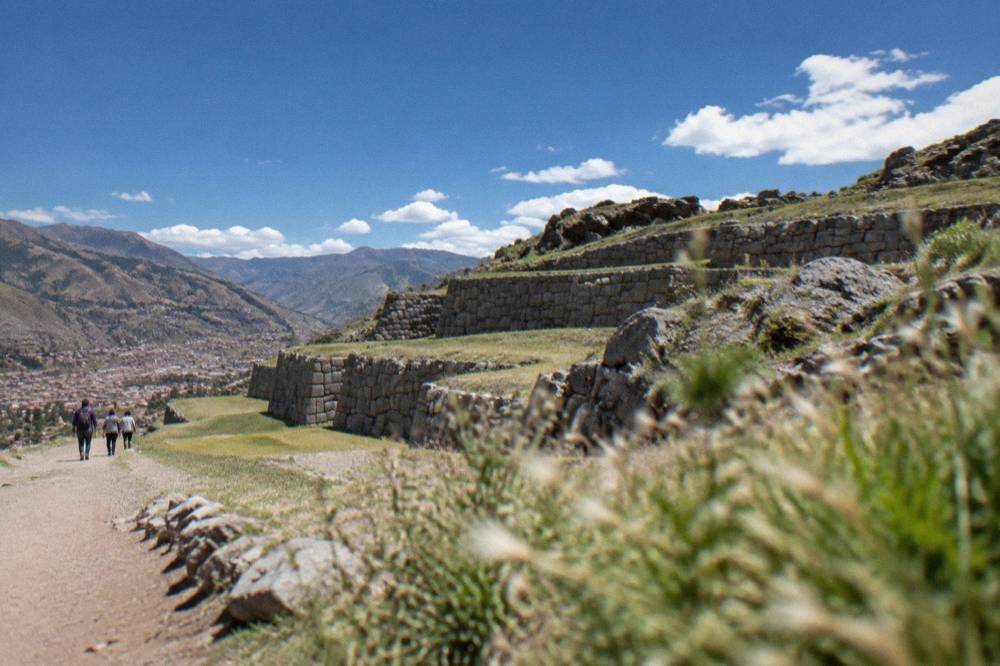
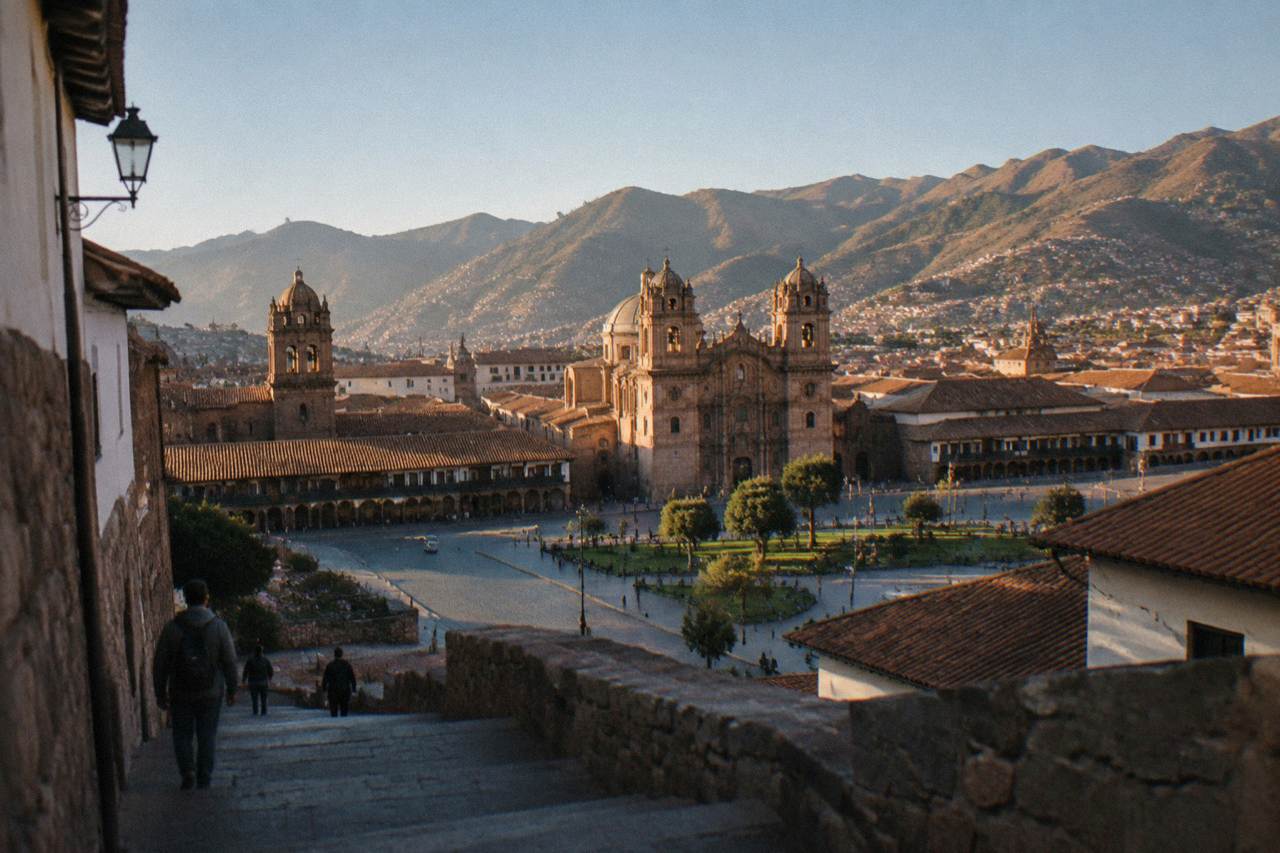
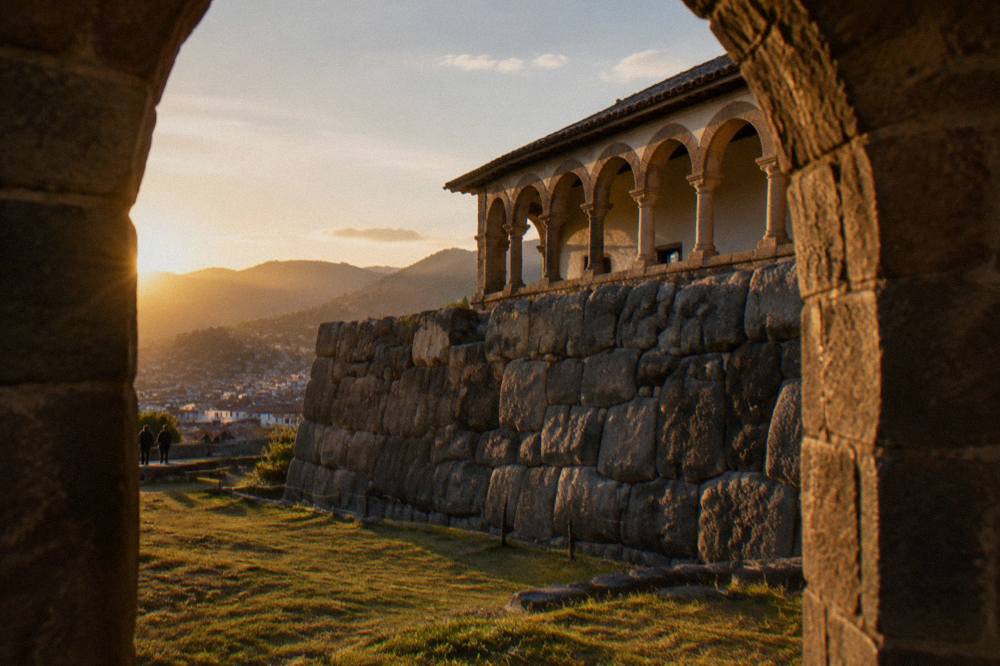
Day two is the city's own weight of sights. The Plaza de Armas, the Cusco Cathedral, Qorikancha and the colonial churches standing on Inca stone foundations are all walkable, and Sacsayhuaman, Q'enqo, Puka Pukara and Tambomachay sit above the city on the boleto's Circuit I. A half-day city tour covers the four ruins efficiently; the half-day Sacsayhuaman and Q'enco tour is the roster's high-volume option. A free GuruWalk walk, such as the Free Tour in Cusco with local guide Frank Emerson, covers the historic centre on a tip basis and pairs well with the ruins afternoon.
Day three drops into the Sacred Valley, and the elevation numbers argue for it: Urubamba sits at 2,870 m, Ollantaytambo at 2,792 m and Pisac at 2,972 m, all well below the city. The valley sites are on the boleto's Circuit III: Pisac, Ollantaytambo, Chinchero and Moray. Ollantaytambo also happens to be the rail hub for the citadel, so a valley day doubles as a scouting run for day four. The Sacred Valley in one day guide covers the sequencing question, and Sacred Valley or Machu Picchu first answers the ordering debate this plan has already taken a side on.
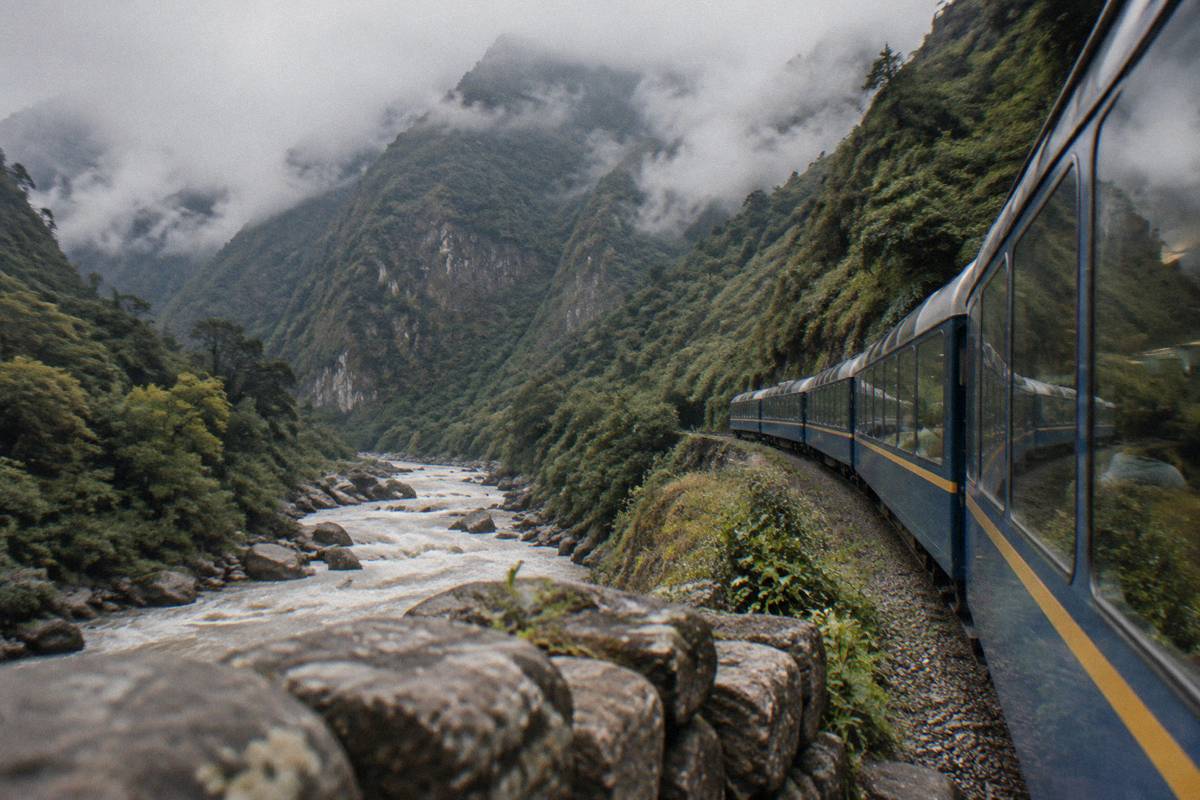
Days four and five belong to the citadel. The train question is a sibling site's topic, so one honest sentence: two operators, PeruRail and Inca Rail, run the route from the Cusco-side stations at Poroy and San Pedro, with Ollantaytambo as the practical hub, and fares are shown on the operators' own pages. The citadel itself gets one section below, because the current rules decide how day five actually runs.
| Day | Base | Elevation of base | Focus | Ticket needed |
|---|---|---|---|---|
| 1 | Cusco | 3,335 m | Rest, Plaza de Armas, easy walking | None |
| 2 | Cusco | 3,335 m | Historic centre, Sacsayhuaman, Q'enqo | Boleto Circuit I or integral |
| 3 | Ollantaytambo or Urubamba | 2,792 to 2,870 m | Pisac, Ollantaytambo, Chinchero, Moray | Boleto Circuit III or integral |
| 4 | Machu Picchu Pueblo | about 2,040 m | Travel, hot springs, early night | None |
| 5 | Cusco return | 2,430 m at the citadel | Timed circuit entry, return | Machu Picchu ticket, fixed date and hour |
How Do You Handle Altitude On The Cusco And Machu Picchu Route?
Cusco at 3,335 m is the high point of the trip and Machu Picchu at 2,430 m is roughly 900 m lower, so the altitude problem is concentrated in the first two nights. The CDC Yellow Book puts rates of altitude illness approaching 50 percent in abrupt-ascent situations where staged acclimatisation is not feasible, prefers a graded ascent, and names Cusco as a rapid-ascent destination, which is why this itinerary descends to the valley before the citadel day.
The CDC also notes that travellers in some cases, Cusco among them, can descend to elevations lower than the airport to sleep for a night or two and then begin the ascent, which is exactly what the valley night on day three does. The practical advice the CDC gives alongside is limited: consider acetazolamide to speed acclimatisation if abrupt ascent is unavoidable, a prescription decision with a doctor, and avoid alcohol for the first 48 hours at high altitude. The site's Cusco altitude guide and the how likely is altitude sickness answer carry the fuller picture.
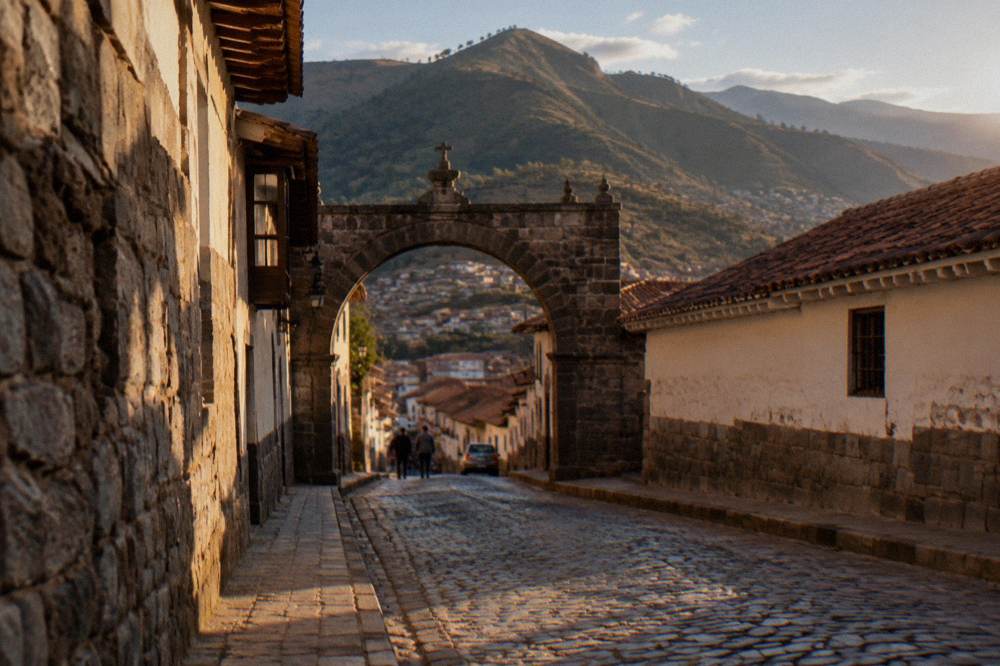
Two comparisons come up constantly and both have sourced answers. Cusco is higher than Machu Picchu, and the citadel is the lower, warmer end of the trip: the is Cusco higher than Machu Picchu answer settles the direction, and altitude: worse in Cusco or Machu Picchu addresses which end people feel more. On temperature, the is Cusco colder than Machu Picchu answer reflects the same elevation gap. The one thing not to do is add a high mountain day early: Rainbow Mountain at about 5,000 m and Humantay Lake at about 4,200 m belong at the end of a trip, if at all, and the when not to visit Cusco page covers the timing side.
For travellers who want the walking version of the whole pairing, the roster's trek options replace days three to five with a trail. The classic five-day Salkantay trek is the related product for this itinerary: it is a small-group hike to Machu Picchu whose permit and logistics are handled by the operator, and it can be checked via Check availability. The Salkantay route is one of several trail options covered in the site's Salkantay trek guide, alongside the Inca Trail and the Lares trek. The Inca Trail closes every February and its permits sell only through licensed agencies, capped at 500 people a day including porters and guides, so a February trip needs a different trail.
What Are The Machu Picchu Rules That Shape Day Five?
Machu Picchu has had three circuits and ten routes since 1 June 2024, entry is by hourly slot with a nominal ticket for a fixed date, hour, circuit and holder, and a guide is recommended but not mandatory under Article 17.1 as rewritten by RM 000334-2026-MC. Foreign adults pay from about S/ 163 (about US$48) on standard routes and S/ 211 (about US$62) on mountain routes, figures that include the S/ 11 SERNANP fee, and the Ministry of Culture platform shows the live price.
The circuit choice decides what day five looks like. Circuit 1 Panoramico carries routes 1-A Machu Picchu Mountain, 1-B Upper Terrace, 1-C Intipunku Gate and 1-D Inka Bridge, with 1-C and 1-D running in high season only. Circuit 2 Clasico carries the designed route 2-A and the Lower Terrace 2-B, and it is the classic postcard circuit. Circuit 3 Realeza carries 3-A Huayna Picchu Mountain, 3-B, 3-C Great Cavern and 3-D Huchuypicchu, the last two again high season only. The Machu Picchu day trip page is the site's single detailed guide to the citadel and should be the reference for the ticket choice.
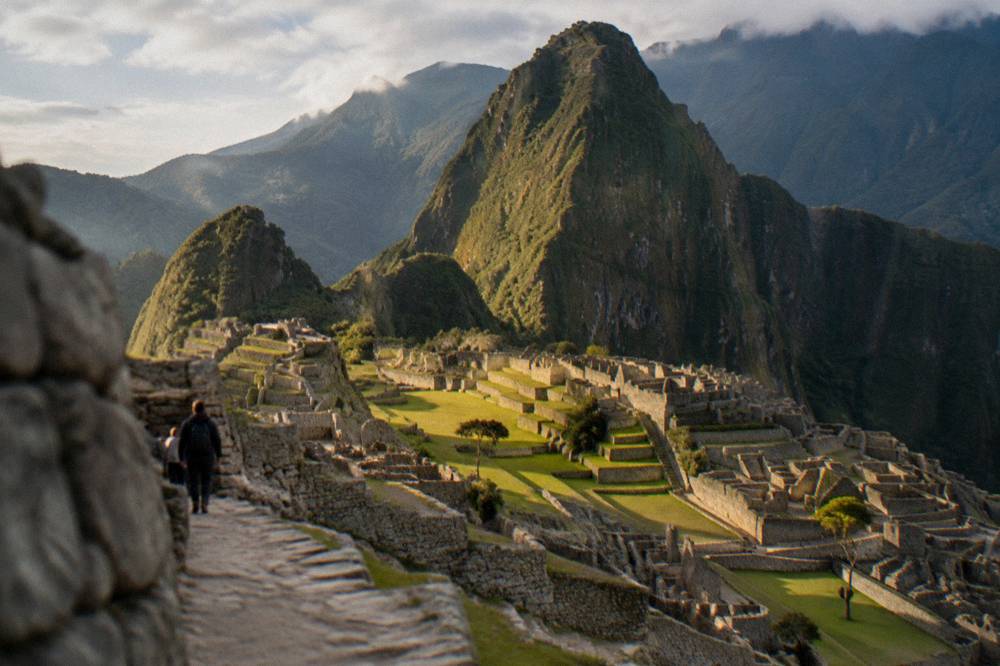
Capacity in 2026 is 4,500 visitors on normal days and 5,600 on the flagged high-season dates: 1 January, 2 to 5 April, 19 June to 2 November, and 30 to 31 December. Entry runs on hourly slots, reported at 06:00 to 15:00, with the citadel closing at 17:30 and a maximum stay of about 2 h 30 on standard routes, per secondary sources, since the official hours page holds its table as an image. Since 22 September 2026 a 30-day trial of a new sales system has been running: the three-hour prior reservation is gone, buyers get 15 minutes to pay before the slot is released, and the ticket is issued in the visitor's name on payment. Present that as how the platform is working now and check it before relying on it. A guide is recommended, not mandatory, so a guided product is a choice rather than a rule; the roster's full-day group Machu Picchu tour is the turnkey version of day five.
| Circuit | Routes | Character | High-season-only routes |
|---|---|---|---|
| 1 Panoramico | 1-A, 1-B, 1-C, 1-D | Mountain and gate views from above | 1-C Intipunku, 1-D Inka Bridge |
| 2 Clasico | 2-A, 2-B | The classic postcard route | None |
| 3 Realeza | 3-A, 3-B, 3-C, 3-D | Huayna Picchu and lower terraces | 3-C Great Cavern, 3-D Huchuypicchu |
The code of conduct also shapes the packing list: bags over 40 x 35 x 20 cm, food, tripods, selfie sticks, umbrellas, drones, hard-sole shoes, strollers and loud noise are all prohibited, and visitors may not leave their circuit. Machu Picchu is not covered by the Boleto Turistico, so the citadel ticket is a separate purchase entirely, on the Ministry of Culture platform or in person at Machu Picchu Pueblo, where 1,000 tickets a day are sold for entry the next day. Walking from Cusco to Machu Picchu, a question the walk from Cusco to Machu Picchu answer addresses, is a multi-day trail undertaking, not a day-five alternative.
What Does A Cusco And Machu Picchu Itinerary Cost?
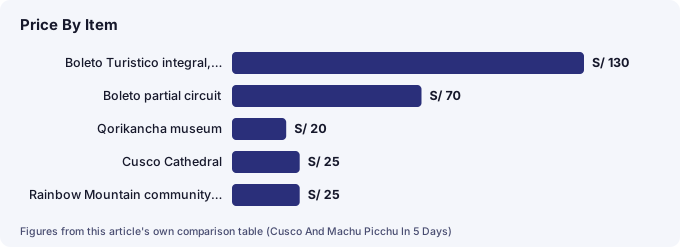
The two fixed official costs are the Boleto Turistico at S/ 130 (about US$38) for the foreign-adult integral ticket, valid 10 days, and the Machu Picchu ticket at from about S/ 163 (about US$48) on standard routes, so the two entries together carry most of the fixed fee load before transport, food and lodging. Partial boleto circuits cost S/ 70 (about US$20) each, and foreign students pay S/ 70 for the integral ticket.
Every bookable product price on this page renders from the product cards, not from prose.
The boleto's structure rewards the five-day shape. The integral ticket covers 16 sites across three circuits and lasts 10 days from the day of purchase, which covers days two and three of this plan with room to spare. If the itinerary only needs the city ruins, Circuit I alone at S/ 70 valid for one day, or Circuit III for the valley at S/ 70 valid for two days, are cheaper. The Boleto Turistico guide carries the full site list and the buying mechanics, and the reminder that matters most: COSITUC sells it in person only, never online.
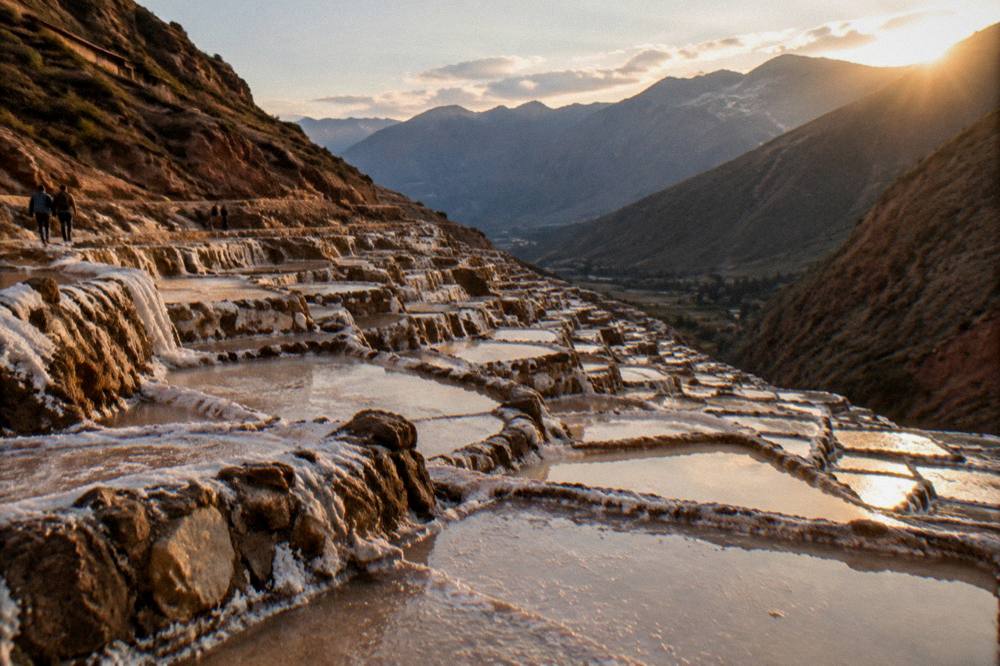
Around the two big tickets sit the small ones, all from the verified pack. The Qorikancha museum lists S/ 20, the Inca Museum S/ 20, the Museo de Arte Precolombiano S/ 20 general and S/ 10 for students, and the Cathedral S/ 25 on a dated peru.travel page. Off the boleto entirely, the Rainbow Mountain community fee runs S/ 25 to S/ 30 in cash for foreigners, Palccoyo about S/ 20, the Maras salt mines S/ 15 to S/ 20, Humantay Lake S/ 10 to S/ 20 depending on the source, and Q'eswachaka about S/ 20. On the ground, an airport taxi to the centre is reported at about S/ 15 to 25, a menu del dia about S/ 8 to 15, and a cup of coca tea about S/ 2 to 5. The Cusco costs guide itemises the full budget.
| Item | Price | Notes |
|---|---|---|
| Boleto Turistico integral, foreign adult | S/ 130 (about US$38) | 16 sites, 10 days, in person only |
| Boleto partial circuit | S/ 70 (about US$20) | Circuit I 1 day, II and III 2 days |
| Machu Picchu, standard routes | from about S/ 163 (about US$48) | Includes S/ 11 SERNANP fee |
| Machu Picchu, mountain routes | from about S/ 211 (about US$62) | Routes 1-A and 3-A |
| Qorikancha museum | S/ 20 | Also on boleto Circuit II |
| Cusco Cathedral | S/ 25 | Not on the boleto |
| Rainbow Mountain community fee | S/ 25 to S/ 30 | Cash, foreigners |
When Is The Best Time For This Itinerary?
The dry season, roughly May to September, is the best window for a Cusco and Machu Picchu itinerary: the WMO and SENAMHI station record for Cuzco shows May to August bringing just 22.8 mm of rain, 3.2 percent of the annual 707.8 mm, while December to March carries 71.9 percent. The trade-off is cold nights: mean July minimums sit at 0.1 C, with frost common in June and July, while daytime maximums stay mild all year at 18.8 to 20.9 C.
The southern hemisphere calendar matters here, and it is inverted relative to Europe and North America: June to August is winter, dry and clear by day, cold by night, never to be called summer. Wet-season months are workable but wet: January averages 145.3 mm of rain on the historical normal. The Cusco weather by month guide and the best time to visit Cusco carry the full monthly table. Crowds follow the dry season: the MINCETUR open dataset counted 1,479,506 visits to the Inca city of Machu Picchu in 2025, with October the busiest month at 154,105 and February the quietest at 79,806, and the daily capacity rises to 5,600 across the 19 June to 2 November stretch.
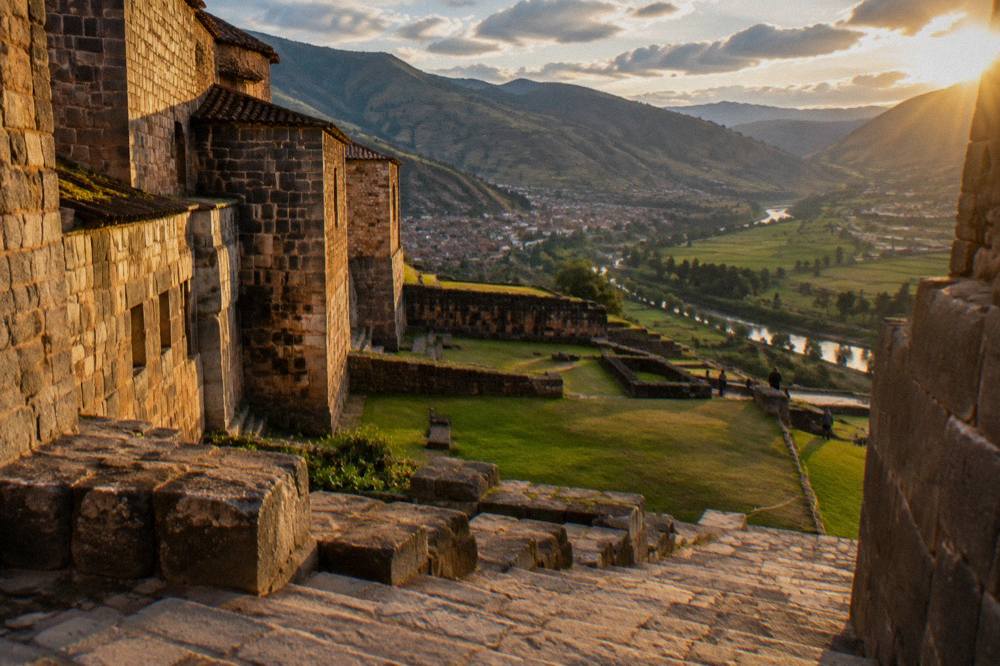
Two calendar events are worth planning around. Inti Raymi falls on 24 June each year, starting at Qorikancha, moving through the Plaza de Armas and finishing with the main ceremony at Sacsayhuaman, with grandstand tickets sold through Teleticket; the Inti Raymi guide covers it. And the Inca Trail closes every February, so trekkers in that month need the Salkantay or Lares alternatives. A scheduled event for late 2026: Pope Leo XIV's visit includes Cusco and Sacsayhuaman on 15 November 2026, an encounter with the faithful at 10:30, so expect crowding around the Sacsayhuaman explanade that week.
What If You Want More Than Five Days?
Adding days buys either a mountain day or a second citadel route, and the two best candidates are Rainbow Mountain or Palccoyo at the end of the trip once acclimatised, or a second Machu Picchu circuit on a second ticket. The 7-day itinerary adds both comfortably, and the 4-day version drops the valley day but keeps the altitude sequencing intact.
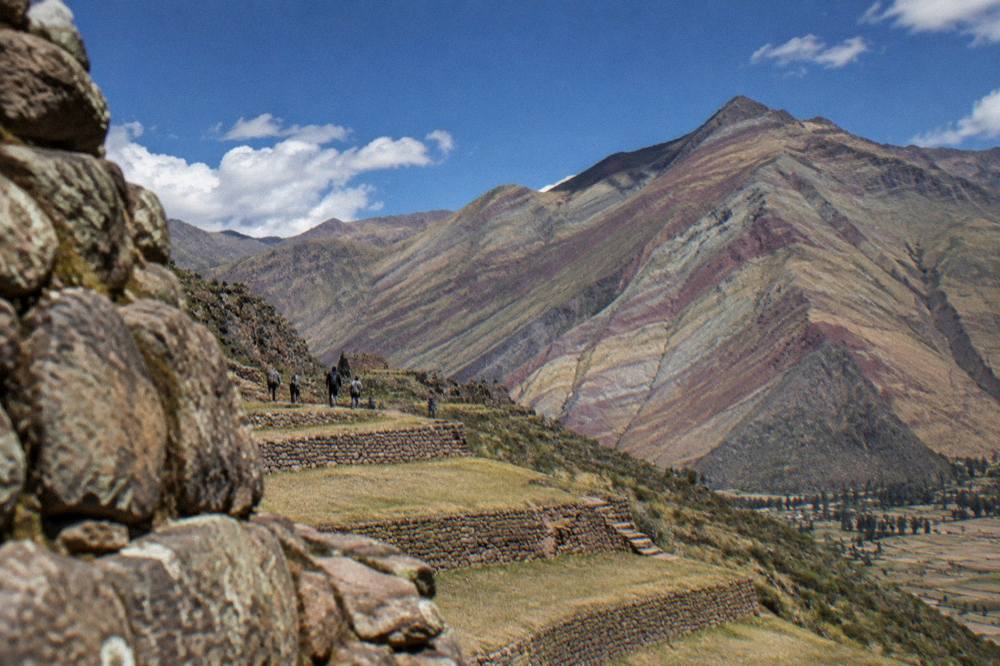
A mountain day is the commonest extension. Rainbow Mountain sits at about 5,000 m with a community fee of S/ 25 to S/ 30 in cash, and Palccoyo is the lower alternative at a 4,900 m viewpoint with about a S/ 20 fee; the Rainbow Mountain versus Palccoyo comparison covers the choice, and Rainbow Mountain or Machu Picchu first answers the ordering question: after, not before. The roster's Palccoyo full-day tour is the gentler of the two products.
Beyond that, the extensions fan out across the site's other itineraries: the 5-day itinerary for the non-Machu-Picchu version of this length, the Sacred Valley in two days for a slower valley, and the how many days in Cusco answer for the general question. The 4-day itinerary is the compressed fallback if five does not fit.
Common Questions About Cusco And Machu Picchu
Is Cusco the same as Machu Picchu?
No. Cusco is the historic city at 3,335 m in the Andes of southern Peru; Machu Picchu is a citadel about 900 m lower at 2,430 m, reached from the city by train and bus. The is Cusco the same as Machu Picchu answer covers the full distinction.
Do I need a guide at Machu Picchu?
A guide is recommended, not mandatory, under the current Ministry of Culture rules. Many visitors still take one, and the roster's guided products cover the citadel with a certified guide.
Is Machu Picchu covered by the Boleto Turistico?
No. The Boleto Turistico covers 16 city, ruin and valley sites; Machu Picchu sells separately on the Ministry of Culture ticket platform or in person at Machu Picchu Pueblo.
Can I change my Machu Picchu ticket date?
No. Tickets are nominal and valid only for the stated date, hour, circuit and holder. The only correction allowed is a single passport-number typo. If plans move, a new ticket is a new purchase.
Which Machu Picchu circuit should I pick?
Circuit 2 Clasico is the postcard route and the safest default. Circuit 1 adds the high panoramas and the mountain route 1-A; Circuit 3 carries Huayna Picchu. The choice is fixed at purchase, so decide before buying.
Should I visit the Sacred Valley before Machu Picchu?
Yes, for two reasons: the valley towns sit lower than Cusco, which helps acclimatisation before the citadel day, and Ollantaytambo is the practical rail hub for the onward journey. This itinerary puts the valley on day three for exactly that pair of reasons.
Five days, sequenced high to low, with the two fixed tickets bought the right way: that is the whole plan. The Boleto Turistico counter on Av. El Sol 103 and the Ministry of Culture platform between them decide days two, three and five, and the CDC's ascent guidance decides everything else.