A Week In Cusco: The 7-Day Itinerary
Seven days is enough to see Cusco, the Sacred Valley and Machu Picchu at a pace the altitude allows. This itinerary builds each day around verified entry fees, elevations and opening rules.
Short answer
A week in Cusco splits naturally into an acclimatisation day in the historic centre, a city and ruins day, two days for the Sacred Valley and Machu Picchu, a high-mountain day trip, and two flexible days for markets, museums and a second day trip. The Boleto Turistico integral ticket costs S/ 130 and lasts 10 days, which covers the city and valley sites but not Machu Picchu.
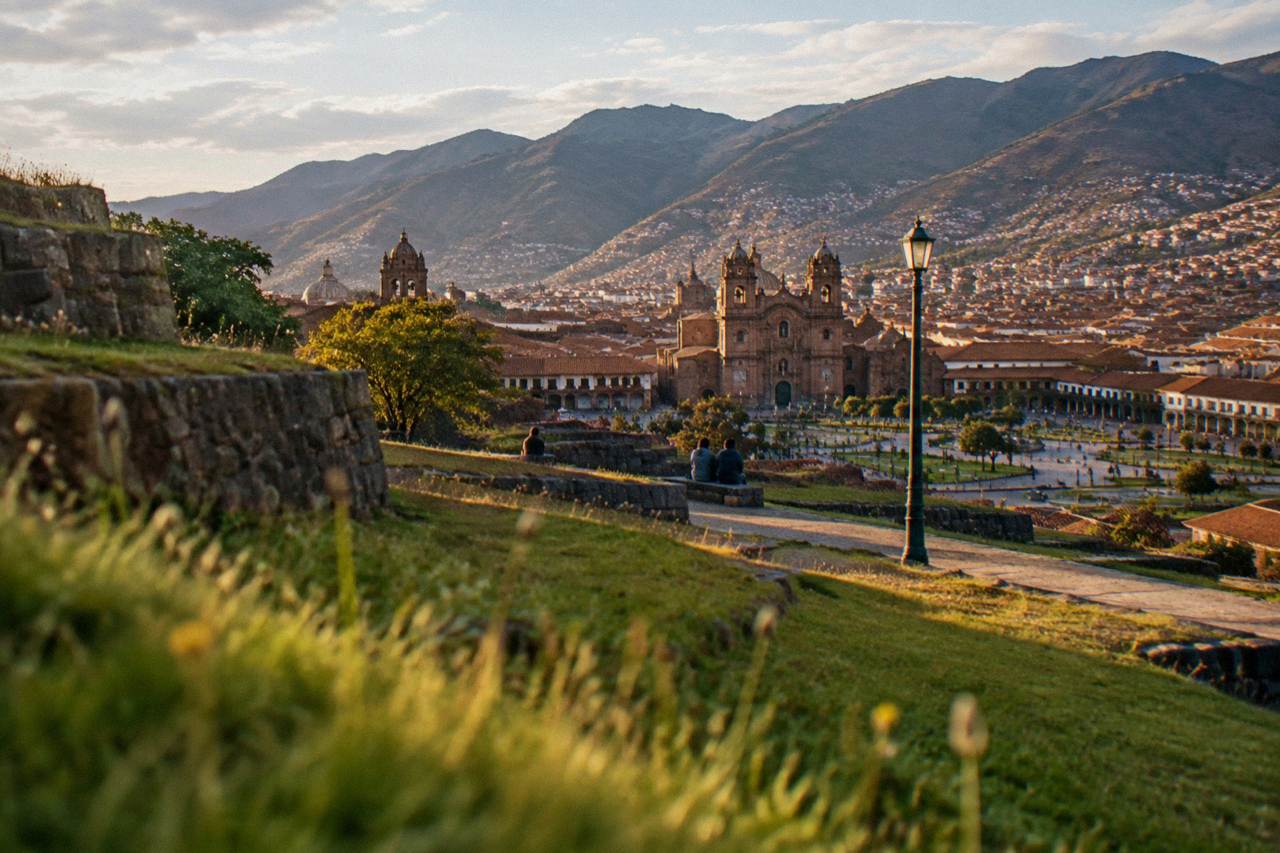
Cusco, the historic city in the Andes of southern Peru, sits at 3,335 m on the Plaza de Armas, high above Machu Picchu and the Sacred Valley that surround it. Seven days is the length at which the region stops being a checklist and becomes a place: enough for the city, the valley, Machu Picchu and one high-mountain day trip, with recovery days the altitude makes sensible rather than optional. This page lays out a day-by-day plan built on the COSITUC tarifario for the Boleto Turistico and the Ministry of Culture's circuit rules at Machu Picchu, and it keeps the pace graded the way the CDC Yellow Book prefers for a rapid-ascent destination like Cusco.
Is Seven Days In Cusco The Right Length?
Seven days is the sweet spot for the Cusco region: long enough to cover the city, the Sacred Valley, Machu Picchu and one high-mountain day trip, and long enough to ascend gradually, which is what the CDC Yellow Book prefers for a rapid-ascent destination. Shorter trips force a choice between the valley and the mountains. A week lets a visitor spend the first 48 hours at city altitude before the higher day trips.
The CDC names Cusco, at approximately 3,350 m by its own measure, as a place travellers reach fast by air, and its guidance is to avoid climbing to a sleeping altitude of 2,750 m or more in a single day where possible and, once above 3,000 m, to gain no more than 500 m of sleeping altitude per night. A flight into Cusco breaks that rule by definition, which is why the itinerary below front-loads the low-effort days. The CDC also notes that travellers at Cusco can descend to sleep at lower elevations for a night or two before ascending again, and the Sacred Valley is where that happens: Urubamba sits at 2,870 m, Ollantaytambo at 2,792 m and Pisac at 2,972 m, all meaningfully below the city.
The other reason seven days works is ticketing. The Boleto Turistico integral ticket is valid 10 days, so one purchase on arrival covers the city museums and the valley sites for the whole week. Machu Picchu is separate, sold on the Ministry of Culture platform under its own nominal, dated rules. For a comparison of shorter options, how many days you need in Cusco is covered on its own page, and there are ready-made 2-day and 3-day plans if a week is not on the table.
What Does The Week Look Like At A Glance?
The week runs: Day 1 arrival and light acclimatisation in the historic centre, Day 2 the city ruins, Day 3 the Sacred Valley with an overnight at lower altitude, Day 4 Machu Picchu, Day 5 a high-mountain day trip or a rest day, Day 6 markets, museums and food, and Day 7 a final morning and departure. The order is deliberate: altitude drops mid-week, then the highest day trips come only after four nights.
| Day | Base | Focus | Altitude of the day's main stop |
|---|---|---|---|
| 1 | Cusco | Arrival, Plaza de Armas, easy walking | 3,335 m |
| 2 | Cusco | Sacsayhuaman, Q'enqo, Puka Pukara, Tambomachay | 3,701 m at Sacsayhuaman |
| 3 | Ollantaytambo or Urubamba | Pisac, Maras, Moray, Ollantaytambo | 2,792 to 3,385 m |
| 4 | Machu Picchu Pueblo | Machu Picchu citadel | 2,430 m |
| 5 | Cusco | Rainbow Mountain, Palccoyo, Humantay or rest | 4,200 to about 5,000 m |
| 6 | Cusco | San Pedro Market, museums, cooking class | 3,335 m |
| 7 | Cusco | Final viewpoints, departure | 3,335 m |
Two fixed dates can reshape this plan. Inti Raymi falls on 24 June every year, with the main ceremony at Sacsayhuaman, and the anniversary period fills the city. And the Inca Trail closes every February, so a February week means choosing an alternative trek; the trail's 500-person daily quota, which includes porters and guides, is sold only through licensed agencies. Otherwise the plan flexes by season, and the best approach to a Cusco and Machu Picchu week is laid out separately for readers combining the two in one stretch.
The three products above map onto the three organised days of this plan: the city and ruins day, the Sacred Valley day and the Machu Picchu day. Everything else in the week can be done independently, and the sections below explain what each day holds either way.
Day 1: How To Spend The Arrival Day In Cusco?
Day 1 should be deliberately light: land, check in, buy the Boleto Turistico in person, and walk the flat blocks around the Plaza de Armas, the Qorikancha exterior and the twelve-angled stone on Hatunrumiyoc street. The CDC advises avoiding alcohol for the first 48 hours at high altitude, and no sourced figure exists for how long acclimatisation takes, so the honest plan is a slow first day and attention to how the body responds.
Flights into Cusco land at Alejandro Velasco Astete International Airport, about 6 km from the Plaza de Armas, and an airport taxi to the centre is reported at about S/ 15 to 25. The airport sits at 3,310 m, so the altitude starts at the door of the aircraft. The acclimatisation day plan exists for exactly this first 24 hours and goes deeper on pacing.
The one errand worth doing on arrival is the Boleto Turistico. COSITUC does not sell it online; the counter is at Av. El Sol 103, open daily 07:30 to 18:00, and most included sites also sell it. The integral ticket for a foreign adult is S/ 130, about US$38, valid 10 days from the day of purchase, and covers 16 sites across three circuits. Foreign students pay S/ 70 with ID. Children are free to age 9, and ages 10 to 17 pay the student price. COSITUC's FAQ notes that covering all 16 sites needs a minimum of three days, which this week provides.
| Boleto Turistico option | Foreign adult price | Validity | What it covers |
|---|---|---|---|
| Integral (BTCI) | S/ 130 | 10 days | All 16 sites on all three circuits |
| Circuit I partial | S/ 70 | 1 day | Saqsayhuaman, Q'enqo, Puka Pukara, Tambomachay |
| Circuit II partial | S/ 70 | 2 days | Qorikancha site museum, regional and contemporary art museums, Tipon, Pikillaqta and more |
| Circuit III partial | S/ 70 | 2 days | Pisac, Ollantaytambo, Chinchero, Moray |
| Foreign student integral | S/ 70 | 10 days | Same 16 sites, with student ID |
Afternoon wandering needs no ticket at all. The Plaza de Armas is the city's centre, the twelve-angled stone is a short walk up Hatunrumiyoc, and the colonial churches stand on Inca stone foundations, a qualitative fact every guide repeats because it is visible on the walls. The Cusco Cathedral charges S/ 25 separately, and it is not one of the 16 boleto sites. A cup of coca tea runs about S/ 2 to 5, and the evening should end early: the next two days climb.
Day 2: What Are The Four Ruins Above Cusco?
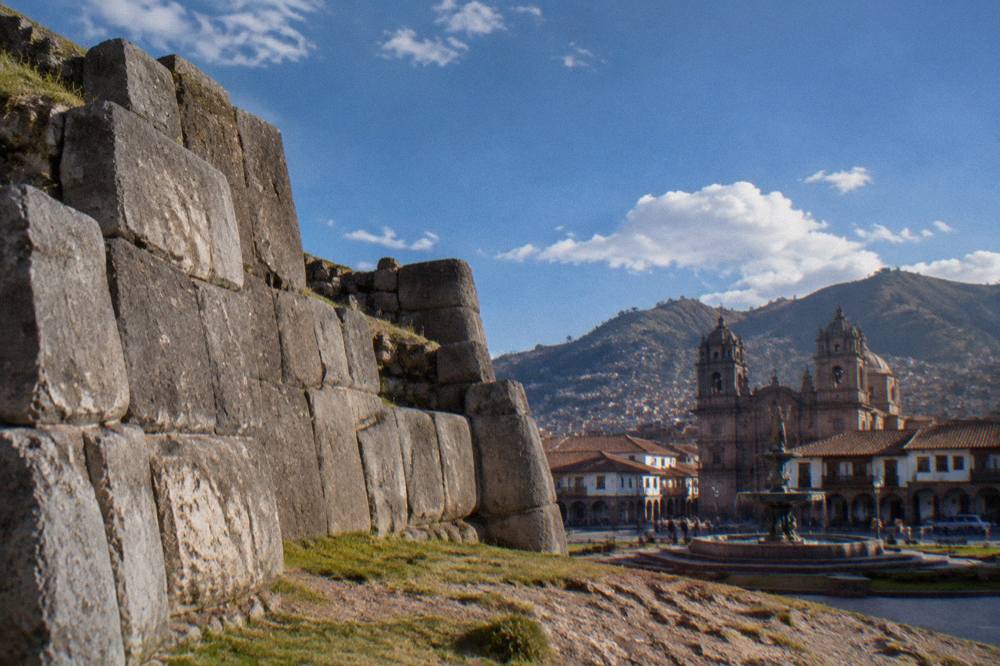
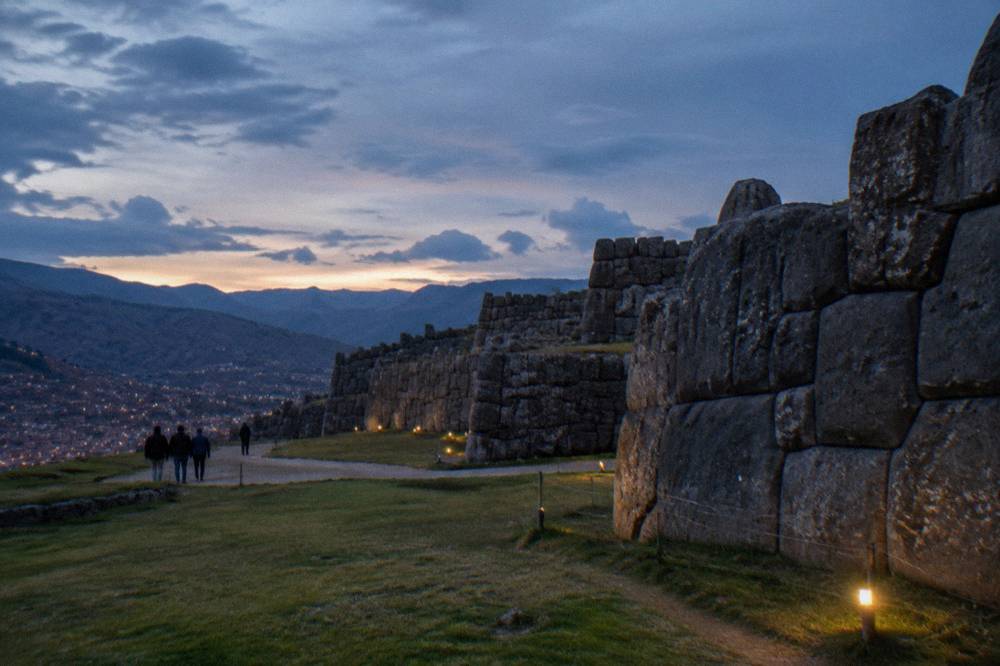
Day 2 is the city and ruins day: Saqsayhuaman at 3,701 m, then Q'enqo, Puka Pukara and Tambomachay along the road above town, all on Boleto Circuit I, followed by the Qorikancha site museum and the Plaza de Armas. The four ruins sit in a line above the city and can be walked or driven in one morning; Sacsayhuaman is open 07:00 to 18:00 and is never free, it is a boleto site.
Saqsayhuaman is the headline. Its explanada recorded 944,008 visits in 2025 according to the MINCETUR open dataset, making it one of the most-visited sites in the Cusco department after Machu Picchu and Ollantaytambo. The ruins sit above the city and the walk up from the historic centre is a real climb, which is why many visitors take transport up and walk down. The Saqsayhuaman guide covers the site itself, and the four ruins of Cusco fit a tighter schedule if the week gets compressed.
Q'enqo, Puka Pukara and Tambomachay follow the same road, and all three are on the same Circuit I partial ticket or the integral. Back in the centre, the Qorikancha site museum is a Circuit II boleto site; peru.travel lists its admission at S/ 20 for those without a boleto, though the boleto covers it. The Santo Domingo church stands on the Qorikancha's Inca foundations, another visible layering of the colonial city onto the Inca one.
A guided half-day is the low-effort version of this day, and the roster carries one that covers Sacsayhuaman and Q'enco with transport.
Done independently, the same day costs the S/ 70 Circuit I partial, or nothing extra on the integral bought on Day 1. The trade-off is planning: a tour handles the uphill logistics on a day when energy may already be short.
Day 3: How Do You Cover The Sacred Valley From Cusco?
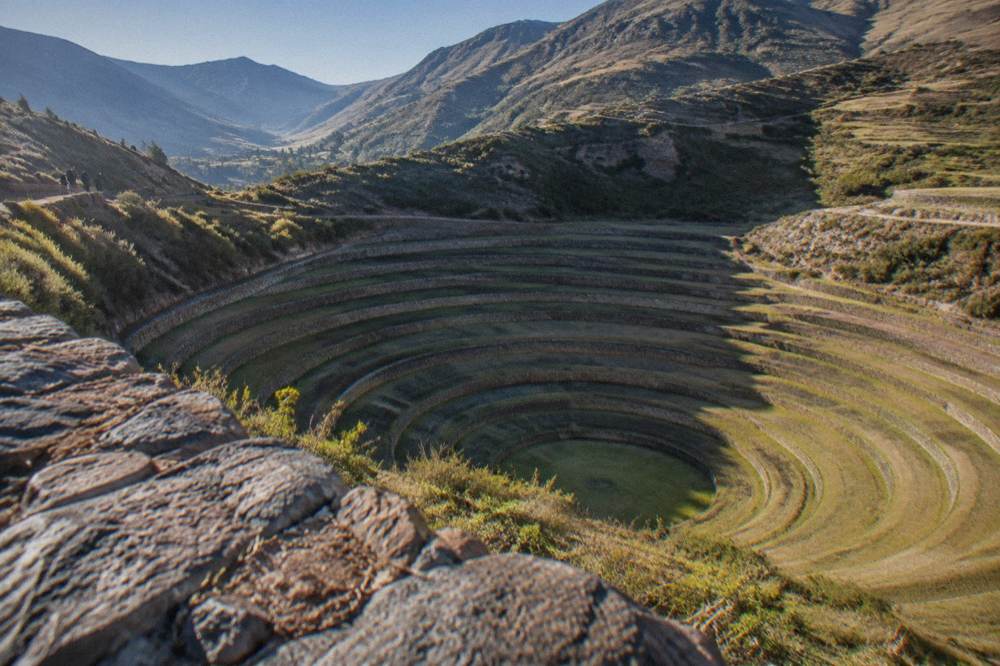
Day 3 is the Sacred Valley: Pisac at 2,972 m, the Maras salt mines, the Moray terraces at 3,385 m and the Ollantaytambo fortress at 2,792 m, all on Boleto Circuit III except the salt mines, which charge a separate S/ 15 to 20 community fee. Sleeping in Ollantaytambo or Urubamba drops the night's altitude below the city, which is the graded ascent the CDC prefers.
The valley is the week's hinge. Pisac's terraces, the Moray circular terraces, the Maras salt mines and the Ollantaytambo fortress are four stops that string naturally along one road, and Chinchero sits on the same route. Moray recorded 773,916 visits in 2025 per the MINCETUR dataset, and Ollantaytambo 891,526, numbers that say the valley is not a hidden corner but a working corridor. The Pisac guide and the two-day Sacred Valley plan cover slower versions.
Two practical notes shape the day. First, the salt mines at Maras are not on the boleto: operators quote S/ 15 to 20 for 2026, cash at the entrance. Second, Moray is on Circuit III, so the integral ticket bought on Day 1 already covers it. A late-Dec 2025 road project resurfaced the 8 km between Maras and Moray, which has made the loop smoother than older accounts describe.
Many visitors take an organised valley day, and the roster's version pairs the valley sites with a buffet lunch, which matters on a long driving day.
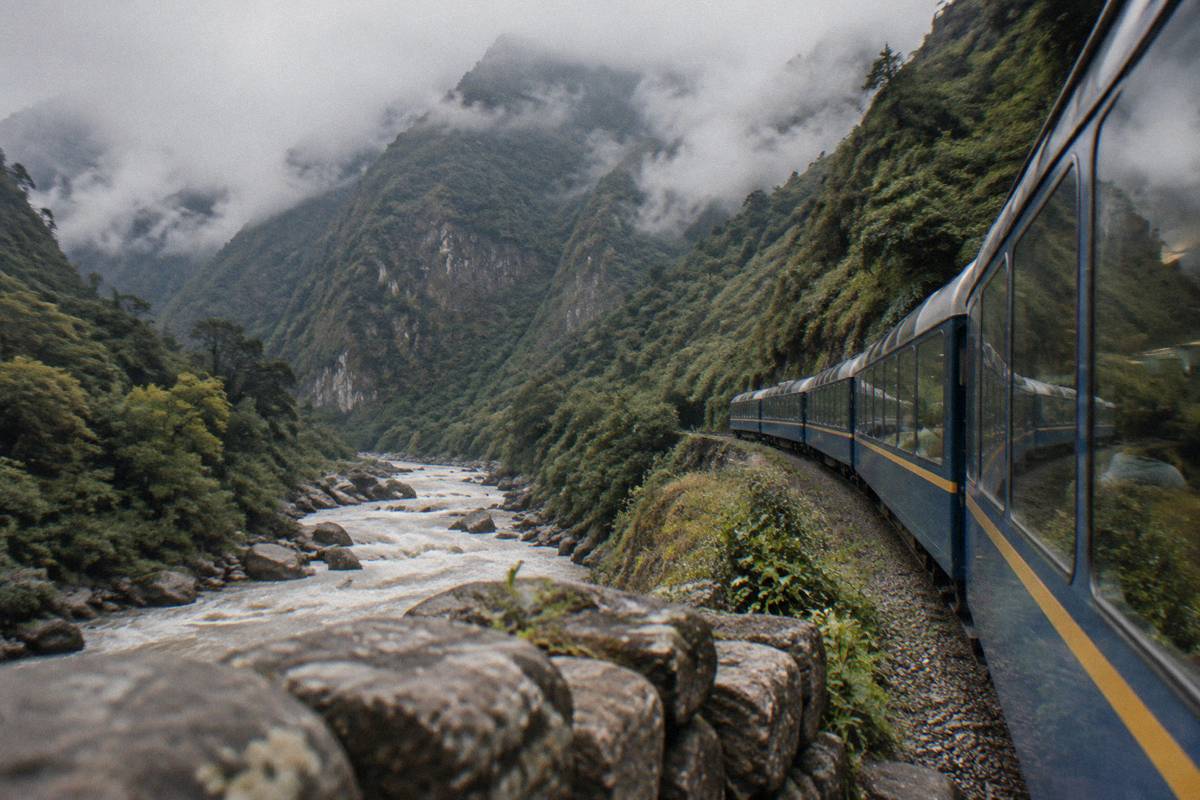
Whether organised or independent, the night should be spent down-valley if the plan allows. Ollantaytambo is also where the trains to Machu Picchu depart, roughly 1 hour 45 minutes from Machu Picchu Pueblo by PeruRail's own timetable, which makes it the natural launch point for Day 4.
Day 4: What Are The Rules For Visiting Machu Picchu?
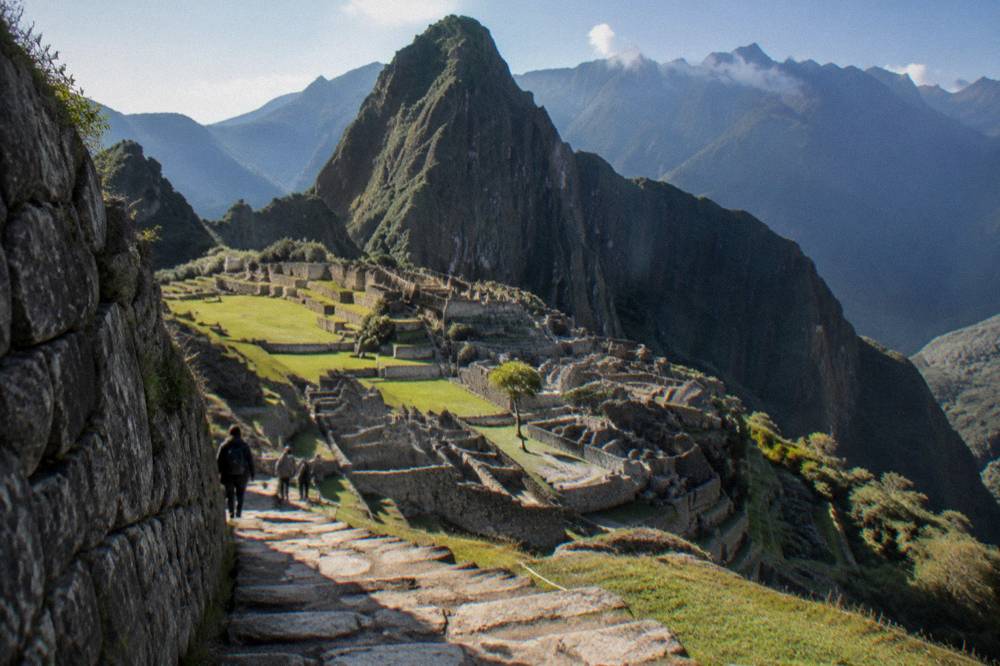
Machu Picchu is a separate ticket from everything else this week: since 1 June 2024 it has three circuits and ten routes, a guide is recommended but no longer mandatory, and a foreign adult pays from about S/ 163 on standard routes or S/ 211 on mountain routes, including the S/ 11 SERNANP fee in force since 1 May 2026. Tickets are nominal, sold on the Ministry of Culture platform, and cannot be rebooked.
The citadel sits at 2,430 m, lower than Cusco, and the town of Aguas Calientes below it sits at about 2,040 m. Daily capacity in 2026 is 4,500 on normal days and 5,600 on listed high-season dates including 19 June to 2 November. Entry runs in hourly slots from 06:00 to 15:00, the citadel closes at 17:30, and the maximum stay on standard routes is 2 hours 30 minutes. The code of conduct bans bags over 40x35x20 cm, food, tripods, selfie sticks, umbrellas, drones and strollers, among other items, so packing light is a rule, not a preference.
The full site guide, including the circuits in detail, lives on the site's Machu Picchu day-trip page. The train from the Cusco side is a topic covered in depth elsewhere; in brief, PeruRail and Inca Rail operate from Poroy and San Pedro, with Ollantaytambo as the hub, and PeruRail resumed Cusco to Ollantaytambo service from 1 September 2026 after a disruption. A group day tour from Cusco is the way most week-long visitors see the site without handling the train and ticket logistics themselves.
One warning that matters for a week plan: the only correction allowed on a Machu Picchu ticket is a single passport-number typo. Date, hour, circuit and holder are fixed at purchase. A visitor building Day 4 into a fixed itinerary should treat the ticket date as the anchor of the whole week and plan everything else around it.
Day 5: Rainbow Mountain, Palccoyo Or A Rest Day?
Day 5 is the highest day of the week and should only happen if the first four days have gone well: Rainbow Mountain (Vinicunca) stands at about 5,000 m with a community fee of S/ 25 to 30 in cash, Palccoyo is a lower-effort alternative at 4,900 m with a fee of about S/ 20, and Humantay Lake sits at about 4,200 m with a reported fee of S/ 10 to 20. A rest day in Cusco is a legitimate fifth day.
The Rainbow Mountain day trip is the region's second-famous excursion, and its fee is genuinely a community charge, collected in cash at the trailhead: S/ 25 via the Cusipata route or S/ 30 via Pitumarca, with peru.travel itself quoting S/ 30 for foreigners. Palccoyo, the quieter alternative with a shorter walk to the viewpoint, carries an operator-quoted fee of about S/ 20. Humantay's fee is the one the sources disagree on, S/ 10 to S/ 20, so no single figure is printed here.
To let someone else handle the Rainbow Mountain logistics, book a Rainbow Mountain day trip here.
| Day 5 option | Elevation | Entry fee | Character |
|---|---|---|---|
| Rainbow Mountain (Vinicunca) | about 5,000 m | S/ 25 to 30, cash | The famous striped peak, longest day |
| Palccoyo | 4,900 m viewpoint | about S/ 20 | Shorter walk, fewer visitors |
| Humantay Lake | about 4,200 m | S/ 10 to 20 | Glacier lake, steep final stretch |
| Rest day in Cusco | 3,335 m | none | Museums, cafes, boleto Circuit II sites |
The honest framing is that Day 5 is a decision, not a command. The CDC's graded-ascent guidance is about sleeping altitude and staged climbing, and a day trip to 5,000 m from a 3,335 m base is a big single-day swing regardless of acclimatisation. Anyone who felt rough on Day 2 should treat the rest day as the correct answer, and the city's museums fill it easily.
Day 6: What Fills A Market And Museum Day In Cusco?
Day 6 belongs to the city's low-altitude pleasures: San Pedro Market for produce and a cheap lunch, the Inca Museum at S/ 20 for foreign adults, the Museum of Pre-Columbian Art at S/ 20 general and S/ 10 for students, and a cooking class or chocolate workshop in the afternoon. Several of these are boleto Circuit II sites already paid for on Day 1.
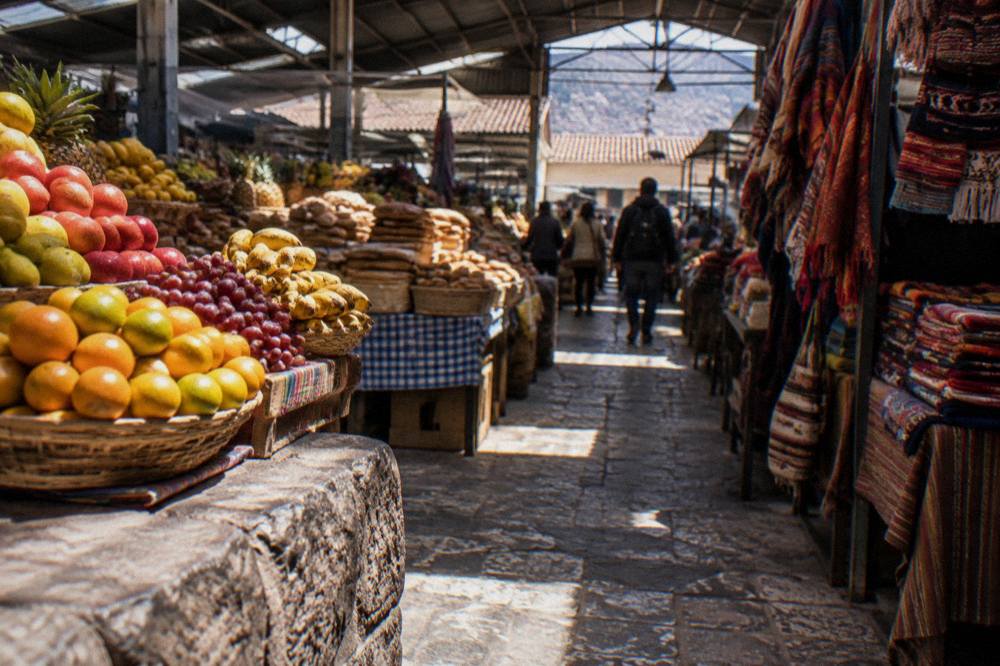
San Pedro Market is the city's central market, and a menu del dia nearby runs about S/ 8 to 15, the one everyday price range the verified pack holds. The Inca Museum, per peru.travel, charges S/ 20 for foreign adults and opens Monday to Friday 09:15 to 16:00 and Saturday mornings; the Museo de Arte Precolombino charges S/ 20 general and S/ 10 for students. The boleto's Circuit II also includes the regional history museum, the contemporary art museum and the Centro Qosqo de Arte Nativo, so a museum afternoon can run entirely on the integral ticket bought on arrival.
Food is the other half of the day. The site's cooking class guide covers the hands-on options, and the roster carries several, from market-plus-class combinations to bean-to-bar chocolate workshops. For what to eat more broadly, the what to eat in Cusco guide is the deep dive; cuy, the Andean guinea pig dish, has its own page.
| Day 6 stop | Admission | On the Boleto? |
|---|---|---|
| San Pedro Market | free entry | not applicable |
| Inca Museum | S/ 20 foreign adult | no, separate |
| Museo de Arte Precolombino | S/ 20 general, S/ 10 student | no, separate |
| Museo Historico Regional | covered by integral | yes, Circuit II |
| Museo de Arte Contemporaneo | covered by integral | yes, Circuit II |
| Qorikancha site museum | covered by integral | yes, Circuit II |
The evening is the week's last full one, and Cusco's nightlife runs late if the legs allow it. The UK's FCDO travel advice for Peru notes that street crime including muggings is a significant problem in major cities including Cusco and advises against walking alone in quiet areas at night, which is a reason to end the night with the walk back to the hotel in company or by taxi.
Day 7: How Should The Last Morning In Cusco Go?
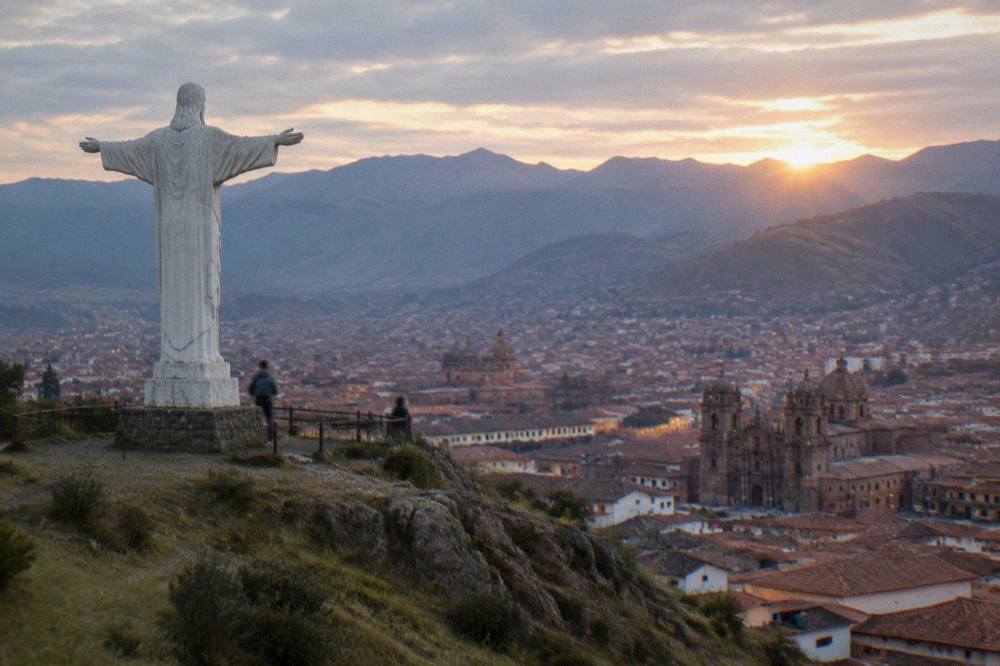
Day 7 is a short morning: a final viewpoint, breakfast near the Plaza de Armas, and a taxi to the airport, which is 15 to 20 minutes from the centre. If the flight is late enough, Cristo Blanco above the city or a last boleto site fills two hours. The airport is Alejandro Velasco Astete; the new Chinchero airport is not operating, with completion targeted 2028, so every flight this week uses the city airport.
The Cusco airport guide covers the practicalities. Two facts matter for the last morning: the airport is only about 6 km from the Plaza de Armas, and the new airport at Chinchero, reported at about 38.9 percent built in mid-2026, is not yet taking flights, with first flights expected 2028 to 2029. Nothing about the departure has changed for a 2026 or 2027 visitor.
If the week has gone to plan, all three boleto circuits will have been touched, Machu Picchu will be behind, and the highest thing on the schedule will have been a choice rather than a necessity. The 5-day and 4-day plans exist for readers trimming the week down.
For anyone who wants the organised spine of the week handled in one place, the same three days that carry the most logistics are the ones worth booking ahead.
When Is The Best Month For A Week In Cusco?
The dry season, roughly May to September, is the safest window for this itinerary: at the WMO's Cuzco station, a historical normal supplied by SENAMHI, May to August together bring just 22.8 mm of rain against an annual 707.8 mm, while December to March carries 71.9 percent of the year's rain. June to August is winter, with frost common in June and July and mean minimums of 0.3 C and 0.1 C.
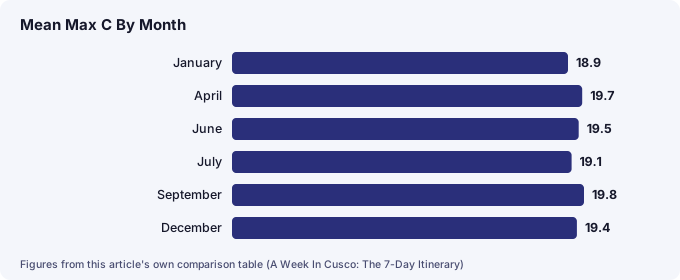
The trade-off is crowds and cold. July 2025 was Machu Picchu's second-busiest month of the year at 151,550 visits per the MINCETUR dataset, and October, at 154,105, was busier still, drawing almost twice February's 79,806. The shoulder months of April, May, September and October split the difference: rain is light by April (43.2 mm) and September (21.8 mm), and the mean daily maximum stays between 18.8 and 20.9 C in every month of the year, so daytime temperatures barely change with the season. What changes is the rain and the night cold.
| Month | Mean max C | Mean min C | Rain mm | Season note |
|---|---|---|---|---|
| January | 18.9 | 6.6 | 145.3 | Wet season peak |
| April | 19.7 | 4.9 | 43.2 | Shoulder, drying out |
| June | 19.5 | 0.3 | 1.5 | Dry, frost nights, Inti Raymi on the 24th |
| July | 19.1 | 0.1 | 4.0 | Driest, coldest nights, busiest |
| September | 19.8 | 3.9 | 21.8 | Dry shoulder, quieter |
| December | 19.4 | 6.4 | 122.7 | Wet season, Santurantikuy fair on the 24th |
February deserves a special note: it is both the wettest-adjacent month and the month the Inca Trail closes entirely, so a February week means the classic trek is off the table by rule, not by chance. The month-by-month weather guide and the best time to visit page carry the full table and the reasoning.
Common Questions About A Week In Cusco
Is seven days too long in Cusco?
No. The city itself fills two days, the Sacred Valley and Machu Picchu take two more, and the high-mountain day trips, markets and museums absorb the rest. The Boleto Turistico integral ticket is valid 10 days, and COSITUC's own FAQ says covering all 16 sites needs a minimum of three days, so a week is the first length at which the ticket is fully usable.
Can you do Machu Picchu on a day trip from Cusco?
Yes, and most week-long visitors do. The train from Ollantaytambo takes about 1 hour 45 minutes to Machu Picchu Pueblo per PeruRail's timetable, and organised group tours from Cusco handle the train, the bus up to the citadel and the entry ticket in one package. The citadel is at 2,430 m, lower than Cusco.
Do you need the Boleto Turistico for this itinerary?
Yes for the city ruins, the Qorikancha site museum, the city museums and the valley sites. No for Machu Picchu, which sells its own ticket on the Ministry of Culture platform, and no for the Maras salt mines, which charge a separate community fee of S/ 15 to 20.
Which day of the week plan is the hardest?
Day 5, whichever high-mountain option is chosen. Rainbow Mountain stands at about 5,000 m and Palccoyo's viewpoint at 4,900 m, both well above the city's 3,335 m base. The CDC prefers graded ascent and names Cusco as a rapid-ascent destination, so the rest-day alternative is a real option, not a consolation.
Should you book anything before arriving?
The Machu Picchu ticket and the train, because the ticket is nominal and fixed to one date, hour and circuit. The Boleto Turistico cannot be booked at all: COSITUC sells it in person only, at Av. El Sol 103 daily from 07:30 to 18:00. Inca Trail permits sell only through licensed agencies under a 500-person daily quota, and the trail closes every February.
Is a week in Cusco safe?
The US State Department's advisory for Peru is Level 2, exercise increased caution, and it places Cusco city, the Sacred Valley, the Inca Trail and Machu Picchu outside its do-not-travel areas. The UK FCDO warns that street crime is a significant problem in major cities including Cusco and advises against walking alone in quiet areas at night. Normal city precautions cover the week.
The week as laid out here is the version the verified numbers support: a graded start, the valley as the mid-week altitude drop, Machu Picchu on its own nominal ticket, and the highest day saved for last, when the body has had four nights to decide whether it wants it. More plans at every length, from a single day to a full week, sit under the itineraries section of Things To Do In Cusco Peru.