One Day In Cusco
One day in Cusco, the historic city in the Andes of southern Peru at about 3,335 m, is enough for the historic centre, the four Inca sites above it and a market lunch, if the day is ordered around altitude rather than distance.
Short answer
Spend the morning in the historic centre on foot: the Plaza de Armas, the Cathedral, Qorikancha and San Pedro Market. In the afternoon, use the Boleto Turistico to reach Sacsayhuaman, Q'enqo, Puka Pukara and Tambomachay above the city. The Sacred Valley and Machu Picchu each swallow a full day of their own.
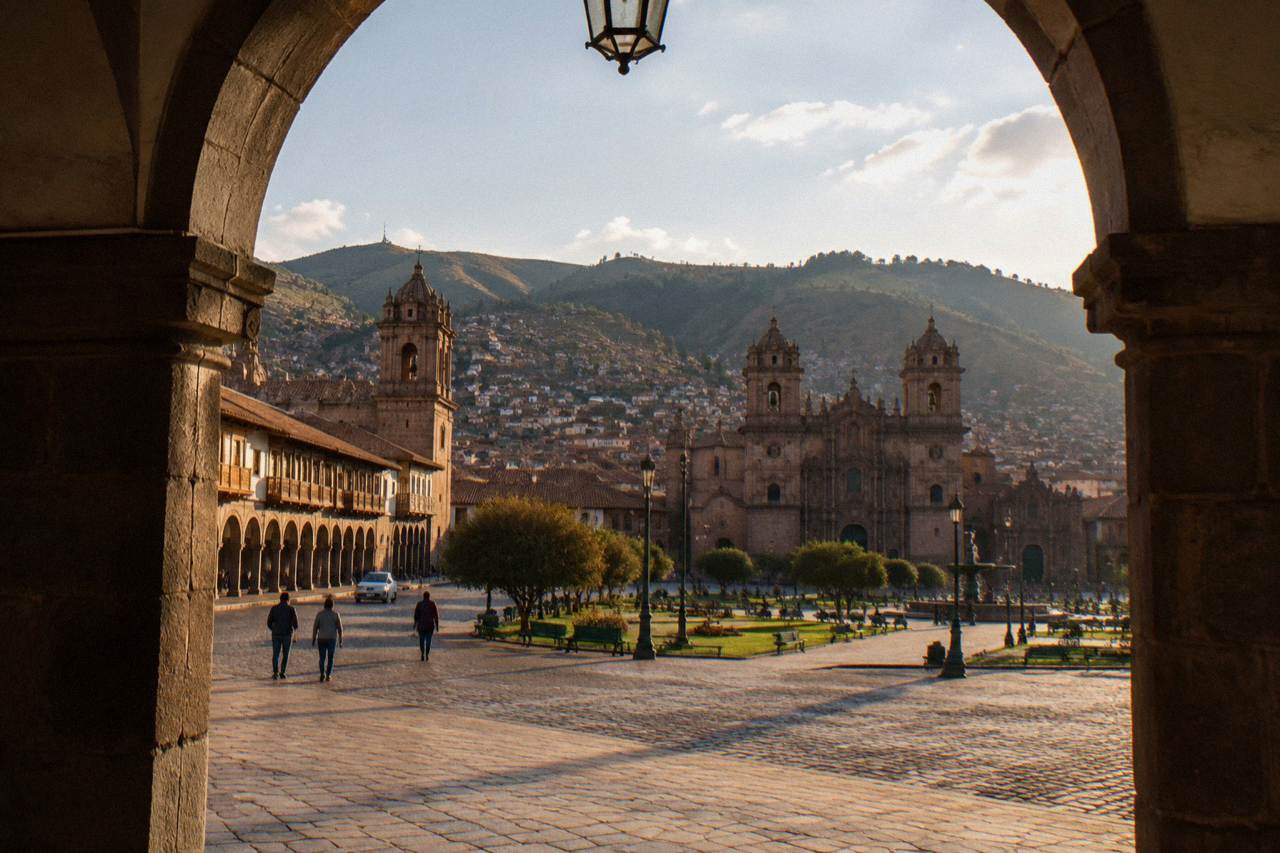
Cusco, the historic city in the Andes of southern Peru, also spelled Cuzco, sits at about 3,335 m at its Plaza de Armas, and one day there is a real, workable proposition: the historic centre is compact, the four Inca sites above the city sit on a single loop road, and the Boleto Turistico ties them together with one in-person purchase. The catch is altitude. The CDC Yellow Book names Cusco as a rapid-ascent destination and prefers a graded ascent, so a one-day plan has to be built around what the body can do on its first hours at height, not around squeezing in the maximum number of stops.
What Can You Realistically See In One Day In Cusco?
A single day in Cusco covers the historic centre on foot in the morning, the Plaza de Armas, the Cathedral, Qorikancha, the twelve-angled stone and San Pedro Market among them, and the four ruins above the city in the afternoon: Sacsayhuaman, Q'enqo, Puka Pukara and Tambomachay. The Sacred Valley and Machu Picchu are separate full-day trips and do not fit inside the same day.
That is the honest shape of the day. The historic centre of Cusco is a UNESCO-listed area, inscribed in 1983, and it is walkable in a way few Andean cities are: the Plaza de Armas, the narrow street of Hatunrumiyoc with its finely fitted polygonal stone, and the artisan quarter of San Blas all sit within a short walk of one another. The four ruins sit above the city on the same road, which is why every city tour runs them as one loop.
What does not fit is everything else. The Sacred Valley sites, Pisac, Ollantaytambo, Chinchero, Moray and the Maras salt mines, need a day of driving on their own, and the Machu Picchu citadel, at 2,430 m, is a lower-elevation destination reached by train or a long combination of road and rail. Visitors trying to fold those into a Cusco city day end up seeing nothing well. The longer itineraries on this site, the two-day and three-day plans, exist precisely because one day is a floor, not a ceiling.
Where Should The Morning Go In The Historic Centre?
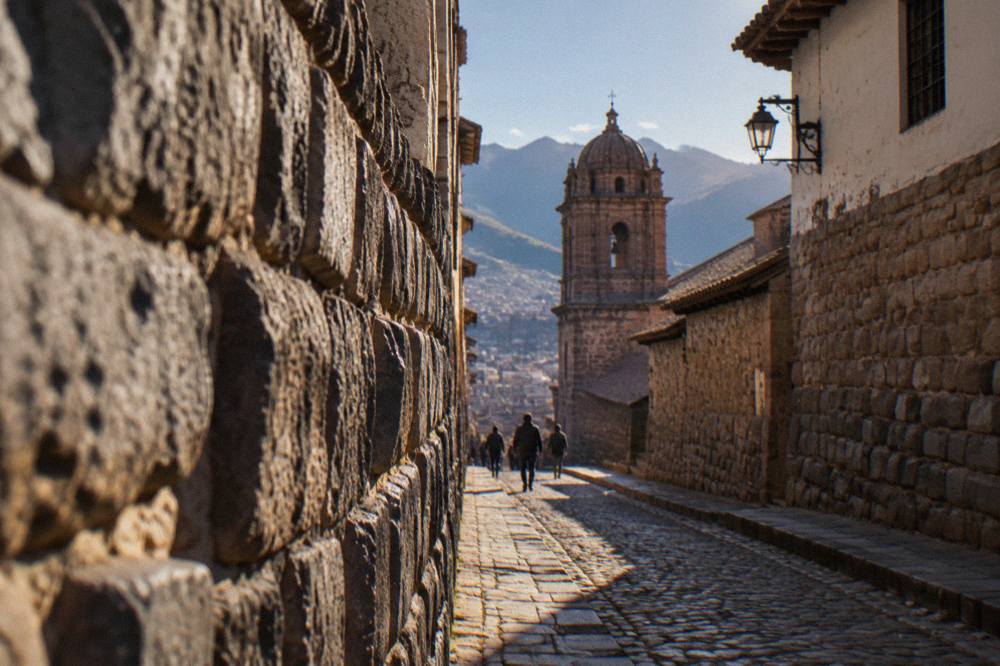
The morning belongs to the historic centre on foot: start at the Plaza de Armas, the Cathedral on its eastern side, then Qorikancha a few blocks south, then the twelve-angled stone on Hatunrumiyoc and the San Pedro Market for lunch. Everything in that chain is within walking distance, and none of it demands a vehicle until the ruins in the afternoon.
The Plaza de Armas is the natural anchor. Colonial churches stand on Inca stone foundations around it, a widely documented qualitative fact that the whole centre illustrates, and the Cathedral on its flank is the single largest religious building in the old city. Its admission is not part of the Boleto Turistico, so it is paid separately at the door.
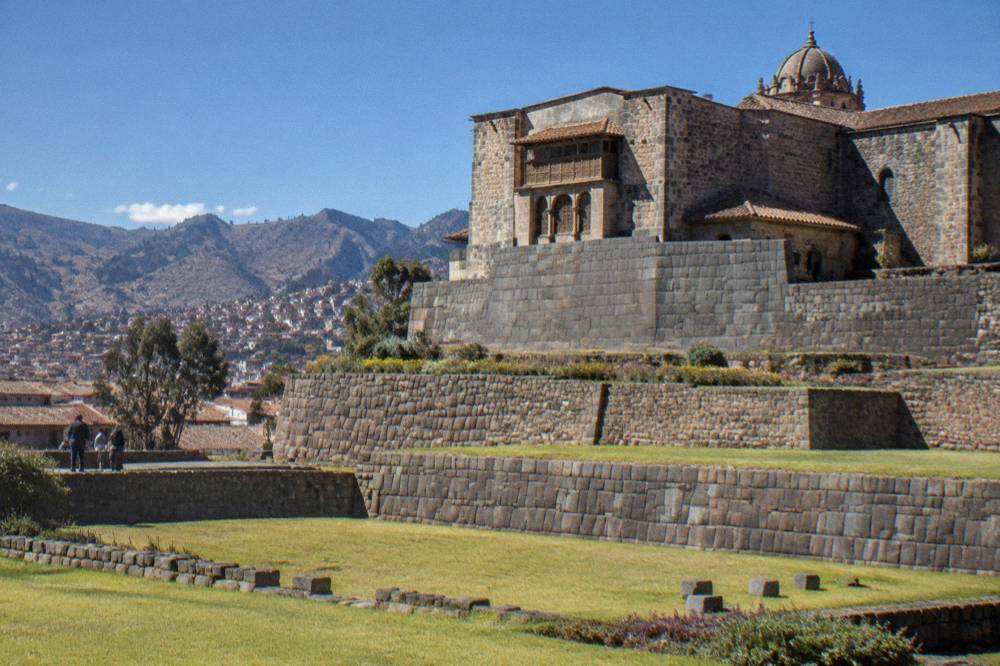
From the plaza, the walk south reaches Qorikancha. The Qorikancha site museum sits on the Temple of the Sun's Inca foundations under the colonial church of Santo Domingo, and it is on the Boleto Turistico's Circuit II, the city circuit. The twelve-angled stone, a large finely fitted polygonal block in an Inca wall on Hatunrumiyoc street near the plaza and San Blas, costs nothing to see from the street, and the San Pedro Market a few blocks away is where the city eats: a menu del dia there is reported at about S/ 8 to 15, and a cup of coca tea about S/ 2 to 5.
The order matters less than the pacing. Cusco's streets between these stops are steep, and the morning is when the body is freshest at altitude. Anyone landing this same morning should read the acclimatisation day plan instead, because the CDC's graded-ascent advice points against stacking a flight arrival and a full sightseeing day.
| Stop | What It Is | Ticket Situation |
|---|---|---|
| Plaza de Armas | Main square, colonial arcades on Inca foundations | Free |
| Cusco Cathedral | Largest colonial church in the historic centre | Separate admission, not on the Boleto Turistico |
| Qorikancha site museum | Inca Temple of the Sun foundations under Santo Domingo | Boleto Turistico Circuit II |
| Twelve-angled stone | Finely fitted polygonal block in an Inca wall on Hatunrumiyoc | Viewed from the street, free |
| San Pedro Market | Central market, food stalls and produce | Free entry, pay for what you eat |
For travellers who would rather have the logistics handled, a guided option exists: the Cusco City Tour Four Ruins in Half-Day covers the city and the four ruins with transport and a guide, and its own listing carries the current price, rating and review count.
How Does The Boleto Turistico Shape A One-Day Visit?
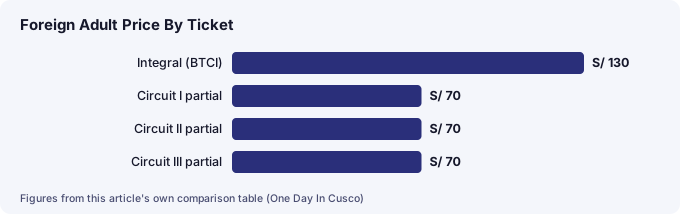
The COSITUC's integral Boleto Turistico costs S/ 130 for a foreign adult, about US$38, and is valid for 10 days from the day of purchase, covering 16 sites. A single-day visitor usually needs only Circuit I at S/ 70 for the four ruins, or Circuit II at S/ 70 for the city museums, both valid for one to two days. It is sold in person only, at Av. El Sol 103, daily 07:30 to 18:00.
This is the single most useful ticket decision on a one-day plan, and the COSITUC tarifario is unambiguous about it. The integral ticket makes sense only for a visitor staying several days, because covering all 16 sites needs a minimum of three days per the COSITUC FAQ. A one-day visitor going to the ruins should buy the Circuit I partial at S/ 70, about US$20; a one-day visitor staying in the city museums should buy Circuit II at the same price. The partials are valid one to two days, Circuit I for one day, per the tarifario.
Two warnings from the COSITUC's own FAQ. First, the ticket is not sold online, so the morning of the day needs a walk down Av. El Sol, or a purchase at the site itself, since most included sites sell it. Second, children are free to age 9, ages 10 to 17 pay the student price of S/ 70 for the integral with ID, and the only discount category is students: there is no teacher or youth-card discount.
| Ticket | Foreign Adult Price | Validity | Covers |
|---|---|---|---|
| Integral (BTCI) | S/ 130 | 10 days | All 16 sites |
| Circuit I partial | S/ 70 | 1 day | Saqsayhuaman, Q'enqo, Puka Pukara, Tambomachay |
| Circuit II partial | S/ 70 | 2 days | Qorikancha site museum, city museums, Tipon, Pikillaqta |
| Circuit III partial | S/ 70 | 2 days | Pisac, Ollantaytambo, Chinchero, Moray |
What Are The Four Ruins Above The City?
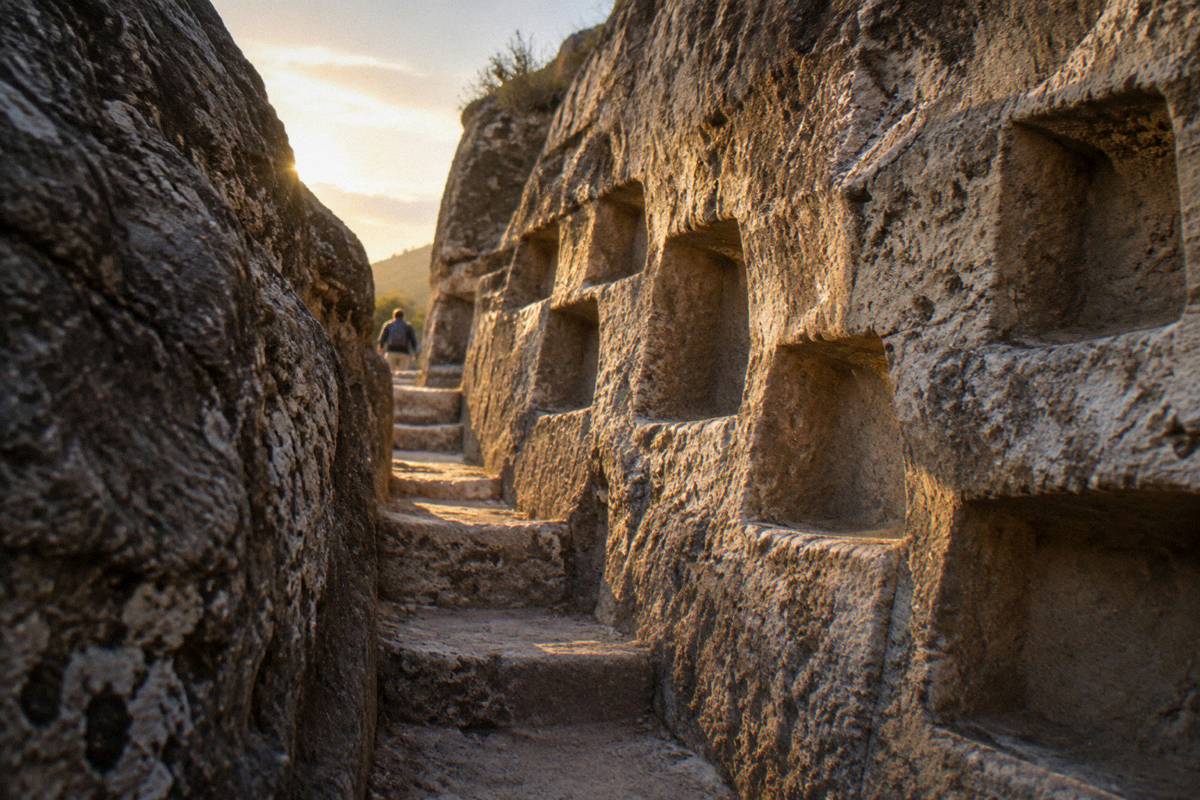
The four ruins are Sacsayhuaman, Q'enqo, Puka Pukara and Tambomachay, all on the same road above Cusco and all on the Boleto Turistico's Circuit I. Sacsayhuaman at 3,701 m is the largest and the one Inti Raymi uses each 24 June; the other three are smaller sites strung along the same loop. A Circuit I partial ticket at S/ 70 covers all four.
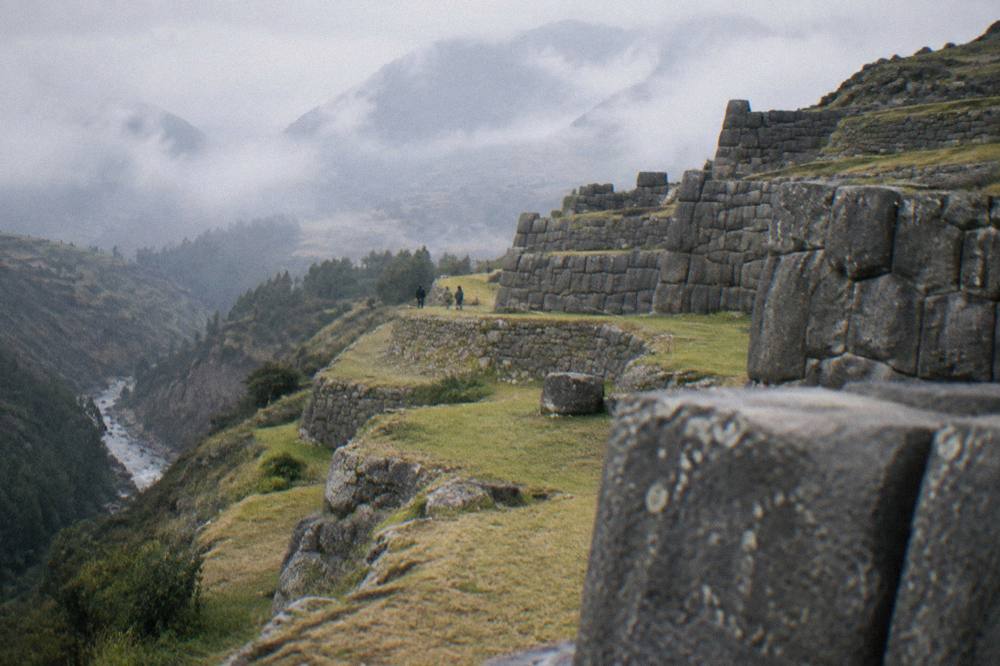
Sacsayhuaman is the headline. Its megalithic terraces sit above the city at 3,701 m, well above the Plaza de Armas at 3,335 m, and its explanada recorded 944,008 visits in 2025 in the MINCETUR open dataset, the third-highest figure of any site in the Cusco department. It is not free, a persistent myth this site corrects wherever it appears: it is on the Boleto, Circuit I.
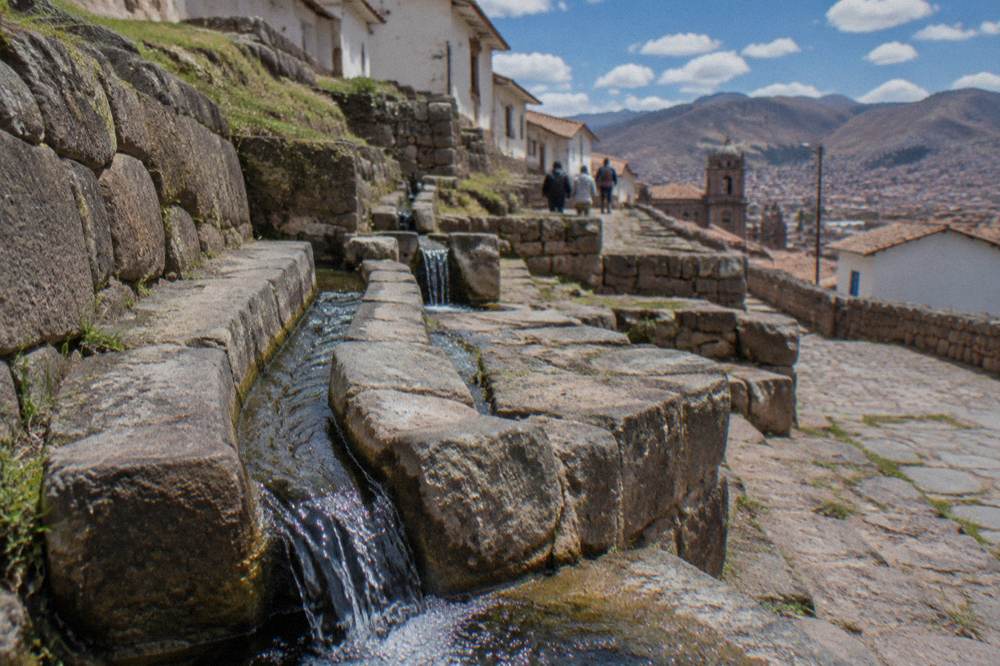
The other three follow the same road. Q'enqo is a carved limestone site, Puka Pukara a smaller walled complex, and Tambomachay a site of water channels and fountains. All three are quick visits compared with Sacsayhuaman, and all three are on the same Circuit I ticket, so the loop is a natural afternoon: out to Tambomachay at the far end, then back through Puka Pukara, Q'enqo and Sacsayhuaman, finishing with the walk down into the city. The walking route from the city is covered in its own article on this site.
Timings vary with traffic, weather and how long each visitor lingers, so this plan deliberately gives no clock schedule. What is fixed is the order that minimises backtracking: the far site first, Sacsayhuaman last, so the descent home is short.
| Site | Elevation | Boleto Circuit | Character |
|---|---|---|---|
| Sacsayhuaman | 3,701 m | I | Megalithic terraces and explanada |
| Q'enqo | Above the city on the same road | I | Carved limestone passages |
| Puka Pukara | Above the city on the same road | I | Small walled complex |
| Tambomachay | Above the city on the same road | I | Water channels and fountains |
Can The Sacred Valley Fit Into One Day From Cusco?
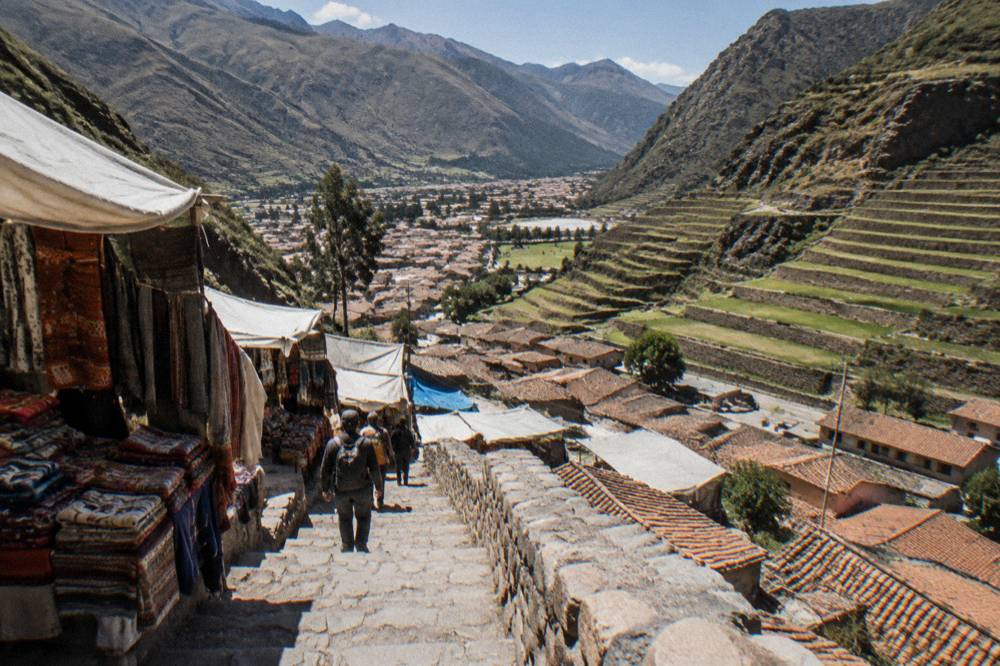
The Sacred Valley can be seen in one long day trip from Cusco, but it is a separate day, not part of a city day: a full-day tour covers Pisac, Ollantaytambo, Chinchero, Moray and the Maras salt mines, the four of which sit on the Boleto's Circuit III at S/ 70. The valley towns are lower than Cusco: Pisac at 2,972 m, Ollantaytambo at 2,792 m and Urubamba at 2,870 m.
This is the choice a one-day visitor actually faces: the city and its ruins, or the valley. Not both. The valley's sites are scattered along a road that runs down the Urubamba river, and a Circuit III partial ticket, valid two days at S/ 70, covers Pisac, Ollantaytambo, Chinchero and Moray. The Maras salt mines charge separately, reported at about S/ 15 to 20, and are not on the Boleto.
The altitude arithmetic matters here. The valley towns sit several hundred metres below Cusco, which is why the CDC Yellow Book notes that travellers at rapid-ascent destinations like Cusco can descend to lower elevations to sleep for the first night or two. A visitor with one day total who is worried about altitude might reasonably invert the usual advice and treat the valley as the gentler option, though the CDC's stated preference is a graded ascent, and any medication decision belongs with a doctor.
For the question of whether the valley justifies its own day, this site carries a dedicated answer page, Sacred Valley in one day, and a full Sacred Valley guide. The guided version is the Sacred Valley Full Day Tour, whose listing carries its own price, rating and review figures.
| Valley Site | Town Elevation | Ticket |
|---|---|---|
| Pisac | 2,972 m | Boleto Circuit III |
| Ollantaytambo | 2,792 m | Boleto Circuit III |
| Urubamba | 2,870 m | Transit and lunch town |
| Chinchero | On the valley road | Boleto Circuit III |
| Moray | 3,385 m | Boleto Circuit III |
| Maras salt mines | Maras at 3,300 m | Separate, about S/ 15 to 20 |
Is Machu Picchu Possible On A One-Day Cusco Itinerary?
Machu Picchu is possible as a one-day trip from Cusco, but it consumes the entire day and cannot share that day with the city or the valley: the citadel sits at 2,430 m, reached by train from Poroy or San Pedro stations or via Ollantaytambo, and its nominal timed ticket is sold separately on the Ministry of Culture platform, not on the Boleto Turistico. A one-day Cusco visit and Machu Picchu are two different days.
The citadel is lower than Cusco, at 2,430 m against the city's 3,335 m, a difference of roughly 900 m, and the town of Aguas Calientes below it sits at about 2,040 m. Since 1 June 2024 the site has run three circuits and ten routes, not the five circuits older guides describe, and a guide is recommended, not mandatory, under the Ministry of Culture's September 2026 resolution. Tickets are nominal: valid only for the stated date, hour, circuit and holder, with no changes beyond a single passport-number correction.
The train side of the journey is a topic this site handles briefly and points elsewhere for: the Cusco to Machu Picchu train has its own dedicated coverage, and the ticketing rules likewise. What a one-day planner needs is the structural fact: Machu Picchu is a full-day excursion, and the guided version is the From Cusco: Full-Day Group Tour of Machu Picchu, with price and rating on its listing.
Visitors who genuinely have only one day in the region and want Machu Picchu in it should read the Cusco and Machu Picchu itinerary instead, and accept that the city itself gets squeezed to an evening stroll. The five-day plan is the realistic minimum for doing both properly.
What Does Cusco Weather Do To A One-Day Plan?
Cusco's dry season runs roughly May to September and its wet season roughly November to March, and December to March alone carries 71.9 percent of the year's 707.8 mm of rain at the WMO's Cuzco station, a historical normal supplied by SENAMHI. Mean daily maximums stay between 18.8 and 20.9 C all year, so a one-day plan needs layers and rain cover in the wet months, not a change of season.
The numbers come from the World Weather Information Service record for the Cuzco station, a historical normal, and they shape the day more than any guidebook framing does. June and July, the heart of the dry season, have mean minimums of 0.3 C and 0.1 C: frost nights are common, SENAMHI's own frost guidance peaks those months, yet the afternoons still reach about 19 C. A one-day visitor in that window crosses about 19 degrees of temperature between night and afternoon in July.
The wet season is not a write-off. January's mean maximum is 18.9 C, identical in feel to July's afternoon, but its 145.3 mm of rain against July's 4.0 mm means the afternoon ruins loop can turn muddy and the views from Sacsayhuaman can close in. The practical one-day adjustment is to put the open-air ruins earlier and keep the Qorikancha site museum and the market as wet-weather fallbacks. This site's month-by-month weather guide carries the full table.
| Month | Mean Max C | Mean Min C | Rain mm |
|---|---|---|---|
| Jan | 18.9 | 6.6 | 145.3 |
| Apr | 19.7 | 4.9 | 43.2 |
| Jul | 19.1 | 0.1 | 4.0 |
| Oct | 20.9 | 5.5 | 39.4 |
How Does Altitude Change A One-Day Itinerary?
The CDC Yellow Book names Cusco, at approximately 3,350 m by its figure, as a rapid-ascent destination and prefers graded ascent; it advises against sleeping above 2,750 m on the first day where feasible and, once above 3,000 m, raising sleeping altitude by no more than 500 m a night. For a one-day visitor that translates to a slow first morning, no heavy exertion before lunch, and the ruins loop only after the body has had a few hours to settle.
The CDC's practical line also covers the first 48 hours: avoid alcohol, and consider acetazolamide to speed acclimatisation if an abrupt ascent is unavoidable, though the medication itself is a prescription decision for a doctor. The CDC puts rates of altitude illness approaching 50 percent in abrupt-ascent situations where staged acclimatisation is not feasible, and that framing, not a promise about any individual visitor, is the honest way to state the risk.
What this does to the plan is mechanical. The morning walk in the centre is gentle and stop-and-start, which suits the first hours at 3,335 m. The ruins loop climbs to 3,701 m at Sacsayhuaman, so it belongs after lunch, not before breakfast. And a visitor who flew in that same morning is stacking a rapid ascent on top of a full sightseeing day, which is exactly the situation the CDC's advice is written against; the acclimatisation-day itinerary on this site is the safer template for that arrival pattern.
Nobody publishes an official day count for acclimatisation, so any specific number of days would be invented. What is sourced is the rule above and the observation that the Sacred Valley towns, several hundred metres lower, are the CDC's own suggested sleeping elevations for the first nights.
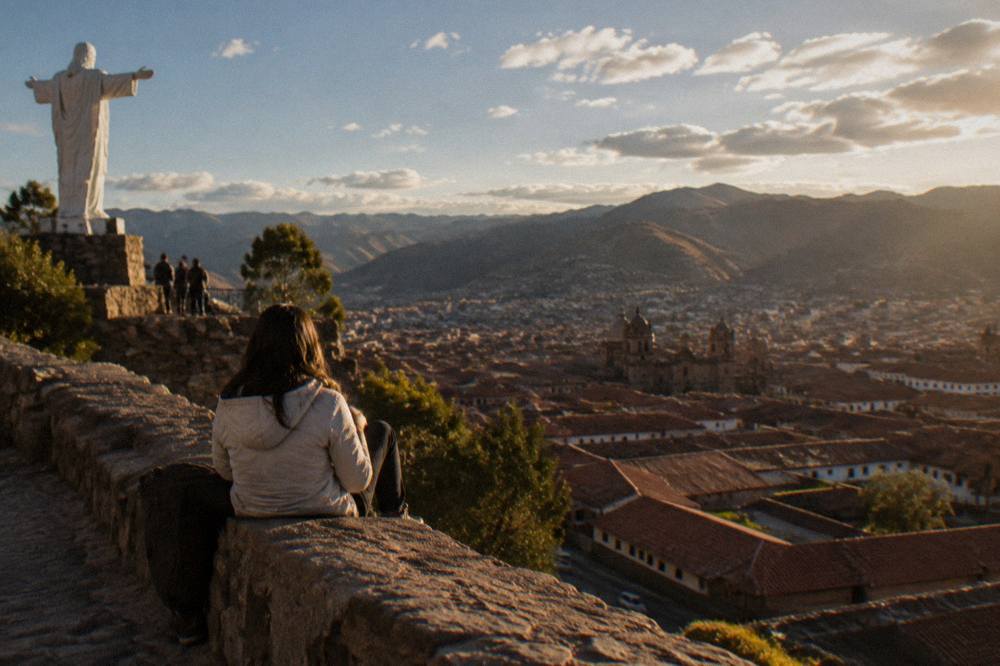
What Should The One-Day Route Look Like From Start To Finish?
The route runs: morning in the historic centre from the Plaza de Armas through the Cathedral, Qorikancha, the twelve-angled stone and San Pedro Market for lunch; afternoon on the ruins loop to Tambomachay, Puka Pukara, Q'enqo and Sacsayhuaman on a Circuit I ticket; evening back in the centre for dinner near the plaza. Timings vary with season, crowds and pace, so the plan is ordered by sequence, not by clock.
The morning chain is all downhill or flat between stops, which is the right way round at altitude. The Boleto purchase on Av. El Sol can slot in on the walk between the plaza and Qorikancha, since the counter is on the same southbound axis, open daily 07:30 to 18:00. Lunch at San Pedro Market is the cheap, fast option at a reported S/ 8 to 15 for a menu del dia; the restaurants around the plaza are the sit-down alternative.
The afternoon is the loop. Whether it is done with a tour vehicle, a taxi between sites or on foot depends on budget and legs, and this site's day-hikes guide covers the walking version. Sacsayhuaman last means the day ends with the short descent back into the city, and the evening is free: the Cusco nightlife guide covers what stays open late, and the what to eat in Cusco guide covers the dinner decision.
One practical note on money: the Boleto counters and most site entries take cash, and ATM withdrawal caps in Peru are typically 400 to 700 soles per transaction per one Peruvian travel guide, so a one-day visitor should not plan on a single withdrawal covering every ticket. The money and ATMs guide carries the detail.
| Block | Stops | Ticket Needed |
|---|---|---|
| Morning | Plaza de Armas, Cathedral, Qorikancha, twelve-angled stone | Cathedral separate; Qorikancha on Circuit II |
| Midday | Boleto purchase on Av. El Sol, lunch at San Pedro Market | Circuit I partial, S/ 70 |
| Afternoon | Tambomachay, Puka Pukara, Q'enqo, Sacsayhuaman | Circuit I partial |
| Evening | Dinner near the plaza, optional viewpoints | None |
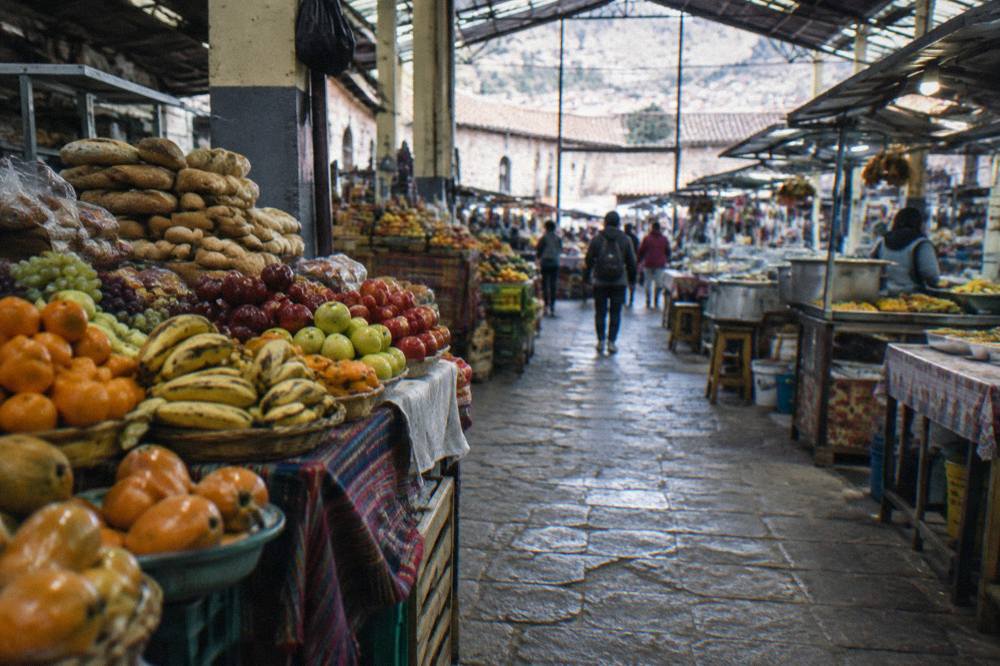
Should You Take A Tour Or Plan The Day Yourself?
A tour earns its place on a one-day visit when transport between the four ruins is the bottleneck: the half-day city tour covers the city and the ruins loop with a guide and vehicle, while independent travellers can walk the centre free and buy the Circuit I partial at S/ 70 for the ruins, using taxis between sites. The decision is logistics, not quality: both routes see the same stones.
The independent version costs the Boleto plus whatever taxis or buses carry the visitor up the loop road, and it allows the market lunch and the long look at Sacsayhuaman's terraces on a private schedule. The guided version compresses the logistics into one booking, and the roster on this site includes the half-day city tour as the natural one-day fit, with the Sacred Valley and Machu Picchu full-day options for visitors who have chosen the valley or the citadel instead.
The free-walk option also exists. GuruWalk lists several free, tip-based walking tours of Cusco's historic centre, including Frank Emerson's Free Tour in Cusco with local guide and Yana Tour Operator's historic-centre walk, and the free walking tours guide on this site compares them. A free walk in the morning plus an independent ruins afternoon is a legitimate budget version of this entire day.
Prefer a local guide for the centre? Book a tip-based historic centre walking tour here.
Whatever the choice, the one-day visitor should book the ruins-or-valley decision before arrival, because the Boleto is an in-person purchase and the morning of the day is the wrong time to discover the counter queue. More itinerary depth, from the four-day to the seven-day plans, sits on Things To Do In Cusco Peru for visitors whose trip outgrows a single day.
For a visitor whose single day is fixed on the citadel rather than the city, the Machu Picchu group day tour above is the roster's dedicated full-day option, with its price, rating and review count shown on its own card. The city and valley cards sit beside it for the two other ways a one-day plan can go.
Common Questions About One Day In Cusco
Is one day in Cusco enough?
One day covers the historic centre and the four ruins above the city comfortably. It does not cover the Sacred Valley or Machu Picchu, which each need a full day of their own, so a visitor with one day should choose the city and accept that the rest needs a return trip or a longer itinerary.
Can you do Cusco and Machu Picchu in one day?
Not meaningfully. Machu Picchu is a full-day excursion from Cusco by train or road-and-rail, and the citadel's timed nominal ticket is sold separately from the Boleto Turistico. A one-day visitor who wants both should follow the Cusco and Machu Picchu itinerary and expect the city itself to shrink to an evening.
What is the best month for a one-day visit to Cusco?
The dry season, roughly May to September, gives the clearest views from Sacsayhuaman, with June and July mean minimums of 0.3 C and 0.1 C at the WMO's Cuzco station but afternoon maximums still around 19 C. The wet months of December to March carry 71.9 percent of the year's rain, so a wet-season day needs rain gear and indoor fallbacks like the Qorikancha site museum.
Do you need the full Boleto Turistico for one day?
No. The integral ticket at S/ 130 is valid 10 days and only pays off across several days of sightseeing. A one-day visitor needs one partial circuit at S/ 70: Circuit I for the four ruins, or Circuit II for the city museums. The ticket is sold in person only, at Av. El Sol 103 daily 07:30 to 18:00 and at most included sites.
Is Cusco walkable in one day?
The historic centre is compact and walkable, with the Plaza de Armas, Qorikancha, the twelve-angled stone and San Pedro Market all within a short walk of one another. The four ruins are not walkable in the same sense for most visitors: they sit above the city at up to 3,701 m, so the afternoon loop is normally done by tour vehicle, taxi or a long hike.
What should you skip if you only have one day in Cusco?
Skip the Sacred Valley, Machu Picchu and any long day hike. Each consumes a full day, and trying to fold one into a city day leaves neither done well. Also skip the Cathedral only if time is truly short, since it is the one central stop with a separate admission outside the Boleto.