Is Cusco Expensive? Costs And Daily Budget
Cusco is not an expensive city by the standards of most long-haul destinations, but it is a city where the big-ticket items, entry fees and day trips, do most of the spending. Here is what the official tariffs and reported 2026 prices actually say.
Short answer
Cusco is moderately priced: a set lunch runs a reported S/ 8 to 15, the 10-day Boleto Turistico costs S/ 130 for a foreign adult, and the day trips start around S/ 24. Machu Picchu entry adds from about S/ 163, and that is what pushes a Cusco budget up.
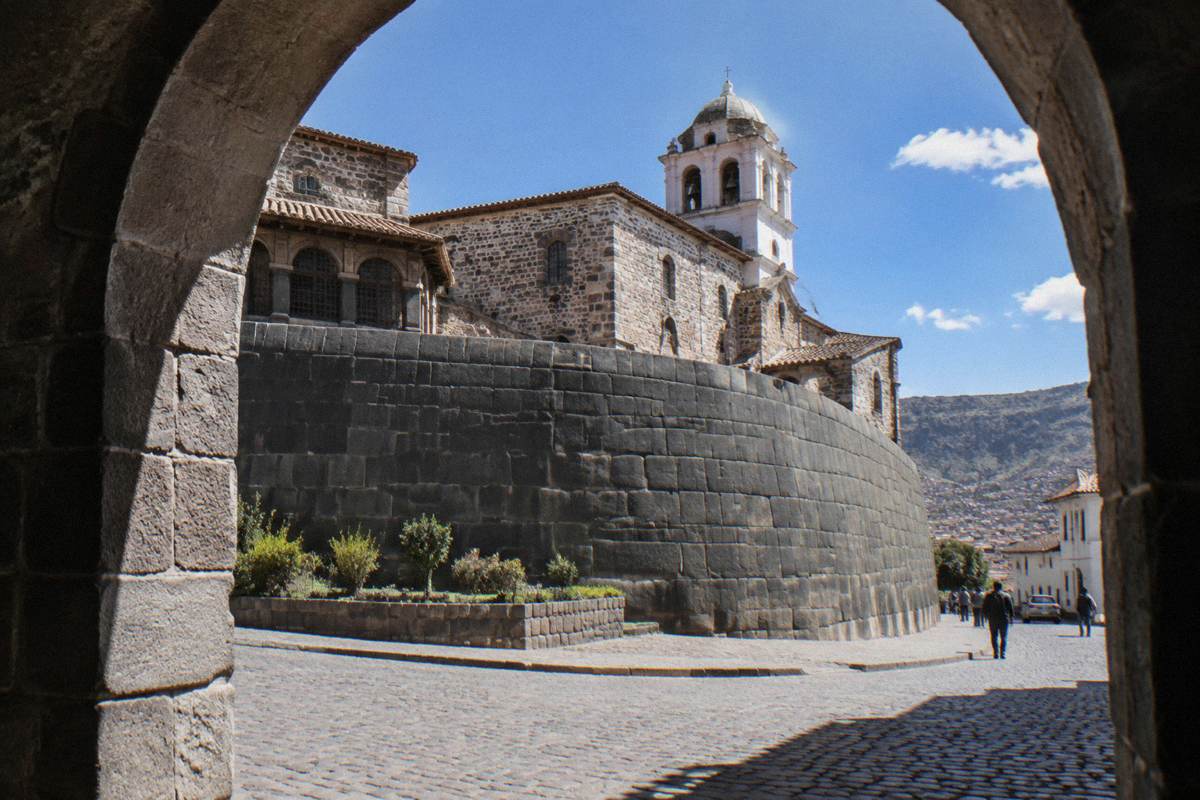
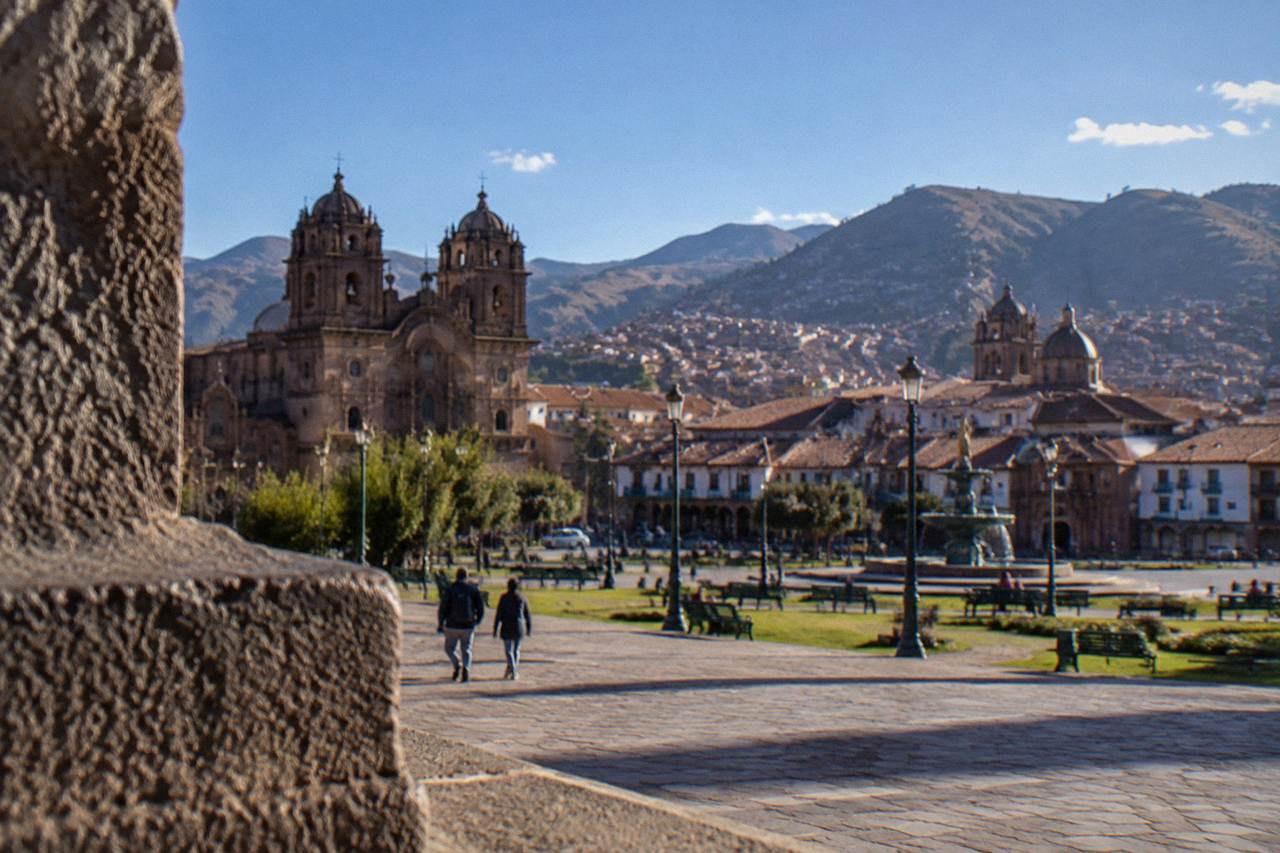
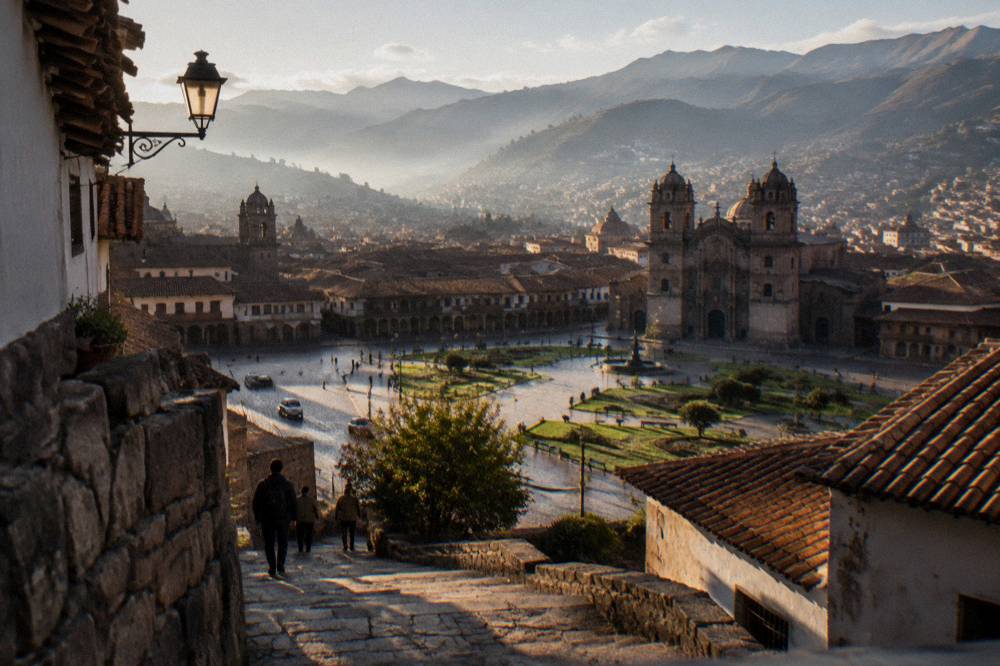
Cusco, the historic Inca capital in the Andes of southern Peru, sits at 3,335 m on the Plaza de Armas and carries a UNESCO inscription from 1983, and it is also a city where a visitor can spend very little or a great deal depending on a handful of decisions. The question "is Cusco expensive" has a real answer, and it is a moderate one: the city's own daily costs are low, while the entry fees and day trips that surround it, above all Machu Picchu, are what move the total. This page assembles what the official tariffs and reported 2026 prices say, in the currency they are charged in, the Peruvian sol, written S/, at about S/ 3.4 to the US dollar.
Is Cusco Expensive For Travellers?
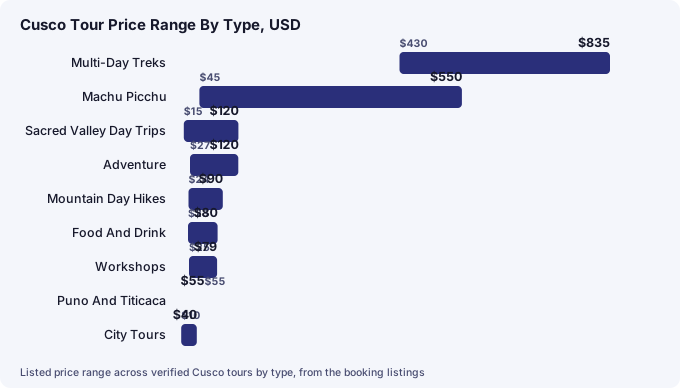
No, Cusco is not expensive by the standards of most long-haul destinations, and the city's own daily costs are modest: a reported set lunch of S/ 8 to 15, a Boleto Turistico integral of S/ 130 covering 16 sites over 10 days, and free, tip-based walking tours. What makes a Cusco trip feel costly is the layer above the city: Machu Picchu entry from about S/ 163 and the multi-day treks priced in hundreds of dollars.
The honest split is between the city and the excursions. Inside Cusco, the costs a visitor controls every day, food, local transport, small museums, are low. Outside it, the headline products, treks, train journeys and the Machu Picchu ticket itself, are priced for an international audience. A budget built only around the city looks very different from one that includes the Sacred Valley and Machu Picchu, and the cost planning on this site breaks both layers out separately.
One structural point that shapes every budget: the sol. Peru's currency is quoted by the Central Reserve Bank against the US dollar, and this site's product prices display in US dollars while everything on the ground, entry fees, meals, taxis, is charged in soles. Keeping the two apart mentally is half the budgeting job. The other half is knowing which figures are official tariffs and which are reported ranges, and this page flags each one as it goes.
What Does A Day In Cusco Cost?
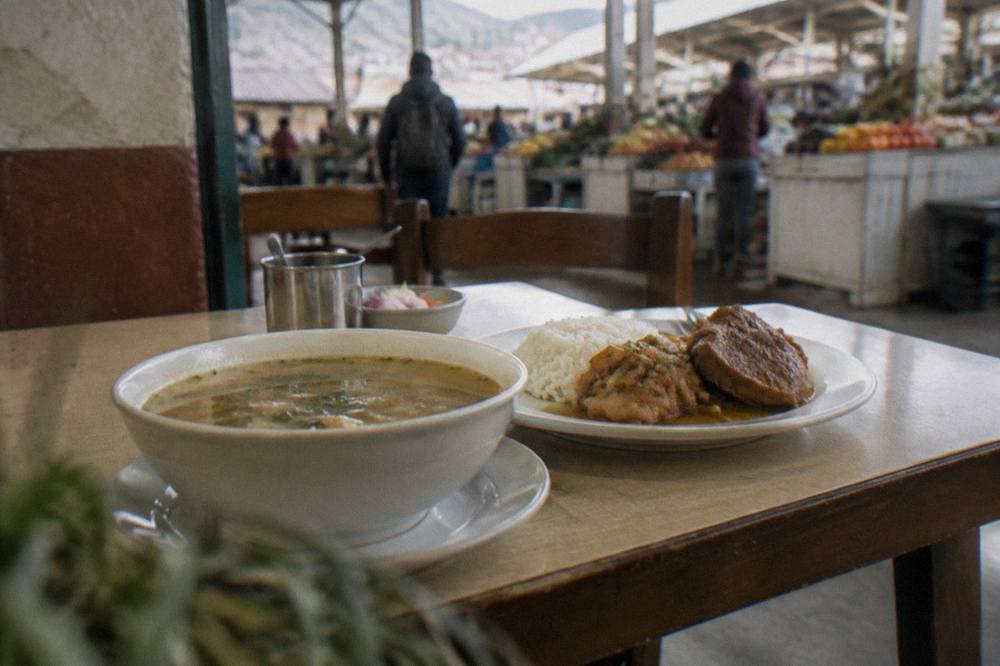
A day in Cusco city costs very little at the floor: a reported menu del dia at S/ 8 to 15 (about US$2 to 4), a cup of coca tea at S/ 2 to 5, and an airport taxi into the centre at a reported S/ 15 to 25. Add the Boleto Turistico amortised over its 10 days and a museum or two, and a comfortable city day still runs on a modest budget.
These everyday figures are reported ranges from operators and travel sites in 2026, not official tariffs, and they should be treated as ballparks rather than promises. The menu del dia is the anchor of cheap eating in Cusco, a set lunch of the kind served around San Pedro Market and the city's restaurants, and it is the single biggest lever on a food budget. The full guide to eating in Cusco covers what the dishes actually are.
| Everyday item | Reported 2026 range | Notes |
|---|---|---|
| Menu del dia (set lunch) | S/ 8 to 15 (about US$2 to 4) | Reported range, not an official price |
| Cup of coca tea | S/ 2 to 5 | Reported range |
| Tourist SIM card | S/ 5 to 15, plus data at S/ 20 to 40 | Reported range |
| Airport taxi to the centre | about S/ 15 to 25 | Reported range, agreed before the ride |
Two costs deliberately absent from that table: hotel rates and intercity fares. Neither is verified in the sources behind this page, so no figure appears. What can be said is that where you stay in Cusco changes the nightly outlay more than any other single decision, and the hotel guide covers the neighbourhoods rather than quoting rates. ATM fees, card surcharges and exchange-house rates are likewise unverified here, so the honest advice is the plain kind: decline conversion at the machine, and check the fee before you withdraw.
The evenings are where a modest day can drift upward. Cusco's nightlife is real but cheap by big-city standards, and one of the few fixed-price ways into it is a guided pub crawl: the site's featured product for this page, the Cusco pub crawl with drinks and club entry, bundles drinks and skip-the-line entry for a printed price, Check availability.
What Does The Boleto Turistico Cost And What Does It Cover?
The COSITUC's integral Boleto Turistico costs S/ 130 for a foreign adult, about US$38, and is valid for 10 days across 16 sites, which is the best value in the region for anyone visiting more than a few ruins. The three partial circuits cost S/ 70 each: Circuit I covers Sacsayhuaman and its neighbours for 1 day, Circuit II the city sites, Circuit III the Sacred Valley.
The tarifario published by COSITUC, the committee that runs the ticket, lists those prices, and the FAQ states the ticket is sold in person only, at the counter on Av. El Sol 103, daily 07:30 to 18:00, and at most included sites. There is no online sale. Foreign students pay S/ 70 for the integral with ID, children are free to age 9, and ages 10 to 17 pay the student price. The full Boleto Turistico guide walks through the circuits site by site.
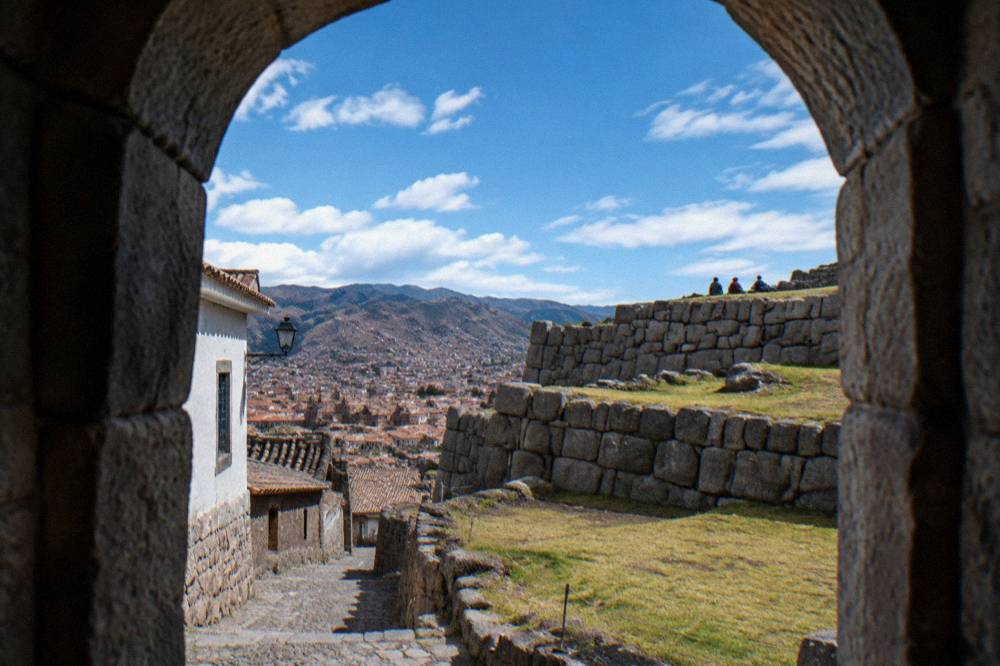
| Boleto Turistico option | Foreign adult price | Validity | Sites |
|---|---|---|---|
| Integral (BTCI) | S/ 130 (about US$38) | 10 days | All 16 |
| Circuit I, Sacsayhuaman | S/ 70 (about US$20) | 1 day | Sacsayhuaman, Q'enqo, Puka Pukara, Tambomachay |
| Circuit II, City | S/ 70 (about US$20) | 2 days | Qorikancha site museum, regional and contemporary museums, popular art, Centro Qosqo, Pachacutec monument, Tipon, Pikillacta |
| Circuit III, Sacred Valley | S/ 70 (about US$20) | 2 days | Pisac, Ollantaytambo, Chinchero, Moray |
| Foreign student integral | S/ 70 | 10 days | All 16, with student ID |
The arithmetic matters. Anyone visiting Sacsayhuaman plus the four city museums plus Pisac has already spent more than the integral's S/ 130 in partials, and the integral's 10-day window means it can straddle a whole week's itinerary. What the Boleto does not cover is equally important: Machu Picchu is not on it, and nor is the Cusco Cathedral, which sells its own admission.
What Do The Big Day Trips Cost?
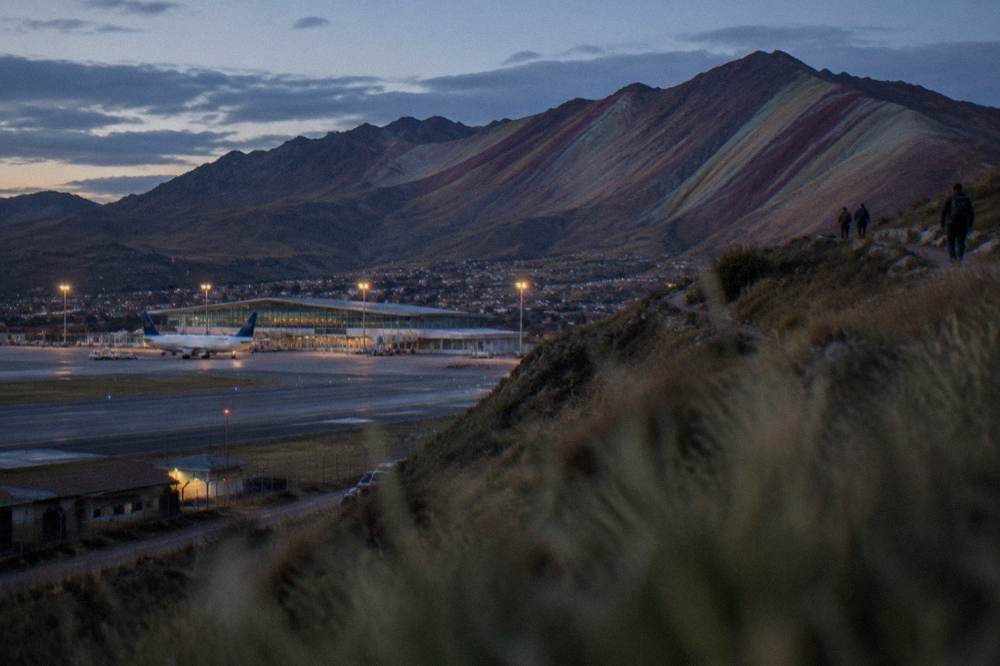
The big day trips from Cusco are cheap relative to what they deliver: the site's listed tours run from under $30 for a full-day mountain hike with meals to about $50 for a Sacred Valley full day, while the entry fees on the ground are small cash payments, S/ 25 to 30 at Rainbow Mountain, about S/ 20 at Palccoyo and S/ 15 to 20 at the Maras salt mines. The treks are the expensive tier, priced in the hundreds of dollars.
The product prices render on the tour cards below and are never typed into prose; what this page can print are the official and reported ground fees, which are the charges no tour price eliminates. Rainbow Mountain's community fee is S/ 25 to 30 in cash for foreigners depending on the access route; Palccoyo charges about S/ 20; Humantay Lake's fee is reported between S/ 10 and S/ 20, with sources disagreeing, so no single figure is honest here.
| Site or day trip | Ground fee (foreign adult) | Basis |
|---|---|---|
| Rainbow Mountain (Vinicunca) | S/ 25 to 30, cash | Community fee, route-dependent |
| Palccoyo | about S/ 20 | Operator-reported 2026 |
| Humantay Lake | S/ 10 to 20 | Sources disagree, range only |
| Maras salt mines | S/ 15 to 20 | Operator-reported 2026 |
| Moray | On Boleto Circuit III | COSITUC list |
| Q'eswachaka bridge | about S/ 20 | Operator-reported |
| Waqrapukara | no ticket, or a community contribution | Sources vary |
Two of these are on the Boleto, which is the quiet saving: Moray is Circuit III, so a visitor holding the integral pays nothing at the gate. The comparison between the two rainbow mountains, Vinicunca and Palccoyo, is a cost question as much as a scenery one, and the Rainbow Mountain versus Palccoyo guide sets them side by side. For the mountains themselves, the listed products below print their own prices and ratings.
How Much Does Machu Picchu Add To A Cusco Budget?
Machu Picchu is the single largest line in a Cusco budget: foreign adult entry runs from about S/ 163 (about US$48) on the standard routes to S/ 211 (about US$62) on the mountain routes, figures that include the S/ 11 SERNANP fee applied since 1 May 2026, and the official platform shows the live price. Getting there, by train, is a separate cost this page does not quote.
The entry figures are secondary-source numbers, so they carry "from about" and a pointer to the Ministry of Culture's ticket platform rather than a false precision. What is official: since 1 June 2024 the site has three circuits and ten routes, and the 2026 daily capacity is 4,500 on normal days, rising to 5,600 on the flagged high-season dates. Tickets are nominal, valid only for the stated date, hour, circuit and holder, with no changes beyond a single passport-number correction, so a misplanned date is money lost, not money moved. The rest of the planning pages sit on Things To Do In Cusco Peru.
This page keeps Machu Picchu to one section because the dedicated Machu Picchu day-trip guide covers tickets, circuits and the journey in full. The budget-relevant facts are these: a guide is recommended but not mandatory under the rules in force since September 2026, and 1,000 tickets a day are sold in person at the Machu Picchu Pueblo office for next-day entry, which matters for anyone building a late itinerary. The train fare and the bus up from Aguas Calientes are costs this page's sources do not verify, so no figure appears for either.
When Is Cusco Cheapest To Visit?
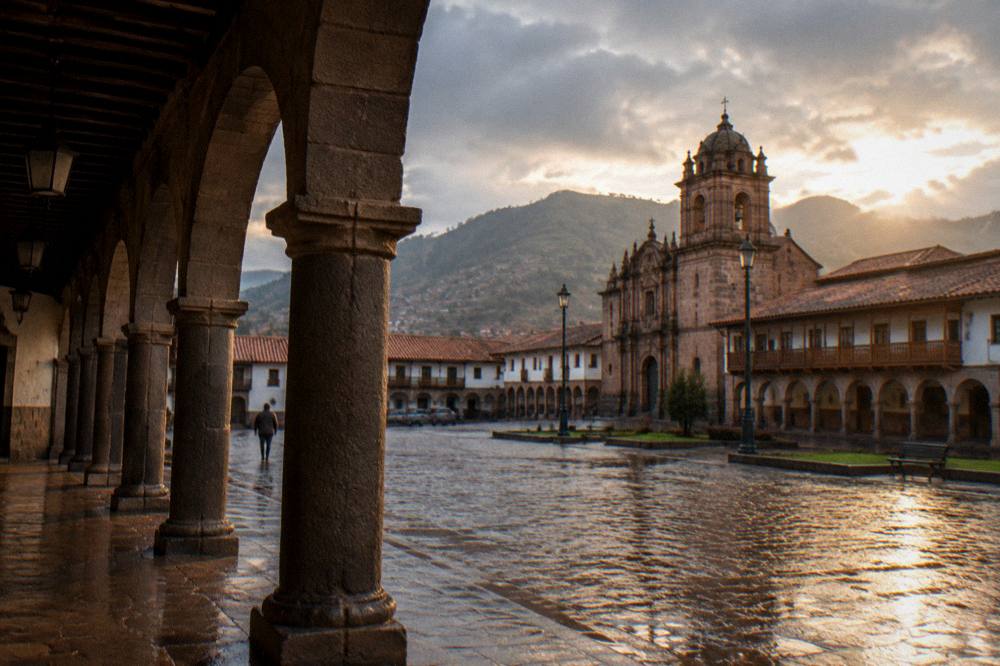
The cheapest time to visit Cusco is the wet season, roughly November to March, when December to March alone carries 71.9 percent of the year's 707.8 mm of rain at the WMO's Cuzco station, but cheapness trades against weather: February is the wettest stretch and the Inca Trail closes every February. The dry season, roughly May to September, is the expensive, crowded window, and October sits between the two.
The rain figures come from the historical normal supplied by SENAMHI to the World Weather Information Service. The demand side is visible in the Ministry of Culture's open visitor data: Machu Picchu recorded 1,479,506 visitors in 2025, and the monthly spread shows February at 79,806 against October at 154,105, the year's peak. Prices on the ground do not move like hotel rates in a resort, but availability does: the dry months are when tours fill and the high-capacity dates bite.
| Month | Mean rain, mm | Mean max C | Budget read |
|---|---|---|---|
| January | 145.3 | 18.9 | Wet, low crowds |
| February | 133.7 | 18.8 | Wettest stretch, Inca Trail closed |
| March | 107.0 | 19.1 | Wet, low crowds |
| April | 43.2 | 19.7 | Drying out |
| May | 8.7 | 19.8 | Dry season begins |
| June | 1.5 | 19.5 | Peak dry, frost nights |
| July | 4.0 | 19.1 | Peak dry, frost nights |
| August | 8.6 | 19.8 | Peak dry |
| September | 21.8 | 19.8 | Shoulder |
| October | 39.4 | 20.9 | Busiest month at Machu Picchu 2025 |
| November | 71.9 | 20.7 | Wet season begins |
| December | 122.7 | 19.4 | Wet, festive |
The month-by-month weather guide and the best time to visit guide develop this fully. One budget note the tables cannot show: June hosts Inti Raymi on the 24th, and grandstand tickets for the Sacsayhuaman ceremony are sold through official channels at prices set per edition, so the Inti Raymi guide is the place to check before committing to that week.
What Can You Do In Cusco For Free?
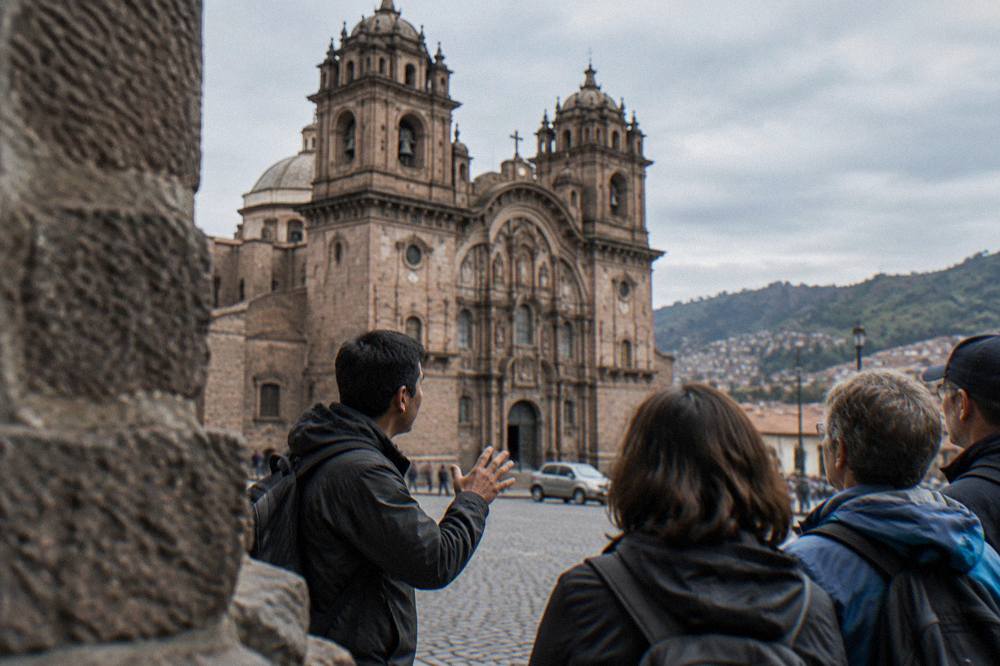
A great deal of Cusco is free: the Plaza de Armas, the San Blas streets, the markets and the city's seven GuruWalk free, tip-based walking tours all cost nothing at the point of entry, with the tip the only payment. The free layer is deep enough that a low-budget day in the city is genuinely easy, and it is the excursions, not the city, that force the spending.
The free walks deserve the honesty note: they are listed on GuruWalk, a platform this site does not own, and they are free with tips, never a printed price. The roster here carries seven of them. Among the best reviewed, Frank Emerson's Free Tour in Cusco with local guide is the site's pick for this page, and the free walking tours guide compares all of them.
| Free or near-free option | What it is | Cost |
|---|---|---|
| Plaza de Armas | The city's main square, UNESCO-listed centre | Free |
| San Blas streets | Artisan quarter above the centre | Free |
| San Pedro Market | Working central market | Free to enter |
| GuruWalk free tours | Seven tip-based walks, including Frank Emerson's | Free, tip based |
| Boleto sites, amortised | 16 sites across 10 days | S/ 130 integral |
| Cristo Blanco viewpoint | Hilltop white statue above the city | Free |
The free things to do guide extends this list, and the Cusco viewpoints guide covers the free outlooks. The pattern is consistent: the city gives away its streets, squares and views, and charges for its museums and ruins, which is exactly what the Boleto exists to bundle.
Where Does A Cusco Budget Go Wrong?
The classic budget failures in Cusco are four: buying partial Boleto circuits when the integral is cheaper after three sites, arriving in peak dry season without bookings, treating Machu Picchu tickets as changeable when they are nominal and date-locked, and paying card surcharges and unfavourable exchange rates through inattention. None of these is expensive to avoid, and all of them are avoidable with a plan made before arrival.
The Boleto arithmetic is the most common. Three partial circuits at S/ 70 each cost more than the integral's S/ 130, so any itinerary touching all three circuits loses money on partials. The Machu Picchu date-lock is the costliest: the rules in force since September 2026 allow no date or name change beyond a single passport-number correction, and an unused ticket loses its validity.
The seasonal trap is subtler. October is not obviously high season, yet the 2025 visitor data shows it was Machu Picchu's busiest month, at 154,105 against July's 151,550, and the flagged high-capacity dates run from 19 June to 2 November. A traveller budgeting for a quiet shoulder month can land in the year's densest window. The getting around guide and the safety guide cover the practical side of the same planning.
Common Questions About Cusco Costs
Is Cusco expensive compared with other Peruvian cities?
No sourced ranking or price comparison between Cusco and Lima or any other city exists in the verified sources behind this page, so no honest verdict is printed here. What the sources do support: Cusco's own everyday costs are modest, with a reported set lunch at S/ 8 to 15, while its headline attractions are priced for an international audience.
How much is the Boleto Turistico?
The COSITUC tarifario lists the integral ticket at S/ 130 for a foreign adult, about US$38, valid 10 days across 16 sites, with partial circuits at S/ 70 each and a foreign student integral at S/ 70 with ID. It is sold in person only, at Av. El Sol 103 and at most included sites.
Is Machu Picchu included in the Boleto Turistico?
No. Machu Picchu sells separately on the Ministry of Culture's ticket platform or in person at Machu Picchu Pueblo, from about S/ 163 for foreign adults on standard routes including the S/ 11 SERNANP fee in force since 1 May 2026. The Boleto's Circuit III covers Pisac, Ollantaytambo, Chinchero and Moray only.
What does a meal cost in Cusco?
A reported menu del dia, the set lunch that anchors cheap eating in the city, runs S/ 8 to 15, about US$2 to 4, with a cup of coca tea at S/ 2 to 5. These are reported 2026 ranges, not official prices. The eating guide covers the dishes and the markets where they are cheapest.
When is Cusco cheapest?
The wet season, roughly November to March, is the low-crowd window, though December to March carries 71.9 percent of the year's 707.8 mm of rain and the Inca Trail closes every February. The dry months of May to September are the busy, booked-out window, and October 2025 was Machu Picchu's busiest month in the official visitor data.
Can you visit Cusco on a low budget?
Yes. The city layer is cheap: free, tip-based GuruWalk walking tours, free squares and viewpoints, a set lunch at a reported S/ 8 to 15, and the S/ 130 integral Boleto amortised across 10 days. The budget rises with the excursions, above all Machu Picchu entry from about S/ 163 and the multi-day treks.
The verdict this page's sources support is a plain one: Cusco rewards a visitor who separates the city's cheap daily layer from the expensive excursion layer, buys the integral Boleto when the itinerary justifies it, and books the dry-season headline items early.