Waqrapukara: The Inca Fortress Day Trip From Cusco
Waqrapukara is an Inca site on a cliff spur about a day trip from Cusco, with no fixed entrance ticket and a small community contribution of S/ 10 to S/ 20 in cash. Guided day tours from Cusco run year round, and the site stays far quieter than Machu Picchu or Rainbow Mountain.
Short answer
Waqrapukara is an Inca site on a cliff spur in the Cusco region, visited as a day trip from the city and reached through Quechua farming communities, with a small community contribution of S/ 10 to S/ 20 in cash and guided tours from Cusco running year round.
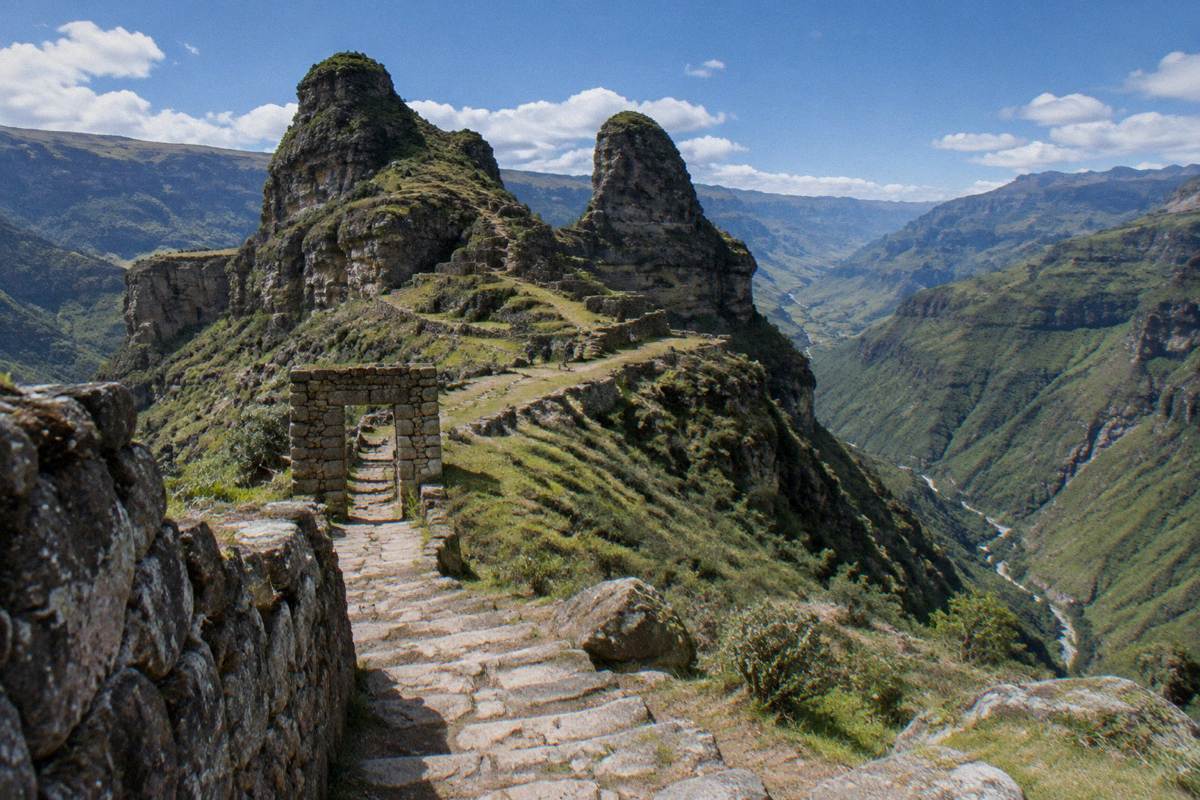
Cusco, the historic city in the Andes of southern Peru at about 3,335 m, sends most of its visitors to a familiar ring of day trips: Machu Picchu, the Sacred Valley, Rainbow Mountain. Waqrapukara sits outside that ring. It is an Inca archaeological complex perched on a rocky spur above a river canyon in the Cusco region, reached through Quechua farming communities, and it appears on very few first-page itineraries. The name is usually translated as "horn of the rock", a reference to the twin rock formations that rise above the site, though the pack holds no dated history for the fortress and none is invented here. What the sources do support is practical: how the site is reached from Cusco, what the communities charge, what a guided tour covers, and how the trip compares with the better known alternatives.
What Is Waqrapukara And Why Does It Draw Fewer Crowds Than Machu Picchu?
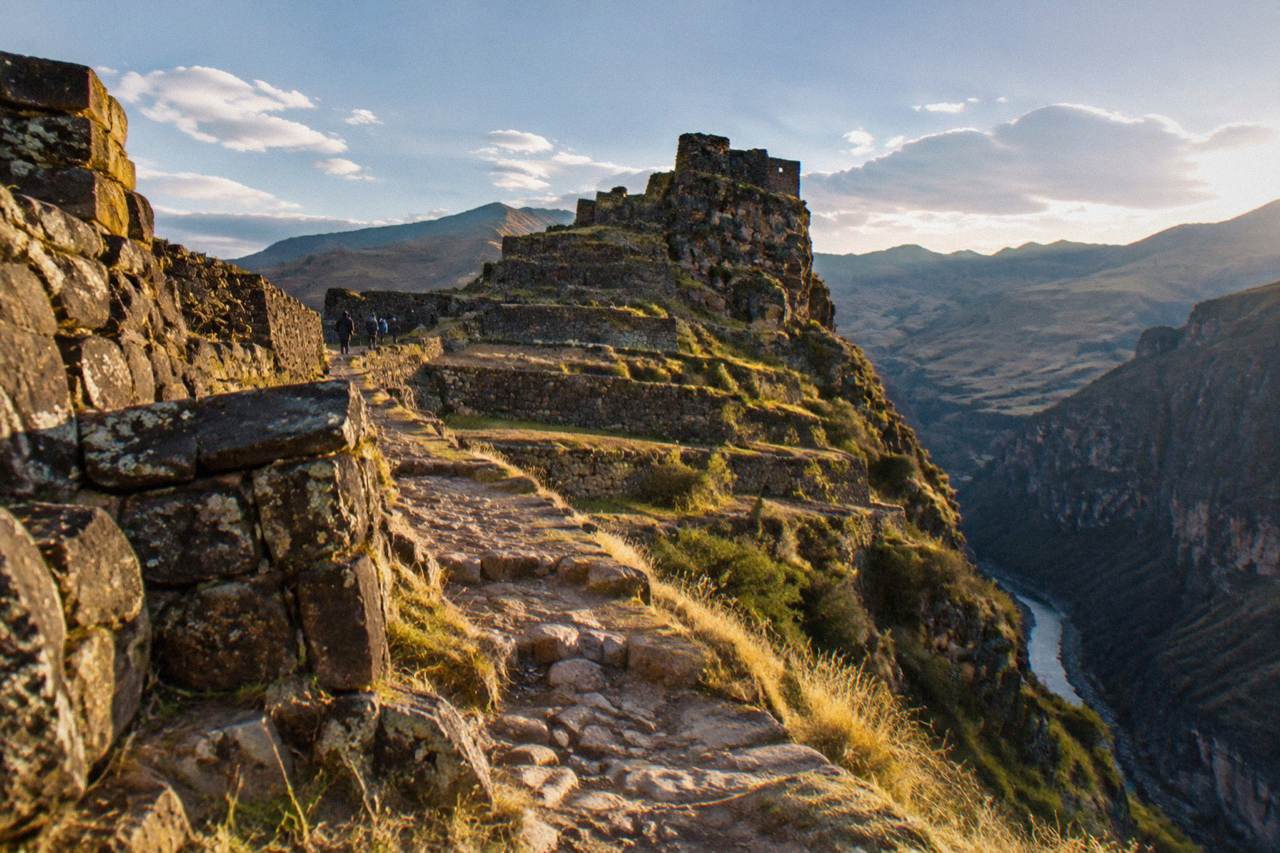
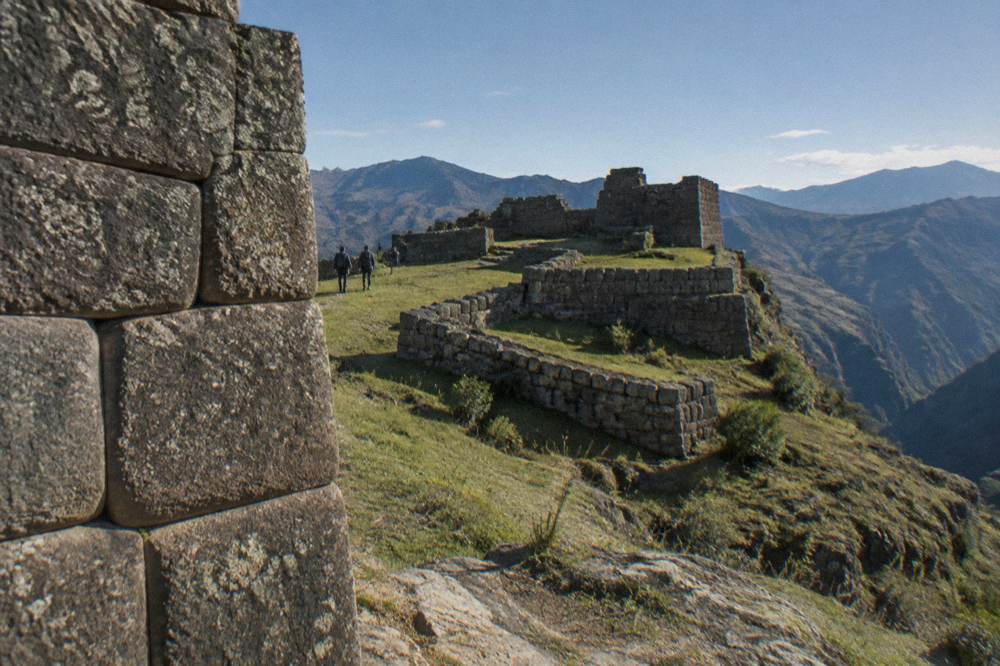
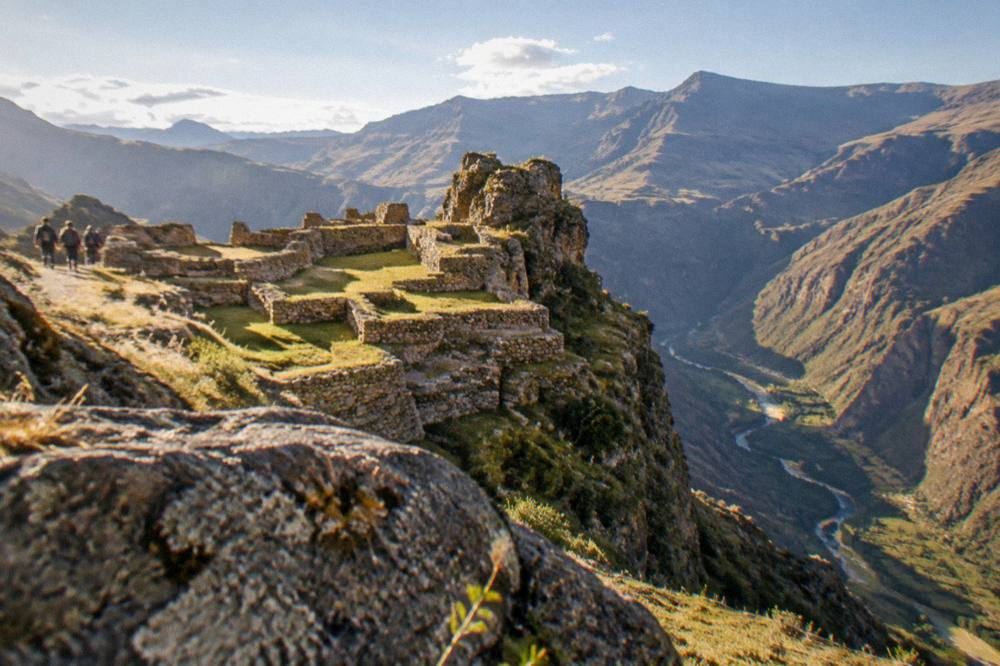
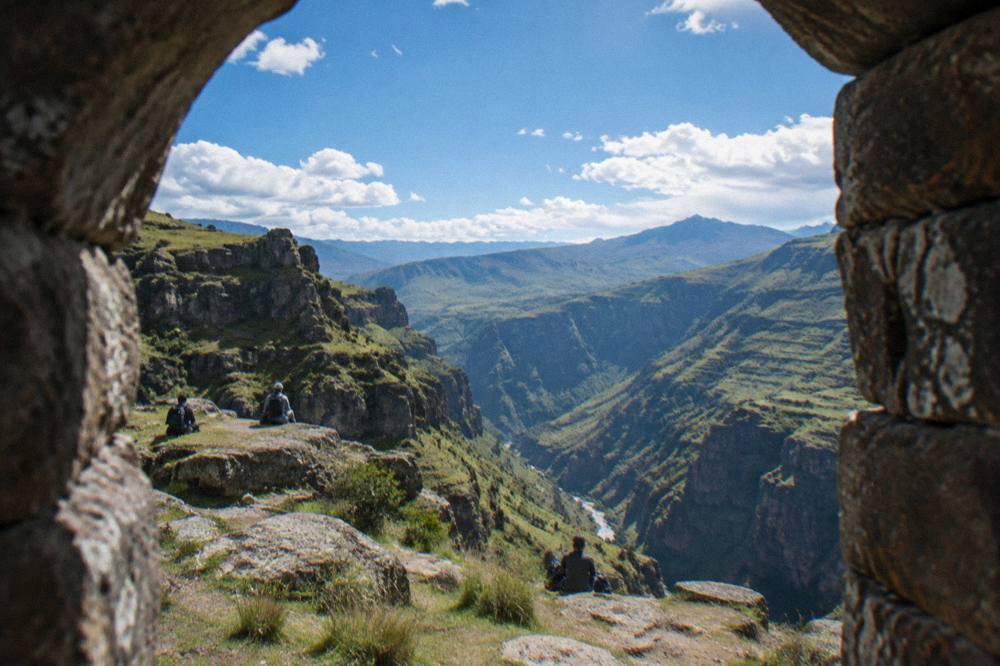
Waqrapukara is an Inca archaeological complex on a cliff spur in the Cusco region, built of stone terraces, walls and enclosures against twin rock formations. It has no rail link, no ticket platform and no daily visitor cap, and it is reached only through rural communities, which keeps its numbers far below the headline Cusco sites.
The site is a fortress-and-temple complex in the classic Inca style: fitted masonry, agricultural terraces and enclosures arranged around the rock itself. The Ministry of Culture's open visitor dataset, which counts entries at 29 recorded Cusco-region sites, does not list Waqrapukara among the top sites for 2025, while the Santuario Historico de Machupicchu recorded 1,542,350 visits that year. That contrast is the whole appeal for many travellers: Waqrapukara is a genuine Inca site that can be walked without queueing.
The comparison with the region's flagship is unavoidable. Machu Picchu, the citadel at 2,430 m inscribed by UNESCO on 9 December 1983, runs three circuits and ten routes under a timed-entry system with hourly slots and a maximum stay on standard routes. Waqrapukara runs on none of that machinery. There is no circuit map, no timed slot and no official capacity figure. Access is set by the communities whose land the trail crosses, and by tour operators who run the route from Cusco. For readers weighing the two, the site's Machu Picchu day trip guide covers the flagship in full.
How Do You Get To Waqrapukara From Cusco?
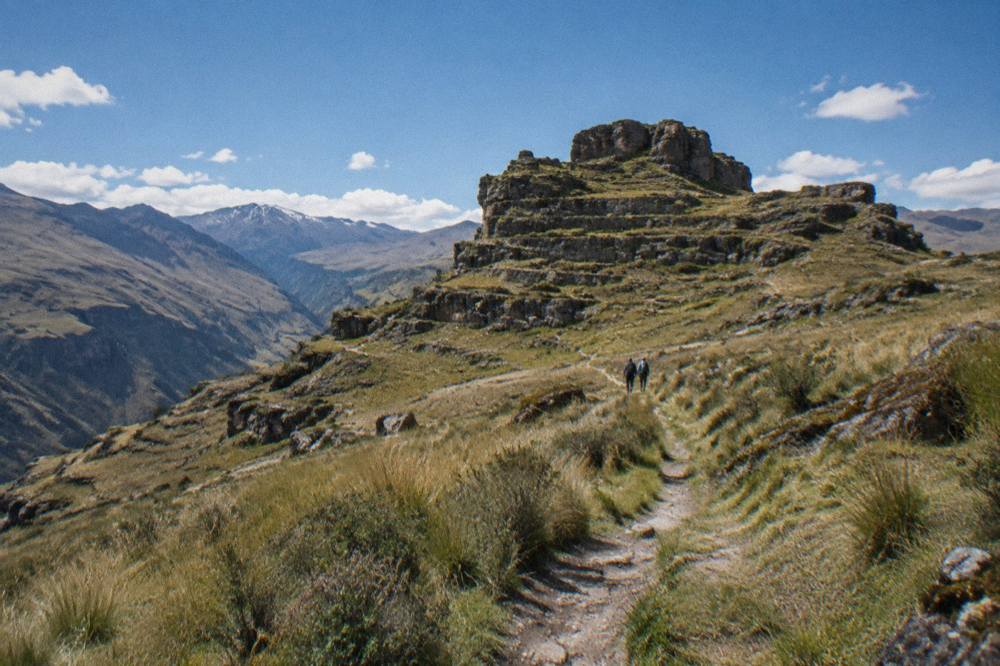
Waqrapukara is visited as a day trip from Cusco, either on a guided tour that handles transport, meals and the community contribution, or independently by road to a trailhead community followed by a hike to the site. The pack holds no sourced journey time or distance for the route, so neither figure is printed here.
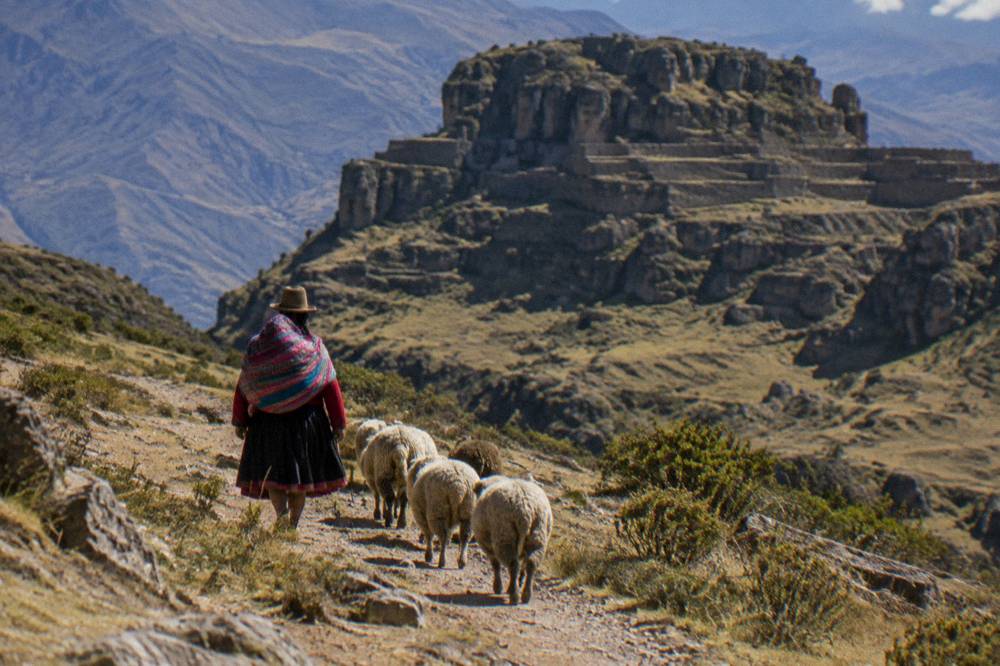
The practical route runs out of the Cusco basin and into the provinces south and west of the city, through high grassland and Quechua farming villages. The final approach is on foot. The pack gives no sourced walking time, trail length or elevation figure for Waqrapukara itself, and the trek guard in the site rules is strict on this point: no invented distances, hours or difficulty grades. What can be said is that the site sits in high Andean terrain, so the same altitude logic that applies to every Cusco day hike applies here, and the CDC Yellow Book's graded-ascent advice matters for anyone arriving by air into Cusco at about 3,335 m and heading straight into the countryside.
For most visitors the guided option is the practical one. The site's featured tour, the Waqrapukara Archaeological Complex Tour, runs from Cusco and bundles the transport, the guide and the logistics of the community access into a single booking. The operator's live listing carries the current price and departure details.
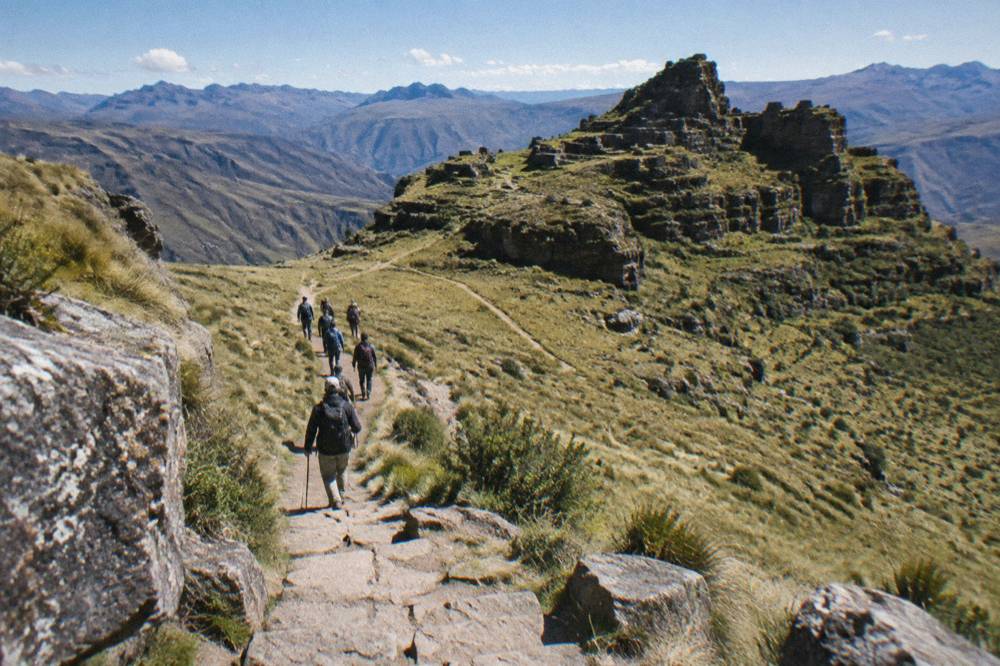
Independent travel is possible but requires more arranging. There is no train and no dedicated tourist bus in the way the Sacred Valley has. The pattern reported by operators is a private or shared vehicle to a trailhead community, then a hike. Anyone going independently should carry cash in soles for the community contribution and food, and should expect little or no signal in the canyon.
What Does A Waqrapukara Tour From Cusco Include?
A guided Waqrapukara day tour from Cusco typically includes transport from the city, a guide for the site and the trail, and in most listings some food, with the community contribution sometimes separate and paid in cash. Exact inclusions vary by operator, so the live listing is the authority on what is covered.
The featured roster entry for this site is the tour-to-the-waqrapukara-archaeological-complex-from-Cusco product, a mountain-day-hike day trip from Cusco. Its record on this site's roster shows a 12-hour duration, a rating of 4.8 from 10 reviews and a from-price of $90 per person, all rendered on the product card rather than typed here. The tour has its own page on this site, and the card prints the live figures.
Two things are worth checking before booking any Waqrapukara tour. First, whether the community contribution is inside the price or collected on the trail, because the S/ 10 to S/ 20 payment is cash in soles either way. Second, what the operator says about altitude and pacing, since the trail sits well above the Sacred Valley towns and the CDC advises graded ascent for travellers flying into high altitude.
Between the booking questions, the tour listing is also where the cancellation terms live. Free cancellation windows vary by operator, and the listing states them before payment.
What Does It Cost To Visit Waqrapukara?
Waqrapukara has no fixed entrance ticket. Sources describe either free access or a small community contribution of S/ 10 to S/ 20 per person, paid in cash in soles at the community on the trail. On top of that, a guided day tour from Cusco is listed from $90 per person, and independent travel adds private or shared transport costs agreed before the ride.
The community contribution sits in the same category as the fees at the region's natural and community-run sites. These are not official Ministry of Culture tickets: they are payments collected by the communities whose land the route crosses, and they are cash only. The table below collects the 2026 reported ranges for the sites most often compared with Waqrapukara, all drawn from the verified pack.
| Site | Access Fee For Foreigners (2026 Reported) | Cash Only | Notes |
|---|---|---|---|
| Waqrapukara | S/ 10 to S/ 20 community contribution, or none | Yes | No official ticket; community sets the payment |
| Rainbow Mountain (Vinicunca) | S/ 25 to S/ 30 depending on route | Yes | Cusipata route S/ 25, Pitumarca S/ 30 |
| Palccoyo | About S/ 20 | Yes | Older official pages gave S/ 10 to S/ 15 |
| Humantay Lake | S/ 10 to S/ 20 (sources disagree) | Yes | No single confirmed figure |
| Q'eswachaka bridge | About S/ 20 | Yes | Renewal 2 to 4 July 2026, festival 5 July |
Note what is absent from that table: the Boleto Turistico. Waqrapukara is not one of the 16 sites on the COSITUC ticket. The Boleto's integral version at S/ 130 for a foreign adult covers Saqsayhuaman, Q'enqo, Puka Pukara, Tambomachay, the city museums, Tipon, Pikillaqta and the Sacred Valley sites of Pisac, Ollantaytambo, Chinchero and Moray. None of that applies here. Anyone building a Cusco itinerary that mixes Waqrapukara with the classic sites should budget the Boleto separately, and the site's Boleto Turistico guide sets out the circuits.
When Is The Best Time Of Year To Visit Waqrapukara?
The best conditions for Waqrapukara follow the Cusco dry season, roughly May to September, when clear days and cold nights dominate the high Andes. The wet season, roughly November to March, carries most of the region's rain, and December to March alone delivers 71.9 percent of the year's 707.8 mm at the WMO and SENAMHI Cuzco station.
The climate logic is the same as for every Cusco day hike, and it is inverted relative to the northern hemisphere: June to August is winter, dry, clear and cold at night, with frost common in June and July. Mean daily maximums stay between 18.8 and 20.9 C all year, so the days are rarely the problem; the rain is. The table below shows the historical normal for the Cuzco station, supplied by SENAMHI to the World Weather Information Service. The full index of guides sits on Things To Do In Cusco Peru.
| Month | Mean Max C | Mean Min C | Rain mm |
|---|---|---|---|
| Jan | 18.9 | 6.6 | 145.3 |
| Feb | 18.8 | 6.5 | 133.7 |
| Mar | 19.1 | 6.2 | 107.0 |
| Apr | 19.7 | 4.9 | 43.2 |
| May | 19.8 | 2.5 | 8.7 |
| Jun | 19.5 | 0.3 | 1.5 |
| Jul | 19.1 | 0.1 | 4.0 |
| Aug | 19.8 | 1.6 | 8.6 |
| Sep | 19.8 | 3.9 | 21.8 |
| Oct | 20.9 | 5.5 | 39.4 |
| Nov | 20.7 | 6.1 | 71.9 |
| Dec | 19.4 | 6.4 | 122.7 |
Two seasonal notes apply to the trail itself. The dry months pair clear views with the coldest nights, so layers matter more than in the wet season. And the wet months bring the caveat that applies to every rural trail in the region: access is set by the communities and operators on the ground, and conditions on a canyon trail change with the weather. The pack holds no closure or access-status information for Waqrapukara, so none is stated.
How Does Waqrapukara Compare With The Other Cusco Day Trips?
Waqrapukara is the quiet choice among Cusco day trips: an Inca site without a ticket platform, reached on foot through communities, best suited to travellers who want archaeology without crowds. Rainbow Mountain and Humantay trade ruins for high-altitude scenery, the Sacred Valley stacks ticketed Inca sites, and Machu Picchu is the rail-served flagship.
The clearest way to see the differences is by altitude and by what each day actually delivers. The elevations below are the figures given; Waqrapukara's own elevation is not given, so it is not stated.
| Day Trip From Cusco | Key Elevation (Verified) | What The Day Delivers | Ticket Or Fee |
|---|---|---|---|
| Waqrapukara | Not stated in the pack | Inca fortress and canyon scenery, few visitors | Community contribution S/ 10 to S/ 20 |
| Machu Picchu | Citadel 2,430 m | The flagship citadel, timed circuits | From about S/ 163 standard routes, official platform |
| Rainbow Mountain (Vinicunca) | About 5,000 m | Coloured mineral slopes at extreme altitude | S/ 25 to S/ 30 community fee |
| Palccoyo | Viewpoint 4,900 m | Quieter alternative rainbow mountain | About S/ 20 |
| Humantay Lake | About 4,200 m | Glacier lake day hike | S/ 10 to S/ 20 |
| Sacred Valley (Pisac, Ollantaytambo, Moray) | Pisac 2,972 m, Ollantaytambo 2,792 m, Moray 3,385 m | Ticketed Inca sites and market towns | Boleto Circuit III S/ 70 |
The pattern is simple. If the day is about altitude scenery, the mountain hikes win on spectacle and lose on comfort. If it is about Inca architecture, Waqrapukara and the Sacred Valley are the candidates, and Waqrapukara is the one without a bus line. Readers comparing the two rainbow mountains can start from the site's Rainbow Mountain and Palccoyo guides, and the Humantay Lake page covers the lake hike. For a short overall plan, the 2-day Cusco itinerary shows how a quiet day trip slots into a first visit.
Is The Waqrapukara Hike Difficult?
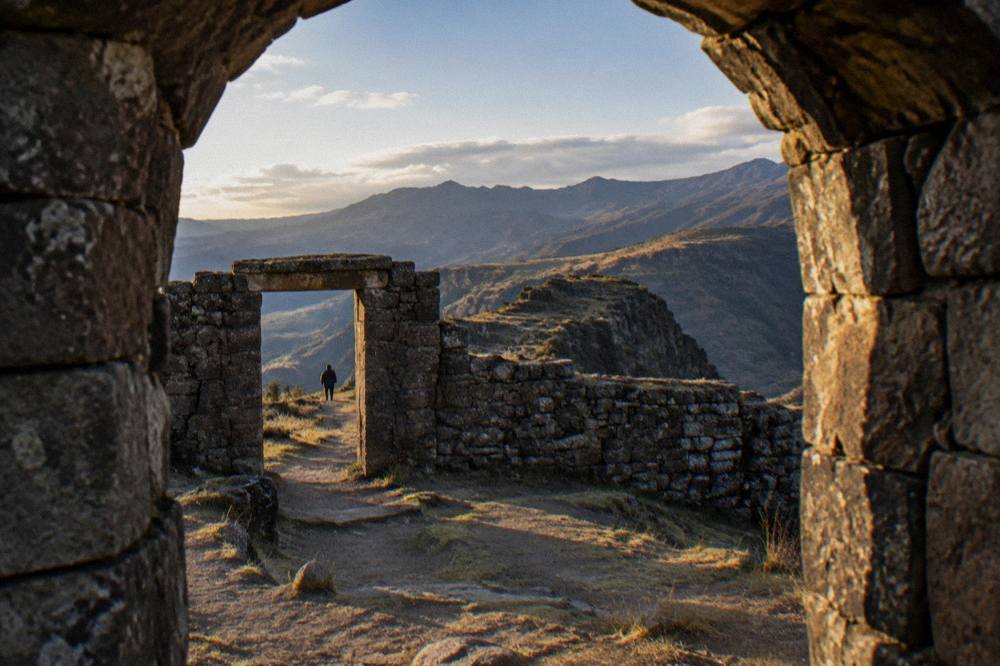
The honest answer is that no sourced difficulty grade, distance or walking time exists for Waqrapukara in the verified pack. What the sources do support is the altitude context: the trail crosses high Andean terrain above the Sacred Valley towns, and the CDC Yellow Book advises graded ascent and a doctor's input on acetazolamide for travellers flying into high altitude.
That silence is itself useful. Any operator or article quoting a precise kilometre count, elevation gain or "moderate to challenging" grade for this trail is filling a gap the official record does not fill. What a reader can rely on is the general rule the CDC sets for the region: avoid ascending from low altitude to a sleeping altitude of 2,750 m or more in a single day, and once above 3,000 m, move sleeping altitude by no more than 500 m per night. Cusco itself, at about 3,335 m, is named by the CDC as a rapid-ascent destination, and the CDC notes that travellers in Cusco's situation can sometimes descend to lower elevations to sleep for a night or two before beginning an ascent. Acetazolamide is a prescription decision with a doctor, not a travel tip.
Practical preparation follows the same lines as any high Andean day: acclimatise in Cusco first, take the first days slowly, avoid alcohol for the first 48 hours at altitude per the CDC, and check with a doctor before the trip about prophylaxis. The site's Cusco altitude guide and the acclimatisation day guide cover the arrival routine in full.
What Should You Bring On A Waqrapukara Day Trip?
A Waqrapukara day trip needs cash in soles for the community contribution, layered clothing for a high Andean day that can run from frost-cold mornings to near 20 C afternoons, sun protection for thin air, water, and sturdy walking shoes for a canyon trail. The community payment is S/ 10 to S/ 20, and there is no card machine at the site.
The clothing logic comes straight from the climate table above. Winter mornings in the Cusco region average a minimum near 0 C while the afternoons still reach about 19 C, a daily swing of roughly 19 degrees, so the layering advice in the site's what to wear in Cusco guide applies doubled on a rural trail. Sun protection matters more than at sea level; the pack holds no sourced figure for UV intensity at altitude, so the advice stays qualitative.
The cash point deserves its own sentence. Every community fee in the region, from Waqrapukara to Q'eswachaka, is collected in soles on the spot. An ATM run in Cusco before departure is part of the trip, and the site's money and ATMs guide covers withdrawal limits and fees.
Can You Combine Waqrapukara With Other Sites Around Cusco?
Waqrapukara works as a standalone day trip from Cusco, and it combines naturally with quiet alternatives such as Ausangate, Q'eswachaka or a Sacred Valley day, but not with Machu Picchu, which needs its own day or two because it sits beyond the rail line at 2,430 m. A two-day plan can pair one Waqrapukara day with one city or valley day.
The featured tour runs as a single day out of Cusco, so the combination question is really an itinerary question. The quiet-day-trip family pairs well: the Ausangate seven lakes route and the Q'eswachaka bridge both sit on the same rural side of the region, and both run on community access rather than official ticketing. The Sacred Valley pairs differently, since its sites are on the Boleto and reachable on a fixed route. For travellers with only a few days, the site's how many days in Cusco article works through the arithmetic.
The one pairing that does not work is Waqrapukara plus Machu Picchu in a single day. The citadel is a rail journey away and runs on timed circuits, so it consumes a day on its own, and the Machu Picchu day trip page explains the logistics.
For the evening back in the city, two roster options round out a Waqrapukara trip well. The pisco sour mixology walk and the ChocoMuseo chocolate workshop both run in historic Cusco, and their cards print the current prices and times. The mixology evening suits the night after the hike, when a seated activity with a drink in hand is the right pace.
The chocolate workshop is the family-friendly counterpart, and it runs in the same historic quarter a short walk from the Plaza de Armas. Either one fills a Waqrapukara evening without adding another altitude day.
Common Questions About Waqrapukara
Is Waqrapukara worth visiting from Cusco?
For travellers who want Inca archaeology without the crowds of Machu Picchu or the Sacred Valley, yes. The site has fitted masonry, terraces and canyon scenery, and the verified visitor data shows nothing close to the numbers at the region's headline sites. The trade-off is a longer, less serviced day with no rail link and no official ticket platform.
Do you need a tour for Waqrapukara?
No rule requires one. The site has no mandatory guide requirement, and independent travel is possible by vehicle to a trailhead community plus a hike. A guided tour from Cusco handles transport, the community logistics and food, which is why the featured tour on this page is the practical choice for a single day.
How much is the entrance fee at Waqrapukara?
There is no fixed ticket. The verified pack describes either free access or a small community contribution of S/ 10 to S/ 20 per person, paid in cash in soles. That is about US$3 to US$6 at the conversion this site uses, and the amount is set by the community, not by an official tarifario.
Is Waqrapukara covered by the Boleto Turistico?
No. The COSITUC Boleto Turistico covers 16 sites across three circuits: Saqsayhuaman, Q'enqo, Puka Pukara, Tambomachay, the city museums and centres, Tipon, Pikillaqta, and the Sacred Valley sites of Pisac, Ollantaytambo, Chinchero and Moray. Waqrapukara is not among them.
When should you visit Waqrapukara?
The dry season, roughly May to September, gives the clearest conditions, with cold nights and frost common in June and July. December to March carries most of the region's rain, and a canyon trail is at its wettest then. Mean daytime maximums stay between 18.8 and 20.9 C year round, so the days themselves are rarely harsh.
How hard is the Waqrapukara hike?
No sourced distance, walking time or difficulty grade exists in the verified pack, so none is quoted. The trail crosses high Andean terrain, and the CDC Yellow Book advises graded ascent for travellers flying into Cusco at about 3,335 m, plus a doctor's input on acetazolamide before the trip. Anyone comfortable with a high-altitude day hike in the region is the target reader.
Waqrapukara is the Cusco day trip for readers who have already seen the postcards, or who want to skip the queues before ever joining one. The site's featured tour handles the logistics, the community contribution is small and cash only, and the quietest Inca masonry in the region is waiting at the end of the trail.