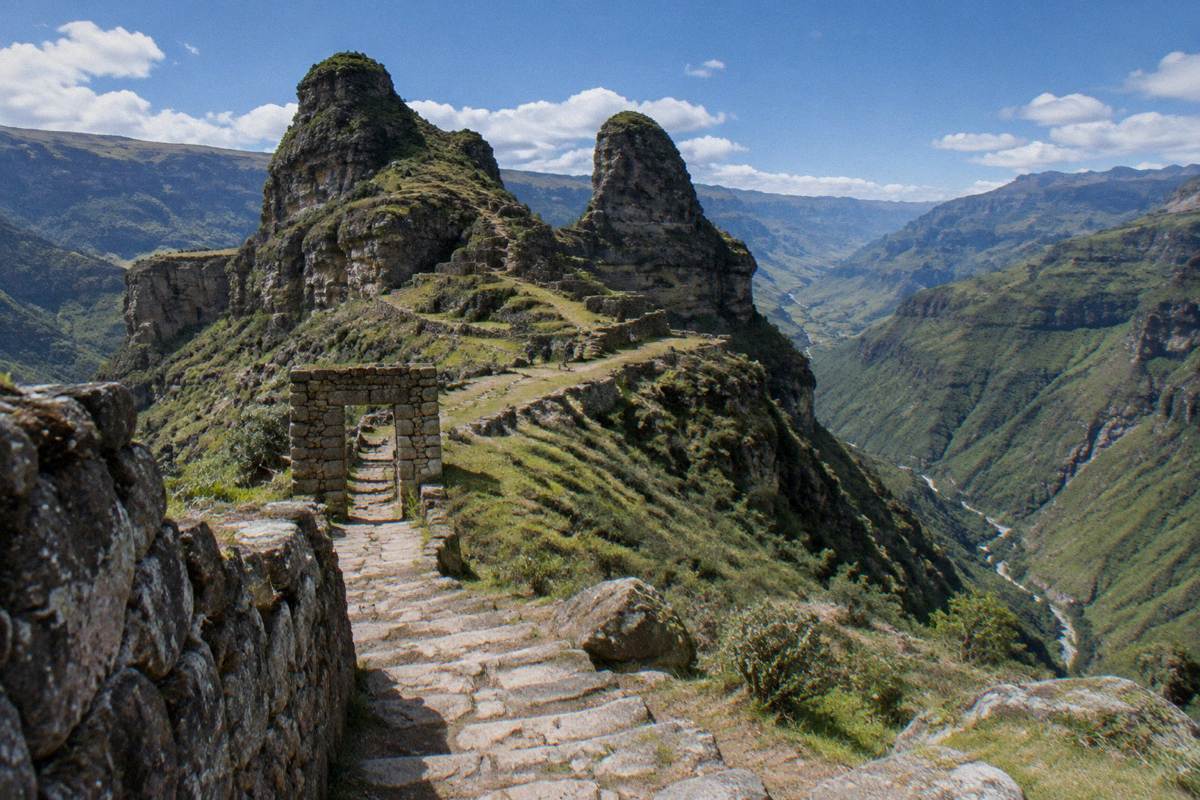
Head out from Cusco on a twelve-hour day hike to the Waqrapukara Archaeological Complex. The day pairs mountain hiking with time at the archaeological complex.
Overview
This full day trip from Cusco heads out to the Waqrapukara Archaeological Complex, a fortress site ringed by terraces and rock formations above a canyon where condors live. The whole experience runs about 12 hours. Travellers ride out in tourist transport and can appreciate the Pomacanchi lagoon en route. The guided visit of the site itself lasts 1 hour, with entry to the archaeological park already covered. Breakfast and lunch are provided as part of the day.
The operator, X Travel Peru, keeps the group to a maximum of 10 travellers and brings an official guide plus oxygen and a first aid kit. Because the canyon is condor habitat, visitors sometimes spot the birds in the wild, and the drive passes through varied landscapes with local flora and fauna.
Who is this for? It suits people with moderate fitness who can handle a long day on the road. It is not a match for wheelchair users, and the listing advises against it for pregnant travellers, people with back problems, or anyone with heart conditions. One reviewer found the guiding worked better in Spanish than in English, so language is worth weighing before booking.
What's Included
Included
- Official guide
- Breakfast
- Lunch
- Tourist Transport (round trip)
- Oxygen and first aid kit
- Biosafety protocols
- Entrance to Waqrapukara Archaeological Park
Not Included
- Tips (optional)
- Additional costs
Itinerary
- Departure from CuscoThe day starts with round-trip tourist transport out of Cusco.
- Scenery along the routeThe route passes varied landscapes with local flora and fauna, including the Pomacanchi lagoon.
- Waqrapukara guided visitThe guided visit of the Complejo Arqueologico Waqrapukara lasts 1 hour. The canyon here is condor habitat, so sightings are possible.
- Included mealsBreakfast and lunch are both included in the tour price.
- Return to CuscoThe transport runs back to Cusco, completing the 12-hour day. Plan for a long ride at the end of the day.
What To Expect From The Tour
A few practical points will shape whether this day goes well for you, mostly around the drive, the fitness requirement, and the language of the guiding.
- The drive is long. One reviewer measured the minivan ride at 4 to 4.5 hours each way, with a stretch of winding, dusty road in the middle. That is the single biggest factor in the day. Bring something to occupy yourself and accept that the road is part of the deal.
- Fitness and pace. The listing asks for a moderate physical fitness level and bars travellers with back problems, heart conditions, or pregnancy. The site visit itself is 1 hour.
- Language of guiding. The tour is led by an official guide, but at least one English-speaking traveller found the guide's English very limited and got little historical explanation. If you speak Spanish, this is less of an issue. One reviewer's experience suggests English-only travellers may get less from the guiding.
- Food and drink. Breakfast and lunch are both included, along with entry to the archaeological park. Tips are optional and not included, and any additional costs are on you.
- Comfort on the van. One reviewer reported no heater in the morning and no air conditioning in the afternoon, with open windows as the only cooling, which mainly brings dust to those at the back. Dress in layers for a cold early start and a warm afternoon, and consider a scarf or buff for the dust.
- Group size cap. The tour caps participation at 10 travellers. The operator carries oxygen and a first aid kit. Confirmation arrives at the time of booking.
Common issues. The honest downsides center on transport and language. One reviewer described the 4 to 4.5 hour ride each way as very rough, with two hours of winding, dusty roads, no morning heat and no afternoon air conditioning, and dust pouring in through open windows at the back. The same reviewer, the only English speaker on their departure, said the guide had very limited English and did not attempt to explain the history, so English-only travellers may get less from the guiding. The listing itself rules out wheelchair users and advises against the tour for people with back problems, pregnant travellers, and anyone with serious medical conditions. Tips and additional costs are not covered by the price, and cancellations within 24 hours of the start time receive no refund.
Common Questions
What is included in the tour price?
The price covers an official guide, breakfast, lunch, round-trip tourist transport, oxygen and a first aid kit, biosafety protocols, and entrance to the Waqrapukara Archaeological Park. Tips are optional and not included, and any additional costs are paid separately.
How long is the tour?
The full experience runs about 12 hours from Cusco. The guided visit at the archaeological complex itself lasts 1 hour, with the rest of the day spent on transport and meals. One reviewer clocked the van ride at 4 to 4.5 hours in each direction.
Is the entrance fee to Waqrapukara included?
Yes, entrance to the Waqrapukara Archaeological Park is included in the tour price. You do not need to buy a separate ticket at the site.
Is the tour suitable for people with limited mobility?
No. The listing states the tour is not wheelchair accessible and is not recommended for travellers with back problems or pregnant travellers. It also excludes anyone with heart problems or other serious medical conditions, and asks for a moderate physical fitness level.
What is the cancellation policy?
A full refund is available if you cancel at least 24 hours before the experience's start time. Cancelling less than 24 hours before start time means no refund, and changes made within that window are not accepted. Cut-off times follow the experience's local time.
What should I bring?
The listing does not give a packing list, but based on what reviewers describe, layered clothing for a cold morning and warmer afternoon makes sense, along with something to cover your face from the dust that one reviewer encountered on the road. The operator carries oxygen and a first aid kit.