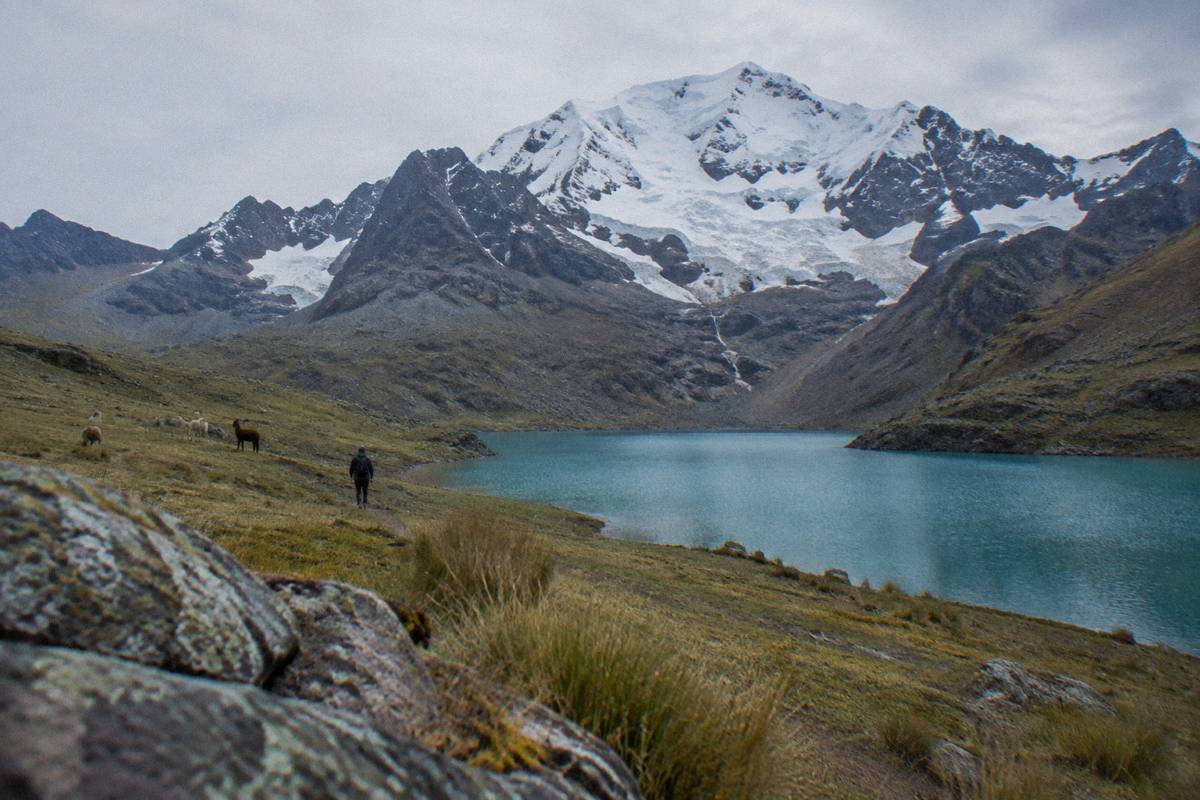
Ausangate Seven Lakes
The Ausangate Seven Lakes trek is one of the highest and quietest day trips you can take from Cusco, and the verified numbers behind it, from community fees to rainfall, are gathered here in one place.
Short answer
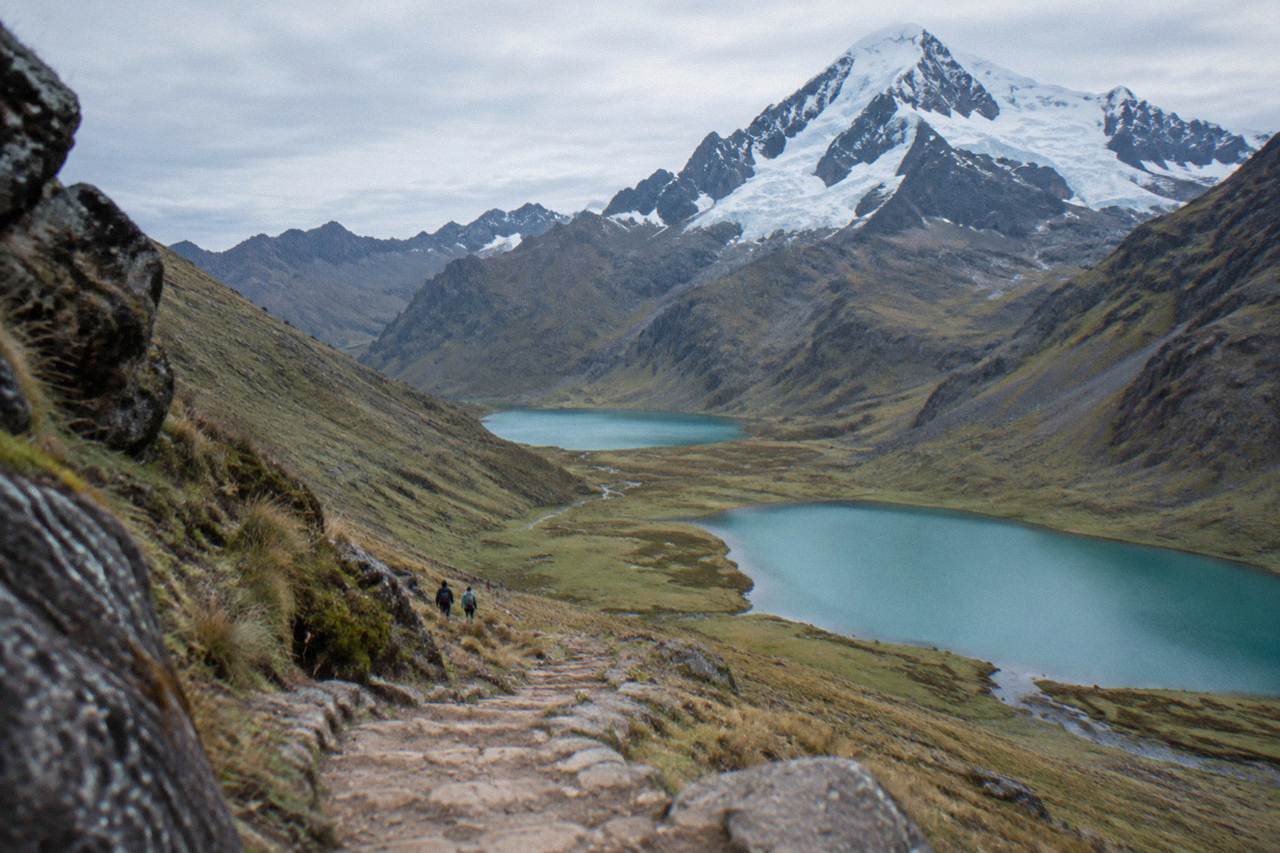
The Ausangate Seven Lakes trek is a guided day trip from Cusco into the high Andes around Ausangate mountain, visiting a chain of glacial lakes in a single day. The featured roster product runs from $30 per person with breakfast and lunch included, and the mountain sits in the same high-altitude world as Rainbow Mountain and Palccoyo.
Ausangate is the great snow mountain of the Cusco region, and the Seven Lakes trek is the day-trip route into its herder country of glaciers, alpacas and turquoise water. Cusco, the historic Andean city at 3,335 m whose Plaza de Armas anchors every itinerary in southern Peru, is where these trips start in the dark and where they end at night.
Where Is Ausangate And What Is The Seven Lakes Trek?
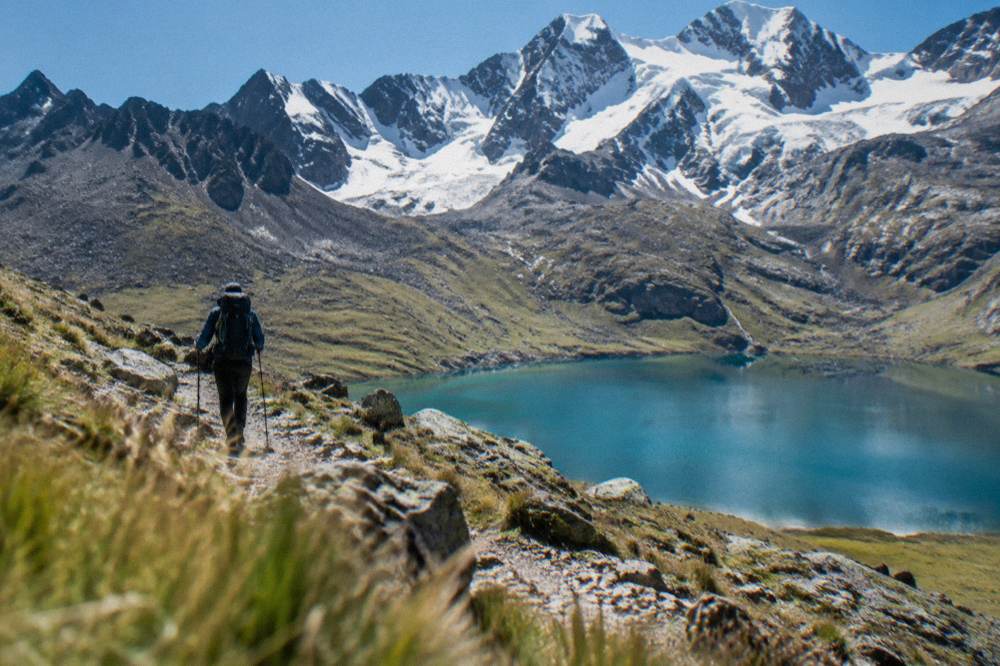
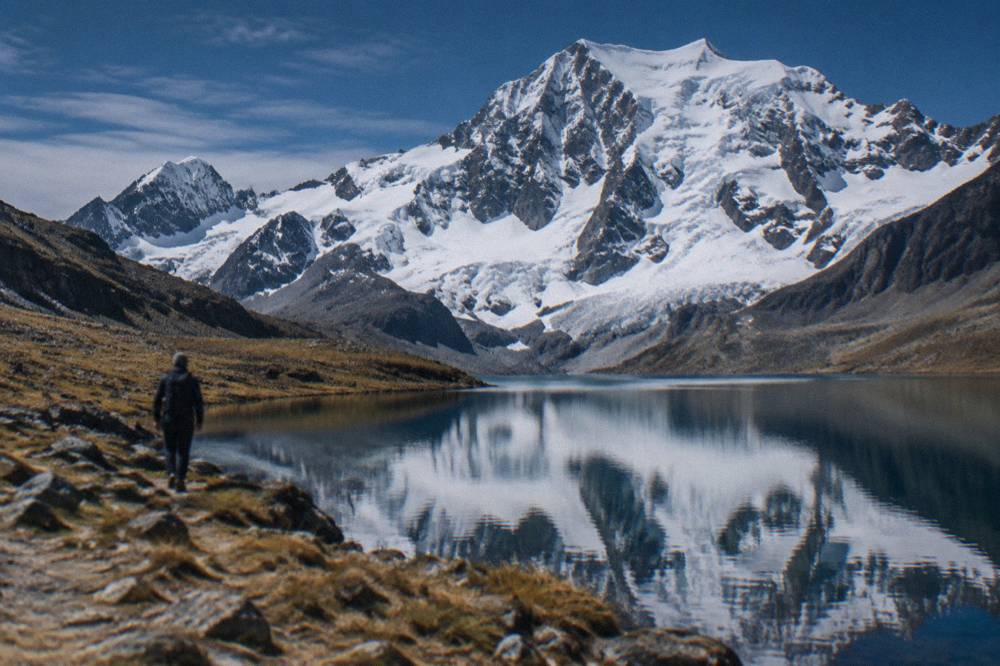
Ausangate is a glaciated peak in the Cusco region south-east of the city, and the Seven Lakes trek is a guided day route through the high pastureland around it, visiting a chain of glacial lakes fed by its ice. The trek is sold from Cusco as a full-day group trip, and the featured roster listing runs it with breakfast and lunch included, from $30 per person, rated 4.7 from 784 reviews. It is herder country rather than archaeological country: the landscape is pasture, stone corrals, spinning wool and cold clear air, a different world from the Inca sites of the Sacred Valley.
The mountain itself carries deep meaning in Andean tradition. Ausangate is one of the sacred apus, the mountain spirits of the high Andes, and communities around it live from alpaca and llama herding at altitudes far above anything a visitor walks in the city. Widely documented qualitative statements are safe to repeat: Cusco was the Inca capital, and the high pasturelands around Ausangate remain Quechua-speaking herding country today. No date, builder or measurement for the mountain belongs on this page, because the verified facts pack holds none, and inventing history is the one thing this site refuses to do.
What the pack does hold is the altitude context. The Plaza de Armas sits at 3,335 m per PROMPERU, and every high mountain day trip from the city climbs well beyond that. The comparison below uses only elevations the pack states, and Ausangate's own summit figure is not among them, so it stays off the table.
| Place | Elevation (pack figure) | Source grade |
|---|---|---|
| Cusco Plaza de Armas | 3,335 m | PROMPERU |
| Machu Picchu citadel | 2,430 m | Official site |
| Aguas Calientes town | about 2,040 m | Secondary |
| Humantay Lake | about 4,200 m | Secondary |
| Palccoyo viewpoint | 4,900 m | PROMPERU |
| Rainbow Mountain (Vinicunca) | about 5,000 m | PROMPERU and secondary |
That table explains the trek's character in one glance. Ausangate country sits in the same high-altitude band as Rainbow Mountain and Palccoyo, several hundred metres of thin air above anything in the city, which is why the CDC altitude guidance for Cusco matters more here than at Machu Picchu, which is lower than Cusco itself.
How Hard Is The Ausangate Seven Lakes Trek From Cusco?
The Seven Lakes trek is a full-day guided walk in high mountain terrain, and the featured listing runs it as a single-day group trip with breakfast and lunch included. The verified sources hold no sourced trail length, walking time or difficulty grade for the route, so any specific figure you read elsewhere should be treated as an operator claim rather than a measured fact. What is sourced is the product record: the roster listing is a mountain day hike from Cusco, from $30 per person, rated 4.7 across 784 reviews, and it covers the whole day in one booking.
Honesty about the gaps matters. The tour card prints the operator's own duration and inclusions, which is exactly where those details belong, and the listing's description is the operator's statement, not this site's measurement. The adventure activities guide covers the same principle for every trek sold from the city.
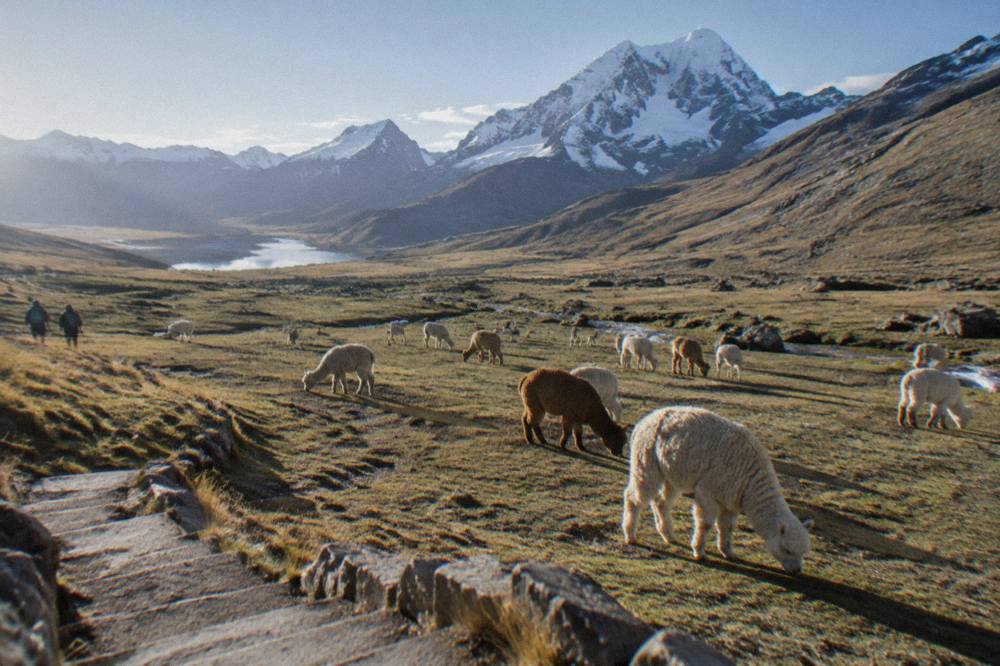
Altitude is the real difficulty, and it is the one factor the sources do quantify. The CDC Yellow Book names Cusco, at about 3,350 m by its own figure, as a rapid-ascent destination and says rates of altitude illness approach 50 percent in abrupt-ascent situations where staged acclimatisation is not feasible. The same guidance prefers graded ascent, advises against alcohol for the first 48 hours at high altitude, and treats acetazolamide as a prescription decision to make with a doctor. A trek that climbs into the same band as Palccoyo's 4,900 m viewpoint deserves a slow first day or two in the city first, and the acclimatisation day guide lays out how visitors usually structure that.
The three cards above are the roster's featured picks for this article: the Ausangate Seven Lakes day trip itself, a two-day Sacred Valley and Machu Picchu combination for travellers pairing a high hike with the citadel, and a horseback tour closer to the city for anyone who wants mountain scenery without a full day on foot.
What Does The Ausangate Area Cost, And What Fees Apply On High Mountain Day Trips?
The featured Ausangate Seven Lakes listing sells from $30 per person with breakfast and lunch included, and that booking price is the main cost. Around the region, the pack's verified community fees for natural sites run from about S/ 10 to S/ 30 for foreigners, always paid in cash: Rainbow Mountain charges S/ 25 to S/ 30, Palccoyo about S/ 20, and Humantay Lake between S/ 10 and S/ 20 depending on which source you read. No single Humantay figure is printed here because the sources disagree.
The fee table below carries only figures the pack states, each one secondary or operator-sourced for 2026 and each one paid in cash at the site. Waqrapukara is included because it appears on the same day-trip shelf and shows the range's lower end.
| Site | Fee for foreigners (2026) | Sol to dollar guide |
|---|---|---|
| Rainbow Mountain (Vinicunca) | S/ 25 to S/ 30 depending on route | about US$7 to US$9 |
| Palccoyo | about S/ 20 | about US$6 |
| Humantay Lake | S/ 10 to S/ 20, sources disagree | about US$3 to US$6 |
| Maras salt mines | S/ 15 to S/ 20 | about US$4 to US$6 |
| Q'eswachaka bridge | about S/ 20 | about US$6 |
| Waqrapukara | no ticket, or a community contribution of S/ 10 to S/ 20 | about US$3 to US$6 |
The exchange-rate line uses only the conversions the site allows, at about S/ 3.4 to the US dollar. The money and ATMs guide covers how withdrawal limits and card surcharges work in practice, including the per-transaction caps on Peruvian cash machines.
The booking price and the community fees are separate things, and conflating them is how bad guides get written. A day trip's listing price covers the operator's transport, guiding and meals as stated on the card; the cash fees above are collected by communities at the natural sites themselves, and they are the reason every high-mountain day trip from Cusco assumes you carry soles. The featured Ausangate listing's inclusions print on its own card, which is where a reader should verify what is and is not covered before booking.
When Is The Best Time Of Year For Ausangate From Cusco?
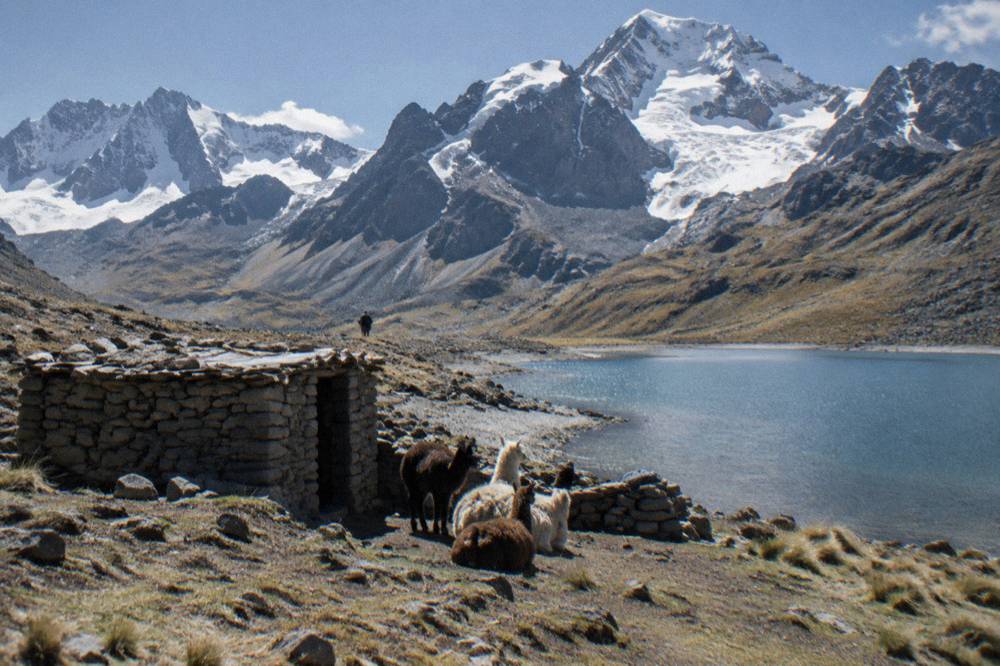
The dry season, roughly May to September, is the window the climate record supports for high mountain day trips from Cusco. At the WMO and SENAMHI Cuzco station, a historical normal, December to March delivers 71.9 percent of the year's 707.8 mm of rain, while May to August together bring just 22.8 mm, and June and July nights average 0.3 C and 0.1 C, frost territory at any elevation. Clear days and frozen nights are the dry-season trade.
The full monthly picture from the WMO World Weather Information Service record for the Cuzco station, supplied by SENAMHI, is below. It is a historical normal, not a 1991-2020 table, and the site labels it that way deliberately.
| Month | Mean max C | Mean min C | Rain mm |
|---|---|---|---|
| Jan | 18.9 | 6.6 | 145.3 |
| Feb | 18.8 | 6.5 | 133.7 |
| Mar | 19.1 | 6.2 | 107.0 |
| Apr | 19.7 | 4.9 | 43.2 |
| May | 19.8 | 2.5 | 8.7 |
| Jun | 19.5 | 0.3 | 1.5 |
| Jul | 19.1 | 0.1 | 4.0 |
| Aug | 19.8 | 1.6 | 8.6 |
| Sep | 19.8 | 3.9 | 21.8 |
| Oct | 20.9 | 5.5 | 39.4 |
| Nov | 20.7 | 6.1 | 71.9 |
| Dec | 19.4 | 6.4 | 122.7 |
Two patterns in that table matter for a trek above the treeline. First, the daytime maximum barely moves all year, 18.8 to 20.9 C, so the dry season's advantage is rain and visibility, not warmth. Second, the daily swing in winter is enormous: July averages 19.1 C by day and 0.1 C by night, roughly nineteen degrees of range, which means layers rather than a single warm jacket. The Cusco weather by month guide unpacks the same record for the whole region, and the what to wear in Cusco guide translates it into clothing.
| Season | Months (roughly) | Rain character | Night character |
|---|---|---|---|
| Dry | May to September | May to August totals 22.8 mm, 3.2 percent of annual | Frost nights common in June and July |
| Shoulder | April and October | 43.2 mm and 39.4 mm respectively | Cold but usually above frost |
| Wet | November to March | Dec to Mar carries 71.9 percent of annual rain | Milder nights, 6.2 to 6.6 C means |
Remember the hemisphere: June to August is winter here, and calling it summer would invert the whole calendar. The best time to visit Cusco guide applies the same record to the wider trip.
How Does Ausangate Compare With The Other Mountain Day Trips From Cusco?
Ausangate Seven Lakes sits on the high end of the Cusco day-trip shelf alongside Rainbow Mountain, Palccoyo and Humantay Lake, and the differences that are actually sourced are altitude and fees: Rainbow Mountain reaches about 5,000 m, Palccoyo's viewpoint sits at 4,900 m and Humantay Lake at about 4,200 m, while the featured Ausangate listing sells from $30 with meals included. Everything else that distinguishes them, crowds, walking time, difficulty, is operator narrative, not verified data.
The comparison table sticks to pack figures and roster records. Product prices and ratings are not typed here; they render on the cards below and on each tour's own page.
| Day trip | Area | Elevation (pack figure) | Foreigner fee (2026) | Roster kind |
|---|---|---|---|---|
| Ausangate Seven Lakes | Ausangate | no sourced figure for the lakes | not stated in the pack | mountain-day-hike |
| Rainbow Mountain and Red Valley | Rainbow Mountain | about 5,000 m | S/ 25 to S/ 30 | mountain-day-hike |
| Palccoyo | Palccoyo | 4,900 m viewpoint | about S/ 20 | mountain-day-hike |
| Humantay Lake | Humantay Lake | about 4,200 m | S/ 10 to S/ 20 | mountain-day-hike |
| Waqrapukara | Waqrapukara | no sourced figure | S/ 10 to S/ 20 or none | mountain-day-hike |
The quietest finding in the visitor dataset is how little of the region's recorded traffic reaches these mountains. The MINCETUR open data for 2025 counts the Cusco department's recorded site visits at 10,704,938 across 29 listed sites, but the top entries are the Machu Picchu sanctuary, the Saqsaywaman explanada, Ollantaytambo, the rail operators and Moray; the high herding country around Ausangate barely registers by comparison. A reader choosing between the Rainbow Mountain day trip and Ausangate is choosing between the region's most photographed mountain and one of its emptiest.
The featured card prints the live price, rating and review count for the Seven Lakes trip. For the alternatives, the Palccoyo guide and the Humantay Lake guide each carry their own featured listings, and the rainbow mountain versus palccoyo comparison works through that specific pairing in detail.
Can You Visit Ausangate Without A Booked Tour?
The featured way to reach the Seven Lakes is a booked day trip from Cusco, and the roster listing runs from $30 per person with breakfast and lunch included. Independent travel to the Ausangate area is possible in principle, using local transport toward the towns that serve the massif, but the pack holds no verified timetable, colectivo fare or route description for that journey, so this site prints no operational instructions for it. The honest answer is that the sourced information points to the booking card.
This is a deliberate editorial line, not laziness. A fare or a frequency that no source verifies is exactly the kind of figure that rots fastest in a travel guide, and the fare guard on this site bans quoting bus-company and colectivo prices outright. What can be said is general: the getting around Cusco guide covers the transport options the pack does verify, and the day hikes from Cusco guide places Ausangate among the region's walking options. For the trek itself, the operator's live listing states pickup points, group size and inclusions, and the button below reads Check availability exactly as every non-GuruWalk roster product does.
For travellers pairing two high days, the Rainbow Mountain and Red Valley listing above is the roster's most-reviewed mountain day hike, and the Sacred Valley guide covers the lower-altitude alternative for a rest day between them.
What Do The Verified Numbers Say About Altitude And Health On This Trek?
The CDC Yellow Book names Cusco, at about 3,350 m by its figure, as a rapid-ascent destination, says rates of altitude illness approach 50 percent in abrupt-ascent situations, prefers graded ascent and advises against alcohol for the first 48 hours at high altitude. Acetazolamide is a prescription decision to make with a doctor, and no sourced figure exists for how many days acclimatisation takes or for the oxygen level at any altitude on this trek. Those are the boundaries of the sourced health advice.
The CDC's ascent rule, citing the Wilderness Medical Society, is to avoid going from low altitude to a sleeping altitude of 2,750 m or more in a single day, and once above 3,000 m to move sleeping altitude by no more than 500 m per night. Flying into Cusco already puts a visitor above that threshold, which is why the Yellow Book notes that travellers at Cusco can descend to lower elevations to sleep for a night or two before beginning an ascent. A day trip into Ausangate country stacks a further climb on top of the city, so the sequencing of your first days matters more than any gear choice.
Two things this page will not do. It will not state a probability of getting sick on this specific trek, because no study figure for Ausangate exists, and the CDC's "approaching 50 percent" line applies to abrupt-ascent situations generally, not to every visitor. And it will not give medical advice in the first person; the altitude pills guide and the how likely is altitude sickness article restate the CDC lines with their caveats, and a doctor's input sits above all of it.
How Does Ausangate Fit Into A Wider Cusco Itinerary?
Ausangate Seven Lakes works as a high-altitude day trip slotted after at least a day or two of acclimatisation in Cusco, and the region's verified visitor data shows why the sequencing matters: the 2025 MINCETUR dataset records 1,479,506 visits to the Machu Picchu Inca city against a fraction of that at the high mountains, so the crowds thin as the altitude rises. The featured listing sells it as a single day from the city, from $30 per person.
A typical structure, using the site's own itinerary pages rather than invented timings, starts with the one day in Cusco plan or the two-day Cusco itinerary, adds the Machu Picchu day trip or a Sacred Valley day, and reserves Ausangate for late in the stay once the city's 3,335 m feels normal. The Cusco and Machu Picchu guide covers the citadel side of that pairing, and the five-day itinerary shows the full week shape. Machu Picchu is lower than Cusco at 2,430 m, a fact the pack states plainly, so the citadel is not the altitude test; the high mountains are.
The second band of picks above returns the featured trio: the Ausangate Seven Lakes day trip, the two-day Sacred Valley and Machu Picchu by train combination, and the Temple of the Moon horseback tour for a softer mountain day. Each card prints its own live price, rating and review count from the verified roster.
The Humantay card above is the roster's other big lakes day trip, with breakfast and buffet lunch included, and the Humantay Lake guide gives it a full page. For the full Ausangate listing, Check availability on the operator's live page, and read the best Cusco tours guide for the wider shelf. More of the region's planning numbers, from Boleto prices to boleto-free sites, sit on Things To Do In Cusco Peru.
Common Questions About The Ausangate Seven Lakes Trek
How much does the Ausangate Seven Lakes trek cost?
The featured roster listing sells from $30 per person for the full-day trip from Cusco, with breakfast and lunch included, rated 4.7 from 784 reviews. The live price, dates and inclusions print on the operator's listing. Bring soles in cash for any community fees and incidentals along the route.
Is Ausangate harder than Rainbow Mountain or Humantay Lake?
No verified difficulty comparison exists in the sourced facts, so this site does not print one. The sourced altitudes say Humantay Lake sits at about 4,200 m, the Palccoyo viewpoint at 4,900 m and Rainbow Mountain at about 5,000 m, and the Ausangate lakes sit in the same high mountain country. The CDC's rapid-ascent guidance applies to all of them.
When is the best month to do the Seven Lakes trek?
The dry season, roughly May to September, is what the climate record supports. May to August brings just 22.8 mm of rain combined at the WMO and SENAMHI Cuzco station, against 508.7 mm from December to March, but June and July nights average 0.3 C and 0.1 C, so pack for frost at dawn.
Can you do Ausangate in one day from Cusco?
Yes, that is exactly how the featured listing sells it: a single-day guided trip from the city with breakfast and lunch included. The card prints the operator's own timings and pickup details, and the live listing confirms current departure dates.
Do you need altitude medicine for Ausangate?
That is a prescription decision for a doctor, per the CDC Yellow Book, which names Cusco as a rapid-ascent destination and says rates of altitude illness approach 50 percent in abrupt-ascent situations. The CDC prefers graded ascent and advises against alcohol for the first 48 hours at high altitude. No sourced figure exists for how long acclimatisation takes.
Is the Ausangate area covered by the Boleto Turistico?
No. The COSITUC Boleto Turistico covers 16 sites across the city, Saqsayhuaman's circuit and the Sacred Valley, and Ausangate is not among them. The mountain day trips carry community fees or operator prices instead, paid in cash or through the booking as described above.
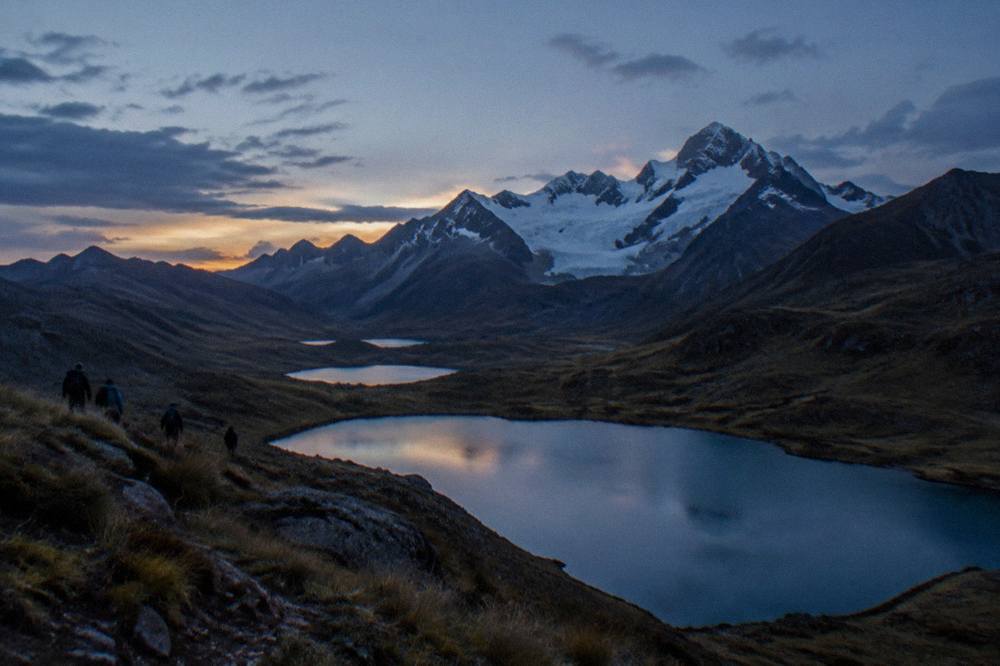
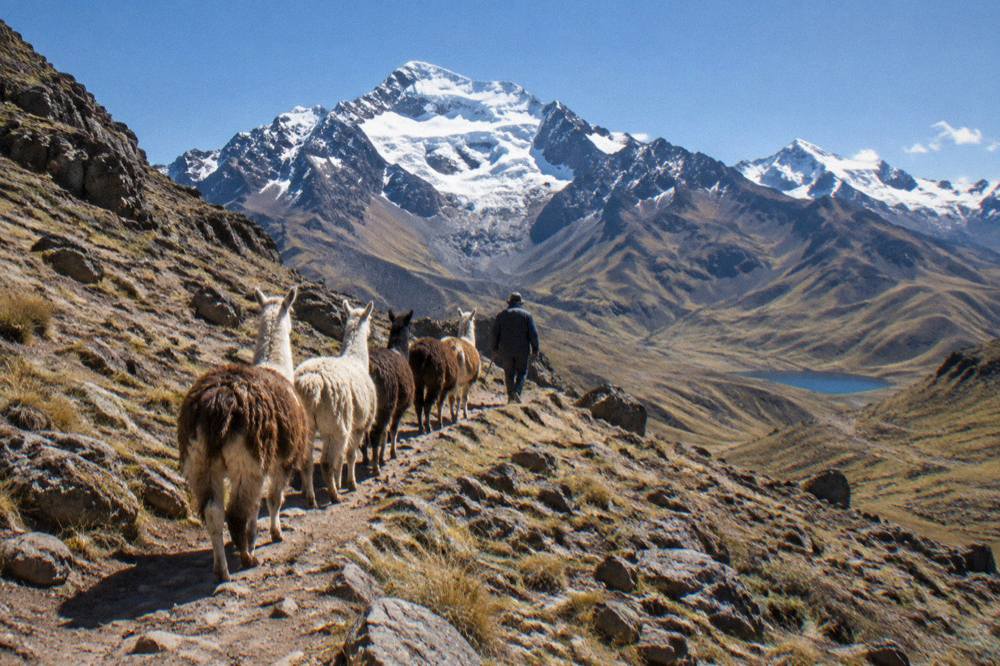
The Ausangate Seven Lakes trek is the quiet high end of the Cusco day-trip shelf: no ruins, no ticket platform queues, just lakes, glaciers and herder country reached in a single day from the city. The featured listing, the fee table and the climate record above are the verified parts of the story, and the operator's live listing carries everything that changes week to week.