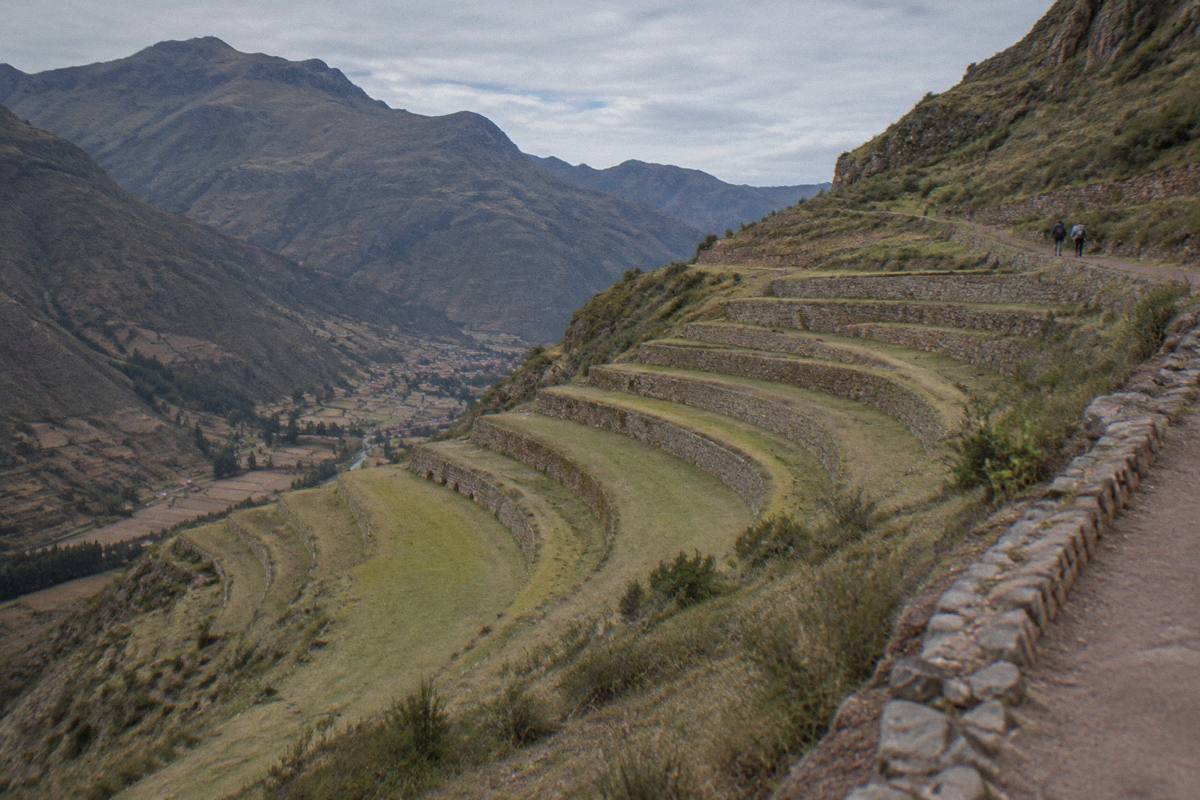
Huchuy Qosqo
Huchuy Qosqo is an Inca archaeological site on a high ridge above the Sacred Valley of Cusco, in southern Peru, reached from Cusco on foot or by road and usually visited as a quiet day trip away from the bigger crowds.
Short answer
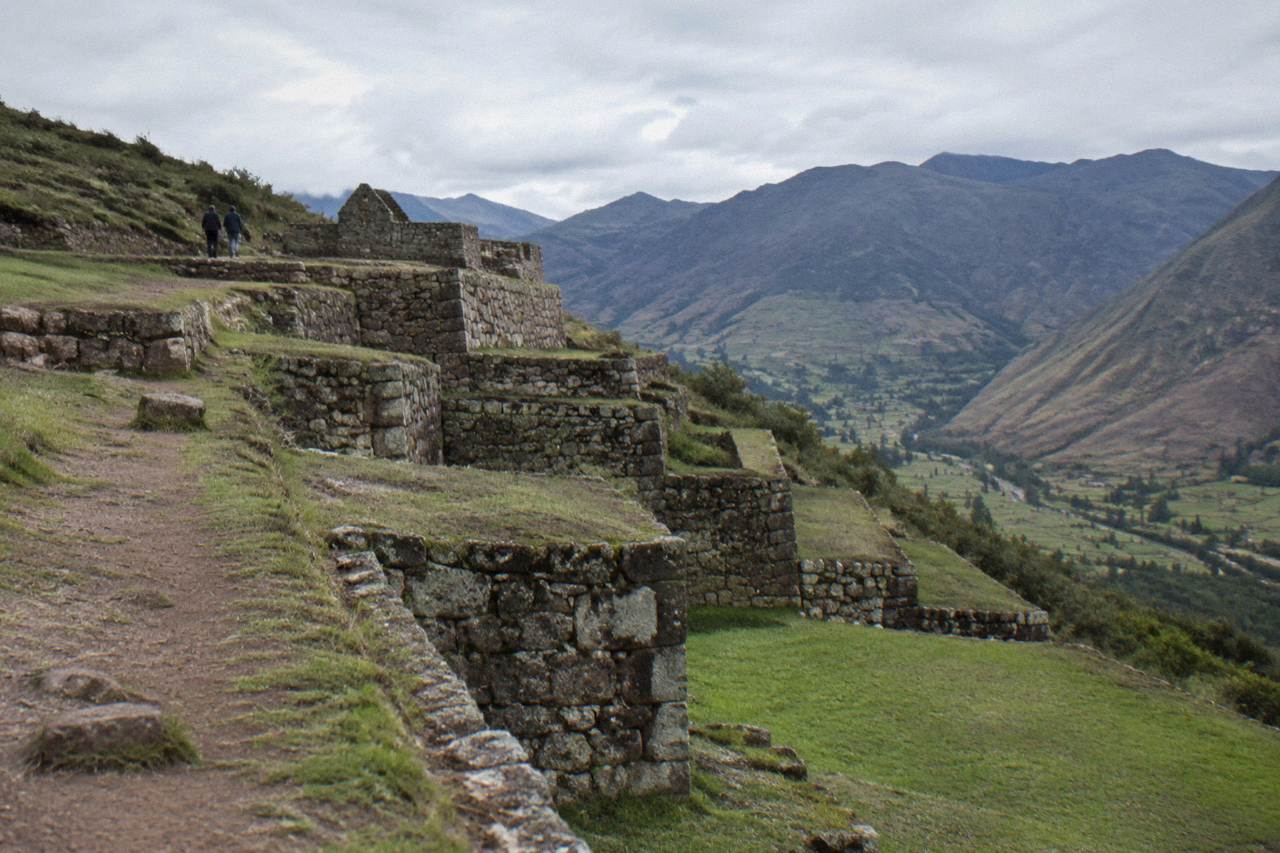
Huchuy Qosqo is an Inca site on a ridge above the Sacred Valley, reached from Cusco as a day trip on foot or by vehicle. It is quieter than the headline Cusco attractions, sits in the same dry and wet Andean seasons as the city, and is usually combined with Sacred Valley towns such as Pisac, Calca or Ollantaytambo.
Huchuy Qosqo is an Inca archaeological site on a high ridge above the Sacred Valley, in the Cusco region of southern Peru, the same Andean world that surrounds the city of Cusco at about 3,335 m on the Plaza de Armas. The name is Quechua, and the site is usually translated as "little Cusco", a label that captures both its character and its problem: it is a genuine Inca ruin with terraces, stone structures and a dramatic valley setting, yet it sits in the shadow of the destinations that draw travellers onward past it. This page reports what official and operator sources say about visiting it: how the approach works from Cusco, what the site involves, what a day trip costs in the surrounding economy, and how the Andean seasons shape the visit. Where a figure is not published, this guide says so plainly rather than guessing.
What Is Huchuy Qosqo And Where Is It?
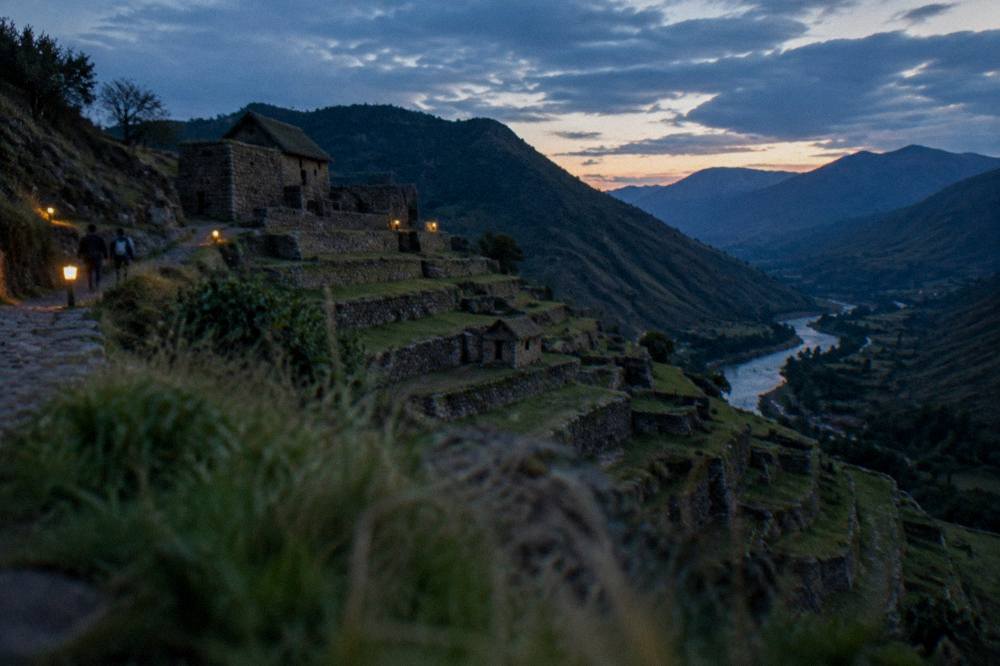
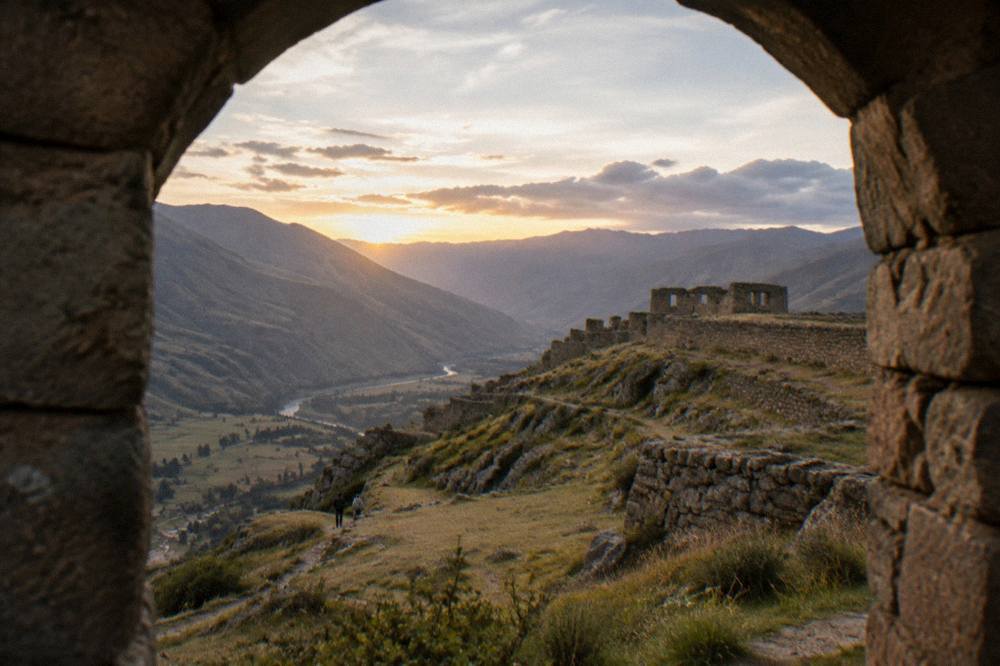
Huchuy Qosqo is an Inca archaeological site on a ridge above the Sacred Valley of Cusco, in southern Peru, overlooking the valley towns and farmland that stretch between Pisac and Ollantaytambo. It is reached from the city of Cusco as a day trip, and it is known for terraces, Inca stone and adobe structures, and a setting far quieter than the major sites on the standard circuit.
The site belongs to the same Inca landscape that made Cusco the capital of that empire, and it stands above the Sacred Valley, the corridor the Incas farmed and terraced between modern towns such as Pisac, at 2,972 m, and Ollantaytambo, at 2,792 m. Unlike those towns, Huchuy Qosqo has no train station and no ticket platform with a global queue: it is an outlying ruin whose visit is usually a half or full day of walking or driving plus a look around. Colonial churches stand on Inca stone foundations across this region, and Huchuy Qosqo belongs to the same layer of pre-Hispanic construction that survives across the valley.
What the site offers in practical terms is scale and silence. The standard Cusco sightseeing day is built around the Boleto Turistico, the COSITUC ticket that covers 16 sites across three circuits, and Huchuy Qosqo is not one of them. The COSITUC FAQ lists Circuit I as Saqsaywaman, Q'enqo, Puka Pukara and Tambomachay, Circuit II as the city museums and Qorikancha plus Tipon and Pikillacta, and Circuit III as Pisac, Ollantaytambo, Chinchero and Moray. Huchuy Qosqo sits outside that list, which is exactly why the standard coach circuit skips it and why the ridge stays comparatively empty.
For orientation, the broader setting is the Sacred Valley, which this site covers in depth at the Sacred Valley day trip guide, and the anchor point for any Cusco research is the Plaza de Armas, the historic centre from which distances in this region are usually measured. The two-day Cusco itinerary shows how a Huchuy Qosqo day can slot into a short trip alongside the unmissable city sites.
How Do You Get To Huchuy Qosqo From Cusco?
Huchuy Qosqo is reached from Cusco either on foot over the ridge country north of the city or by road into the Sacred Valley and up to the site's vicinity, with the walking approach normally organised through a tour operator and the road approach passing the valley towns such as Calca or Lamay. No train serves the site, and no official timetable or fare for the final leg is published in the sources this guide checked.
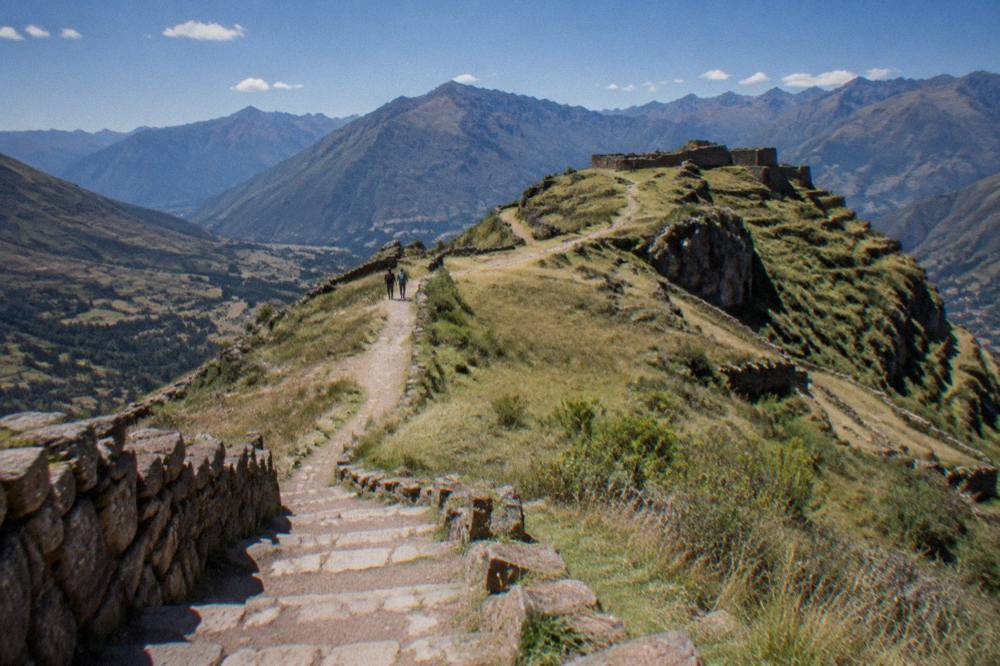
The walking approach is the classic one. Trekkers leave the Cusco area, cross high puna country and descend toward the site, often continuing down to the valley floor afterwards; the route is one of the recognised day treks around the city and appears on operator rosters alongside better-known hikes. The Ministry of Culture's permit rules that govern the famous Inca Trail, 500 people a day including porters and guides, sold only through licensed agencies and closed every February, apply to that trail, not to Huchuy Qosqo, but the same ecosystem of licensed Cusco operators runs Huchuy Qosqo trips and the same February-to-book-ahead logic shapes the trekking calendar.
The road approach is simpler. Travellers take transport from Cusco down into the Sacred Valley, the same corridor that carries visitors to Pisac, Urubamba at 2,870 m, and Ollantaytambo, and reach the site's vicinity from the valley side. What can be stated is the regional pattern: colectivos and taxis ply the valley route, fares are shown or agreed before the ride, and the on-the-ground ranges the research holds are for other journeys, listed in the cost section below.
For anyone weighing a guided day instead of self-organising, the operator's live listing is the place to check what is actually running: the Rainbow Mountain and Red Valley day trip with meals is the featured guided hike on this site, and Check availability before committing to dates. Huchuy Qosqo itself is not that tour, but the same operator economy runs both, and availability for one is a fair signal for the other.
A short note on the wider picture: Machu Picchu has exactly one page on this site, the Machu Picchu day trip guide, and the train journey from Cusco belongs to a sibling site, so this page stays with the valley-side logistics. The train stations on the Cusco side are Poroy and San Pedro, with Ollantaytambo the valley hub, and in wet-season disruptions operators use a bimodal bus-plus-train combination via Ollantaytambo, per PeruRail's own FAQ.
How Hard Is The Huchuy Qosqo Hike?
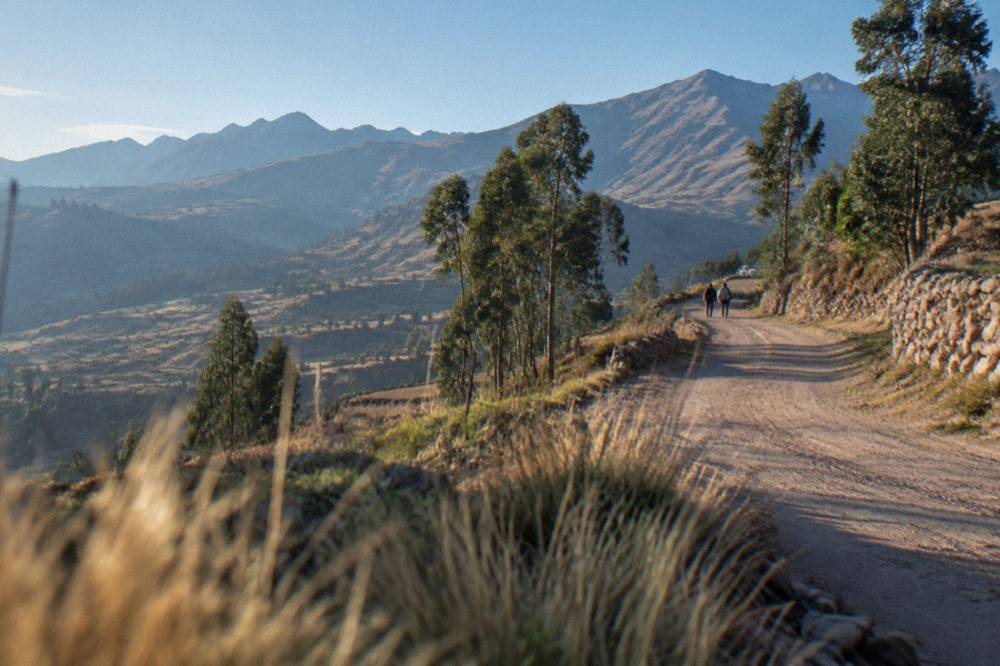
The Huchuy Qosqo hike is a high-altitude Andean walk, which means the honest difficulty question is about altitude and season, not technicality: the route crosses open ridge country above the Sacred Valley, there is no sourced figure for its distance or walking time, and the CDC's altitude guidance for Cusco applies in full because the whole region sits well above 2,500 m.
Start with altitude, because it is the one variable that is properly sourced. The CDC Yellow Book names Cusco, at approximately 3,350 m, as a high-altitude destination and advises against going from low altitude to a sleeping altitude of 2,750 m or more in a single day; once above 3,000 m it suggests moving sleeping altitude by no more than 500 m per night, with an extra night for every 1,000 m gained. It also notes that for destinations like Cusco, travellers can descend to lower elevations to sleep for the first night or two and then begin their ascent. Acetazolamide is described as a prescription decision to make with a doctor, and the CDC advises avoiding alcohol for the first 48 hours at high altitude.
The elevations around the region, from the verified facts file, tell the story of any walk here:
| Place | Elevation |
|---|---|
| Plaza de Armas, Cusco | 3,335 m |
| Cusco airport | 3,310 m |
| Saqsayhuaman | 3,701 m |
| Pisac town | 2,972 m |
| Urubamba town | 2,870 m |
| Ollantaytambo town | 2,792 m |
| Moray | 3,385 m |
| Machu Picchu citadel | 2,430 m |
| Aguas Calientes town | 2,040 m |
Note what the table does not contain: a figure for Huchuy Qosqo itself. The verified pack holds no elevation for the site, so no number appears here. What the table does show is the regional pattern: the city sits high, the valley floor sits lower, and Machu Picchu, at 2,430 m, is well below Cusco, a comparison this site covers at is Cusco colder than Machu Picchu. Any Huchuy Qosqo itinerary is a walk in the band between those valley towns and the ridge above them.
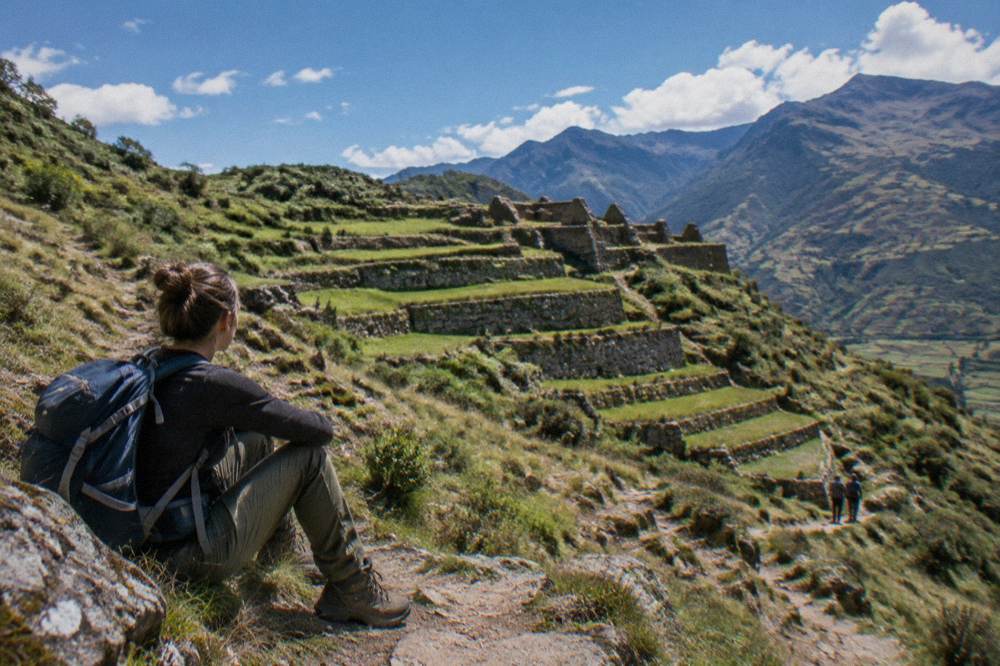
On terrain, the qualitative description operators give is open grassland and ridge paths, Inca remains and a descent toward the valley. There is no sourced grade, no sourced distance and no sourced walking time, and inventing them is the classic failure of trek content. What can be said is seasonal: the same dry and wet pattern that governs every Cusco hike governs this one, covered in the next section, and frost is common on June and July nights per SENAMHI's tourist forecast pages. Anyone comparing high Andean day hikes can look at Rainbow Mountain, at about 5,000 m per peru.travel, or Humantay Lake, reported at about 4,200 m, to see where a valley-side walk sits on the region's altitude ladder.
What Does A Day Trip To Huchuy Qosqo Cost?
There is no published official entry tariff for Huchuy Qosqo in the sources behind this guide, so the honest cost picture is built from the surrounding, verified Cusco economy: the Boleto Turistico at S/ 130 integral or S/ 70 per circuit for foreign adults covers 16 sites but not Huchuy Qosqo, and the on-the-ground ranges, about S/ 8 to 15 for a market lunch and about S/ 2 to 5 for a coca tea, come from operator-reported data, never from an official tariff.
Start with what is solid. The COSITUC tarifario, read directly from the ticket body's own site, prices the integral Boleto Turistico at S/ 130 for a foreign adult, valid 10 days, with the three partial circuits at S/ 70 each: Circuit I for Saqsayhuaman and its neighbours, Circuit II for the city, and Circuit III for the Sacred Valley sites of Pisac, Ollantaytambo, Chinchero and Moray. Foreign students pay S/ 70 for the integral. The ticket is sold in person only, at the counter on Av. El Sol 103 in Cusco, daily from 07:30 to 18:00, and at most included sites; COSITUC does not sell it online, a point the FAQ states plainly and which catches out plenty of visitors.
| Boleto Turistico Option | Foreign Adult Price | Validity | What It Covers |
|---|---|---|---|
| Integral (BTCI) | S/ 130 | 10 days | All 16 sites across the three circuits |
| Circuit I partial | S/ 70 | 1 day | Saqsayhuaman, Q'enqo, Puka Pukara, Tambomachay |
| Circuit II partial | S/ 70 | 2 days | City museums, Qorikancha site museum, Tipon, Pikillacta |
| Circuit III partial | S/ 70 | 2 days | Pisac, Ollantaytambo, Chinchero, Moray |
| Integral, foreign student | S/ 70 | 10 days | All 16 sites, with student ID |
Huchuy Qosqo is not in that list, so the boleto is not the entry route for this site. Whether a local fee applies at the site is the kind of detail that changes and is not held in the verified pack: check locally on the day, and treat any figure quoted online as operator-reported rather than official.
The rest of a day trip's budget runs on the ground-level economy, for which the research holds reported ranges. These are secondary figures, always "about", never a tariff:
| Everyday Item | Reported Range | Notes |
|---|---|---|
| Menu del dia, market or budget restaurant | about S/ 8 to 15 | Operator-reported range, varies by neighbourhood |
| Cup of coca tea | about S/ 2 to 5 | Widely served across Cusco |
| Tourist SIM | about S/ 5 to 15, plus about S/ 20 to 40 for a data pack | Reported at airport and city vendors |
| Airport taxi to the centre | about S/ 15 to 25 | Reported range for the run from Velasco Astete |
For sol-to-dollar sense, the site's fixed conversions apply at about S/ 3.4 to the US dollar: S/ 20 is about US$6, S/ 70 is about US$20, and S/ 130 is about US$38. The exchange rate itself moves; the Central Reserve Bank quotes it daily, and no precise rate belongs on a static page.
Guided products, meanwhile, price from their listings, not from prose. The featured related tour on this page, the Rainbow Mountain and Red Valley day trip with meals, renders its live price and rating from its card, so the operator's live listing is the place to look for the current figure rather than anything printed here.
When Is The Best Time Of Year To Visit Huchuy Qosqo?
The best time to visit Huchuy Qosqo is the Cusco dry season, roughly May to September, when the WMO and SENAMHI station record for Cusco shows May to August delivering just 22.8 mm of rain in total, while the wet months of December to March carry 71.9 percent of the year's 707.8 mm, and June to August brings dry clear days with frost on the nights.
The Southern Hemisphere matters here: June to August is winter in this region, dry and clear by day, cold by night, and never "summer" in any honest write-up. The full monthly picture from the WMO World Weather Information Service record for the "Cuzco" station, supplied by SENAMHI and treated as a historical normal, is below. Mean daily maximums barely move all year, from 18.8 to 20.9 C; what changes is rain and the night-time minimum.
| Month | Mean Max C | Mean Min C | Rain mm |
|---|---|---|---|
| Jan | 18.9 | 6.6 | 145.3 |
| Feb | 18.8 | 6.5 | 133.7 |
| Mar | 19.1 | 6.2 | 107.0 |
| Apr | 19.7 | 4.9 | 43.2 |
| May | 19.8 | 2.5 | 8.7 |
| Jun | 19.5 | 0.3 | 1.5 |
| Jul | 19.1 | 0.1 | 4.0 |
| Aug | 19.8 | 1.6 | 8.6 |
| Sep | 19.8 | 3.9 | 21.8 |
| Oct | 20.9 | 5.5 | 39.4 |
| Nov | 20.7 | 6.1 | 71.9 |
| Dec | 19.4 | 6.4 | 122.7 |
Two consequences follow for a ridge walk. First, the daily swing in the dry months is large: in July the mean minimum is 0.1 C against a mean maximum of 19.1 C, roughly 19 degrees between night and afternoon, so layers matter more than any single "warm" or "cold" label. Second, wet-season walking is a different proposition: December to March concentrates the rain, SENAMHI notes that in the high Cusco basin October to April carries 94 percent of annual precipitation, and paths that are pleasant in June can be saturated in January. The Inca Trail closes every February; Huchuy Qosqo's own access rules are not published, so this guide states no closure and no opening date for it, only the climate that shapes the choice.
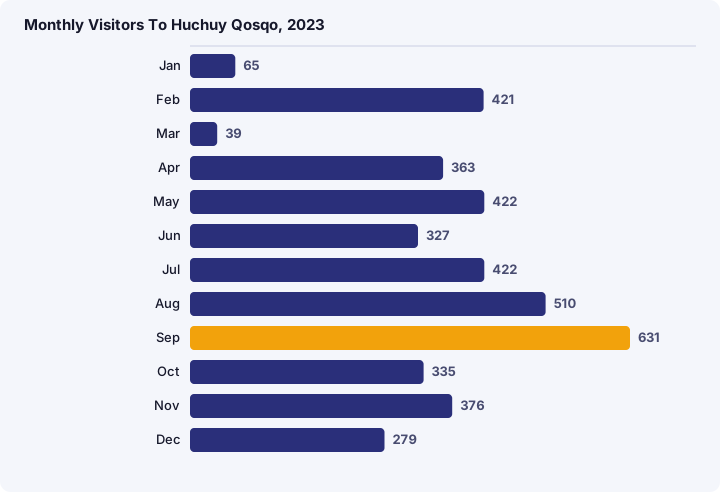
Crowds follow the same calendar. The MINCETUR open dataset, the source behind the monthly visitor block on this site's home page, shows Machu Picchu's 2025 pattern clearly: October drew 154,105 visitors against February's 79,806, nearly twice the count, and July and August sit at the top of the mid-year table. Huchuy Qosqo has no published monthly count, but it shares the valley's transport and the region's calendar, so the shoulder logic holds: the same dry-season months that make walking easiest also make every Cusco path busier. The trade is a real one, and the best time to visit Cusco guide works through it month by month.
What Can You Combine With Huchuy Qosqo On The Same Day?
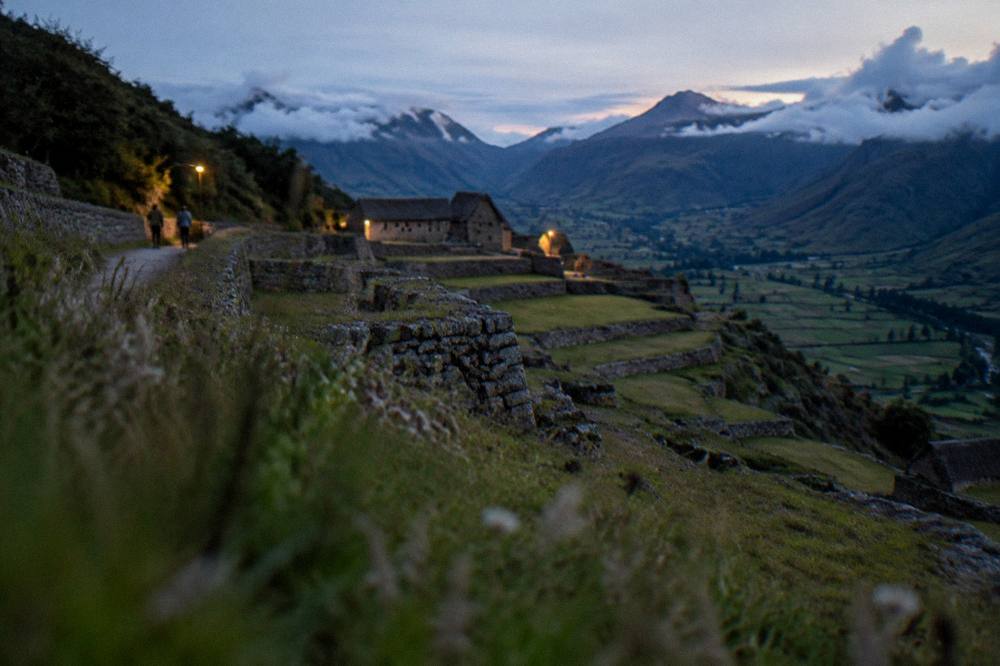
The natural combination is the Sacred Valley itself: Huchuy Qosqo sits above the corridor that holds Pisac, Urubamba and Ollantaytambo, so a single day can pair the site with a valley town, a market or a Boleto Turistico Circuit III ruin, while multi-day trekkers often fold it into a longer route toward Machu Picchu, which is lower at 2,430 m and covered by this site's own Machu Picchu day trip page.
For a one-day plan, the geography does the work. A morning at Huchuy Qosqo, whether arrived on foot or by road, leaves an afternoon for the valley floor. Pisac, at 2,972 m, pairs its Inca terraces with a market town; Ollantaytambo, at 2,792 m, holds a fortress on the Boleto Circuit III and a living Inca street plan; Moray, at 3,385 m, shows the circular agricultural terraces, and the Maras salt mines, at about 3,300 m, charge a reported S/ 15 to 20 community entry. Each of these has its own page: Pisac, Ollantaytambo, Moray and Maras salt mines.
The visitor numbers show where the crowds actually are. From the MINCETUR dataset, the top Cusco sites by recorded visits in 2025:
| Cusco Site (2025) | Recorded Visits |
|---|---|
| Santuario Historico de Machupicchu | 1,542,350 |
| Ciudad Inka de Machupicchu | 1,479,506 |
| Explanada de Saqsaywaman | 944,008 |
| Parque Arqueologico de Ollantaytambo | 891,526 |
| Moray | 773,916 |
| Pisaq | 560,578 |
Huchuy Qosqo does not appear in that top table, and that absence is its selling point: the sites around it absorb the coach traffic, and the ridge above the valley stays comparatively quiet even in the July peak. Note too that the dataset counts site entries, not unique visitors, so the figures describe pressure rather than people.
For a slower pace, the site fits a Sacred Valley itinerary rather than a Cusco city day. This site's Sacred Valley guide covers where to sleep along the corridor, and the question of basing in the valley versus the city is worked through at stay in Cusco or the Sacred Valley. Trekkers with more time sometimes link Huchuy Qosqo into a longer route toward Machu Picchu; the trek pages on this site, including the Inca Trail and Salkantay guides, describe those routes in general terms, and their permits, prices and dates belong to the operator cards, not to prose.
A cooking class makes an easy valley-to-city pairing for the evening after a walking day, and the card above renders its own live figures. For the entry side of a bigger itinerary, the Machu Picchu ticket product below is the official entrance option this site carries.
Is Huchuy Qosqo Worth It Compared With The Big Cusco Sites?
Huchuy Qosqo is worth it for a visitor with a spare day, comfortable at altitude and already covering the headline sites, because it offers genuine Inca remains without the queue pressure the numbers show elsewhere; for a first-time visitor on a tight schedule, the Boleto Turistico circuits and Machu Picchu come first, and the ridge is a second-trip or third-day decision.
The honest framing is one of fit. The Boleto's 16 sites, from Saqsayhuaman at 3,701 m to the city museums, are the core of a first Cusco visit, and the COSITUC FAQ itself notes that covering all 16 needs a minimum of three days. Machu Picchu, a UNESCO World Heritage Site inscribed on 9 December 1983, is the reason many people fly in at all, and its 2026 rules, three circuits and ten routes since 1 June 2024, a guide recommended rather than mandatory per the September 2026 ministerial resolution, are covered on the Machu Picchu page. Against that backdrop, Huchuy Qosqo is the connoisseur's day out: real terraces, real stonework, no coach park.
The comparison set for a spare day is the region's other outlying walks. Rainbow Mountain, at about 5,000 m, charges a community fee of about S/ 25 to 30 in cash; Palccoyo, at about 4,900 m, about S/ 20; Humantay Lake, reported at about 4,200 m, carries a fee sources disagree on, between S/ 10 and S/ 20, so no single figure is printed here. Waqrapukara, another quiet ruin, takes either no ticket or a small community contribution of about S/ 10 to 20. Each has a day trip page: Rainbow Mountain, Palccoyo, Humantay Lake, Waqrapukara. Huchuy Qosqo's distinction within that set is that it is an archaeological site rather than a landscape summit, closer to the valley and to the Inca story the city tells.
| Outlying Day Trip From Cusco | Reported Entry Or Community Fee | Character |
|---|---|---|
| Rainbow Mountain (Vinicunca) | about S/ 25 to 30, cash | High-altitude mountain hike, about 5,000 m |
| Palccoyo | about S/ 20 | Lower-effort rainbow mountain alternative, about 4,900 m |
| Humantay Lake | S/ 10 to 20, sources disagree | Lake hike, reported at about 4,200 m |
| Waqrapukara | no ticket, or about S/ 10 to 20 contribution | Quiet archaeological complex |
| Huchuy Qosqo | no published figure, check locally | Inca ridge site above the Sacred Valley |
For anyone building the wider plan, the Cusco costs guide and the free things to do in Cusco page cover the budget end, and the San Blas and historic centre pages cover where to spend the evenings. More on the whole region is on Things To Do In Cusco Peru.
Common Questions About Huchuy Qosqo
Is Huchuy Qosqo On The Boleto Turistico?
No. The COSITUC FAQ lists 16 sites across three circuits, and Huchuy Qosqo is not among them; the Sacred Valley circuit covers Pisac, Ollantaytambo, Chinchero and Moray.
How Do You Get To Huchuy Qosqo Without A Tour?
The site is reached from Cusco by road into the Sacred Valley and up toward the ridge, or on foot across the high country north of the city. No train serves it. The verified pack holds no fare, distance or timetable for the final leg, so fares are shown or agreed before the ride, and the walking route is normally organised through a licensed operator.
Is The Huchuy Qosqo Hike Hard?
The honest answer is that it is a high-altitude Andean walk, and difficulty is mostly altitude and season. The CDC Yellow Book names Cusco, at approximately 3,350 m, as a rapid-ascent destination, prefers graded ascent, and treats acetazolamide as a prescription decision with a doctor. There is no sourced distance, walking time or difficulty grade for the route, and this page prints none.
When Should You Not Hike To Huchuy Qosqo?
The wettest months, December to March, carry 71.9 percent of the year's 707.8 mm of rain at the WMO and SENAMHI station record for Cusco, and paths can be saturated. June and July are the driest months but bring frost nights, with mean minimums of 0.3 C and 0.1 C, so early starts are cold even when afternoons reach about 19 C.
Can You Combine Huchuy Qosqo With Machu Picchu?
Not sensibly in one day, but yes across a trip. Machu Picchu sits at 2,430 m, lower than Cusco, and its visits run on timed tickets sold through the Ministry of Culture platform, with 4,500 visitors a day on normal 2026 days and 5,600 on listed high-season dates. Trekkers sometimes fold Huchuy Qosqo into longer valley routes; the Machu Picchu day trip page covers the citadel itself.
Do You Need A Guide For Huchuy Qosqo?
For scale, even at Machu Picchu the current ministerial resolution makes a guide recommended rather than mandatory. In practice, visitors typically reach Huchuy Qosqo through an operator because the access logistics are easier that way, and the free GuruWalk walking tours this site lists operate in Cusco city, not on the ridge.