The Salkantay Trek
The Salkantay trek is the main agency-led alternative to the Inca Trail for reaching Machu Picchu from the Cusco region, and unlike the Inca Trail it needs no government permit quota. This guide reports what the verified sources say about the route, the rules at Machu Picchu, the seasons in the southern Andes, and the trek products listed for Cusco.
Short answer
The Salkantay trek is a multi-day guided hike from the Cusco region to Machu Picchu that, unlike the Inca Trail, has no 500-person daily permit quota and does not close in February. A guide is recommended but not mandatory at Machu Picchu itself, entry is sold on the Ministry of Culture platform, and the dry season from roughly May to September is the window the climate data supports.
Cusco, the historic city in the Andes of southern Peru at about 3,335 m, is the base for two famous guided walks to Machu Picchu: the permit-controlled Inca Trail and the Salkantay trek. The Salkantay route is the one the verified sources describe as the alternative when Inca Trail permits run out, because it is sold through tour operators rather than through the government's 500-person daily quota. This page reports what those sources state: the Ministry of Culture's current Machu Picchu rules, the COSITUC ticket system, the WMO and SENAMHI climate record for the Cuzco station, and the trek products listed for this site. Nothing here is a first-person account of the trail; it is a summary of what the official pages and the operator listings say.
What Is The Salkantay Trek To Machu Picchu?
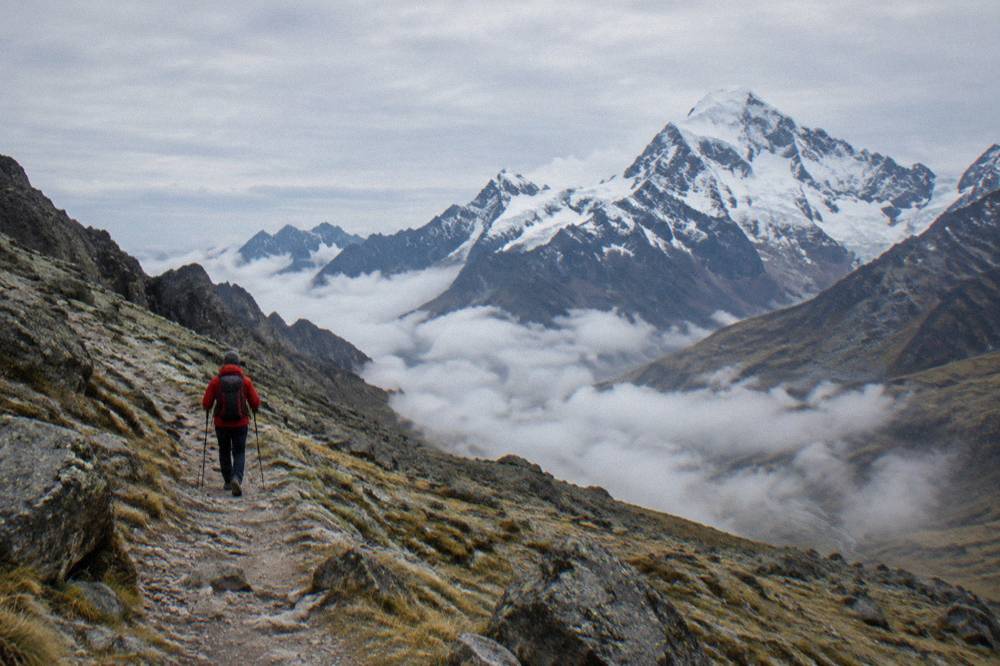
The Salkantay trek is a multi-day guided hike from the Cusco region to Machu Picchu, named for the Salkantay mountain that dominates the first stage of the route. Unlike the Inca Trail it is not capped by a government permit quota, it does not close in February, and it finishes at Machu Picchu, whose citadel sits at 2,430 m, lower than Cusco itself. Tours are sold as packaged products by licensed operators, with transport, camping or lodging and meals arranged by the agency rather than by the hiker. The site's roster carries several of these products, including a classic five-day small-group version and a shorter four-day version with a sky camp stay.
The name matters. Salkantay is one of the high peaks of the Willkapampa range in the Cusco region, and the trek that bears its name approaches Machu Picchu from a different side than the Inca Trail, joining the railway corridor toward Aguas Calientes, the town also known as Machu Picchu Pueblo, which sits at about 2,040 m. The citadel itself is at 2,430 m, a figure the official Machu Picchu site states, and the town is lower still, so the final approach drops in elevation relative to Cusco at 3,335 m.
What the route is not: it is not the Inca Trail. The Inca Trail is a specific archaeological path with a daily quota of 500 people including porters and guides, sold only through licensed agencies and closed every February. The Salkantay trek shares none of those constraints in the verified sources, which is exactly why operators market it as the alternative. For the wider picture of the permit route, see the site's Inca Trail guide, and for the other agency trek in the region, the Lares trek guide.
How Does The Salkantay Trek Compare With The Inca Trail?
The Inca Trail is capped at 500 people a day including porters and guides, is sold only through licensed agencies, closes every February and carries a government permit portion reported at about S/ 292 (about US$85). The Salkantay trek has no such quota in the verified sources, runs year-round as an operator product, and reaches Machu Picchu without an archaeological permit path. Both finish at the same citadel, and both include Machu Picchu entry in the operator package in the listings this site carries.
The comparison matters most in high season. One operator guide states that Inca Trail permits sell out months ahead for the June to October stretch, and that 2027 permit release dates had not been announced as of late September 2026, with an expectation of an October to November announcement. A traveller who cannot secure a permit, or who is planning a February trip when the Inca Trail is closed, is the reader the Salkantay products are built for. The trade-off, as the sources frame it, is that the Salkantay route is not the same archaeological path: it is a mountain route to the same destination.
| Fact | Inca Trail | Salkantay Trek |
|---|---|---|
| Daily quota | 500 people including porters and guides | No sourced quota |
| How permits are sold | Only through licensed agencies | Sold as operator tour packages |
| February | Closed every February | No sourced seasonal closure |
| Government permit portion | About S/ 292 (US$77 to 85), secondary source | Not applicable |
| Finishes at | Machu Picchu citadel, 2,430 m | Machu Picchu citadel, 2,430 m |
| Guide requirement at Machu Picchu | Recommended, not mandatory | Recommended, not mandatory |
The roster products make the choice concrete. The classic five-day small-group Salkantay trek, the four-day short Salkantay with a sky camp stay, and the Inca Trail four-day trek with a Vistadome return are all listed with their own pages on this site, and each carries its own price, rating and review figures on the booking page.
For a trekker weighing the Inca Trail specifically, the Inca Trail guide covers the permit system in detail, and the Lares trek guide covers the third named route of the region. The Salkantay pages on this site also sit alongside the general day hikes from Cusco for shorter options.
What Does The Salkantay Trek Cost, And What Is Included?
A Salkantay trek is bought as a packaged tour, and every price, rating and review figure for those packages renders from the product listings on this site rather than from a typed number here. What the pack does state is the government side: Machu Picchu entry for a foreign adult runs from about S/ 163 on standard routes and S/ 211 on mountain routes, including the S/ 11 SERNANP fee in force since 1 May 2026. The Inca Trail's separate permit portion, about S/ 292, does not apply to Salkantay.
The honest structure of the cost is this: an operator price covers the trek logistics, and the Machu Picchu entry is either bundled into the package or bought on the Ministry of Culture platform, tuboleto. The official ticket platform shows the live price, and the "from about" figures above are secondary-source figures, so the platform is the authority. The 2026 rule set also matters: tickets are nominal, valid only for the stated date, hour, circuit and holder, with no changes allowed except a single passport-number correction.
| Cost element | Sourced figure | Notes |
|---|---|---|
| Machu Picchu entry, foreign adult, standard routes | From about S/ 163 (about US$48) | Includes S/ 11 SERNANP fee since 1 May 2026 |
| Machu Picchu entry, foreign adult, mountain routes | From about S/ 211 (about US$62) | Huayna Picchu and Machu Picchu Mountain routes |
| Inca Trail government permit portion | About S/ 292 (US$77 to 85) | Does not apply to Salkantay |
| Salkantay tour package | Price on the operator's live listing | Renders from the product card |
| Boleto Turistico integral | S/ 130 (about US$38), 10 days | City and valley sites, not Machu Picchu |
One warning the pack states plainly: the Boleto Turistico does not cover Machu Picchu. That ticket, sold in person only at the COSITUC counter on Av. El Sol 103 and at most included sites, covers 16 city and Sacred Valley sites. Machu Picchu entry is a separate purchase on the official platform. The Boleto Turistico guide explains that system, and the Cusco costs guide frames the wider budget.
The featured product for this page is the classic five-day small-group Salkantay trek to Machu Picchu, whose listing carries its own price, rating and review count.
The card above prints the figures for that product. For trekkers comparing before committing, the live listing also shows the operator's own cancellation and payment terms, which is the reassurance worth checking before any deposit.
A shorter variant exists for trekkers with fewer days: the four-day short Salkantay trek with a sky camp stay, listed separately with its own figures.
When Is The Best Time Of Year For The Salkantay Trek From Cusco?
The dry season, roughly May to September, is the window the climate record supports for the Salkantay trek: at the WMO and SENAMHI Cuzco station, December to March delivers 71.9 percent of the year's 707.8 mm of rain, while May to August together bring just 22.8 mm. June to August is winter in the southern hemisphere, dry with clear days, cold nights and frost in June and July. Never plan around a northern-hemisphere year here; the seasons are inverted relative to Europe and North America.
The station data is a historical normal supplied by SENAMHI, Peru's WMO member, and it shows mean daily maximums staying between 18.8 and 20.9 C all year, so the cold that matters is the night cold, not the daytime temperature. Mean July minimum is 0.1 C and mean June minimum 0.3 C in that record, and SENAMHI's own tourist pages describe frost nights as common in those months.
| Month | Mean max C | Mean min C | Rain mm |
|---|---|---|---|
| Jan | 18.9 | 6.6 | 145.3 |
| Feb | 18.8 | 6.5 | 133.7 |
| Mar | 19.1 | 6.2 | 107.0 |
| Apr | 19.7 | 4.9 | 43.2 |
| May | 19.8 | 2.5 | 8.7 |
| Jun | 19.5 | 0.3 | 1.5 |
| Jul | 19.1 | 0.1 | 4.0 |
| Aug | 19.8 | 1.6 | 8.6 |
| Sep | 19.8 | 3.9 | 21.8 |
| Oct | 20.9 | 5.5 | 39.4 |
| Nov | 20.7 | 6.1 | 71.9 |
| Dec | 19.4 | 6.4 | 122.7 |
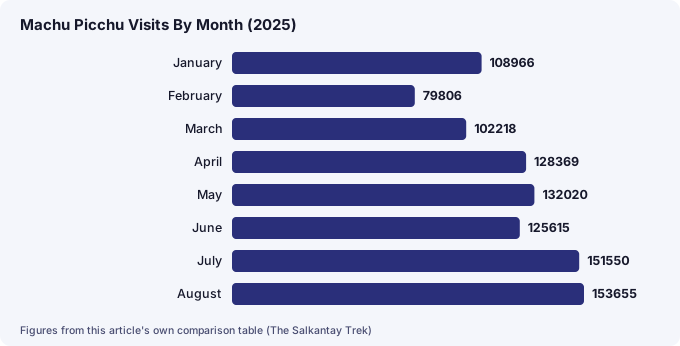
Crowd data points the same way. The MINCETUR open dataset records Machu Picchu visits by month for 2025, and October, at 154,105, drew almost twice the visitors of February, at 79,806. The wettest months are also the quietest, which is the trade-off the numbers describe.
| Month (2025) | Machu Picchu visits |
|---|---|
| January | 108,966 |
| February | 79,806 |
| March | 102,218 |
| April | 128,369 |
| May | 132,020 |
| June | 125,615 |
| July | 151,550 |
| August | 153,655 |
| September | 142,579 |
| October | 154,105 |
| November | 110,429 |
| December | 90,194 |
The full month-by-month breakdown, including what the wet season means for the Cusco-area train tracks, is in the Cusco weather by month guide, and the wider timing question, including the Inti Raymi festival on 24 June each year, is in the best time to visit Cusco.
How Hard Is The Salkantay Trek At Altitude?
Cusco sits at 3,335 m, and the CDC names it as a rapid-ascent high-altitude destination, stating that rates of altitude illness approach 50 percent in situations of abrupt ascent where staged acclimatisation is not feasible, and advising a low threshold for chemoprophylaxis in those cases. The CDC's preferred approach is graded ascent, and it notes that travellers at Cusco can descend to lower elevations to sleep for the first nights before beginning their ascent. Acetazolamide is described as a prescription decision with a doctor, not a purchase to make from a blog.
The pack holds no sourced figure for the Salkantay route's distance, daily elevation gain or difficulty grade, so this page states none. What the sources do support is the framing: any multi-day trek out of Cusco begins at an altitude the CDC treats as significant, and the Cusco altitude guide covers the acclimatisation question in full, including the CDC's ascent rule of not sleeping more than 500 m higher per night once above 3,000 m. The acclimatisation day guide covers how to spend the first days in the city.
The practical sequence the sources describe: fly into Cusco, spend the first nights at elevation or lower, then start the trek. The CDC also advises avoiding alcohol for the first 48 hours at high altitude. None of this is medical advice in the first person; it is the CDC Yellow Book's stated position, and the Peru destination notice is at Level 1, Practice Usual Precautions.
What Are The Machu Picchu Rules At The End Of The Salkantay Trek?
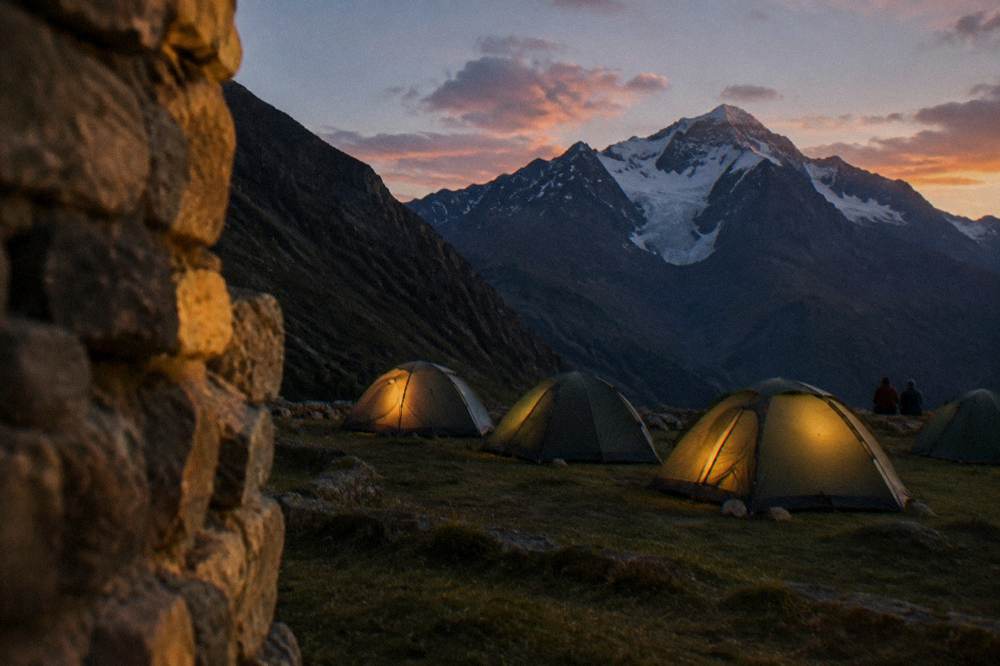
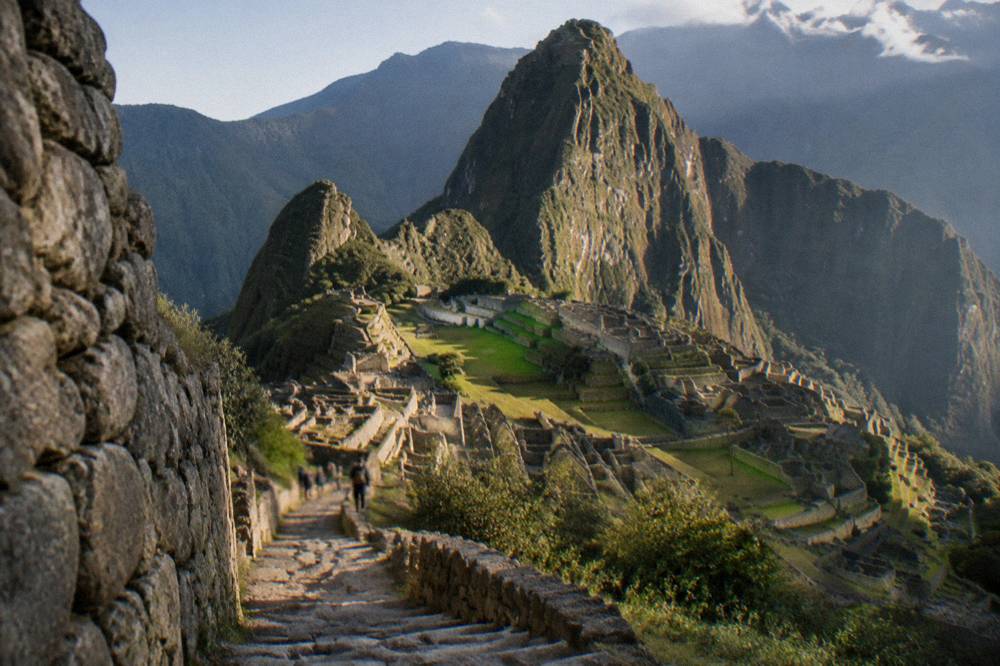
Since 1 June 2024 Machu Picchu has three circuits and ten routes, per the Ministry of Culture's own circuits page, and a guide is recommended, not mandatory, under Article 17.1 as rewritten by the September 2026 ministerial resolution. Tickets are nominal, valid only for the stated date, hour, circuit and holder, and the only correction allowed is a single passport-number typo. Daily capacity in 2026 is 4,500 on normal days and 5,600 on the listed high-season dates.
The circuit system is the part a Salkantay trekker meets at the gate. Circuit 1 is the panoramic circuit with the Machu Picchu Mountain and upper terrace routes, Circuit 2 is the classic circuit, and Circuit 3 is the royal circuit with the Huayna Picchu routes. The mountain routes, 1-A and 3-A, carry the higher foreign-adult entry figure, from about S/ 211, against about S/ 163 for the standard routes.
| Circuit | Name | Route examples | Notes |
|---|---|---|---|
| 1 | Panoramico | 1-A Machu Picchu Mountain, 1-B Upper Terrace, 1-C Intipunku, 1-D Inka Bridge | 1-C and 1-D high season only |
| 2 | Clasico | 2-A designed route, 2-B Lower Terrace | The classic postcard view |
| 3 | Realeza | 3-A Waynapicchu, 3-B designed route, 3-C Great Cavern, 3-D Huchuypicchu | 3-C and 3-D high season only |
The code of conduct is a 25-item list on the official site: bags over 40x35x20 cm, food, tripods, selfie sticks, umbrellas, drones, hard-sole shoes and strollers are all prohibited, and leaving the circuit is not allowed. Entry runs on hourly slots from 06:00 to 15:00, the citadel closes at 17:30, and the maximum stay is 2 h 30 from entry time on standard routes, per the secondary sources the pack holds; the official hours page carries the table as an image.
Since 22 September 2026 the ticket platform has been running a 30-day trial of a new sales system: the three-hour prior reservation is gone, payment must complete within 15 minutes or the slot is released, and the ticket issues in the visitor's name on payment. The pack describes this as how the platform is working now, with the advice to check it live. The site's single Machu Picchu page, the Machu Picchu day trip guide, covers the ticket system in full; tickets, Lima to Cusco flights and the Cusco to Machu Picchu train are covered in one honest mention each there, not deep-dived here.
What Should You Pack For The Salkantay Trek?
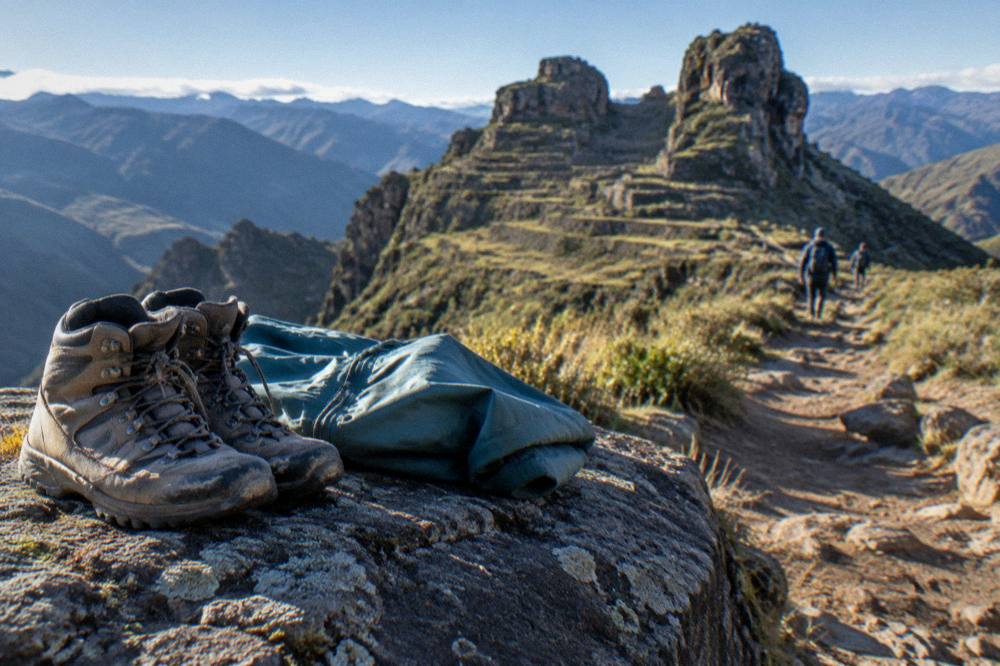
The pack holds no sourced gear list for the Salkantay route, so this page prints none; what the verified sources do support is the climate logic: nights near or below freezing in the June and July winter, mean daytime maximums of 18.8 to 20.9 C all year, and rain concentrated from December to March. Layering for a daily swing of roughly 19 C between the July night minimum and the afternoon maximum is what the station record describes. Operator listings state what their own packages include, and that is where the equipment question is answered.
The station record makes the case in numbers. In January the swing between the mean maximum of 18.9 C and the mean minimum of 6.6 C is 12.3 C; in July it is between 19.1 C and 0.1 C, a swing of about 19 C. Frost is common in June and July per SENAMHI, and the frost season runs April to September. A trekker on the route in the dry season faces cold nights and warm afternoons on the same day.
For the city days before and after the trek, the what to wear in Cusco guide covers the same climate logic for urban sightseeing, and the where to stay in Cusco guide covers the base. The Cusco travel tips guide collects the practicalities in one place.
Salkantay, Lares Or Choquequirao: Which Cusco Trek Fits Your Trip?
The three named agency treks of the Cusco region are Salkantay, the Lares trek and the Choquequirao trek, and the verified difference between them is regulatory, not scenic: only the Inca Trail carries the 500-person daily quota and the February closure, while Salkantay and Lares are operator products, and Choquequirao is a longer expedition route to a separate archaeological site rather than to Machu Picchu. The roster on this site carries packaged products for Salkantay, Lares and the Inca Trail, each with its own price and rating on the booking page.
The Lares trek is the closest cousin: a multi-day agency trek to Machu Picchu through a different valley, sold as a four-day, three-night package with hot springs in the listing this site carries. The Lares trek guide covers it. Choquequirao, covered in the Choquequirao trek guide, is the one that does not finish at Machu Picchu at all.
The choice among the packaged products is best made on the booking pages, where the durations, inclusions and review figures render from verified data rather than from a writer's summary.
How Do You Book The Salkantay Trek From Cusco?
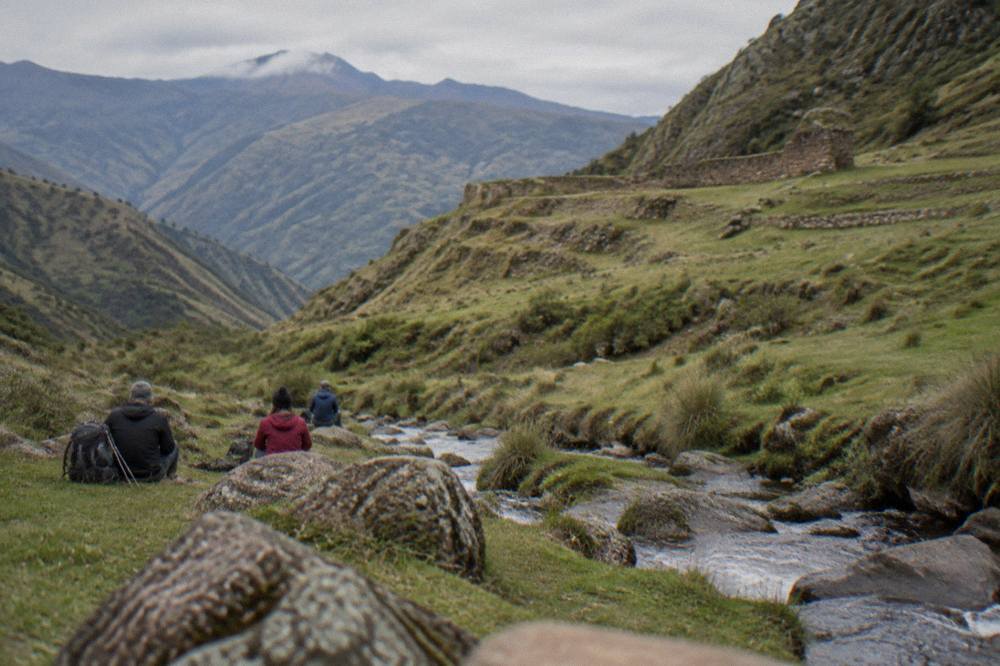
Salkantay treks are booked as packaged tours through operators, not through a government permit platform: the roster on this site lists the classic five-day small-group trek, a four-day short version with a sky camp stay, and a four-day adventure route, each with its price, rating and review count on its own listing page. Cancellation and payment terms are shown on the operator's live listing at the point of booking, which is where the decision belongs. The Inca Trail comparison, by contrast, runs through licensed agencies with the quota attached.
The booking sequence the sources describe is simple: choose the product, check the listing's dates and inclusions, and confirm that Machu Picchu entry is bundled or bought on the official platform. For the base city, the Cusco airport guide covers arrival, and the getting around Cusco guide covers the transport on the ground. The site's own collection is at Things To Do In Cusco Peru.
Common Questions About The Salkantay Trek
Is the Salkantay trek the same as the Inca Trail?
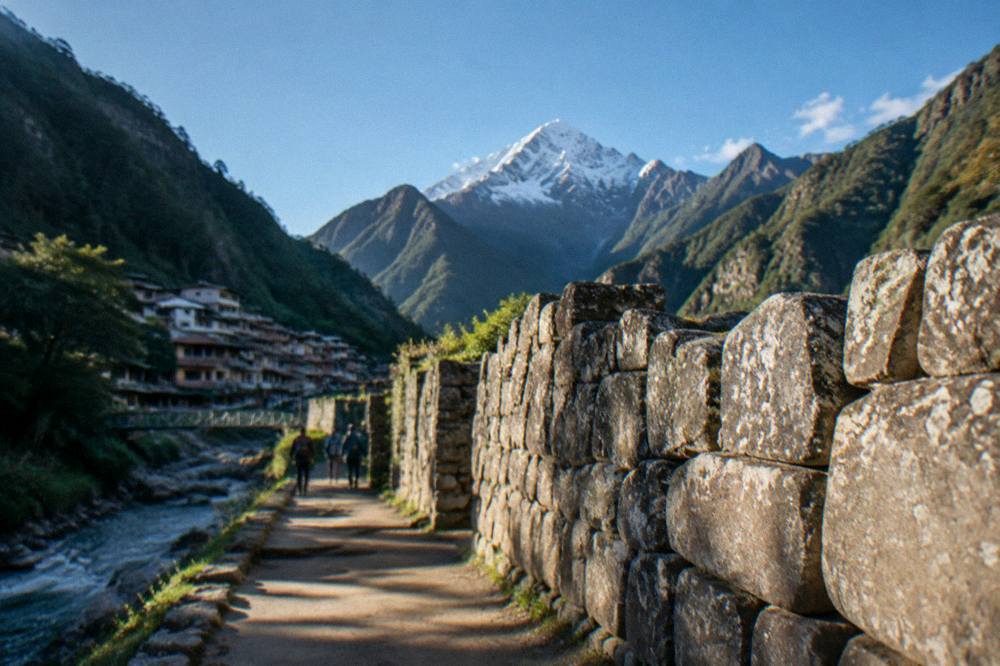
No. The Inca Trail is a specific archaeological path capped at 500 people a day including porters and guides, sold only through licensed agencies and closed every February. The Salkantay trek is an operator-packaged mountain route to the same destination with no sourced permit quota. Both finish at the Machu Picchu citadel at 2,430 m.
Do you need a permit for the Salkantay trek?
No government permit applies in the verified sources. What is needed is a booked tour package and Machu Picchu entry, which for a foreign adult runs from about S/ 163 on standard routes and S/ 211 on mountain routes, including the S/ 11 SERNANP fee in force since 1 May 2026. The official ticket platform shows the live price.
Is a guide mandatory at Machu Picchu after the trek?
No. Under Article 17.1 as rewritten by the September 2026 ministerial resolution, a guide is recommended, not mandatory. The official code of conduct still applies: no bags over 40x35x20 cm, no food, no tripods, no drones, and no leaving the circuit.
When is the Salkantay trek season?
The dry season, roughly May to September, is the window the climate record supports. December to March carries 71.9 percent of the year's 707.8 mm of rain at the WMO and SENAMHI Cuzco station, while May to August together bring 22.8 mm. June to August is winter: dry, clear days, cold nights and frost in June and July.
How long does the Salkantay trek take?
The packaged products on this site's roster include a five-day classic small-group version and a four-day short version with a sky camp stay; the durations render on the product cards. The pack holds no sourced figure for the route's distance or daily stages, so none is stated here.
Is the Salkantay trek harder than the Inca Trail?
No sourced difficulty comparison exists in the verified pack, so this page makes none. What the sources do state is that any trek from Cusco starts at 3,335 m, that the CDC names Cusco as a rapid-ascent destination with altitude illness rates approaching 50 percent in abrupt-ascent situations, and that graded ascent is the preferred approach.