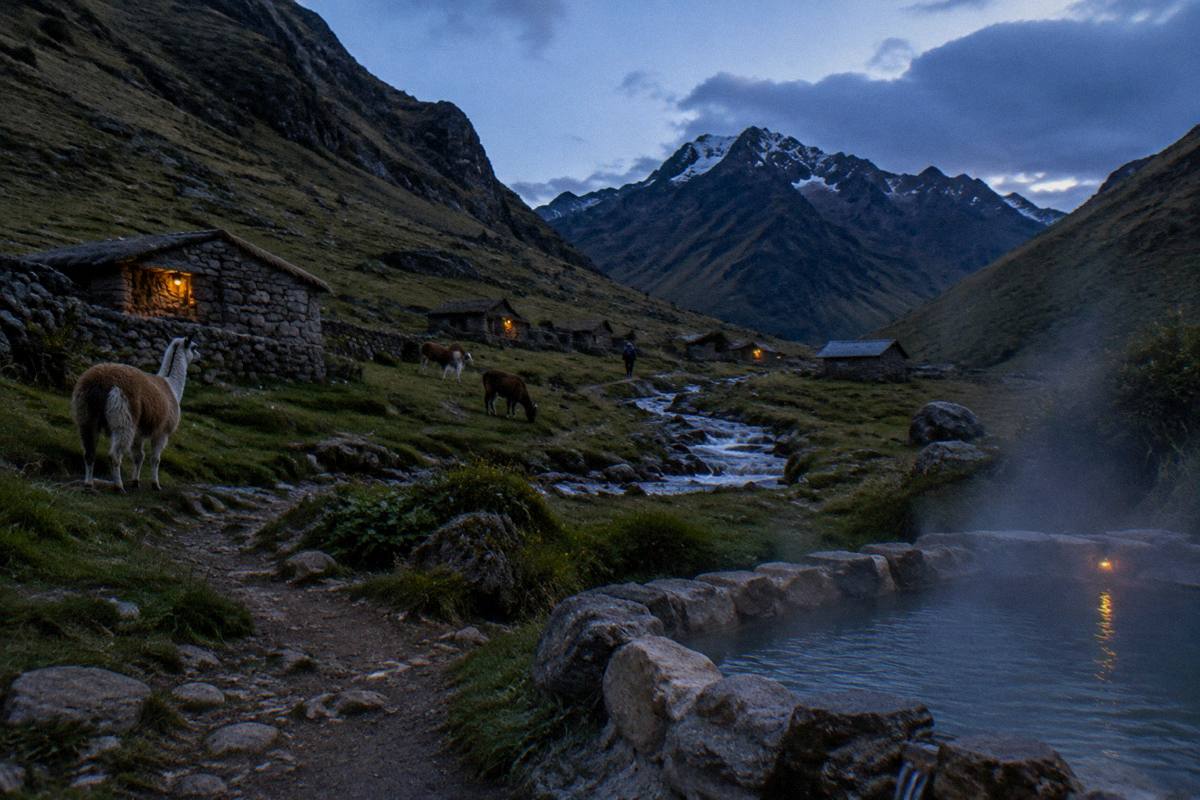
The Lares Trek
The Lares Trek is the Cusco region's weaving-village alternative to the Inca Trail: hot springs, Quechua communities and high Andean passes, ending with a visit to Machu Picchu.
Short answer
The Lares Trek is a high-altitude trek in the Cusco region of southern Peru that passes through Quechua weaving villages and hot springs rather than following the licensed Inca Trail. Unlike the Inca Trail it needs no government permit capped at 500 people a day, it is not closed every February by the same rule, and it is sold as a guided tour, with the site's featured option being a 4-day, 3-night Lares Valley trek with hot springs ending at Machu Picchu.
The Lares Trek is a high-altitude trekking route in the Cusco region of southern Peru, starting from the historic city of Cusco (also spelled Cuzco), which sits at 3,335 m at its Plaza de Armas. It belongs to the same family of multi-day Andean treks as the Inca Trail and the Salkantay Trek, but its character is different: instead of arriving at Machu Picchu on foot along the licensed Inca Trail, it crosses high pastoral country dotted with Quechua weaving villages and hot springs, and its tours finish with a visit to the citadel, which stands lower than Cusco at 2,430 m. This page reports what official sources and verified tour records state about the route, the rules around it, the altitude and the weather, and it compares the trek with its two rivals so a reader can decide which one fits.
What Is The Lares Trek From Cusco?
The Lares Trek is a guided multi-day trek in the Cusco region of Peru that crosses high Andean country between Quechua weaving villages and natural hot springs, finishing with a visit to Machu Picchu rather than arriving there on the licensed Inca Trail. It needs no government trekking permit, unlike the Inca Trail, and it is sold through tour operators as a package, with this site's featured option being a 4-day, 3-night Lares Valley trek with a hot-spring stay.
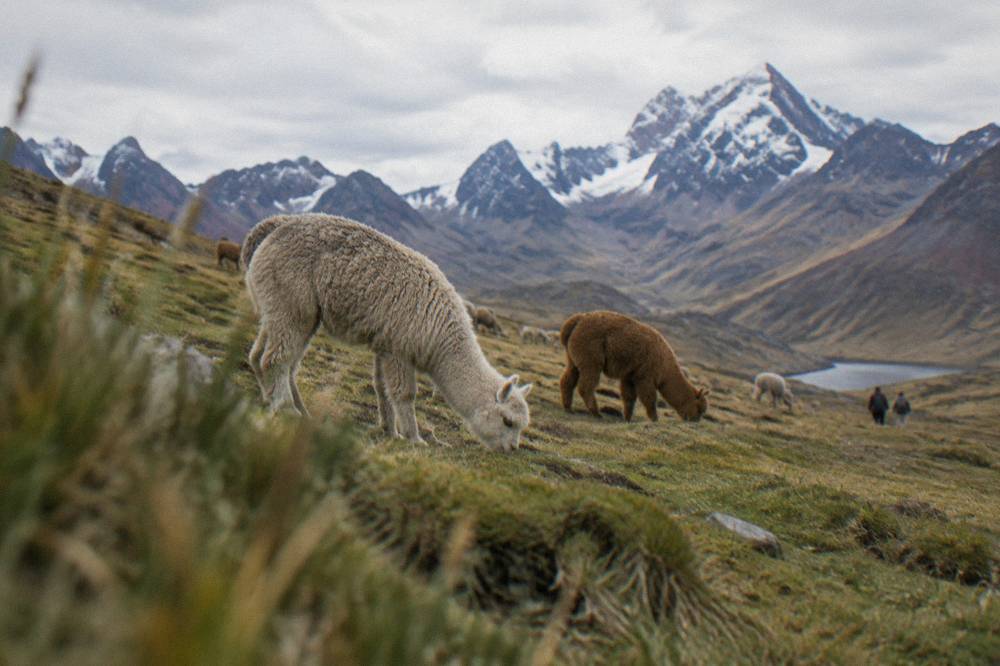
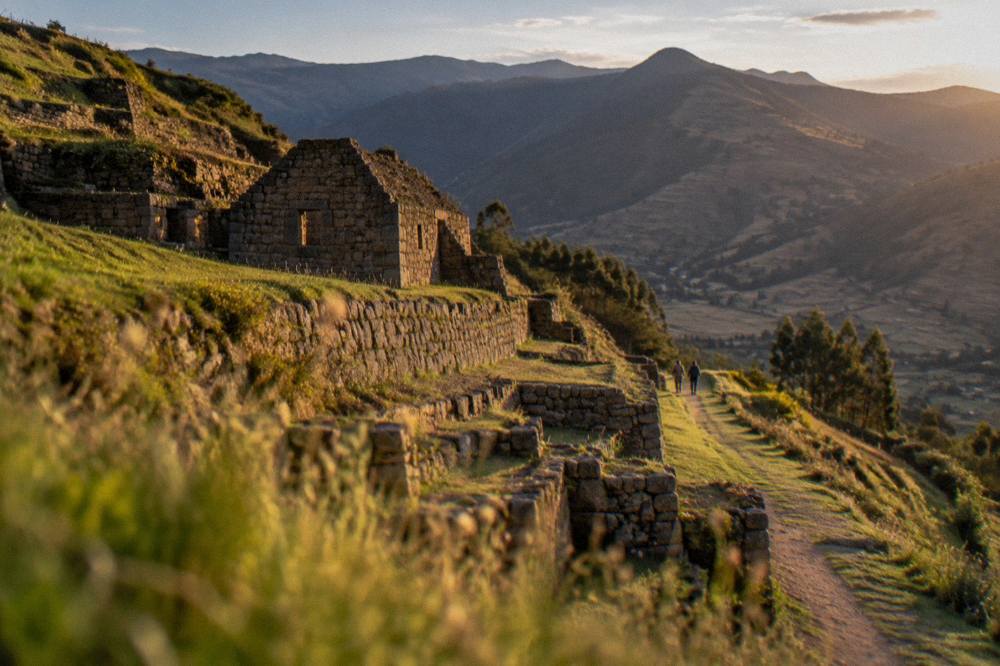
The trek is named for the Lares Valley, a high rural area of the Cusco region reached from the city by road. What the published tour records describe is a route built around people rather than ruins: the valley's communities are known for their weaving, and tours pass through villages where alpacas and llamas are a common sight on the pasture. The route's best-known feature is its hot springs, the thermal baths that give the featured 4-day product its name, and the roster listing for that tour describes hot springs as part of the itinerary.
The Ministry of Culture's rules matter here in one specific way. The Inca Trail to Machu Picchu is the only one of the big Cusco treks that requires a government permit, capped at 500 people a day including porters and guides, sold only through licensed agencies and closed every February. The Lares route does not run along that trail, so those permit rules do not apply to it. That single difference shapes most of the practical comparison between the treks, and it is why Lares tours can be booked on shorter notice than Inca Trail departures.
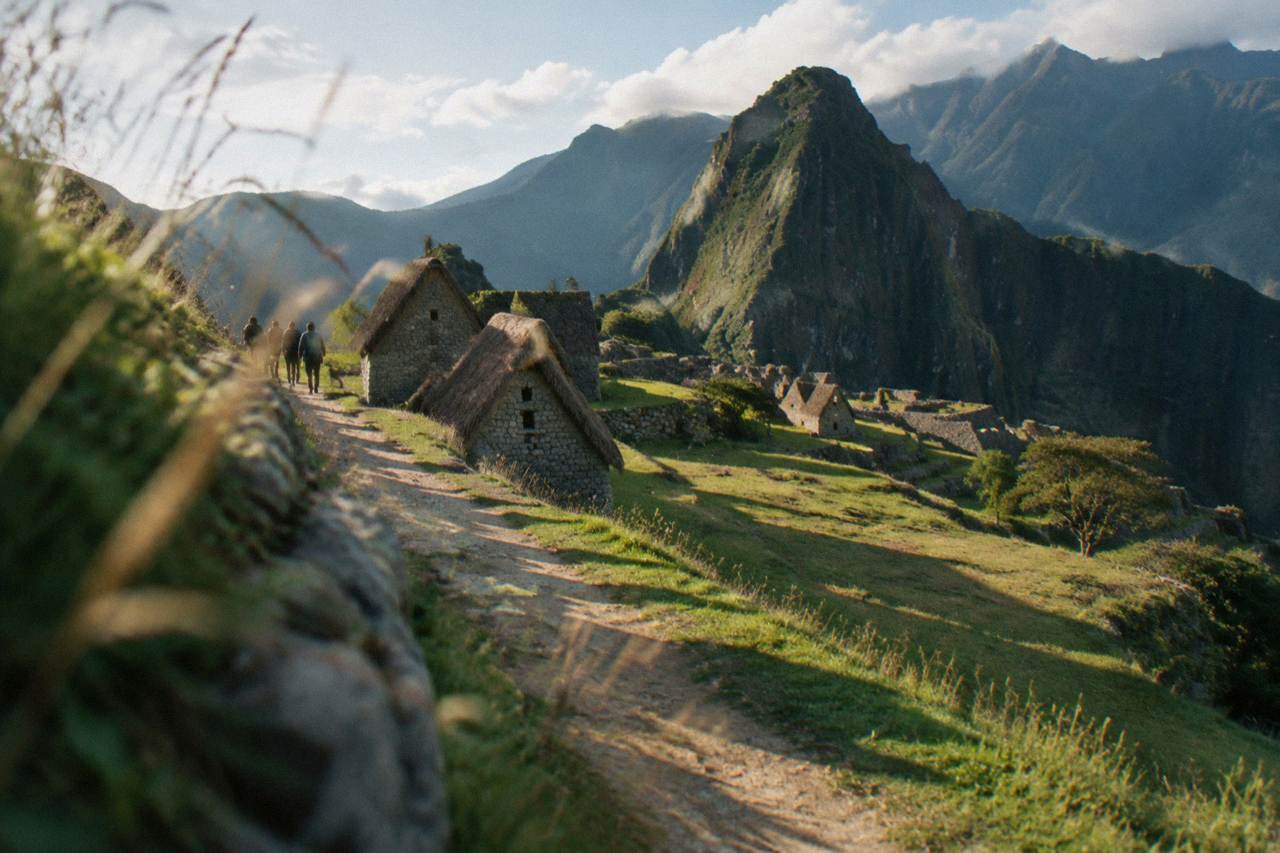
The finish is the same for all three treks in practice. A Lares tour ends with a visit to Machu Picchu, whose citadel sits at 2,430 m, about 900 m lower than Cusco. The site's Machu Picchu day trip page covers the citadel itself in full, including the current three-circuit, ten-route ticket system in force since 1 June 2024.
How Does The Lares Trek Compare With The Inca Trail And The Salkantay Trek?
The Inca Trail is the only one of the three that needs a government permit, capped at 500 people a day including staff, sold only through licensed agencies and unavailable every February; the Lares Trek and the Salkantay Trek need no such permit, and Lares is the village-and-hot-springs option while Salkantay is the high-pass mountain option. The Inca Trail's government permit portion is reported at about S/ 292 (US$77 to 85).
The permit difference is the headline. Peru's Ministry of Culture resolutions state that Inca Trail access is limited to 500 people per day, a figure that includes porters and guides, and that permits are sold only through licensed agencies, never independently. The trail also closes every February for maintenance. The Lares route and the Salkantay route carry no equivalent government quota, so their availability depends on the operator rather than a national permit system.
Character separates them further. The Lares route is described by operators as the cultural trek: weaving villages, hot springs, herds on the high pasture. The Salkantay Trek, which this site covers in its Salkantay Trek guide, is the mountain trek, named for the high peak it passes, and the roster's Salkantay products are sold as challenging adventures. The Inca Trail, covered in the Inca Trail guide, is the archaeological pilgrimage: it arrives at Machu Picchu on foot through the licensed stone route.
| Trek | Government permit needed | Annual closure | Route character | Finish |
|---|---|---|---|---|
| Inca Trail | Yes, 500 people a day including staff, licensed agencies only | Every February | Licensed stone trail, archaeological sites | Arrives at Machu Picchu on foot |
| Lares Trek | No | Not closed by the February Inca Trail rule | Weaving villages, hot springs, high pasture | Machu Picchu visit by transport and train |
| Salkantay Trek | No | Not closed by the February Inca Trail rule | High mountain passes, remote country | Machu Picchu visit by transport and train |
The three treks also differ in how they are sold. Every one of them is booked as a tour product, and the figures for each product, its price, rating and review count, are printed by the site's booking cards from verified data rather than typed into prose. The featured Lares product on this page is the 4-day, 3-night Lares Valley trek with a hot-spring stay, and its live listing carries its current price and rating.
For a reader weighing Lares against the others, the honest summary is this: the Inca Trail is the one with the permit lottery and the fixed February closure, Salkantay is the one for mountain scenery at altitude, and Lares is the one for village life and a hot-spring soak. The rest of this page deals with what the sources say about timing, altitude and preparation for the Lares route specifically.
What Does The Lares Trek Cost And What Is Included?
The Lares Trek is sold as a packaged tour, and its price, rating and review count render from the booking card rather than from prose; the featured 4-day, 3-night Lares Valley trek with hot springs lists from its live listing, and the tour record shows it rated 5 from 691 reviews. Costs beyond the tour price are the everyday on-the-ground ranges: coca tea is reported at about S/ 2 to 5 a cup and a menu del dia at about S/ 8 to 15.
The tour product itself is the cleanest way to see what is included. The roster record for the featured Lares tour names the hot-spring stay in its title and its 4-day, 3-night shape, and the booking card prints the from-price and the review record. The card is the only place on this site where a product's price appears, and the operator's live listing carries the current figure.
| Cost item | Figure | Source status |
|---|---|---|
| Lares Valley trek, 4 days 3 nights, hot springs | From price and rating on the live listing | Product record, renders from the booking card |
| Inca Trail government permit portion (for comparison) | About S/ 292 (US$77 to 85) | Secondary source, reported |
| Coca tea, per cup | About S/ 2 to 5 | Reported on-the-ground range |
| Menu del dia, Cusco | About S/ 8 to 15 | Reported on-the-ground range |
| Tourist SIM | About S/ 5 to 15 plus a data pack at S/ 20 to 40 | Reported on-the-ground range |
The Inca Trail permit figure above is the government portion only, reported by a secondary source, and it applies to the Inca Trail, not to Lares.
A Lares booking also involves the Machu Picchu end of the trip. Foreign adult entry to the citadel runs from about S/ 163 for standard routes and S/ 211 for mountain routes, including the S/ 11 SERNANP fee in force since 1 May 2026, and the official Ministry of Culture platform shows the live price. Whether the tour price bundles that entry is a question the operator's live listing answers.
When Is The Best Time Of Year For The Lares Trek?
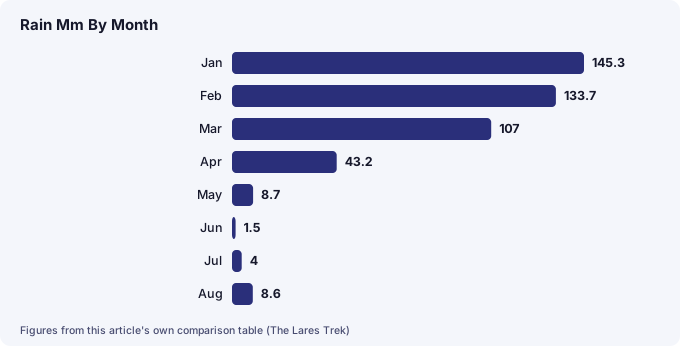
The dry season, roughly May to September, is the window the climate data supports for the Lares Trek: the WMO and SENAMHI historical normal for the Cuzco station shows December to March carrying 71.9 percent of the year's 707.8 mm of rain, while May to August together bring just 22.8 mm, or 3.2 percent, with frost nights common in June and July.
The Andes of southern Peru sit in the Southern Hemisphere, so the seasons run opposite to Europe and North America. June to August is winter: dry, clear days and cold nights, with mean minimums of 0.3 C in June and 0.1 C in July at the Cuzco station, and SENAMHI's own material records that frost season peaks in June and July. Mean daily maximums stay between 18.8 and 20.9 C all year, so the trekking difference between months is rain and night cold, not daytime heat.
| Month | Mean max C | Mean min C | Rain mm |
|---|---|---|---|
| Jan | 18.9 | 6.6 | 145.3 |
| Feb | 18.8 | 6.5 | 133.7 |
| Mar | 19.1 | 6.2 | 107.0 |
| Apr | 19.7 | 4.9 | 43.2 |
| May | 19.8 | 2.5 | 8.7 |
| Jun | 19.5 | 0.3 | 1.5 |
| Jul | 19.1 | 0.1 | 4.0 |
| Aug | 19.8 | 1.6 | 8.6 |
| Sep | 19.8 | 3.9 | 21.8 |
| Oct | 20.9 | 5.5 | 39.4 |
| Nov | 20.7 | 6.1 | 71.9 |
| Dec | 19.4 | 6.4 | 122.7 |
The figures are a historical normal from the WMO World Weather Information Service station for Cuzco, supplied by SENAMHI, and they are not a 1991-2020 table. The Cusco Weather By Month guide unpacks the full year, and the Best Time To Visit Cusco guide weighs weather against crowds.
One timing note belongs to the Inca Trail comparison rather than to Lares itself: the Inca Trail closes every February, so a February traveller who wants a multi-day trek looks at Lares or Salkantay instead. The pack holds no sourced statement that any given trek is open on any given date, so the live listing remains the check for departures.
How Does Altitude Affect The Lares Trek?
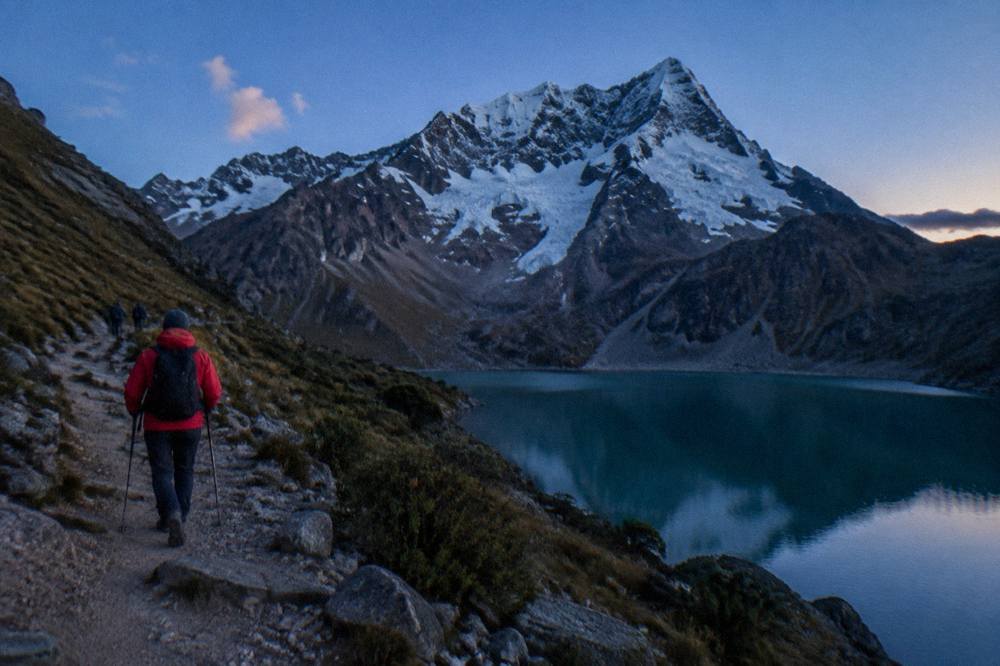
The Lares Trek runs at high Andean altitude above Cusco's 3,335 m, and the CDC Yellow Book names Cusco as a rapid-ascent destination, advises graded ascent where feasible, and puts rates of altitude illness approaching 50 percent in abrupt-ascent situations where staged acclimatisation is not possible; the CDC advises considering acetazolamide as a prescription decision with a doctor and avoiding alcohol for the first 48 hours.
The CDC Yellow Book's guidance is the sourced authority here, and it is specific. It lists Cusco at about 3,350 m among high-altitude destinations, advises travellers not to go from low altitude to a sleeping altitude of 2,750 m or more in a single day, and recommends that once above 3,000 m, sleeping altitude should not rise by more than 500 m a night, with an extra night for every 1,000 m gained. It also notes that from Cusco, travellers can descend to lower elevations to sleep for the first night or two before beginning an ascent.
The Lares route's own heights are not sourced, so this page states none. What is sourced is the surrounding geography: the city at 3,335 m, the Sacred Valley towns lower, and the high pasture country the trek crosses higher still. The Cusco Altitude guide carries the full detail, including the CDC's graded-ascent rule and the medication question framed as a doctor's decision.
| Place | Elevation |
|---|---|
| Cusco, Plaza de Armas | 3,335 m |
| Cusco airport | 3,310 m |
| Sacsayhuaman | 3,701 m |
| Pisac town | 2,972 m |
| Urubamba town | 2,870 m |
| Ollantaytambo town | 2,792 m |
| Machu Picchu citadel | 2,430 m |
| Aguas Calientes (Machu Picchu Pueblo) | about 2,040 m |
The pattern in the table matters for planning. A Lares itinerary that starts in Cusco begins high, and the trek country sits higher still, while the Machu Picchu finish at the end sits well below the city. The CDC's advice about descending to sleep lower on the first nights applies to the Cusco arrival, and the acclimatisation day guide covers how experienced planners use the first days in the city.
What Are The Hot Springs And Villages On The Lares Route?
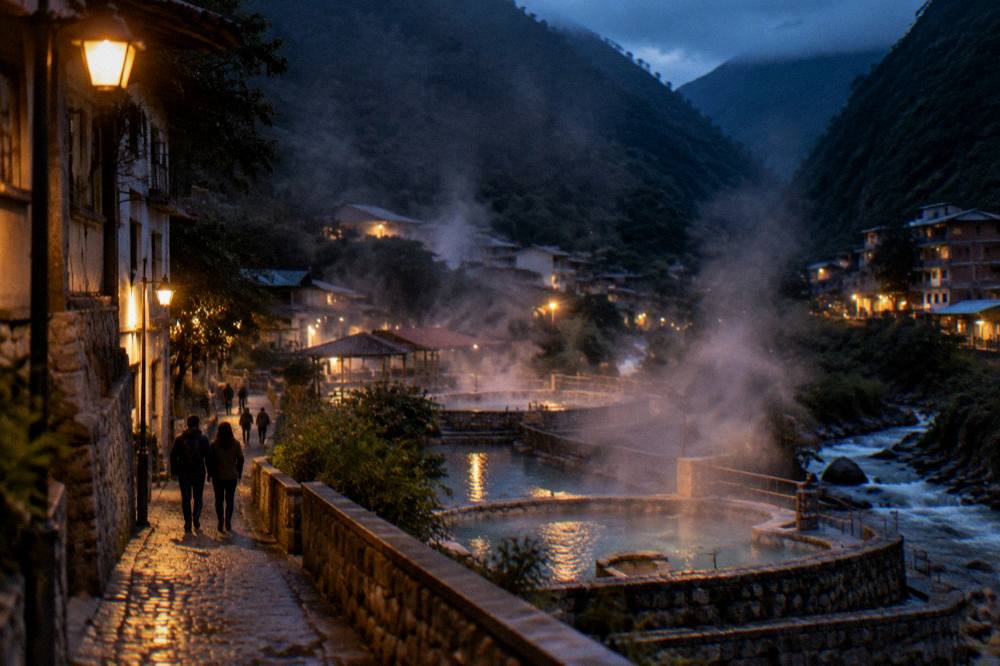
The Lares route's signature stops are its natural hot springs, which give the featured 4-day, 3-night tour its name, and the Quechua weaving villages of the Lares Valley, where the tour records describe alpacas, llamas and traditional textile work; the site's buying guides cover the alpaca wool trade that these villages supply, and no sourced figure exists for the baths' temperature or the villages' populations, so none is stated.
The hot springs are the feature the product record names first. The featured tour's own title, Lares Valley Trek with Hot Spring 4-Day, 3-Night, puts the thermal baths at the centre of the itinerary, and the roster record confirms the tour is rated 5 from 691 reviews. Beyond that, the pack holds no sourced water temperature, opening hours or entry fee for the baths, so this page stays silent on all three.
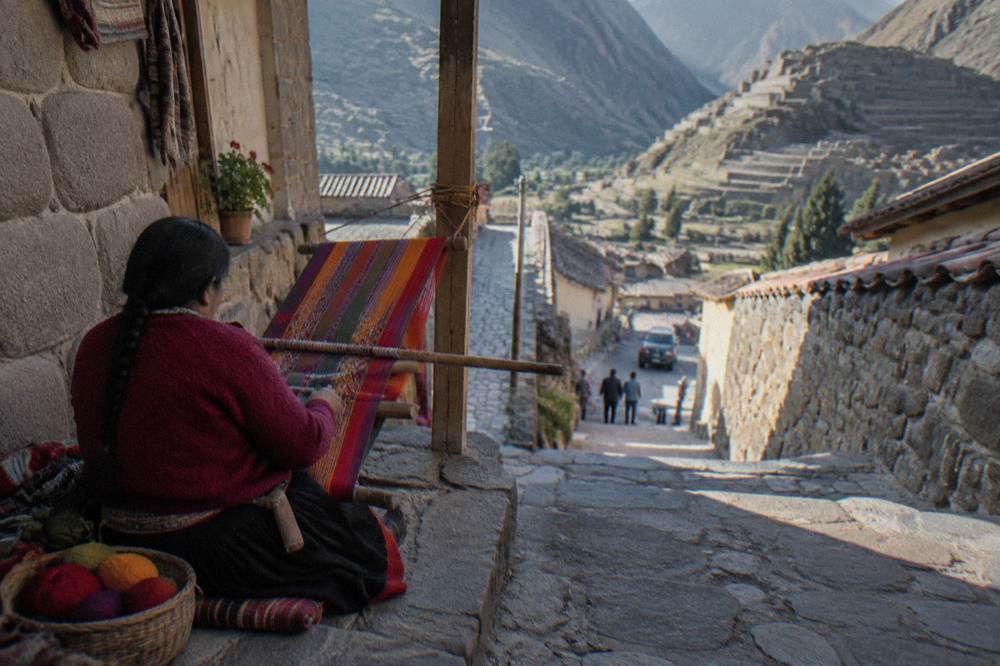
The villages are the route's cultural core. Operators describe the Lares Valley's communities as weaving villages, and the connection runs all the way to the city: alpaca wool is one of Cusco's signature purchases, covered in the Buying Alpaca In Cusco guide and the What To Buy In Cusco guide. A trekker who meets the weavers on the route meets the origin of the goods sold in the city's shops.
The weaving connection also has a workshop equivalent inside the city. The Awana Kancha site near Cusco, covered in the site's Awana Kancha guide, shows visitors the same textile tradition, and the Textile Workshop Experience product offers a hands-on version. For a reader deciding whether Lares is the cultural trek for them, these pages show the tradition the route passes through.
How Do You Get To The Lares Trek From Cusco?
The Lares Trek starts from the city of Cusco, reached by air through Alejandro Velasco Astete International Airport about 6 km from the Plaza de Armas, a 15 to 20 minute taxi ride, with the airport taxi to the centre reported at about S/ 15 to 25; tours then travel by road into the high country, and the pack holds no sourced journey time for the Cusco to Lares drive, so none is stated.
The arrival into Cusco is the sourced part of the journey. The airport sits at 3,310 m, about 6 km from the Plaza de Armas, and the ground transport range is one of the everyday on-the-ground prices the pack permits as a reported range. The Cusco Airport guide covers arrivals in full, including the state of the new Chinchero airport, which is not operating, with completion targeted 2028.
From the city to the trailhead, the transport is the operator's business. Every Lares product on the roster is a guided tour, and the listing for each states what transport it includes. The pack gives no sourced distance or driving time from Cusco to the Lares Valley, and inventing one would break this site's rules, so the live listing is the check. The Getting Around Cusco guide covers the city's transport picture for the days before and after.
One practical note comes from the train side of the wider region, though the Cusco to Machu Picchu train belongs to a sibling site and gets only this mention: PeruRail's own news page records that Cusco to Ollantaytambo train travel resumed from 1 September 2026 after earlier disruption, and the Cusco To Ollantaytambo guide covers that corridor, which many Lares itineraries touch.
What Should You Pack For The Lares Trek?
Packing for the Lares Trek follows the verified climate data rather than a gear tutorial: nights in the dry season drop to mean minimums of 0.3 C in June and 0.1 C in July with frost common, while mean daytime maximums stay between 18.8 and 20.9 C all year, so layers for a roughly 19 C daily swing in winter and rain protection in the wet months are what the numbers demand; the CDC's advice on altitude preparation applies to the whole route.
This page does not become a gear tutorial, and the pack holds no sourced gear list for the Lares route. What the climate normal does support is the layering logic. The winter daily swing at the Cuzco station is about 19 C between the mean maximum and the mean minimum, against a 12.3 C swing in January, so a dry-season trekker dresses for a warm clear afternoon and a freezing night in the same day. The What To Wear In Cusco guide translates the same data into clothing choices.
Rain is the other half of the picture. December to March carries 71.9 percent of the year's rain at the station, and SENAMHI's own material states that in the high Cusco basin, October to April carries 94 percent of annual precipitation. A wet-season departure therefore needs rain protection as the first item, not the last. No sourced figure exists for rainfall on the Lares route itself, so the city station's normal is the closest verified data.
The Machu Picchu end adds its own rule, sourced from the citadel's official code of conduct: bags over 40x35x20 cm, food, tripods, selfie sticks, umbrellas, drones and hard-sole shoes are prohibited inside the site. A trekker's pack that works on the trail needs a compliant smaller bag for the citadel day. The code of conduct list is published on the official Machu Picchu site and is current as verified.
Is The Lares Trek Right For You?
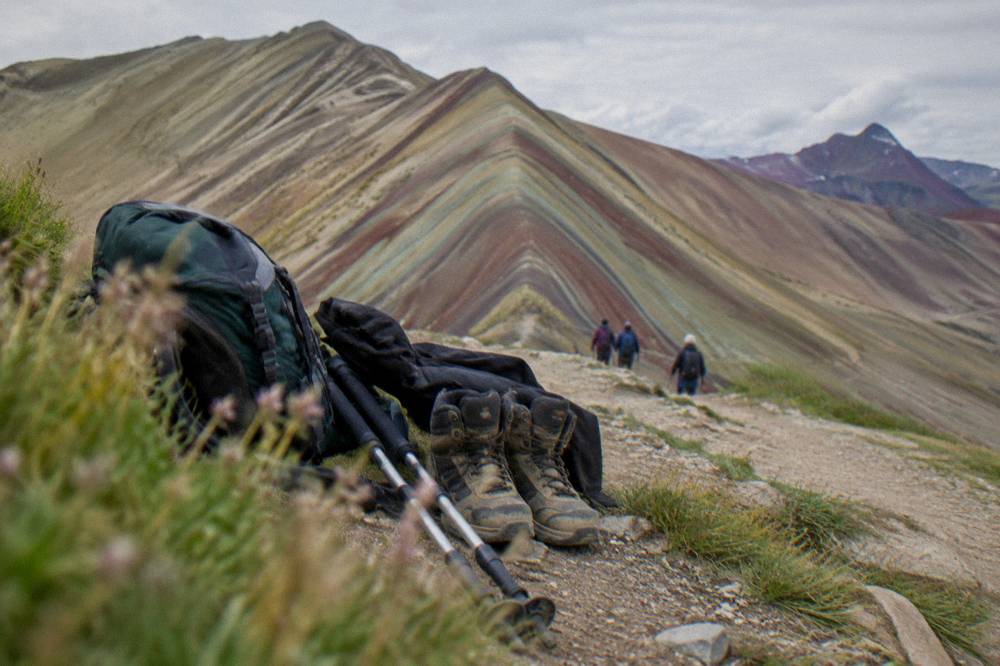
The Lares Trek suits a traveller who wants the multi-day Andean experience without the Inca Trail's permit system, who values village life and hot springs over arriving at Machu Picchu on foot, and who can handle sustained high altitude; the featured product record shows a 4-day, 3-night tour rated 5 from 691 reviews, and the alternatives on this site are the Salkantay Trek for mountain scenery or day hikes for a shorter commitment.
The decision breaks into three questions. The first is the permit question: if arriving at Machu Picchu on the licensed stone trail matters more than anything else, the Inca Trail is the answer, with its 500-person daily quota and February closure. The second is character: if weaving villages, hot springs and herds on the pasture are the draw, Lares is the trek the operators themselves describe that way. The third is commitment: the featured Lares product runs four days and three nights, and a reader with less time can look at the site's day hikes from Cusco instead.
The reader's wider plan matters too. The 3 days in Cusco itinerary and the Cusco And Machu Picchu guide show where a four-day trek fits in a longer stay, and the Where To Stay In Cusco guide covers the base before and after. Families should read the Cusco With Kids guide before committing to any multi-day trek at altitude.
| Question | If yes | If no |
|---|---|---|
| Does arriving at Machu Picchu on foot matter? | Consider the Inca Trail, permit and February closure apply | Lares or Salkantay, no permit system |
| Are villages and hot springs the draw? | Lares, per the operators' own descriptions | Salkantay for mountain scenery |
| Is four days available? | The featured 4-day, 3-night Lares product fits | Day hikes from Cusco instead |
| Is high altitude acceptable with preparation? | CDC graded-ascent advice applies | A city-based stay, see the acclimatisation day guide |
What Do The Verified Visitor Numbers Show About The Region?
The MINCETUR open dataset, cut 29 April 2026, counts 1,479,506 visits to the Inca city of Machu Picchu in 2025, of which 1,140,714 were foreign, and sums 10,704,938 recorded site visits across the Cusco department's 29 listed sites in the same year, figures that are entries, not unique visitors, and that show October 2025 drawing 1.93 times the February 2025 total at Machu Picchu.
These numbers come from the Ministry of Foreign Trade and Tourism's open dataset, which this site's parent research downloaded and aggregated directly. They describe the region the Lares Trek runs through, not the trek itself: the dataset counts visits to listed tourist sites, and the department total is a sum across sites, never a count of unique people.
The monthly pattern is the useful part for a trek planner. At Machu Picchu in 2025, October drew 154,105 visits against February's 79,806, a 1.93-to-1 ratio that matches the climate data: the wettest month is the quietest, and the dry shoulder of the year is the busiest. The same logic applies to the high country the Lares route crosses, though the dataset does not carry a Lares-specific row.
| Metric | Figure | Notes |
|---|---|---|
| Machu Picchu visits, 2025 | 1,479,506 | Foreign 1,140,714, national 338,792 |
| Machu Picchu visits, 2024 | 1,432,584 | Foreign 1,074,920 |
| Machu Picchu visits, 2019 | 1,505,434 | Foreign 1,137,226 |
| Cusco department recorded site visits, 2025 | 10,704,938 | Sum across 29 listed sites, not unique visitors |
| Top Cusco site, 2025 | Santuario Historico de Machupicchu, 1,542,350 | Larger counting unit than the Inca city row |
| Saqsaywaman explanada, 2025 | 944,008 | Second-highest recorded Cusco site |
Common Questions About The Lares Trek
Is The Lares Trek The Same As The Inca Trail?
No. The Inca Trail is the licensed stone route to Machu Picchu, capped at 500 people a day including porters and guides, sold only through licensed agencies and closed every February. The Lares Trek runs through the Lares Valley's weaving villages and hot springs and needs no such permit, finishing with a Machu Picchu visit rather than an on-foot arrival.
Do You Need A Permit For The Lares Trek?
No government trekking permit applies to the Lares route. The 500-person daily quota and the licensed-agency requirement belong to the Inca Trail alone. A Lares booking is made through a tour operator, and the featured 4-day, 3-night product's live listing carries its current price and availability.
How High Is The Lares Trek?
No sourced figure exists for the Lares route's own elevations, so this site states none. The surrounding geography is sourced: Cusco sits at 3,335 m, the trek country lies above and beyond the city, and the Machu Picchu citadel at the finish sits at 2,430 m. The CDC Yellow Book names Cusco as a rapid-ascent destination and advises graded ascent where feasible.
When Is The Best Month For The Lares Trek?
The dry season, roughly May to September, is what the climate data supports. The WMO and SENAMHI historical normal for the Cuzco station shows May to August bringing 22.8 mm of rain combined, against 508.7 mm from December to March. June and July bring frost nights, with mean minimums of 0.3 C and 0.1 C, so pack for cold nights even in the dry months.
Does The Lares Trek End At Machu Picchu?
Yes, the published tours finish with a Machu Picchu visit. The citadel operates three circuits and ten routes since 1 June 2024, entry runs from about S/ 163 for foreign adults on standard routes including the S/ 11 SERNANP fee, and a guide is recommended, not mandatory, under the September 2026 rule. The site's Machu Picchu day trip page covers the visit in full.
Is The Lares Trek Good For Families?
The pack holds no sourced statement about the route's suitability for children, so this site makes none. What is sourced: the featured product runs four days and three nights, altitude advice from the CDC applies to every high Andean trek, and the Cusco With Kids guide covers family planning in the city and region.
The Lares Trek, in the end, is the Cusco region's answer for the trekker who wants the high Andes without the permit lottery: villages, hot springs and a Machu Picchu finish, booked through a tour product whose figures render from its live listing. The featured Check availability link goes to that listing, and the Best Cusco Tours guide on Things To Do In Cusco Peru rounds up the alternatives for readers still weighing the options.