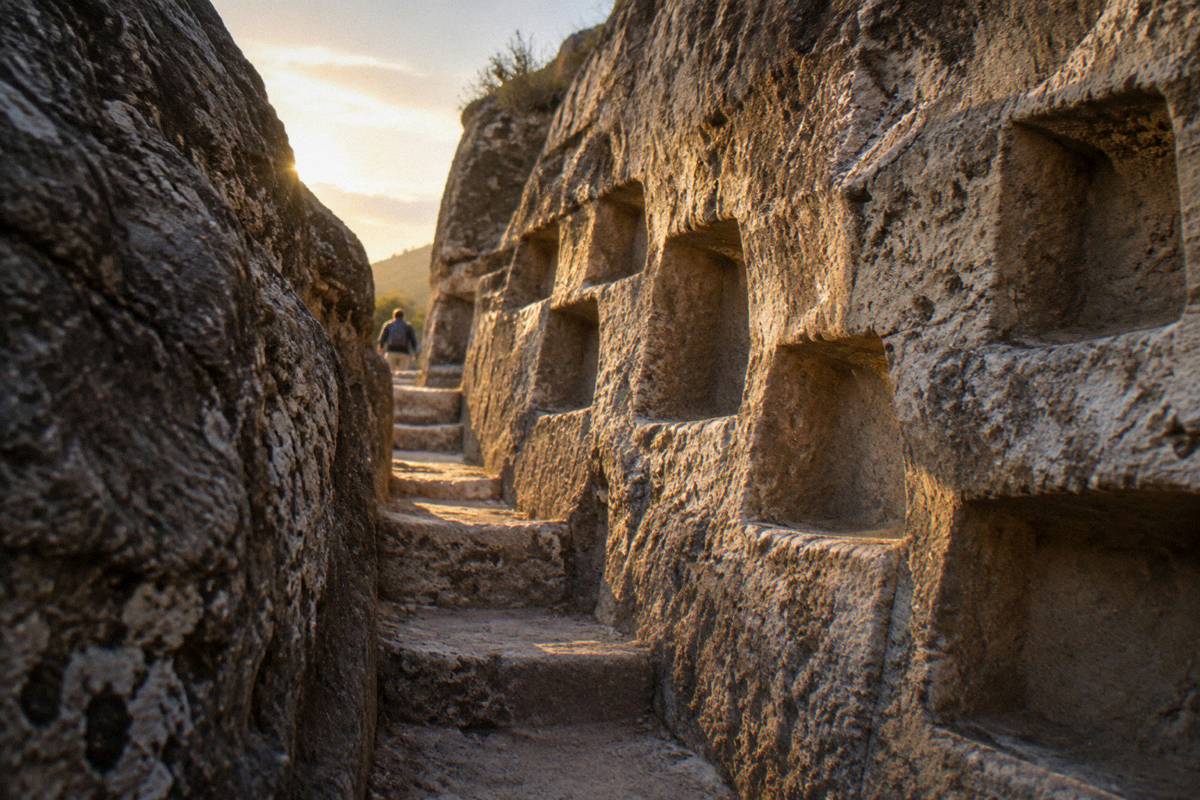
Is Inti Raymi Worth It?
A research-based answer to whether Inti Raymi in Cusco, Peru is worth attending: ticket prices, the free viewing options, weather on 24 June and who the festival suits.
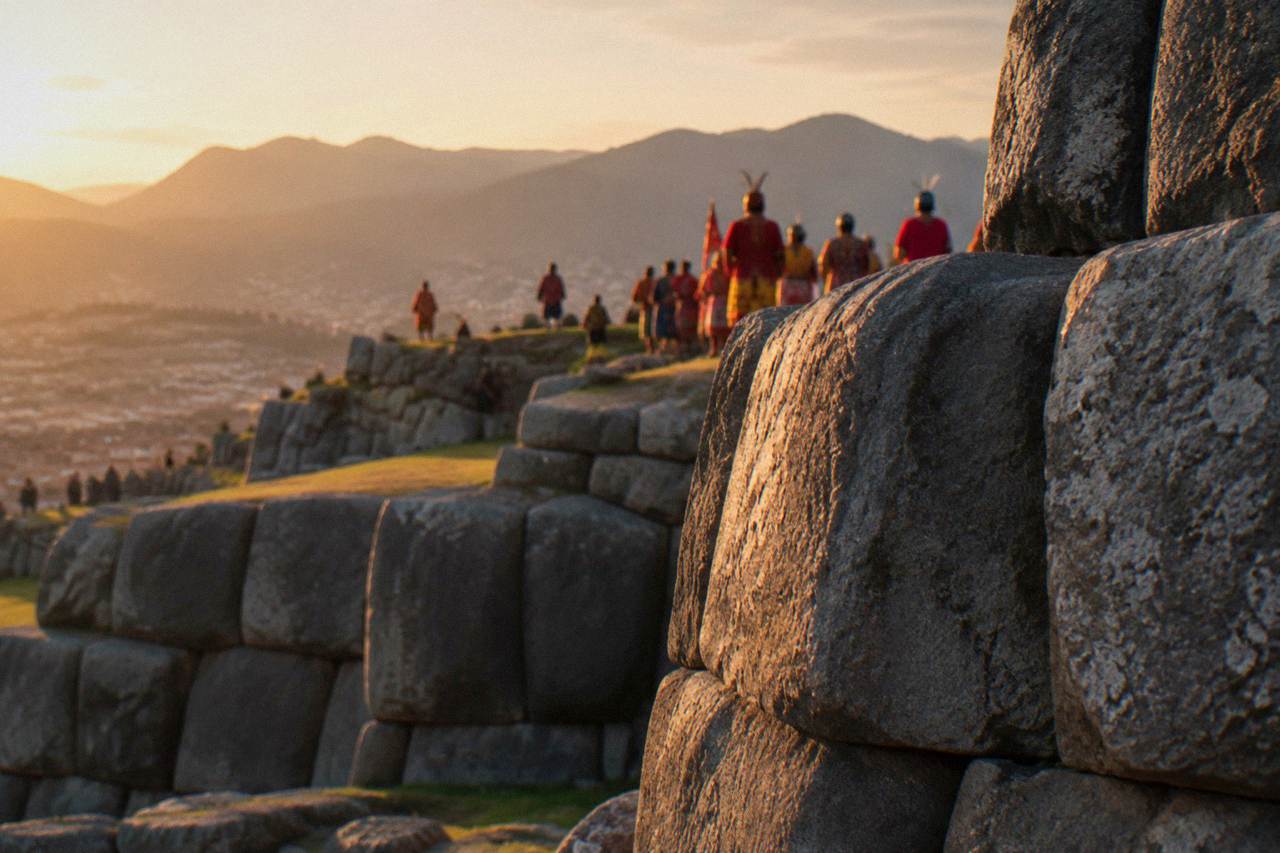
Every 24 June the city of Cusco, the historic Inca capital in the Andes of southern Peru, stages Inti Raymi, a ceremony for the sun that begins at Qorikancha, processes to the Plaza de Armas and holds its main event on the esplanade of Sacsayhuaman, the archaeological park that sits above the city at about 3,701 m. The date is the winter solstice in the Southern Hemisphere, which makes it the shortest day of the Cusco year and one of the driest: the WMO and SENAMHI historical normals for the Cuzco station record a June average of just 1.5 mm of rain across the whole month. The question of whether the festival is worth planning a trip around has a real answer, and it depends mostly on ticket prices, tolerance for crowds and what a visitor wants from a day at altitude.
Is Inti Raymi Worth It?
Inti Raymi is worth it for visitors who want to see Cusco at its most crowded and most theatrical, and who either buy a grandstand ticket or accept watching parts of the day standing. The main ceremony at Sacsayhuaman is a staged spectacle with a live narration, and the Ministry of Culture site and the official Teleticket listing both treat it as a ticketed event. It is not worth it for anyone seeking a quiet day of ruins, because 24 June is the busiest day of the Cusco calendar.
The honest framing is that Inti Raymi is a modern staged reconstruction, not an unbroken survival, and the sources support no founding year, origin story or attendance figure, so none appears here. What the sources do support is concrete: the festival is held every 24 June, with the next edition on 24 June 2027, and it is organised by EMUFEC, the municipal festivities and tourism promotion company of Cusco. The route is fixed: the ceremony begins at Qorikancha, the Inca temple site beneath the church of Santo Domingo, moves down to the Plaza de Armas at 3,335 m, and finishes with the main ceremony on the great esplanade at Sacsayhuaman, which the COSITUC boleto covers on ordinary days through Circuit I.
For many visitors the calculation comes down to a single comparison: a day spent inside the ticketed grandstands at Sacsayhuaman versus a day spent anywhere else in the region. The MINCETUR open dataset recorded 944,008 visits to the Saqsaywaman esplanade across 2025, a figure that already makes it one of the most visited sites in the Cusco department, and 24 June concentrates an outsized share of local attention on that one hillside. Anyone deciding between the festival and, say, a quieter day in the Sacred Valley should read the comparison in is the Sacred Valley worth visiting alongside this page.
What Is Inti Raymi And Who Runs It?
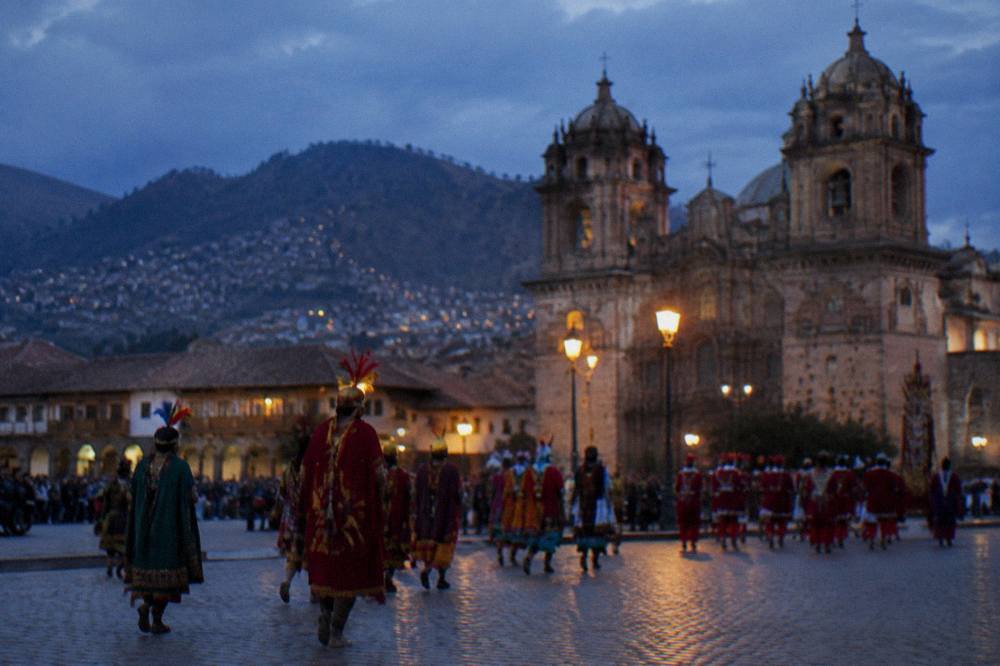
Inti Raymi is a public ceremony held in Cusco every 24 June, the Southern Hemisphere winter solstice, organised by EMUFEC, the municipal festivities company, with a morning start at Qorikancha, a midday procession through the Plaza de Armas and the main ceremony on the esplanade of Sacsayhuaman. Tickets for the Sacsayhuaman grandstands are sold through Teleticket, the official seller, historically from mid-April. The festival is a citywide event, not a single ticketed site.
The three-stage structure matters for planning because it means the day can be consumed in pieces. The Qorikancha and Plaza de Armas stages are watched from public streets, and the pack holds no sourced crowd figures or viewing-hour details for them, so this page states none. The Sacsayhuaman stage is the one that is formally ticketed, and it is the part people mean when they ask whether the festival is worth it. A full guide to the festival's structure and route is on the site's Inti Raymi guide page.
What the sources do not support is worth naming plainly, once: no attendance figure, no founding year and no origin narrative appears in the verified pack, and a writer who invents one would be fabricating history, the single most common failure on this destination. The qualitative statement that survives is that Cusco was the Inca capital and that colonial churches stand on Inca stone foundations, which is why a sun ceremony that processes past Qorikancha and the Plaza de Armas reads as a deliberate act of civic theatre in the historic centre.
Visitors who want a quieter, more hands-on encounter with Cusco's living culture on the days around the festival have options that the site covers in depth. The Peruvian cooking class with cocktails and a market tour is a small-group alternative to the street crowds, and the site's own cooking classes guide sets out the wider field.
That cooking class is one of several ways to spend a festival afternoon away from the crush, and its listing carries the current price, rating and duration. The same logic applies to the Sacred Valley and textile options further down this page: they are the counterweights to a day when the city itself is at its loudest.
What Do Inti Raymi Tickets Cost?
Grandstand tickets for the Sacsayhuaman ceremony are sold through Teleticket, and the official listing for the 2026 edition showed S/ 490 for a Zona Illapa general seat, S/ 250 for a child's Illapa seat and S/ 680 for a Zona Chaska general seat. Those prices belong to the 2026 edition and the 2027 sale date had not been announced as of late September 2026, so treat them as the most recent official benchmark, not a standing tariff.
The 2026 figures come from the Teleticket seller page itself, which is as close to a primary source as the festival offers. What the pack cannot verify is anything about the resale market, package markups or hotel bundles, and this page stays silent on all three. The practical reading is that a grandstand seat is a significant line in a Cusco budget: for comparison, the COSITUC integral Boleto Turistico, which covers 16 sites including Sacsayhuaman on ordinary days, is S/ 130 for a foreign adult and lasts 10 days. Other pages covering the same trip are gathered on Things To Do In Cusco Peru.
| Ticket, 2026 edition | Price (soles) | Notes |
|---|---|---|
| Sacsayhuaman Zona Illapa, general | S/ 490 | Official Teleticket listing, 2026 edition |
| Sacsayhuaman Zona Illapa, child | S/ 250 | Official Teleticket listing, 2026 edition |
| Sacsayhuaman Zona Chaska, general | S/ 680 | Official Teleticket listing, 2026 edition |
| Boleto Turistico integral (comparison) | S/ 130 | Foreign adult, 16 sites, 10 days, ordinary days |
A note on what a ticket buys and what it does not: the Boleto Turistico covers Sacsayhuaman as an archaeological site on a normal day, but the festival's grandstand seating is a separate product sold by the festival's organiser, and the pack holds no information about site access on 24 June itself, so no claim about it appears here. Visitors weighing the cost against a full day-trip budget should also read the site's breakdown of how many days to spend in Cusco, because 24 June effectively consumes a full day and reshapes everything around it.
What Is The Weather Like In Cusco On 24 June?
The 24 June date sits in the middle of the Cusco dry season: the WMO and SENAMHI historical normals for the Cuzco station give June a mean maximum of 19.5 C, a mean minimum of 0.3 C and just 1.5 mm of rain for the whole month. Expect a warm, strong-sun afternoon at Sacsayhuaman and a near-freezing night in the city afterwards. Frost nights are common in June and July.
The daily swing is the part visitors underestimate. The same station record shows the mean daily range in June is about 19 C, which means a spectator standing on the Sacsayhuaman esplanade at 3,701 m can move from sunburn weather to gloves weather inside one afternoon. Layering is not a stylistic suggestion here; the site's what to wear in Cusco guide covers the practical version of this, and the what not to wear in Cusco answer covers the mistakes.
| Month | Mean maximum C | Mean minimum C | Rain mm |
|---|---|---|---|
| May | 19.8 | 2.5 | 8.7 |
| June | 19.5 | 0.3 | 1.5 |
| July | 19.1 | 0.1 | 4.0 |
The altitude is the second weather factor. Sacsayhuaman sits above the city, and the CDC Yellow Book names Cusco as a rapid-ascent destination and prefers graded ascent; the site's pages on how likely altitude sickness is and how long to acclimatise carry the sourced detail. Standing for hours at 3,701 m on the first day after a flight from sea level is a different proposition from doing it on day four, and the CDC's advice to consider acetazolamide when abrupt ascent is unavoidable is a prescription decision to take to a doctor, not a tip.
Is Inti Raymi Worth It Without A Ticket?
Yes, in a qualified way: the Qorikancha and Plaza de Armas stages are watched from public streets at no charge, and the pack holds no sourced rule barring anyone from the city's public spaces on 24 June. What a grandstand ticket buys is a seat and a view for the Sacsayhuaman ceremony specifically. A visitor can experience a real part of Inti Raymi without paying anything, but not the main ceremony comfortably.
The honest version of the free plan is that it involves standing, early positioning and crowds, and the pack supports no crowd-size figure for any stage, so this page invents none. The UK FCDO travel advice for Peru notes that Cusco has seen recent protests and that street crime is a significant problem in major cities including Cusco, with explicit advice not to walk alone in quiet areas at night, which is fair context for anyone planning to move between festival stages after dark. The site's is Cusco safe guide and the what to avoid in Cusco answer carry the sourced detail.
There is also a timing trade-off that the sources make plain. The MINCETUR dataset shows Machu Picchu's 2025 monthly visitors peaking in the high-season stretch, and 24 June sits inside the 5,600-per-day capacity window that the Ministry of Culture resolution sets for 19 June to 2 November, which means the whole region is at its busiest in the festival week. Anyone combining the festival with Machu Picchu should read the site's Machu Picchu day trip page and the stay in Cusco or the Sacred Valley answer before committing to a base.
How Does Inti Raymi Fit Into A Cusco Trip?
Inti Raymi fixes itself to 24 June, so the real question is whether the whole trip can be built around that date. The festival day itself consumes most of daylight hours in Cusco, the surrounding week is the region's peak season, and the next edition falls on Thursday 24 June 2027, with tickets historically on Teleticket from mid-April. It suits a first visit that wants the city at full volume; it complicates a trip built around ruins and hiking.
For hikers, the constraint is hard: the Inca Trail closes every February but runs in June, and permits, sold only through licensed agencies with a 500-person daily quota that includes staff, are at their scarcest in the June-to-October stretch, as one operator guide puts it. The site's Inca Trail guide covers that track. For visitors who would rather trade the festival crowds for a quieter cultural day, the Sacred Valley and the textile traditions are the obvious counterweight, and two of the site's featured small-group options sit exactly there.
One further 2026 wrinkle is worth flagging as a scheduled event, not a fact on the ground: Pope Leo XIV is scheduled to visit Peru in November 2026, with the Cusco and Sacsayhuaman date set for 15 November 2026, and the pack's guidance is to expect crowding and access control around the Sacsayhuaman esplanade in that period. That is a separate event from Inti Raymi, but it shares the same hillside, and anyone planning a Cusco trip across both windows should check current access news before locking dates.
Common Questions About Inti Raymi In Cusco
Is Inti Raymi worth it?
For visitors who want Cusco at maximum spectacle and do not mind peak crowds, yes: the Sacsayhuaman ceremony is a ticketed, staged production with an official seller, and the free Qorikancha and Plaza de Armas stages carry the day's atmosphere through the streets. For visitors seeking quiet ruins or a relaxed acclimatisation day, no: 24 June is the busiest day of the Cusco calendar and the region's high season is already running.
When is Inti Raymi held?
Every 24 June, the winter solstice in the Southern Hemisphere. The next edition is 24 June 2027. The ceremony starts at Qorikancha, processes to the Plaza de Armas and holds its main event at Sacsayhuaman.
How much do Inti Raymi tickets cost?
The official Teleticket listing for the 2026 edition showed S/ 490 for a Zona Illapa general grandstand seat, S/ 250 for a child's Illapa seat and S/ 680 for a Zona Chaska general seat. The 2027 sale date had not been announced as of late September 2026; tickets have historically gone on sale through Teleticket from mid-April.
Can you watch Inti Raymi for free?
Yes, in part. The Qorikancha and Plaza de Armas stages take place on public streets and are watched without a ticket. The main Sacsayhuaman ceremony is the ticketed part, and watching it without a grandstand seat means standing, with no sourced information on informal viewing conditions.
Is Cusco cold during Inti Raymi?
Both, in one day. The historical normals for the Cuzco station give June a mean maximum of 19.5 C and a mean minimum of 0.3 C, with 1.5 mm of rain across the month. Frost nights are common in June and July, so the evening after the ceremony is close to freezing.
Does Inti Raymi affect Machu Picchu plans?
Indirectly. The festival does not change Machu Picchu's rules, but 24 June falls inside the high-season daily capacity of 5,600 visitors that applies from 19 June to 2 November, and the whole region is at its busiest. Tickets for Machu Picchu are nominal and valid only for the stated date, hour, circuit and holder, so dates fixed around the festival should be booked with that rigidity in mind.
The verdict, in the end, is a personal weighting of three sourced facts: the festival is a fixed, officially organised spectacle on 24 June, the grandstand benchmark price is the S/ 490 to 680 range of the 2026 Teleticket listing, and the day lands in the driest, coldest-nights, most crowded stretch of the Cusco year. A traveller who wants the city at full volume will find nothing else like it on the calendar; a traveller who wants the ruins to themselves should pick a different week.