What Is So Special About Cusco?
What makes Cusco special: the former Inca capital at 3,335 m in the Peruvian Andes, a UNESCO World Heritage city, the gateway to Machu Picchu and a base for Sacred Valley day trips.
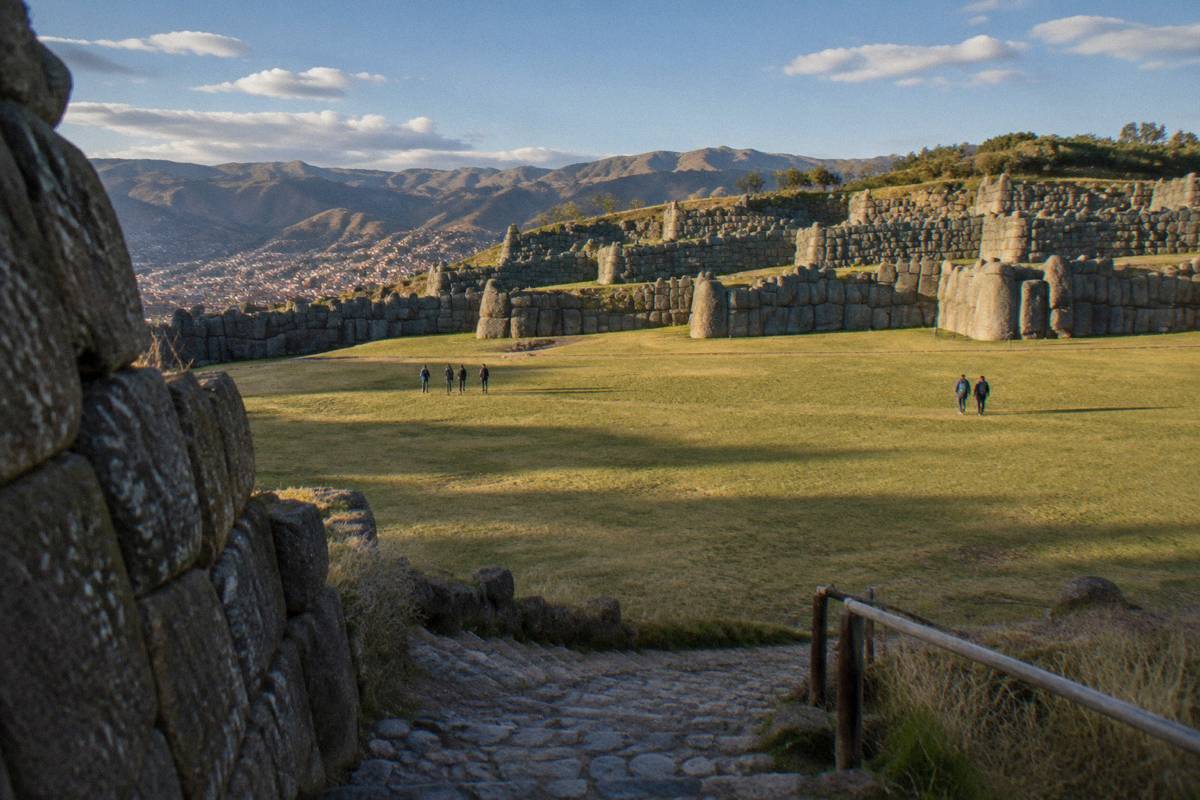
Cusco, also spelled Cuzco, is the historic city in the Andes of southern Peru that served as the capital of the Inca state and today works as the region's transport, ticket and guiding hub for Machu Picchu and the Sacred Valley. UNESCO inscribed the City of Cusco on the World Heritage list in 1983, the same year the Historic Sanctuary of Machu Picchu entered the list, on 9 December 1983. The Plaza de Armas sits at 3,335 m, the airport at 3,310 m, and the city of 428,450 people at the 2017 census is the department's centre. What follows covers the Inca stonework, the boleto circuit of ruins and museums, the altitude, the festivals and the food, with no invented history attached.
What Is So Special About Cusco?
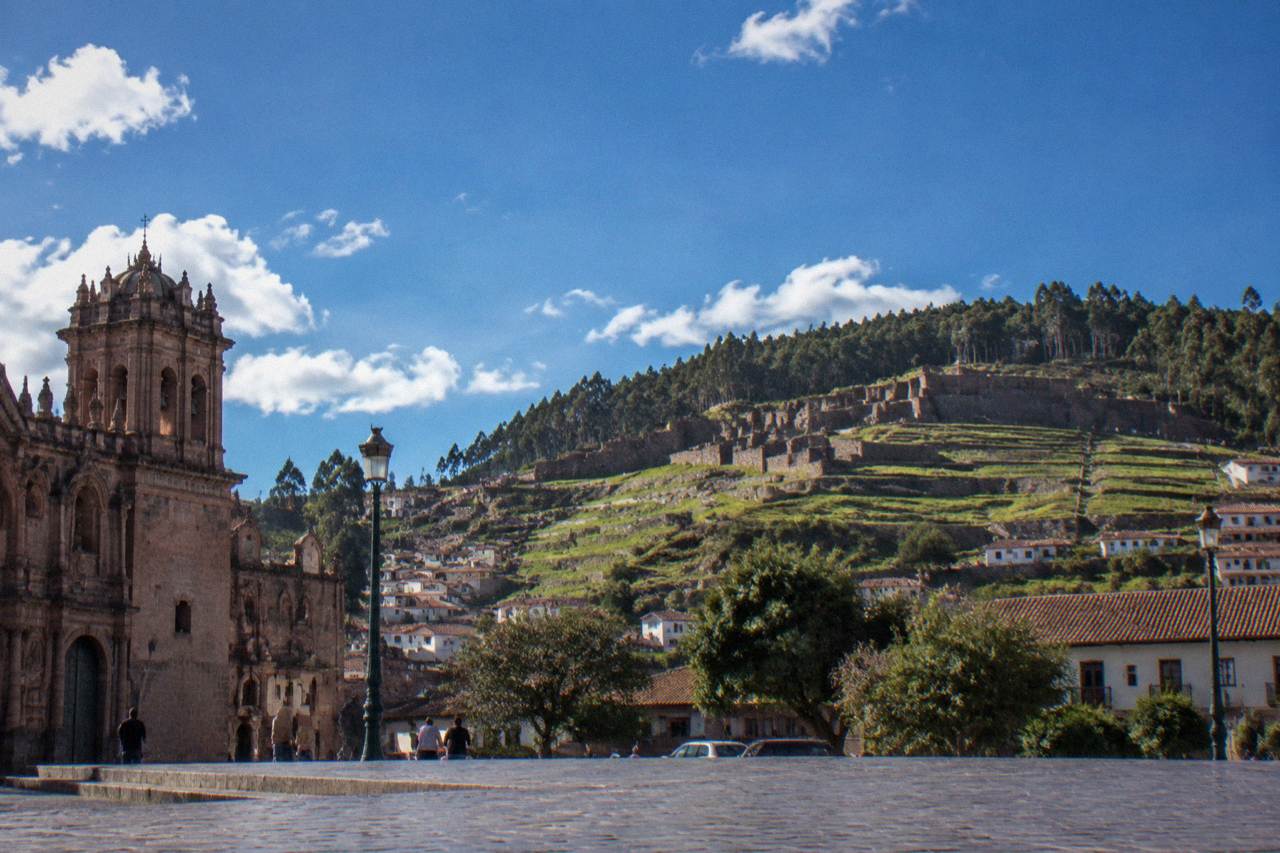
Cusco is special because it is a living Inca capital that was never abandoned: UNESCO describes over 3,000 years of occupation before the Inca, colonial churches stand on Inca stone foundations, and the city is the acknowledged gateway to Machu Picchu, which drew 1,479,506 visitors in 2025 per the MINCETUR open dataset. No other Peruvian city combines that altitude, that archaeology and that transport role, and the City of Cusco has been on the World Heritage list since 1983.
That is the sourced core of the answer. The claim that Cusco is the oldest continuously inhabited city in the Americas is not supported by UNESCO's own text, which says only that the site shows a pre-Inca occupation process of over 3,000 years; the oldest-city question is examined separately on this site. What can be stated is narrower and stronger: Cusco was the Inca capital, the Spanish colonial city was built on and around its walls, and the two layers are visible in the same streets today.
The visitor economy reflects that double identity. The Boleto Turistico sold by COSITUC covers 16 sites split across an Inca ruin circuit and a city museum circuit, and the Ministry of Culture's ticket platform sells Machu Picchu entry separately. Cusco is the place where both halves of a Peru itinerary are organised.
Why Is Cusco Called The Gateway To Machu Picchu?
Because every land route to Machu Picchu starts here: the trains to Aguas Calientes run from the Cusco-area stations of Poroy and San Pedro, or from Ollantaytambo in the Sacred Valley, and the citadel itself sits at 2,430 m, roughly 900 m below the Plaza de Armas. PeruRail and Inca Rail operate the line, and the 2025 MINCETUR count of 1,479,506 visitors to the Inca city shows the scale of what flows through the Cusco region to get there.
To visit the citadel on a day trip from the city, book a Machu Picchu day tour here.
The geography matters as much as the rail. Machu Picchu Pueblo, the town also called Aguas Calientes, sits at about 2,040 m at the foot of the citadel, so a day there involves a descent from Cusco's altitude, not a climb. The Machu Picchu day trip page on this site covers the citadel in full, and the Sacred Valley question covers the valley that many pass through on the way.
Two rules shape the plans of anyone using Cusco as a base. First, Machu Picchu tickets are nominal: valid only for the stated date, hour, circuit and holder, with no changes allowed beyond a single passport-number correction, per the Ministry of Culture resolution. Second, the citadel operates on three circuits and ten routes, in force since 1 June 2024, with hourly entry slots and a maximum stay on standard routes. Both are reasons travellers book from Cusco early rather than arriving and hoping.
The city is also the base for the big Andean day hikes. Humantay Lake at about 4,200 m, Rainbow Mountain at about 5,000 m and its quieter neighbour Palccoyo at 4,900 m are all sold as full-day trips from Cusco, and the four ruins of Cusco sit on the hillside directly above the city, inside the Boleto's Circuit I.
What Does The Boleto Turistico Cover In Cusco?
The COSITUC Boleto Turistico covers 16 sites: the integral foreign-adult ticket costs S/ 130, about US$38, and is valid for 10 days, while each of the three partial circuits costs S/ 70. Circuit I covers Saqsaywaman, Q'enqo, Puka Pukara and Tambomachay, Circuit II covers the city museums including the Qorikancha site museum, and Circuit III covers Pisac, Ollantaytambo, Chinchero and Moray. Machu Picchu is not on the ticket.
The ticket is sold in person only, at the COSITUC counter on Av. El Sol 103, open 07:30 to 18:00 daily, and at most of the included sites. Children under 10 enter free, and the only discount category is students with ID. The table below is the full circuit structure as the COSITUC FAQ lists it.
| Circuit | Price (foreign adult) | Validity | Sites included |
|---|---|---|---|
| Integral (BTCI) | S/ 130 | 10 days | All 16 sites |
| Circuit I (Saqsaywaman) | S/ 70 | 1 day | Saqsaywaman, Q'enqo, Puka Pukara, Tambomachay |
| Circuit II (City) | S/ 70 | 2 days | Qorikancha site museum, Museo Historico Regional, Museo de Arte Contemporaneo, Museo de Arte Popular, Centro Qosqo de Arte Nativo, Monumento a Pachacutec, Tipon, Pikillacta |
| Circuit III (Sacred Valley) | S/ 70 | 2 days | Pisac, Ollantaytambo, Chinchero, Moray |
The 2025 MINCETUR site counts show which of these the public actually visits in volume. Saqsaywaman's esplanade recorded 944,008 visits, the Ollantaytambo archaeological park 891,526, Moray 773,916 and Pisac 560,578. Those four are all on the boleto, which is the practical argument for buying the integral ticket rather than a single partial.
| Cusco-region site, 2025 | Recorded visits |
|---|---|
| Santuario Historico de Machupicchu (whole sanctuary) | 1,542,350 |
| Ciudad Inka de Machupicchu | 1,479,506 |
| Explanada de Saqsaywaman | 944,008 |
| Parque Arqueologico de Ollantaytambo | 891,526 |
| Moray | 773,916 |
| Pisaq | 560,578 |
One caution the banned-facts list keeps catching other guides out on: Circuit III does not include Machu Picchu, and no boleto of any kind buys entry there. Machu Picchu sells on the Ministry of Culture platform or in person at Machu Picchu Pueblo, at a foreign-adult price from about S/ 163 on standard routes including the S/ 11 SERNANP fee in force since 1 May 2026.
How High Is Cusco And What Does That Mean For Visitors?
Cusco's Plaza de Armas sits at 3,335 m, and the CDC Yellow Book names the city, at approximately 3,350 m, as a rapid-ascent destination where travellers arriving by air or road cannot stage their acclimatisation. The CDC advises graded ascent where possible, notes that rates of altitude illness approach 50 percent in abrupt-ascent situations, and treats acetazolamide as a prescription decision to make with a doctor.
That is the full extent of what the sourced record supports. No official figure exists for how likely any individual visitor is to fall ill, how many days acclimatisation takes, or what coca tea does; the altitude sickness question and the acclimatisation question take those pages in detail. What can be added here is the CDC's practical line for Cusco specifically: because travellers can descend to elevations lower than the airport to sleep for a night or two before ascending, the city itself offers a staged start that some other high-altitude destinations do not.
The altitude also explains the calendar. Cusco is in the Southern Hemisphere at high Andean latitude, so its dry season runs roughly May to September and its wet season roughly November to March. December to March delivers 71.9 percent of the year's 707.8 mm of rain at the WMO/SENAMHI "Cuzco" station, a historical normal, while May to August together bring just 22.8 mm. Mean daily maxima stay between 18.8 and 20.9 C all year, but the July mean minimum is 0.1 C: frost nights are common in June and July, the depth of the southern winter. Everything else covered here is indexed on Things To Do In Cusco Peru.
What Food Is Cusco Known For?
Cusco's food identity is Andean and market-centred: the city is the place to eat cuy (guinea pig), roasted in the traditional way, to drink coca tea served at S/ 2 to 5 a cup, and to eat a menu del dia lunch at a reported S/ 8 to 15, with San Pedro Market as the central place all of it converges on. The region also produces the cacao that the city's chocolate workshops turn into bean-to-bar classes.
The sourced record stops there. No Michelin Guide coverage exists anywhere in Peru, the Guide's Peruvian-cuisine list being entirely restaurants abroad, and no ranking of Cusco restaurants against Lima's is supported. What the record does hold is the practical food economy: the street food walk, the cooking class with a market tour and the chocolate workshop are the three food products this site's roster actually carries, and the market is the common thread.
The Curious Monkey street food walk is the related tour for this page: a small-group walk limited to 10 people or fewer that stops at San Pedro Market and the surrounding stalls to taste papas, meats and sweets while talking with the vendors. Check availability if tasting the city beats reading about it.
Which Festivals Make Cusco Famous?
Cusco's calendar is anchored by Inti Raymi, the Inca sun ceremony held every 24 June, which begins at Qorikancha, processes to the Plaza de Armas and holds its main ceremony at Saqsaywaman, with grandstand tickets sold through Teleticket. Around it sit Santurantikuy, the 24 December craft fair on the Plaza de Armas, and the Q'eswachaka bridge renewal, held 2 to 4 July in 2026 with its festival on 5 July.
Inti Raymi is the one festival whose mechanics are documented: the 2026 edition's grandstand seats at Saqsaywaman were listed on the official seller's page, and the event is organised by the municipal festivities company. The ceremony's presence also explains a quirk of the Saqsaywaman visitor counts: the esplanade is both a boleto ruin and a festival stage, and the 944,008 recorded visits in 2025 cover the site as a whole.
The Q'eswachaka renewal, on the last woven grass bridge over the Apurimac, is the other dated festival, and it sits at the end of a day trip rather than in the city. The bridge itself carries a community fee of about S/ 20. Beyond these, the pack supports no 2027 dates for Corpus Christi, Qoyllur Rit'i or Semana Santa, so none are stated here.
Common Questions About What Cusco Is Known For
What is so special about Cusco?
Cusco was the Inca capital, has been a UNESCO World Heritage city since 1983, sits at 3,335 m in the southern Peruvian Andes, and is the transport and ticketing gateway to Machu Picchu, which recorded 1,479,506 visitors in 2025. Colonial churches stand directly on Inca stone foundations, and the two layers are visible in the same streets.
Is Cusco the same place as Machu Picchu?
No. Machu Picchu is a separate archaeological site, with its citadel at 2,430 m, reached by train from the Cusco region or by trek. Cusco is the city at 3,335 m that travellers use as their base, roughly 900 m higher than the citadel.
What did UNESCO say about Cusco?
UNESCO inscribed the City of Cusco on the World Heritage list in 1983, and describes a pre-Inca occupation process of over 3,000 years at the site. It does not call Cusco the oldest continuously inhabited city in the Americas, and that claim is not supported by the record.
Is a guide required at Machu Picchu?
No. Under the Ministry of Culture resolution in force since September 2026, a guide is recommended, not mandatory. Tickets are nominal and valid only for the stated date, hour, circuit and holder.
How many days does Cusco need?
The how many days question has its own page, but the structural answer is that the boleto's 16 sites need a minimum of three days to cover, per the COSITUC FAQ, and most itineraries add at least one Machu Picchu or Sacred Valley day beyond that.
What should visitors avoid in Cusco?
The what to avoid page covers this in full. In brief: unverified boleto resellers, since COSITUC sells in person only; unbooked Machu Picchu tickets, since entry is nominal and date-locked; and treating June to August as a northern summer, since those months are the southern winter, dry by day and near freezing at night.
Is Cusco Worth The Trip On Its Own?
Cusco stands on its own record: a World Heritage city since 1983 with 16 boleto sites, a market food culture priced in soles, Saqsaywaman drawing 944,008 visits in 2025, and a festival calendar anchored by Inti Raymi every 24 June. The altitude of 3,335 m is a real planning constraint rather than a selling point, but the CDC's own advice treats the city as a workable staged start for higher destinations.
The honest framing is that Cusco is not a stopover. The how many days question and the where to avoid question both matter to that judgement, and so does the season: the dry months from roughly May to September give clear days and frost nights, while December to March concentrates nearly three quarters of the year's rain. What the record does not support is any ranking of Cusco against Lima or any other city, so none is offered. The city's specialness is specific, dated and checkable: Inca walls under colonial arches, a 10-day ticket that spans four ruins and eight museums, and the trains that leave for Machu Picchu from stations inside the same municipality.