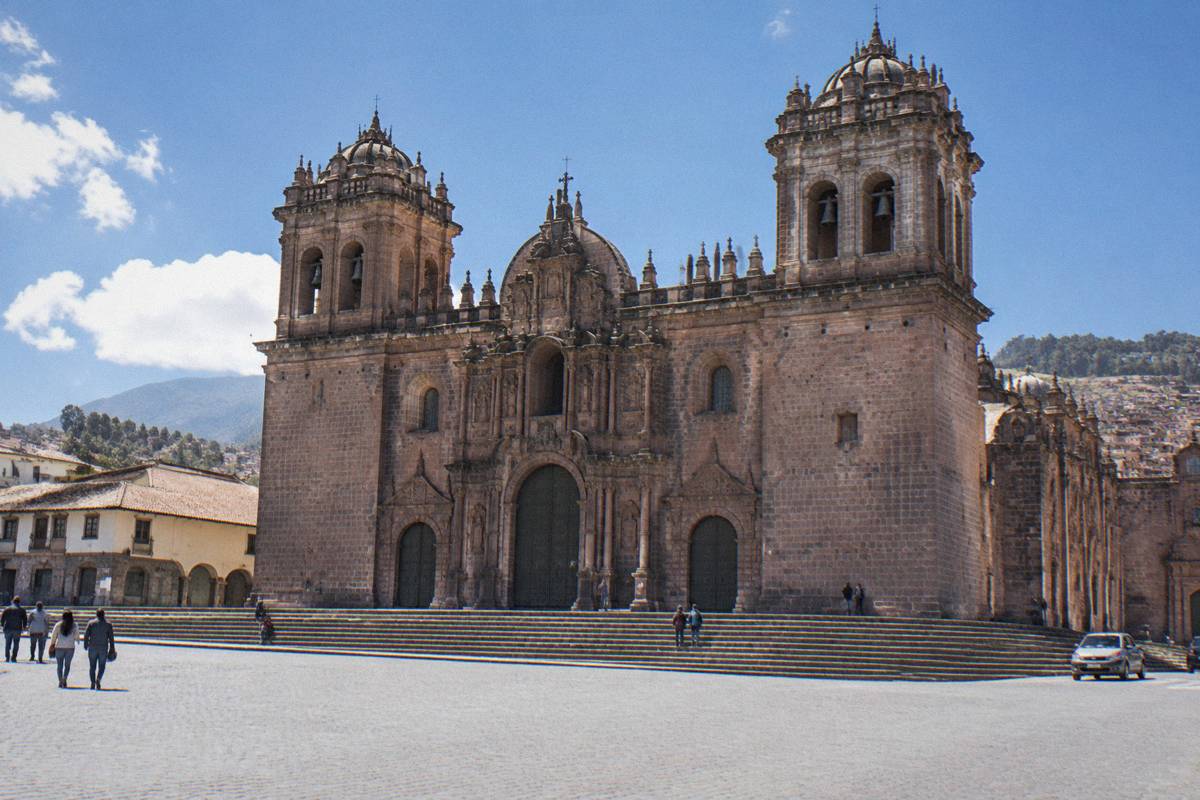
Is Cusco The Oldest City In The World?
Is Cusco the oldest city in the world? The honest answer, what UNESCO actually says about the city's age, and which old sites visitors can still see in and around Cusco, Peru.
Cusco, also spelled Cuzco, is the historic city in the Andes of southern Peru whose Plaza de Armas sits at 3,335 m, and it is regularly described online as the oldest city in the world. The claim travels well because the city looks ancient: Inca stone walls run beneath colonial churches, and UNESCO inscribed the City of Cusco on the World Heritage List in 1983. But the claim itself, that Cusco is the oldest city in the world, is not supported by any source, and this page sets out what can honestly be said instead, what UNESCO actually documents, and which old places a visitor can still walk to today.
Is Cusco The Oldest City In The World?
No source supports the claim that Cusco is the oldest city in the world. UNESCO's inscription for the City of Cusco, dated 1983, describes a pre-Inca occupation process of over 3,000 years and calls the city the sum of 3,000 years of indigenous and autonomous cultural development, which is a deep history, but UNESCO does not rank Cusco against any other city, and no other body in the record does either.
That distinction matters. "Over 3,000 years of occupation" is a statement about the valley and the people who lived in it, drawn from UNESCO's own documentation for World Heritage site 273. "Oldest city in the world" is a superlative ranking, and a ranking needs a comparison, a definition of "city" and a founding date for every contender. None of those exists here. The honest wording is that Cusco has an exceptionally long documented occupation, and that the claim of a world ranking is not supported.
Writers on this destination have a habit of turning the UNESCO sentence into the superlative, and the two are not the same thing. The same applies to the phrase "oldest continuously inhabited city in the Americas": UNESCO does not say that either, and no source in the record does. For more on what the city is genuinely known for, from the Inca stonework to its role as the gateway to Machu Picchu, see What Cusco Is Known For.
What follows is everything this article can offer: the dated facts, the sites you can walk to, and how to spend time in a city whose age you can see with your own eyes even if you cannot put a founding year on it.
What UNESCO Actually Says About Cusco
UNESCO inscribed the City of Cusco on the World Heritage List in 1983, describing a pre-Inca occupation process of over 3,000 years and a city that represents the sum of 3,000 years of indigenous and autonomous cultural development. The same year, 1983, saw the Historic Sanctuary of Machu Picchu inscribed as well, with that inscription dated 9 December 1983. Those two dates are the only historical dates this destination holds.
The 1983 inscription is the anchor. It is a dated, sourced fact: the City of Cusco is a World Heritage site, inscribed in 1983, and Machu Picchu's Historic Sanctuary followed on 9 December of the same year. Everything else about the city's past on this page stays qualitative, because the record holds no founding year, no construction century, no ruler and no builder for any monument in the city.
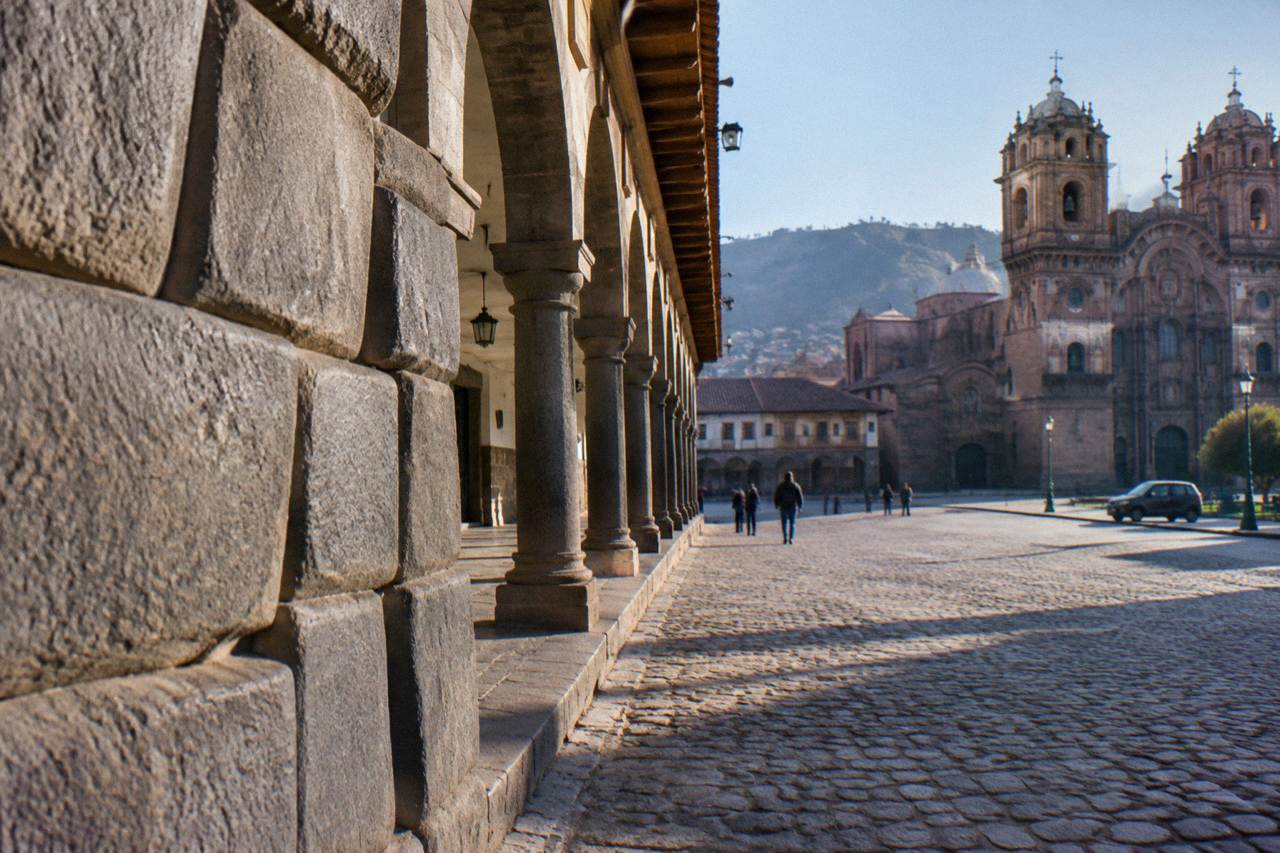
What can be said in general terms is widely documented and carries no number or name: Cusco was the Inca capital, and colonial churches stand on Inca stone foundations. That layered visibility is why the age question comes up constantly. A visitor standing on Hatunrumiyoc street sees a large, finely fitted polygonal stone in an Inca wall near the Plaza de Armas and San Blas, the famous twelve-angled stone, and the wall does the arguing: this is a building tradition of extraordinary precision. The record does not date the stone, weigh it or name who fitted it, and neither will this page.
The table below collects every dated, sourced fact about the city. It is a short table on purpose.
| Sourced fact | Value | What it does and does not say |
|---|---|---|
| UNESCO inscription, City of Cusco | 1983 | A World Heritage listing, not a founding date |
| UNESCO inscription, Machu Picchu Historic Sanctuary | 9 December 1983 | Same year, different site, still not a founding date |
| Pre-Inca occupation per UNESCO | Over 3,000 years | A duration of occupation, not a world ranking |
| Plaza de Armas elevation | 3,335 m | The height visitors sleep at, unrelated to age |
| Cusco city population | 428,450 (2017 census, INEI) | The last census figure in the record |
If the table looks thin next to the sweeping claims on the rest of the internet, that is the point. The record supports a very old, continuously occupied high-altitude city with World Heritage status. It does not support a title fight with Damascus, Jericho or anywhere else, and no other city is named here because no source in the record compares them.
The city's age is best experienced rather than argued, and several bookable products make that easy without a single invented date.
Which Old Places Can You Actually See Around Cusco?
The Boleto Turistico del Cusco covers 16 sites across three circuits, sold by COSITUC at S/ 130 for the 10-day integral ticket or S/ 70 per partial circuit for a foreign adult, and every one of them is an old place you can walk through: Saqsayhuaman, Q'enqo, Puka Pukara, Tambomachay, Qorikancha's site museum, Tipon, Pikillacta, Pisac, Ollantaytambo, Chinchero, Moray and more. COSITUC sells the ticket in person only, at the Av. El Sol 103 counter and at most included sites.
The boleto is the practical answer to the age question. Instead of ranking Cusco against the world, it hands you a list of places whose stonework and setting you can judge yourself. Circuit I covers the four ruins above the city, including Sacsayhuaman at 3,701 m, whose esplanade recorded 944,008 visits in 2025 in the MINCETUR open dataset. Circuit II covers the city's museums and Qorikancha's site museum. Circuit III covers the Sacred Valley: Pisac at 2,972 m, Ollantaytambo at 2,792 m, Chinchero and Moray at 3,385 m. The wider set of guides lives on Things To Do In Cusco Peru.
Want to see the four ruins above the city with a guide? Book a half-day city tour here.
| Boleto circuit | Example sites | Elevation where the record holds one |
|---|---|---|
| Circuit I, Saqsayhuaman | Saqsayhuaman, Q'enqo, Puka Pukara, Tambomachay | Saqsayhuaman 3,701 m |
| Circuit II, City | Museo de Sitio Qorikancha, Museo Historico Regional, Tipon, Pikillacta | City sites around 3,335 m at the Plaza |
| Circuit III, Sacred Valley | Pisac, Ollantaytambo, Chinchero, Moray | Pisac 2,972 m, Ollantaytambo 2,792 m, Moray 3,385 m |
What the record does hold is scale: the MINCETUR dataset counted 1,479,506 visitors to the Inca city of Machu Picchu in 2025, and the Cusco department's recorded site visits that year summed to 10,704,938 across 29 listed sites. People vote with their feet for old stone in this region, whatever the ranking.
One honest mention of a sibling topic: getting to Machu Picchu from Cusco involves the train, and tickets and rail logistics belong to other pages, including How Many Days In Cusco for pacing the whole stay.
For the evenings, the age question has a quieter companion: the sky.
Does The Night Sky Over Cusco Count As Old?
In a sense it is the oldest thing any visitor to Cusco can see, and Planetarium Cusco makes a whole evening of it, with admission from S/ 90 for adults including round-trip transport, group sessions starting in the early evening, and private shows available per the operator's own site. The Andean night sky over a city with over 3,000 years of documented occupation is the one ancient exhibit that needs no founding date, no builder and no inscription to be exactly what it appears to be.
The planetarium is this page's featured product for a reason that fits the theme: it is the one experience in the city where "how old is this" has a clean, physical answer rather than a contested one. The light reaching the high Andes on any clear night has been travelling for years beyond counting, and the operators explain the southern sky, the constellations the region's cultures watched, and the astronomy of the hemisphere, where the seasons are inverted relative to Europe and North America and June to August is winter: dry, clear and cold at night.
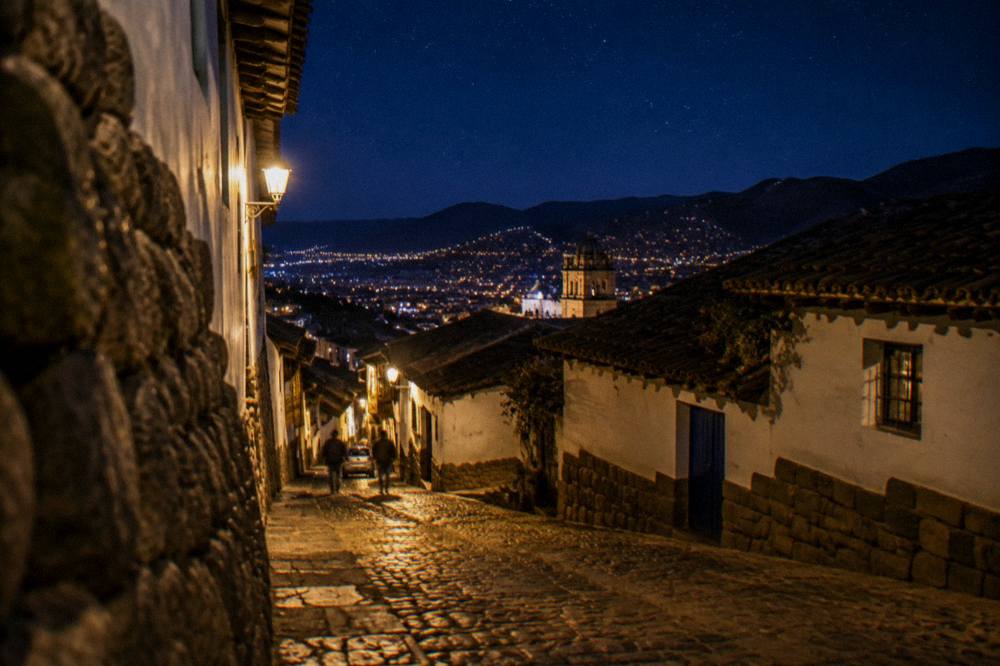
The practical details come from the operator's own site: daily sessions, shared group starts with round-trip transport included, adult admission from S/ 90, and private shows priced per group. Those figures belong to the operator, and the live listing carries the current price and availability: Check availability. The product page for the Planetarium Cusco admission ticket holds the full details.
So Is Old Cusco Worth Visiting Without A Title?
Yes, and the record is unusually clear about why: a 1983 UNESCO World Heritage inscription, over 3,000 years of documented occupation, 16 boleto sites across three circuits, Inca stonework you can stand a hand's width from, and a high-altitude setting at 3,335 m that shapes every day of a visit. A city does not need to be the oldest in the world for its old things to be worth the flight, and Cusco's are among the most visited in the Americas by any measure the dataset holds.
The distinction between "very old" and "oldest" is not pedantry, it is what lets the rest of the planning be honest. Because no founding year exists in the record, no itinerary can be built around one, and none needs to be. The days fill with Sacsayhuaman above the city, Qorikancha's site museum, the twelve-angled stone on Hatunrumiyoc, and the Sacred Valley towns lower down the mountain, each with its own elevation and its own crowd profile in the monthly figures.
The altitude deserves its own sentence here, because it is the one part of a Cusco visit that is not about history at all. The CDC names Cusco as a rapid-ascent destination at approximately 3,350 m and prefers graded ascent; the practical side of that, including how likely altitude sickness is and how to handle the first days, is covered in How Likely Is Altitude Sickness and How Long To Acclimate.
For travellers weighing the city against the valley, Stay In Cusco Or Sacred Valley works through the trade-offs, and Is Cusco Higher Than Machu Picchu settles the elevation question that keeps confusing first-time visitors: the citadel sits at 2,430 m, well below the Plaza de Armas. The spelling question, Cusco or Cuzco, has its own page at Cusco Or Cuzco.
If the age question has a closing thought, it is this: the parts of Cusco that feel oldest are the parts nobody can date, and the parts that can be dated, the 1983 inscriptions, are about recognition rather than origin. That is a good deal more than most cities can prove, and it is what the sources actually say.
Common Questions About Cusco's Age
Is Cusco the oldest city in the world?
No source supports the claim. UNESCO documents over 3,000 years of pre-Inca occupation and inscribed the City of Cusco in 1983, but it makes no ranking against other cities, and no other body in the record does either.
Is Cusco a UNESCO World Heritage Site?
Yes. The City of Cusco was inscribed on the World Heritage List in 1983, and the Historic Sanctuary of Machu Picchu was inscribed the same year, on 9 December 1983.
What is the oldest thing you can see in Cusco?
The Inca stonework is the most visible layer: walls beneath colonial churches, the finely fitted polygonal stone on Hatunrumiyoc street near the Plaza de Armas and San Blas, and the four ruins above the city on the Boleto Turistico's Circuit I. The record holds no construction dates for any of them, and the night sky above Planetarium Cusco is arguably the oldest exhibit of all.
Is Cusco older than Machu Picchu?
No founding date exists for either site, so no honest comparison exists. UNESCO's documentation for the city describes over 3,000 years of pre-Inca occupation; Machu Picchu's inscription as a Historic Sanctuary is dated 9 December 1983, which is a listing date, not an age.
Why do people say Cusco is the oldest city in the world?
Because a real fact, UNESCO's description of over 3,000 years of occupation, gets compressed into a superlative it never claimed. The occupation span is sourced; the world ranking is not, and no source in the record compares Cusco with any other city.
Does the age of Cusco change how you plan a visit?
Not in the ways you might expect. The Boleto Turistico's 16 sites across three circuits structure the sightseeing, the altitude at 3,335 m structures the first days, and the seasons are inverted relative to the northern hemisphere, with dry weather roughly May to September. Planning pages such as How Many Days In Cusco cover the rest.