Is It Better To Stay In Cusco Or Aguas Calientes?
A research-backed comparison of staying in Cusco at 3,335 m or sleeping low in Aguas Calientes at about 2,040 m before visiting Machu Picchu, with elevations, train times and ticket rules.
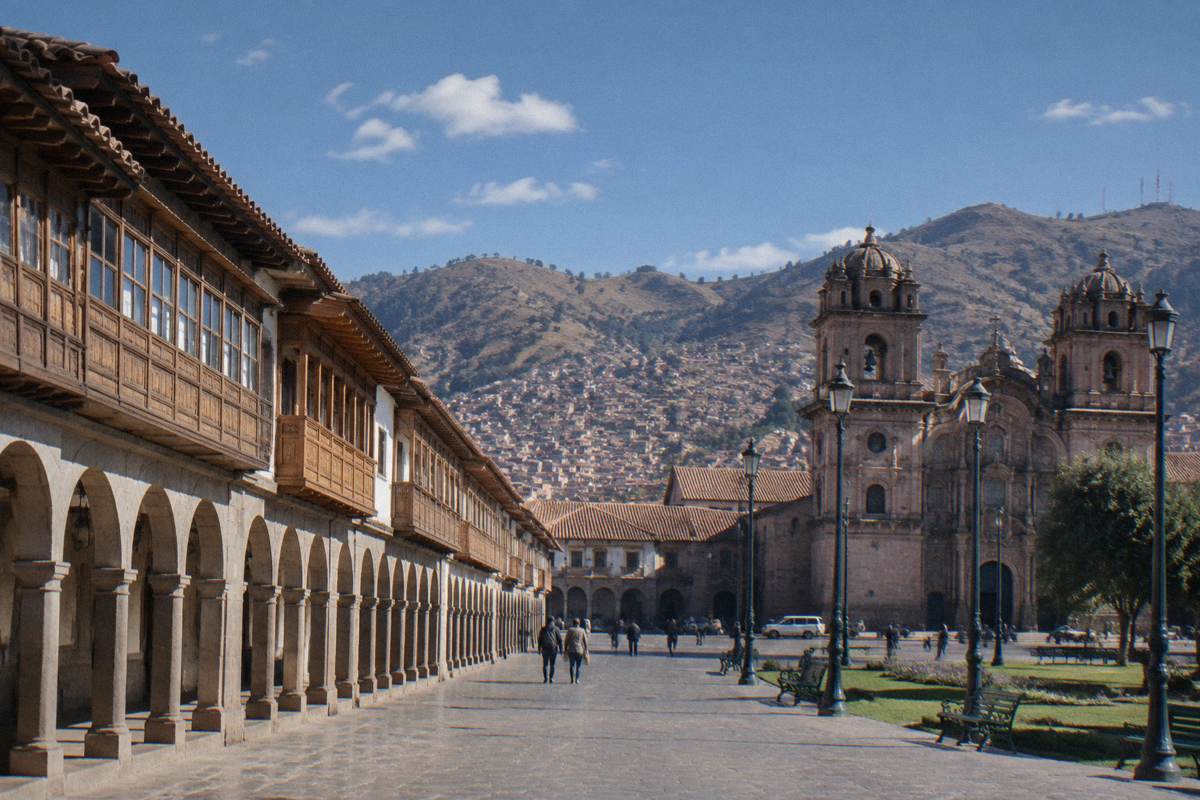
Cusco, the historic city in the Andes of southern Peru at 3,335 m, and Aguas Calientes, the town at the foot of Machu Picchu at about 2,040 m, sit at opposite ends of the same journey. One is a UNESCO-inscribed regional capital of 428,450 people (2017 census, INEI) with museums, markets and Inca walls; the other is a car-free rail town that exists almost entirely to serve visitors to the citadel. The question of where to sleep is really a question about altitude, train schedules and how much of the region you want to see, and the official numbers make the trade-offs unusually clear.
Is It Better To Stay In Cusco Or Aguas Calientes?
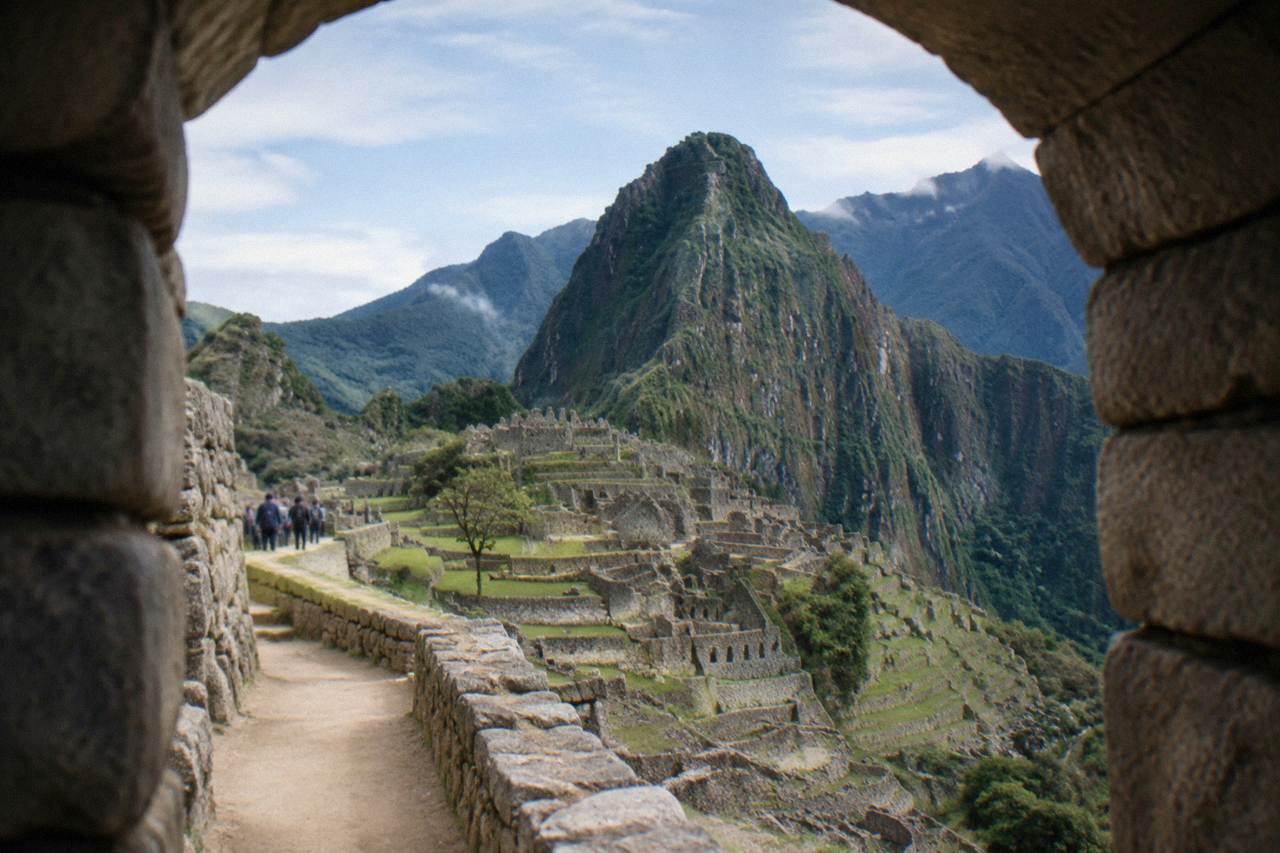
For most itineraries, staying in Cusco is the better base, because Cusco holds the region's restaurants, tours, the Boleto Turistico sites and the airport, while Aguas Calientes is a rail town you reach only by train and whose only real purpose is Machu Picchu. Aguas Calientes wins in one situation: when you want an early citadel entry without a pre-dawn train, or when the CDC's sleep-low logic matters after rapid ascent to 3,335 m.
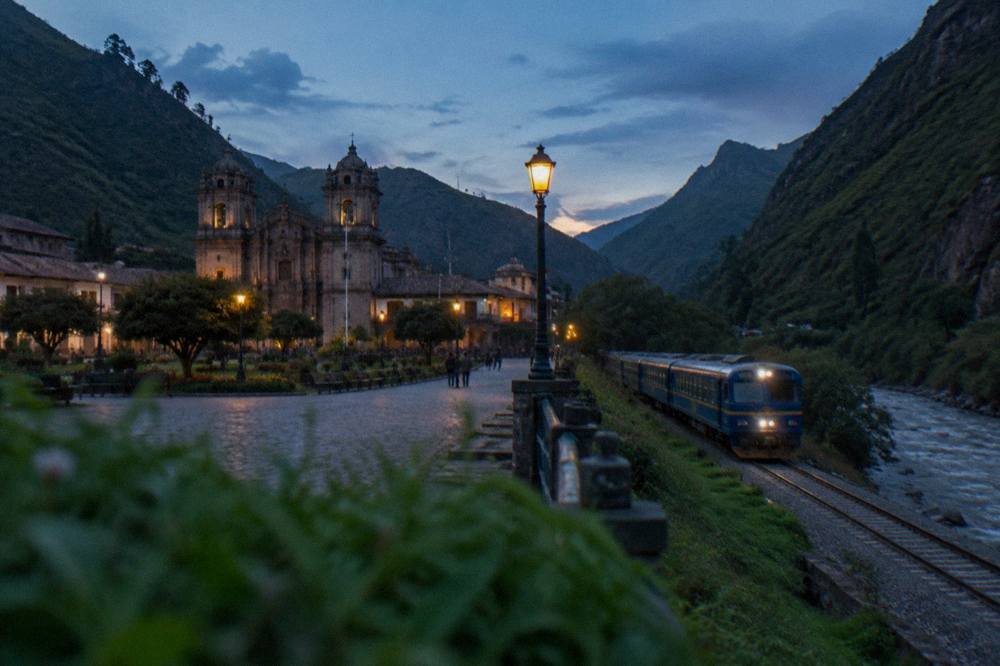
That is the short version. The long version depends on what the rest of the trip looks like. PeruRail's own FAQ gives the travel times that drive the decision: San Pedro station in Cusco to Machu Picchu takes about 4 h 30, Poroy about 3 h 30, and Ollantaytambo about 1 h 45. A day trip from Cusco means an early start and a long return; a night in Aguas Calientes turns the visit into a short walk and a bus ride.
The altitude argument cuts the other way. The CDC Yellow Book advises against sleeping above 2,750 m on the first day after arrival from low altitude, and names Cusco, at approximately 3,350 m, as a rapid-ascent destination. Aguas Calientes, at about 2,040 m per the standard references, is the lowest sleeping option anywhere near Machu Picchu. Neither choice is wrong; they optimise for different things, and the sections below lay out the figures for each.
How High Is Each Place, And Why The Altitude Decides So Much
Cusco's Plaza de Armas sits at 3,335 m, the airport at 3,310 m, and Aguas Calientes at about 2,040 m, so sleeping in Aguas Calientes puts you roughly 900 m lower than sleeping in Cusco, and the CDC's graded-ascent guidance treats that difference as meaningful for travellers who flew in from sea level. The citadel itself, at 2,430 m, sits between the two.
The CDC Yellow Book's rule, citing the Wilderness Medical Society, is to avoid going from low altitude to a sleeping altitude of 2,750 m or more in a single day, and once above 3,000 m, to move sleeping altitude by no more than 500 m per night. Nobody arriving by plane into Cusco can follow that rule exactly, which is why the CDC also notes that in cases like Cusco, travellers can descend to lower elevations to sleep for the first night or two and then begin their ascent. Aguas Calientes, the Sacred Valley towns and Machu Picchu itself are all lower than Cusco; the CDC does not frame any of this as a medical instruction for a specific traveller, and acetazolamide remains a prescription decision to take with a doctor.
| Place | Elevation | Role On This Route |
|---|---|---|
| Cusco (Plaza de Armas) | 3,335 m | Regional capital, airport, main hotel base |
| Cusco airport | 3,310 m | Where almost every visitor arrives |
| Ollantaytambo | 2,792 m | Sacred Valley town and rail hub |
| Machu Picchu citadel | 2,430 m | The site itself, entry by timed ticket |
| Aguas Calientes (Machu Picchu Pueblo) | about 2,040 m | Rail town below the citadel, lowest sleeping option |
This is the one number-driven fact that genuinely favours Aguas Calientes for a subset of travellers: someone who lands in Cusco and feels the altitude can descend to sleep, which is exactly the pattern the CDC describes. The trade is that Aguas Calientes offers little else, while Cusco holds the region's food scene, its museums and the sixteen sites on the Boleto Turistico. The question of how likely altitude sickness is has its own page, as does how long to acclimatise.
For a fuller treatment of the city itself, the Cusco Historic Centre guide covers what the inscribed core actually contains.
What Do You Actually Gain By Sleeping In Aguas Calientes?
Sleeping in Aguas Calientes buys time and flexibility at Machu Picchu: you can take a train up the afternoon before, enter the citadel on an early slot without a pre-dawn departure, and use the in-person ticket option, since the culture office in Machu Picchu Pueblo sells 1,000 tickets a day that are valid for entry the next day. What you give up is almost everything else, because the town has no road access and no attractions beyond the visit itself.
The in-person ticket window is the detail many visitors miss. The Ministry of Culture's ticket guidance states that 1,000 tickets per day are sold at the DDC-Cusco office in Machu Picchu Pueblo, valid for entry the NEXT day, with a live availability count on the official platform. A traveller already sleeping in town can use that channel in a way a day-tripper from Cusco practically cannot. The official platform remains the primary route, and the live price shows there. The wider set of guides lives on Things To Do In Cusco Peru.
Timed entry sharpens the argument. Entry is by hourly slot, reported at 06:00 to 15:00, the citadel closes at 17:30, and standard routes allow a maximum stay of about 2 h 30, a secondary-source figure since the official table is published as an image. Early slots are the ones that fit a same-day return to Cusco with the least pressure, and the traveller who slept in Aguas Calientes reaches them without a 04:00 alarm.
There is also a practical ceiling on what the town offers once the visit is done. Aguas Calientes is small, reached only by rail or on foot, and its hotels, restaurants and hot springs exist for the visitor economy. Cusco, by contrast, is a working city with a cathedral, the Qorikancha museum and the San Pedro market, and the question of what Cusco is known for is answered at length on its own page. A full comparison of the city against the Sacred Valley, rather than against Aguas Calientes, sits at Cusco or the Sacred Valley.
When Is Staying In Cusco The Better Choice?
Cusco is the better base whenever the trip is longer than the Machu Picchu visit itself, because the city is the transport and tour hub for the Sacred Valley, Rainbow Mountain, Humantay Lake and the Boleto Turistico sites, and the train timings from Cusco still make a one-day citadel visit workable. It is also the better choice for anyone whose body has already adjusted to 3,335 m and wants the restaurants and services of a real city.
The train arithmetic is the part worth writing down. PeruRail's FAQ gives San Pedro to Machu Picchu at about 4 h 30 and Poroy at about 3 h 30, against about 1 h 45 from Ollantaytambo. That is why many Cusco-based itineraries split the difference: a night in Ollantaytambo or elsewhere in the valley shortens the rail leg. The Sacred Valley towns are all lower than Cusco too: Ollantaytambo at 2,792 m, Urubamba at 2,870 m, Pisac at 2,972 m, which is why the CDC's graded-ascent logic is often applied by sleeping a night in the valley between arrival and the citadel. The where to stay in the Sacred Valley page covers that option in detail.
| Rail leg | Journey time (PeruRail FAQ) |
|---|---|
| Cusco San Pedro to Machu Picchu | about 4 h 30 |
| Cusco Poroy to Machu Picchu | about 3 h 30 |
| Ollantaytambo to Machu Picchu | about 1 h 45 |
| Taxi, Cusco centre to San Pedro station | about 10 min |
| Taxi, Cusco centre to Poroy station | about 20 min |
Two caveats belong here. First, wet-season disruptions can take Cusco-area track out of service, and PeruRail runs a bimodal bus-plus-train combination via Ollantaytambo in those periods; its news page reported Cusco to Ollantaytambo rail travel resuming from 1 Sep 2026. Second, the train topic belongs mainly to a sibling site, so this page keeps it to the timings that shape the sleeping decision. Anyone weighing the valley against the city should also read stay in Cusco or Ollantaytambo.
The city also wins on the surrounding region. Day trips to Rainbow Mountain, Humantay Lake and the Q'eswachaka bridge all start from Cusco, and the one day in Cusco and how many days in Cusco pages show how quickly a Cusco base fills up. Aguas Calientes offers none of that.
What About The Ticket Rules, Whatever You Decide?
The rules apply identically from either base: tickets are nominal, valid only for the stated date, hour, circuit and holder, with no changes beyond a single passport-number typo correction, and a guide is recommended rather than mandatory under Article 17.1 of RM 000334-2026-MC. Foreign adult entry runs from about S/ 163 (about US$48) on standard routes to S/ 211 (about US$62) on mountain routes, secondary figures that include the S/ 11 SERNANP fee since 1 May 2026.
The circuit structure matters for the choice of base. Since 1 June 2024 the site has run three circuits and ten routes: Circuit 1 Panoramic, Circuit 2 Classic, Circuit 3 Royal, with the mountain routes on 1-A and 3-A priced at the higher tier. Daily capacity in 2026 is 5,600 on the flagged high-season dates (1 Jan, 2 to 5 Apr, 19 Jun to 2 Nov, 30 to 31 Dec) and 4,500 on every other day. A new sales system began a 30-day trial on 22 Sep 2026, dropping the three-hour prior reservation and giving buyers 15 minutes to pay before the slot is released; treat that as how the platform is working now and check it before booking, not as a permanent rule.
Daily capacity is the quiet argument for sleeping in Aguas Calientes in peak weeks: with thousands of entries spread across hourly slots, an early slot from a town base is easier to use than the same slot reached from a Cusco hotel. But the same capacity means Cusco-based day trips remain entirely normal, and the site's own Machu Picchu day trip page covers the visit itself. For a full entry-plus-guide option, Check availability on the operator's live listing, or read the official entry and guided tour page on this site.
- Inkaterra Machu Picchu Pueblo HotelhotelCheck rates
- Inti Pacha Palace MachupicchuhotelCheck rates
- Hotel Pucara MachupicchuhotelCheck rates
Common Questions About Staying In Cusco Or Aguas Calientes
Is it better to stay in Cusco or Aguas Calientes?
For most trips, Cusco: it is the regional hub with the airport, the restaurants and the day-trip departures, and the train timings still allow a one-day Machu Picchu visit. Aguas Calientes is better when an early citadel entry without a pre-dawn train matters, or when sleeping low after rapid ascent to 3,335 m matters, since the town sits at about 2,040 m.
Is Aguas Calientes lower than Cusco?
Yes, by roughly 900 m. Cusco's Plaza de Armas is at 3,335 m and Aguas Calientes at about 2,040 m, with the Machu Picchu citadel between them at 2,430 m. The CDC names Cusco as a rapid-ascent destination and describes descending to lower elevations to sleep as an option in such cases.
Can you do Machu Picchu as a day trip from Cusco?
Yes. PeruRail's FAQ gives about 4 h 30 from San Pedro station and about 3 h 30 from Poroy, against about 1 h 45 from Ollantaytambo, so day trips run daily on those timings. Entry is by hourly slot and the standard routes allow a maximum stay of about 2 h 30, so the schedule is fixed by the ticket, not the hotel.
Is one night in Aguas Calientes enough?
For the Machu Picchu visit, one night is the common pattern: a train up the afternoon before, an early slot the next morning, and a return train that afternoon. The town's other offerings are limited, and there is no road access, so extra nights are only worth it for a second citadel entry or a rest day at low elevation.
Does staying in Aguas Calientes help with altitude sickness?
It can, in the specific pattern the CDC Yellow Book describes for rapid-ascent destinations like Cusco: descending to a lower elevation to sleep for the first night or two, then ascending. Aguas Calientes is the lowest sleeping option near Machu Picchu. Whether medication is needed is a prescription decision for a doctor, not a travel-website call.
Is Aguas Calientes the same place as Machu Picchu?
No. Aguas Calientes, also called Machu Picchu Pueblo, is the town at about 2,040 m at the foot of the mountain; the citadel is at 2,430 m above it, reached by bus and then on foot. The town exists for the visit; the site is the reason both are there.
The decision, in the end, is arithmetic plus one honest preference. If the trip is Cusco-centred and the citadel is a day inside it, sleep in Cusco and take the early train. If the citadel is the point of the trip, or the body is asking to sleep low after a rapid ascent to 3,335 m, a night in Aguas Calientes at about 2,040 m is the option the elevations were made for. Both bases put you at the same gate, on the same timed ticket, under the same three-circuit rules; the difference is only where you wake up.
If Cusco stays your base for the citadel, book a Machu Picchu panoramic train tour here.