Is It Cusco Or Cuzco?
Both spellings refer to the same city: Cusco, the historic Inca capital in the Andes of southern Peru at 3,335 m. Here is where each spelling appears and which one to use.
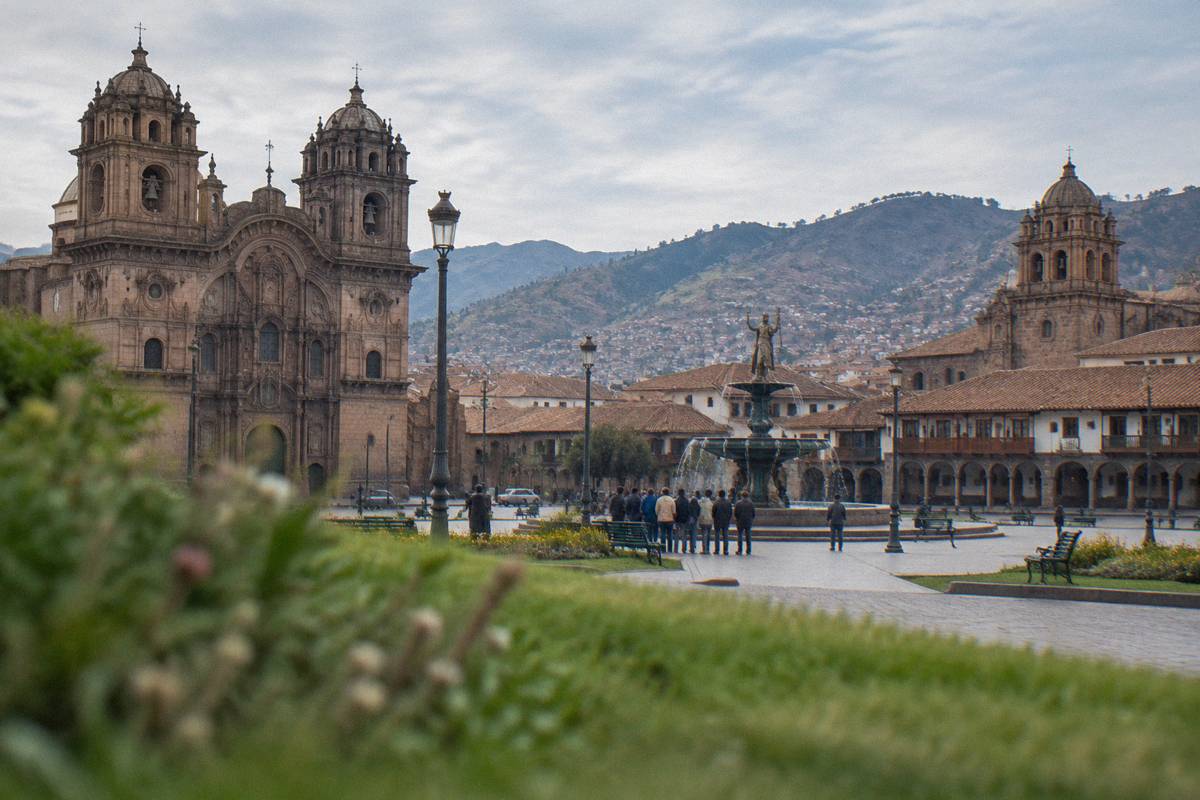
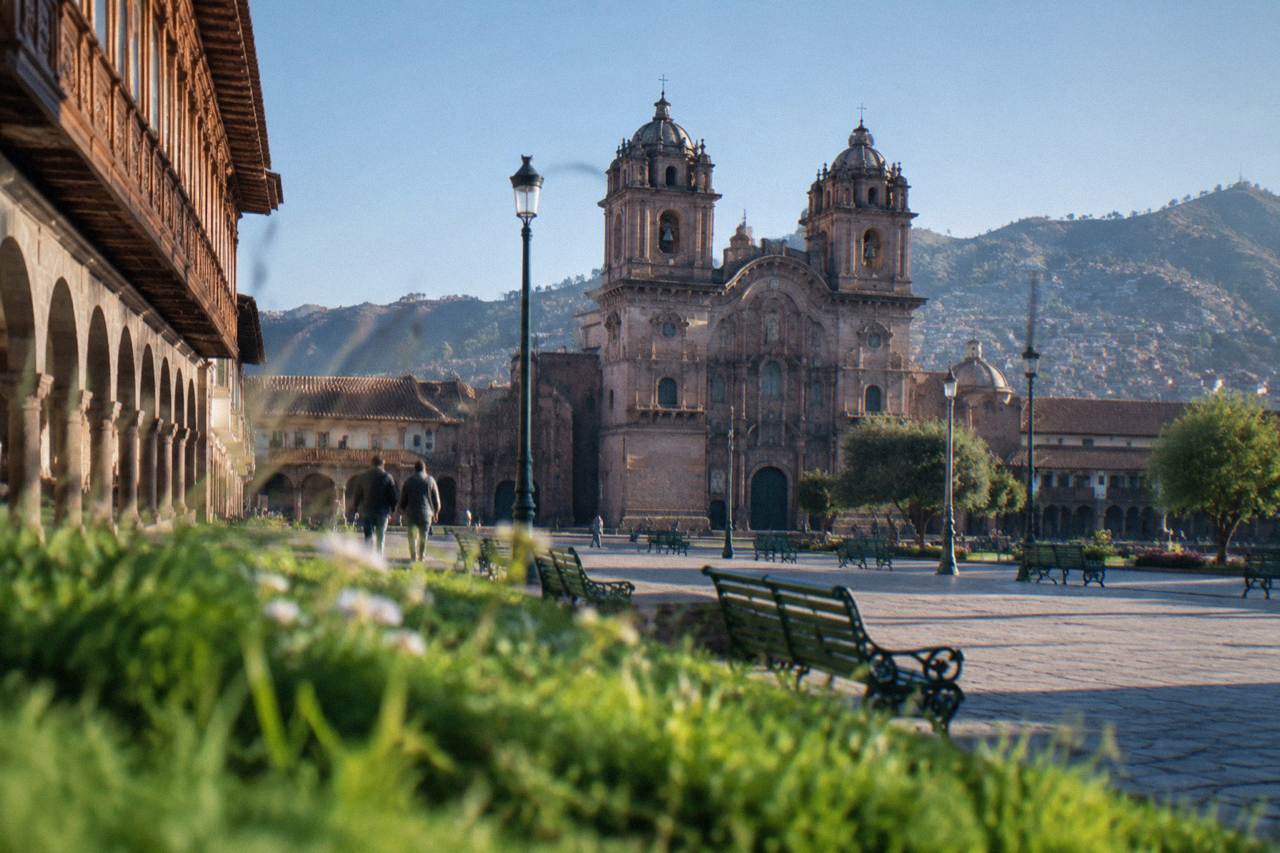
Cusco, the historic city in the Andes of southern Peru, also spelled Cuzco, sits at 3,335 m at its Plaza de Armas and served as the capital of the Inca empire before becoming the Spanish colonial city whose churches still stand on Inca stone foundations. The city gives its name to the surrounding Cusco region, and its historic centre was inscribed on the UNESCO World Heritage list in 1983. Both spellings, Cusco and Cuzco, refer to this one place, and travellers meet both before they even land: the booking confirmation says one thing, the weather app says another.
Is It Cusco Or Cuzco?
Both spellings name the same city, and neither is wrong: Cusco is the spelling used by Peru's official tourism promotion body, by UNESCO's World Heritage listing for the City of Cusco, and by this site, while Cuzco is the older or alternative spelling that survives in older maps and books and in some international records, including the World Meteorological Organization's weather station entry for the city.
The difference is purely orthographic. The same airport, the same Plaza de Armas, the same S/ 130 Boleto Turistico and the same Inca walls sit behind either spelling. What changes is who is doing the writing: Peruvian official sources have largely standardised on Cusco, while Cuzco persists in English-language publishing traditions and in legacy datasets that were never renamed. A traveller who searches one spelling and then the other will find the same hotels, the same tours and the same weather forecast, because the underlying place never changed.
That said, the two spellings do not appear at random, and knowing which institutions use which helps when reading older guides or checking official pages. The next section sets out, source by source, where each spelling actually appears.
Which Spelling Do Official Sources Use?
Peru's official tourism body, UNESCO and the regional ticketing body COSITUC all write Cusco, while the World Meteorological Organization's station record for the city is filed under Cuzco, a record supplied by Peru's own weather service and dated 2001-08-24, so both spellings appear on official pages depending on which agency and which era produced the document.
The pattern is consistent enough to state plainly. Modern Peruvian government and promotion pages use Cusco. The peru.travel pages describing the historic centre, the COSITUC tarifario selling the Boleto Turistico at its Av. El Sol 103 counter, and the Ministry of Culture's Machu Picchu ticket platform all use the modern spelling. International datasets compiled earlier, or compiled from older records, often keep Cuzco. The WMO World Weather Information Service entry for the city, station ID 110, supplied by SENAMHI, is the clearest example: the climate normals quoted on this site come from that "Cuzco" record.
| Source | Spelling used | What it covers |
|---|---|---|
| UNESCO World Heritage list | Cusco | City of Cusco, inscribed 1983 |
| peru.travel (PromPeru) | Cusco | Historic centre pages, Plaza de Armas elevation 3,335 m |
| COSITUC tarifario | Cusco | Boleto Turistico, S/ 130 integral, 16 sites |
| WMO World Weather Information Service | Cuzco | Station 110, record dated 2001-08-24, annual rain 707.8 mm |
| This site | Cusco | All pages, matching the official Peruvian spelling |
The table is worth reading one row at a time, because it answers a question that catches people planning a trip: why does a weather app say Cuzco when every booking email says Cusco? The answer is that the weather record predates the standardisation and was never renamed. Nothing about the forecast changes. The same station supplies the historical normals used across this site: December to March carries 71.9 percent of the year's 707.8 mm of rain, while May to August together bring just 22.8 mm.
For practical planning, the spelling question leads quickly to bigger ones about how long to stay and what the city is actually known for. This site's longer explainers cover what Cusco is known for and how many days to spend in Cusco, both written around the modern spelling.
Does The Spelling Change Anything Practical For Visitors?
No: tickets, transport, maps and tours all work identically under either spelling, because Peruvian systems index the city once, so a traveller who types Cuzco into a search box and Cusco onto a boarding pass reaches the same place, and the only real risk is a mild confusion when cross-checking an old printed guide against a modern official page.
Nothing at the airport, at the Boleto Turistico counter or at a hotel desk depends on which spelling a visitor uses. The Alejandro Velasco Astete International Airport, about 6 km from the Plaza de Armas, serves every flight into the city regardless of how the destination is spelled on the itinerary. The Boleto Turistico is sold in person only, at the Av. El Sol 103 counter from 07:30 to 18:00 daily, at S/ 130 for the integral foreign adult ticket valid 10 days, and the seller will not ask about spelling. Machu Picchu entry, sold separately on the Ministry of Culture's platform, is likewise unaffected.
Where the spelling does matter, mildly, is in research. An older guidebook printed with Cuzco may quote prices or site names that have since changed, so the spelling is a useful signal of a document's age. Cross-checking against current official pages is the habit worth forming, and this site's page on what to avoid in Cusco covers the outdated claims that circulate most widely, from wrong Machu Picchu circuit counts to wrong boleto coverage.
The city rewards the first day or two being spent gently at altitude, and a market-based food experience is a common way to do it. A cooking class paired with a walk through San Pedro Market fits that pattern, and the cooking class and San Pedro Market tour runs as a small-group session; Check availability on the operator's live listing for current dates.
A market walk also happens to be one of the few activities where the spelling question disappears entirely, because San Pedro Market appears under its own Spanish name on every map and every list, old and new alike. The vendors, the produce and the menu del dia counters, reported at about S/ 8 to 15, are the same whether the guidebook that recommended them was printed with a Cusco or a Cuzco on its cover. That makes a food-focused first afternoon a low-stakes way to settle into the city while any remaining spelling confusion resolves itself.
Why Do Older Books And Weather Records Say Cuzco?
Cuzco is the older or alternative spelling, fixed in print before modern Peruvian usage standardised on Cusco, and long-lived datasets such as the WMO station record kept the name they were filed under, so a record dated 2001-08-24 still reads Cuzco even though the Peruvian agency supplying the data writes Cusco on its own current pages.
Renaming a station ID in an international database is the kind of housekeeping that rarely happens, and travellers benefit from that inertia: the historical climate normals under the Cuzco entry are stable and citable. The same is true of older English-language cartography and publishing, where Cuzco was the conventional form for generations. Neither spelling carries a different meaning, a different pronunciation in practice, or a different place. The Spanish and Quechua names of the city's sites, Qorikancha, Sacsayhuaman, Q'enqo, carry their own orthographic debates, and this site follows the modern Peruvian forms in body prose.
One caution applies to history more broadly. Claims about the city's age circulate widely, and the sourced record is narrower than the folklore: UNESCO describes over 3,000 years of pre-Inca occupation, and the city's World Heritage inscription dates to 1983. This site's answer page on whether Cusco is the oldest city handles that question directly, and it does not claim a title the sources do not support.
Cusco Or Cuzco When Booking: What Actually Matters
When booking, the things that matter are unrelated to spelling: the city's altitude of 3,335 m, the fact that the dry season runs roughly May to September and the wet season November to March, and the need to buy the Boleto Turistico in person, so a traveller's checklist should focus on timing and altitude rather than on which letters a search box expects.
Altitude is the first of those. The CDC's Yellow Book names Cusco, at approximately 3,350 m by its measure, as a rapid-ascent destination and prefers graded ascent where it is feasible. The Plaza de Armas figure of 3,335 m sits within the same band. The CDC also advises avoiding alcohol for the first 48 hours at high altitude and treats acetazolamide as a prescription decision to make with a doctor. This site's pages on how likely altitude sickness is and how long to acclimatise go into the sourced detail.
Timing is the second. The climate normals from the WMO/SENAMHI station show why the dry season is the standard recommendation:
| Month | Mean max C | Mean min C | Rain mm |
|---|---|---|---|
| January | 18.9 | 6.6 | 145.3 |
| April | 19.7 | 4.9 | 43.2 |
| July | 19.1 | 0.1 | 4.0 |
| October | 20.9 | 5.5 | 39.4 |
July's mean minimum of 0.1 C against a mean maximum of 19.1 C, a daily swing of about 19 C, is the number that surprises people: winter here, June to August, means dry, clear days and frost-cold nights, not snowbound ones. Mean daily maximums stay between 18.8 and 20.9 C all year. The site's month-by-month breakdown and its page on the best time to visit Cusco carry the full table.
The third booking-time matter is the boleto. The integral ticket covers 16 sites across three circuits over 10 days, the partial circuits cost S/ 70 each, and none of it is sold online. A visitor who arrives expecting to buy a digital pass, as at many European sites, needs to know the counter exists and opens at 07:30. The site's full Boleto Turistico guide lists every site by circuit.
For day trips out of the city, the same logic applies: the spelling of the destination is the least of the variables. Sacred Valley circuits, the Ausangate lake country and the high mountain hikes are covered by the picks below, all bookable under either spelling of the city they leave from.
Common Questions About Cusco Or Cuzco
Is it Cusco or Cuzco?
Both are correct spellings of the same city in the Andes of southern Peru. Cusco is the spelling used by Peru's official tourism body, UNESCO and this site; Cuzco is the older or alternative spelling that survives in older books and in some international records, such as the WMO weather station entry for the city.
Which spelling should I use when I search or book?
Either works, because Peruvian systems index the city once. Using Cusco matches current official pages and most modern booking confirmations, while Cuzco will still return the same hotels, flights and tours. The only practical difference is that older documents using Cuzco may also carry outdated prices or site rules, so cross-check anything important against a current official page.
Why does my weather app say Cuzco?
The World Meteorological Organization's World Weather Information Service files the city's climate record under Cuzco, station ID 110, a record supplied by Peru's own weather service SENAMHI and dated 2001-08-24. The name was never updated in that database, so the forecast and the climate normals attached to it are the same city's.
Do Cusco and Cuzco refer to different places?
No. They are one city, the former Inca capital in the Cusco region of southern Peru, with its Plaza de Armas at 3,335 m. The Machu Picchu citadel, at 2,430 m, is a separate destination lower down and outside the city.
Is Qosqo another accepted spelling?
This page sticks to the two spellings its sources verify: Cusco, the modern official form, and Cuzco, the older or alternative form. Other spellings circulate in discussions of the city's Quechua name, but this page makes no claim about their status.
Does the spelling affect tickets like the Boleto Turistico?
Not at all. The Boleto Turistico is sold in person at the COSITUC counter at Av. El Sol 103, daily 07:30 to 18:00, at S/ 130 for the foreign adult integral ticket valid 10 days, and at most included sites. The ticket and every site on it work identically whichever spelling a visitor used to find them.
The short version, under either spelling: it is one city, high, dry-seasoned and best booked with current official numbers rather than the older figures that often travel with the older spelling. More of the practical layer, from altitude to itinerary length, sits on Things To Do In Cusco Peru and its linked guides.