Is Cusco, Peru Worth Visiting?
A sourced answer to whether Cusco, Peru is worth visiting: what the city offers, what it costs, when to go, and who it suits, built from official figures and the COSITUC, CDC and MINCETUR records.
Cusco, the historic city in the Andes of southern Peru, sits at 3,335 m on the Plaza de Armas and carries a UNESCO World Heritage inscription for its historic centre, awarded in 1983. The question of whether it is worth visiting deserves better than a shrug or a superlative, so this page works from what official bodies actually record: the Ministry of Culture's ticket rules, the COSITUC tarifario for the city's sightseeing ticket, the CDC Yellow Book's altitude guidance, and the MINCETUR open dataset of visitor counts. The short version is that the numbers support a yes for most travellers who like history, walking and high mountain scenery, with two honest caveats: the altitude is real and the wet season is wet.
Is Cusco, Peru Worth Visiting?
Yes, for most travellers Cusco is worth visiting, and the record supports it: UNESCO inscribed the city in 1983, MINCETUR counted 1,479,506 visits to the Machu Picchu citadel and 944,008 to the Saqsaywaman esplanade in 2025, and the COSITUC ticket alone covers 16 sites. The honest caveats are the 3,335 m altitude and a wet season that concentrates 71.9 percent of the year's rain into December to March.
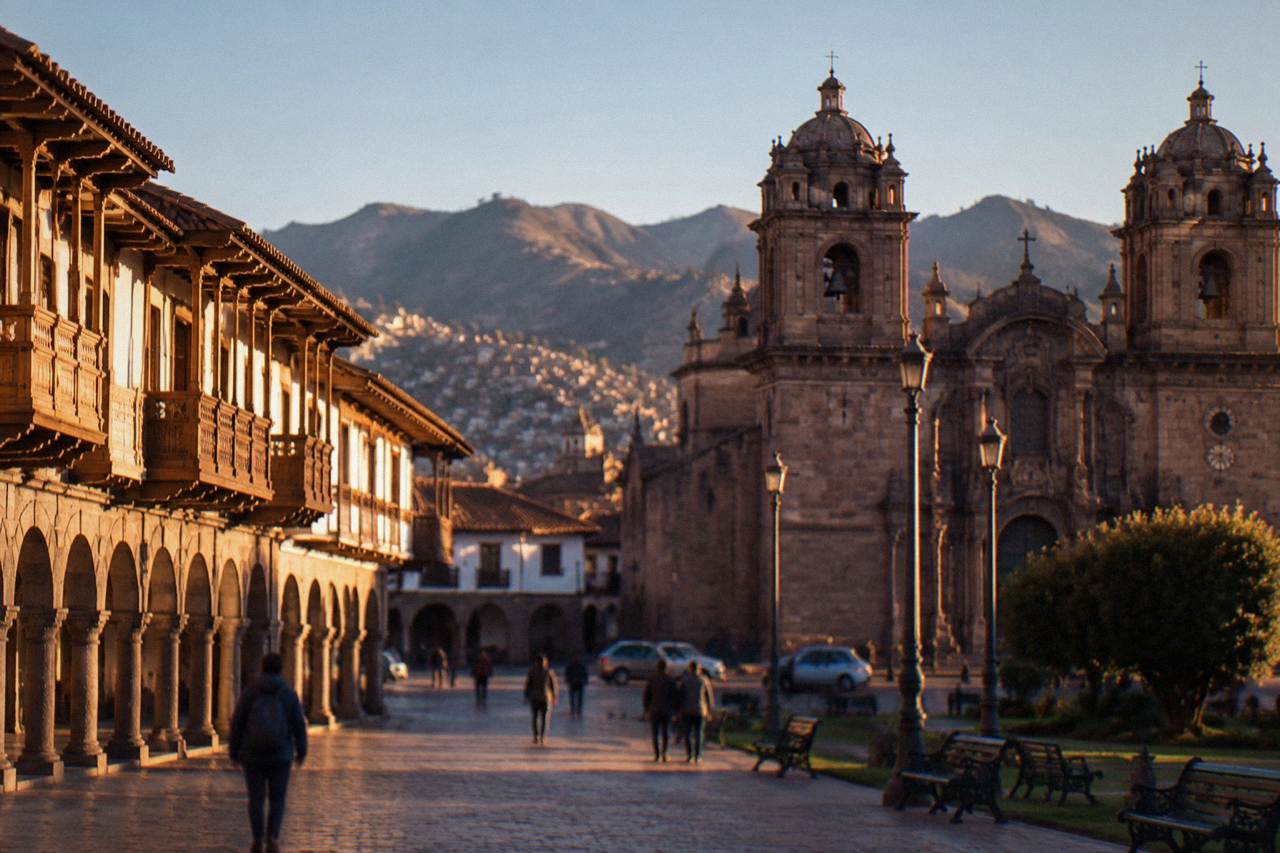
Those two anchors, the World Heritage inscription and the visitor counts, say more than any review average could. UNESCO's inscription recognises the layered city itself: colonial churches standing on Inca stone foundations, the capital of the Inca world remodelled by Spanish builders. The MINCETUR figures show the surrounding region recorded more than ten million site entries across its listed attractions in 2025, which is a measure of visits rather than unique people, but still a fair signal of how much there is to see within a day's reach of the Plaza de Armas.
Worth also depends on what a visitor is comparing it against, and here the pack is blunt: no sourced ranking, rating or survey compares Cusco with Lima or any other city. What can be said is what the destination offers and who it suits, which is the rest of this page. For a broader portrait of the city's identity, see what Cusco is known for.
What Does Cusco Offer Besides Machu Picchu?
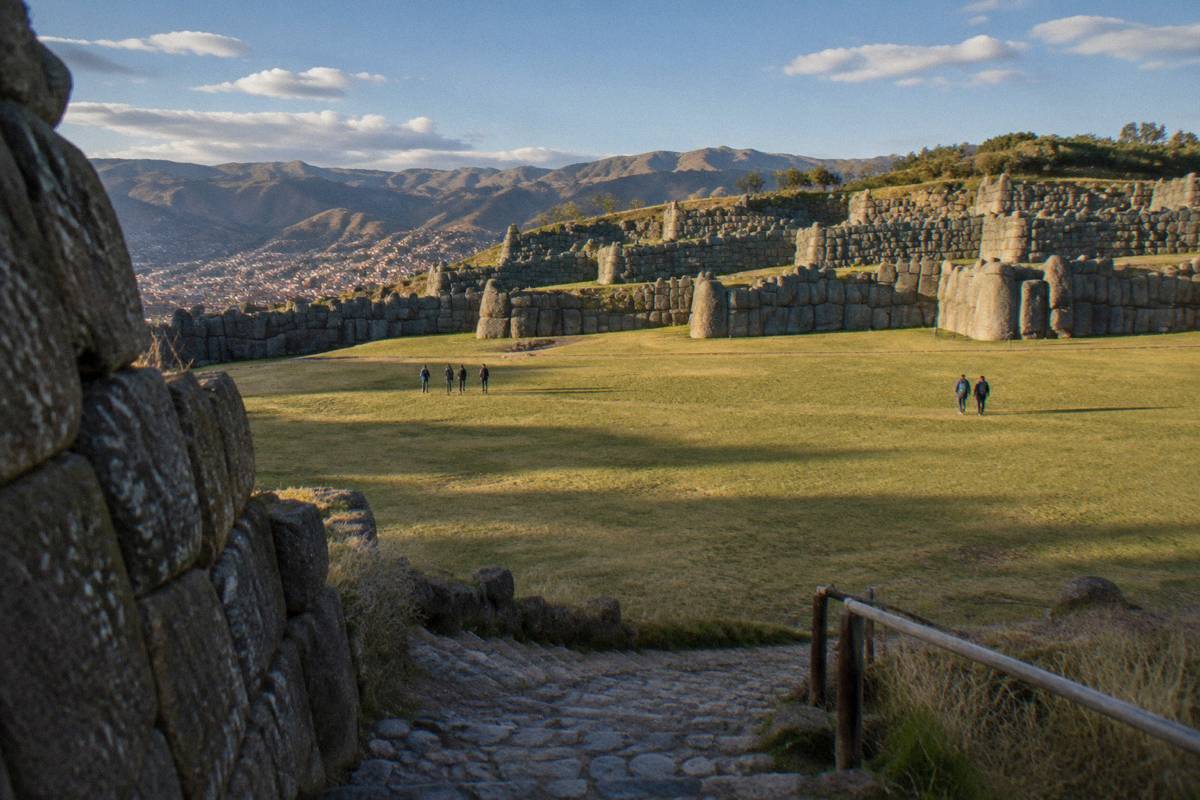
Cusco offers a dense historic centre, four Inca sites on its northern hills, a 16-site sightseeing ticket, and day trips across the Sacred Valley, to Rainbow Mountain, Humantay Lake and the Q'eswachaka bridge. Machu Picchu, 2,430 m at the citadel and roughly 900 m lower than the Plaza de Armas, is one day trip among several, not the whole reason to come.
To see the citadel without an overnight in Aguas Calientes, book a Machu Picchu day tour here.
The city's own inventory is larger than many visitors expect. The Boleto Turistico del Cusco, sold by COSITUC, covers 16 sites across three circuits: Saqsayhuaman, Q'enqo, Puka Pukara and Tambomachay on the hills above town; the Qorikancha site museum, regional and contemporary art museums and the Pikillacta and Tipon ruins in and around the city; and Pisac, Ollantaytambo, Chinchero and Moray out in the Sacred Valley. The integral ticket costs S/ 130, about US$38, for a foreign adult and is valid for 10 days; each partial circuit costs S/ 70, about US$20. COSITUC sells it in person only, at the counter on Av. El Sol 103, open daily, and at most included sites, a detail that catches out visitors who assume everything in Peru can be bought on a phone.
| Boleto option | Price (foreign adult) | Validity | What it covers |
|---|---|---|---|
| Integral ticket | S/ 130 (about US$38) | 10 days | All 16 sites |
| Partial Circuit I | S/ 70 (about US$20) | 1 day | Saqsayhuaman, Q'enqo, Puka Pukara, Tambomachay |
| Partial Circuit II | S/ 70 (about US$20) | 2 days | City museums, Qorikancha site museum, Tipon, Pikillacta |
| Partial Circuit III | S/ 70 (about US$20) | 2 days | Pisac, Ollantaytambo, Chinchero, Moray |
Beyond the ticket, the day-trip radius is wide: the Maras salt mines and the Moray terraces, Vinicunca (Rainbow Mountain) at about 5,000 m, Palccoyo at about 4,900 m, Humantay Lake at about 4,200 m, and the annually renewed Q'eswachaka grass bridge. The Sacred Valley question has its own page on whether the Sacred Valley is worth visiting, and Machu Picchu has exactly one page here, the Machu Picchu day trip guide.
For a first day in the city itself, a guided walk is a reasonable way to read the streets, and the free-walk scene is genuinely free: GuruWalk lists several tip-based Cusco walks, including the Yana walking tour of the historic centre run by Yana Tour Operator. The city's food side also rewards an introduction; a Cusco food walking tour with the central market is the featured option on this page, and there is an inline link to its live listing further down.
The three options above sit on a spectrum: a market-centred food walk in the city, a quieter South Valley day trip to Tipon, Pikillacta and Andahuaylillas, and the long scenic bus route toward Puno. Between them they show the range a Cusco base gives you without a single long trek.
How Many Days Does Cusco Actually Need?
Three days is a workable minimum for the city and one nearby valley or hillside circuit, with the COSITUC FAQ itself noting that covering all 16 boleto sites needs a minimum of three days. Add a fourth or fifth day for a full Sacred Valley loop or a mountain day trip, and a separate block for Machu Picchu, which is reached by train or on a trek.
The three-day floor is not a guess; it comes from COSITUC's own FAQ. A realistic shape is one acclimatisation day in the centre, one day for the four hillside ruins and the museums, and one day out in the Sacred Valley or on a mountain. The dedicated page on how many days to spend in Cusco breaks this down by itinerary length.
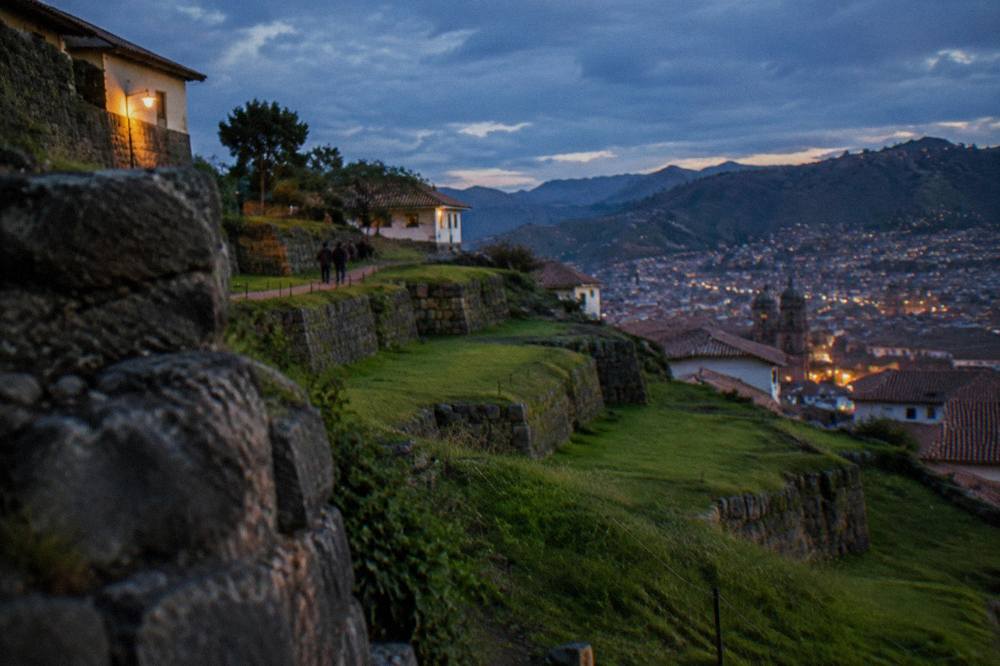
Two honest frictions shape any Cusco day. The first is altitude: the CDC Yellow Book names Cusco, at about 3,350 m by its measure, as a rapid-ascent destination and prefers graded ascent, advising travellers who must ascend abruptly to consider acetazolamide as a prescription decision with a doctor. The second is timing: entry slots and site hours mean a rushed plan leaks hours. Neither friction is a reason to skip the city, but both argue against a one-night stopover. The page on how likely altitude sickness is covers the first in detail.
Who Is Cusco Right For, And Who Should Skip It?
Cusco suits walkers, history readers, photographers and anyone using it as a base for the Sacred Valley and Machu Picchu. It suits families with school-age children less comfortably than a coastal city, and it does not suit a traveller who wants sea level, hot nights or a compact flat town, because the centre is hilly, nights are cold year round and the altitude is non-negotiable.
The city rewards curiosity on foot. Inca walls line the streets around the Plaza de Armas, the San Blas quarter climbs above the centre, and the walk up to Saqsayhuaman is a real option rather than a bus ride, covered on the page about walking from Cusco to Sacsayhuaman. Visitors who like markets, weaving and food find a week fills easily; the page on things to avoid in Cusco lists the traps that give the city its occasional bad review.
Who should think twice: anyone with a medical condition where altitude is a concern should talk to a doctor first, per the CDC's Peru notice, and anyone hoping for beach weather will not find it, since mean daily maximums stay between 18.8 and 20.9 C all year and June and July nights average just above freezing. That is the trade for the clearest skies of the year. More of these guides are collected on Things To Do In Cusco Peru.
What Does A Cusco Trip Cost, Day To Day?
The big fixed costs are the Boleto Turistico at S/ 130 (about US$38) for 10 days, and Machu Picchu entry at from about S/ 163 (about US$48) for a foreign adult on standard routes, sold on the Ministry of Culture platform or in person at Machu Picchu Pueblo. On the ground, reported ranges are about S/ 8 to 15 for a market menu del dia and about S/ 2 to 5 for a coca tea.
The boleto and the Machu Picchu ticket are the two numbers every visitor pays, and both are verified. The Machu Picchu figure is a secondary-source "from about" price including the S/ 11 SERNANP fee in force since 1 May 2026; the official platform shows the live price. Tickets there are nominal, valid only for the stated date, hour, circuit and holder, with no changes allowed beyond a single passport-number typo correction, so the date choice matters at purchase.
Everyday costs stay modest. The on-the-ground ranges the facts pack holds are: an airport taxi to the centre reported at about S/ 15 to 25, a menu del dia about S/ 8 to 15, coca tea about S/ 2 to 5, and a tourist SIM about S/ 5 to 15 plus a data pack at about S/ 20 to 40. The dedicated Cusco costs guide goes deeper.
When Is The Best Time To Visit Cusco?
The dry season, roughly May to September, is the best window: December to March carries 71.9 percent of the year's 707.8 mm of rain at the WMO and SENAMHI "Cuzco" station, while May to August together bring just 22.8 mm. The trade-off is cold nights, with mean minimums of 0.3 C in June and 0.1 C in July, frost season in the highlands.
The monthly picture is stark and worth seeing laid out. Rainfall collapses from 145.3 mm in January to single-digit millimetres from June to August, while daytime maximums barely move, staying between 18.8 and 20.9 C in every month of the historical normal. In other words, the dry season buys clear skies without buying heat, and the wet season buys green landscapes at the price of afternoon rain.
| Month | Mean max C | Mean min C | Rain mm |
|---|---|---|---|
| Jan | 18.9 | 6.6 | 145.3 |
| Feb | 18.8 | 6.5 | 133.7 |
| Mar | 19.1 | 6.2 | 107.0 |
| Apr | 19.7 | 4.9 | 43.2 |
| May | 19.8 | 2.5 | 8.7 |
| Jun | 19.5 | 0.3 | 1.5 |
| Jul | 19.1 | 0.1 | 4.0 |
| Aug | 19.8 | 1.6 | 8.6 |
| Sep | 19.8 | 3.9 | 21.8 |
| Oct | 20.9 | 5.5 | 39.4 |
| Nov | 20.7 | 6.1 | 71.9 |
| Dec | 19.4 | 6.4 | 122.7 |
Crowds follow the same calendar: the MINCETUR monthly figures show the wet-season months are the quiet ones. A shoulder month such as April, October or early November splits the difference, and the page on when not to visit Cusco names the weeks worth avoiding, including Inti Raymi on 24 June, when grandstand tickets at Sacsayhuaman are sold through official channels.
Is The Altitude A Reason To Stay Away?
No, but it is a reason to plan. The CDC Yellow Book names Cusco as a rapid-ascent destination, prefers graded ascent, and notes that travellers can sometimes descend to sleep lower for a night or two before climbing higher; acetazolamide is a prescription decision to make with a doctor. Nobody publishes a reliable day count for acclimatisation, so the first day should be gentle regardless.
The practical version of the CDC advice: fly in, sleep well, eat lightly, skip alcohol for the first 48 hours at altitude as the CDC advises, and keep the first day flat, which the historic centre mostly is not. The dedicated pages on how long to acclimatise and the acclimatisation day itinerary turn that into a plan. One structural fact helps: Machu Picchu sits lower than Cusco, so the standard sequence of acclimatising in the city before heading down to the citadel is physiologically the friendly direction, a point unpacked on whether Cusco is colder than Machu Picchu.
For a taste of the city on an easy first day, the featured food walk is worth a look: Check availability on the operator's live listing. More background is on the Cusco food walking tour page.
Common Questions About Whether Cusco Is Worth Visiting
Is Cusco, Peru worth visiting?
For most travellers, yes: UNESCO inscribed the city in 1983, the sightseeing ticket covers 16 sites, and the surrounding region recorded over ten million site visits in 2025. The caveats are the 3,335 m altitude and a wet season that carries most of the year's rain from December to March.
Is Cusco the same as Machu Picchu?
No. Cusco is the historic city at 3,335 m; the Machu Picchu citadel is a separate site at 2,430 m, roughly 900 m lower, reached by train or trek as a day trip or overnight from Cusco.
Can you see Machu Picchu on the Cusco Boleto Turistico?
No. Machu Picchu tickets are sold on the Ministry of Culture platform or in person at Machu Picchu Pueblo, from about S/ 163 for a foreign adult on standard routes. The Boleto Turistico covers 16 other sites in and around Cusco.
Is three days in Cusco enough?
Three days covers the city, the four hillside ruins and one valley or mountain day trip, and COSITUC itself says all 16 boleto sites need a minimum of three days. Add days for the Sacred Valley, Machu Picchu or both.
Is Cusco too cold to enjoy?
Days are not: mean maximums stay between 18.8 and 20.9 C all year. Nights are, in winter: June and July average minimums sit around freezing, with frost common in the highlands from April to September, so pack layers rather than a single season's wardrobe.
Is Cusco safe for tourists?
The US advisory for Peru is Level 2, exercise increased caution, and Cusco city, the Sacred Valley, the Inca Trail and Machu Picchu sit outside the Do Not Travel areas. The UK Foreign Office warns about street crime and advises against walking alone at night in quiet areas, standard city precautions in other words.
The verdict, stated plainly: Cusco earns its place on an itinerary through density, a sightseeing ticket that is cheap for what it covers, and a day-trip radius few cities anywhere can match. Plan for the altitude, pick your season with the rain table above, and give it more than a stopover.