Is Lima Or Cusco Nicer?
A sourced comparison of Lima and Cusco for travellers choosing between Peru's capital and its Inca capital: altitude, weather, food, day trips and who each city suits.
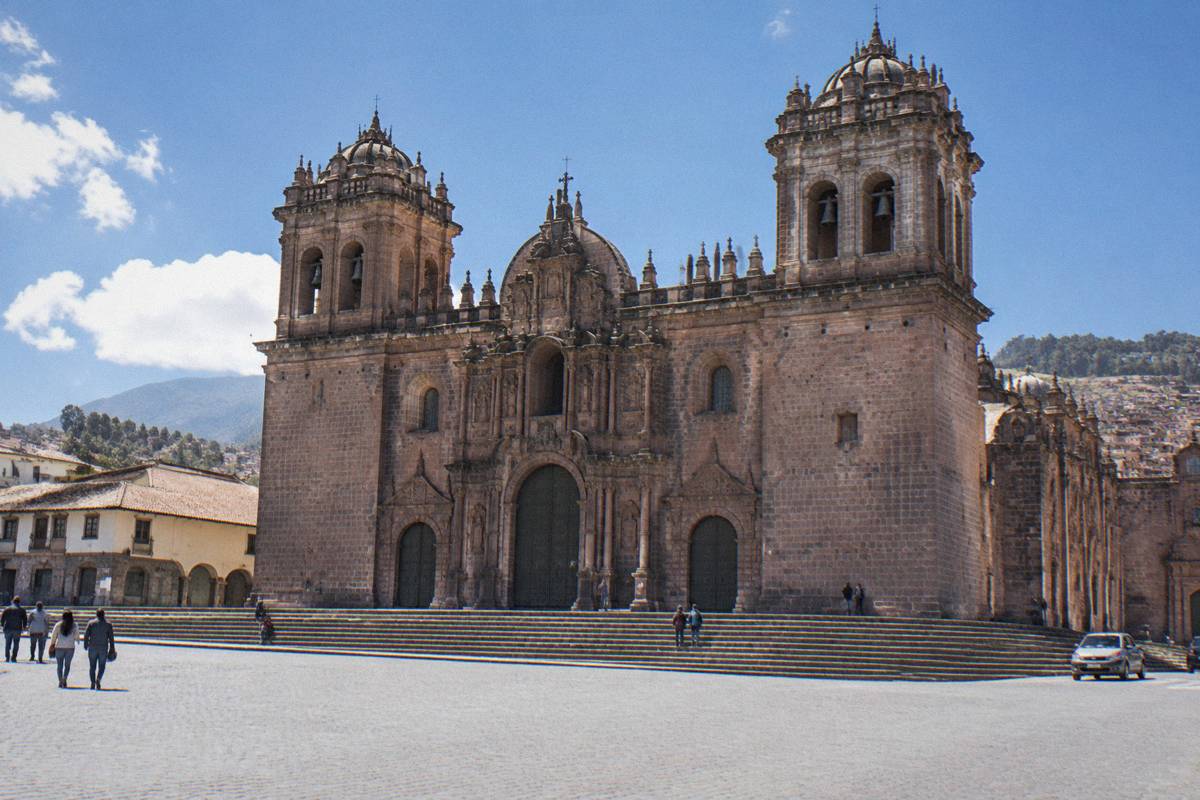
Lima and Cusco are both Peruvian, and that is roughly where the similarity ends. Lima is the Pacific coast capital, the entry airport for nearly every international itinerary and the connective hub for the whole country; Cusco, also spelled Cuzco, is the former Inca capital sitting at 3,335 m in the southern Andes, inscribed by UNESCO in 1983 and serving as the jumping-off point for Machu Picchu. The flight between them takes about 1 h 15, so the real question is not either or, but how many days to give each. Still, if the choice is forced, the honest answer is that it depends on what the trip is for, and the verified facts point in fairly clear directions.
Is Lima Or Cusco Nicer?
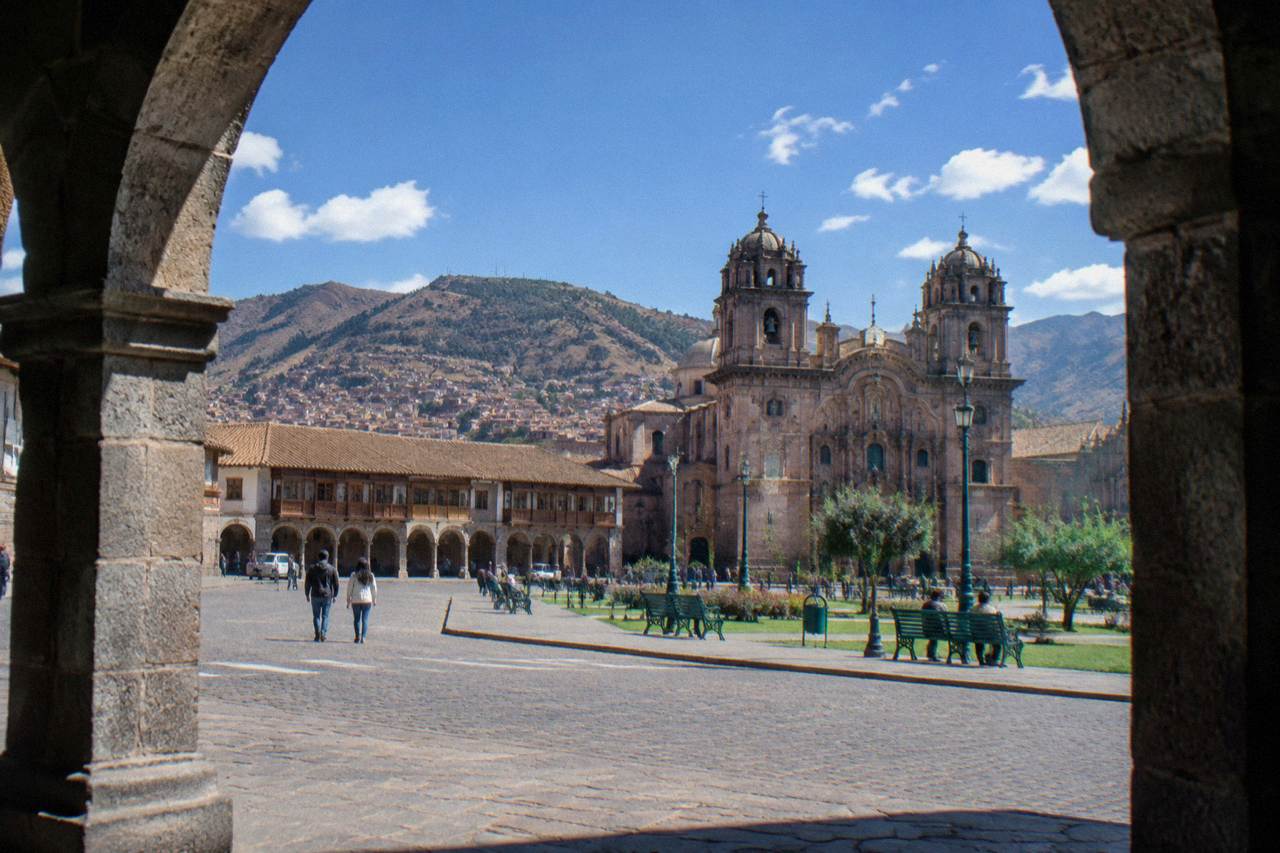
No ranking or survey in the verified sources calls either city nicer, so the honest answer is that it depends on the trip. Cusco offers the UNESCO-inscribed historic centre, Inca sites on the city's edge and Machu Picchu within reach; Lima offers the coast, the country's main airport and its biggest restaurant scene. Travellers who want history, ruins and mountain landscapes lean Cusco; travellers who want city energy, sea air and food lean Lima.
What the sources do support is a picture of two completely different products. Cusco's Plaza de Armas sits at 3,335 m, per PromPeru, and the city's historic centre carries a 1983 UNESCO inscription, the same year the Machu Picchu sanctuary was inscribed on 9 December 1983. The Ministry of Culture's open ticketing data recorded 1,479,506 visitors to the Inca city of Machu Picchu in 2025, and the Saqsaywaman esplanade above Cusco counted 944,008 visits, figures that show where the region's pull lies. Lima, by contrast, is the practical gateway: the flight from Lima to Cusco takes about 1 h 15 and the bus ride about 21 to 26 hours, per PromPeru, which is why nearly every international visitor passes through the capital whether they count it as a destination or not.
The comparison the sources cannot make is a ranking. What can be compared is altitude, weather, food access, cost of entry to the main sights, and the kind of traveller each city rewards. Those comparisons follow.
What Kind Of Trip Does Each City Suit?
Cusco suits travellers whose main goal is Inca history, archaeological sites and mountain day trips, because the Boleto Turistico alone covers 16 sites and Machu Picchu, the Sacred Valley and Rainbow Mountain all sit in its orbit. Lima suits travellers who want a big coastal city, a short stopover and the country's most concentrated dining, before flying on. A trip built around Machu Picchu needs Cusco; a trip built around food and museums can start and end in Lima.
Cusco is a compact, walkable historic city where the main sights cluster tightly. The Boleto Turistico's integral ticket, at S/ 130 for a foreign adult (about US$38) and valid for 10 days, covers 16 sites across three circuits: Saqsayhuaman, Q'enqo, Puka Pukara and Tambomachay on Circuit I, the city museums and Qorikancha site museum on Circuit II, and Pisac, Ollantaytambo, Chinchero and Moray on Circuit III. COSITUC sells it in person only, at the Av. El Sol 103 counter daily from 07:30 to 18:00, not online. That concentration is the practical case for Cusco: a visitor based there can cover Inca ruins, colonial churches and the Sacred Valley without ever repositioning.
Lima's role in most itineraries is the front door. International visitors usually connect through it, since no nonstop flights from the United States to Cusco were listed in the 2026 schedules checked for this site's guide to direct flights. The capital rewards a day or two of museums, coastal walks and eating, and it sits at sea level, which matters more than many itineraries acknowledge. The CDC Yellow Book names Cusco as a rapid-ascent destination at roughly 3,350 m and advises graded ascent where feasible; flying from sea-level Lima straight into Cusco is exactly the abrupt profile the CDC describes, which is one reason many itineraries put a Lima night or two first. The altitude question is covered in more detail in how likely altitude sickness is in Cusco.
For travellers who want both cities and have limited time, the sourced geography is friendly: the flight is about 1 h 15, so a Lima arrival, a Cusco block and a Lima departure is a normal, low-friction shape. The bus, at 21 to 26 hours, is a choice rather than a necessity.
Ready to make the short hop to the Andes? Book a flight to Cusco here.
How Do The Two Cities Compare On Altitude And Weather?
Cusco sits at 3,335 m with dry, cold nights from May to September and a wet season from roughly November to March, while Lima is a coastal capital and the verified pack holds no Lima climate table at all. The practical difference is acclimatisation: the CDC Yellow Book advises graded ascent and names Cusco as a rapid-ascent destination, so altitude is a Cusco planning factor and a Lima non-issue.
Cusco's climate record comes from the WMO World Weather Information Service station "Cuzco", supplied by SENAMHI, a historical normal rather than a 1991-2020 table. Its shape is unmistakably Andean and southern-hemisphere: mean daily maximums stay between 18.8 and 20.9 C all year, while winter nights drop to a mean minimum of 0.1 C in July and 0.3 C in June, with frost common in June and July. Rain concentrates hard in the wet months: December to March delivers 71.9 percent of the year's 707.8 mm, while May to August together bring just 22.8 mm. June to August is winter here, dry and clear, never "summer". Everything else covered here is indexed on Things To Do In Cusco Peru.
| Month | Mean max C | Mean min C | Rain mm |
|---|---|---|---|
| Jan | 18.9 | 6.6 | 145.3 |
| Feb | 18.8 | 6.5 | 133.7 |
| Mar | 19.1 | 6.2 | 107.0 |
| Apr | 19.7 | 4.9 | 43.2 |
| May | 19.8 | 2.5 | 8.7 |
| Jun | 19.5 | 0.3 | 1.5 |
| Jul | 19.1 | 0.1 | 4.0 |
| Aug | 19.8 | 1.6 | 8.6 |
| Sep | 19.8 | 3.9 | 21.8 |
| Oct | 20.9 | 5.5 | 39.4 |
| Nov | 20.7 | 6.1 | 71.9 |
| Dec | 19.4 | 6.4 | 122.7 |
What the sources do say about Lima is practical: it is the connective hub, at sea level by comparison with Cusco, and the CDC's altitude guidance applies to the Andes, not the coast. The CDC's ascent rule is specific: avoid going from low altitude to a sleeping altitude of 2,750 m or more in a single day, and once above 3,000 m, raise the sleeping altitude by no more than 500 m per night. The Yellow Book also notes that in a rapid-ascent situation rates of altitude illness approach 50 percent, which is why the flight from Lima into Cusco deserves a plan, not just a ticket. Acetazolamide is a prescription decision to take with a doctor, and the CDC advises avoiding alcohol for the first 48 hours at altitude. More detail sits in the site's guide to how long to acclimatise in Cusco.
Which City Has The Stronger Food Scene?
Lima is where Peru's most internationally recognised restaurants are concentrated, while Cusco's food scene is smaller, more regional and built around markets, Andean dishes and cooking classes rather than fine-dining flags. The verified sources hold no ranking of either city, so the honest statement is a difference of kind: Lima for the top of the dining ladder, Cusco for markets, classes and Andean specialties.
One verified fact anchors the Lima side: the Michelin Guide lists no restaurants anywhere in Peru, so any claim of a Lima Michelin star is wrong, as this site's Michelin guide explainer sets out. The recognition that does reach the region comes from Latin America's 50 Best Restaurants 2025, which placed Mil, at Moray in the Sacred Valley near Cusco, at number 49. That is a Cusco-region fact, not a Lima one, and it is the strongest sourced statement available about Andean dining near Cusco.
Cusco's food offer is best understood through its markets and classes rather than a starred ladder. San Pedro Market anchors the city's food walk, and the roster of verified Cusco products includes market tours, street-food walks and hands-on Peruvian cooking classes, several of which combine a market visit with preparing dishes and pisco-based cocktails. The pisco sour itself is a national drink rather than a city's property, and a small-group mixology session in Cusco's historic centre, such as Pisco Sour Secrets, is one of the more social ways to spend a first evening at altitude, when heavy activity is off the table anyway. The related tour below is that class.
For a first evening in the Andes, a seated, indoor format has an advantage the CDC's advice quietly endorses: the first 48 hours at altitude are not the moment for a strenuous outing, and a mixology class keeps the pace gentle while still delivering a genuinely Peruvian experience. The box below checks live availability for the same session.
How Many Days Should Each City Get?
No sourced formula exists, but the shape of the facts is clear: Cusco needs enough days to acclimatise and cover the Boleto's 16 sites plus at least one day trip, while Lima works as a one-to-two-night gateway around the international flight. The COSITUC FAQ itself notes that covering all 16 boleto sites needs a minimum of three days, which sets a floor for a serious Cusco stay.
The Boleto Turistico's 10-day validity is generous, but the COSITUC FAQ states that seeing all 16 sites takes at least three days, and that is before any Sacred Valley, Rainbow Mountain or Machu Picchu day trip. Machu Picchu alone is a committed outing: the citadel sits at 2,430 m, lower than Cusco, and the Ministry of Culture's rules give hourly entry slots from 06:00 to 15:00 with a maximum stay of 2 h 30 on standard routes. The site's guide to how many days to spend in Cusco works through the sequencing in detail, including whether to base in the city or the valley, a question also covered in Cusco versus the Sacred Valley for a base.
Lima's needs are lighter. Because the flight to Cusco is about 1 h 15 and international arrivals land there anyway, Lima functions well as an arrival buffer: a night or two at sea level, museums and meals, then the short hop to the Andes. That sequencing also softens the altitude profile the CDC warns about, since it breaks the sea-level-to-3,335-m jump into stages.
| Planning factor | Cusco | Lima |
|---|---|---|
| Elevation | 3,335 m at the Plaza de Armas (PromPeru) | Coastal capital, sea-level profile |
| UNESCO status | City of Cusco inscribed 1983 | Not covered by the verified pack |
| Main sightseeing pass | Boleto Turistico S/ 130 integral, 10 days, 16 sites | Not covered by the verified pack |
| Connection between them | Flight about 1 h 15; bus about 21 to 26 hours (PromPeru) | Same |
| Altitude planning | CDC rapid-ascent destination; graded ascent advised | Not an altitude factor |
Whichever way the split lands, the products below are the three verified Cusco experiences that most itineraries build around: an evening mixology session in the historic centre, a full-day Sacred Valley tour and a panoramic-train Machu Picchu day with Circuit 2 entry.
Common Questions About Cusco Or Lima
Is Lima or Cusco nicer?
No verified ranking exists. Cusco suits travellers chasing Inca history, ruins and mountain landscapes; Lima suits travellers who want a coastal capital, museums and the country's most concentrated dining before flying on. Most itineraries use both, connected by a flight of about 1 h 15.
Is Cusco worth visiting if time is short?
Yes, and the sources support a short stay better than they support a rushed one. The Boleto Turistico covers 16 sites on a 10-day integral ticket, and COSITUC's own FAQ notes that all 16 need a minimum of three days, so even a focused visit needs a few days plus acclimatisation.
Which city should come first, Lima or Cusco?
Lima usually comes first for practical reasons: international flights land there, and the CDC Yellow Book prefers graded ascent to high altitude, so a sea-level night or two before flying into Cusco at 3,335 m matches the official advice.
Is altitude a problem in Lima?
No verified source treats Lima as an altitude destination. The CDC's high-altitude guidance names Cusco, at roughly 3,350 m in the CDC's wording, as the rapid-ascent case; Lima sits on the coast and is where acclimatisation planning begins rather than ends.
Can you see Machu Picchu from Lima in a day?
Not realistically, and the sources frame why: the flight alone is about 1 h 15, Machu Picchu is reached from Cusco through the Sacred Valley corridor, and entry runs on timed circuits with a maximum stay on standard routes. A Machu Picchu visit is planned from Cusco, and the site's dedicated Machu Picchu day-trip page covers the details.
Does either city have Michelin-starred restaurants?
No. The Michelin Guide lists no restaurants anywhere in Peru, in either city. The strongest sourced dining recognition in the region is Mil at Moray in the Sacred Valley, placed number 49 on Latin America's 50 Best Restaurants 2025 list.
The verdict, as far as the verified facts allow one: neither city is nicer in any sourced sense, but they are not interchangeable. Cusco is the Inca capital with 16 boleto sites, Saqsaywaman above it and Machu Picchu below; Lima is the door. Give Lima the night or two the flight schedule and the CDC's ascent advice both reward, and give Cusco the days the sights genuinely need.