What To Do Instead Of Rainbow Mountain?
Sourced alternatives to Rainbow Mountain from Cusco: Palccoyo, Humantay Lake, Maras and Moray, Q'eswachaka and city options, with fees, altitudes and timing from official and operator sources.
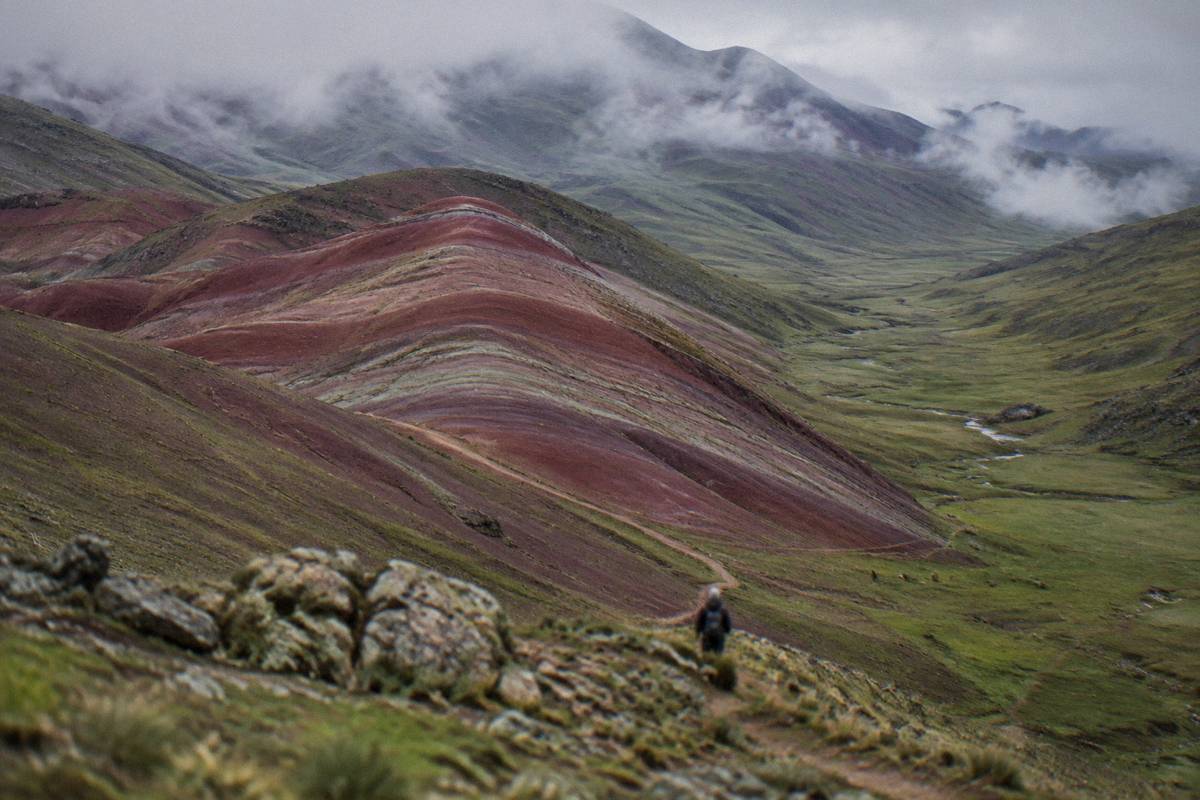
Cusco, the historic city in the Andes of southern Peru at about 3,335 m on the Plaza de Armas, sends day-trippers up to Vinicunca, the Rainbow Mountain, at about 5,000 m with a community fee of S/ 25 to S/ 30 for foreigners paid in cash. Not everyone wants that combination of altitude, crowds and a pre-dawn start, and the question of what to do instead has real answers. The Cusco region holds quieter coloured ranges, a glacial lake, Inca sites at gentler elevations and a city that peru.travel itself promotes for its free historic-centre sights. This page, written by Oleg for Things To Do In Cusco Peru, sets out the alternatives with the fees, elevations and timings that official and operator sources actually state.
What To Do Instead Of Rainbow Mountain?
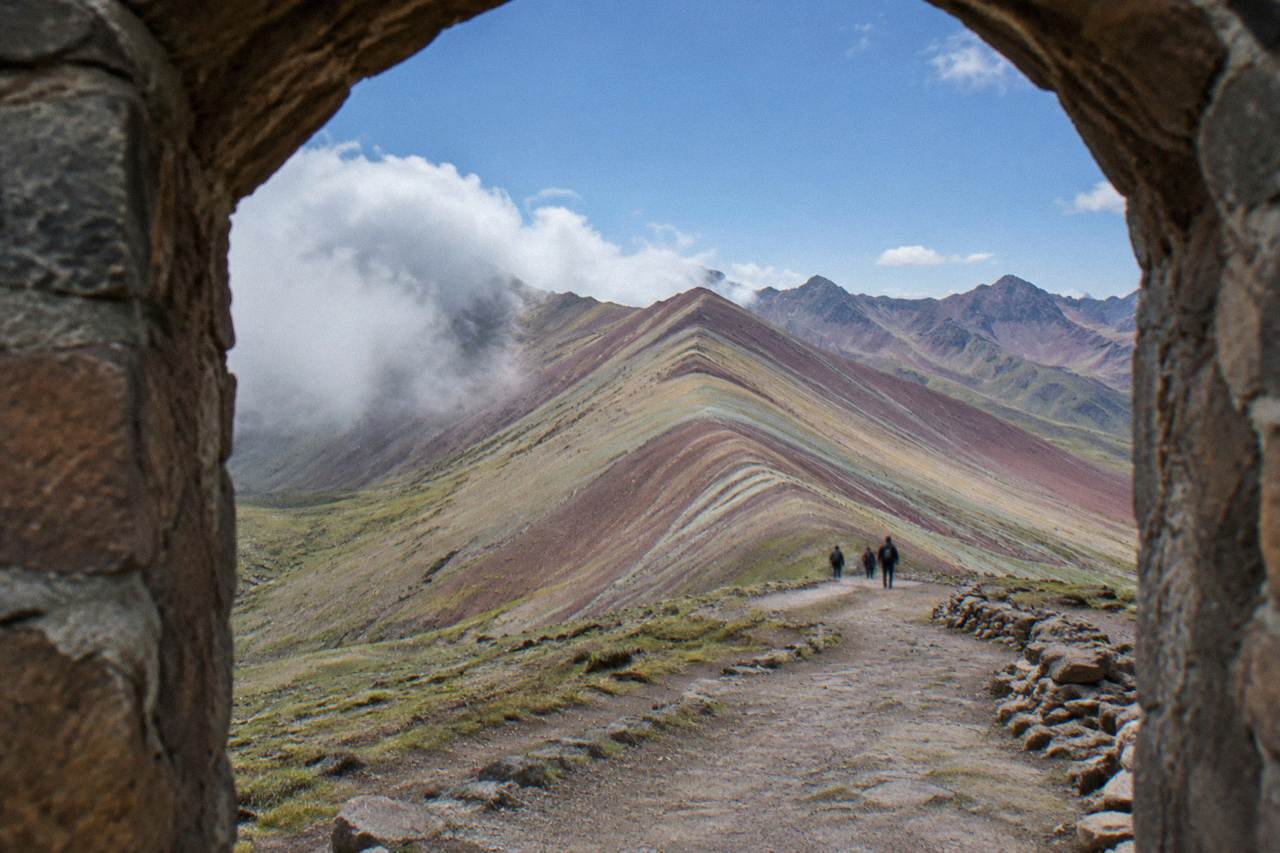
The strongest alternatives to Rainbow Mountain from Cusco are Palccoyo, a lower and quieter rainbow-striped range at a 4,900 m viewpoint with a reported foreigner fee of about S/ 20; Humantay Lake, a glacial hike at about 4,200 m; the Maras salt mines and Moray terraces in the Sacred Valley; the rebuilt Q'eswachaka rope bridge; and Cusco's own historic centre, museums and food walks, all reachable without a 5,000 m summit day.
Each of these is described below with what the sources say. None of them is a consolation prize: peru.travel runs its own editorial pages on Palccoyo and on the city's historic sights, and the Ministry of Culture's ticket platform covers the Inca sites around the city. The choice between them usually comes down to altitude tolerance, season and how much of the day a traveller is willing to spend in a vehicle.
Why Some Travellers Skip Vinicunca From Cusco
Vinicunca sits at about 5,000 m, well above the Cusco base altitude of about 3,335 m, and the visit involves a community fee of S/ 25 to S/ 30 for foreigners paid in cash at the trailhead, with the route depending on whether access runs through Cusipata or Pitumarca. Those three facts, the altitude jump, the cash fee and the long day, are the reasons the alternatives on this page exist.
The CDC Yellow Book names Cusco as a rapid-ascent destination at approximately 3,350 m and advises graded ascent where it is feasible, so a day that climbs from the city to about 5,000 m is a serious proposition for anyone who arrived by air the day before. The peru.travel story on Vinicunca states the foreign community fee at S/ 30, cash, with S/ 20 for nationals, and operator guides in 2026 report S/ 25 on the Cusipata route and S/ 30 through Pitumarca. The oxygen question has no sourced figure, and this page stays silent on it; what the CDC does say is that avoiding abrupt ascent and considering acetazolamide are decisions to make with a doctor.
Timing matters as much as anything. The WMO station "Cuzco", supplied by SENAMHI as a historical normal, shows December to March carrying 71.9 percent of the year's 707.8 mm of rain, while May to August together bring 22.8 mm. A wet-season Vinicunca day can end in cloud with no colours visible, which is one reason travellers ask whether Rainbow Mountain is real and why some look at Rainbow Mountain versus Palccoyo before committing.
For readers who weigh all this and still want the original, the Rainbow Mountain day trip page covers the full route, and the operator's live listing for the Rainbow Mountain and Red Valley trip with meals can be checked at Check availability. The rest of this page is for everyone else.
Palccoyo: The Quieter Rainbow Range Near Cusco
Palccoyo is the direct substitute: a rainbow-striped mountain range with the viewpoint at 4,900 m, a reported foreigner fee of about S/ 20 in cash, and a shorter walking approach than Vinicunca's, which makes it the standard answer when the original day trip is too high, too crowded or too long.
Peru.travel's own Palccoyo story gives the viewpoint elevation at 4,900 m, roughly a hundred metres below the Vinicunca summit zone, and operator pricing pages in 2026 report the foreigner fee at about S/ 20, while older official pages gave S/ 10 to S/ 15. The range holds several striped slopes rather than one summit, so the colours are viewed across a valley rather than earned by a single climb. Sources disagree on nothing important here except the fee's history, and the honest phrasing is "about S/ 20 reported by operators in 2026".
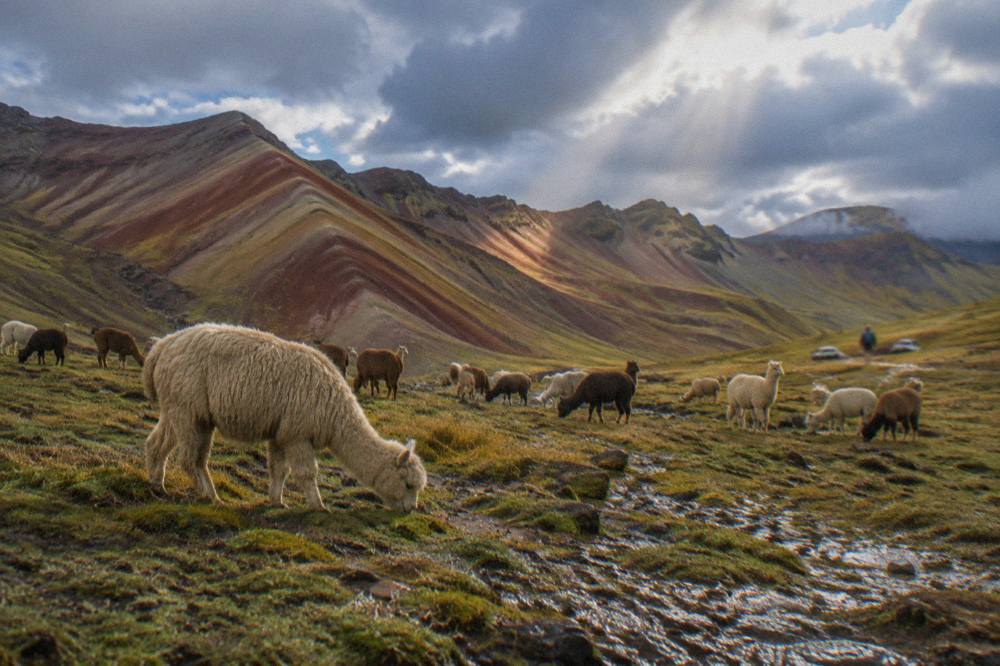
The trade-off is visibility of a different kind: Palccoyo sees far fewer visitors than Vinicunca, and the MINCETUR open dataset does not break it out in the way it does for the major Cusco sites, so no visitor-count claim belongs on this page. What can be said is that the same mineral striping that made Vinicunca famous is present at Palccoyo, at a lower altitude, with a smaller cash fee. The Palccoyo day-trip page carries the full detail.
Humantay Lake: A Glacial Hike Without The Crowds Of Vinicunca
Humantay Lake is the altitude-lover's alternative: a turquoise glacial lake at about 4,200 m reached on a day trip from Cusco, with entry sources disagreeing between S/ 10 and S/ 20 so no single figure can honestly be printed, and a steep final climb that operator tours pair with breakfast and buffet lunch.
The lake sits below the Salkantay massif on the trek route toward Machu Picchu, and its elevation of about 4,200 m comes from secondary sources, with no official figure located. It is higher than Cusco by roughly 900 m, a difference the facts pack does state for Cusco versus Machu Picchu and which applies here only as the two standalone elevations, 3,335 m and about 4,200 m. Travellers who want the comparison framed properly can read whether Humantay is harder than Rainbow Mountain.
What the sources do agree on is the shape of the day: an early departure from Cusco, a walk up to the lake, and a return with meals included on the organised versions. The CDC's graded-ascent advice applies to Humantay exactly as it does to Vinicunca, since both are abrupt climbs from a city the Yellow Book treats as a rapid-ascent destination.
For the Humantay day with meals handled, book a Humantay Lake tour here.
Sacred Valley Alternatives: Maras, Moray And Q'eswachaka
The Sacred Valley offers three alternatives that sit far lower than Vinicunca: the Maras salt mines at 3,300 m with a reported 2026 entry of S/ 15 to S/ 20, the Moray terraces at 3,385 m covered by the Boleto Turistico's Circuit III, and the Q'eswachaka rope bridge with an operator-reported fee of about S/ 20, rebuilt each year by hand.
Maras and Moray pair naturally, and a new 8 km asphalt road between them was handed over in late December 2025, which the regional press reported at the time. Moray's admission runs through the COSITUC Boleto Turistico: the integral ticket for a foreign adult is S/ 130 valid for 10 days, or the Circuit III partial at S/ 70, and the ticket is sold in person only, at the counter on Av. El Sol 103 in Cusco or at most included sites, never online. The salt mines themselves charge separately, reported at S/ 15 to S/ 20 by operators in 2026.
Q'eswachaka, the grass-rope bridge over the Apurimac, is the cultural alternative. An operator reports a fee of about S/ 20, and the 2026 renewal ran 2 to 4 July with the festival on 5 July, a date that moves and belongs to one year only. The bridge is rebuilt annually, a practice widely documented without any figure this page needs to invent. Whether the Sacred Valley justifies the time at all is answered at is the Sacred Valley worth visiting, and for travellers splitting nights between bases, staying in Cusco or the Sacred Valley matters more than the choice of one site.
| Alternative | Elevation | Entry fee stated by sources | What the fee buys |
|---|---|---|---|
| Rainbow Mountain (Vinicunca) | about 5,000 m | S/ 25 to S/ 30 for foreigners, cash | Summit-zone access via Cusipata or Pitumarca |
| Palccoyo | viewpoint 4,900 m | about S/ 20 reported by operators in 2026 | Striped range viewpoint, shorter walk |
| Humantay Lake | about 4,200 m | S/ 10 to S/ 20, sources disagree | Glacial lake access |
| Maras salt mines | 3,300 m | S/ 15 to S/ 20 reported in 2026 | Working salt pans |
| Moray | 3,385 m | Boleto Turistico Circuit III, S/ 70 | Inca terraces, 2-day partial validity |
| Q'eswachaka | not stated in the pack | about S/ 20 reported by an operator | Rebuilt grass-rope bridge |
Staying Low: City Alternatives While You Acclimatise
Cusco itself supplies the lowest-altitude alternatives: the historic centre's Inca walls and colonial churches, the Qorikancha museum at S/ 20 on the Boleto's Circuit II, the San Pedro market, and guided food walks, all between roughly 3,300 and 3,400 m, which is exactly the altitude the CDC Yellow Book wants travellers sleeping at before they climb higher.
The city's own sights cost sol prices the pack holds. The Inca Museum lists a foreign adult entry at S/ 20, the Museo de Arte Precolombino at S/ 20 general and S/ 10 for students, and the Qorikancha museum at S/ 20, also covered by the Circuit II partial at S/ 70. A menu del dia runs about S/ 8 to 15 and a cup of coca tea about S/ 2 to 5, both reported ranges, never official tariffs. For the acclimatisation logic, how long to acclimatise and how likely altitude sickness is carry the CDC-sourced detail.
A food walk is the alternative that needs no altitude at all. The Curious Monkey street-food walk, one of this site's verified products, is a small-group tasting walk limited to 10 people or fewer, and the cooking classes with a San Pedro market visit are listed on the same roster. GuruWalk also runs free, tip-based walking tours of the historic centre, including the YANA walking tour run by Yana Tour Operator, where the tip is the only payment and no price belongs in print.
Common Questions About Alternatives To Rainbow Mountain In Cusco
What To Do Instead Of Rainbow Mountain?
Palccoyo, Humantay Lake, the Maras salt mines with Moray, the Q'eswachaka rope bridge, and Cusco's own historic centre are the sourced alternatives. Palccoyo is the closest match, with striped slopes at a 4,900 m viewpoint and a reported fee of about S/ 20.
Is Palccoyo A Real Substitute For Vinicunca?
Peru.travel gives Palccoyo's viewpoint at 4,900 m and describes the same mineral striping that made Vinicunca famous. The fee reported by operators in 2026 is about S/ 20 for foreigners, below the S/ 25 to S/ 30 charged at Vinicunca.
Can You Visit Rainbow Mountain Without A Tour?
The community fee is paid in cash at the trailhead, S/ 25 to S/ 30 for foreigners depending on the route, so independent travel is possible in principle. The full logistics are covered on the page about visiting Rainbow Mountain without a tour.
Which Alternative Is Lowest And Easiest At Altitude?
The city options sit lowest: Cusco's Plaza de Armas is at 3,335 m, and the museums, market and food walks all sit near that altitude. The CDC Yellow Book prefers graded ascent, and staying at city altitude for the first days is the graded option.
Does The Weather Affect The Alternatives Too?
Yes. The WMO/SENAMHI historical normal for the Cuzco station puts 71.9 percent of the year's 707.8 mm of rain in December to March, which affects every high-altitude day trip from the city, not only Vinicunca. May to August bring just 22.8 mm between them.
The honest summary is that the Cusco region offers a genuine choice: a lower rainbow range, a glacial lake, Inca engineering in the Sacred Valley, a living bridge tradition, or the city itself at the altitude the CDC wants travellers to start from. Every fee and elevation on this page comes from the sources named, and the product cards carry the live prices the prose never prints.