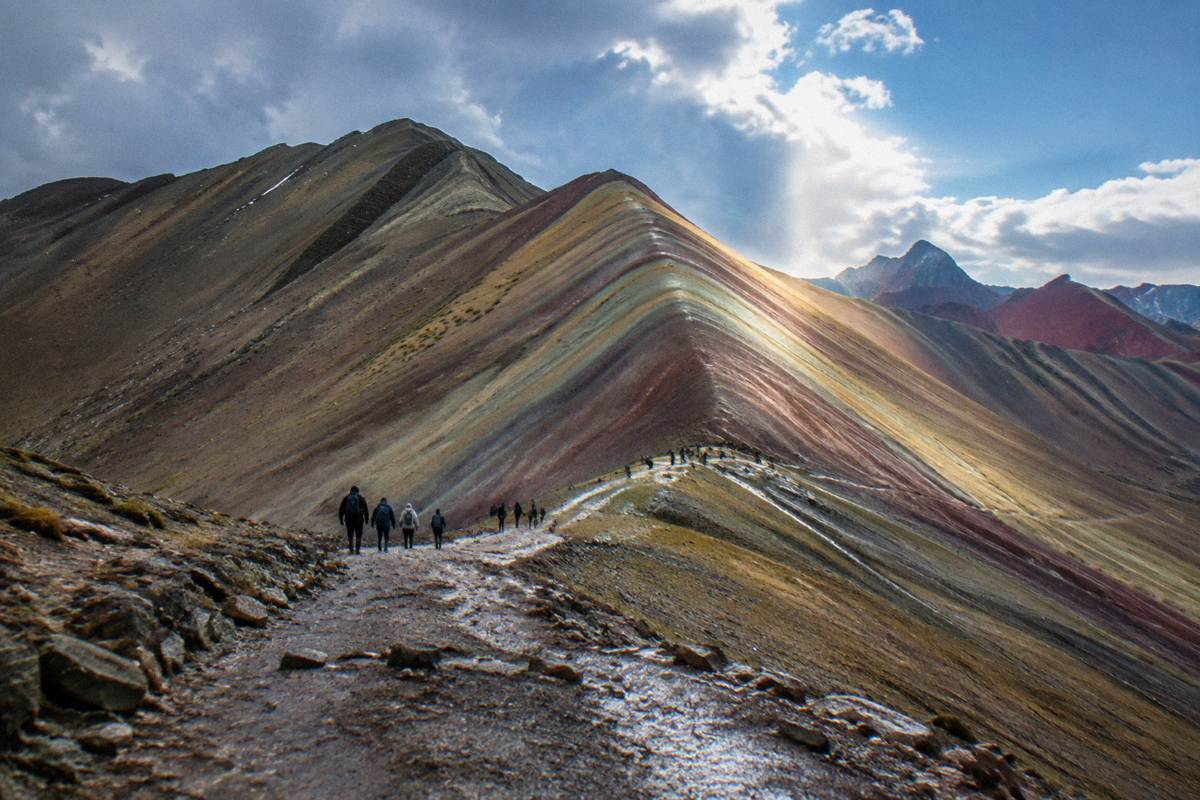
Can You Do Rainbow Mountain Without A Tour?
Can you reach Rainbow Mountain from Cusco without a guided tour? A research-based answer covering transport, the community fee, altitude and what a tour actually adds.
Rainbow Mountain, the striped highland of Vinicunca at about 5,000 m in the Andes above Cusco, is one of the region's most visited day-trip destinations, and the question of whether a guided tour is required to see it comes up constantly. The short version is that no rule forces a guide: the site is reached through community land with a cash entrance fee, and independent travel from Cusco is possible. What makes the decision real is the combination of early-morning transport, an unpaved final stretch, an altitude far above the city itself and a fee collected in soles at the trailhead. This page lays out what the sources say about each of those pieces.
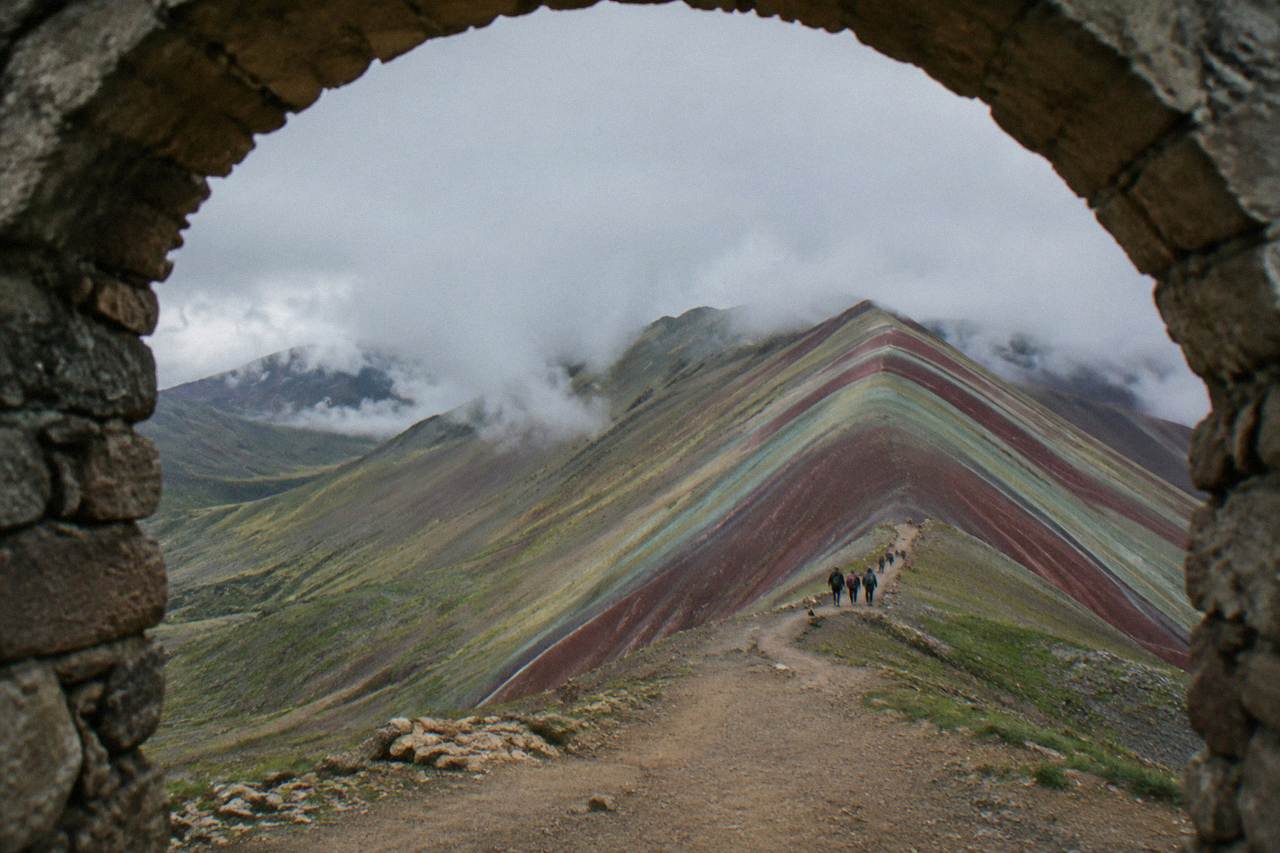
Can You Do Rainbow Mountain Without A Tour?
Yes, Rainbow Mountain can be visited without a tour. No permit, guide or operator booking is required by any authority, and the only mandatory payment is the community entrance fee of S/ 25 to S/ 30 for foreigners, paid in cash at the trailhead. What a tour actually sells is the transport chain from Cusco, an early start and a guide's support at about 5,000 m, not access itself.
The distinction matters because the mountain is not a state-run archaeological park like the sites on the Boleto Turistico. It sits on community land, and the communities along the two access routes, Cusipata and Pitumarca, collect the fee themselves. Peru's official tourism portal lists the foreign fee at S/ 30 with S/ 20 for nationals, while operator guides report S/ 25 on the Cusipata route and S/ 30 on the Pitumarca route, so the figure depends on which side the visit enters from. Cash in soles is the only payment method reported by every source.
What no independent plan removes is the altitude. The viewpoint stands at about 5,000 m, roughly 1,700 m above Cusco's Plaza de Armas at 3,335 m, and the CDC names Cusco itself as a rapid-ascent destination. A reader weighing the solo route should read the altitude pages on this site, starting with how likely altitude sickness is in Cusco, before deciding that skipping a guide means skipping preparation.
How Do You Get To Rainbow Mountain From Cusco On Your Own?
Independent travel from Cusco means reaching the town of Checacupe by public transport and then continuing to Cusipata or Pitumarca, the two trailhead communities, by local means, since the final stretch is unpaved mountain road. The site has no rail or formal bus terminal of its own, so the journey is assembled in stages and starts well before dawn to catch clear morning light.
What the sources do establish is the geography: Checacupe is the district on the Cusco side, and from there the road splits toward Cusipata, where the reported fee is S/ 25, and Pitumarca, where it is S/ 30. Operators describe both trailheads as the start of a walk to the striped ridge, with horses offered locally for those who do not want to climb on foot.
The practical cost of independence is time and friction. A guided day trip handles the hotel pickup, the vehicle suited to the road and the return leg in one booking, which is why the guided option dominates. For a reader who wants the support without organising it, the site's featured day trip covers the logistics: Check availability. The full picture of the destination, including the Red Valley extension, is on the Rainbow Mountain day-trip page.
What Does The Rainbow Mountain Community Fee Cover?
The community fee at Rainbow Mountain is S/ 25 to S/ 30 for foreign visitors, about US$7 to US$9, paid in soles cash at the trailhead, with the lower figure reported on the Cusipata route and the higher on Pitumarca. Peru's official tourism portal lists S/ 30 for foreign visitors and S/ 20 for nationals. It is not covered by any city pass or tourist ticket.
The fee is a community charge, not a government admission, and that has consequences for how it is paid. No card machine, online checkout or tourist pass applies. Every 2026 source agrees on cash, and the practical advice that follows from the sources is to carry small sol notes, since change at 5,000 m is scarce. The same pattern applies across the region's natural sites: Palccoyo charges about S/ 20 for foreigners reported by operators in 2026, the Maras salt mines S/ 15 to S/ 20, and Humantay Lake somewhere in a disputed S/ 10 to S/ 20 range. The rest of the planning pages sit on Things To Do In Cusco Peru.
| Site | Foreign fee reported | Payment | Source basis |
|---|---|---|---|
| Rainbow Mountain (Cusipata route) | S/ 25 (about US$7) | Soles cash | Operator guides, 2026 |
| Rainbow Mountain (Pitumarca route) | S/ 30 (about US$9) | Soles cash | Peru tourism portal and operators |
| Palccoyo viewpoint | About S/ 20 | Cash | Operators, 2026 |
| Maras salt mines | S/ 15 to S/ 20 | Cash | Operators, 2026 |
| Humantay Lake | S/ 10 to S/ 20 (sources disagree) | Cash | Conflicting operator pages |
A reader comparing the two Rainbow Mountain access routes should also read the site's comparison of Rainbow Mountain versus Palccoyo, since the Palccoyo side sits at a reported 4,900 m viewpoint and carries a shorter climb.
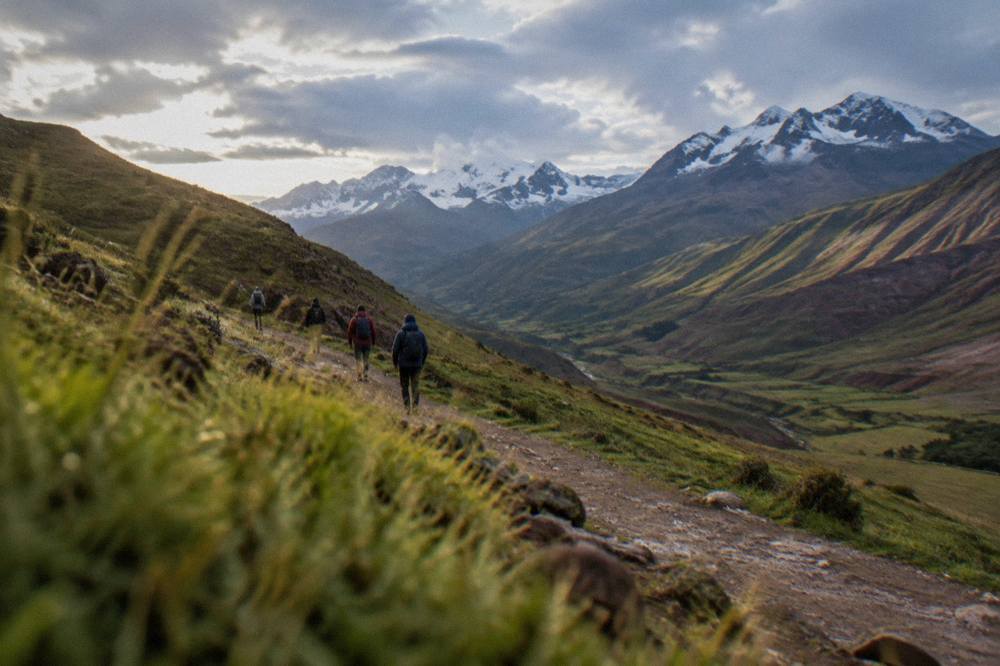
Is Rainbow Mountain Harder Without A Guide?
The walk itself is not technical, but the altitude is the difficulty: the ridge sits at about 5,000 m, and no sourced figure exists for oxygen levels there, so the honest answer is that the effort depends on how a body handles thin air rather than on terrain. A guide cannot remove the altitude, but a guided day trip carries food, a set pace and a plan for someone who struggles, which an independent visit must self-supply.
The CDC Yellow Book advises graded ascent where feasible and names Cusco as a place travellers reach abruptly by air, with rates of altitude illness approaching 50 percent in rapid-ascent situations where staged acclimatisation is not possible. It also notes that travellers at Cusco can descend to lower elevations to sleep for a night or two before ascending, and that acetazolamide is a prescription decision to make with a doctor. None of that changes with a tour ticket; all of it is worth reading before either route is chosen.
Two questions on this site cover the physical side in depth: whether Humantay is harder than Rainbow Mountain, and what the oxygen level at Rainbow Mountain question can and cannot answer. On the closure question, no current closure is on record in the sources, and access is set by the local communities and operators, so any claim of a standing shutdown should be checked against the why Rainbow Mountain might be closed page.
When Is The Best Time Of Year To Go Independently?
The dry season, roughly May to September, is the window the climate data supports for the whole Cusco region, with the WMO and SENAMHI station record for Cuzco showing just 22.8 mm of rain across May to August against 508.7 mm from December to March. Clear mornings matter more at Rainbow Mountain than anywhere else in the region, because the striped mineral colours need direct light and the ridge is regularly inside cloud later in the day.
The station data is a historical normal for the city of Cuzco, not a forecast for the mountain, and no sourced temperature or rainfall figure exists for Vinicunca itself. What the record does show is the shape of the Andean year: mean daily maxima in Cusco stay between 18.8 and 20.9 C in every month, while mean minima fall to 0.3 C in June and 0.1 C in July, with frost nights common in the June to July core of the dry season. A pre-dawn departure to the trailhead is a cold one in those months, whatever the midday maximum turns out to be.
| Season in the Cusco region | Months | Rain at the Cuzco station | What it means for the trip |
|---|---|---|---|
| Dry, winter core | June to August | 1.5 to 8.6 mm per month | Clearest mornings, frost at dawn |
| Dry shoulders | May and September | 8.7 and 21.8 mm | Good light, milder nights |
| Transition | April and October | 43.2 and 39.4 mm | Variable, check conditions |
| Wet season | November to March | 71.9 to 145.3 mm per month | Cloud risk, muddy tracks |
The MINCETUR open data adds a crowd dimension: across the region's sites, October 2025 drew 1.93 times the February 2025 visitor count at Machu Picchu, and the same dry-season concentration shapes every Cusco day trip. Independent travellers get no schedule relief from a tour operator's early-access arrangements, which is one quiet argument for the guided option in peak months.
For a reader who has weighed the independent route and decided the guided day is the better fit, the featured Rainbow Mountain and Red Valley trip is the one this site highlights: an early start from Cusco, meals included and the Red Valley extension in the same booking. The Palccoyo alternative in the picks above suits travellers who want the striped-slope experience with a shorter climb, and the Machu Picchu entry and guided tour option covers the other headline day trip most Cusco itineraries pair with this one.
Common Questions About Rainbow Mountain Without A Tour
These are the questions readers ask most often about visiting Rainbow Mountain from Cusco without booking a guided day trip, answered from the verified sources this site holds: the community fee, the two access routes, the altitude and the season.
Can you do Rainbow Mountain without a tour?
Yes. No authority requires a guide or a booked tour, and the only mandatory payment is the community fee of S/ 25 to S/ 30 for foreigners in soles cash. A tour buys transport, timing and support, not access.
How much is the entrance fee at Rainbow Mountain?
The community fee is S/ 25 on the Cusipata route and S/ 30 on the Pitumarca route for foreign visitors, about US$7 to US$9, paid in cash. Peru's official tourism portal lists S/ 30 for foreign visitors and S/ 20 for nationals.
Is Rainbow Mountain free to enter?
No. The mountain stands on community land and the communities collect the fee in cash at the trailhead. No city pass, tourist ticket or online checkout covers it.
How high is Rainbow Mountain compared with Cusco?
The ridge is at about 5,000 m, against 3,335 m for Cusco's Plaza de Armas, roughly 1,700 m higher. The CDC names Cusco itself as a rapid-ascent destination, so the climb from the city to the ridge is a serious altitude gain in a single day.
Is Rainbow Mountain open all year?
No closure is on record in the verified sources, and access is set by the local communities and operators. Weather and individual days can close the route, so check current conditions before travelling independently.
Is Palccoyo an easier independent option?
The Palccoyo side is reported at a 4,900 m viewpoint with a shorter climb and a foreign fee of about S/ 20, and it appears in operator guides as the quieter alternative. The comparison is set out on the Rainbow Mountain versus Palccoyo page.
Whether the independent route is the right one depends less on the fee, which is small, and more on transport confidence and altitude planning. A traveller who has acclimatised in Cusco for a few days, carries soles cash and is comfortable assembling the journey in stages can reach the striped ridge of Vinicunca alone; anyone who wants the day handled end to end will find the guided trips from Cusco, including the featured Rainbow Mountain and Red Valley day trip, priced on the operator's live listing.